Loading
by BlastRoom
Analyze how rural conditions in 1930s China shape the conflicts in Mao Dun's story "Spring Silkworms".
#historical_context#matatag_english_8
20 questions
One question set, multiple game modes. Tap any game to see it in action. Not sure which to pick?
In "Spring Silkworms", Old Tung Pao's loan, with its interest, must be repaid by the end of the silkworm season. Why does this deadline put the family at risk?
Mao Dun writes of Old Tung Pao: "what he produced brought a lower price in the market every day, while what he had to buy became more and more expensive." What condition does this show?
In "Spring Silkworms", Mao Dun calls twenty-five percent a month "a low rate of interest" for the money Old Tung Pao borrows. What does that description show about the countryside?
To buy more mulberry leaves, Old Tung Pao mortgages the mulberry grove that is his family's last piece of property. In "Spring Silkworms", what does this choice show about the family?
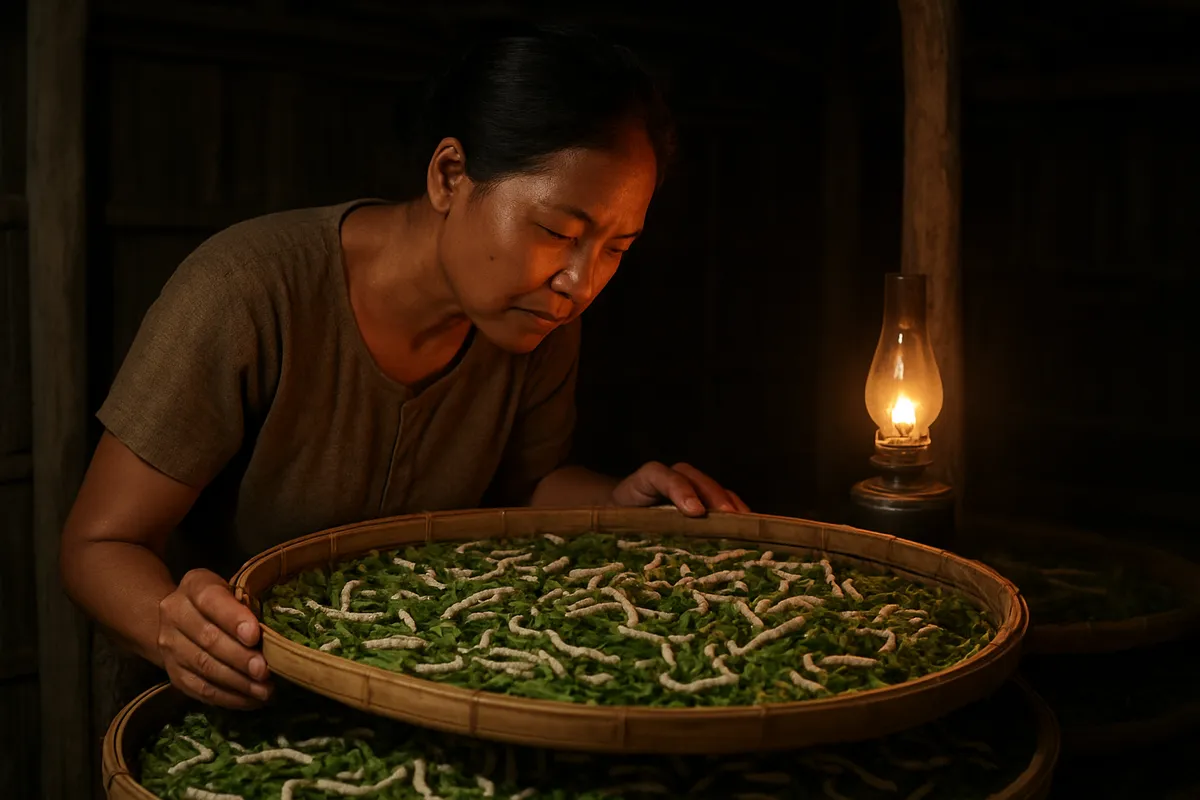
Through the silkworm season the family works day and night, watching the weather and fearing that a cold spell will harm the delicate worms. In "Spring Silkworms", which conflict is this?
In "Spring Silkworms" the village raises a splendid crop, but the silk mills stay shut and no buyer comes, so the families sink deeper into debt. Which conflict does this show?
In "Spring Silkworms", Old Tung Pao insists on reeling the silk at home; Ah Sze's wife objects that they have no reels, and Ah To blames his father. Which conflict is this?
In "Spring Silkworms", Old Tung Pao hates everything foreign, yet he lets his family raise a tray of foreign-breed silkworms because that breed sells better. Which conflict does this show?
Old Tung Pao's family sells first-class cocoons for less than their leaves cost. Which condition in China in the early 1930s bears directly on that result?
At the end of "Spring Silkworms" the family loses its mortgaged mulberry grove. Which condition does NOT help explain that loss?
Mao Dun writes: "Although they had harvested a good crop the previous year, landlords, creditors, taxes, levies, one after another, had cleaned the peasants out long ago." What does this show?
Mao Dun writes: "News was reaching them from town that none of the neighboring silk filatures was opening its doors." What does this news mean for the village?
Mao Dun writes that creditors and tax collectors "promptly froze up if you asked them to take cocoons in payment." What does this show about the villagers' position?
In "Spring Silkworms" the villagers avoid Lotus, and Old Tung Pao forbids his son to speak to her, believing she will bring the silkworms bad luck. Which conflict does Lotus face?
Old Tung Pao judges how the silkworm crop will turn out by counting the sprouts on a head of garlic. In "Spring Silkworms", what does this habit show about his village?
In "Spring Silkworms", the men row their cocoons 270 li to the one silk house still buying, and return with 110 dollars, ten of it spent on travel. What does this show?
At the silk house in "Spring Silkworms", cocoons of the foreign breed fetch thirty-five dollars a load and local ones twenty. What does this price gap show about Old Tung Pao's world?
In Mao Dun's "Spring Silkworms", Old Tung Pao's family gathers a splendid harvest of cocoons and still ends the season deeper in debt than before.
Mao Dun was born in Zhejiang Province in 1896 and studied in Beijing. In "Spring Silkworms", the bitter opinions about foreign goods belong to whom?
Mao Dun grew up in Zhejiang Province, the silk-raising region his story describes. Which fact about the author best helps a reader understand "Spring Silkworms"?
Crack the passcode before the zombies get in.

Pick a tile, answer, hit bonuses and steals.
Li Po and Wang Wei: Speaker and Situation
20 questions