Loading
by BlastRoom
Analyze the narrator, his reliability, and the plain style of Lu Xun's short story "A Little Incident".
#narration#matatag_english_8
20 questions
One question set, multiple game modes. Tap any game to see it in action. Not sure which to pick?
In Lu Xun's "A Little Incident": "Six years have slipped by since I came from the country to the capital." What point of view does this opening establish?
In "A Little Incident," the narrator watches the old woman fall and thinks: "She must be pretending, which was disgusting." Why should a reader treat this judgment with caution?
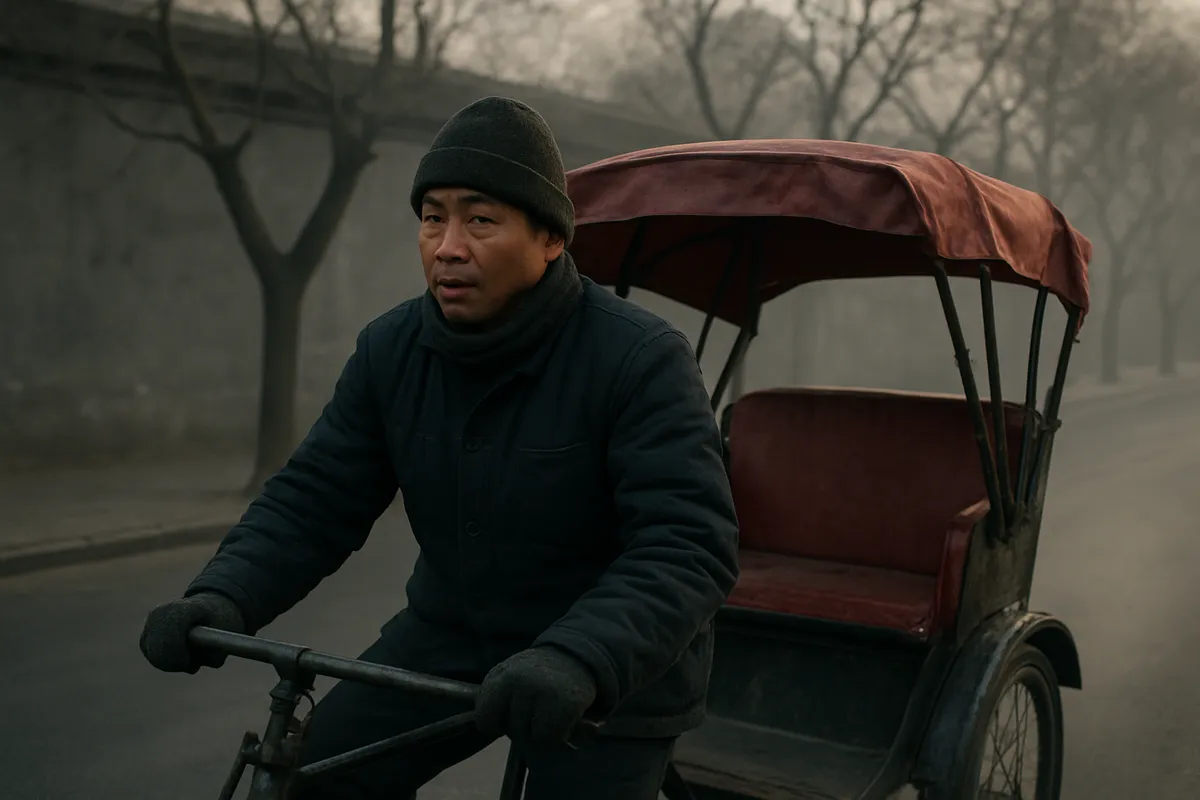
In "A Little Incident," the narrator says the rickshaw man "paid no attention" and adds, "perhaps he had not heard." What does the word "perhaps" reveal about this narrator?
In "A Little Incident," the passenger resents the puller's stop as "officiousness." Told from the rickshaw man's position, that same act would most likely appear as what?
In "A Little Incident," how would the collision most likely be told if the old woman were the narrator?
In "A Little Incident": "The wind had dropped completely, but the road was still quiet." Which feature of Lu Xun's writing does this sentence show?
In "A Little Incident": "What had I meant by that handful of coppers? Was it a reward? Who was I to judge the rickshaw man?" Which feature of the writing does this show?
In "A Little Incident," the story is told years afterward by the same man who lived it. What does this gap in time let the telling do?
In "A Little Incident," the crash and the walk to the police station take only a few short paragraphs, and the narrator's self-questioning closes the story. What does this ordering do?
In "A Little Incident," the puller helps the old woman in through the police station gate while the narrator stays outside. What can the account therefore not tell us?
In "A Little Incident," the events reach the reader through the passenger's eyes rather than the rickshaw man's.
In "A Little Incident": "His dusty, retreating figure seemed larger at that instant. Indeed, the further he walked the larger he loomed, until I had to look up to him." Whose seeing does "seemed" tie this to?
In "A Little Incident": "The military and political affairs of those years I have forgotten as completely as the classics I read in my childhood." Which feature of the writing carries the point here?
In "A Little Incident," the narrator ends his self-questioning with "I could not answer myself." How does this admission affect how far a reader trusts him?
In "A Little Incident," a policeman comes out and tells the passenger to hire another rickshaw. Told from the policeman's position, what would this moment mainly look like?
In "A Little Incident," the spoken lines are as short as "It's all right," "Go on," "Are you all right?" and "I'm hurt." Which feature of the writing does this show?
In "A Little Incident," the narrator says early on that one incident "struck me as significant" before he tells what it was. What does giving this away early do?
In "A Little Incident," the puller's presence seems to threaten "the small self under my fur-lined gown." How does the writer mark the gap between the two men here?
In "A Little Incident," suppose the story were retold by an all-knowing outside voice. What would most clearly be lost?
In "A Little Incident," the narrator resents the stop partly because it "might land him in trouble and hold me up." What does naming this motive do to his account?
Crack the passcode before the zombies get in.

Pick a tile, answer, hit bonuses and steals.

Spring Silkworms: Historical Context and Conflict
20 questions