Loading
by BlastRoom
The campaigns that decided the war, from Lexington and Saratoga through Valley Forge to Yorktown.
#united_states_history
30 questions
One question set, multiple game modes. Tap any game to see it in action. Not sure which to pick?
Answer to place stones and capture territory.
Outrun the snow together.
Earn blasts, then hunt the other team.
Answer to earn energy, then climb.

The class blasts through walls together.
Bid on mystery lots. Most money wins.
Sell tours. Nice, standard, or a total scam.

Answer, restock, and serve the rush.
More correct answers pulls the rope your way.
Answer, then shoot down the alien wave.
Answer, then tap to leap the frozen ridge.
In October 1781 Cornwallis's British army, pinned by American and French troops on land and a French fleet at sea, surrendered. Where did that surrender take place?
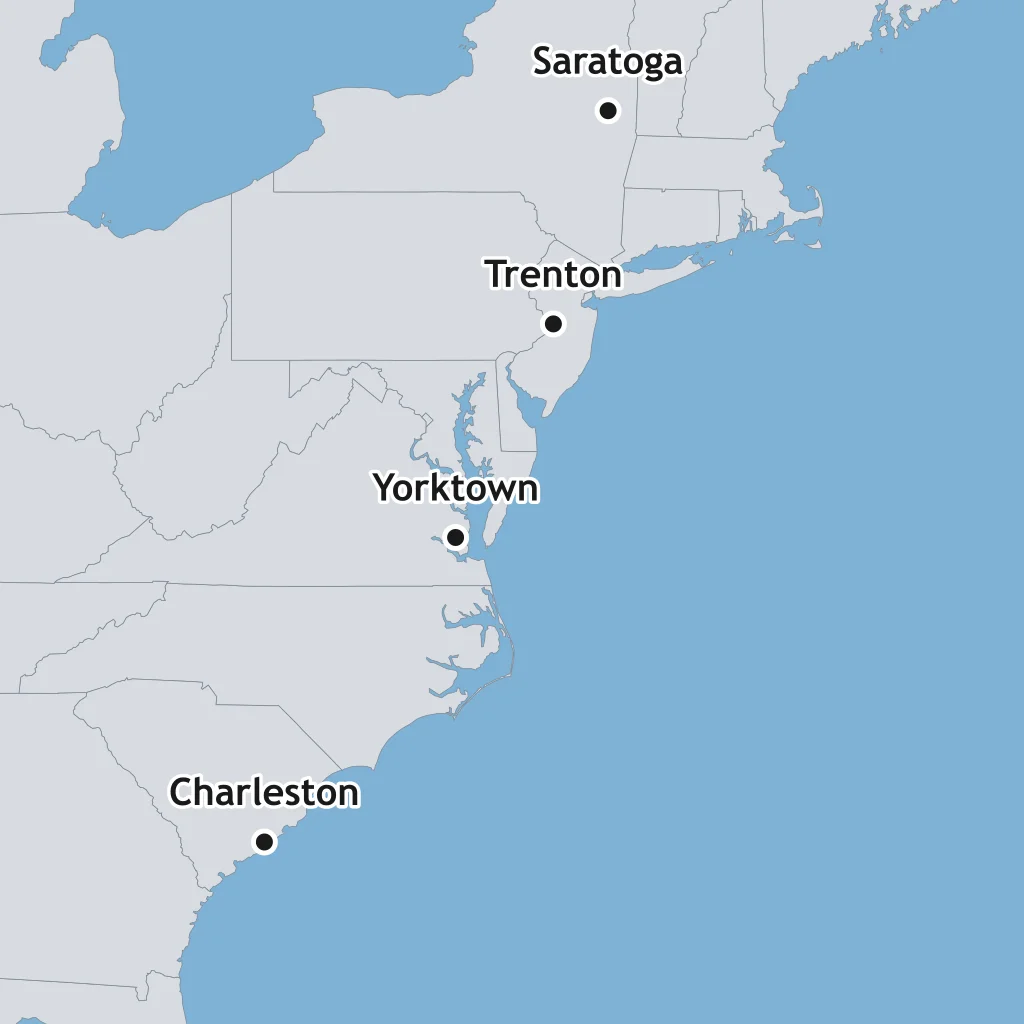
In December 1778 a British expedition sailed from New York and captured a southern port, opening Britain's southern campaign. Which port was it?
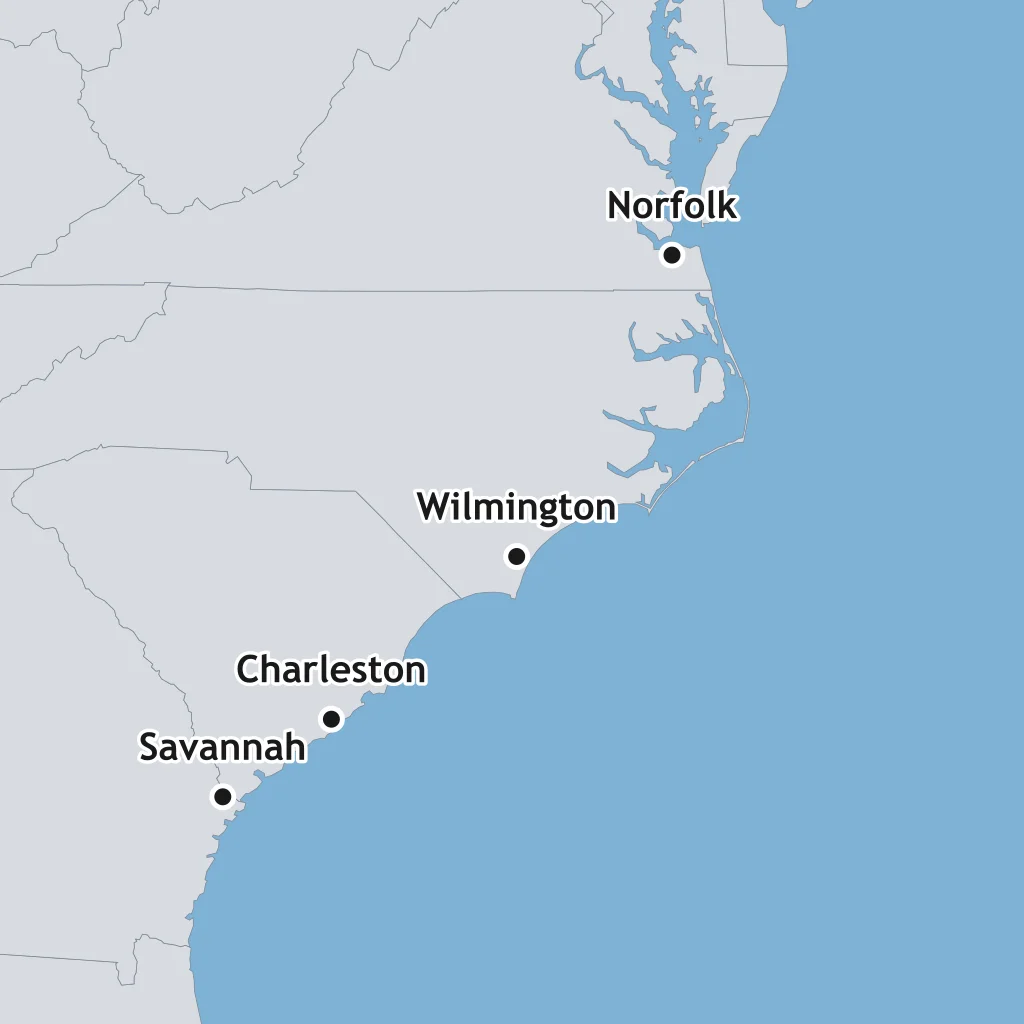
After 1778 Britain shifted its main military effort to one region of the thirteen states, expecting Loyalist support there. Which region was it?
In March 1776 the British sailed away from the New England port they had occupied since 1775, after American cannon appeared on the heights above its harbor. Which port was it?
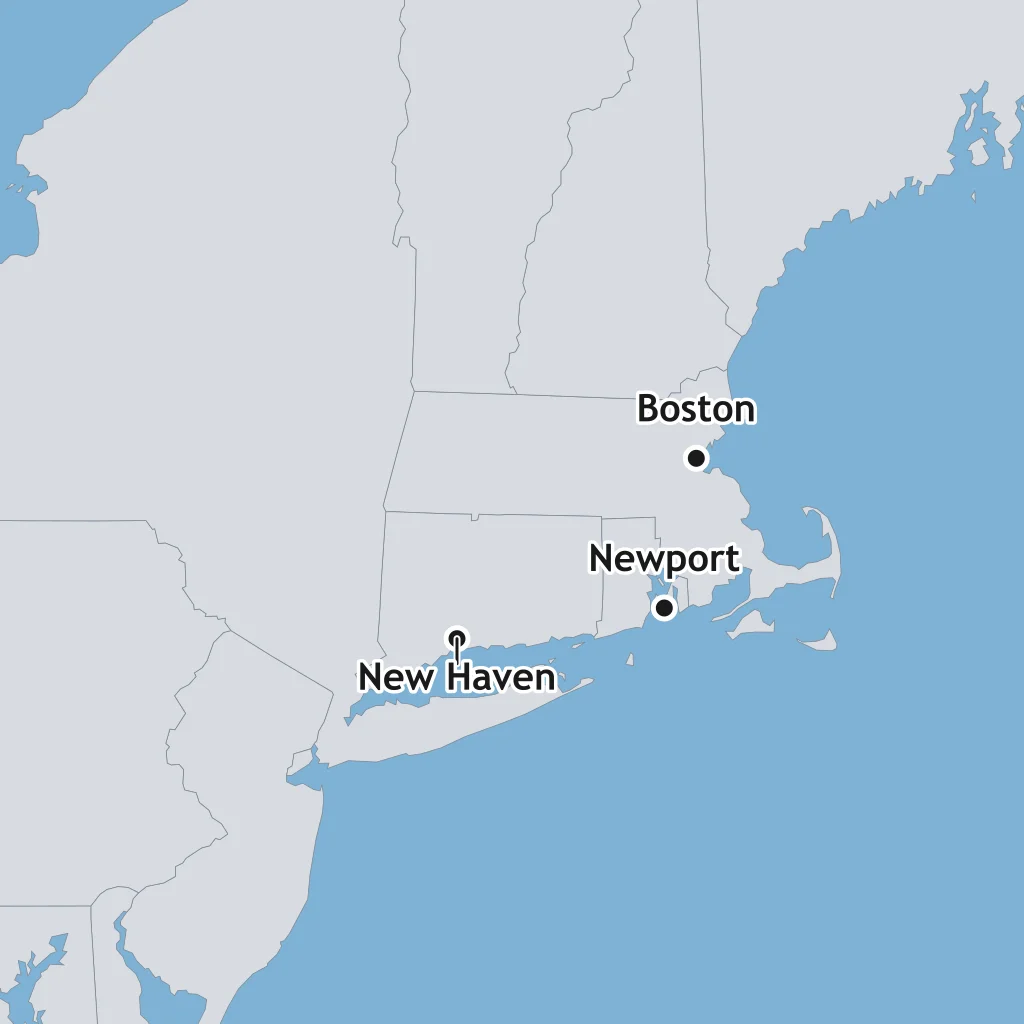
In May 1780 the largest American surrender of the war took place at a besieged South Carolina port, where General Benjamin Lincoln gave up his whole army. Which port was it?
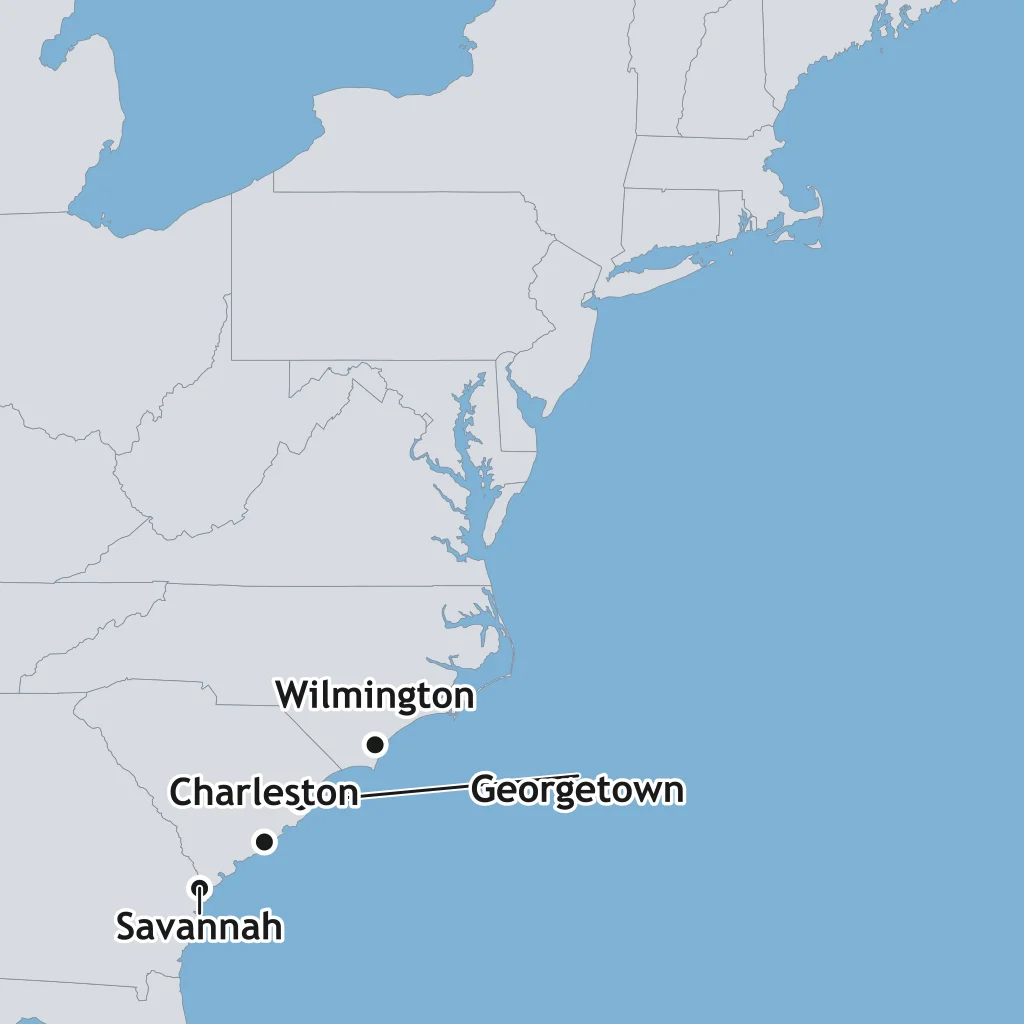
In the summer of 1776 Britain landed its largest expeditionary force of the war at a harbor city, and held that city until 1783. Which city was it?
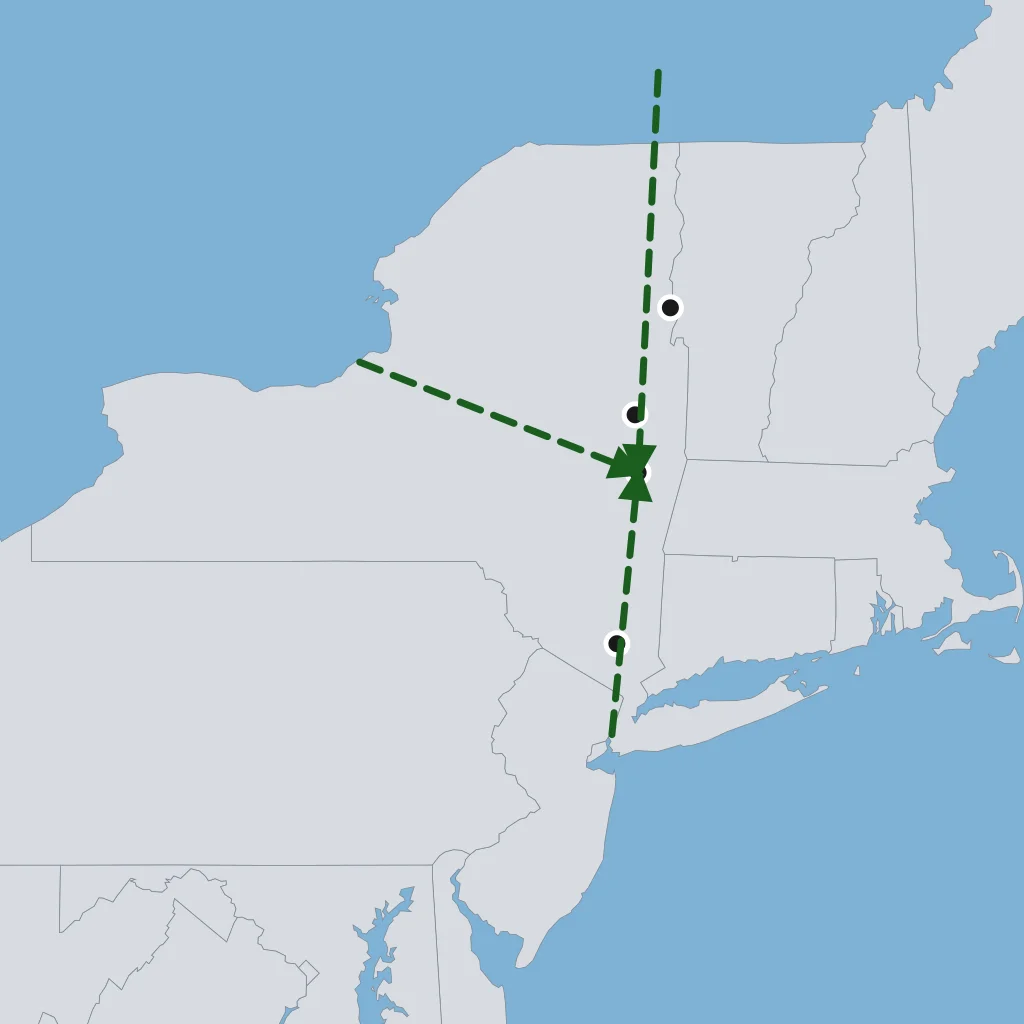
Three British forces were to converge in 1777 and cut New England off from the other states. The arrows on the map show their planned routes. Which place on the upper Hudson were they meant to meet at?
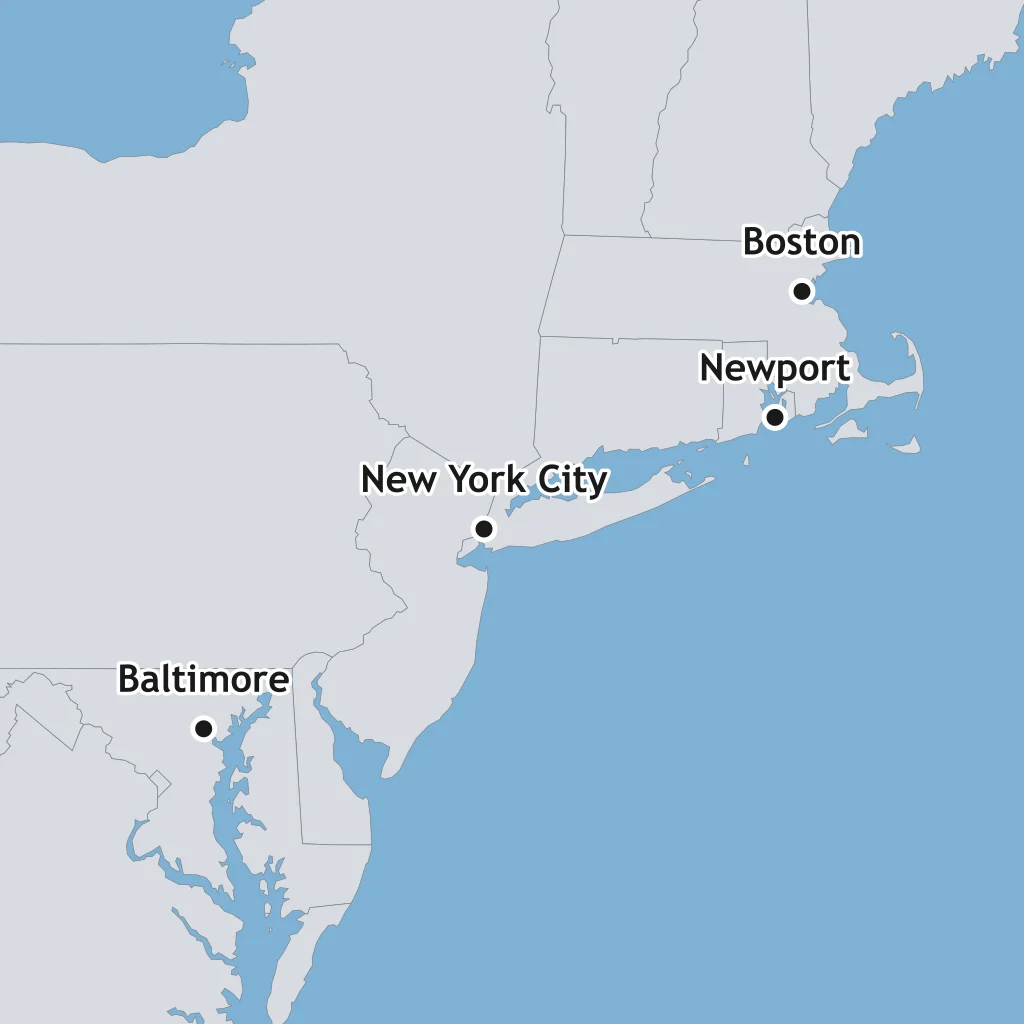
On June 17, 1775, British regulars took the fortified hill above Charlestown, Massachusetts, on their third assault, losing more than 1,000 killed and wounded out of roughly 2,200 engaged. What did that outcome show?
After crossing the Delaware on the night of December 25-26, 1776, Washington captured the Hessian garrison at Trenton, and on January 3, 1777, beat a British force at Princeton. What did those two strikes produce?
On May 12, 1780, after a siege of about six weeks, General Benjamin Lincoln surrendered Charleston and roughly 5,000 men to Sir Henry Clinton. What followed from that surrender?
On October 7, 1780, backcountry militia surrounded and destroyed a Loyalist force under Major Patrick Ferguson at Kings Mountain. What did that defeat do to Cornwallis's campaign?
At Guilford Courthouse on March 15, 1781, Cornwallis drove Nathanael Greene's army from the field but lost about a quarter of his own men doing it. What did Cornwallis do next?
On September 5, 1781, a French fleet under Admiral de Grasse fought off a British fleet at the entrance to Chesapeake Bay and kept station there. What did that naval action mean for Cornwallis at Yorktown?
Cornwallis surrendered about 8,000 men at Yorktown on October 19, 1781. What followed in Britain?
The Treaty of Paris was signed on September 3, 1783. What did it settle?
On April 19, 1775, a British column marched out of Boston to seize colonial military stores, traded fire with militia on a village green, and was shot at from behind walls and fences the whole way back. Which engagement was this?
In August 1776 a British force landed on Long Island, marched around the American left through an unguarded pass, and drove Washington back to Brooklyn Heights, from which he ferried his army across the East River at night. Which battle was this?
In August 1777 a German detachment that Burgoyne had sent out to seize horses, cattle and supplies was destroyed by New England militia under John Stark. Which engagement was this?
On August 16, 1780, Horatio Gates placed untrained militia directly opposite British regulars in South Carolina; the militia broke at the first bayonet charge and his army was destroyed. Which battle was this?
On January 17, 1781, in the South Carolina backcountry, Daniel Morgan put militia in front with orders to fire twice and fall back, drawing Tarleton's troops onto his Continental regulars, who then closed on both flanks. Which battle was this?
In June 1778 the British marched from Philadelphia toward New York, and Washington struck their column in New Jersey in extreme heat; the Continentals held their ground against British regulars and the British column continued on. Which battle was this?
On the last day of 1775 two American columns, one under Richard Montgomery and one that had marched through the Maine wilderness under Benedict Arnold, attacked a walled city on the St. Lawrence during a snowstorm, and failed. Which attack was this?
Place these three events in the order they happened: the surrender at Yorktown, the fighting at Lexington and Concord, the signing of the Treaty of Paris that recognized American independence.
Put these events of the southern campaign in the order they happened: the American victory at Cowpens, the British capture of Charleston, the surrender at Yorktown.
All three of these happened in 1777. Put them in order: the Continental Army's move into winter quarters at Valley Forge, the British occupation of Philadelphia, Burgoyne's surrender near Albany.
Historians call the Saratoga campaign of 1777 the turning point of the war. Which statement best explains that judgment?
By 1778 the war in the north had stalled and France had come in on the American side. Britain then made the southern states its main theater. What did British commanders expect to find there?
During the winter of 1777-78 at Valley Forge the Continental Army lost thousands of men to disease and desertion, while Baron von Steuben drilled the survivors in one standard system of marching, formation and musket handling. What changed?
Nearly every British soldier, tent and musket, and much of the food and forage for the army in America, had to be carried 3,000 miles across the Atlantic. What does that condition help explain?
After Charleston fell, partisan bands under Francis Marion, Thomas Sumter and Andrew Pickens used the swamps and backcountry of South Carolina to strike British couriers, outposts and supply wagons. What did that guerrilla warfare accomplish?
Crack the passcode before the zombies get in.
Answer, then swat bugs for bonus points.
Race through questions at your own speed.
Same question on every screen. Fastest wins.

Pick a tile, answer, hit bonuses and steals.
The Articles of Confederation and Why They Failed
20 questions