Loading
by BlastRoom
The nations of North America - where they lived, how they governed themselves, and what European contact changed.
#united_states_history
30 questions
One question set, multiple game modes. Tap any game to see it in action. Not sure which to pick?
Answer to place stones and capture territory.
Outrun the snow together.
Earn blasts, then hunt the other team.
Answer to earn energy, then climb.

The class blasts through walls together.
Bid on mystery lots. Most money wins.
Sell tours. Nice, standard, or a total scam.

Answer, restock, and serve the rush.
More correct answers pulls the rope your way.
Answer, then shoot down the alien wave.
Answer, then tap to leap the frozen ridge.
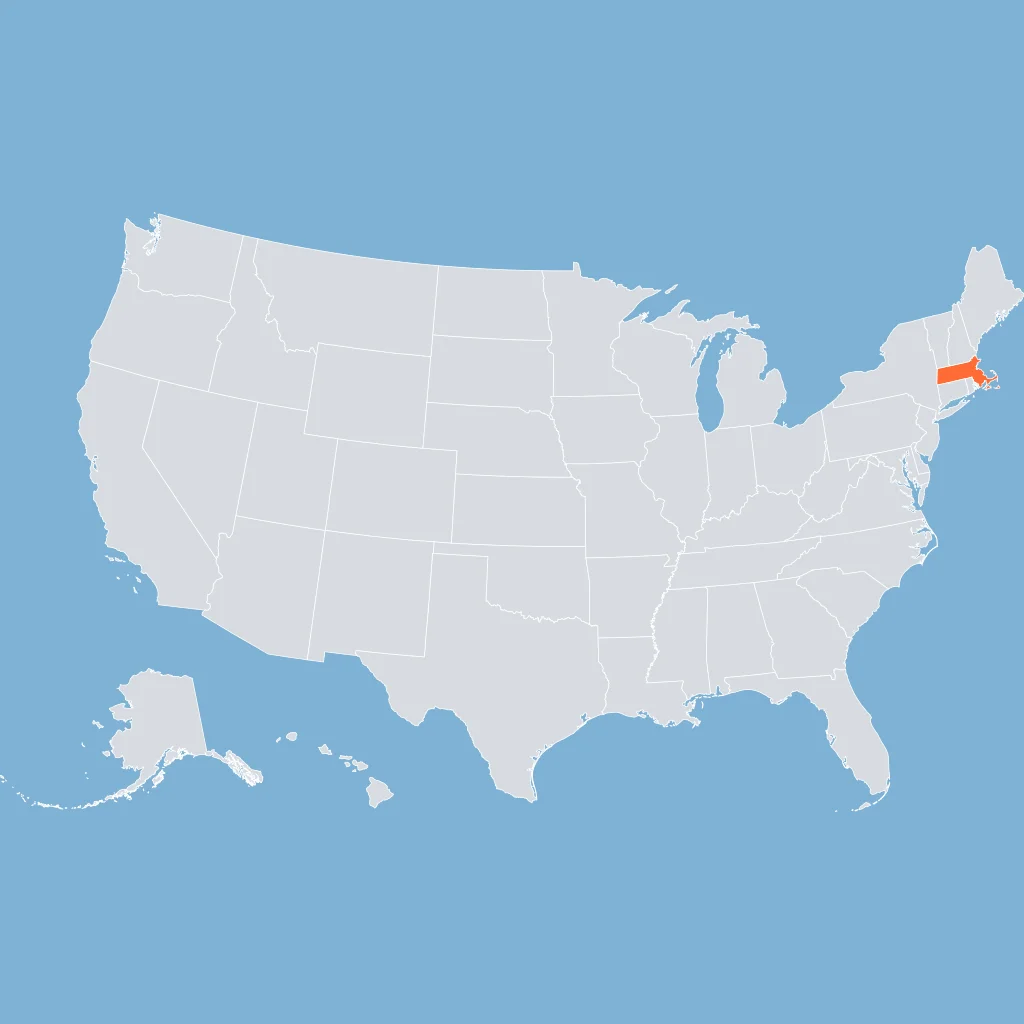
Look at the map. Which culture region includes the highlighted state?
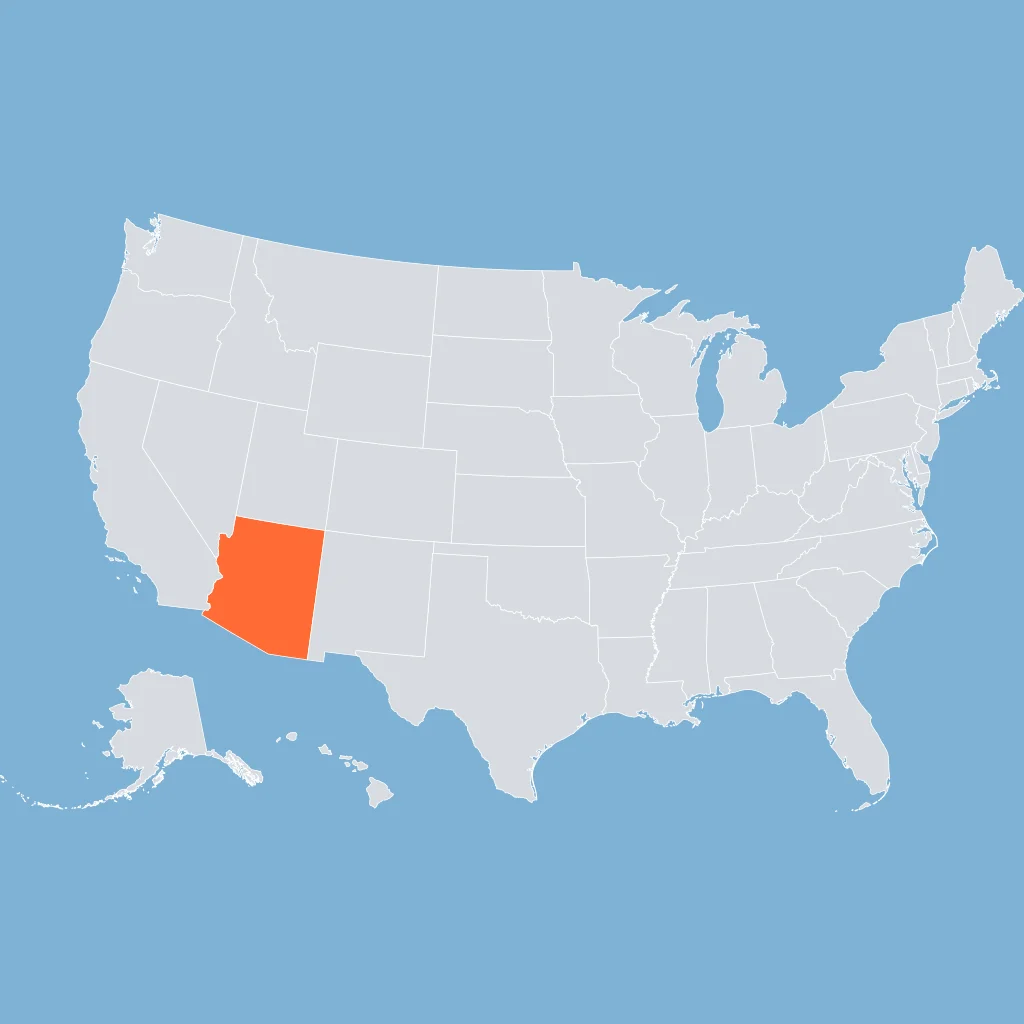
Look at the map. Five nations whose homelands lay across the highlighted state joined in a league with a Grand Council. Which league was it?
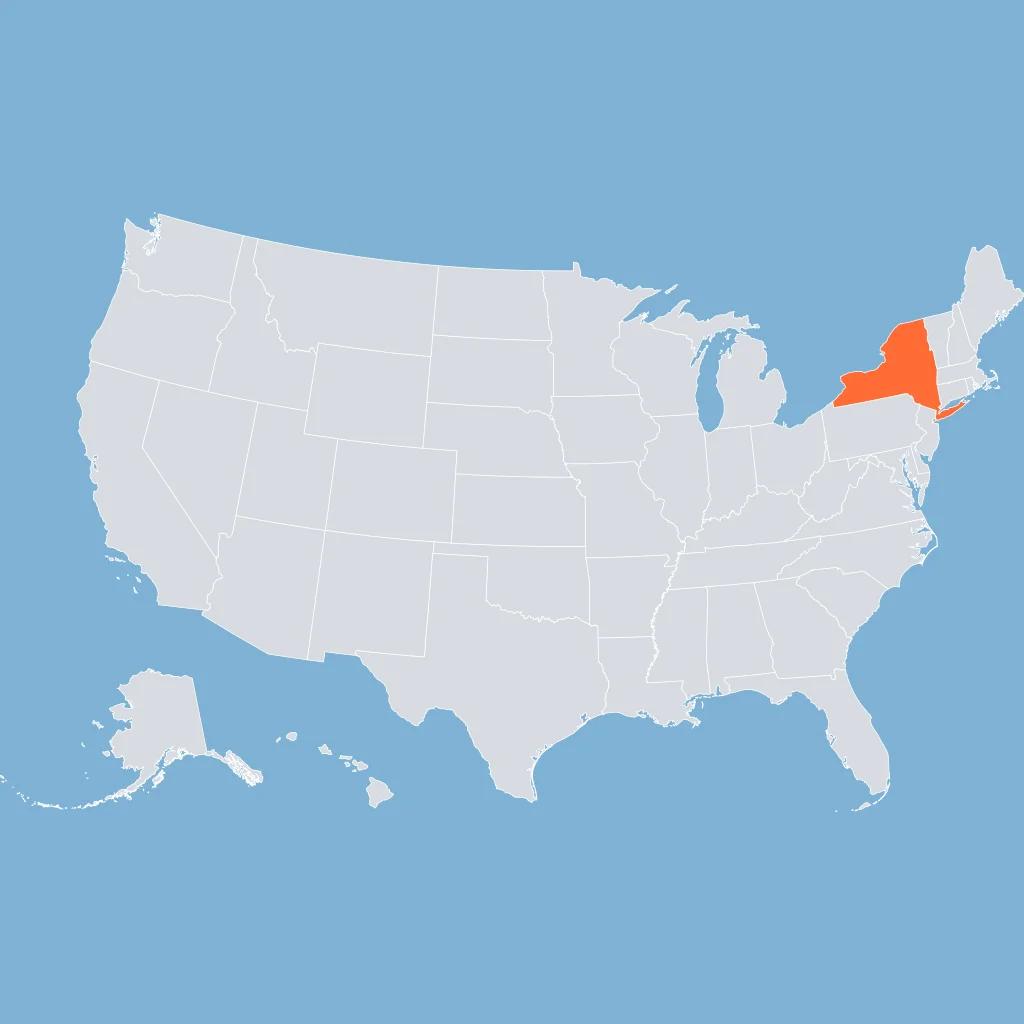
Look at the map. When English colonists landed at Jamestown in 1607, which people held the tidewater coastal plain of the highlighted state?
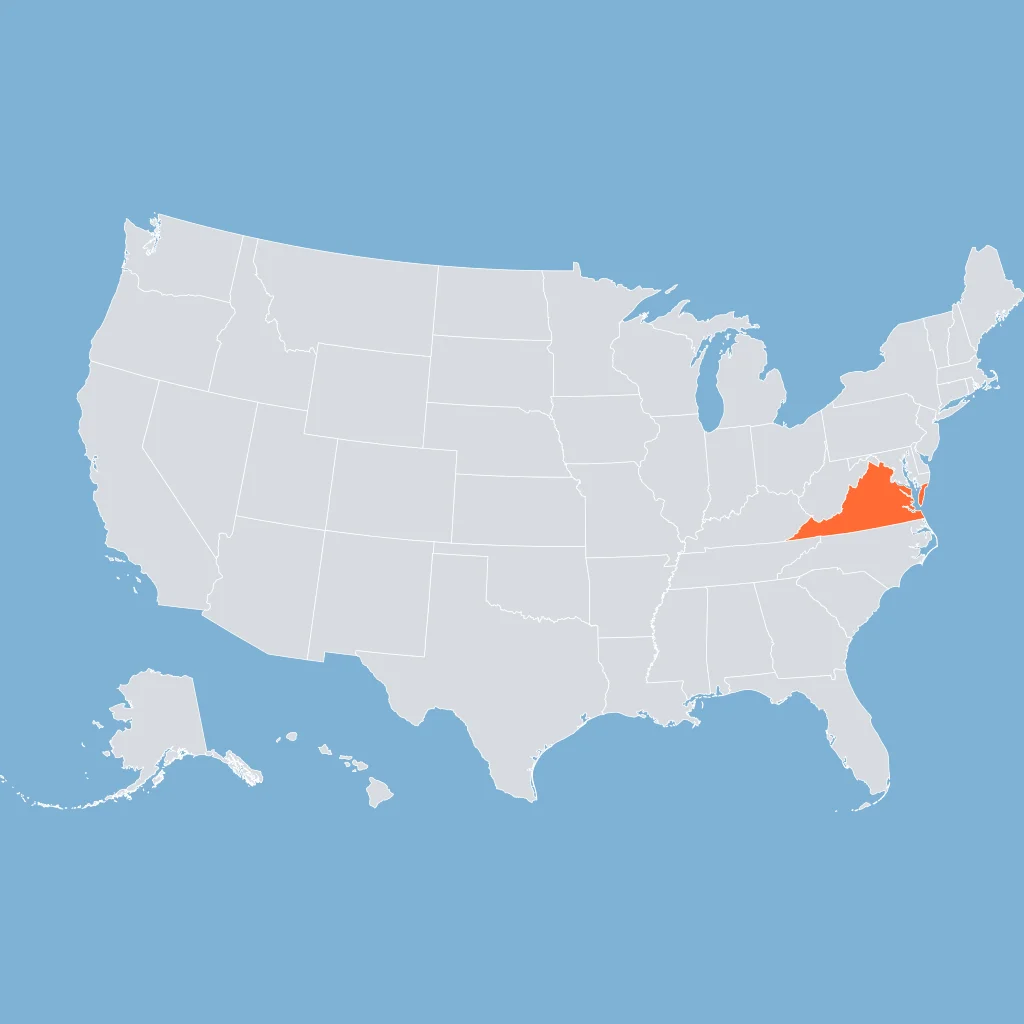
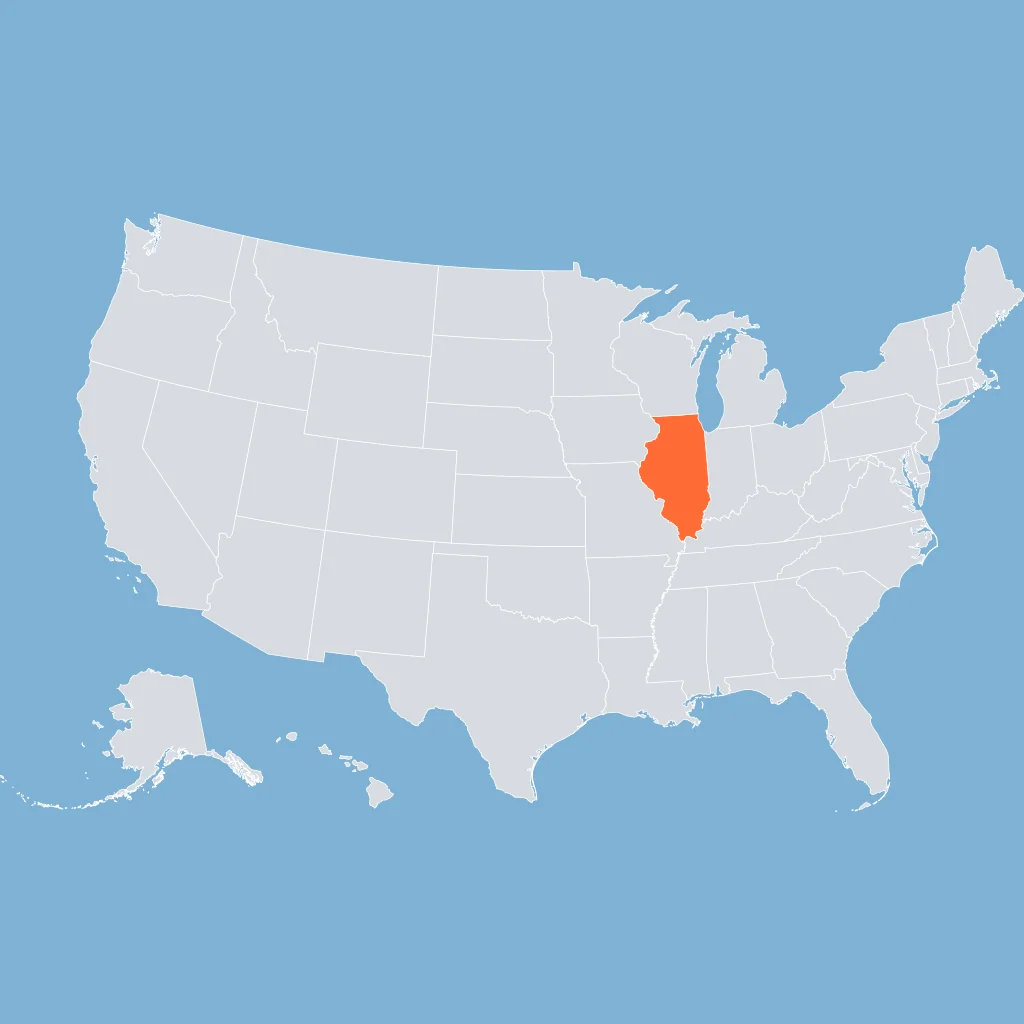
Look at the map. The highlighted state holds the site of the largest Mississippian town north of Mexico, a place of earthen mounds and plazas near the Mississippi River. What is that site called?
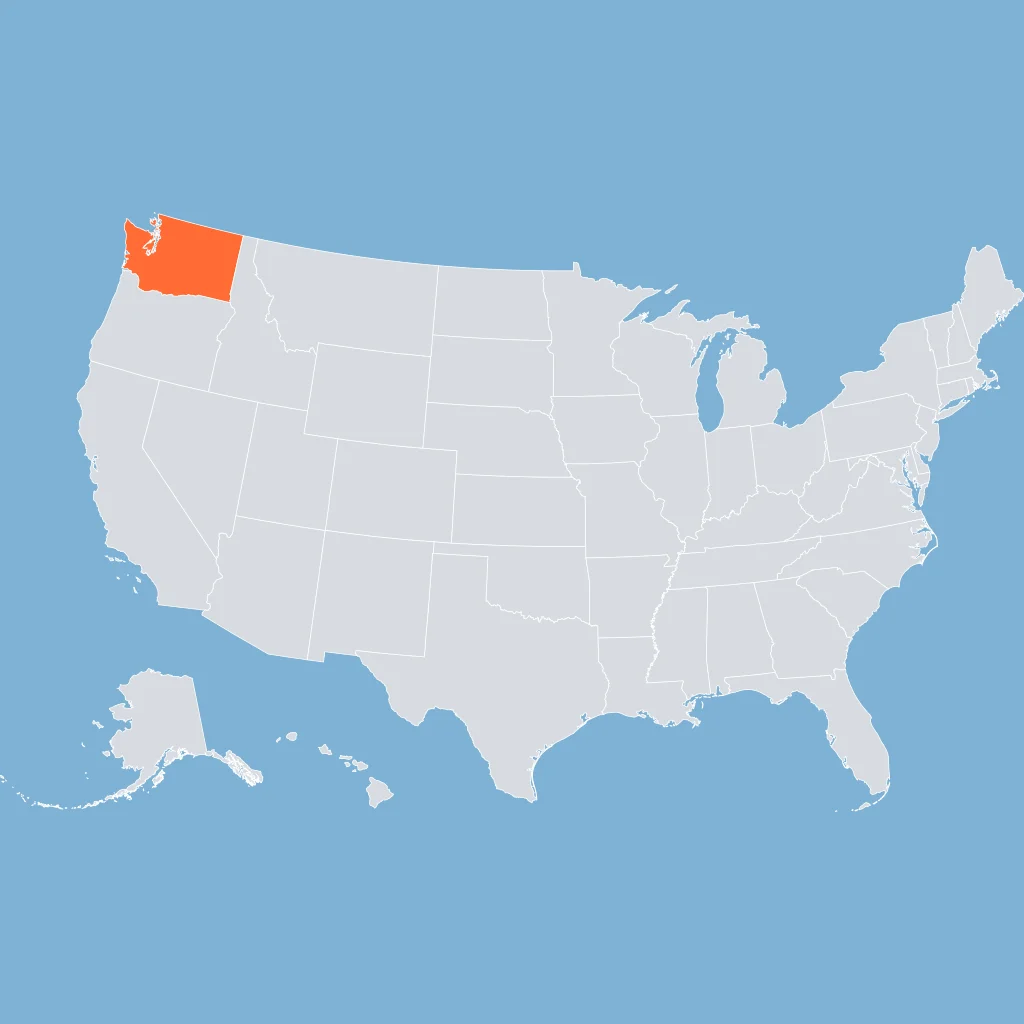
Look at the map. The Pacific shoreline of the highlighted state lies within which culture region?
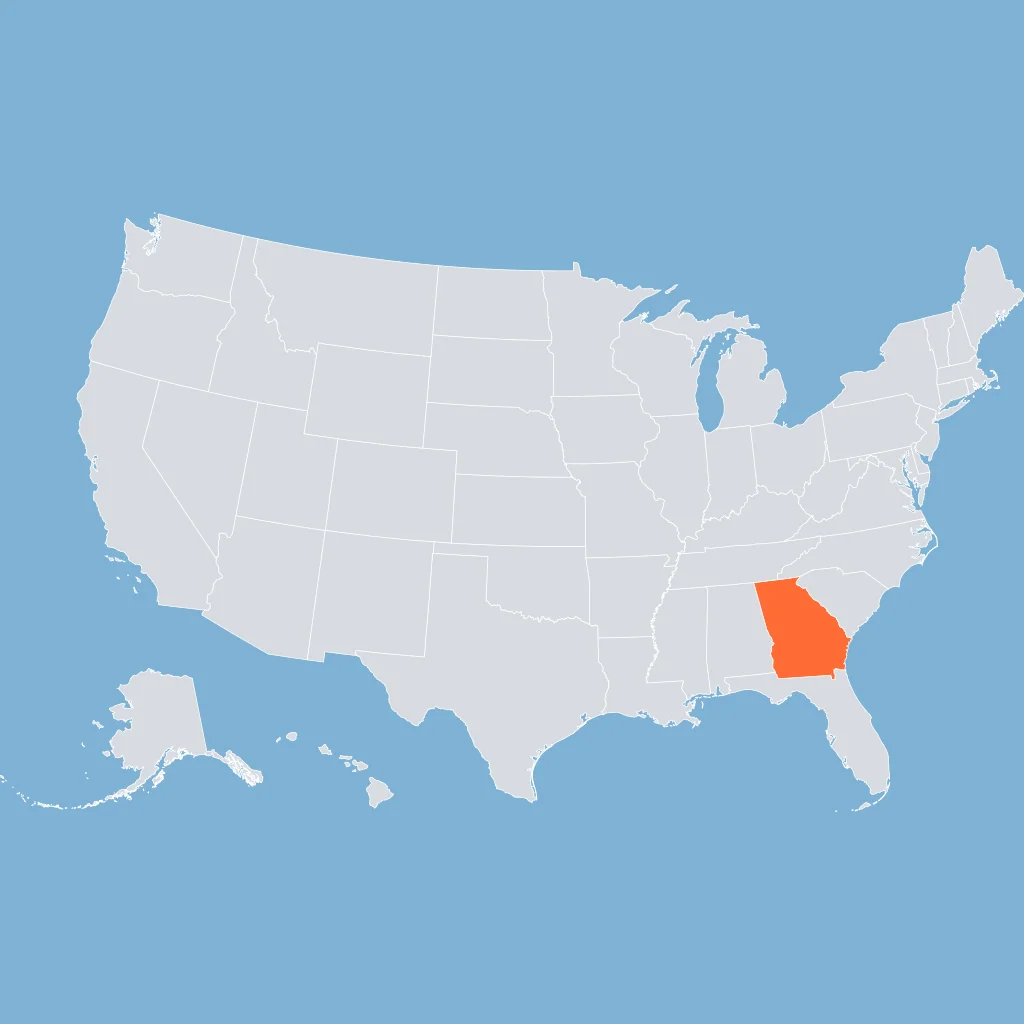
Look at the map. Cherokee and Muscogee (Creek) homelands lay in and around the highlighted state. Which culture region is this?
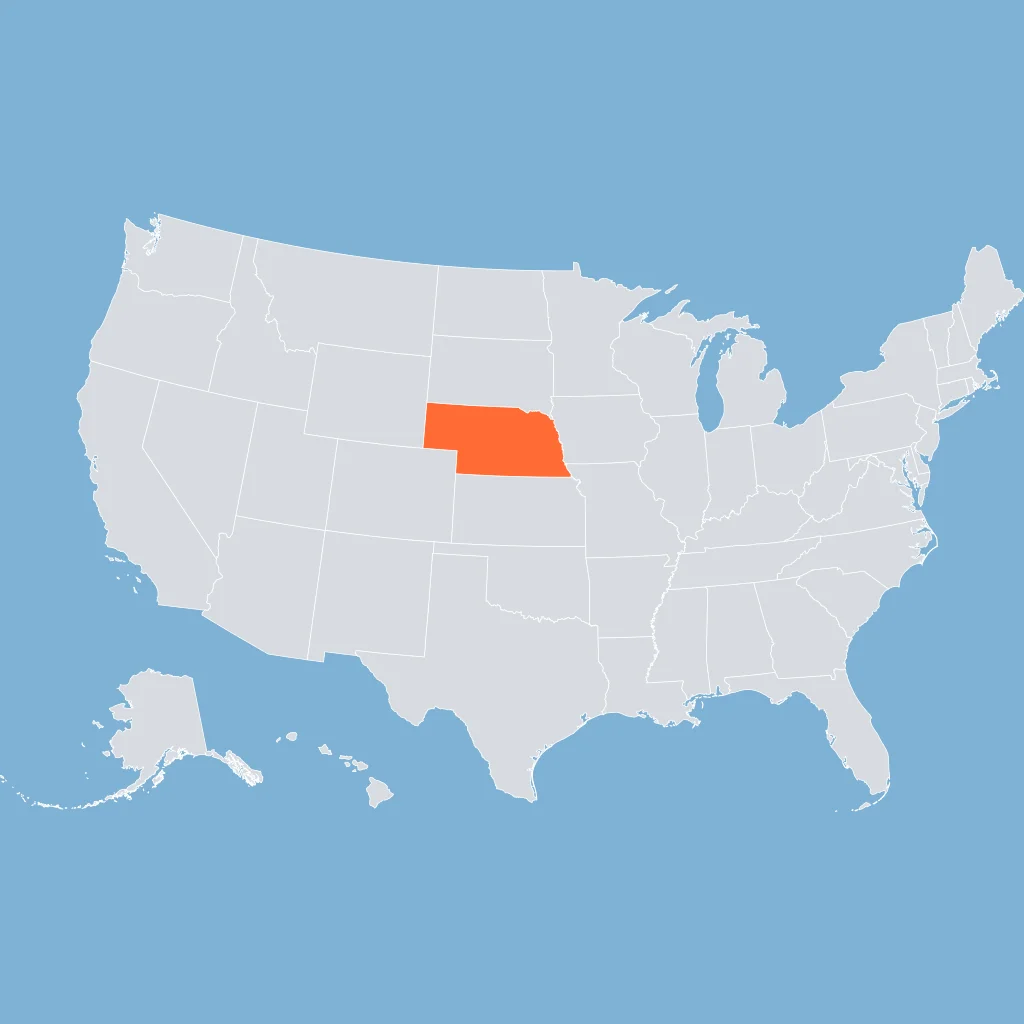
Look at the map. Which nation's earth-lodge villages stood along the Platte and Loup rivers of the highlighted state in the 1700s?
Look at the map. In 1621 the leader Massasoit made an agreement with the Plymouth colonists settled in the highlighted state. Which nation did he lead?
A people built houses of split cedar planks in villages above the beach, took salmon in the yearly runs, hunted sea mammals from cedar canoes, and held feasts at which a host gave away wealth. Which culture region is described?
A people hunted seals, walrus and whales along the northern coast, traveled by kayak and dog sled, burned sea-mammal oil for heat and light, and did no farming at all. Which people are described?
In an arid interior of dry basins and mountain ranges, small family groups moved through the year to gather pinon nuts, seeds and roots and to hunt rabbits and antelope. In which culture region did people live this way?
Peoples of the California valleys and coast, among them the Pomo and the Miwok, ground a gathered food into flour, leached the bitterness out of it with water, and stored it in raised granaries. Which food was it?
Several related families of one clan shared a single bark-covered dwelling many times longer than it was wide, with cooking fires down a central aisle and sleeping platforms along the walls. What is this dwelling called?
A people farmed river bottomland, stored a maize surplus, and raised flat-topped earthen mounds around open plazas, with the chief's house and a temple standing on the largest mound. What are these towns called?
Which statement describes the economy of the Missouri River villagers, such as the Mandan and the Hidatsa?
The Grand Council of the Haudenosaunee met at a fixed place, and the nation that hosted it kept the council fire. Which of the five nations was that?
The Haudenosaunee league began as five nations. Which nation joined in the 1720s, making six?
In the Haudenosaunee system, who chose the sachems who sat on the Grand Council, and could remove one who failed in his duties?
Wahunsenacawh, whom the English called Powhatan, held authority over roughly thirty districts in tidewater Virginia. How was that authority organized?
In the 1500s the Pueblo peoples lived in dozens of towns along the Rio Grande and to the west. How was political authority arranged among them?
Smallpox, measles and influenza killed an enormous share of the Native population after Europeans arrived. What best explains why the death toll was so high?
Some inland nations suffered devastating epidemics years before they ever met a European face to face. How did that happen?
Horses traded out of and strayed from Spanish settlements in New Mexico spread north across the grasslands in the 1600s and 1700s. What changed for the nations of the Plains?
After 1492 crops, animals and diseases moved in both directions between the Americas and Europe, Africa and Asia, a movement historians call the Columbian Exchange. Which crop went FROM the Americas to Europe?
Nations such as the Wendat (Huron) and later the Anishinaabe traded large quantities of beaver pelts to the French. What did they receive in return?
Firearms reached Eastern Woodlands nations through the fur and deerskin trades during the 1600s. What was one consequence?
Under the encomienda system in Spanish New Mexico, what were Pueblo communities required to hand over to the Spanish holder of a grant?
In August 1680 Pueblo leaders coordinated a rising against Spanish rule in New Mexico, sending knotted cords between the towns to fix the day. What were the Pueblo peoples seeking?
In 1675 Metacom, whom the English called King Philip, led the Wampanoag and allied nations in war against the New England colonies. What followed?
In the 1640s the Haudenosaunee attacked the Wendat (Huron) towns of the Great Lakes, and by 1649 the Wendat confederacy had been broken up. What was each side fighting over?
Crack the passcode before the zombies get in.
Answer, then swat bugs for bonus points.
Race through questions at your own speed.
Same question on every screen. Fastest wins.

Pick a tile, answer, hit bonuses and steals.

The Declaration of Independence
25 questions