Loading
by BlastRoom
End-of-unit mixed review covering physical and chemical change, conservation of mass, balanced equations, evidence of reactions, and particle motion.
#us_grade_8_science
40 questions
One question set, multiple game modes. Tap any game to see it in action. Not sure which to pick?
A student melts butter in a warm pan, then sets the pan aside until the butter hardens again. What does this show about the change?
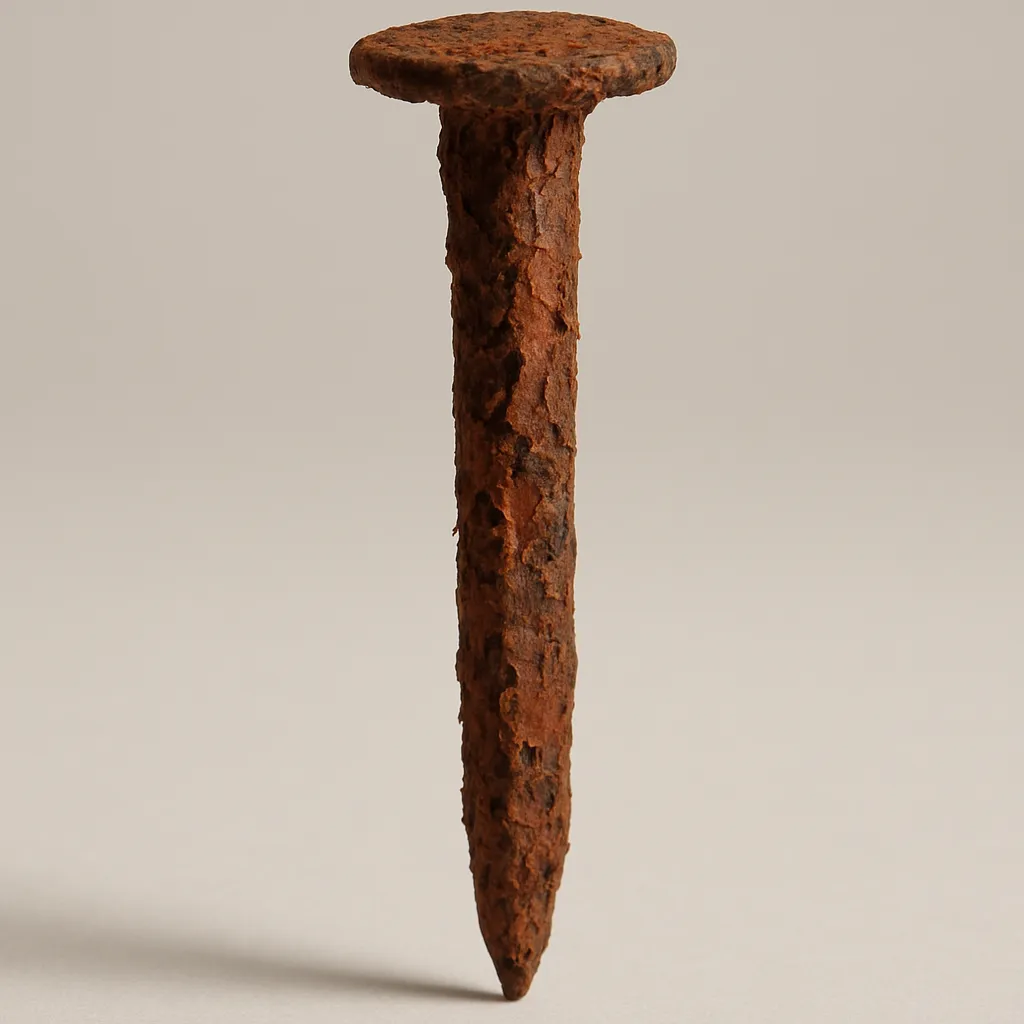
An iron nail left outdoors for months is covered with flaky red-brown rust that will not scrape back into shiny metal. What kind of change happened?
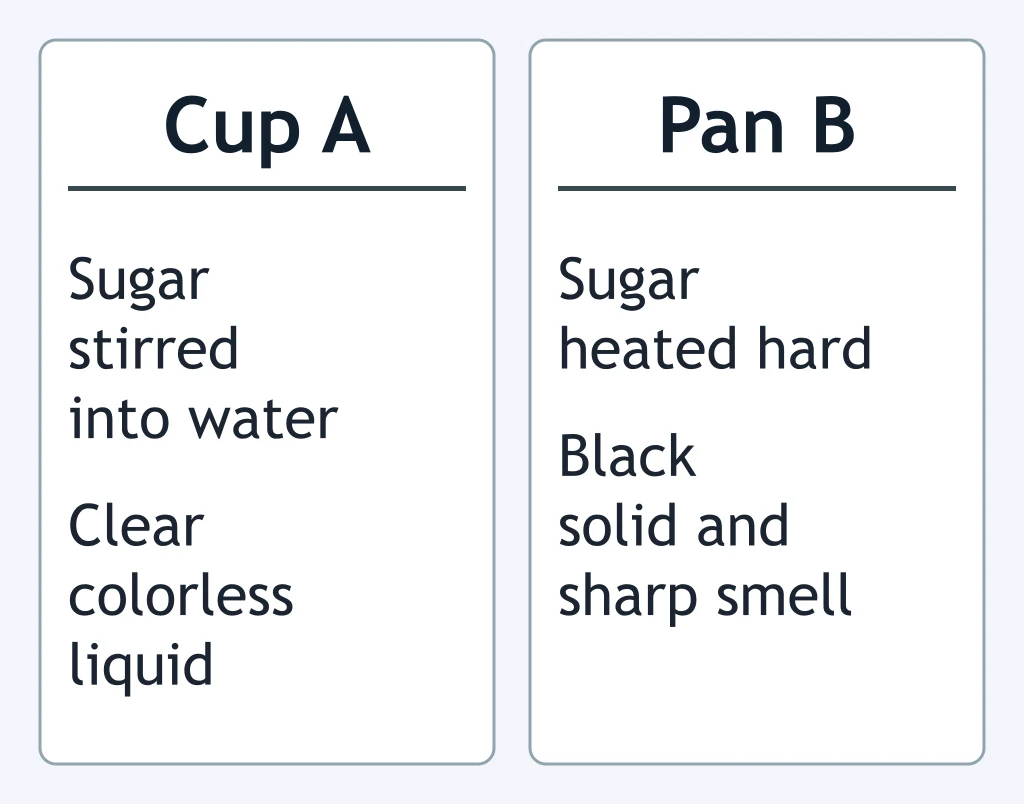
Sugar stirred into water gives a clear colorless liquid. Sugar heated hard in a pan leaves a black solid with a sharp smell. Which cup and pan pairing is correct?
A copper wire is bent, hammered flat, and drawn out thinner. It still conducts electricity and still has the same reddish color. What kind of change is this?
Milk left out of the refrigerator for two days smells sour, tastes sharp, and has separated into lumps and watery liquid. What best explains these observations?
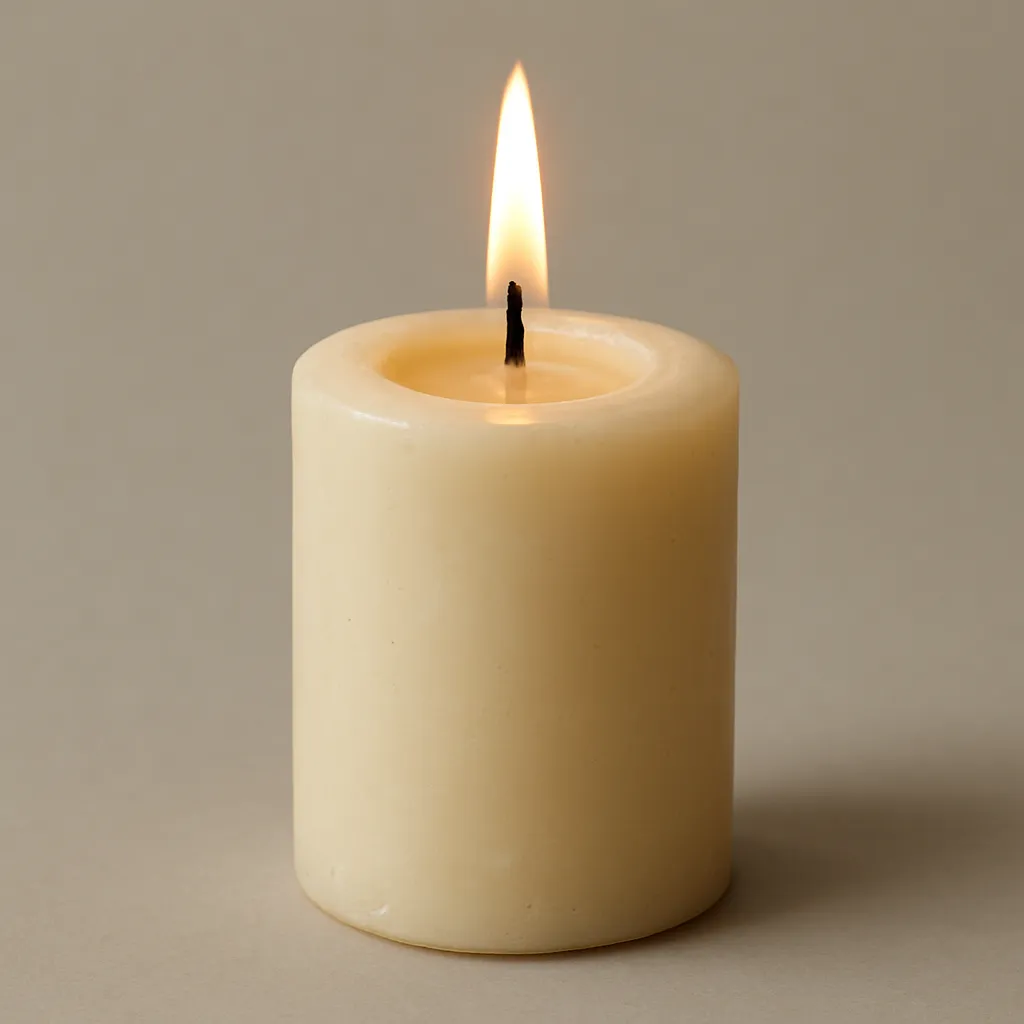
A candle burns. Wax near the flame turns to a clear liquid pool, and wax in the wick disappears as light, heat, and gases. What are these two changes?
A student weighs 150.0 g of water and 10.0 g of salt, then stirs the salt into the water until it disappears. What is the mass of the salt water?
Bread dough baked in an oven rises, turns brown, gives off a new smell, and cannot be stirred back into dough. What kind of change is baking, and why?
A block of limestone is ground into fine powder. The powder fizzes with acid exactly as the block did, and the total mass is unchanged. What kind of change is grinding?
A silver spoon kept in a drawer slowly develops a dull black film that only comes off with polishing paste. What does the black film show?
In a sealed flask, 5.0 g of baking soda is mixed with 20.0 g of vinegar. The mixture fizzes for a minute. What is the total mass of the sealed flask contents afterwards?
Baking soda and vinegar are mixed in an open cup on a balance. The reading falls from 25.0 g to 23.8 g while the mixture fizzes. What mass of gas left the cup?
Hydrogen reacts with oxygen to form water: __H2 + __O2 -> __H2O. Which set of coefficients, written in that order, balances the equation?
In the balanced equation 2H2 + O2 -> 2H2O, how many oxygen atoms are on each side of the arrow?
Methane burns in a closed chamber: 16 g of methane reacts completely with 64 g of oxygen, producing 44 g of carbon dioxide and water vapor. What mass of water vapor forms?
To balance an equation, a student changes H2O into H2O2 so the oxygen atoms match. Why is this move not allowed?
Steel wool and air are sealed inside a plastic bag with a total mass of 8.4 g. The bag is warmed until the steel wool rusts. What is the total mass of the sealed bag then?
The bag from that rusting investigation is opened, and the rusted steel wool alone is weighed. It has more mass than the steel wool started with. What best explains the gain?
Two clear solutions with a combined mass of 60.0 g are poured together in a stoppered flask, and a white solid settles out. What is the total mass of the flask contents afterwards?
In the balanced equation 2Mg + O2 -> 2MgO, what does the coefficient 2 in front of Mg tell you?
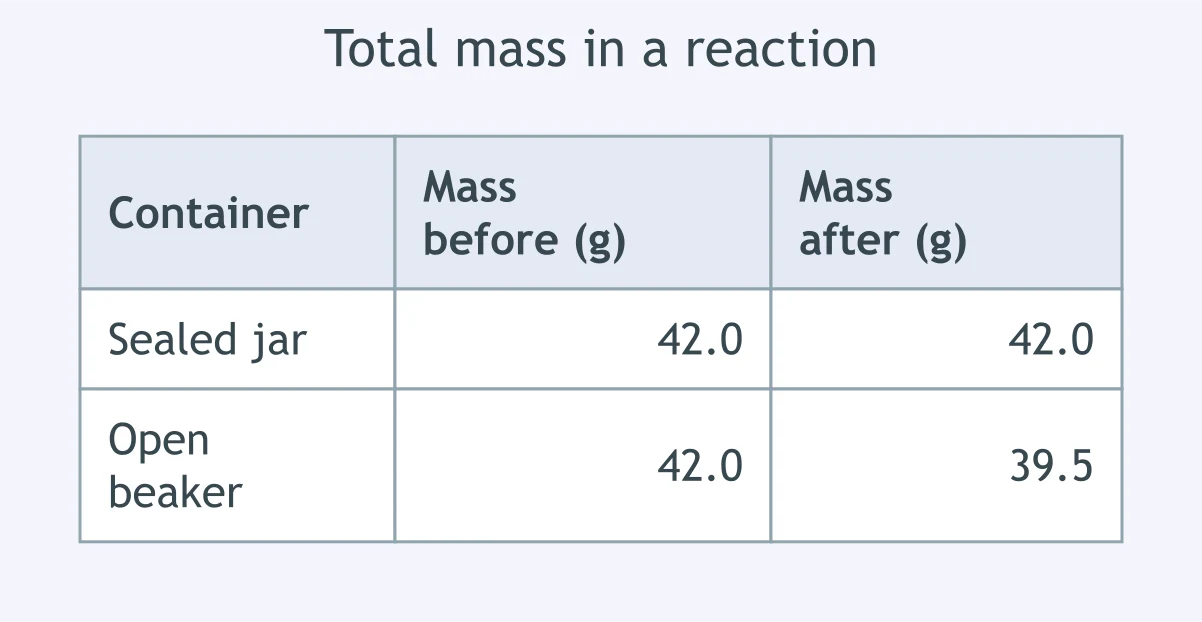
The table shows the total mass before and after the same reaction run twice, once in a sealed jar and once in an open beaker. What accounts for the open beaker result?
Because a chemical reaction forms new substances, the total mass of the products is always greater than the total mass of the reactants.
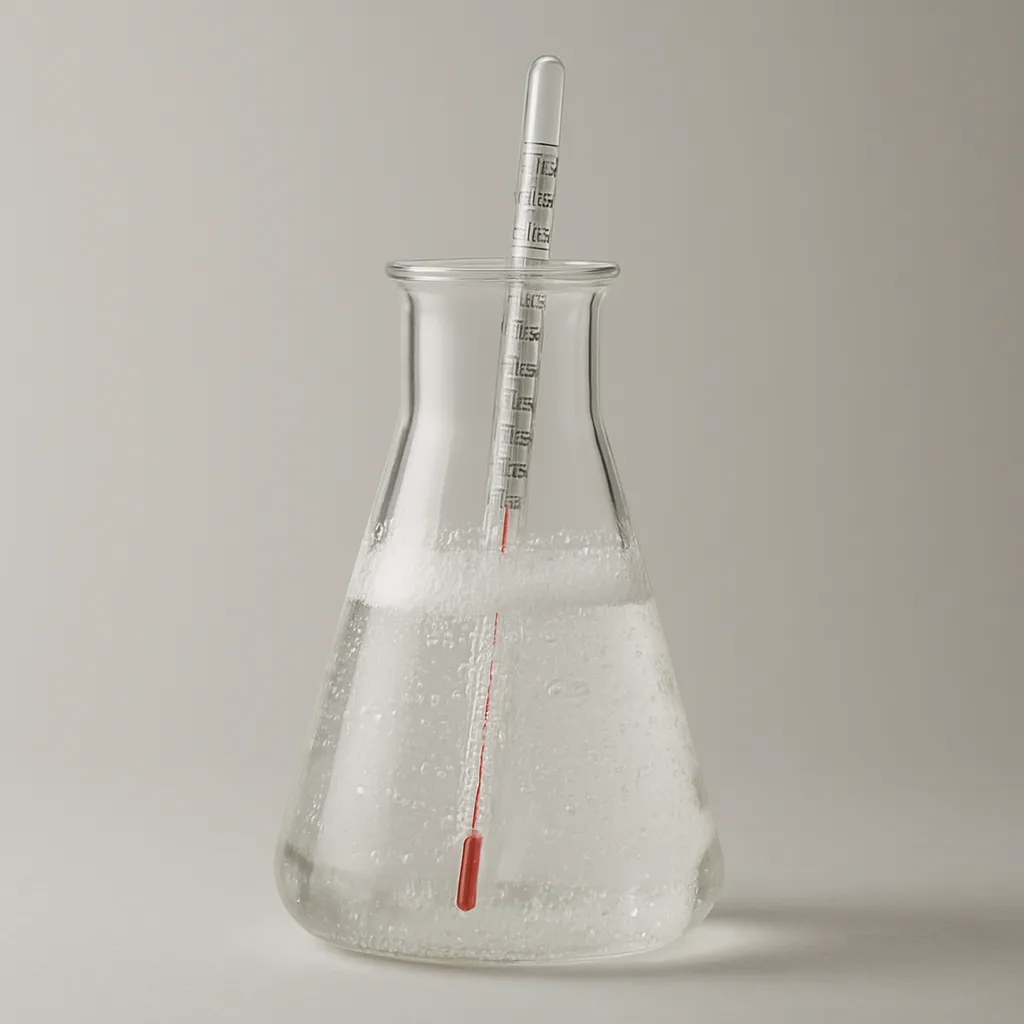
Baking soda is stirred into vinegar. The mixture bubbles hard and a thermometer in it falls from 22 degrees C to 16 degrees C. What do these observations indicate?
A student pours together two clear solutions and a cloudy yellow solid settles to the bottom of the tube. What is the solid, and what does it tell the student?
Salt stirred into water gives a clear, slightly cooler mixture, and boiling the water off leaves the salt behind unchanged. What do these observations support?
A strip of magnesium held in tongs burns with a blinding white light and leaves a crumbly white powder that has more mass than the strip did. What happened?
Bubbles rise when a fizzy tablet is dropped into cool water, and bubbles also rise when water boils on a stove. What makes only the tablet's bubbles evidence of a reaction?
Steel wool soaked in vinegar is wrapped around a thermometer bulb in a jar. Over ten minutes the reading rises from 21 degrees C to 29 degrees C. What is happening?
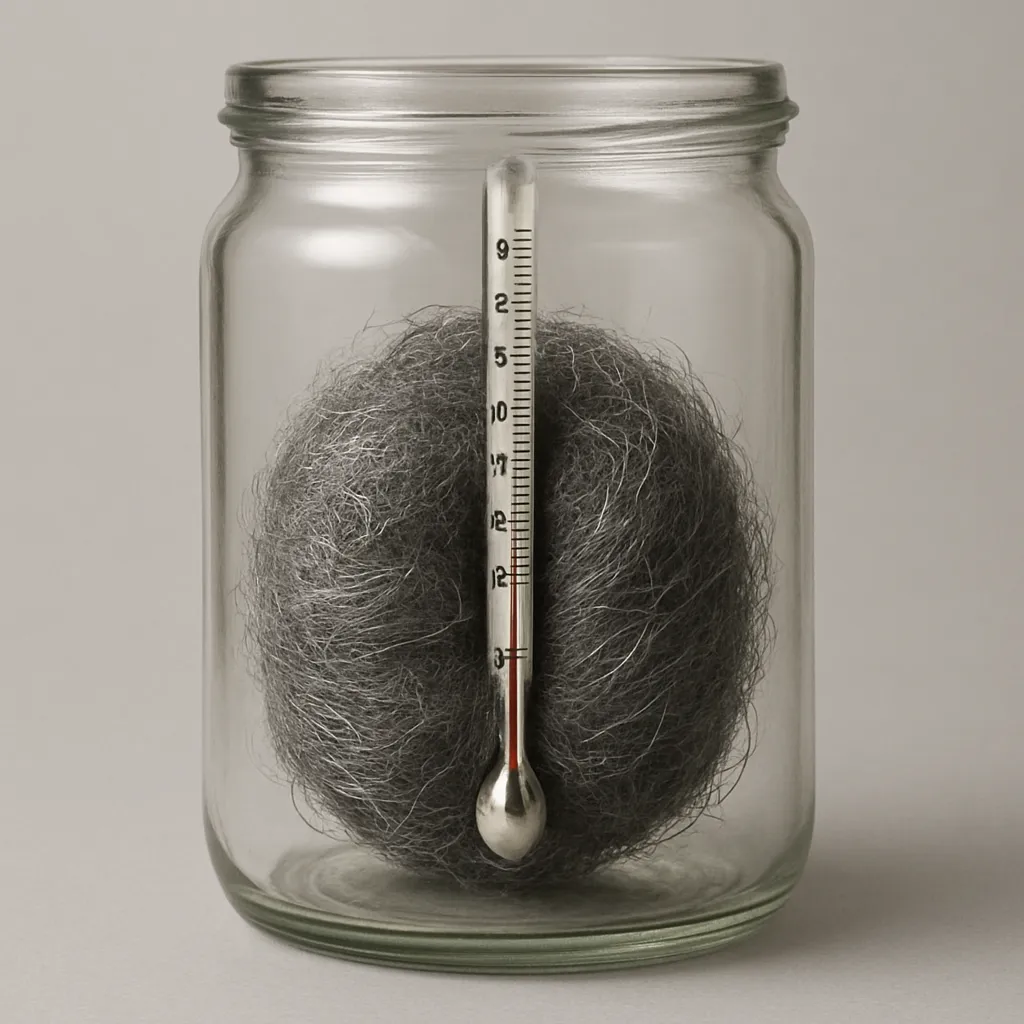
A student claims any color change proves a chemical reaction. Blue food coloring stirred into water turns the whole glass blue, but the dye can be separated out again. What does this show?
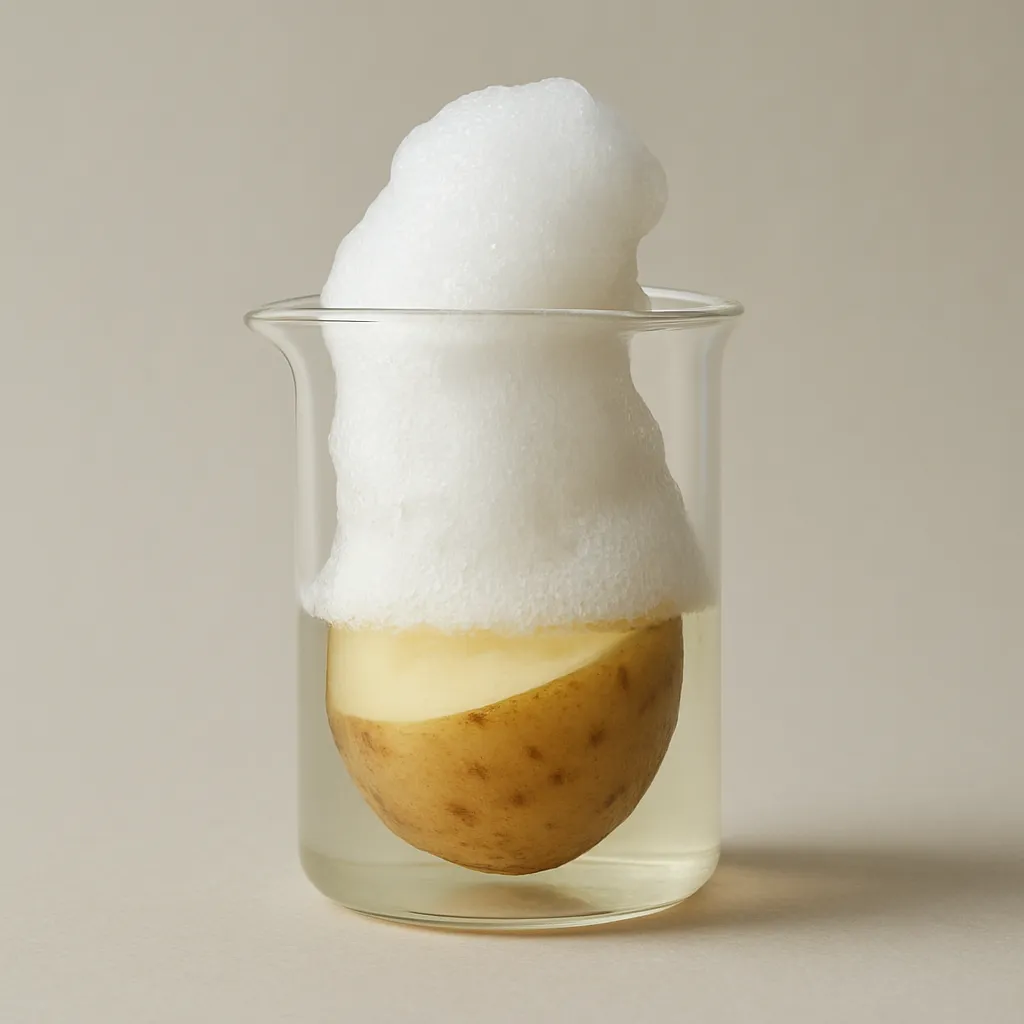
Hydrogen peroxide poured on a cut potato foams strongly, and a glowing wooden splint held in the foam bursts back into flame. What do these observations show?
A bottle of perfume is opened at the front of a still, closed classroom, and students at the back notice the smell several minutes later. What does this show about the particles?
Ice in a beaker is heated steadily. While ice and water are both present, the thermometer stays at 0 degrees C for several minutes. What is the added thermal energy doing?
A sealed rigid metal can of air is placed in hot water. What happens to the particles inside and to the pressure on the can walls?
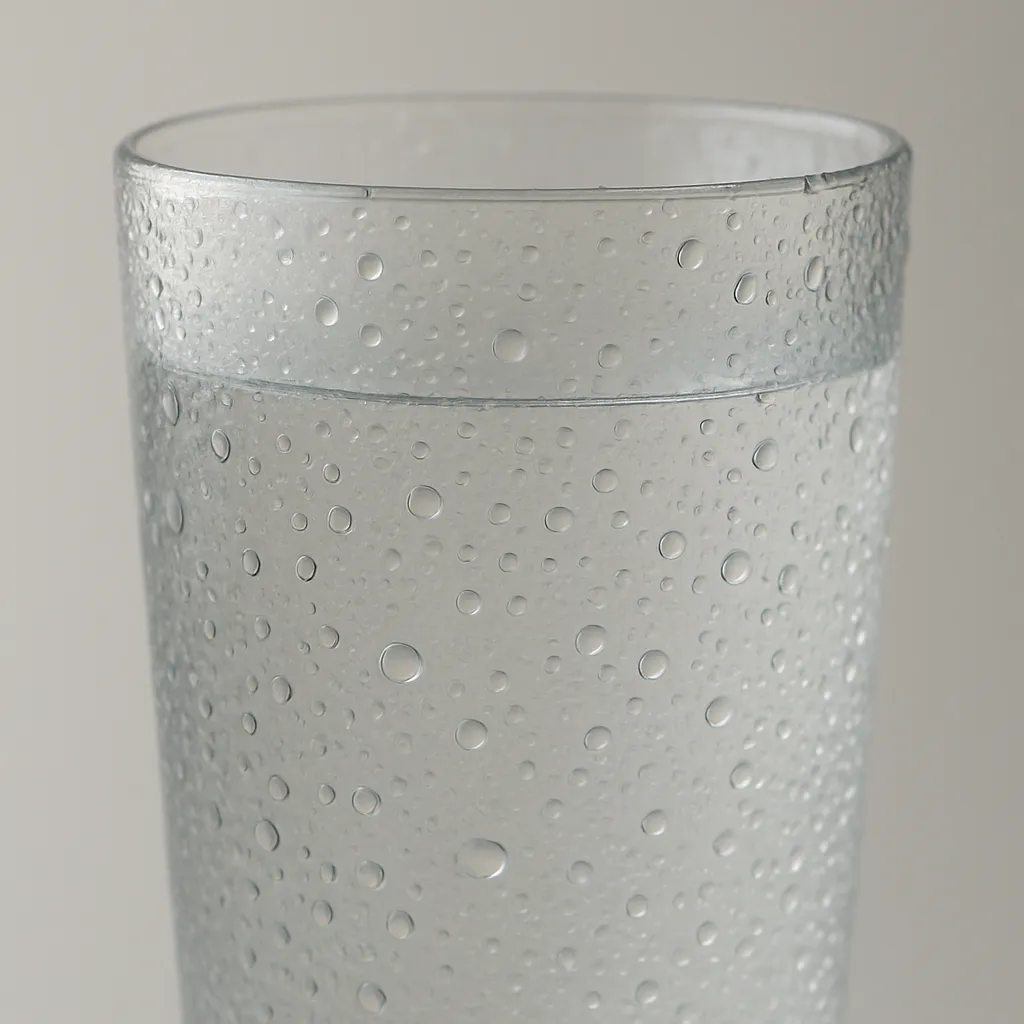
On a warm humid day, drops of water bead on the outside of a glass of iced tea, though no one spilled anything. Where does that water come from?
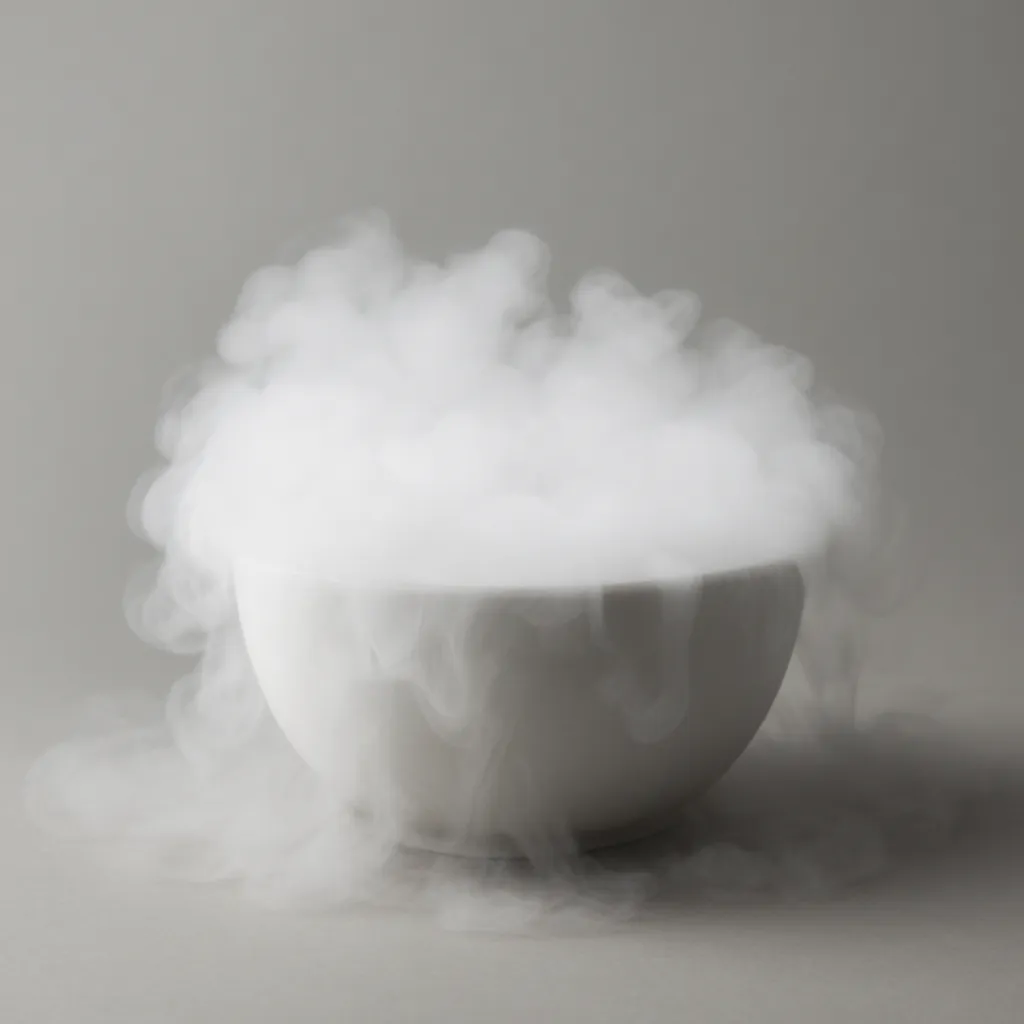
Solid carbon dioxide sitting in a bowl slowly shrinks away to nothing, leaving the bowl dry, while a white fog drifts over the rim. What change is the carbon dioxide undergoing?
Juice poured from a tall bottle into a wide bowl takes the shape of the bowl, yet the amount of juice is unchanged. What does this show about particles in a liquid?
One cup holds water at 20 degrees C and another holds water at 80 degrees C. How does the particle motion in the two cups compare?
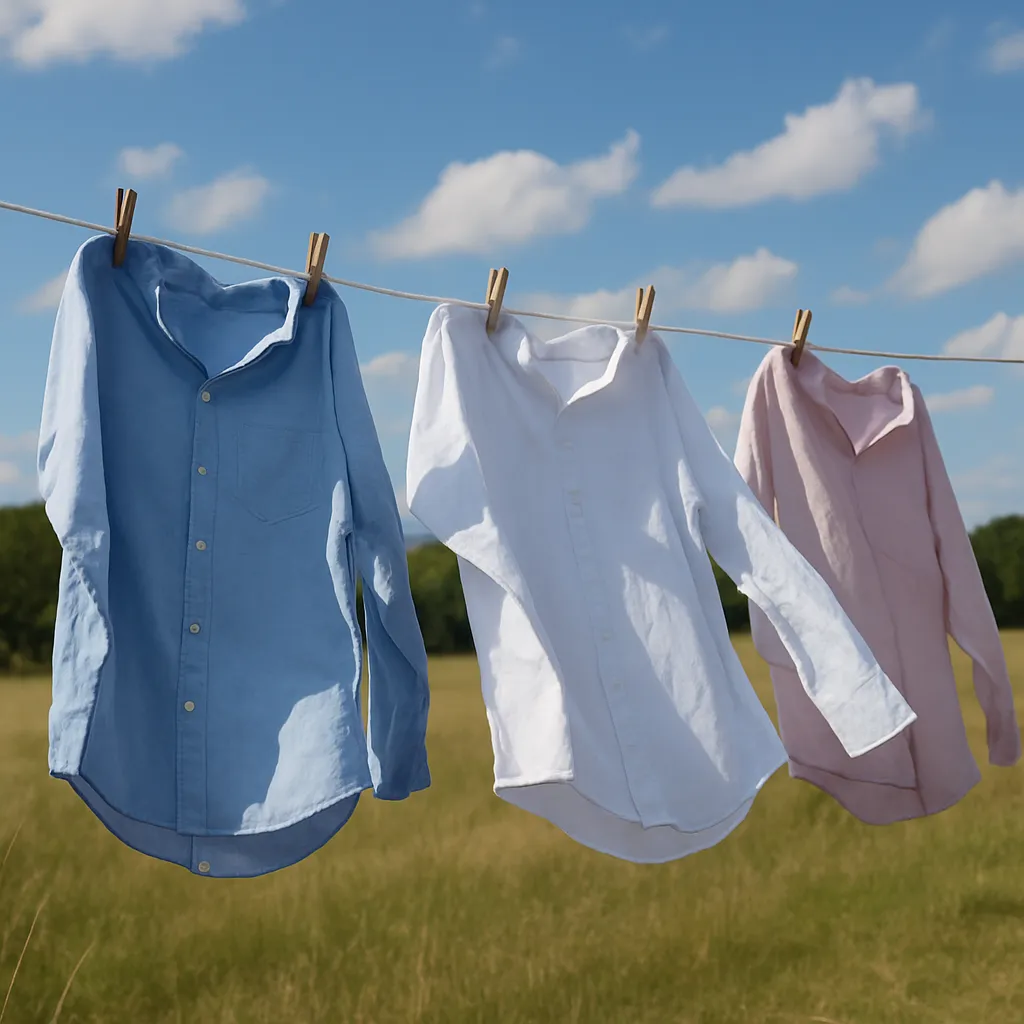
Wet shirts on a line dry much faster on a warm, windy day than on a cool, still day, even though the water never boils. Why?
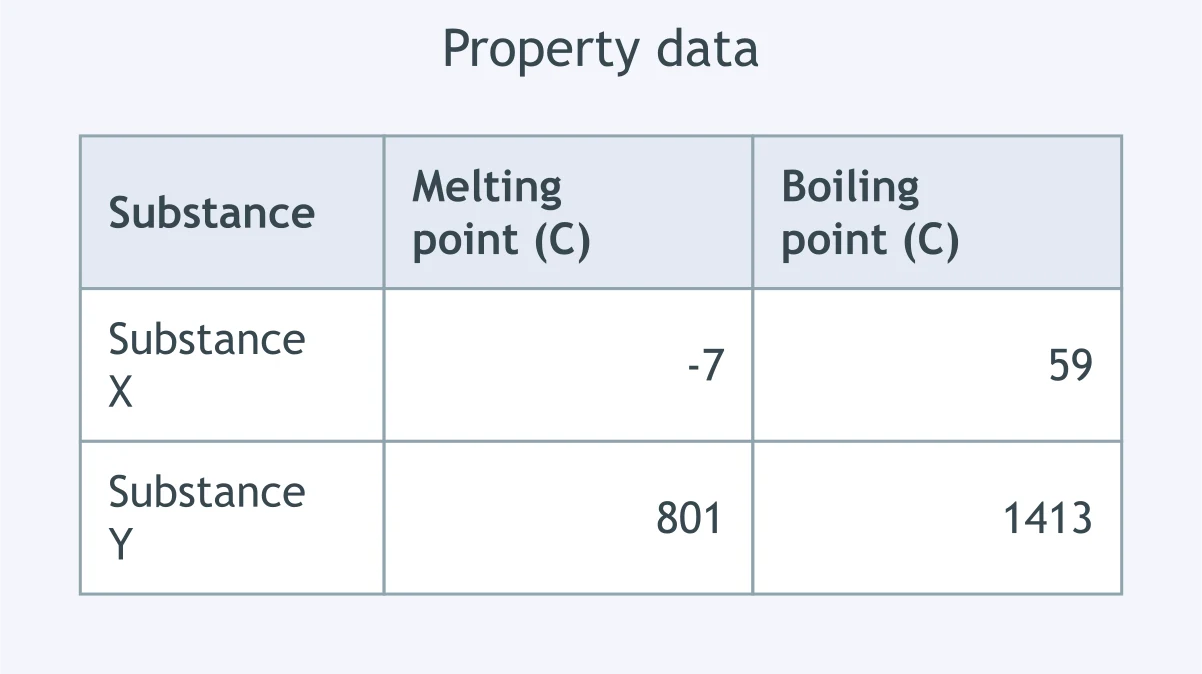
The table gives the melting point and boiling point of two substances. In which state is substance X at a room temperature of 22 degrees C?
In a solid, the particles still vibrate in place even though they stay in a fixed arrangement.
Crack the passcode before the zombies get in.

Pick a tile, answer, hit bonuses and steals.
Ecosystem Stability and Biodiversity Review
20 questions