Loading
by BlastRoom
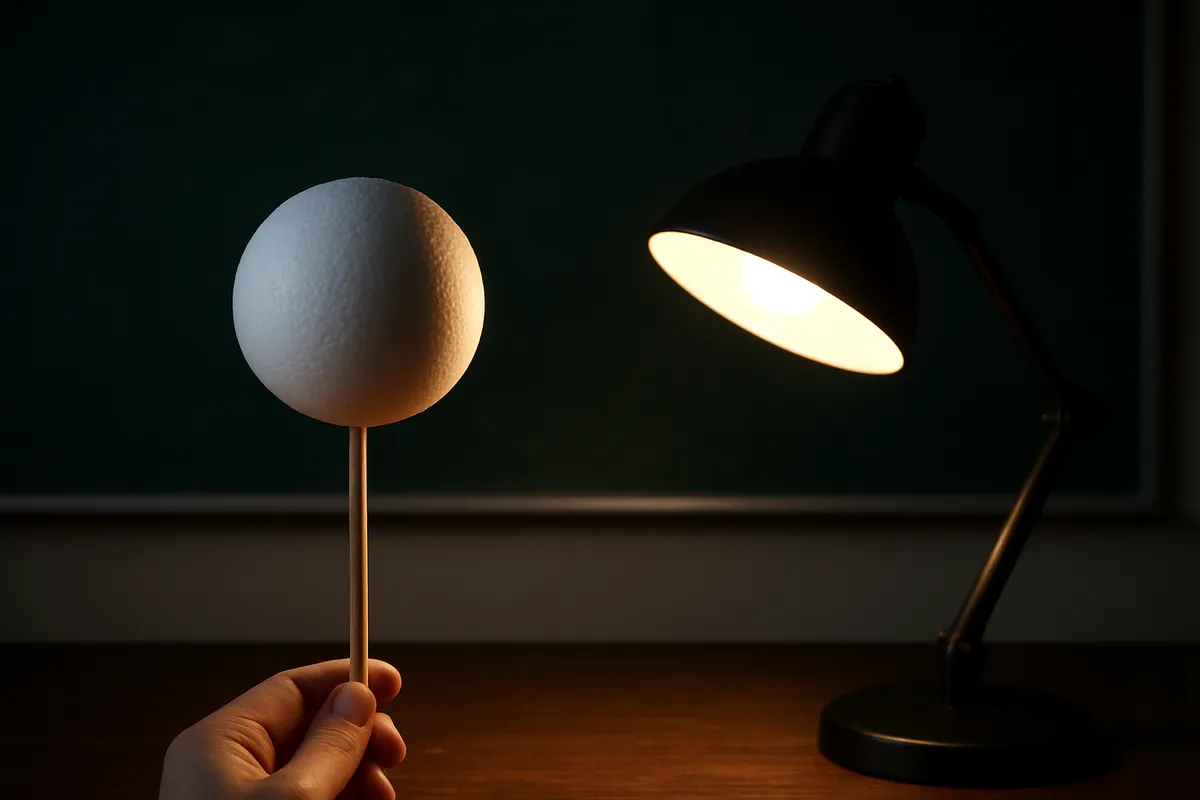
A mixed end-of-unit review covering lunar phases, eclipses, the seasons and the tides.
#us_grade_8_science
20 questions
One question set, multiple game modes. Tap any game to see it in action. Not sure which to pick?
Answer to place stones and capture territory.
Outrun the snow together.
Earn blasts, then hunt the other team.
Answer to earn energy, then climb.

The class blasts through walls together.
Bid on mystery lots. Most money wins.
Sell tours. Nice, standard, or a total scam.

Answer, restock, and serve the rush.
More correct answers pulls the rope your way.
Answer, then shoot down the alien wave.
Answer, then tap to leap the frozen ridge.
From a backyard in Illinois at sunset, a student sees the moon high in the southern sky with its right half brightly lit. Which phase is this?
Over two weeks a student watches the moon grow from a thin crescent to a fully lit disk. What is changing to produce this?
The moon takes about 29.5 days to go from one new moon to the next new moon. About how many days after a new moon does the full moon appear?
Tonight the moon is at first quarter. If the sky stays clear, what will a student see about one week from tonight?
Observers on Earth always see the same features on the moon's face, because the moon turns once on its axis in the same time it takes to orbit Earth once.
During a total solar eclipse the moon's darkest shadow sweeps a narrow strip of ground. What does someone standing a hundred kilometers outside that strip see?
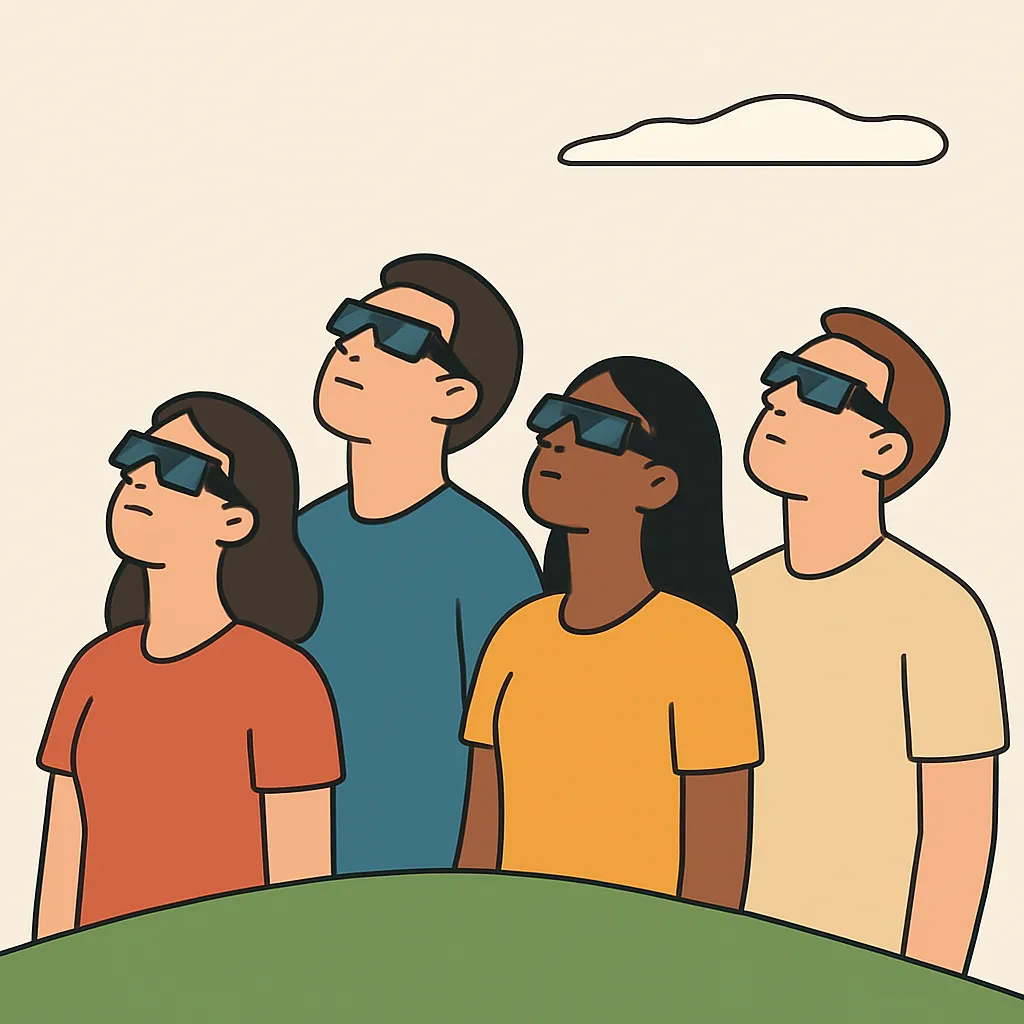
The moon passes between Earth and the sun every month, yet solar eclipses happen only a few times a year. What explains this?
One evening a shadow creeps across the whole face of a full moon, and for over an hour the moon glows dim red. Where is Earth during this event?
In a partial lunar eclipse, one edge of the moon enters the darkest, fully shaded core of Earth's shadow. What is that part of the shadow called?
A lunar eclipse can be watched from Earth's whole night side at once, but a total solar eclipse only from a narrow path. What accounts for the difference?
A town in southern Australia has its longest day and hottest weather in late December. What best explains this pattern?
Earth is actually about 5 million kilometers closer to the sun in early January than in early July, yet Chicago is coldest in January. What does that show?
At noon in Ohio the sun stands high overhead in June but stays low above the horizon in December. How does that affect the energy reaching the ground?
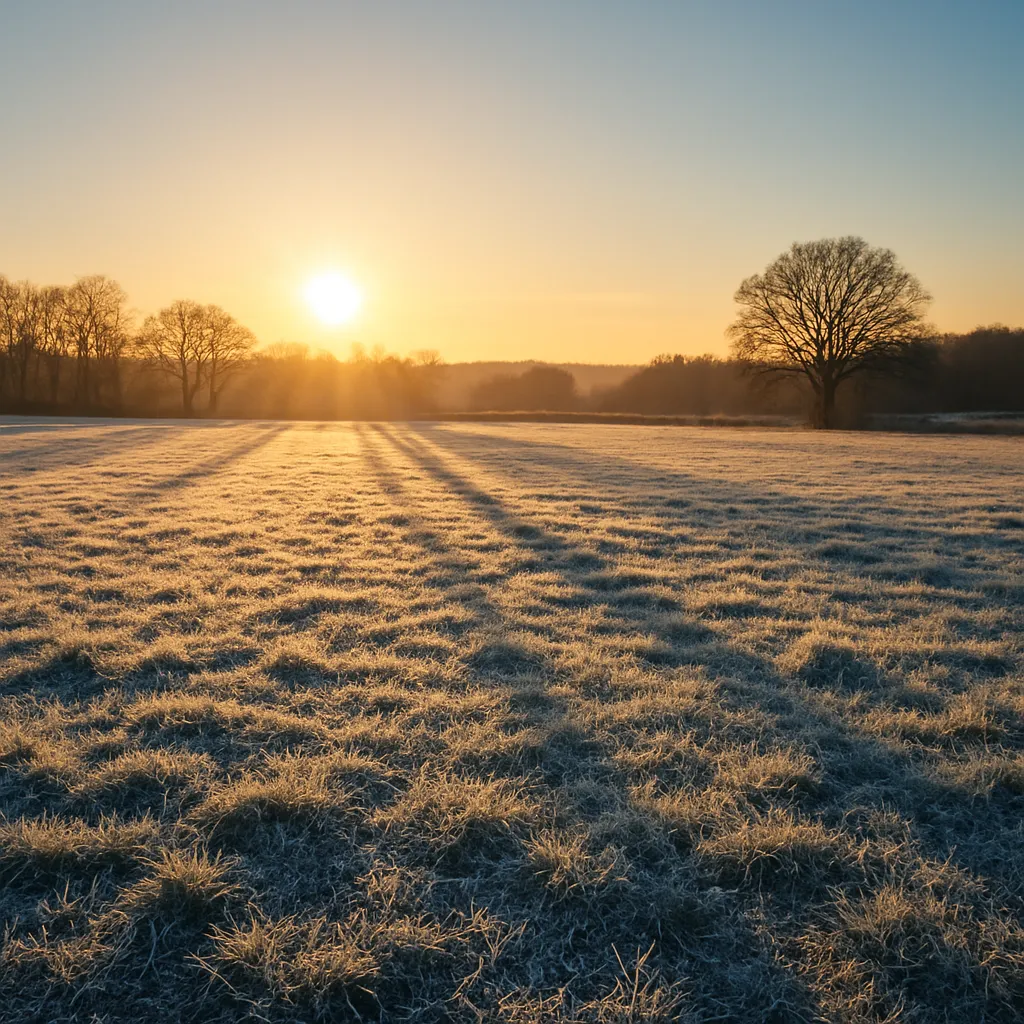
On about March 21 and September 22, day and night are nearly equal in length at almost every latitude. What are these two dates called?
Earth's axis tips further over as the year goes on, and that growing tilt is what brings summer.
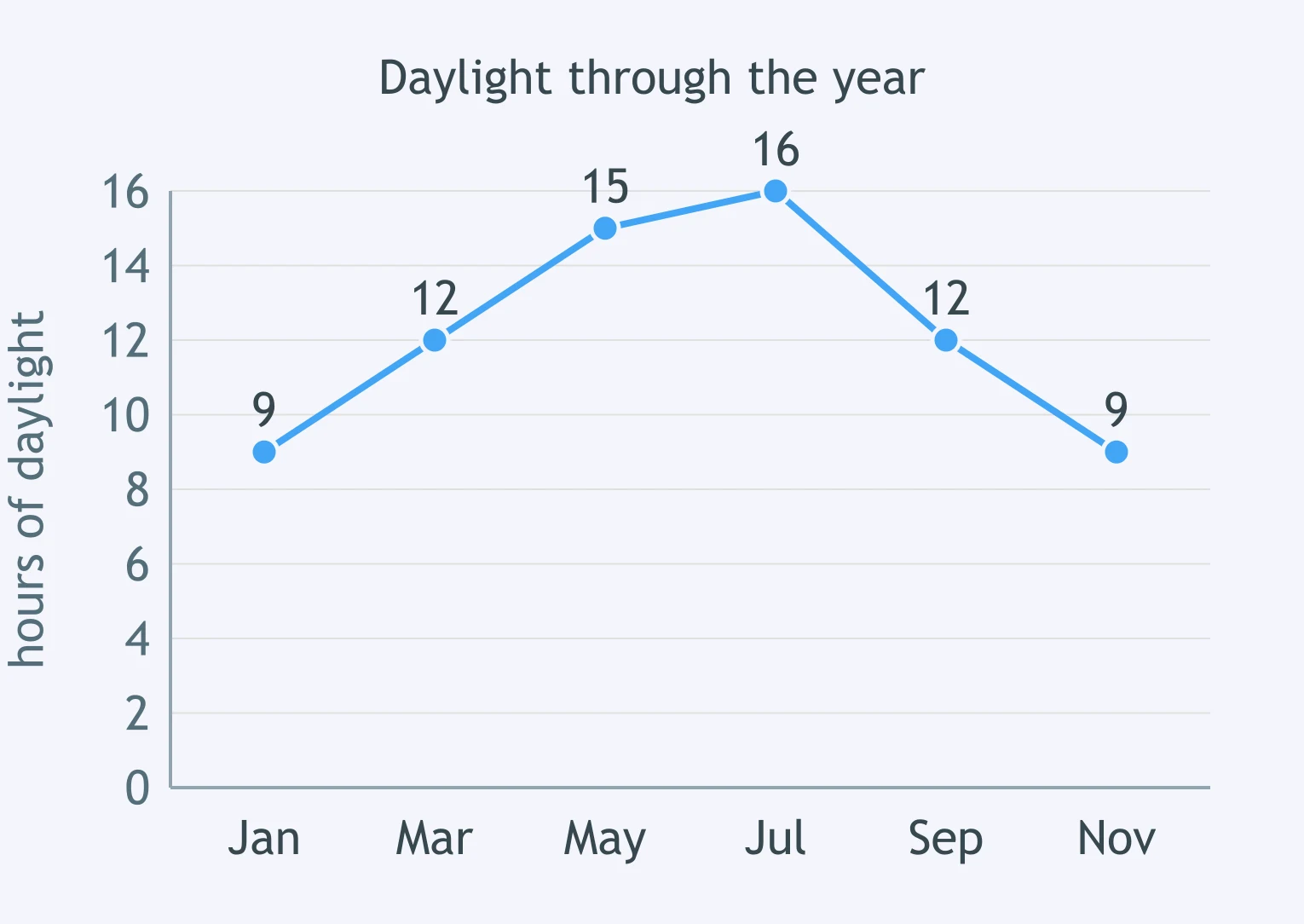
Use the graph of one city's daylight hours through the year. In which hemisphere does the city lie?
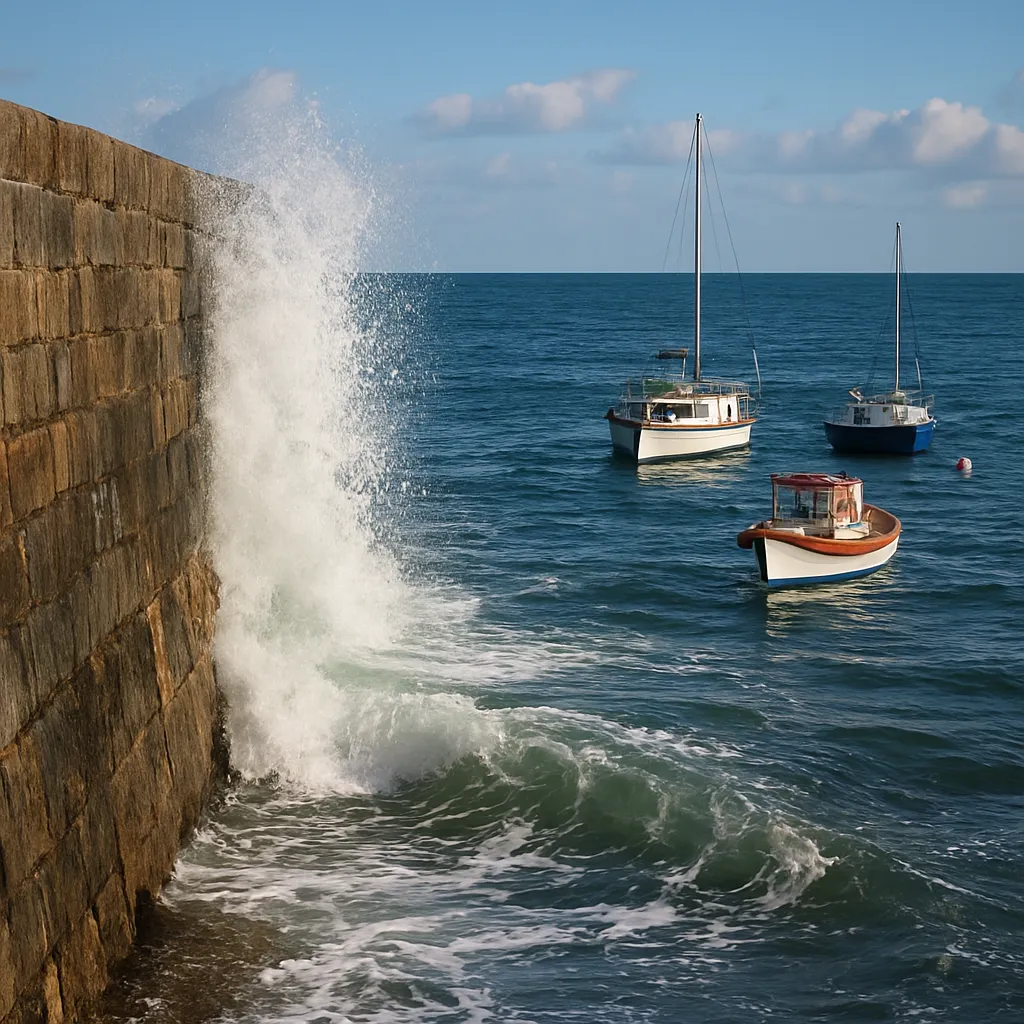
Twice a month, at first quarter and third quarter moon, a harbor records its smallest tide range. What arrangement produces these weak tides?
Most coasts get two high tides roughly 12 hours apart each day, not one. Why are there two?
High tide at a port arrives about 50 minutes later each day. Which motion matches this daily delay?
At one port the tide range measures 4.0 meters at spring tides and 1.5 meters at neap tides. What range should be expected on a night when the moon is at first quarter?
Crack the passcode before the zombies get in.
Answer, then swat bugs for bonus points.
Race through questions at your own speed.
Same question on every screen. Fastest wins.

Pick a tile, answer, hit bonuses and steals.
Forces and Newton's Laws Review
40 questions