Loading
by BlastRoom
Classify organisms by kingdom and explain their roles in ecosystems.
#us_grade_7_science
40 questions
One question set, multiple game modes. Tap any game to see it in action. Not sure which to pick?
Answer to place stones and capture territory.
Outrun the snow together.
Earn blasts, then hunt the other team.
Answer to earn energy, then climb.

The class blasts through walls together.
Bid on mystery lots. Most money wins.
Sell tours. Nice, standard, or a total scam.

Answer, restock, and serve the rush.
More correct answers pulls the rope your way.
Answer, then shoot down the alien wave.
Answer, then tap to leap the frozen ridge.
An unknown organism is multicellular. Its cells have nuclei but no cell walls, and it gets nutrients by eating other organisms. What kingdom is it in?
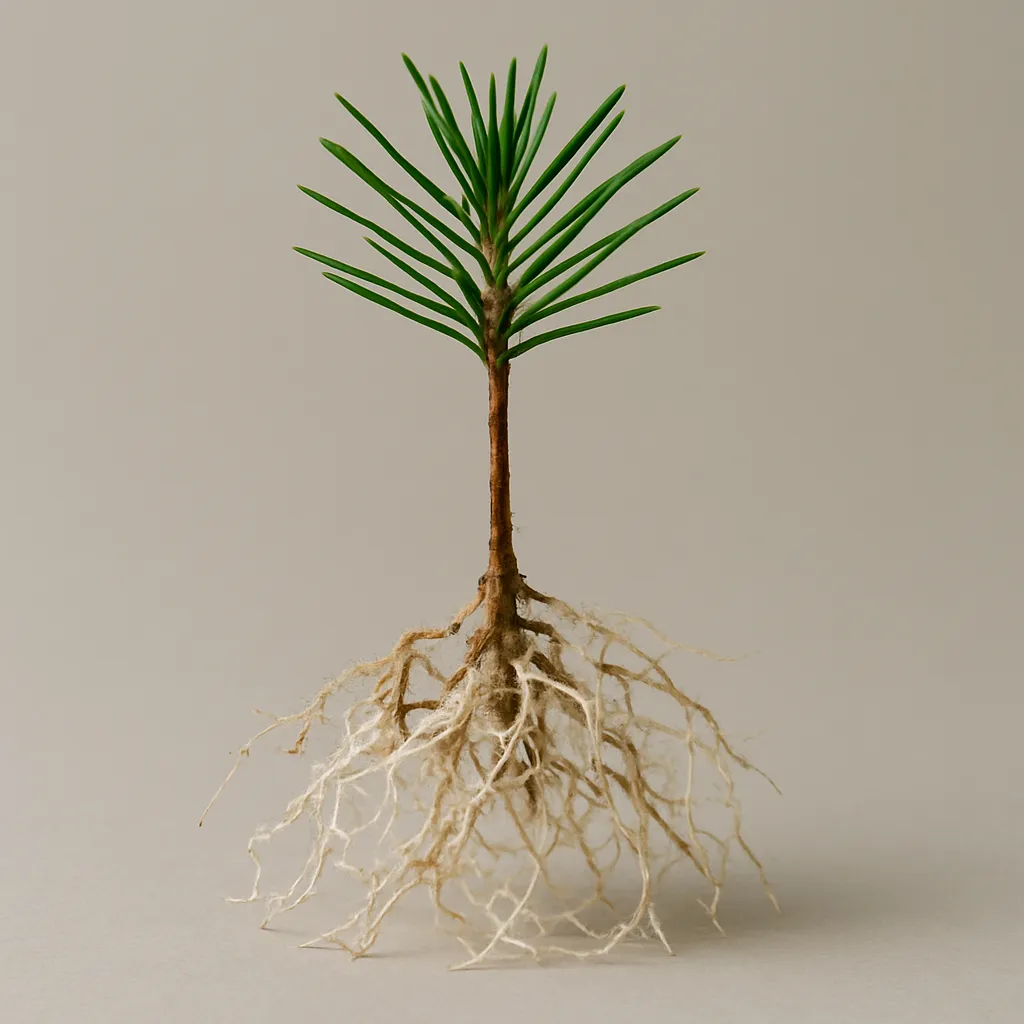
A young land organism has specialized roots, stems, and leaves. Its cells have nuclei, cellulose cell walls, and chloroplasts. What kingdom is it in?
A forest organism has many cells with nuclei and chitin cell walls. It spreads through dead leaves and absorbs digested nutrients. What kingdom is it in?
A single-celled organism has a cell wall but no nucleus. It divides into two cells when conditions are good. What kingdom is it in?
A one-celled pond organism has a nucleus and chloroplasts, and it makes sugar using sunlight. What kingdom is it in?
A tide-pool organism has many cells with nuclei, no cell walls, and mouthparts that capture tiny animals. What kingdom is it in?
Yeast cells each have a nucleus and chitin in their cell walls. They absorb sugars from fruit juice. What kingdom is yeast in?
A multicellular organism has nuclei, chloroplasts, and cellulose cell walls. It uses sunlight to make sugars. What kingdom is it in?
A blue-green organism is one cell, lacks a nucleus, has a cell wall, and photosynthesizes in shallow water. What kingdom is it in?
A pond organism is one cell with a nucleus and no cell wall. It engulfs smaller cells for food. What kingdom is it in?
A soil organism is one cell, lacks a nucleus, has a cell wall, and uses chemicals from decaying roots for energy. What kingdom is it in?
A mold sample has threadlike cells with nuclei and chitin walls. It absorbs nutrients from bread. What kingdom is the mold in?
A freshwater organism has roots anchored in mud and leaf cells with nuclei, cellulose walls, and chloroplasts. What kingdom is it in?
A one-celled pond organism has a nucleus, no cell wall, a whipping tail, and eats smaller cells. What kingdom is it in?
A one-celled pond organism has a nucleus and chloroplasts. What additional observation best separates it from a plant kingdom member?
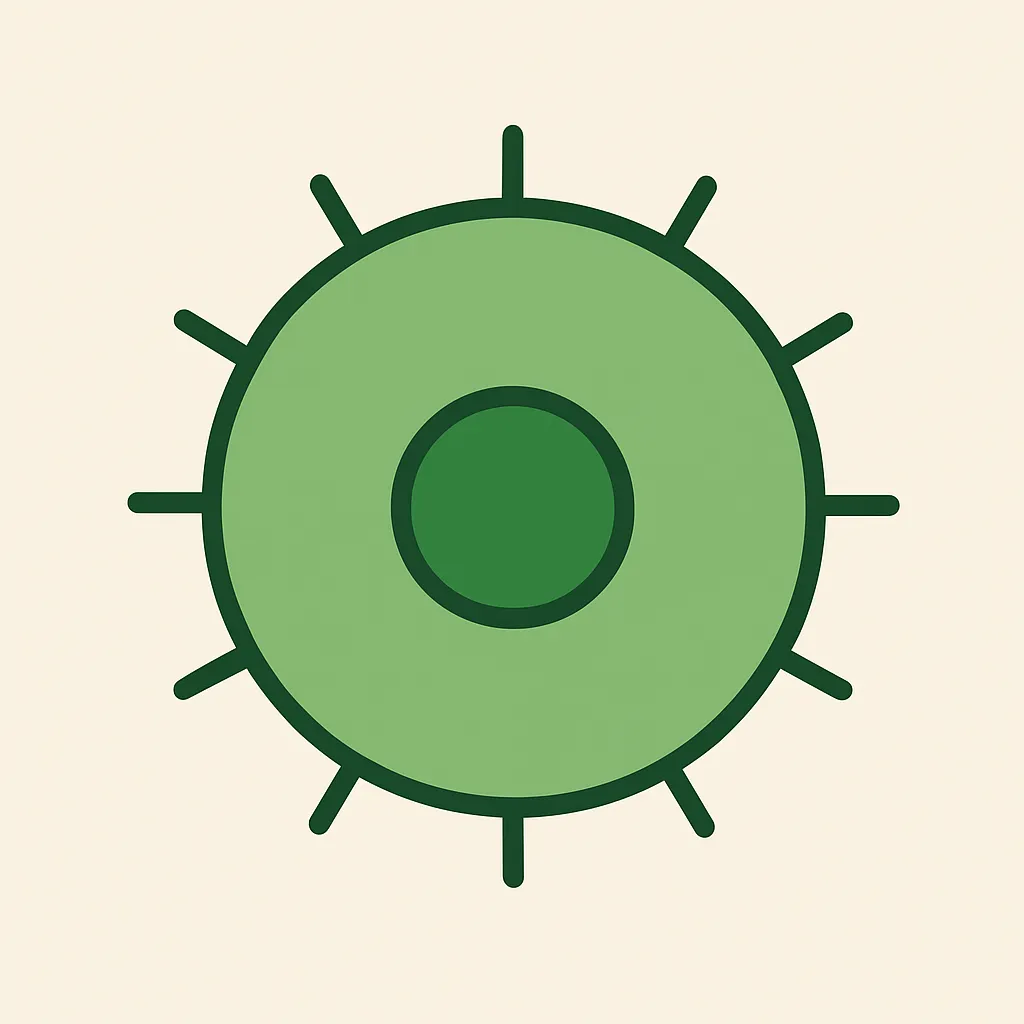
A green-looking organism grows on a log. What observation would best show it is a fungus rather than a plant?
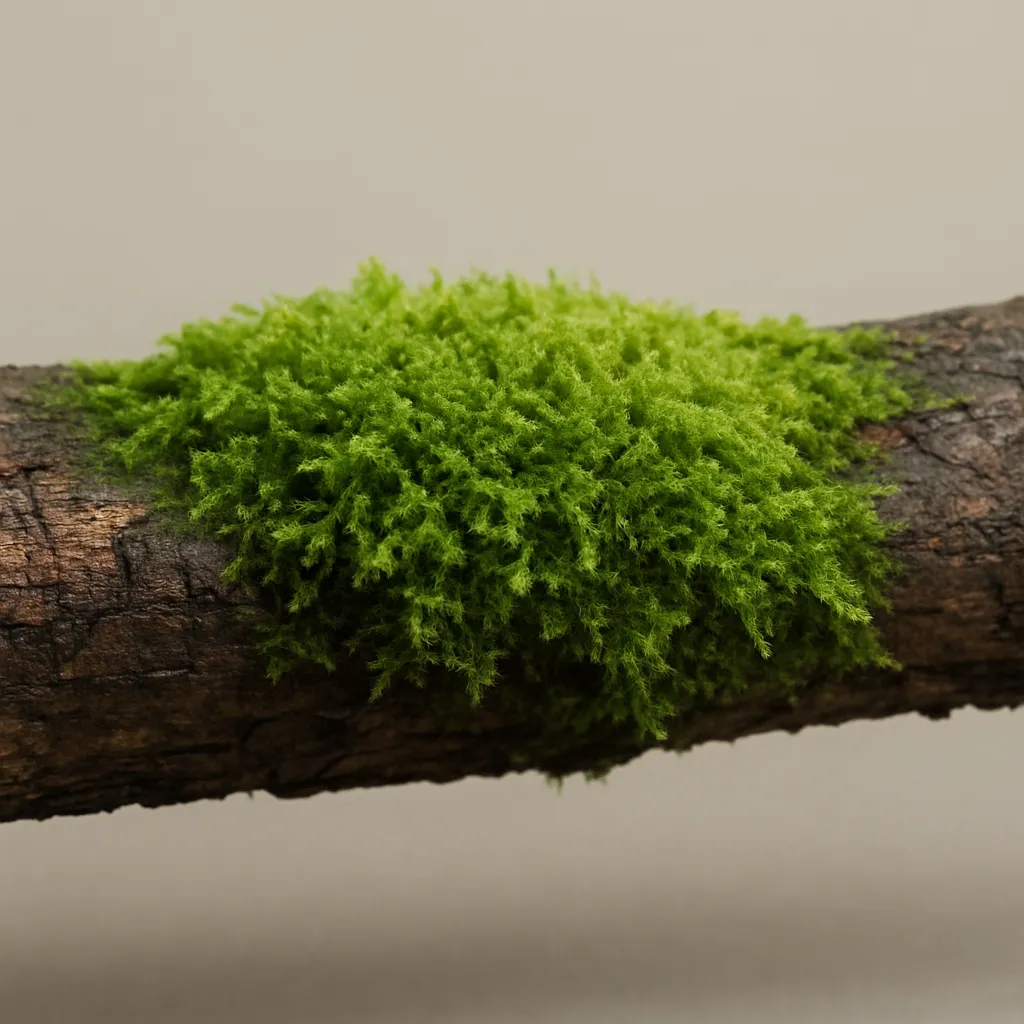
A tiny organism has a cell wall and lives in pond water. What observation best distinguishes Bacteria from Protista?
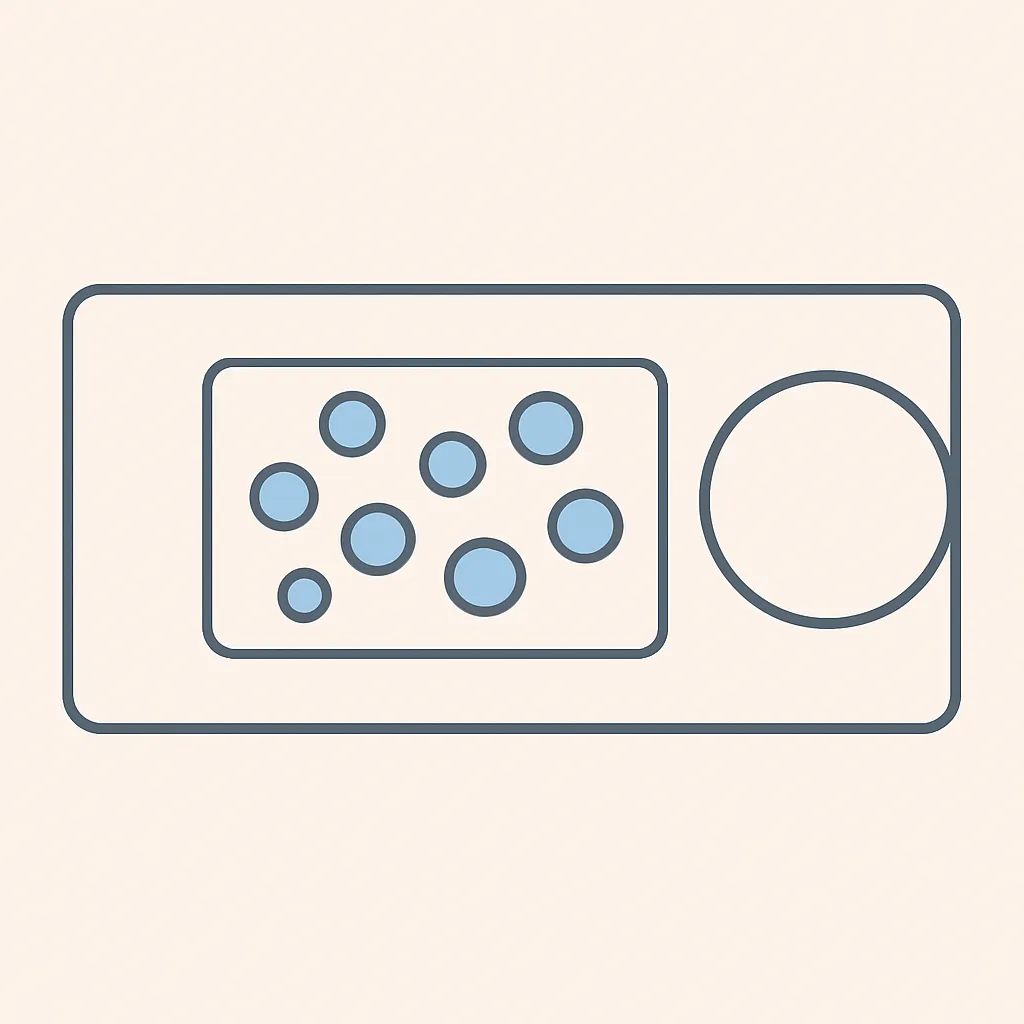
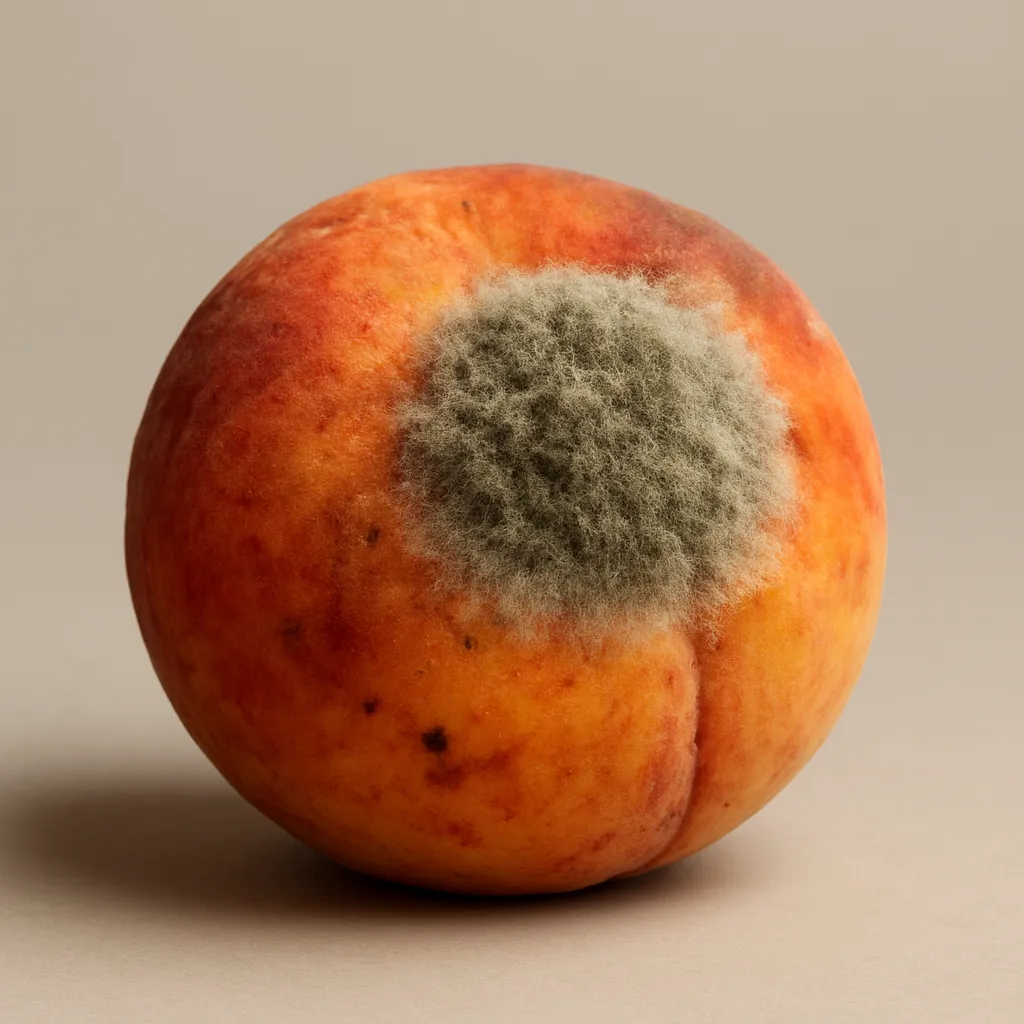
A fuzzy colony on fruit could be bacteria or fungus. What observation best supports classifying it as Fungi?
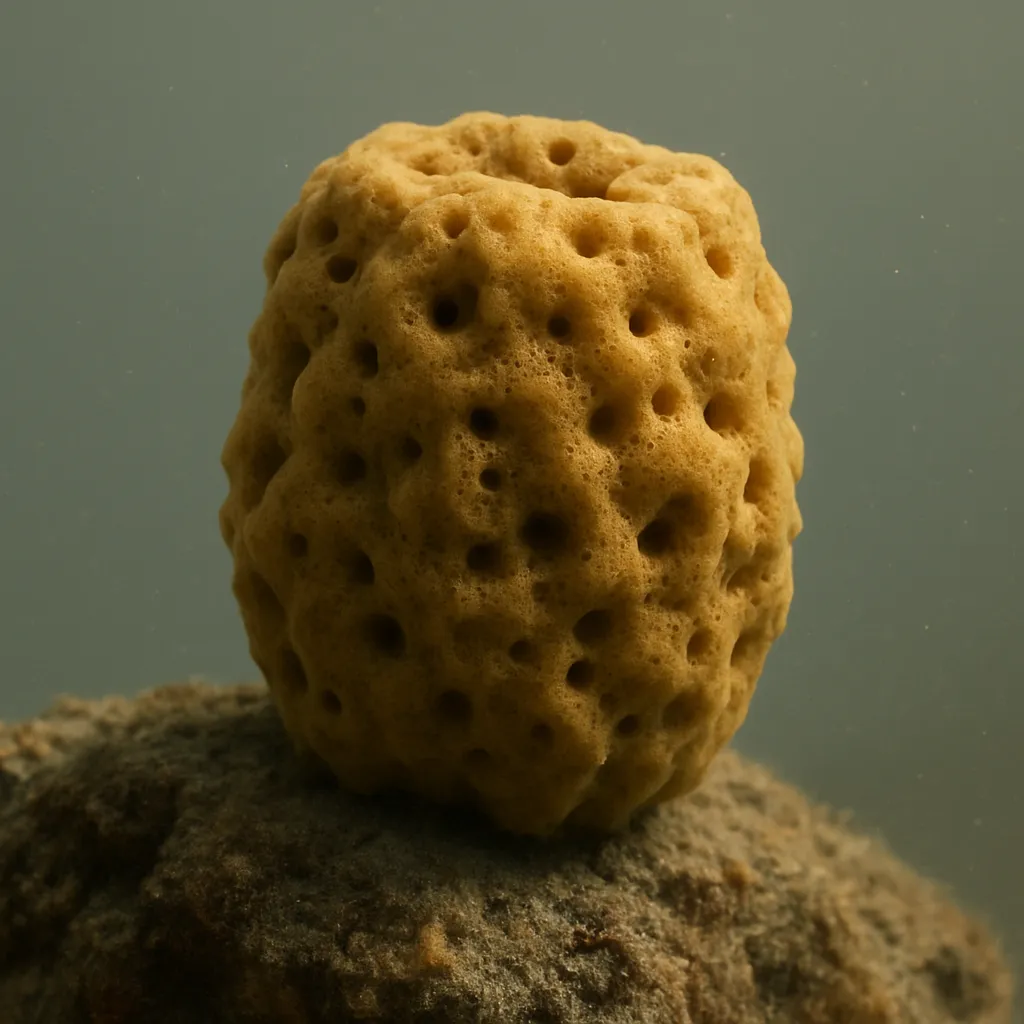
A sea sponge and a fungus both stay attached to surfaces. What evidence supports placing the sponge in Animalia?
Protista is sometimes called the "leftover" kingdom. Which statement best explains why?
A one-celled pond organism moves and eats other cells. What evidence keeps it in Protista rather than Animalia?
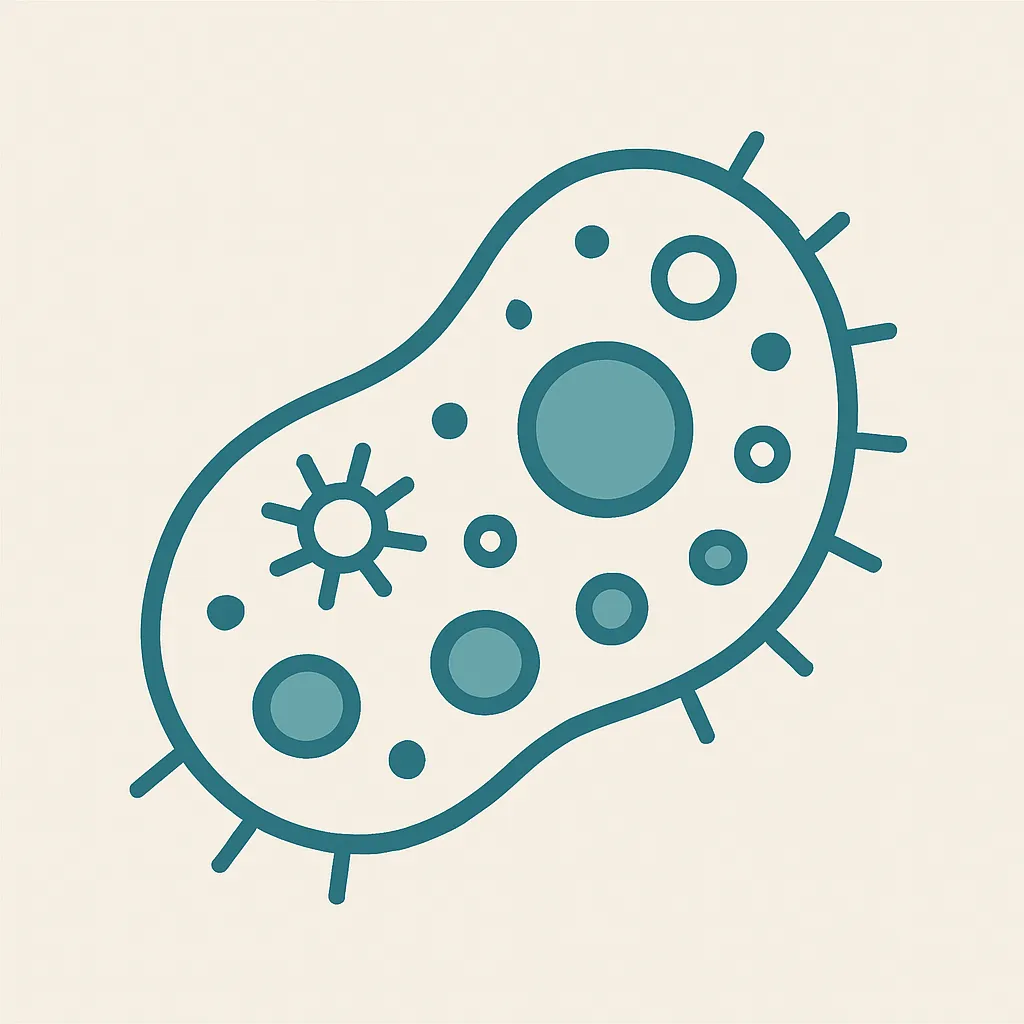
A slide of yogurt under a microscope shows many tiny cells with no nuclei. As these bacteria feed on milk sugar, what do they make that thickens the milk into yogurt?

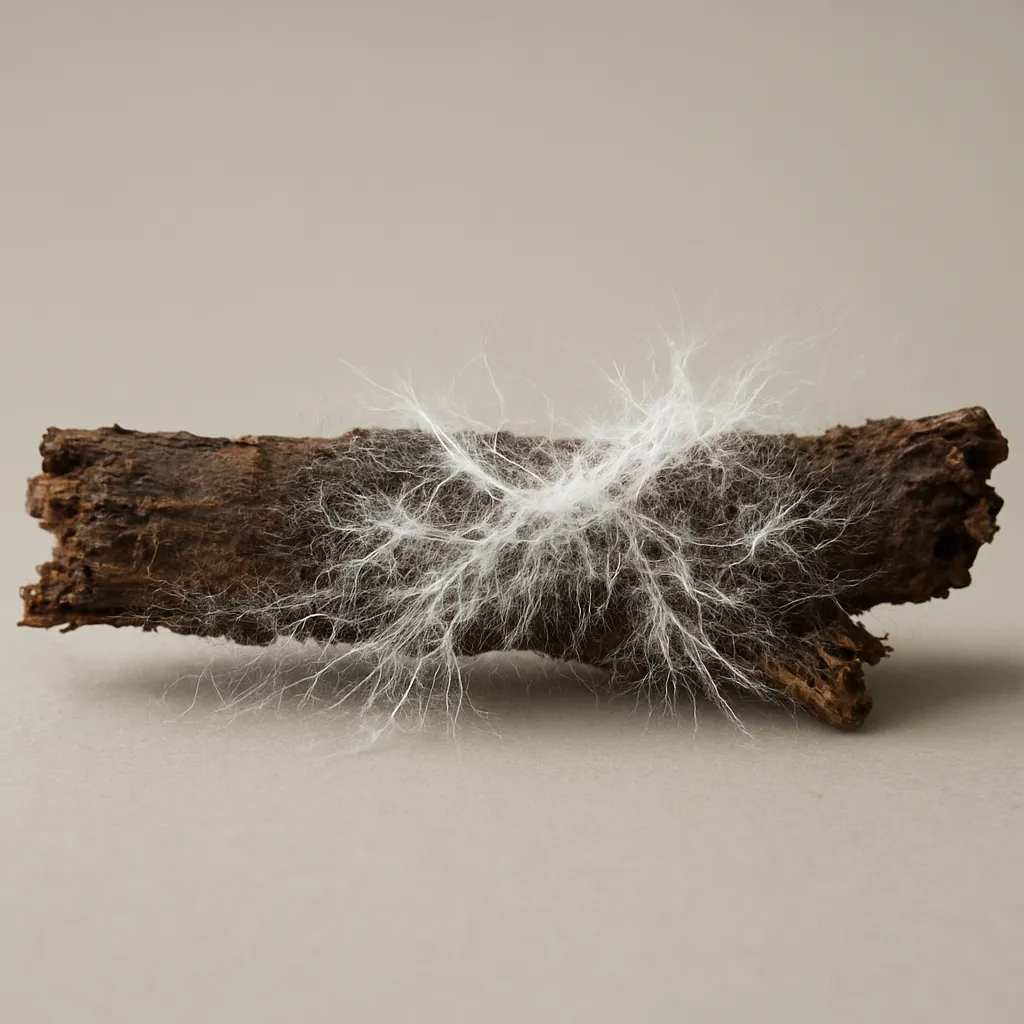
White fungal threads spread through a fallen branch and digest wood, releasing minerals into soil. What ecosystem role are they performing?
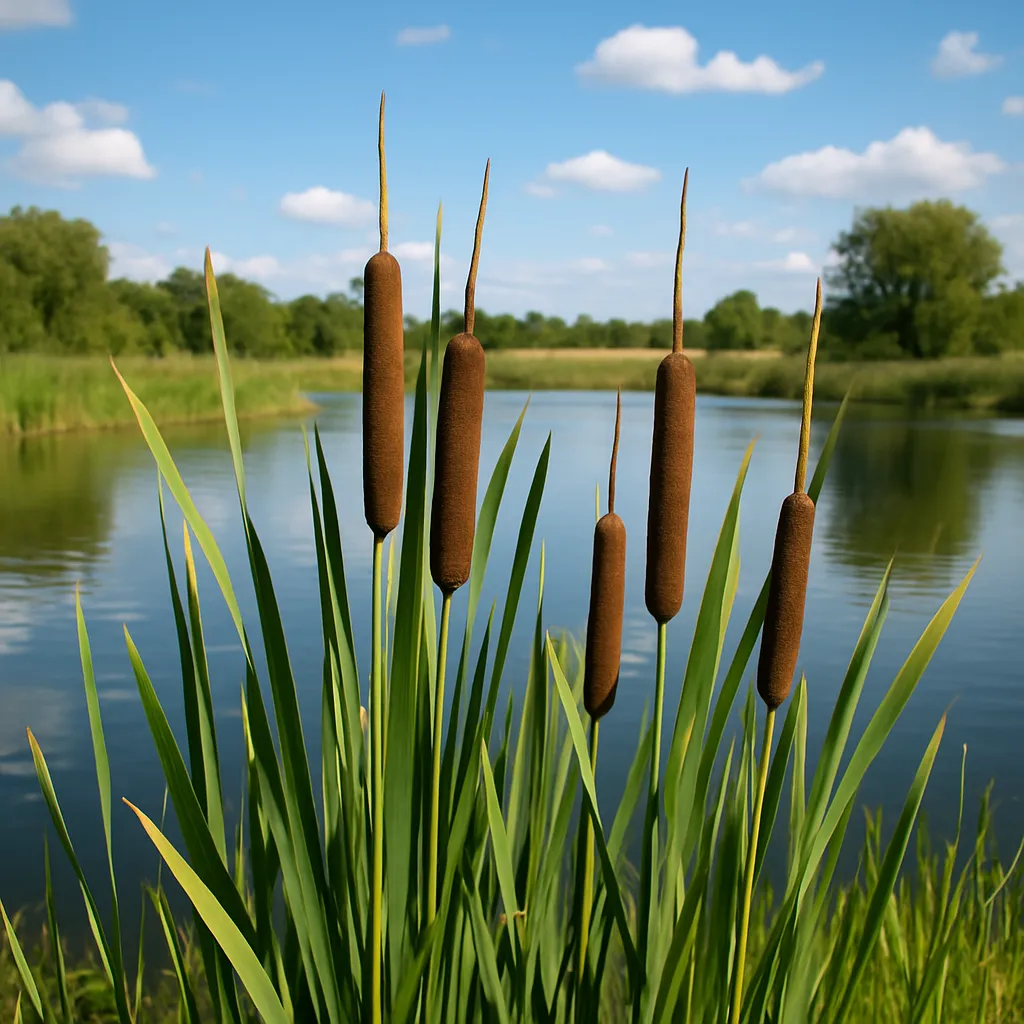
Cattails at a pond edge use sunlight, carbon dioxide, and water to make sugars. What role do the cattails play in the pond ecosystem?
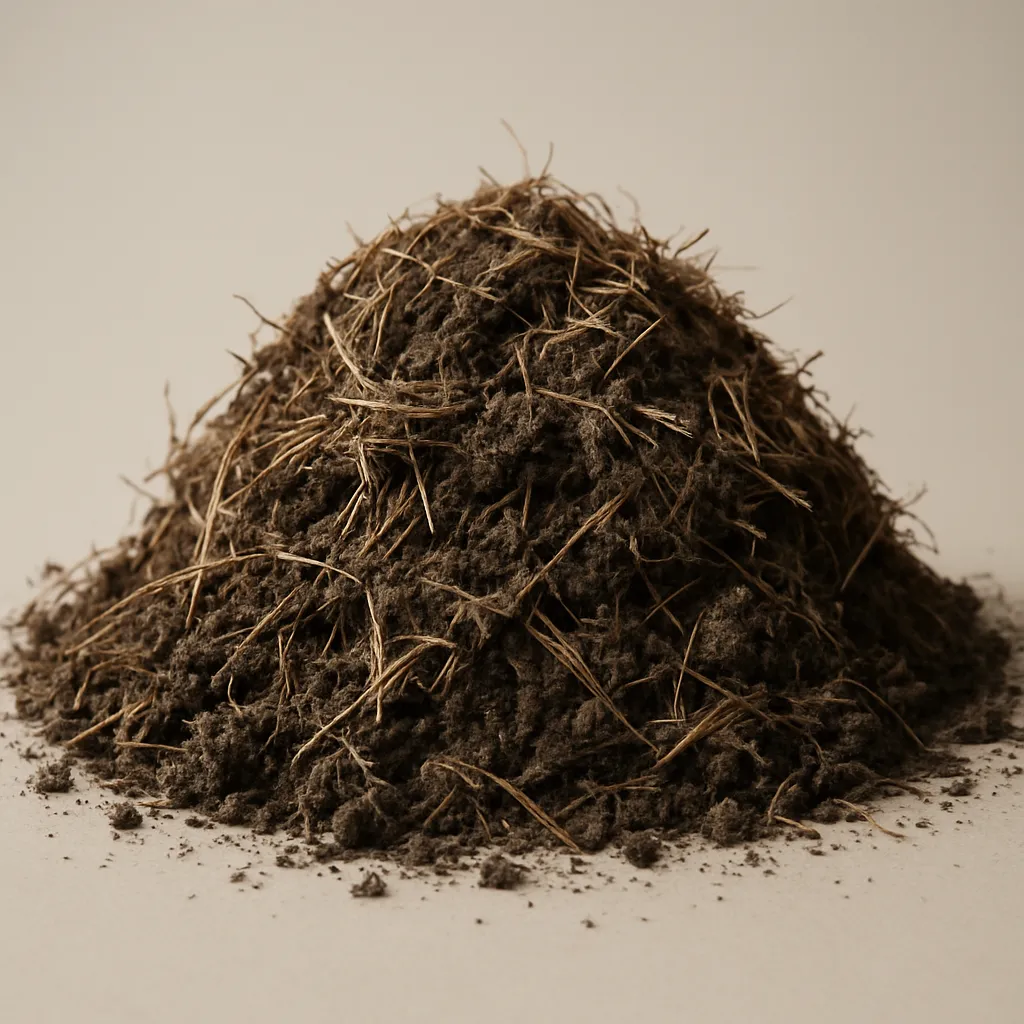
Soil bacteria break down dead grass clippings into simpler nutrients plants can absorb. What role are the bacteria playing?
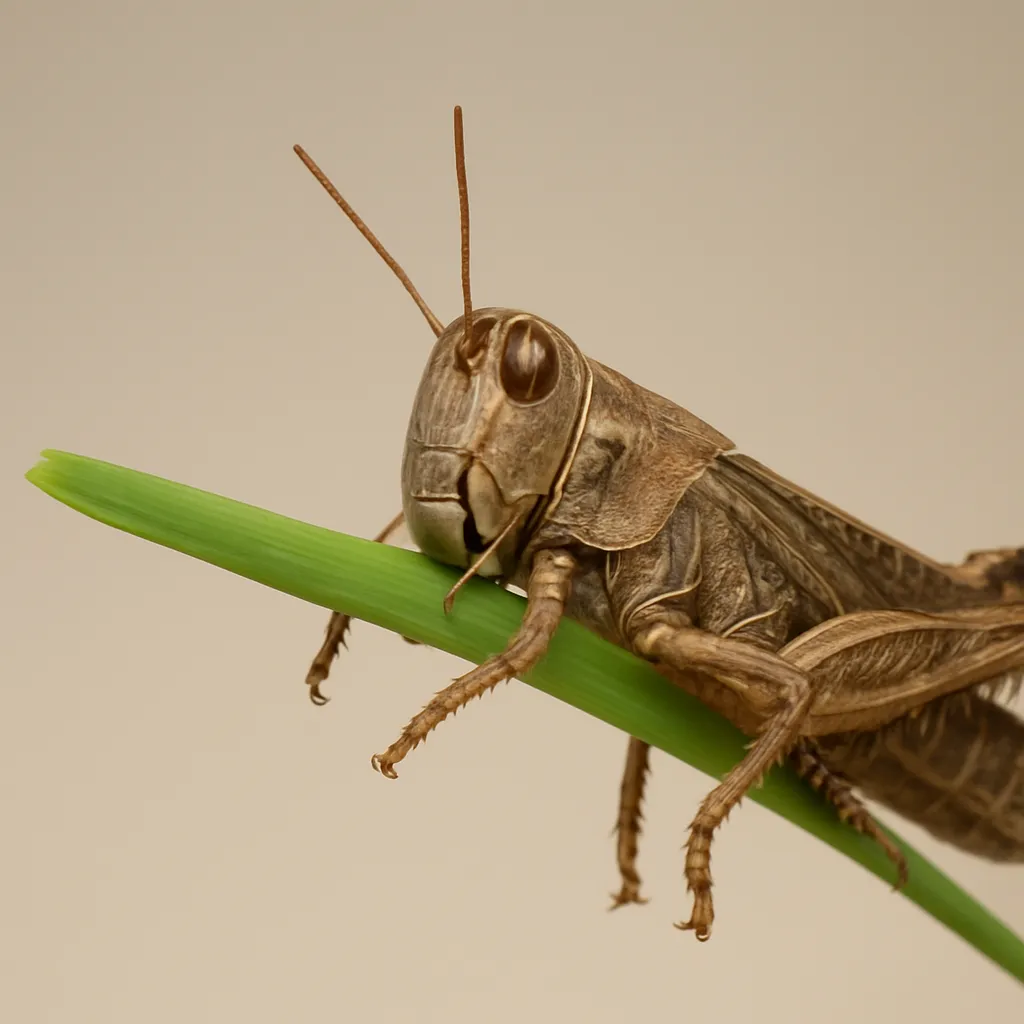
A grasshopper chews living grass blades and gains energy from the plant tissue. What ecosystem role is the grasshopper performing?
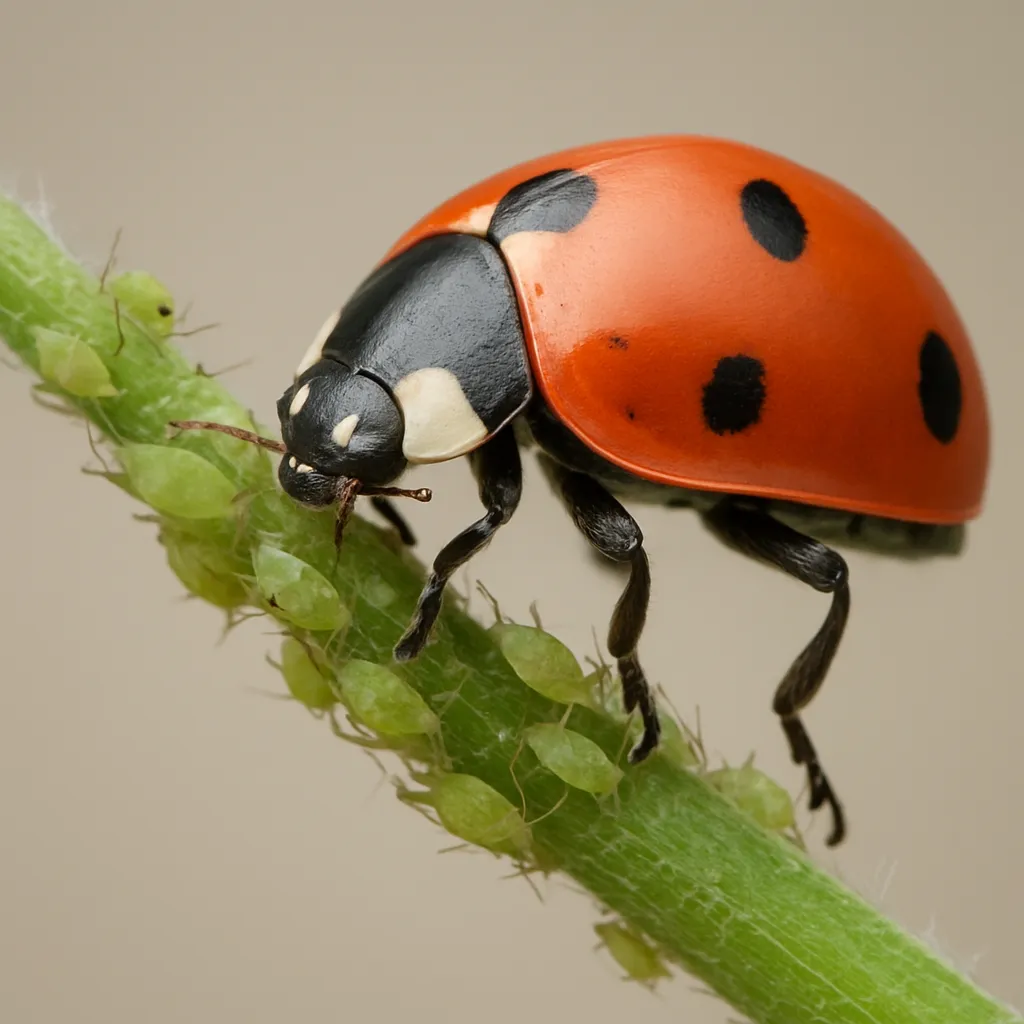
A ladybug eats aphids that are feeding on a bean plant. What role is the ladybug playing in this interaction?
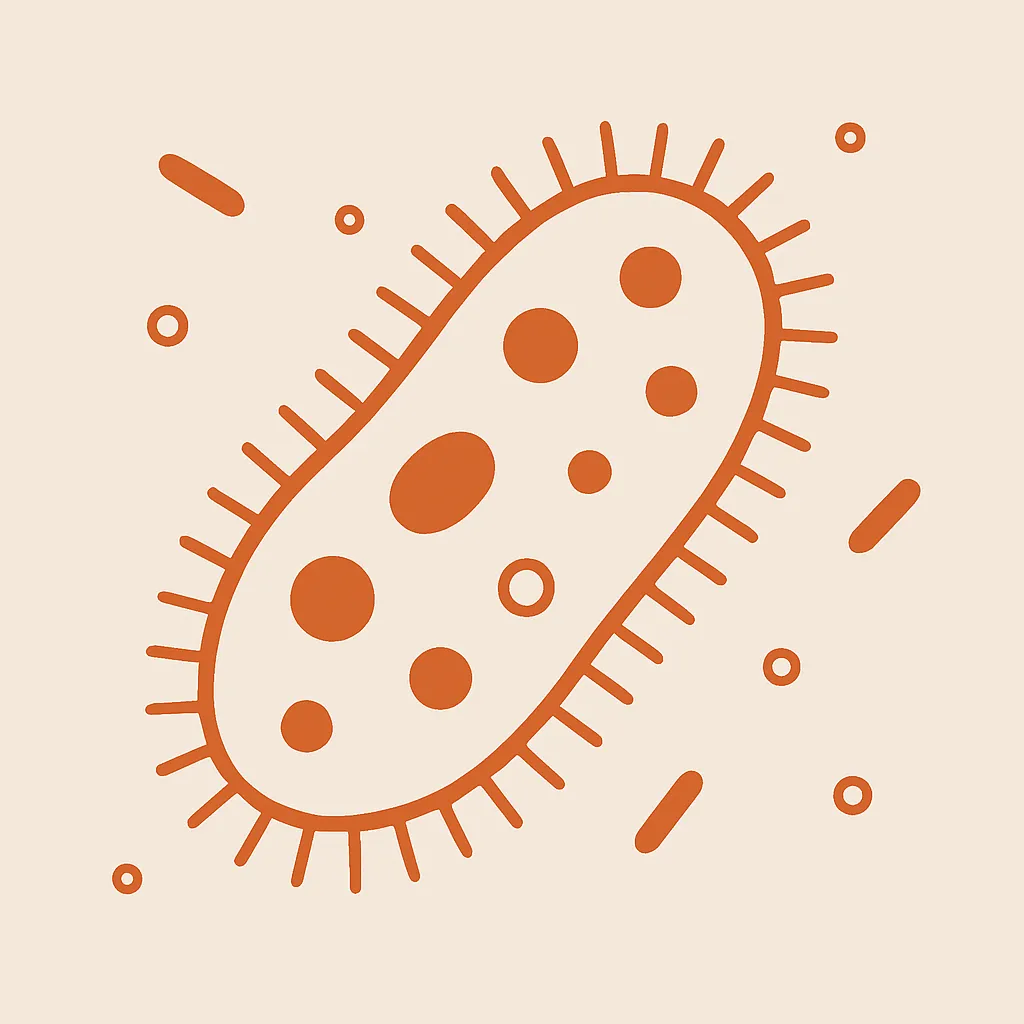
A paramecium swallows bacteria in pond water and digests them inside food vacuoles. What role is the paramecium playing?
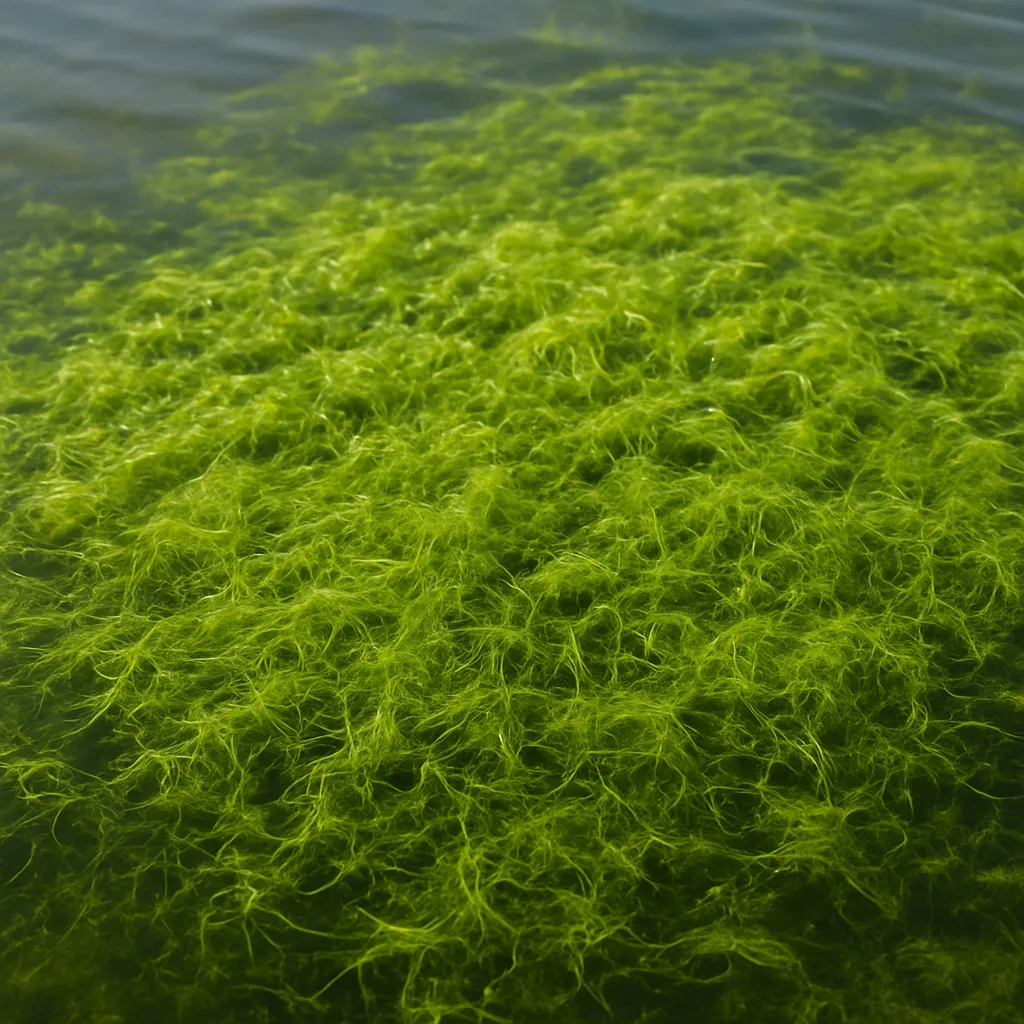
Green algae floating near a pond surface use sunlight to make sugars that small animals eat. What role do the algae play?
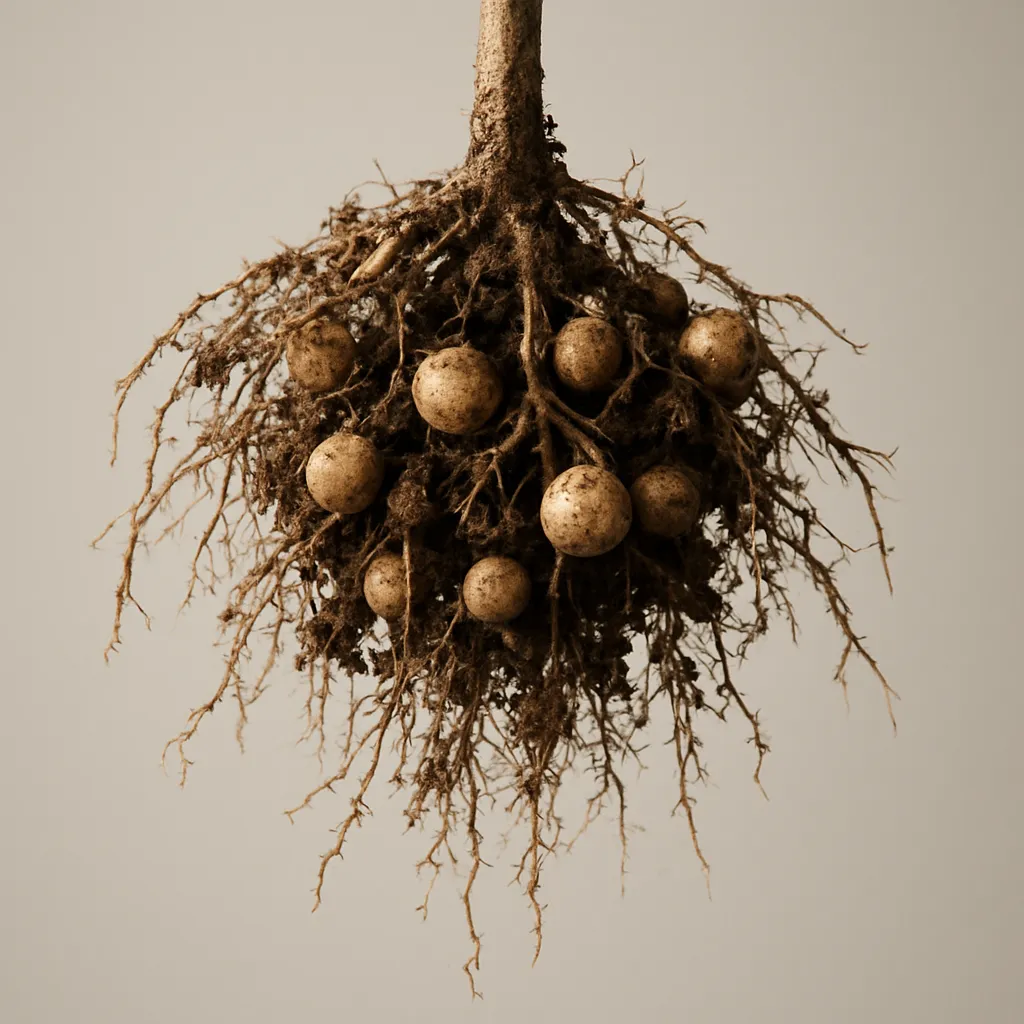
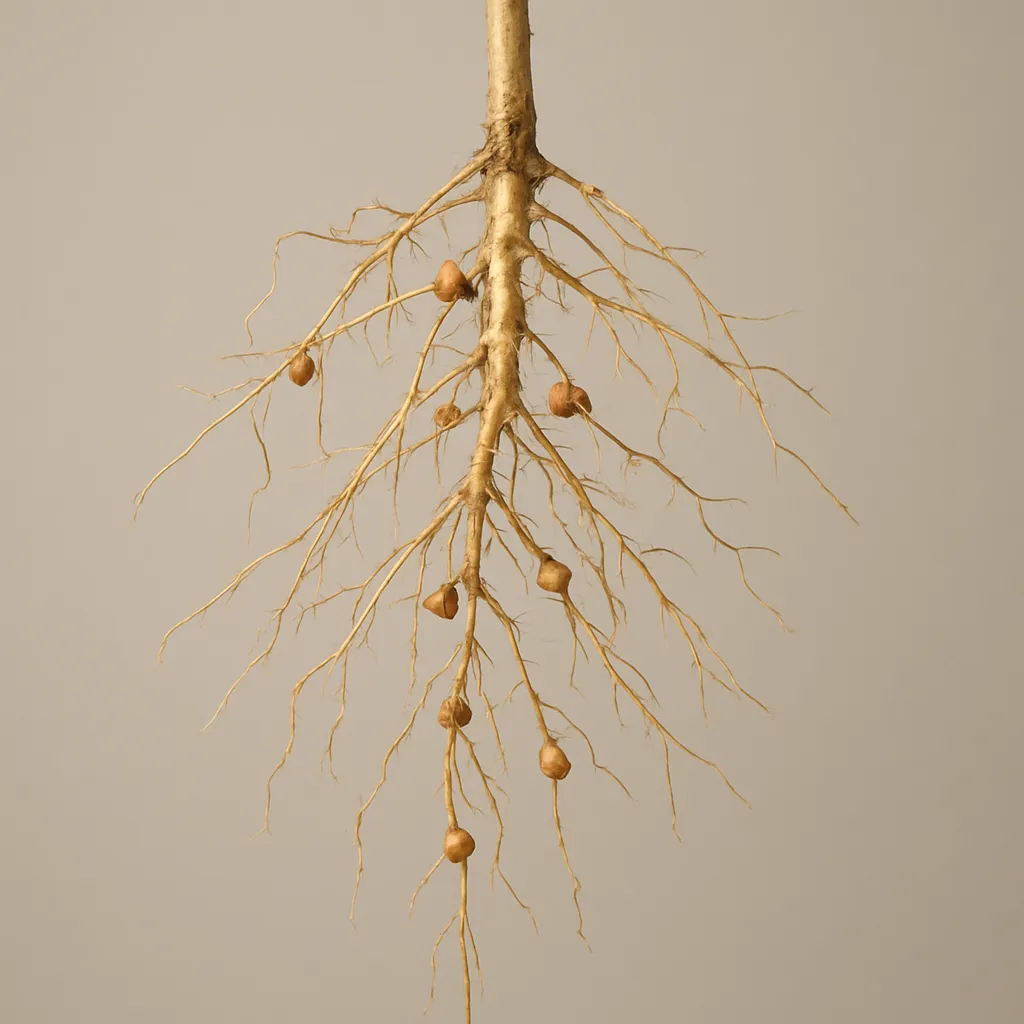
Bacteria in bean root nodules change a gas from the air into compounds that plants use to build proteins. What role do these bacteria play?
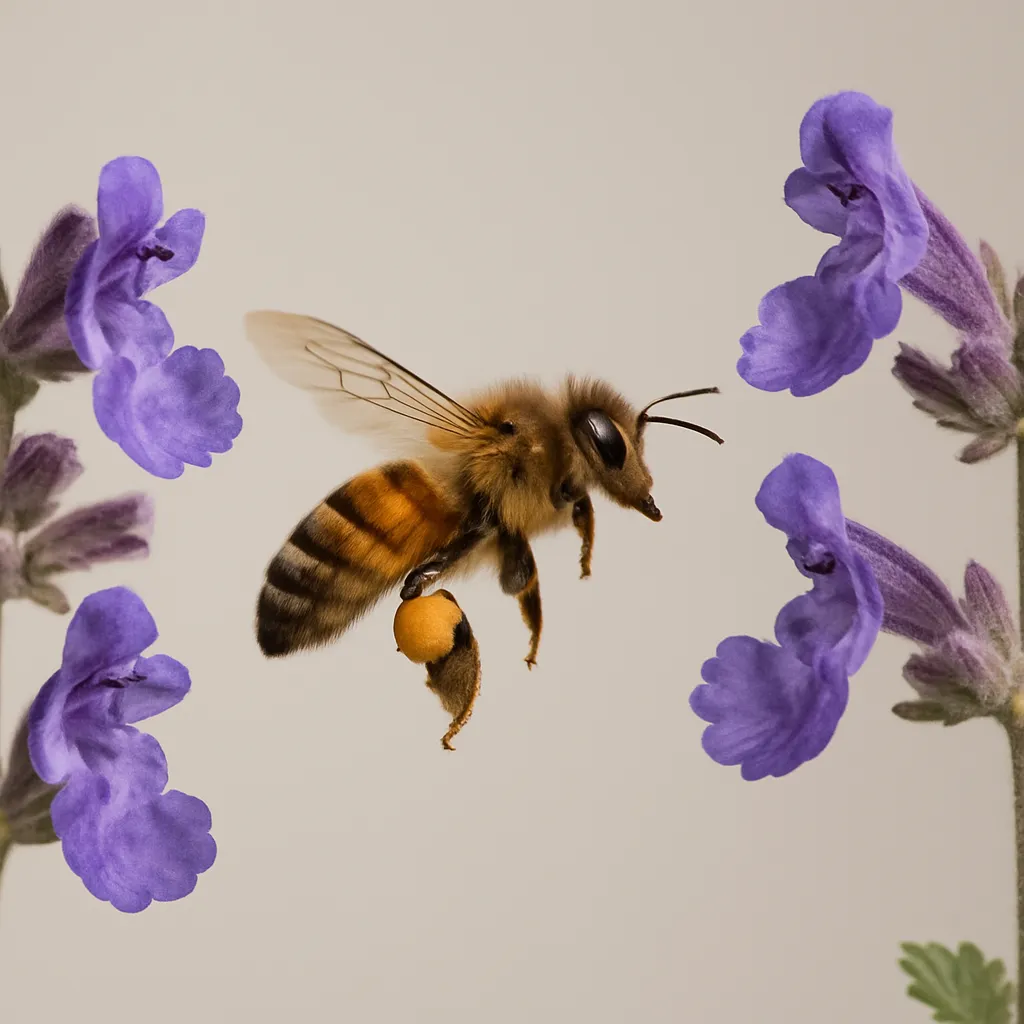
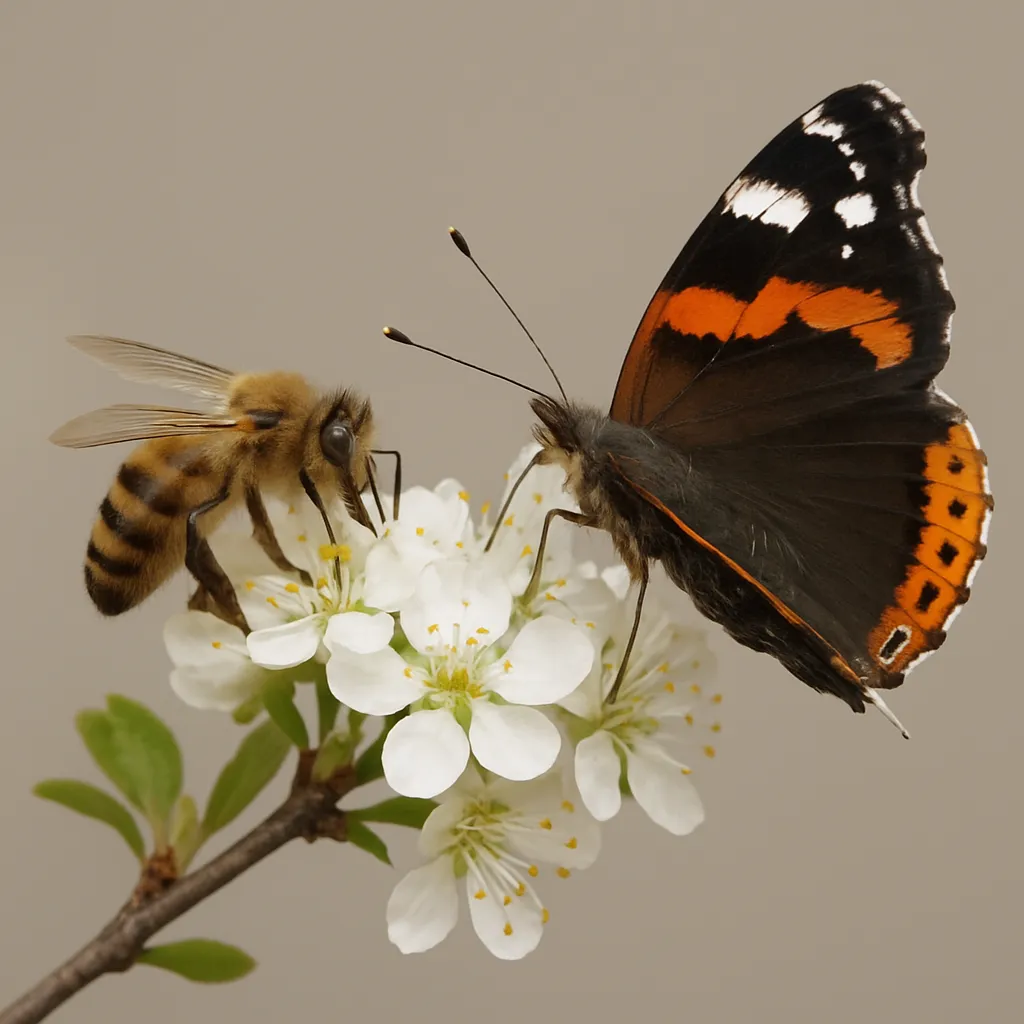
Bees drink nectar from flower after flower. Yellow grains stick to their hairy bodies and rub off on the next flower. What ecosystem role are the bees performing?
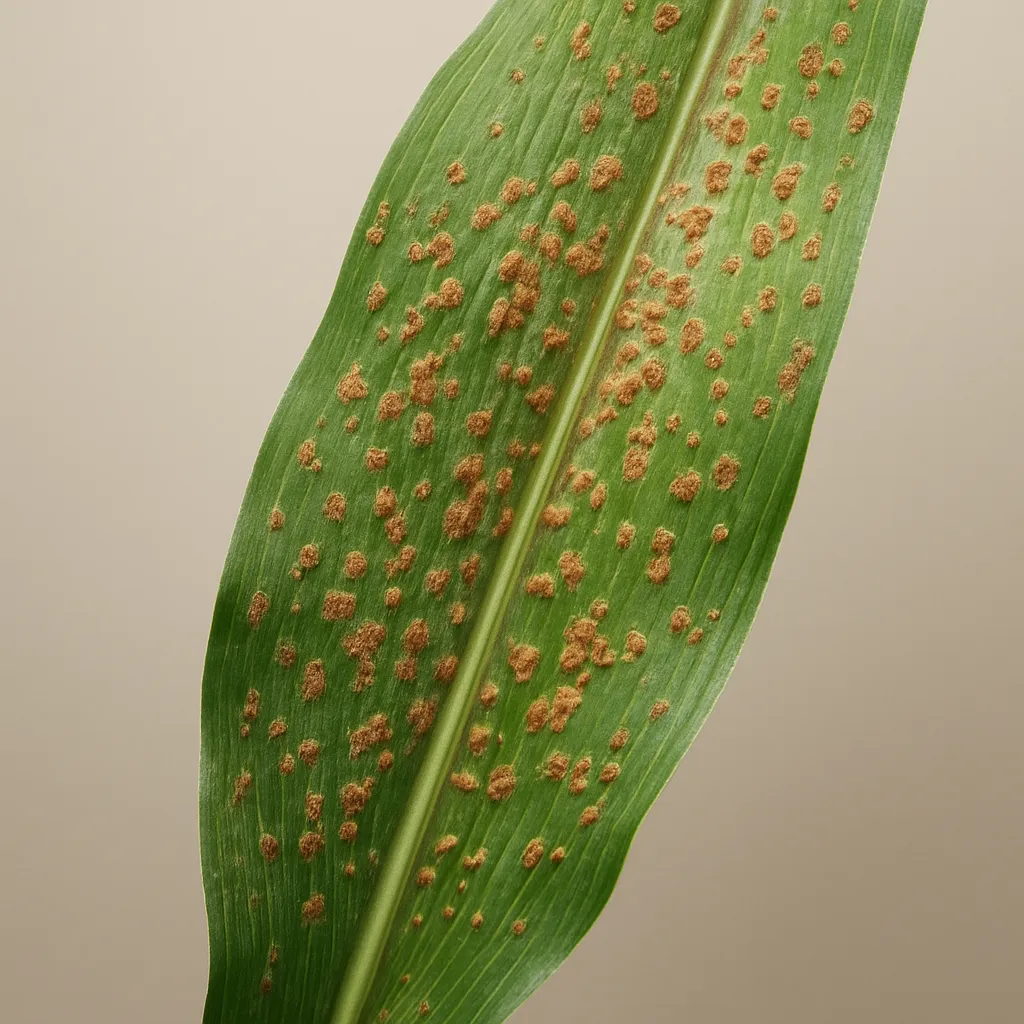
A fungus draws sugars from a living corn plant and damages its leaves. What role is the fungus playing?
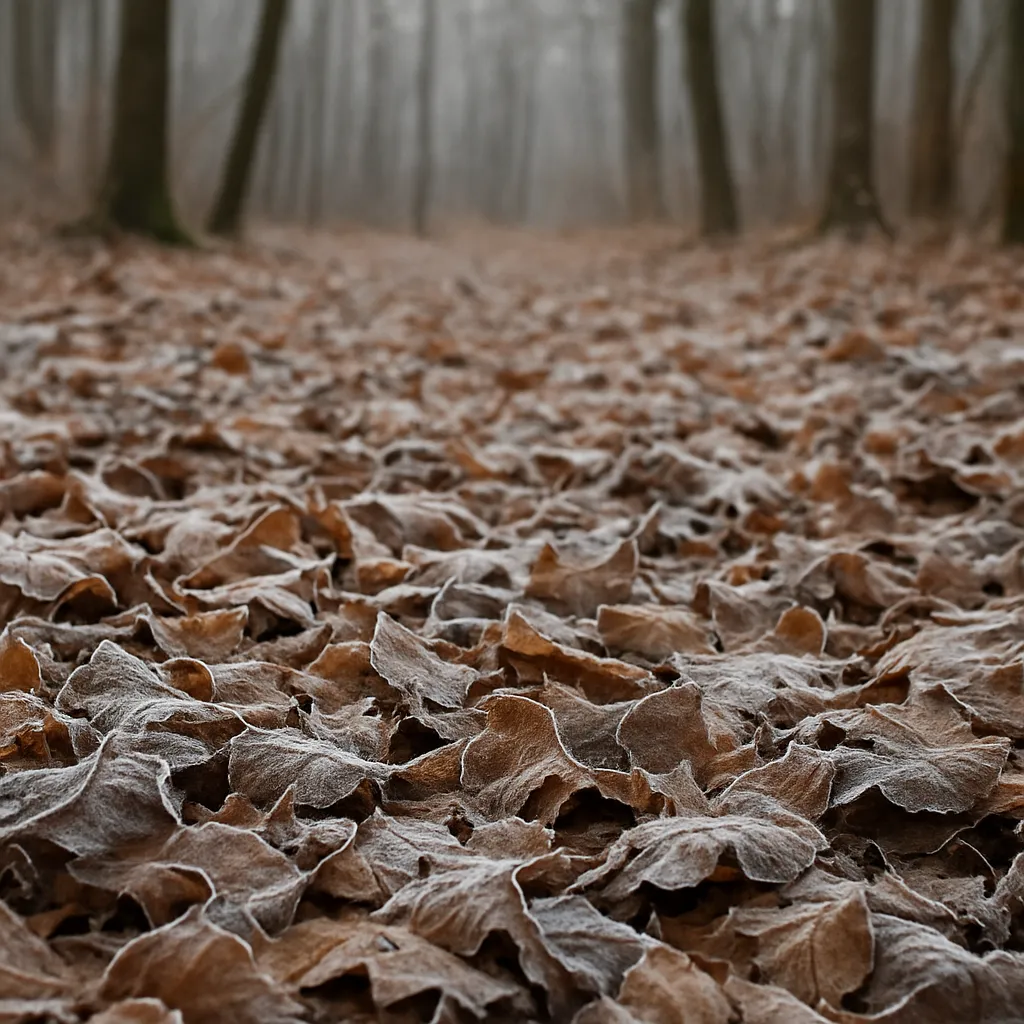
A cold season kills most fungi and bacteria that break down dead leaves on a forest floor. What change is most likely over several months?
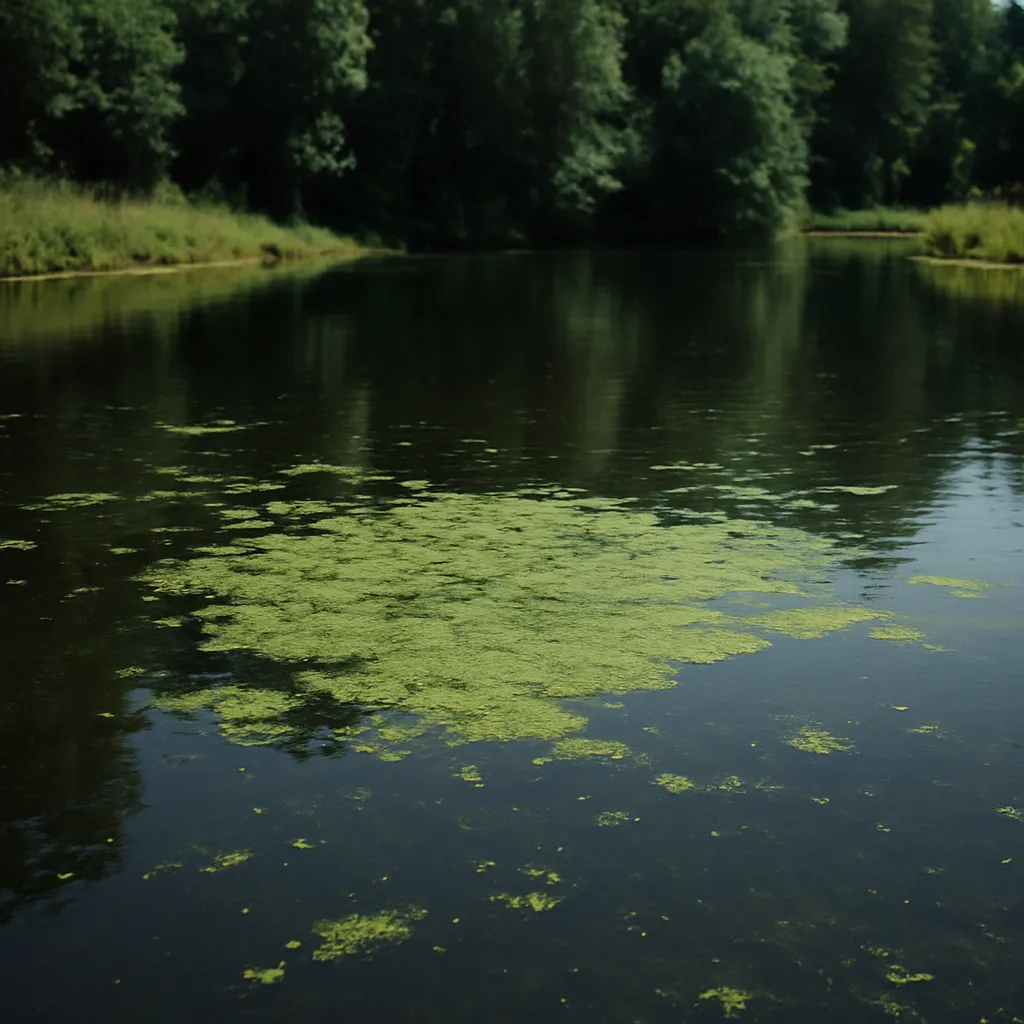
A pond becomes shaded, and most algae that make sugars die. What food-web change is most likely next?
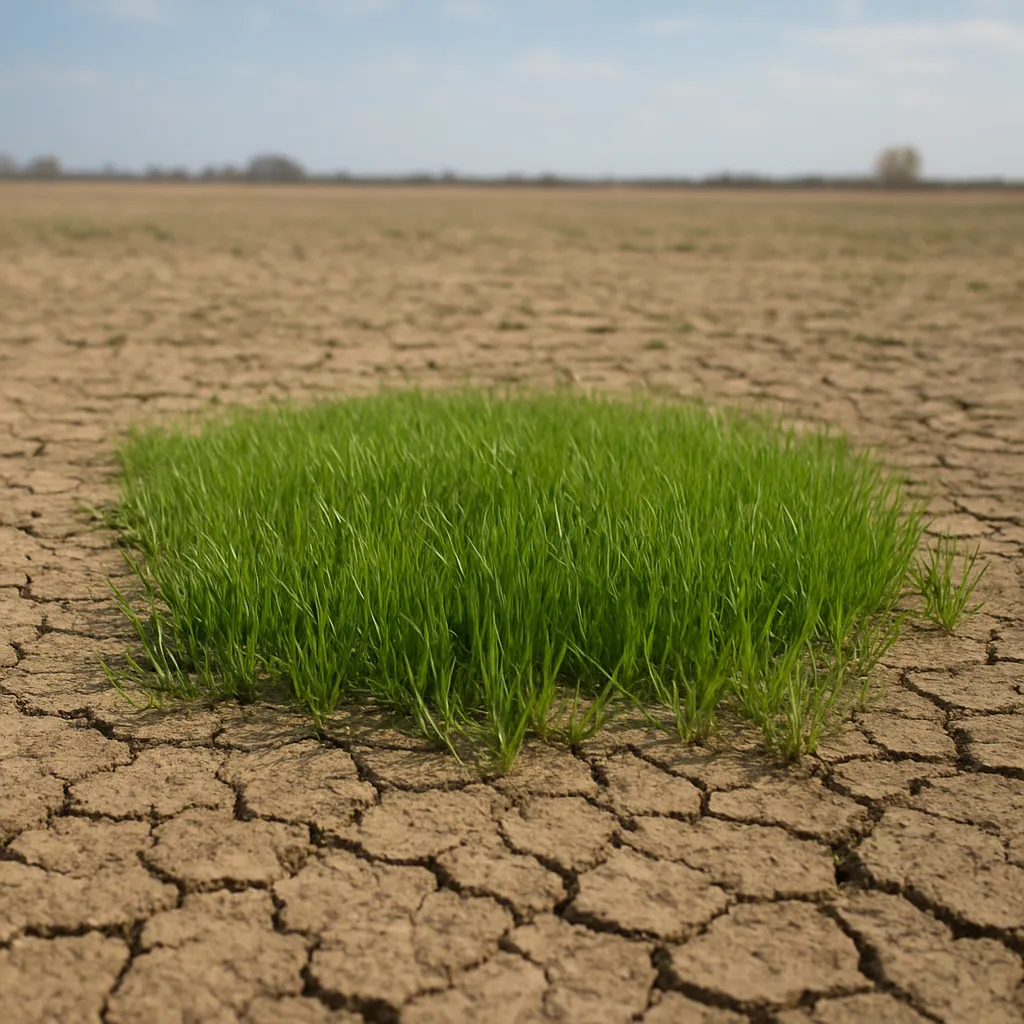
After a wet spring, grass plants spread across a dry field. If consumers can reach the area, what is likely to happen first?
Nitrogen-changing bacteria disappear from bean root nodules. What effect is most likely for the bean plants?
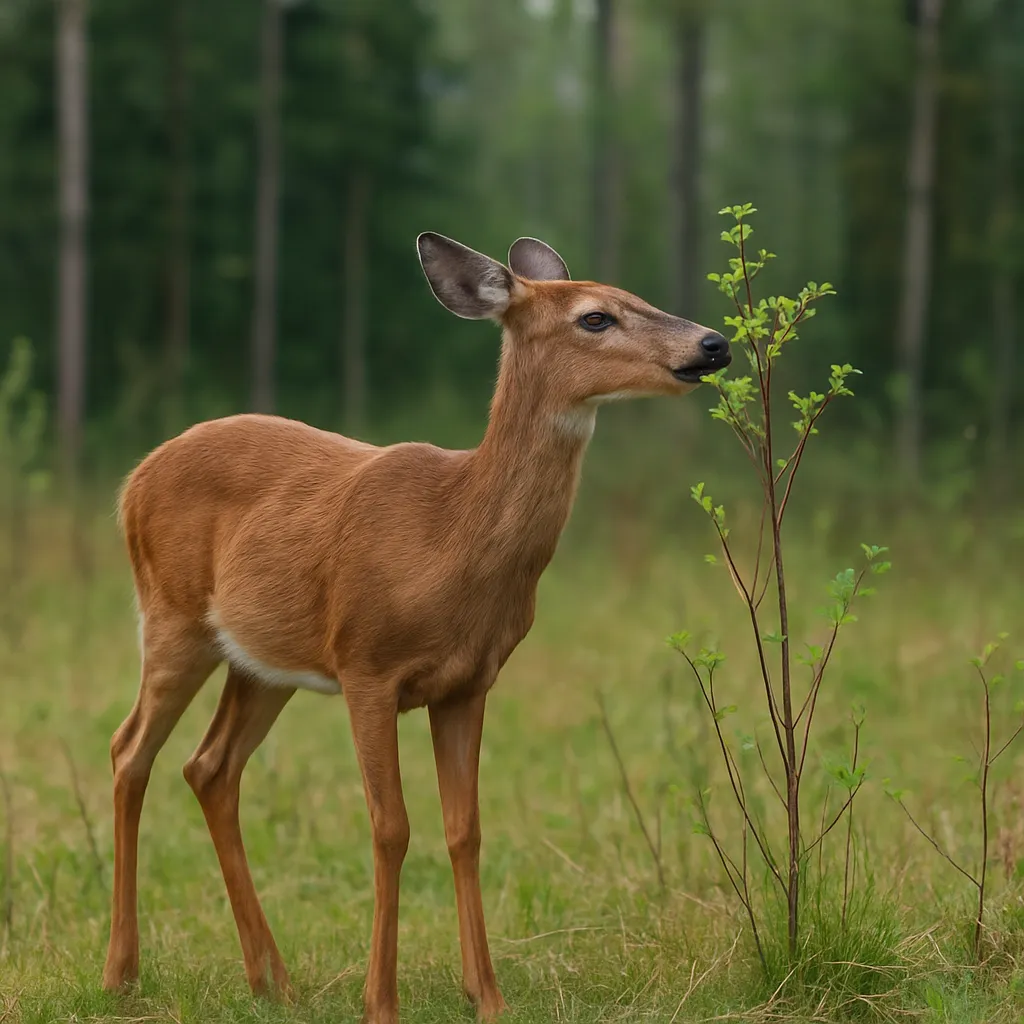
Wolves are removed from a forest, and deer have few predators. What ecosystem change is most likely if food is available?
A pesticide greatly reduces bees and butterflies around flowering shrubs. What outcome is most likely during seed production?
Helpful fungi around pine roots die after a soil chemical spill. What effect is most likely on nearby pines?
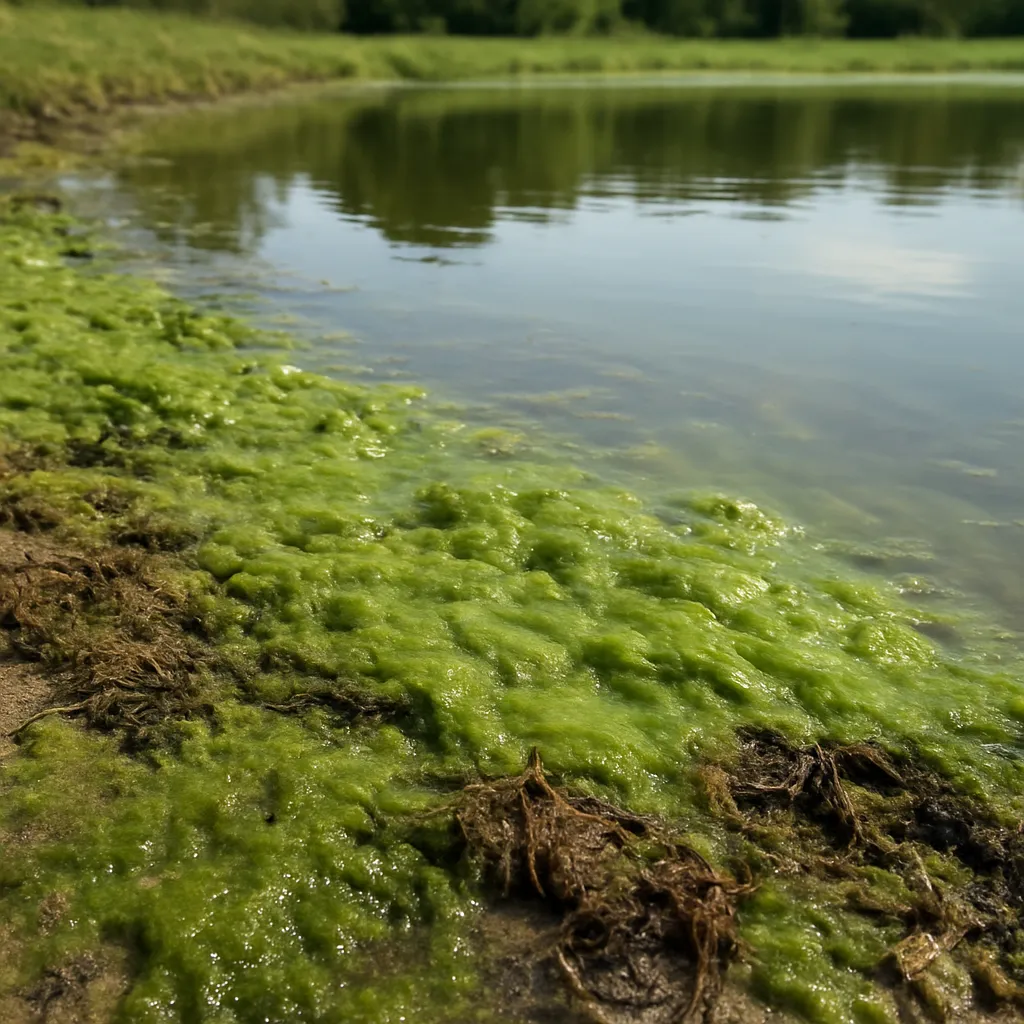
A large algal die-off leaves masses of dead algae in a small pond. Bacteria multiply while breaking it down. What is a likely effect?
Crack the passcode before the zombies get in.
Answer, then swat bugs for bonus points.
Race through questions at your own speed.
Same question on every screen. Fastest wins.

Pick a tile, answer, hit bonuses and steals.
The Solar System
40 questions