Loading
by BlastRoom
Practice how sedimentary rock, fossils, coal, oil, and natural gas form over long periods.
#us_grade_5_science
20 questions
One question set, multiple game modes. Tap any game to see it in action. Not sure which to pick?
Answer to place stones and capture territory.
Outrun the snow together.
Earn blasts, then hunt the other team.
Answer to earn energy, then climb.

The class blasts through walls together.
Bid on mystery lots. Most money wins.
Sell tours. Nice, standard, or a total scam.

Answer, restock, and serve the rush.
More correct answers pulls the rope your way.
Answer, then shoot down the alien wave.
Answer, then tap to leap the frozen ridge.
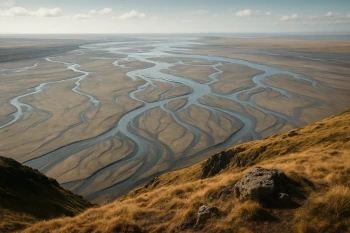
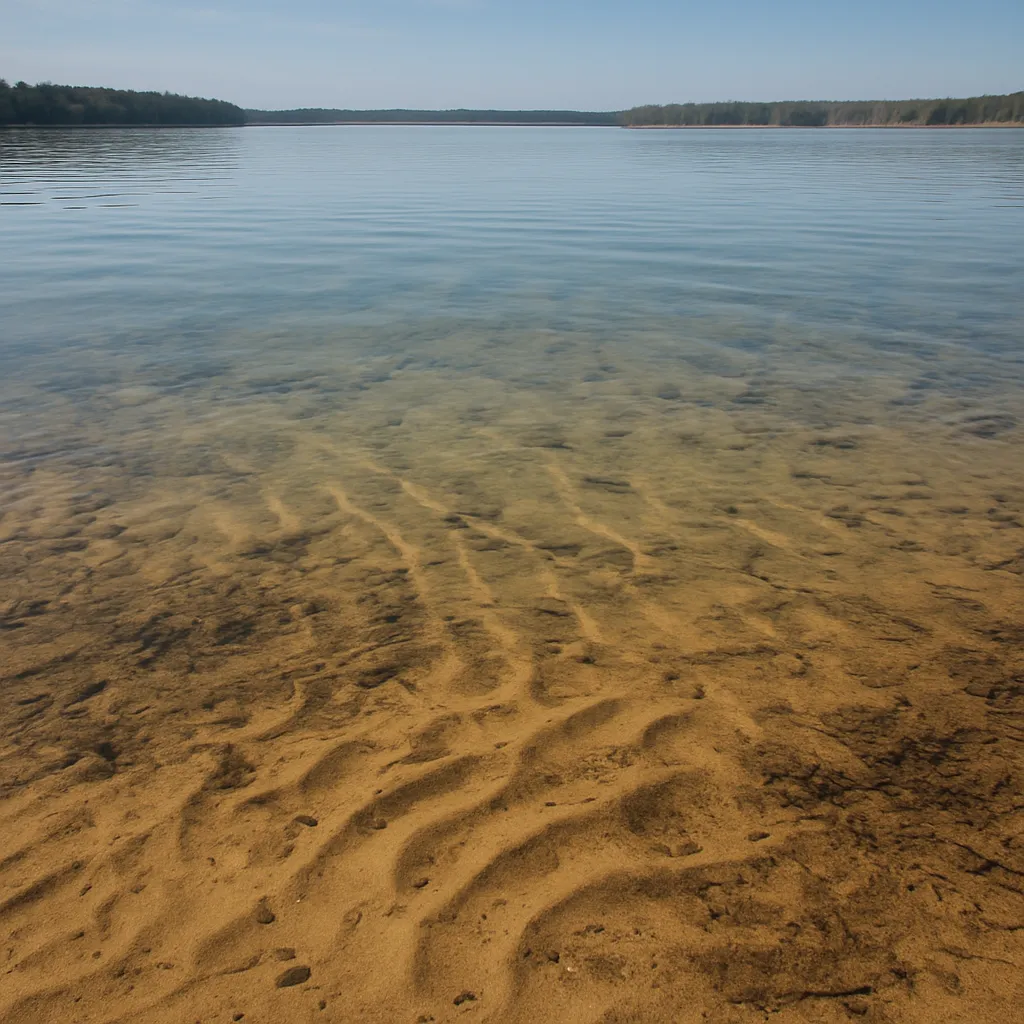
A stream slows as it enters a lake, and grains of sand and mud settle on the bottom. What is the next step that helps those sediments become sedimentary rock?
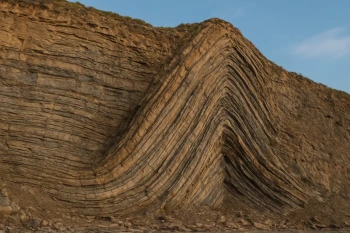
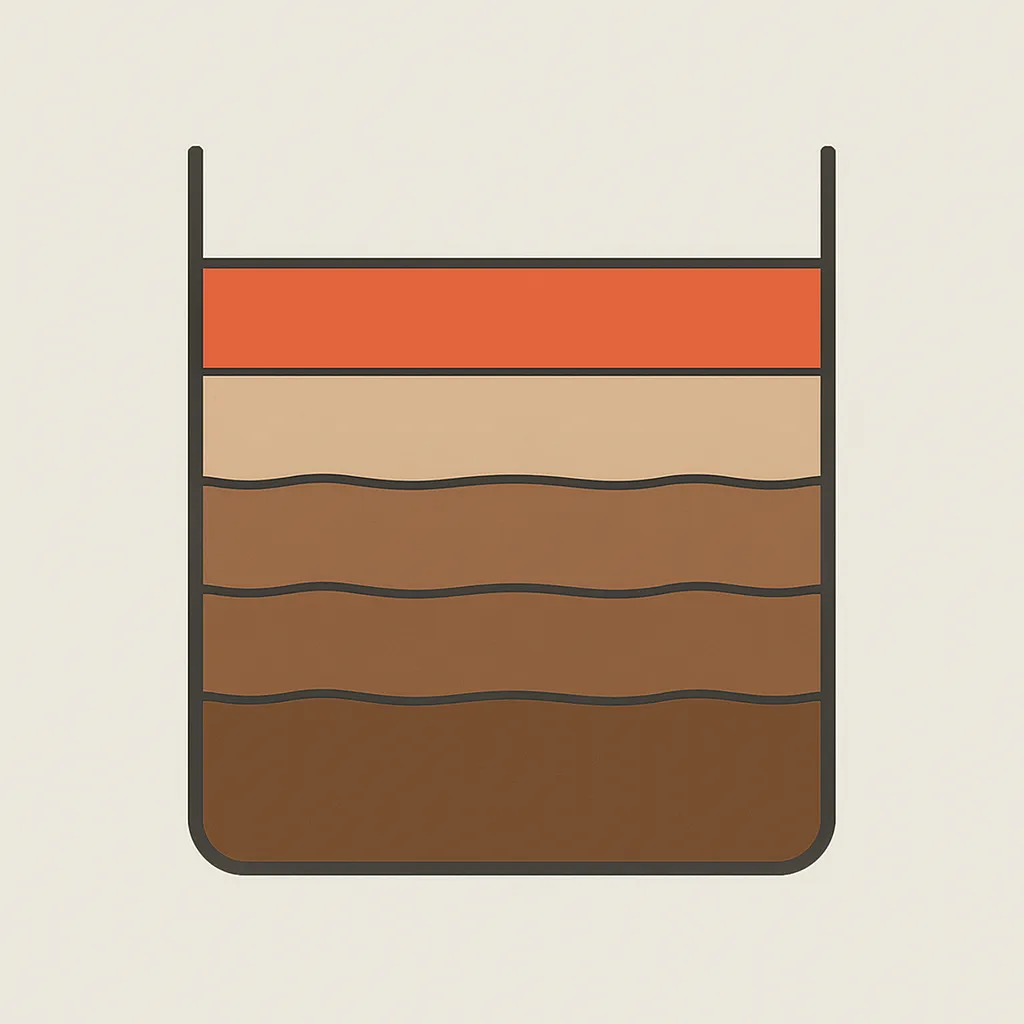
A flat layer of mud is covered by more and more sediment for a very long time. What does the weight of the upper layers do to the lower mud?
Loose sand has been buried and pressed for a long time. Mineral material carried by water fills spaces between the grains. What does this cementing step produce?
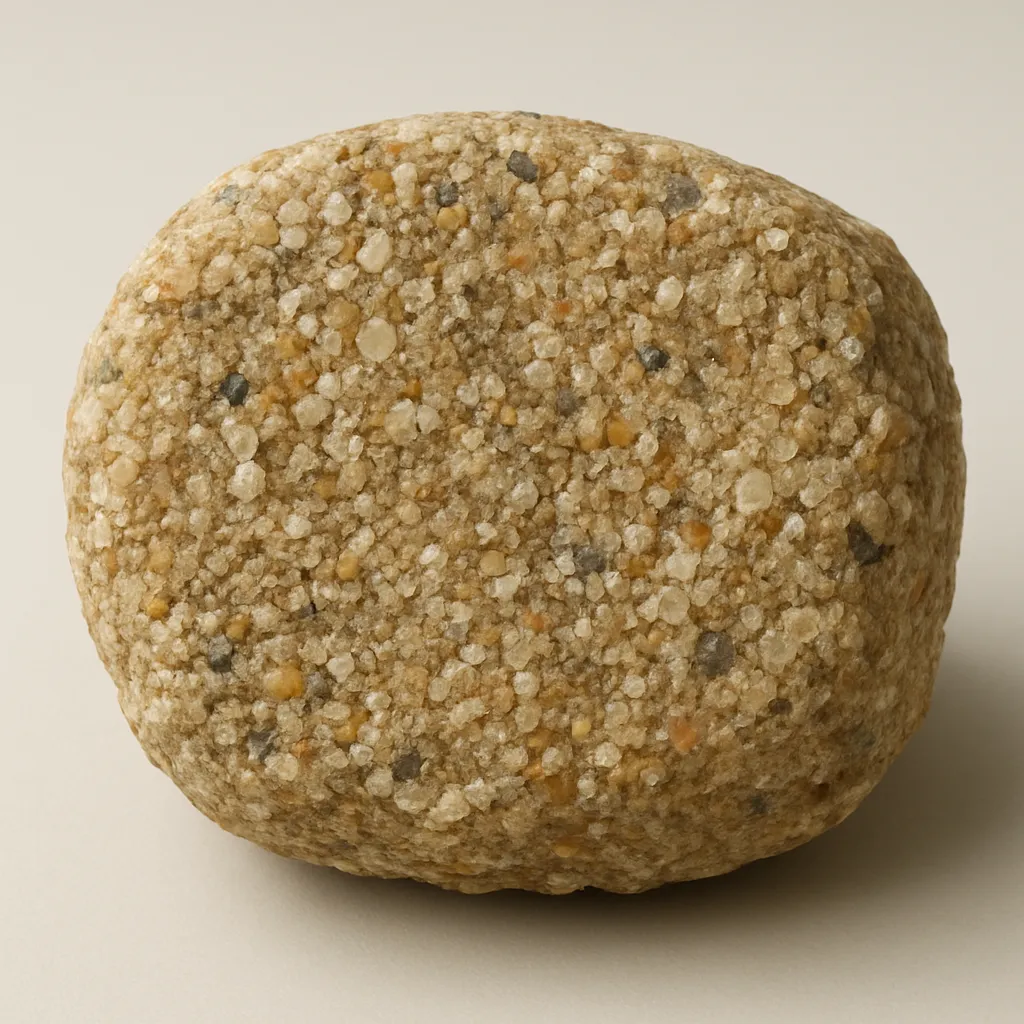
Wind and water break an older rock into small pieces, and a river carries those pieces away. What must happen before the pieces can start forming a new sedimentary layer?
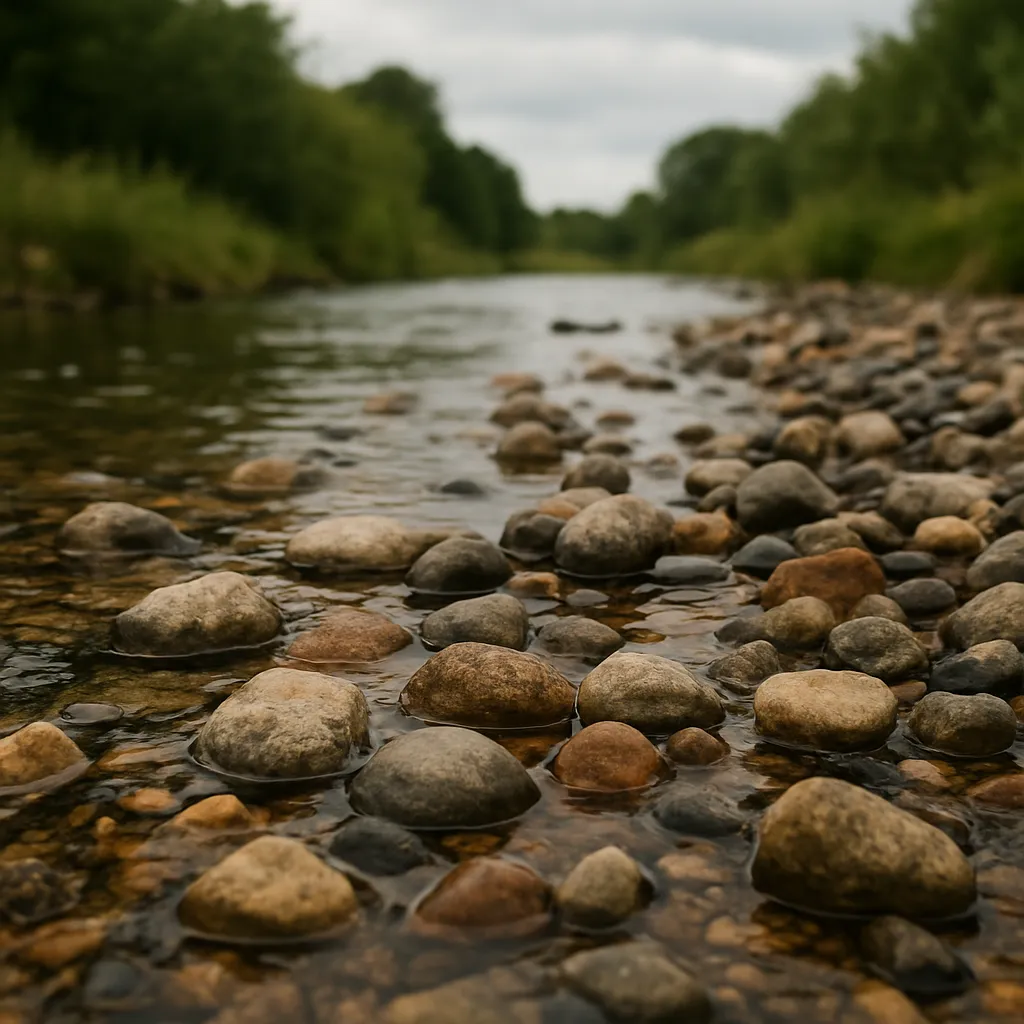
Shell pieces and sand collect on an ocean floor. Later, more sediment covers them. Over a long time, what process helps turn the buried layer into rock?
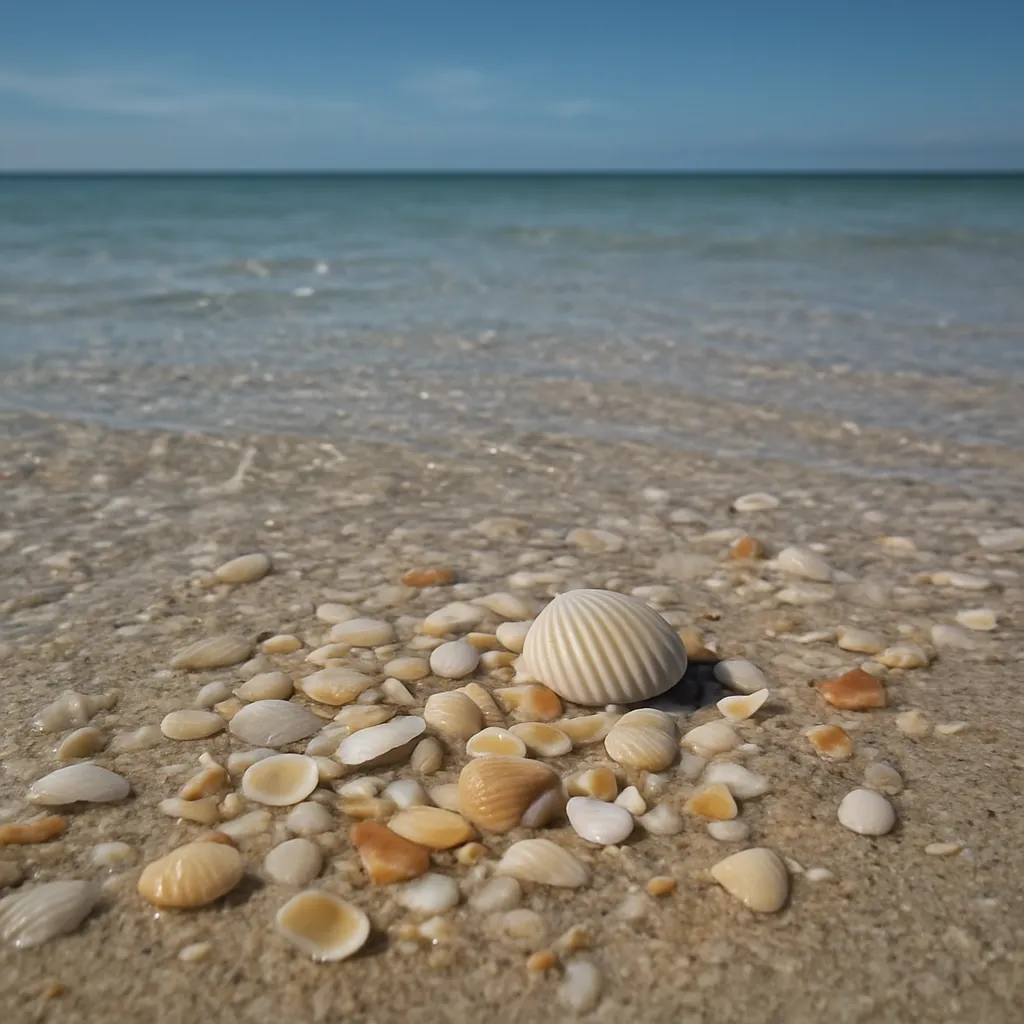
A student models a mud layer buried under sand and gravel. The model shows burial, but the mud is still soft. What step is still needed to make sedimentary rock?
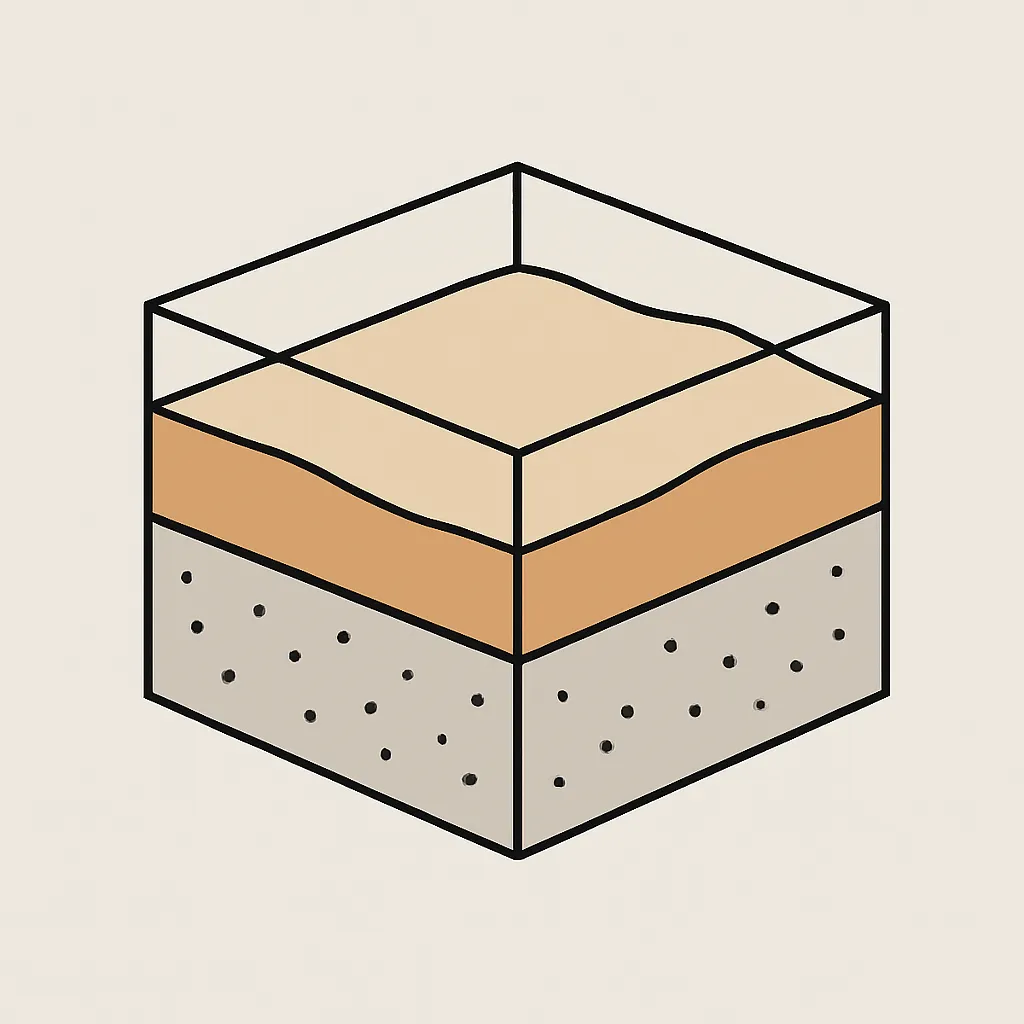
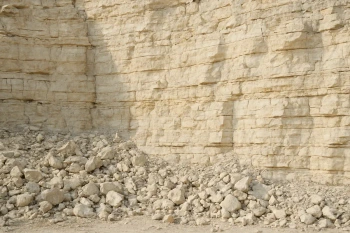
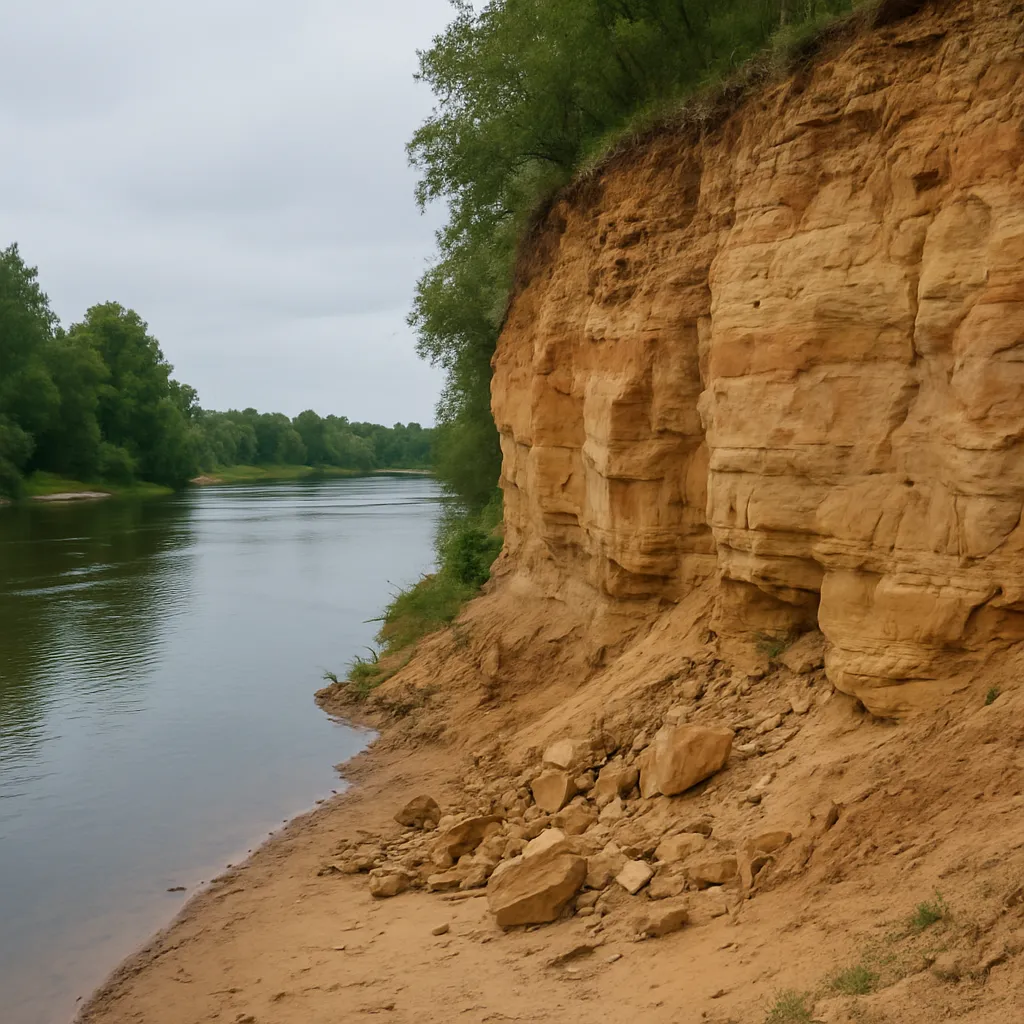
A sandstone cliff slowly crumbles into grains that a river carries away. In the rock cycle, what can happen to those grains after they settle and are buried?
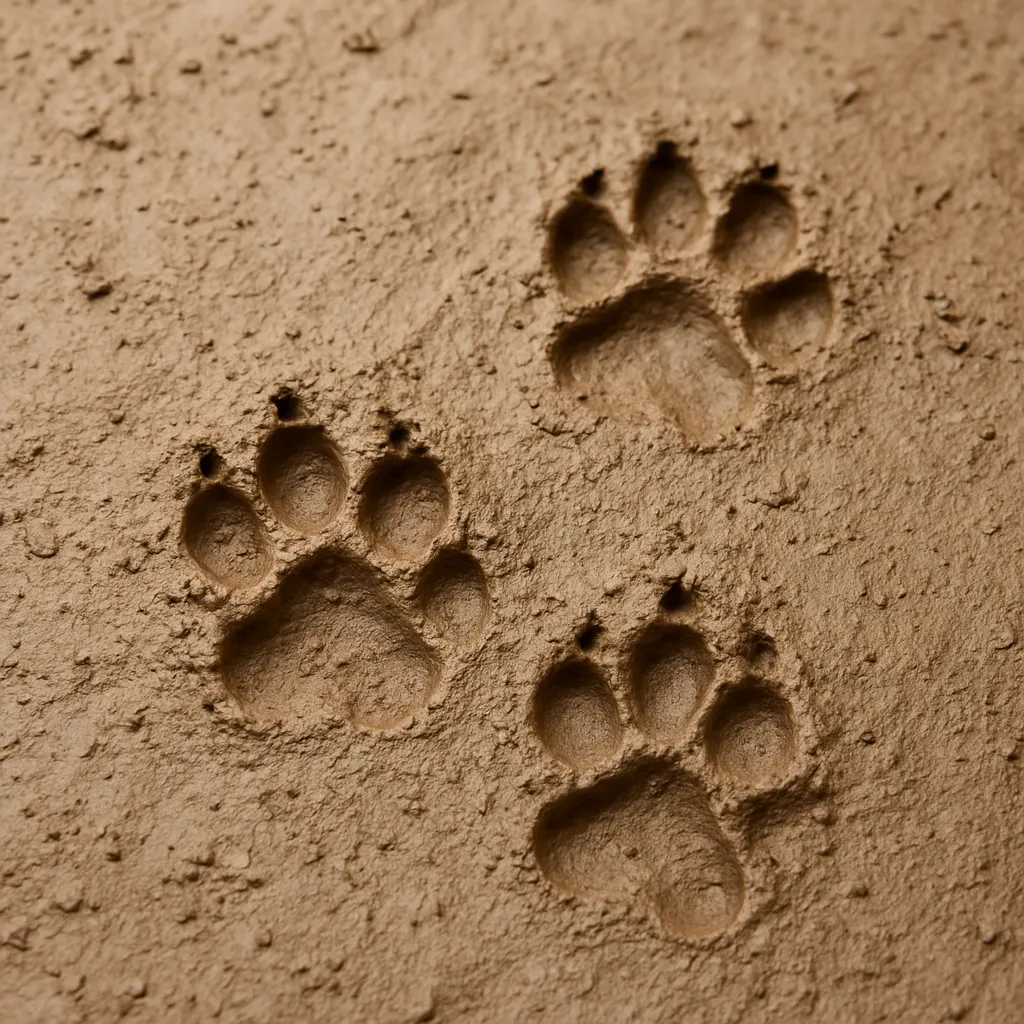
An animal walks across wet mud, leaving footprints. A new layer of sediment quickly covers the tracks. Why is quick burial important for making a fossil trace?
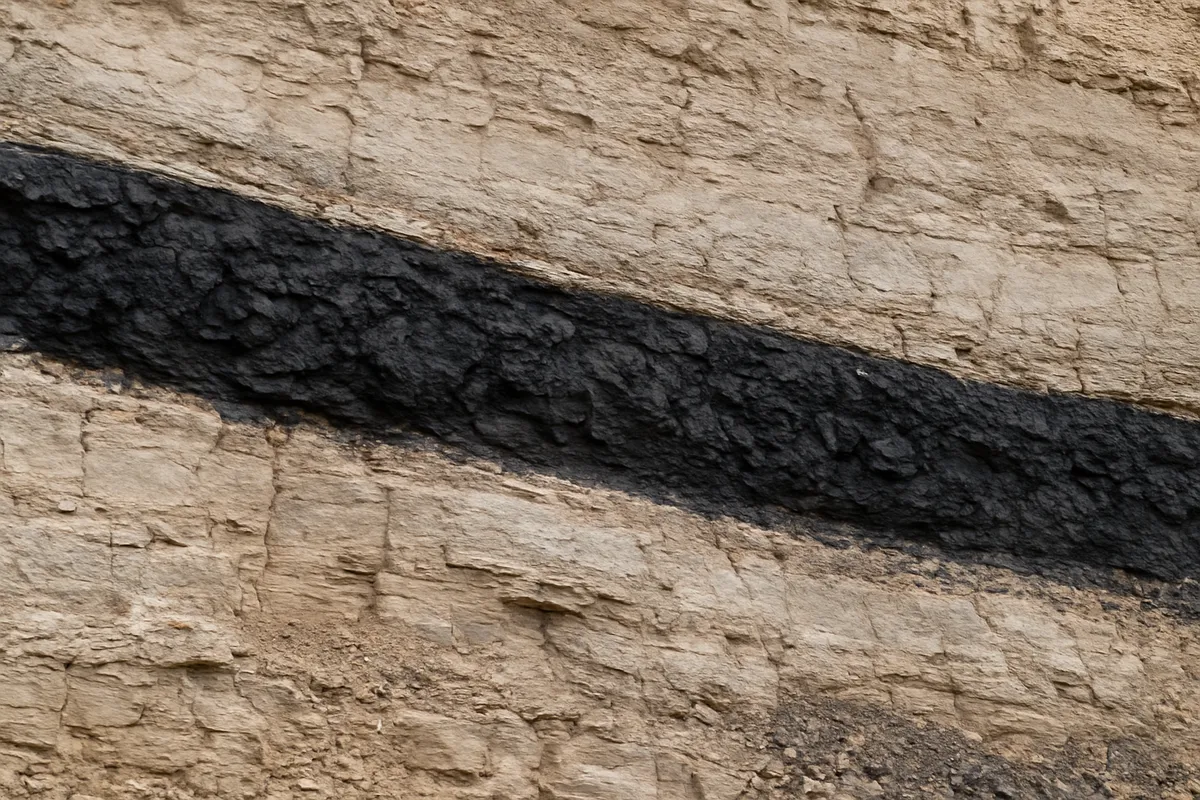
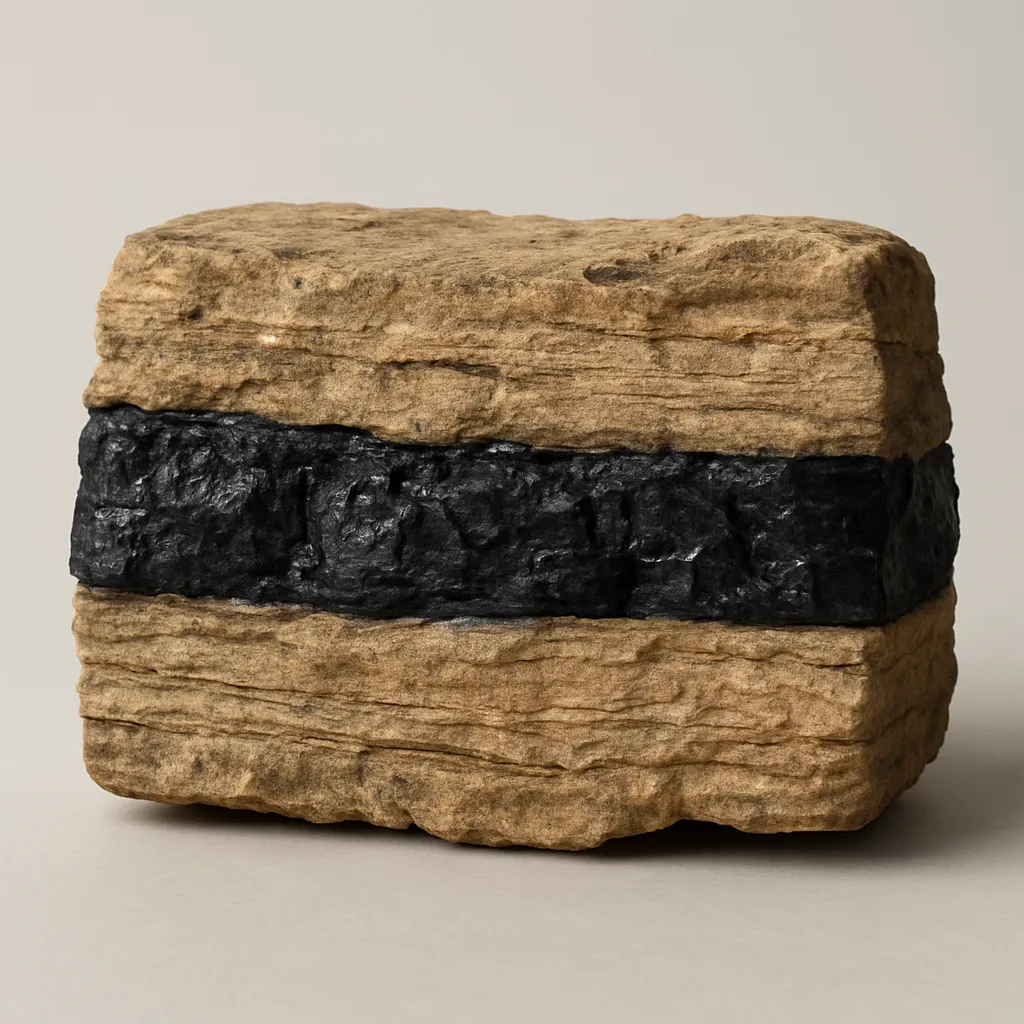
Coal is found in thick black seams inside layers of rock. What did most coal form from?
Oil often forms from remains buried with mud on ancient sea floors. What living things supplied much of that material?
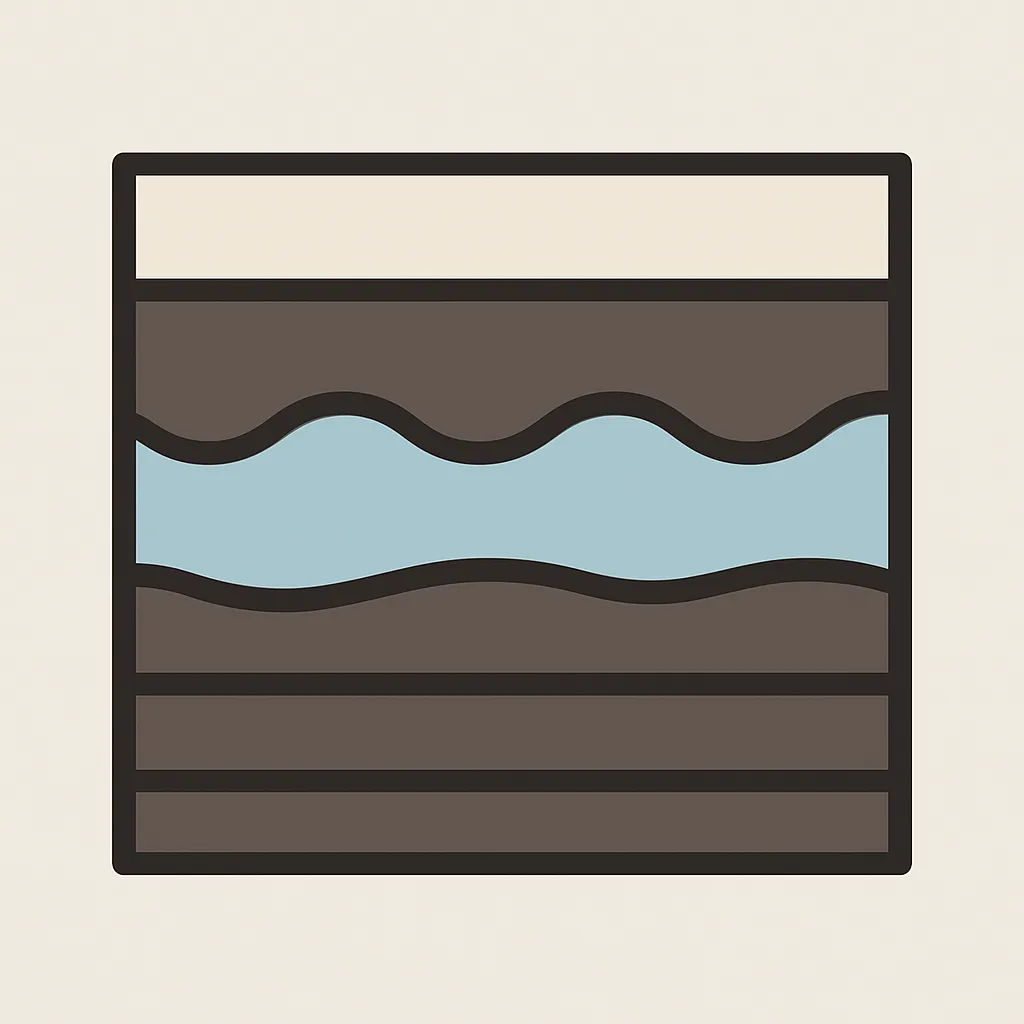
Natural gas can be found trapped underground near oil. What best describes how much of it formed?
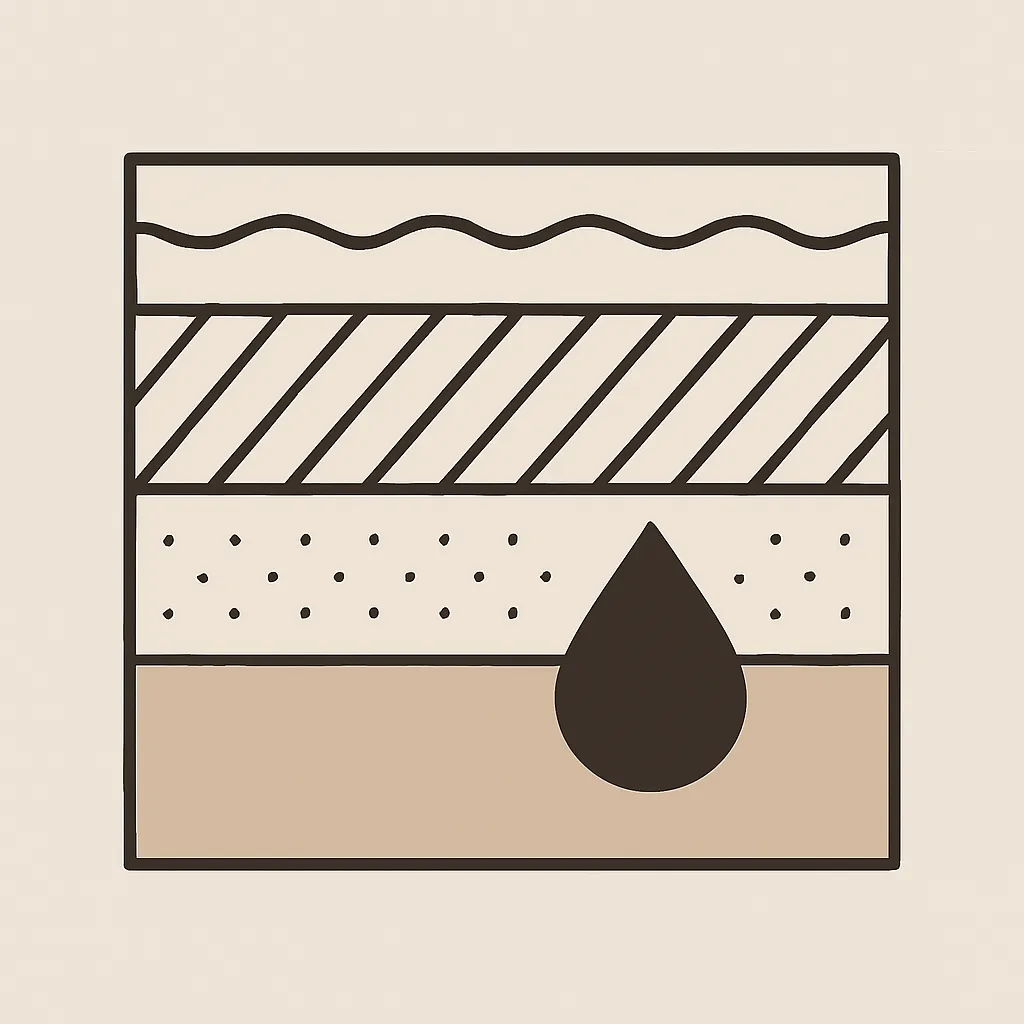
A drilling team searches for oil and natural gas. Where are these fuels most commonly found?
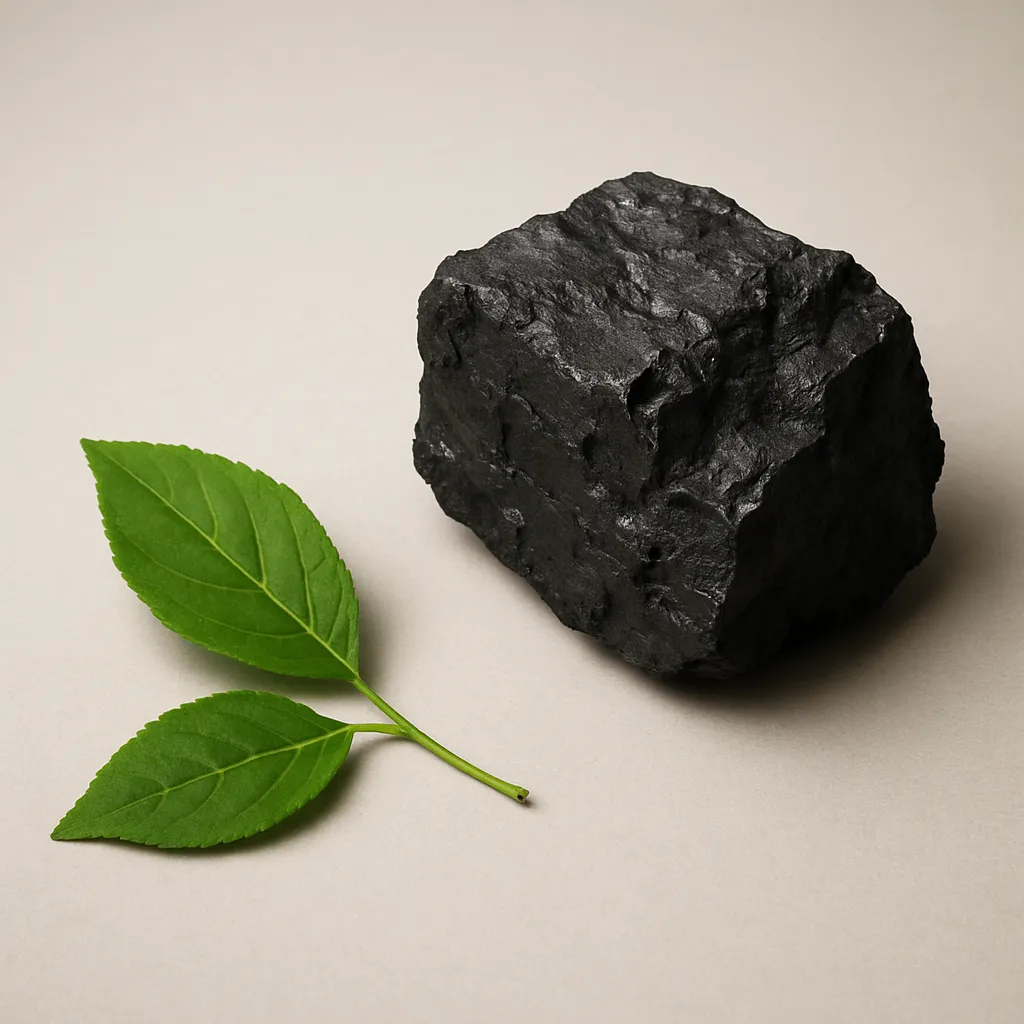
A class compares a fresh pile of leaves with a coal seam. Why can the leaves not become coal by next month?
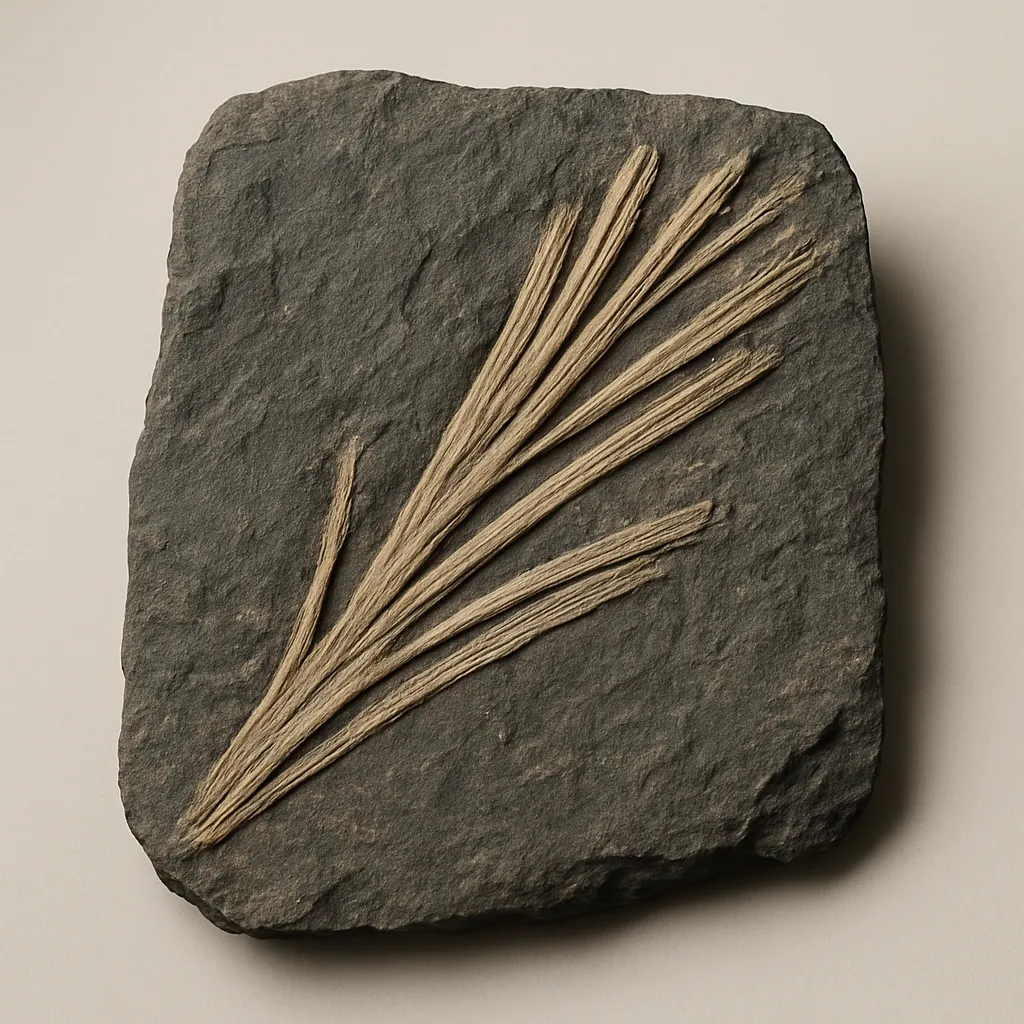
A dark layer contains flattened plant stems, and nearby rock layers show old swamp sediments. What could form from this buried plant material over a long time?
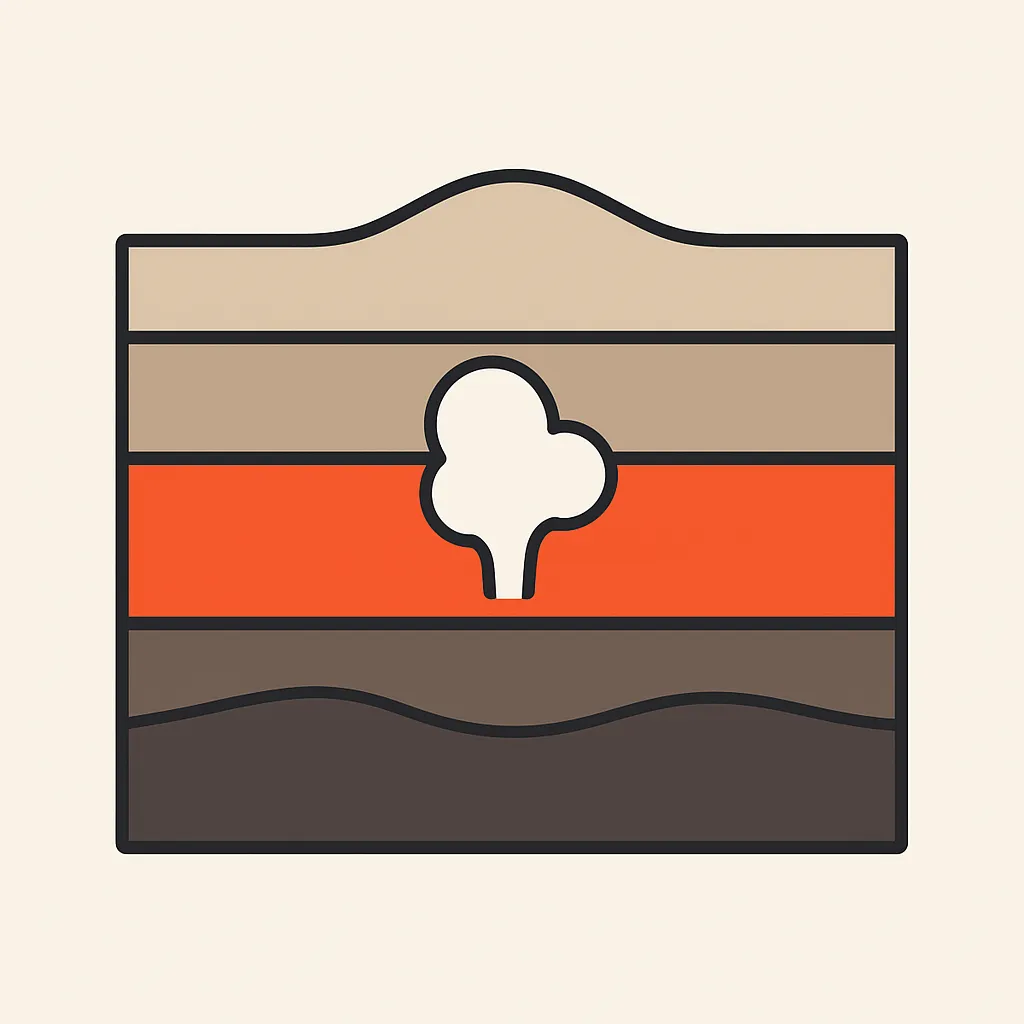
An ancient sea floor was buried by mud. The remains in it were changed by heat and pressure for millions of years. What fuels can this process make?
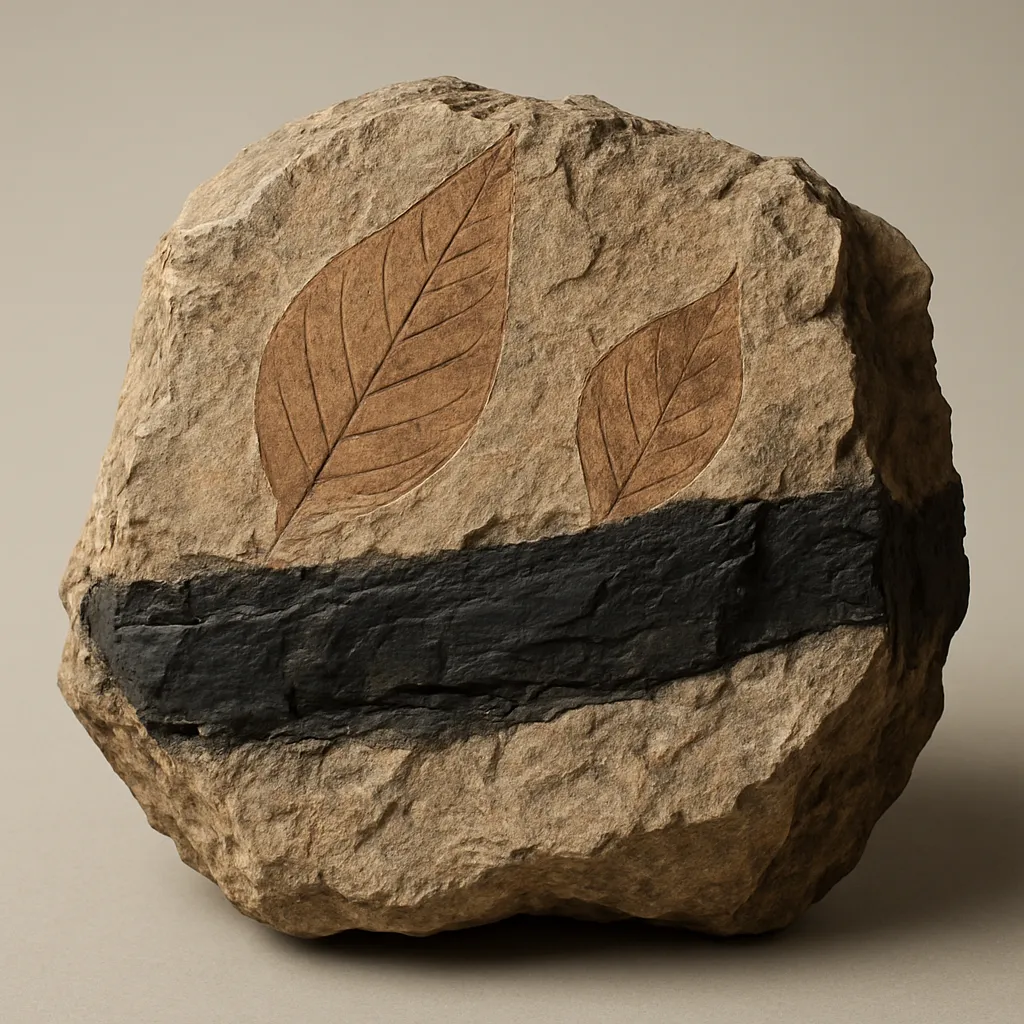
A rock layer contains fossil leaves and a nearby coal seam. What past environment does this evidence best support?
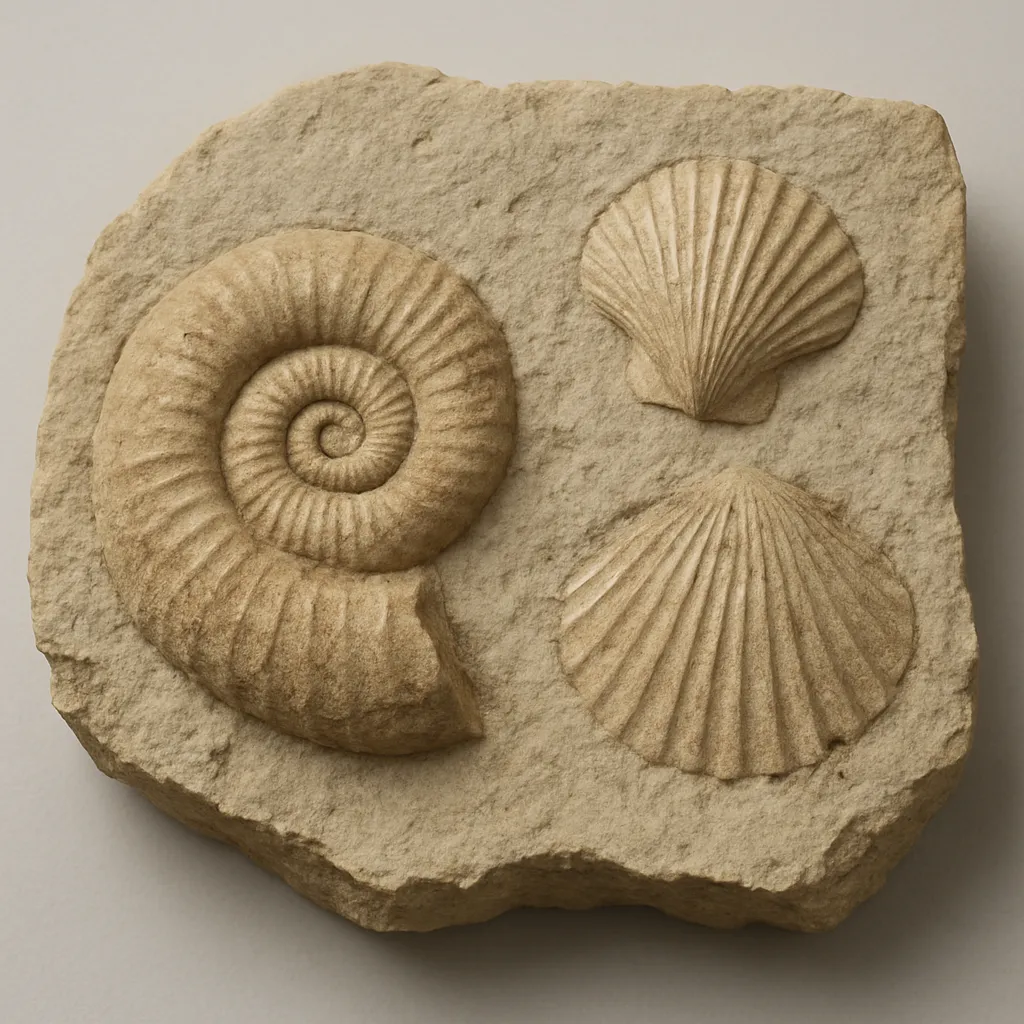
A limestone layer far from the ocean contains many fossil shells. What does this evidence show about the area long ago?
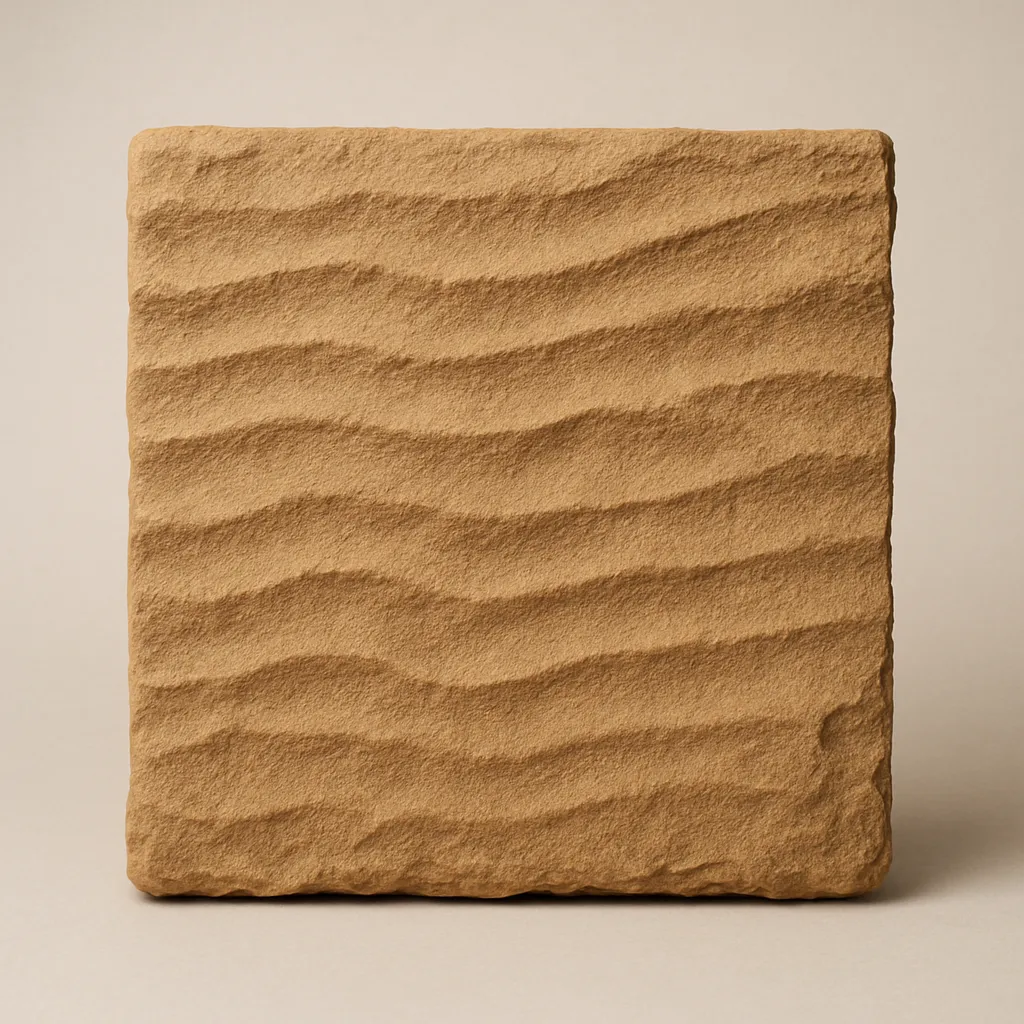
A sandstone layer has ripple marks like those seen in sand under shallow water. What past condition do the ripple marks show?
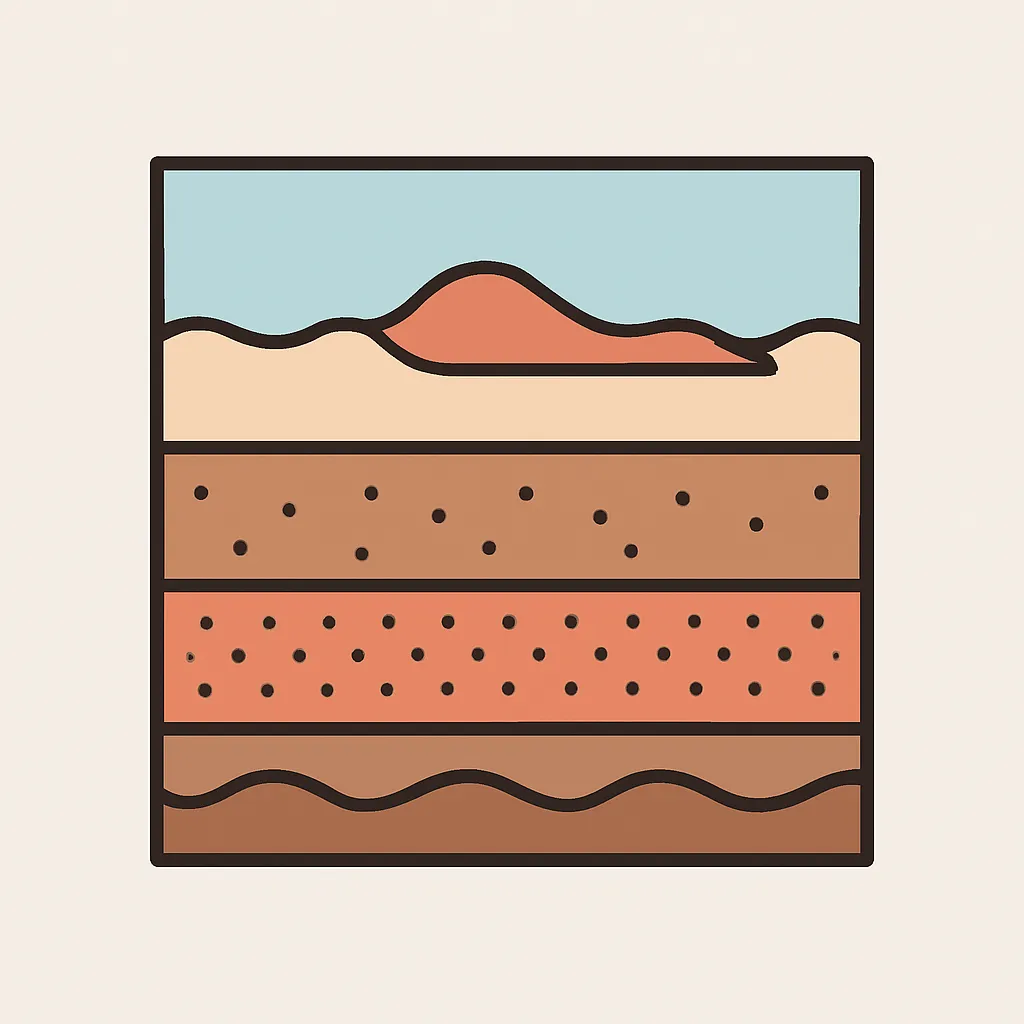
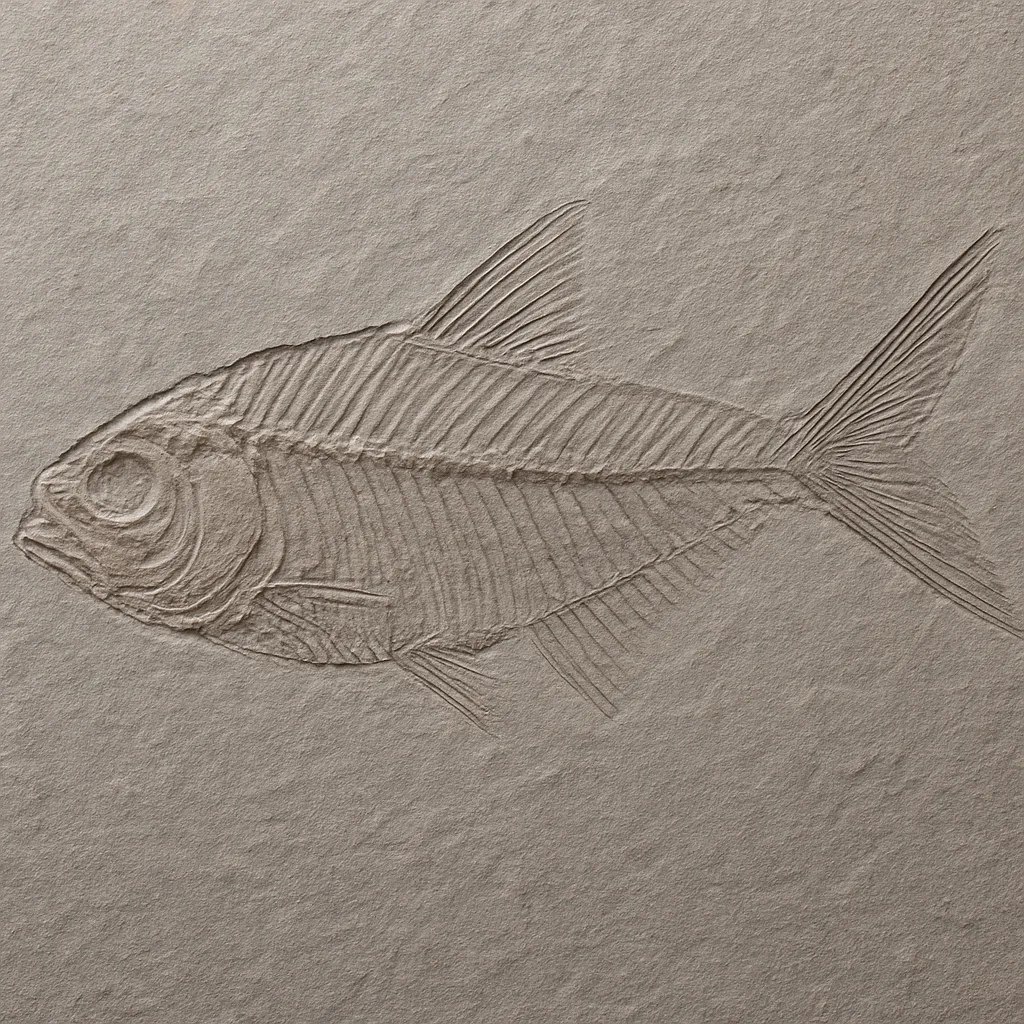
A gray rock layer contains fossil fish and very fine mud. What past environment is most likely shown by this evidence?
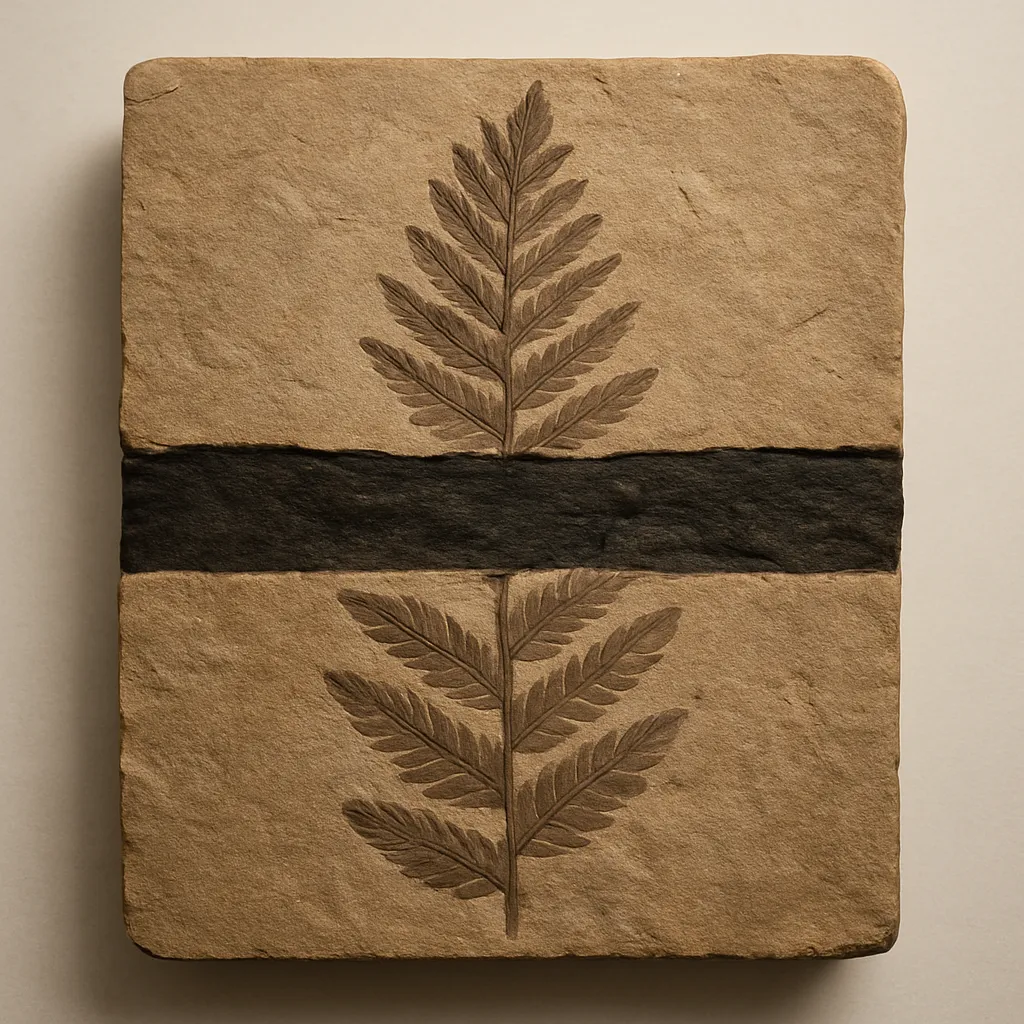
A coal seam lies between two layers with fern-like fossils. If the layers have not been disturbed, which layer formed first?
Crack the passcode before the zombies get in.
Answer, then swat bugs for bonus points.
Race through questions at your own speed.
Same question on every screen. Fastest wins.

Pick a tile, answer, hit bonuses and steals.
What Makes the Weather
20 questions