Loading
by BlastRoom
Students identify Earth's layers and connect moving plates with surface changes.
#us_grade_5_science
20 questions
One question set, multiple game modes. Tap any game to see it in action. Not sure which to pick?
Answer to place stones and capture territory.
Outrun the snow together.
Earn blasts, then hunt the other team.
Answer to earn energy, then climb.

The class blasts through walls together.
Bid on mystery lots. Most money wins.
Sell tours. Nice, standard, or a total scam.

Answer, restock, and serve the rush.
More correct answers pulls the rope your way.
Answer, then shoot down the alien wave.
Answer, then tap to leap the frozen ridge.
A model shows land and ocean resting on a very thin, solid outside layer. Compared with the mantle and core, this layer is much thinner. What layer is it?

Below the crust is a very thick layer of hot rock that can move slowly over long times. It takes up much more of Earth than the crust. Which layer is described?
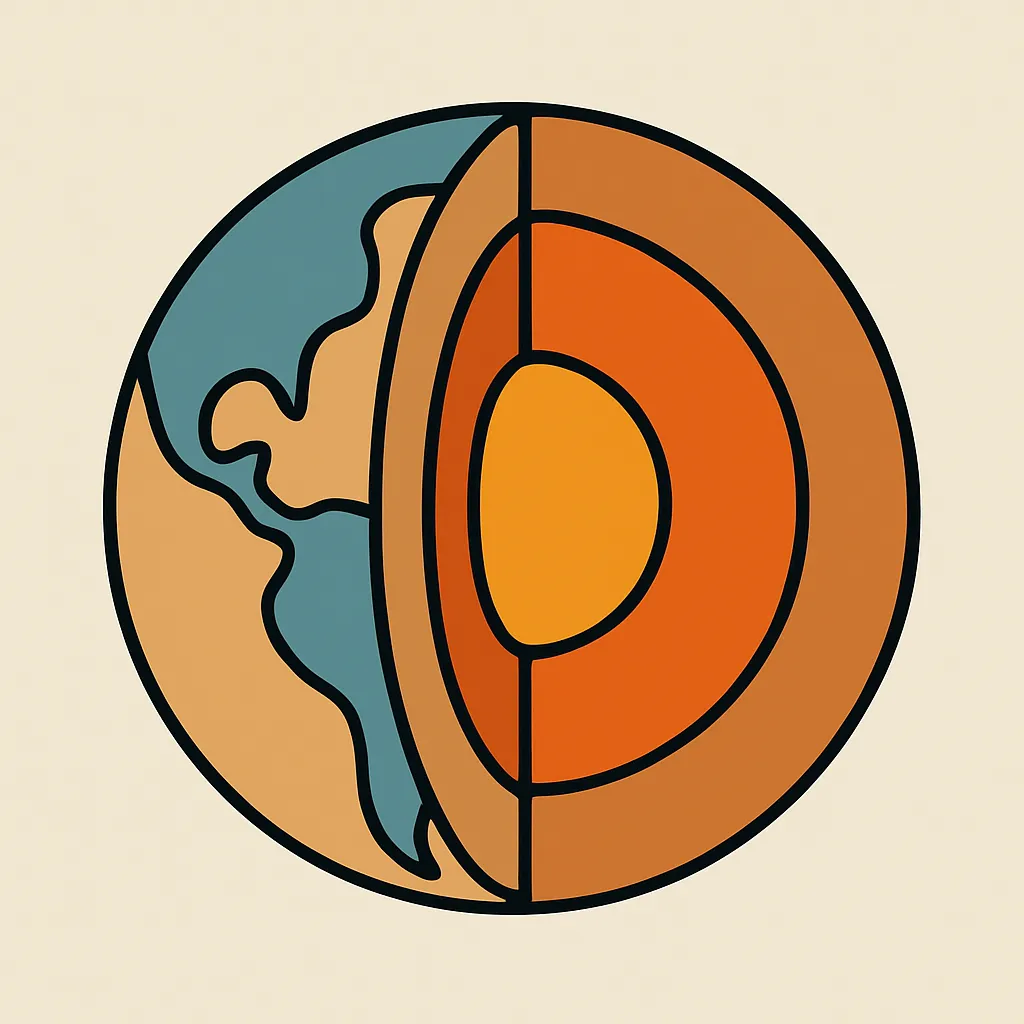
A student describes a layer deep inside Earth that is liquid and surrounds the solid center. It is not the deepest layer. Which layer is the student describing?
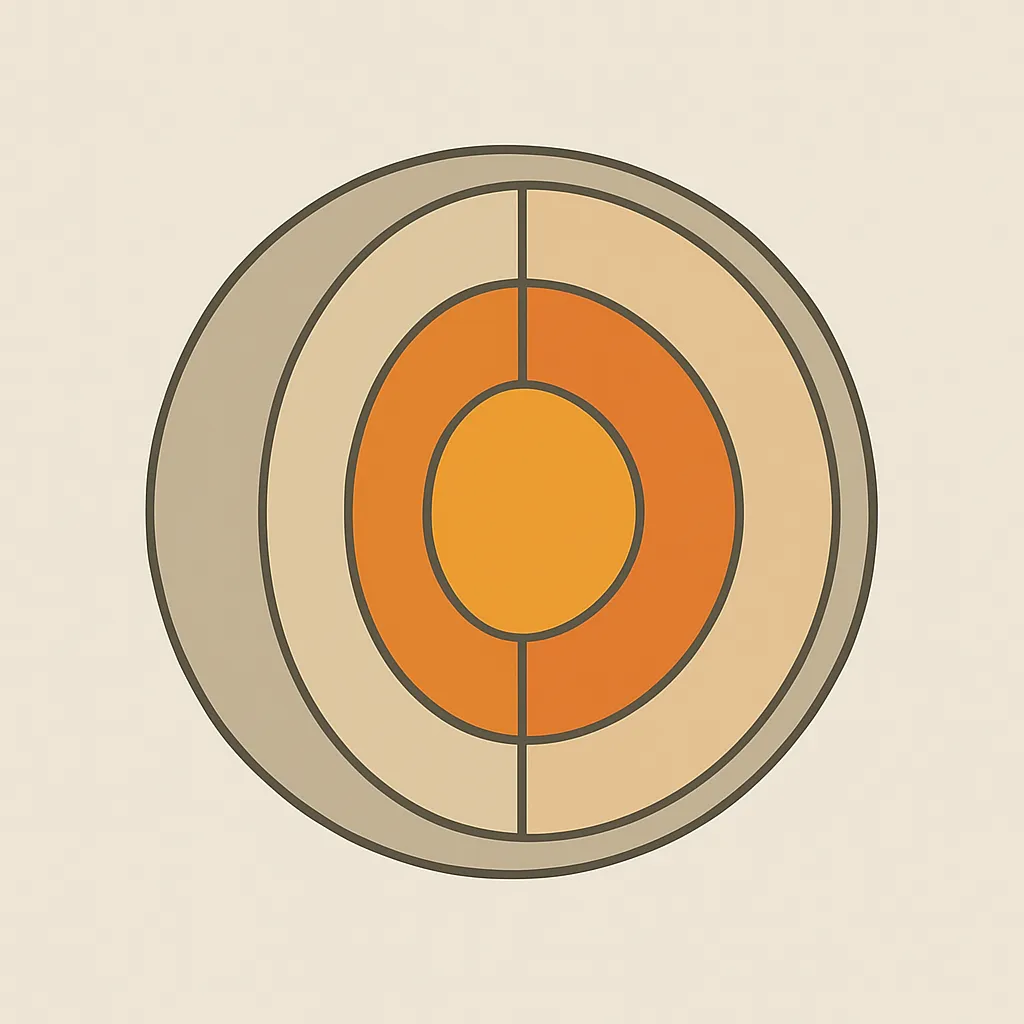
Earth's deepest layer is extremely hot but solid because of the great pressure on it. What layer is at the center of Earth?

A teacher compares Earth to a peach. The thin skin stands for the crust, and the hard pit stands for the core. Which Earth layer matches the thick fruit between the skin and the pit?
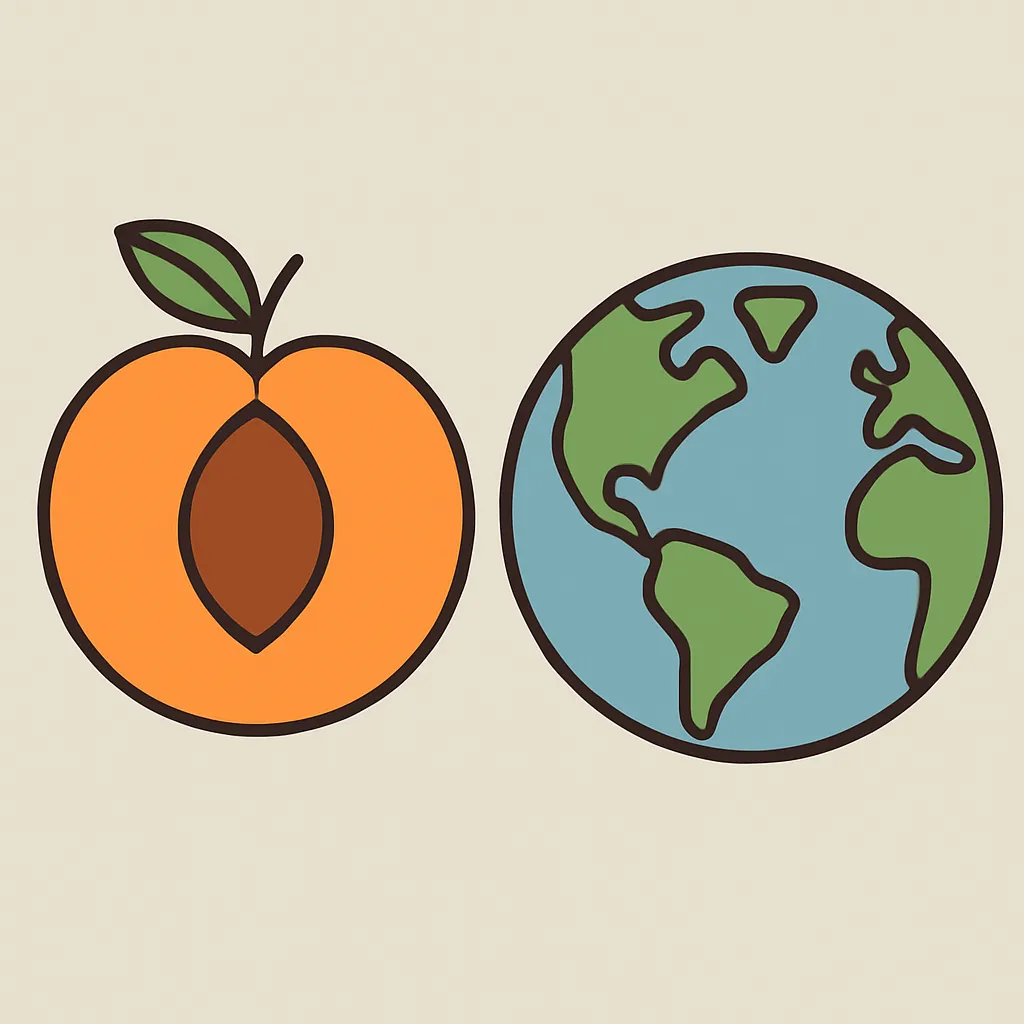
The deepest hole people have ever drilled goes about 12 kilometers down into Earth. Which layer is the whole hole inside?
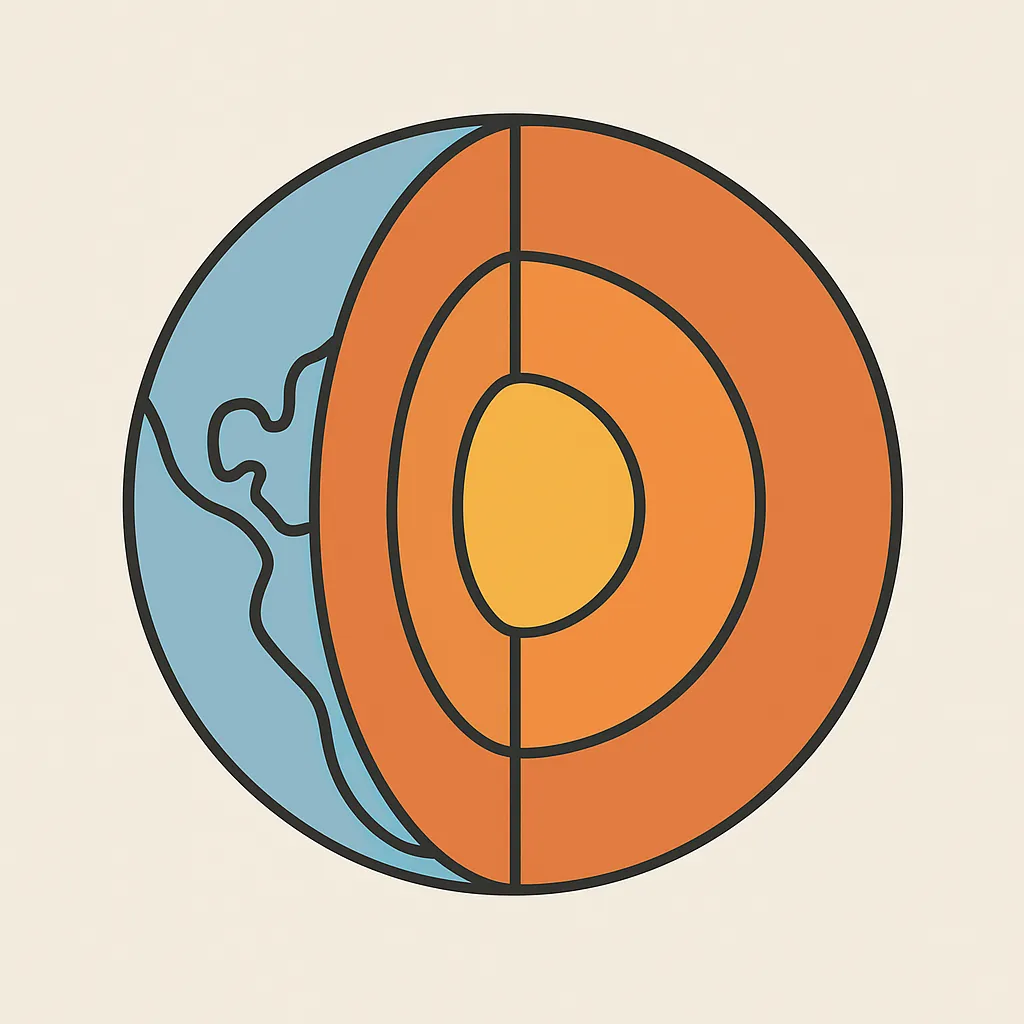
A science book lists the temperature of each of Earth's layers. Which layer has the highest temperature?

A probe travels in a straight line from Earth's surface to Earth's center. In which layer would it spend the longest part of the trip?
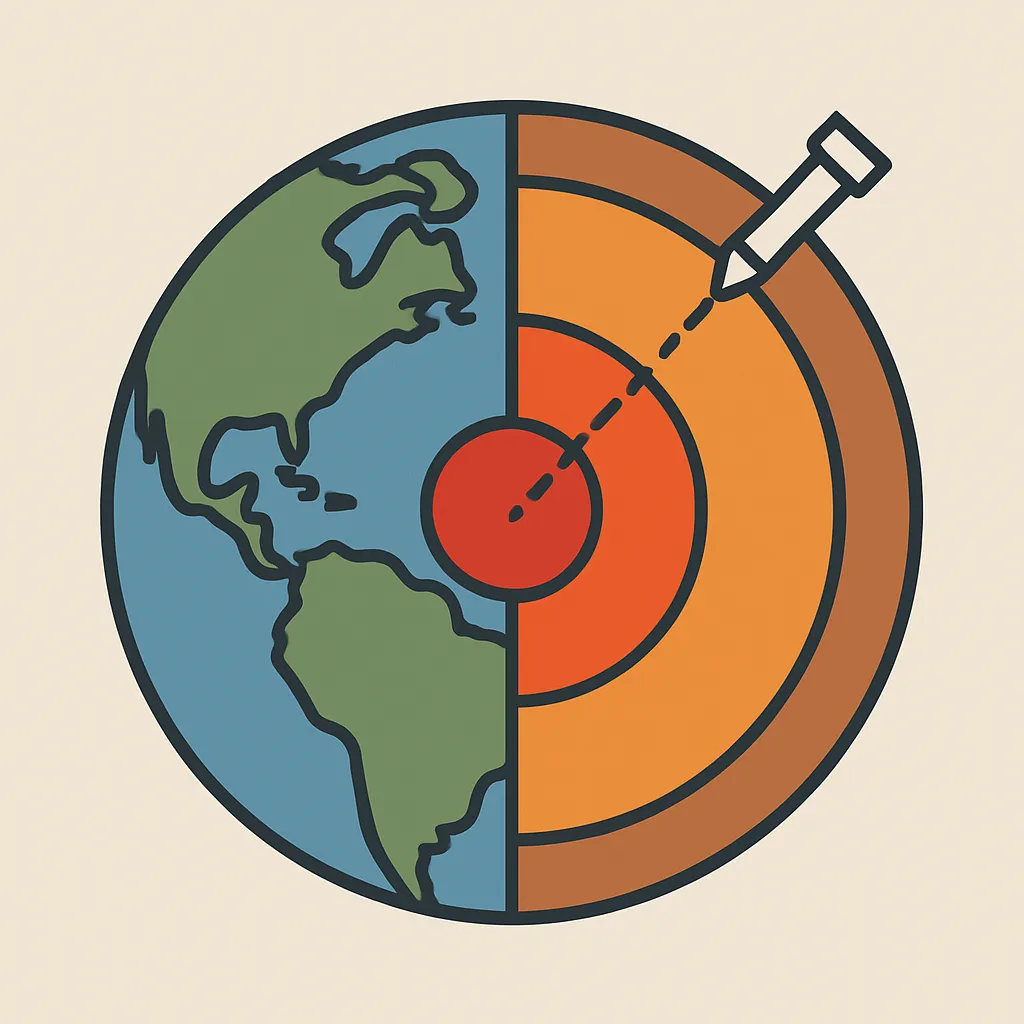
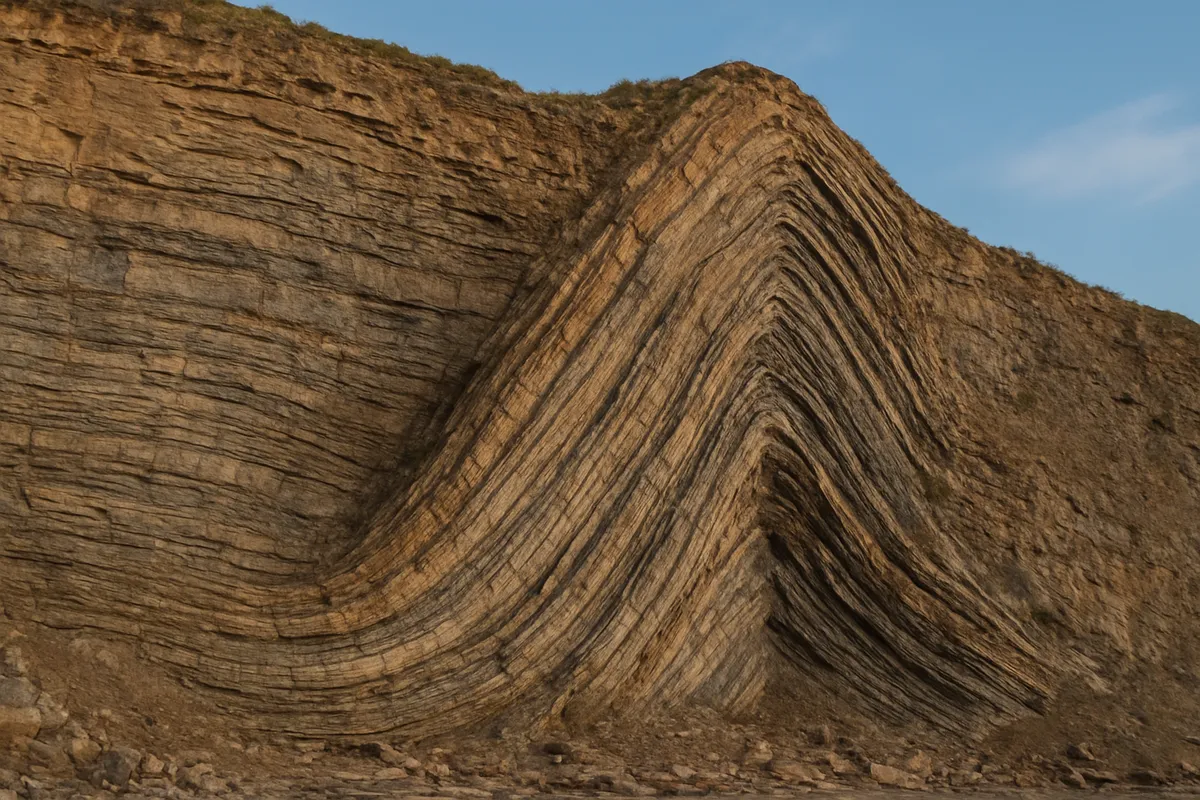
Two large plates of Earth's crust push against each other for millions of years. The rock between them folds and rises. What landform can form at the surface?
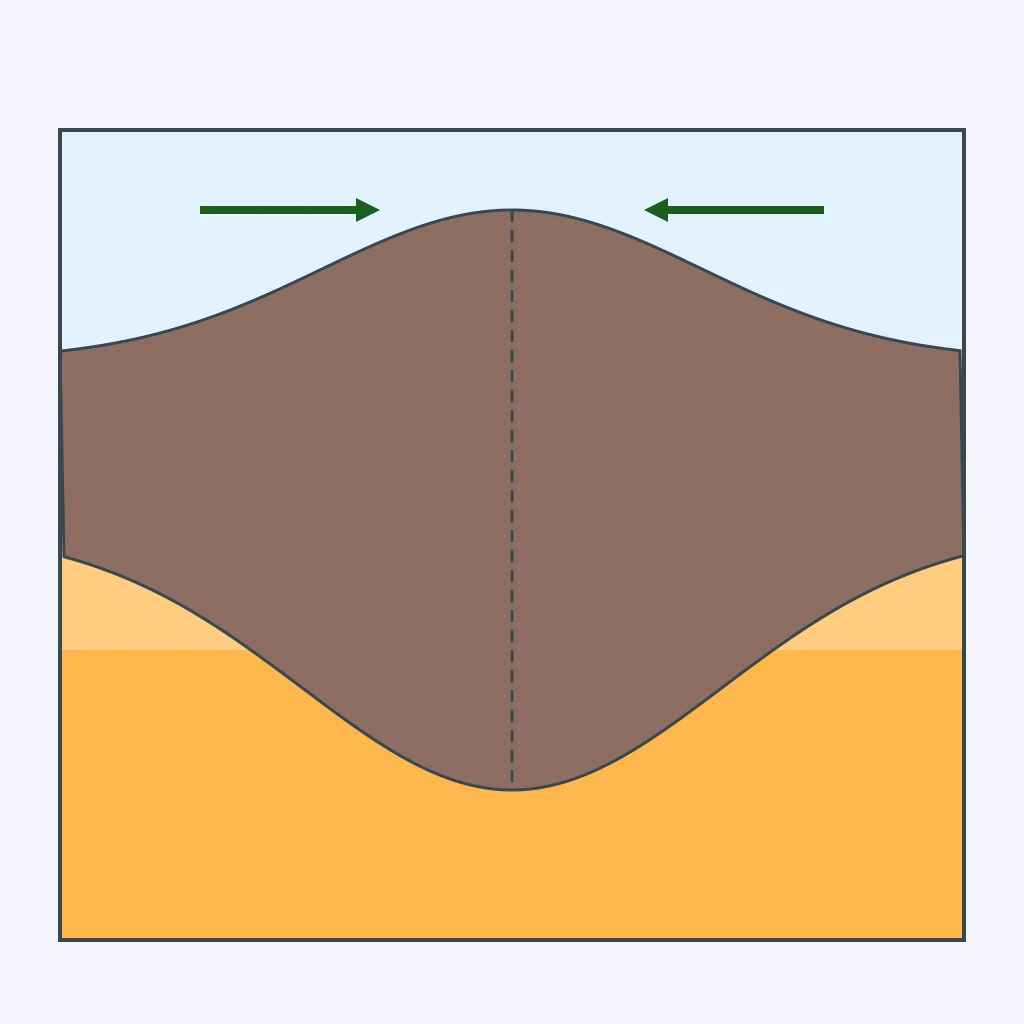
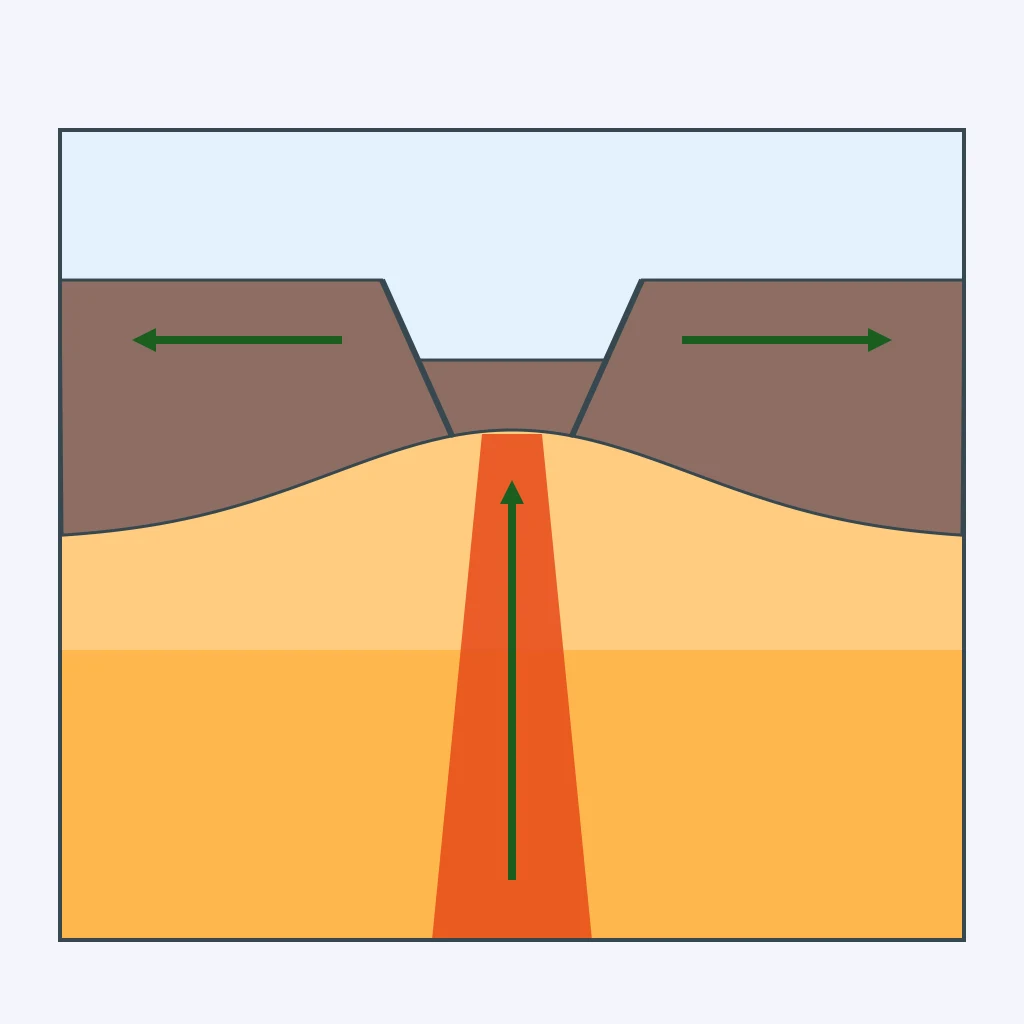
On land, two plates slowly pull away from each other. The crust stretches and a long low area opens between the edges. What surface feature is most likely?
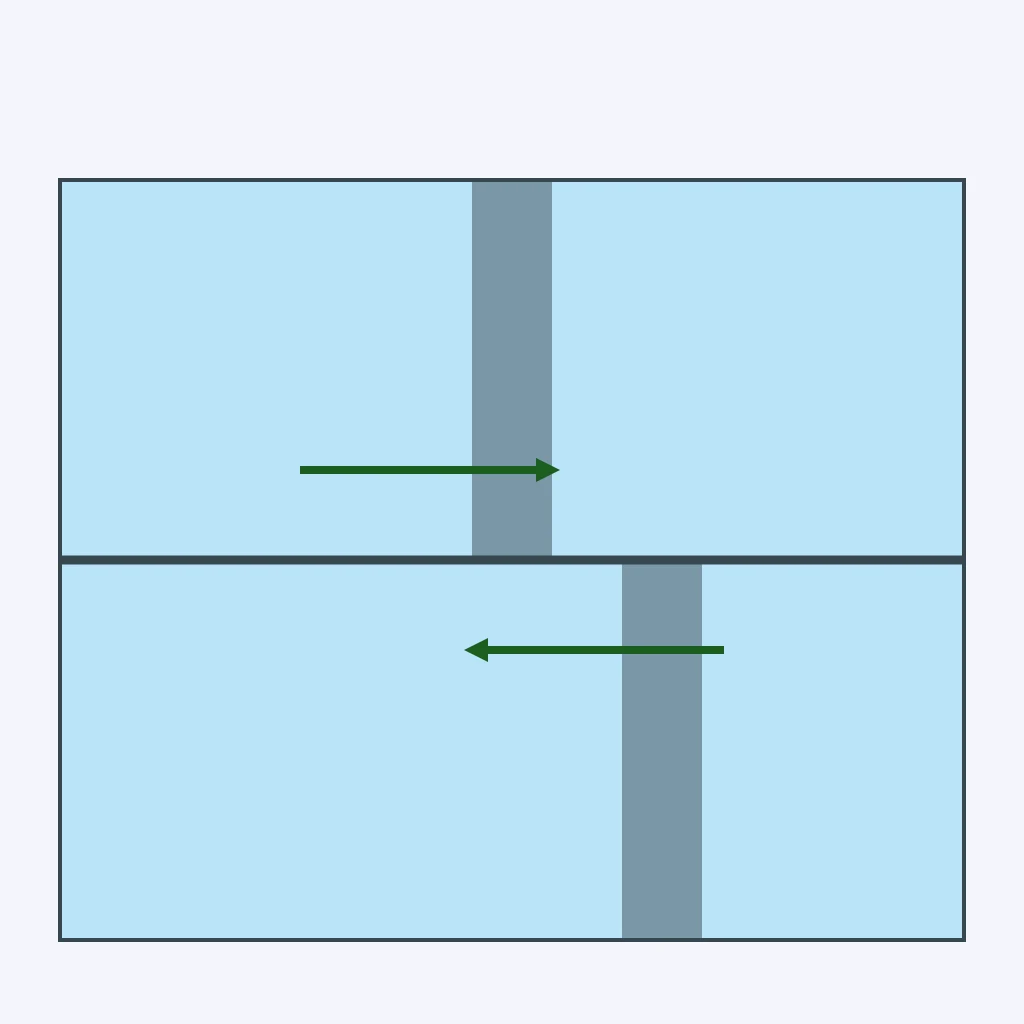
Two plates slide past each other in opposite directions. They stick, stress builds, and then the rocks suddenly move. What event happens at the surface?
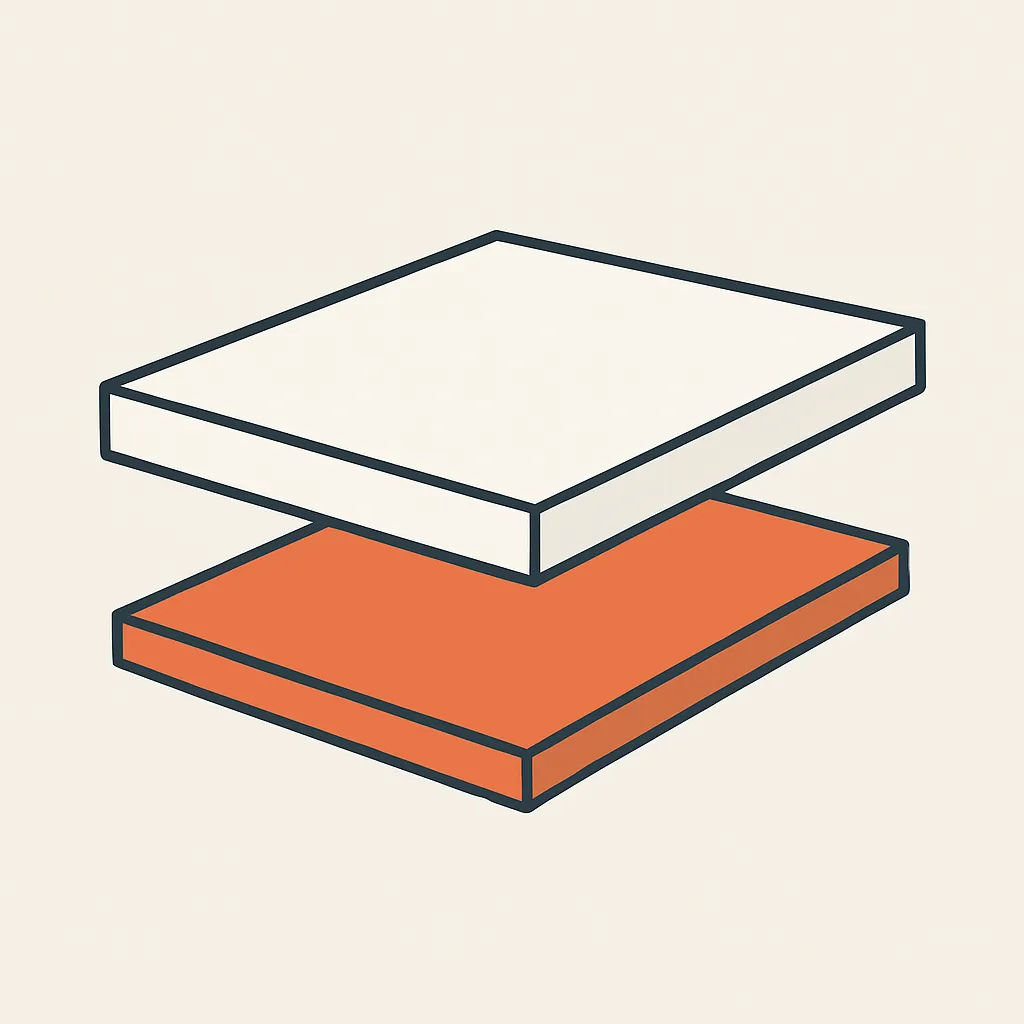
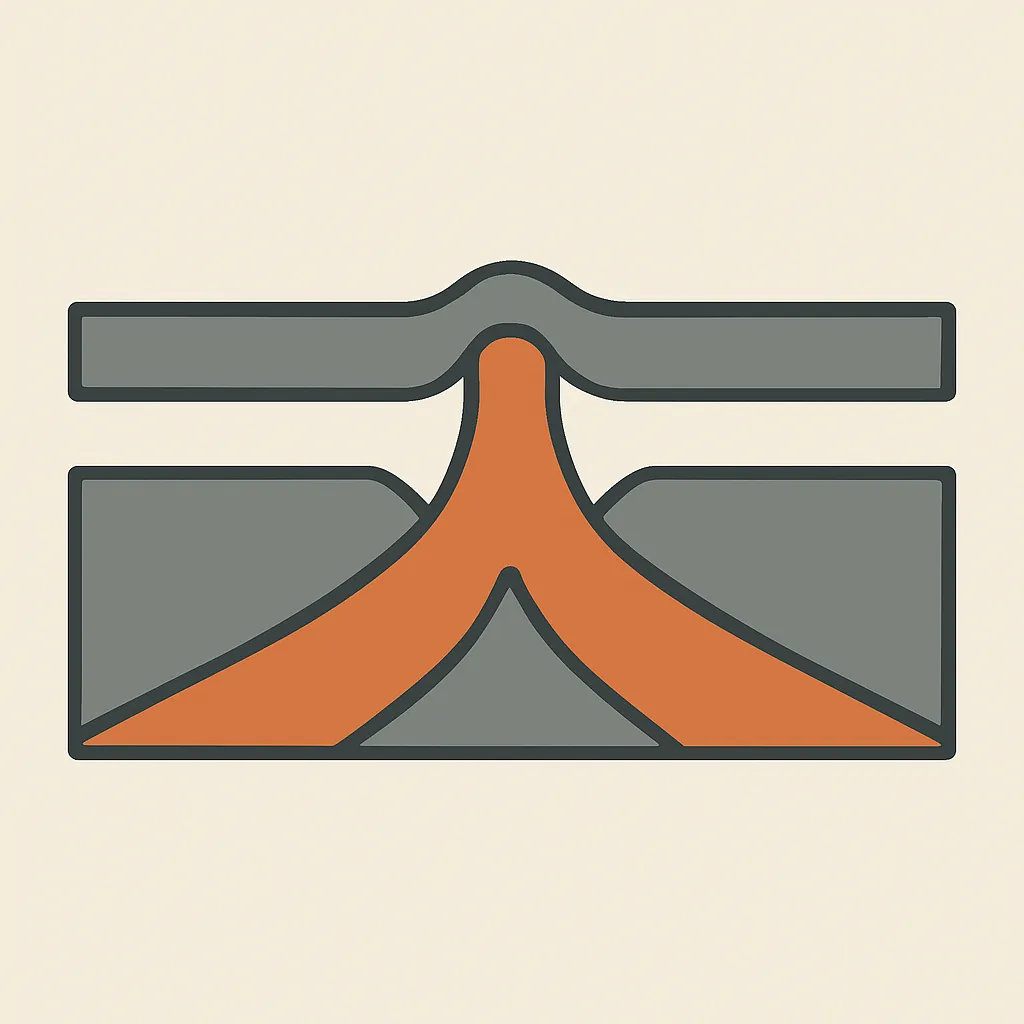
At one boundary, one plate sinks beneath another and hot material can rise through cracks. Over time, what can build on the surface?
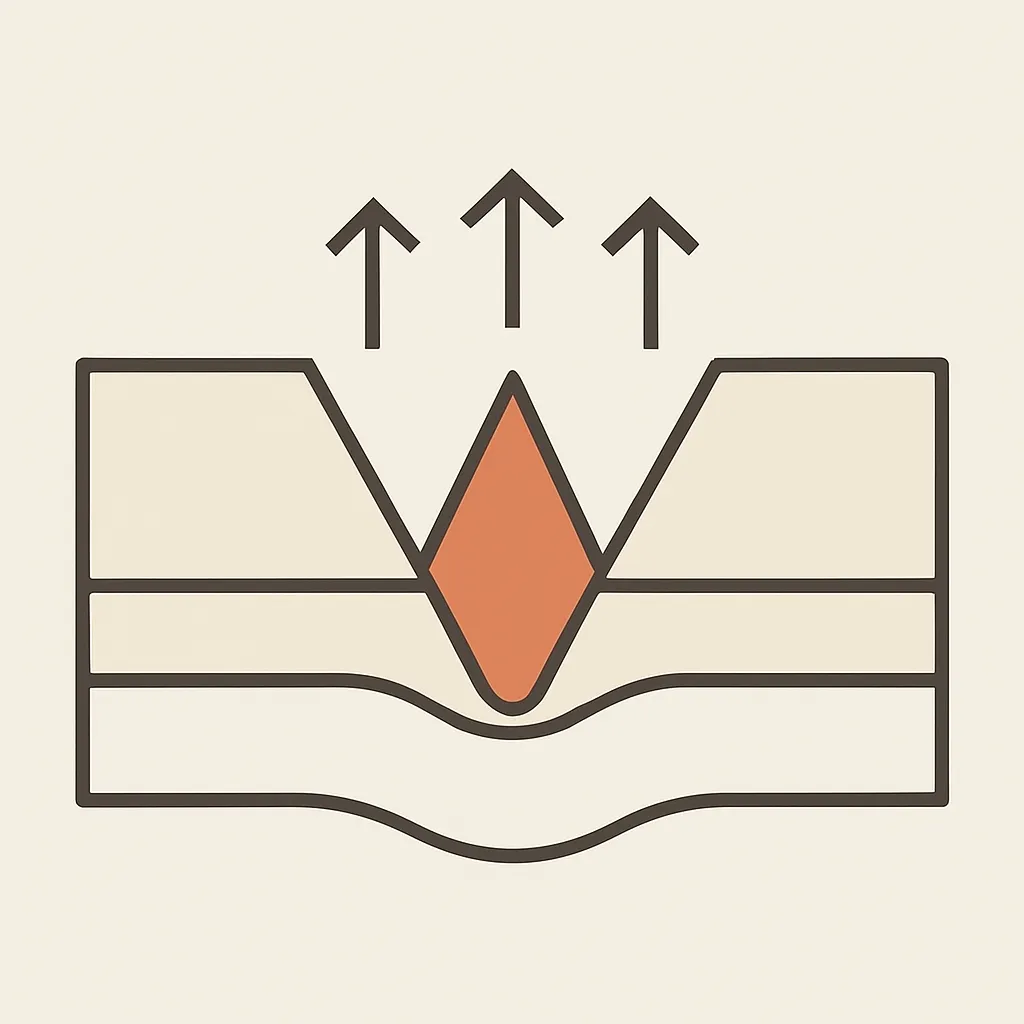
Ocean-floor plates move apart, and hot material hardens as new crust near the opening. What feature forms along the spreading area?
Many volcanoes and earthquakes happen in a ring around the edges of the Pacific Ocean. What does this pattern show?
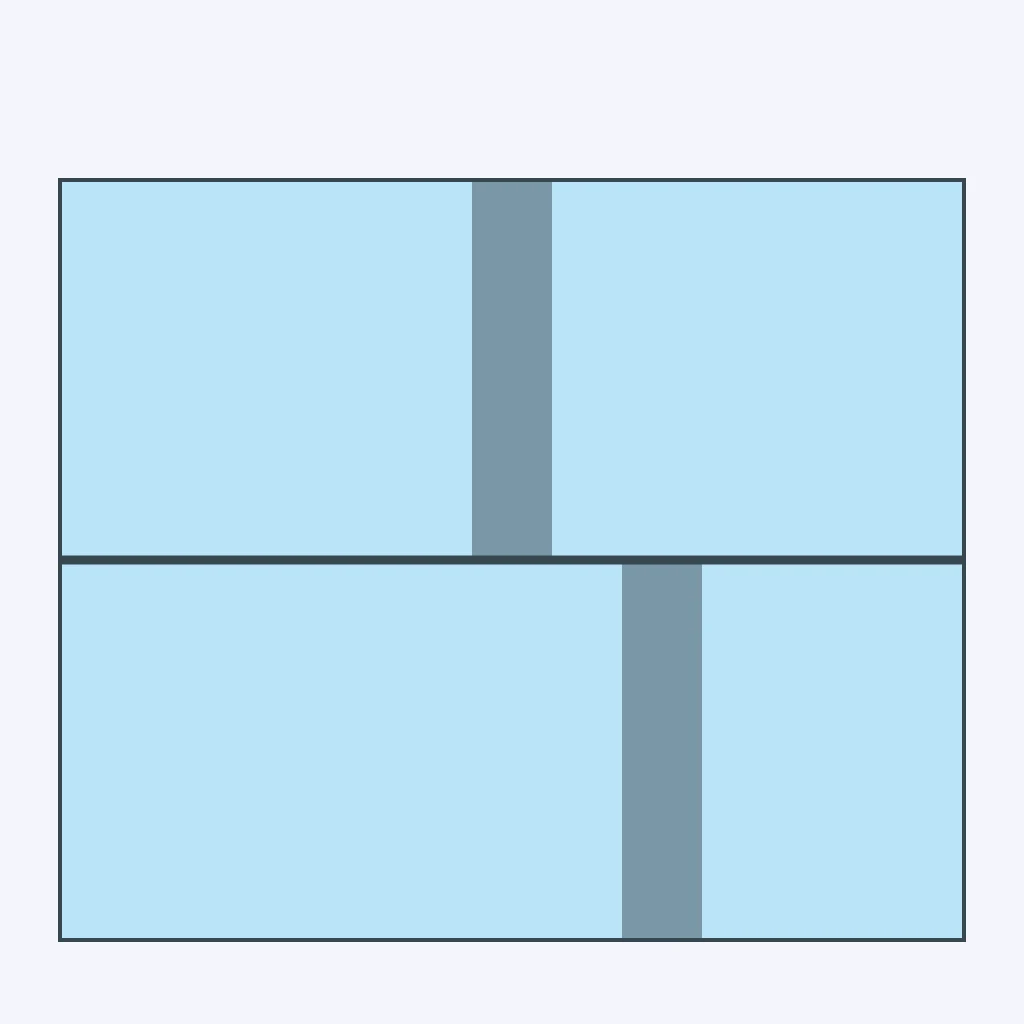
A straight road was built across a plate boundary. After an earthquake, the two halves of the road are shifted sideways from each other, but no gap or hill formed. How were the two plates moving?
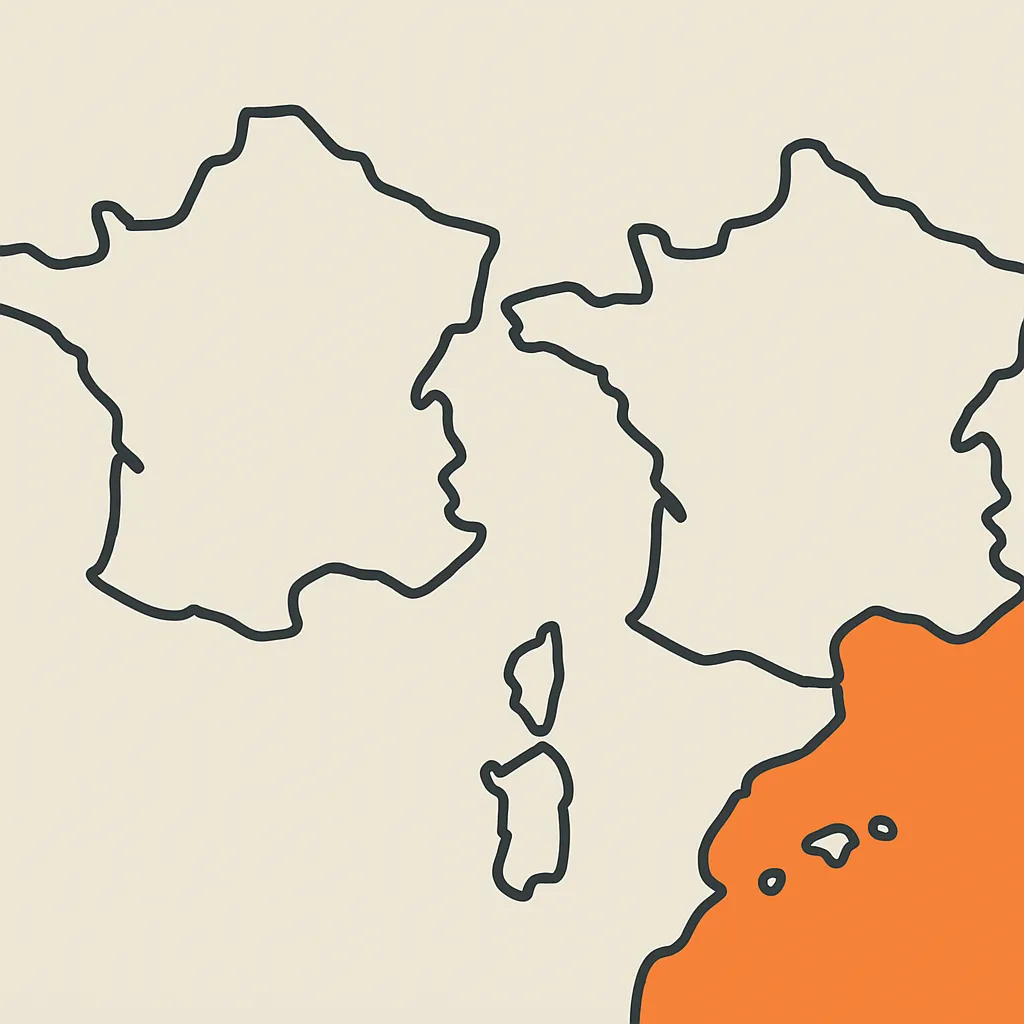
A map shows that the east coast of South America and the west coast of Africa fit together like puzzle pieces. What does this observation suggest about the crust?
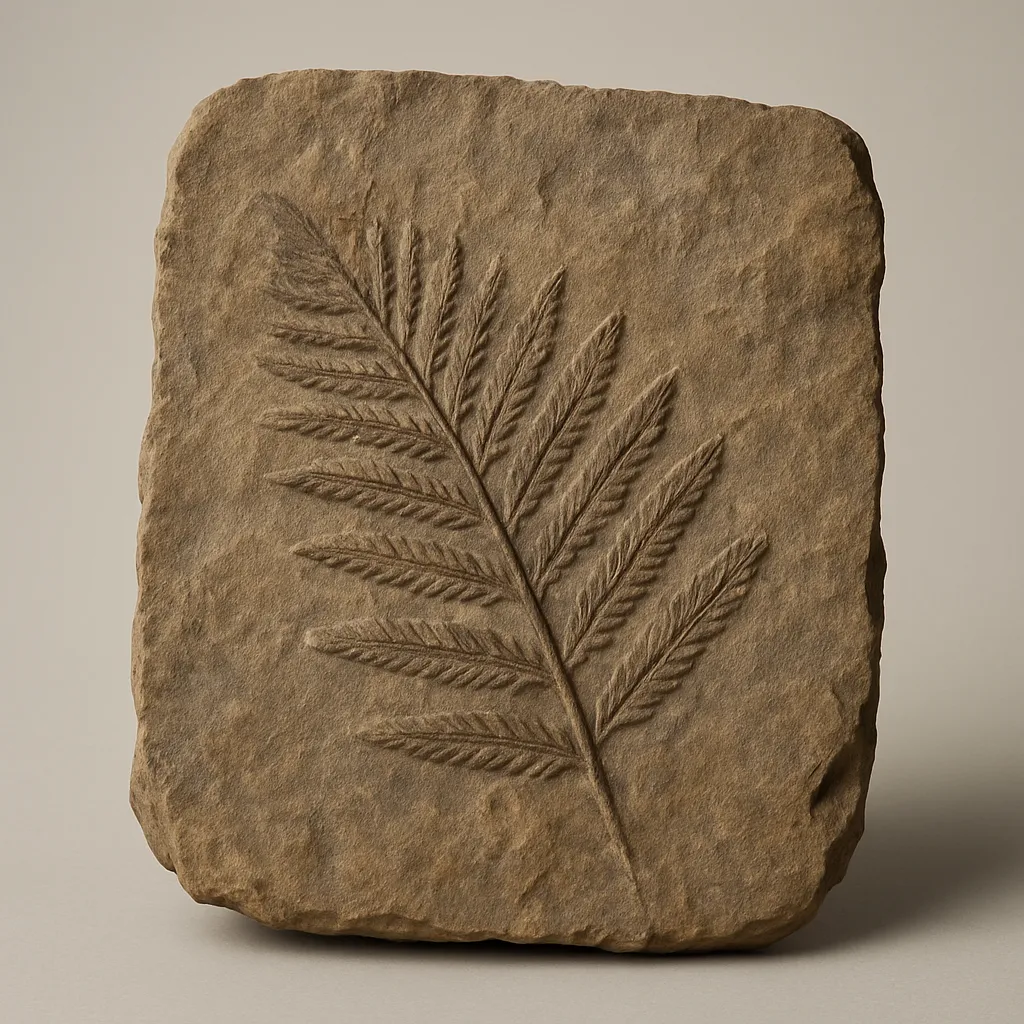
Scientists find fossils of the same kind of fern-like plant in rocks of the same age on two continents that are now separated by an ocean. What does this evidence best show?
A folded mountain chain in North America lines up with a similar folded mountain chain in Europe when maps are matched. What does this pattern show?
Scratches made by ancient ice line up on rocks from two continents when the continent shapes are fitted together. What claim does this evidence support?
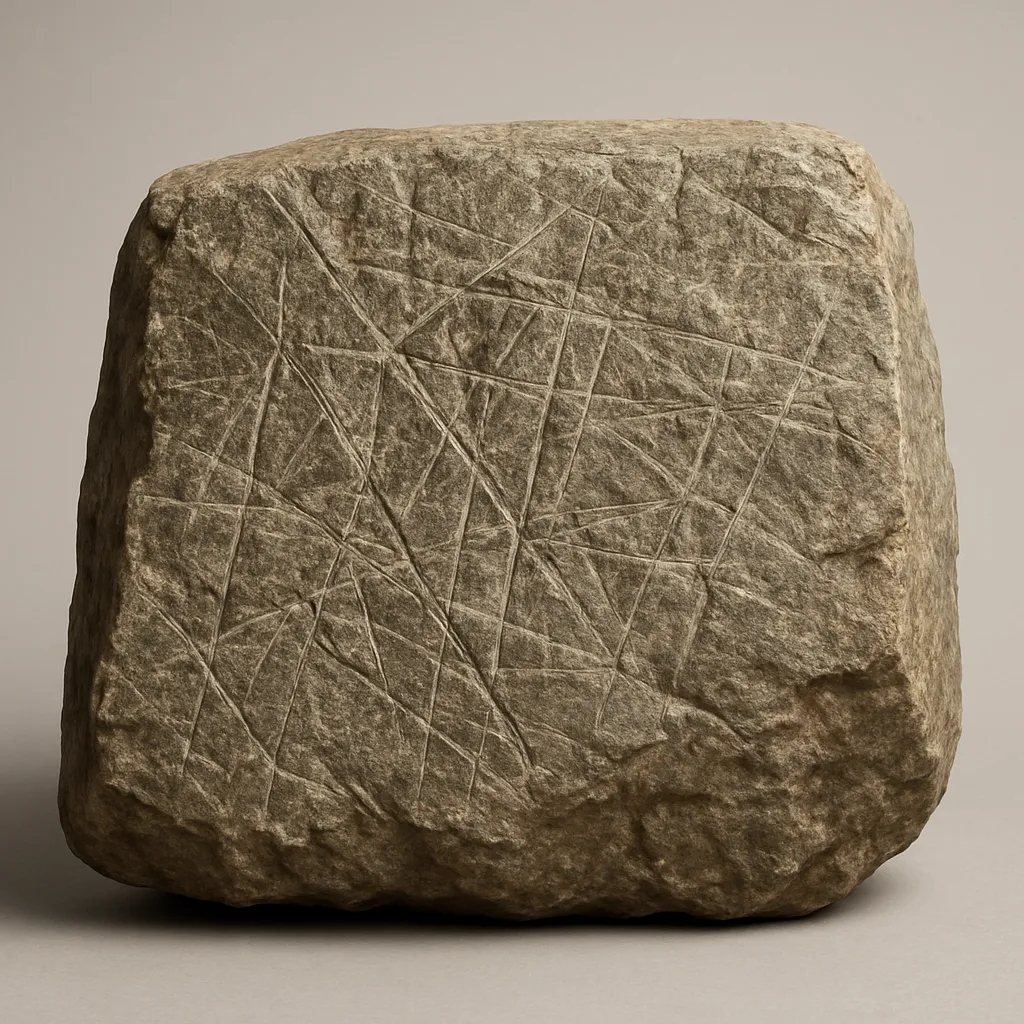
The same sequence of rock layers appears on two coastlines far apart today. When the coastlines are fitted together, the layers match. What does this show about the crust?
Crack the passcode before the zombies get in.
Answer, then swat bugs for bonus points.
Race through questions at your own speed.
Same question on every screen. Fastest wins.

Pick a tile, answer, hit bonuses and steals.
The Rock Cycle
20 questions