Loading
by BlastRoom
Students trace thin-lens ray diagrams and predict image type, orientation, size, and location.
#physics

30 questions
One question set, multiple game modes. Tap any game to see it in action. Not sure which to pick?
Answer to place stones and capture territory.
Outrun the snow together.
Earn blasts, then hunt the other team.
Answer to earn energy, then climb.

The class blasts through walls together.
Bid on mystery lots. Most money wins.
Sell tours. Nice, standard, or a total scam.

Answer, restock, and serve the rush.
More correct answers pulls the rope your way.
Answer, then shoot down the alien wave.
Answer, then tap to leap the frozen ridge.
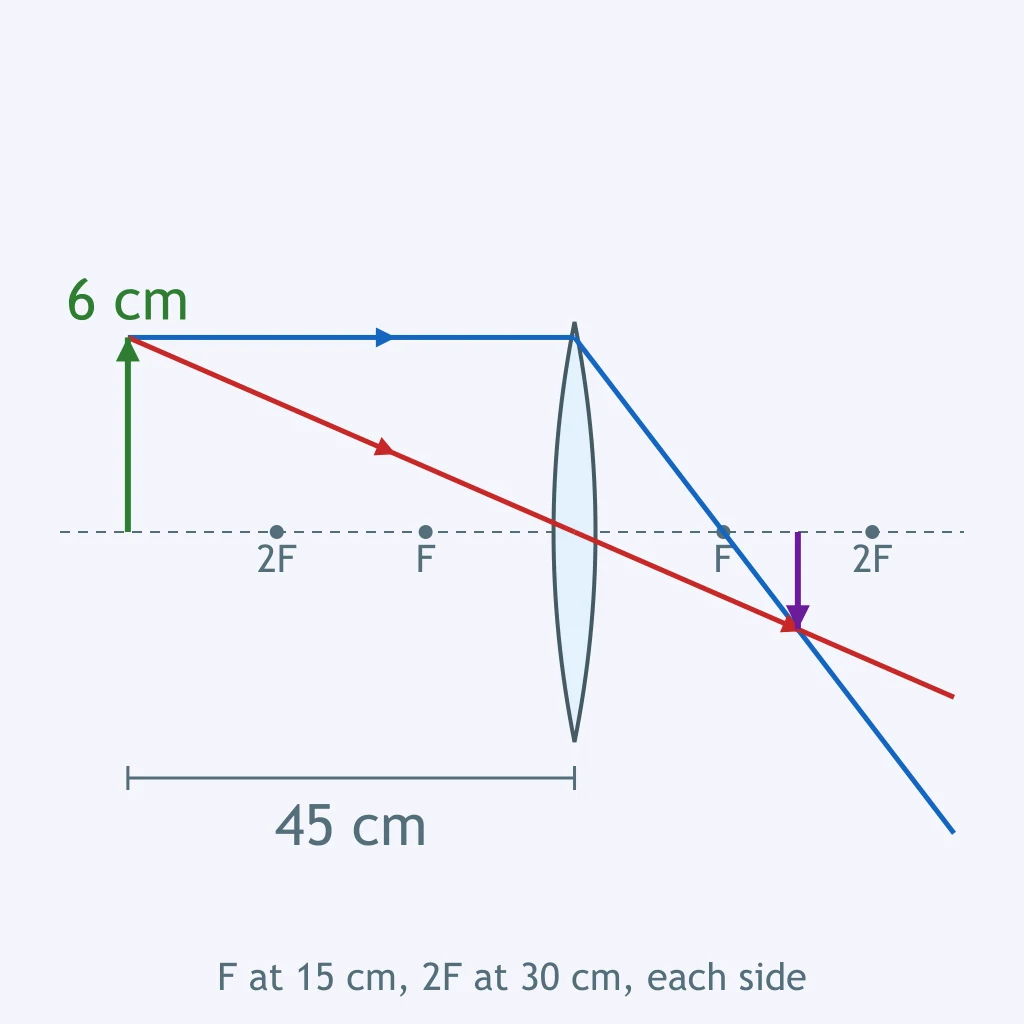
Use the converging-lens ray diagram. The object is beyond 2F on the left. What image is formed?
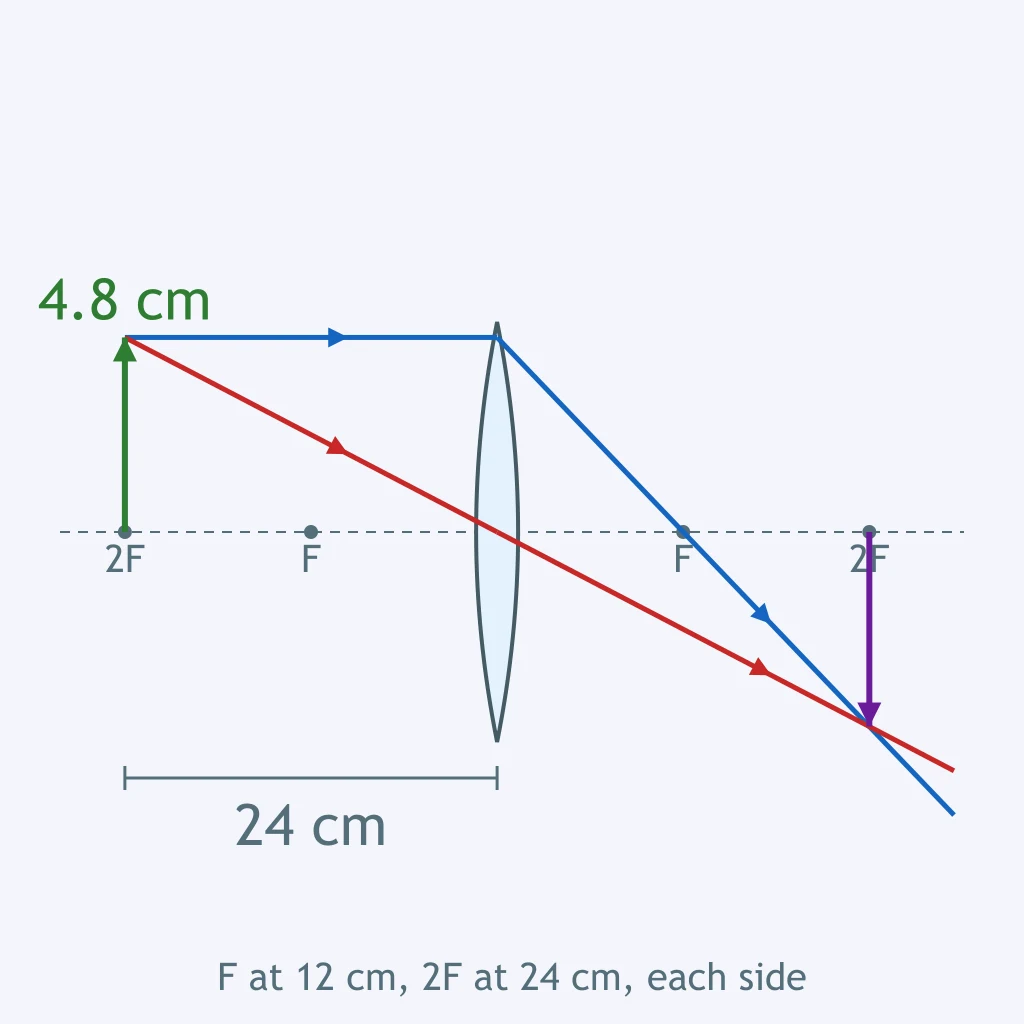
The object in the converging-lens diagram is exactly at 2F. Which description matches the image?
In the converging-lens diagram, the object is between F and 2F. What should the image be like?
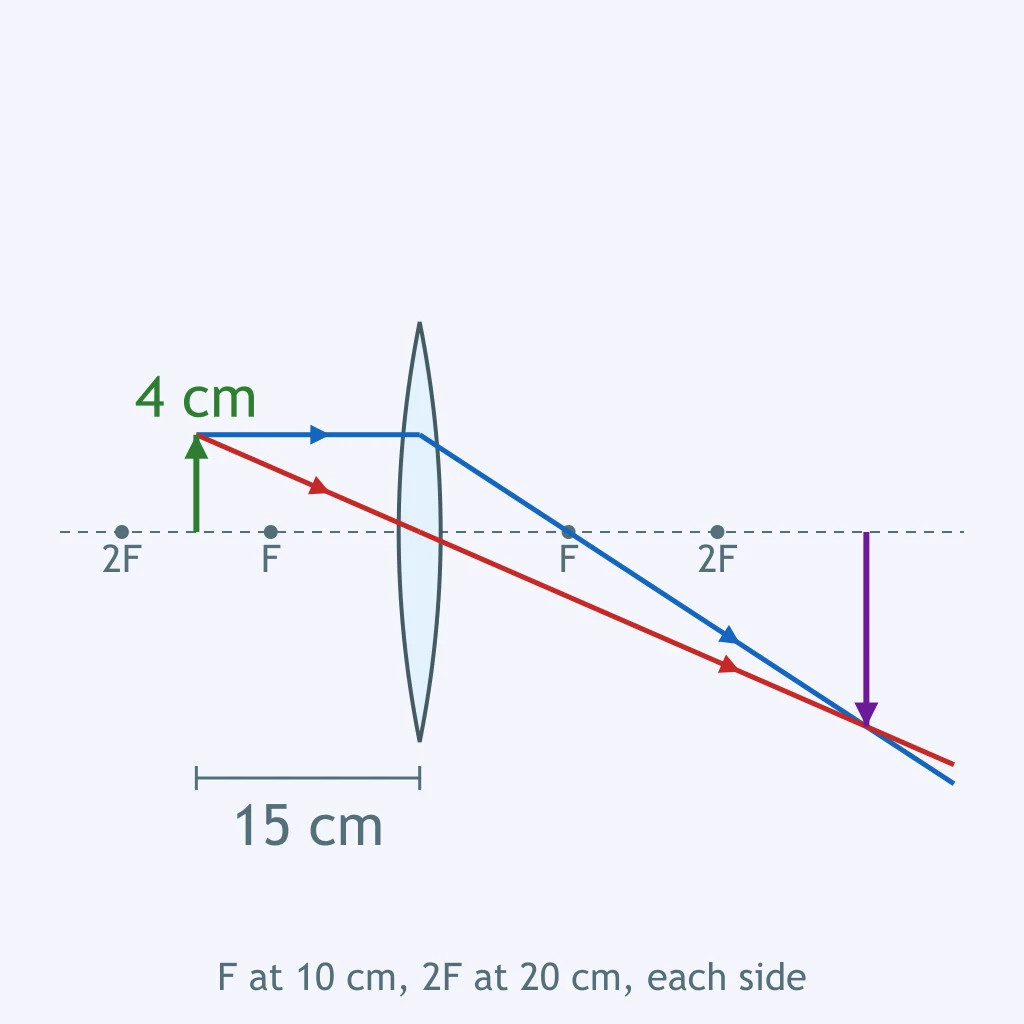
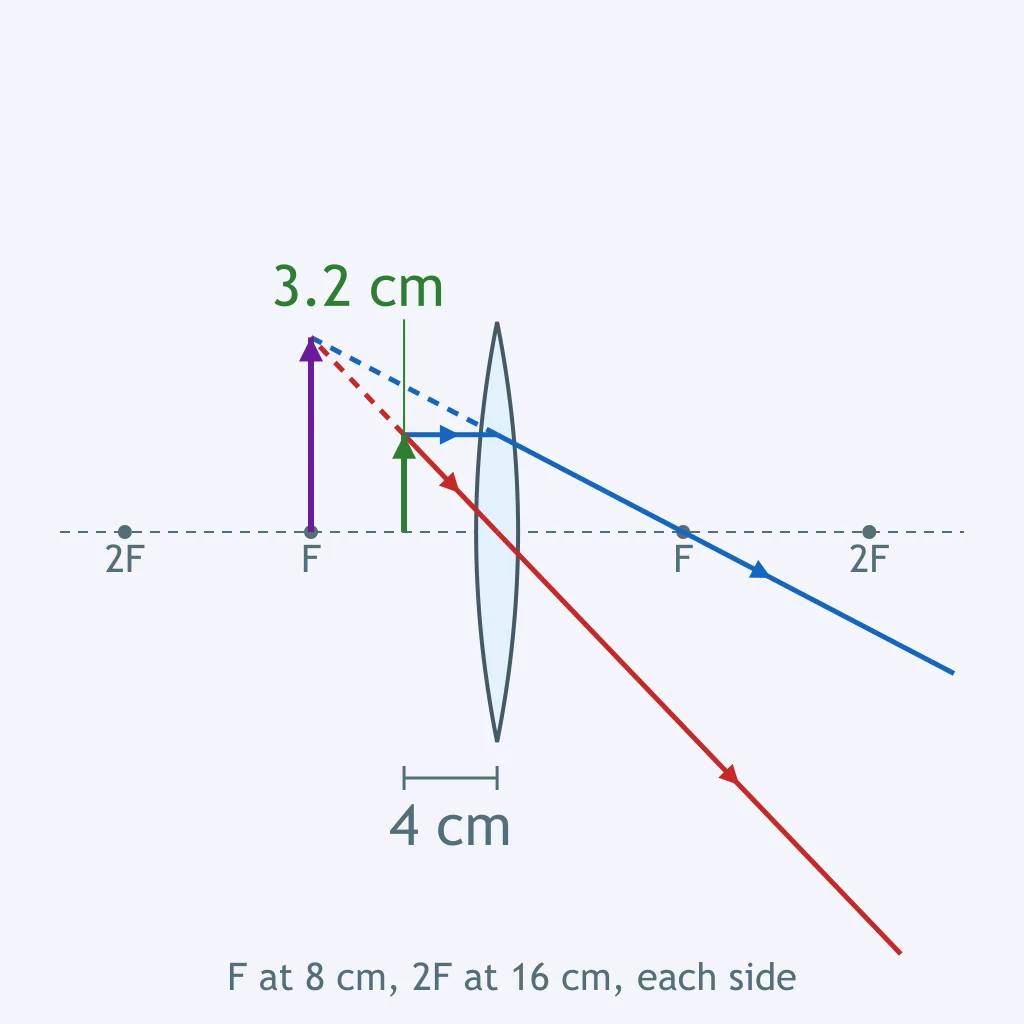
The object is inside the focal length of this converging lens. Which image description is correct?
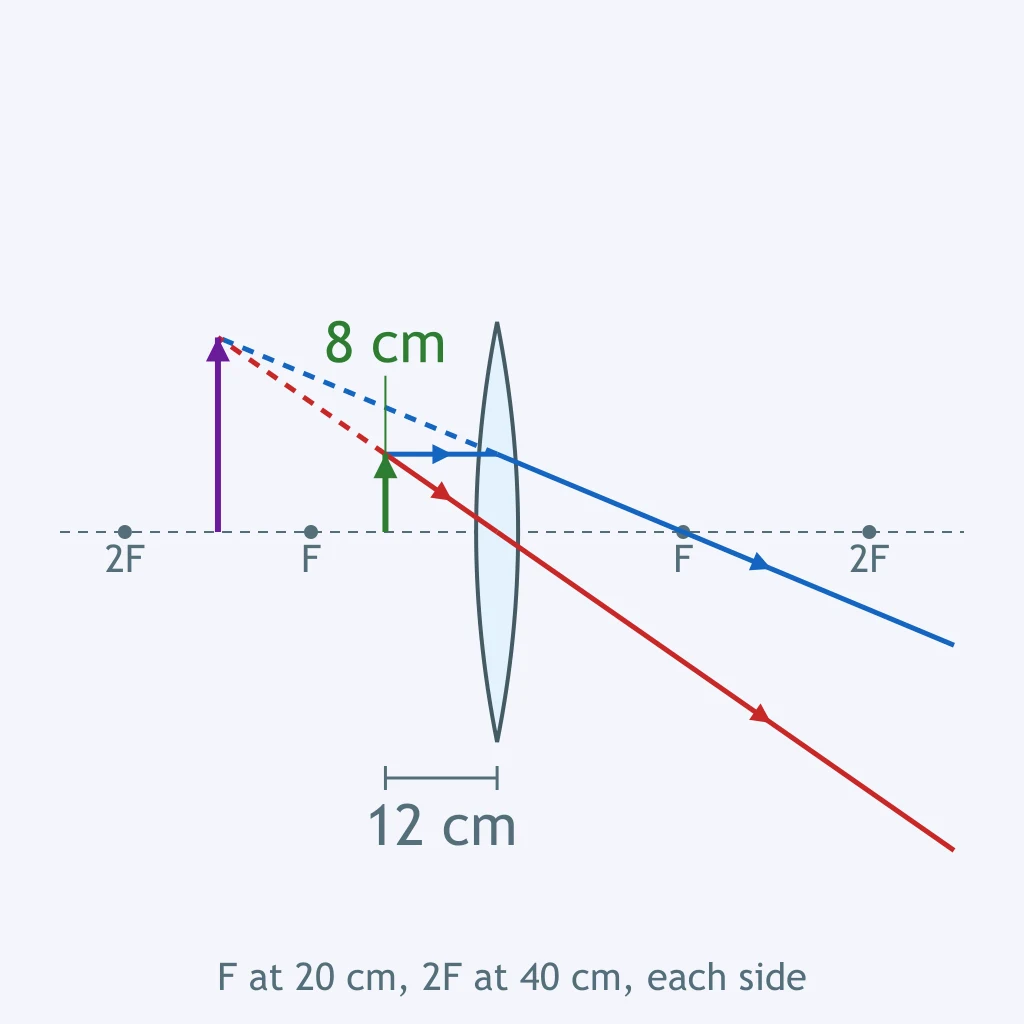
For this converging lens, the object is farther from the lens than 2F. Which statement is true of the image?
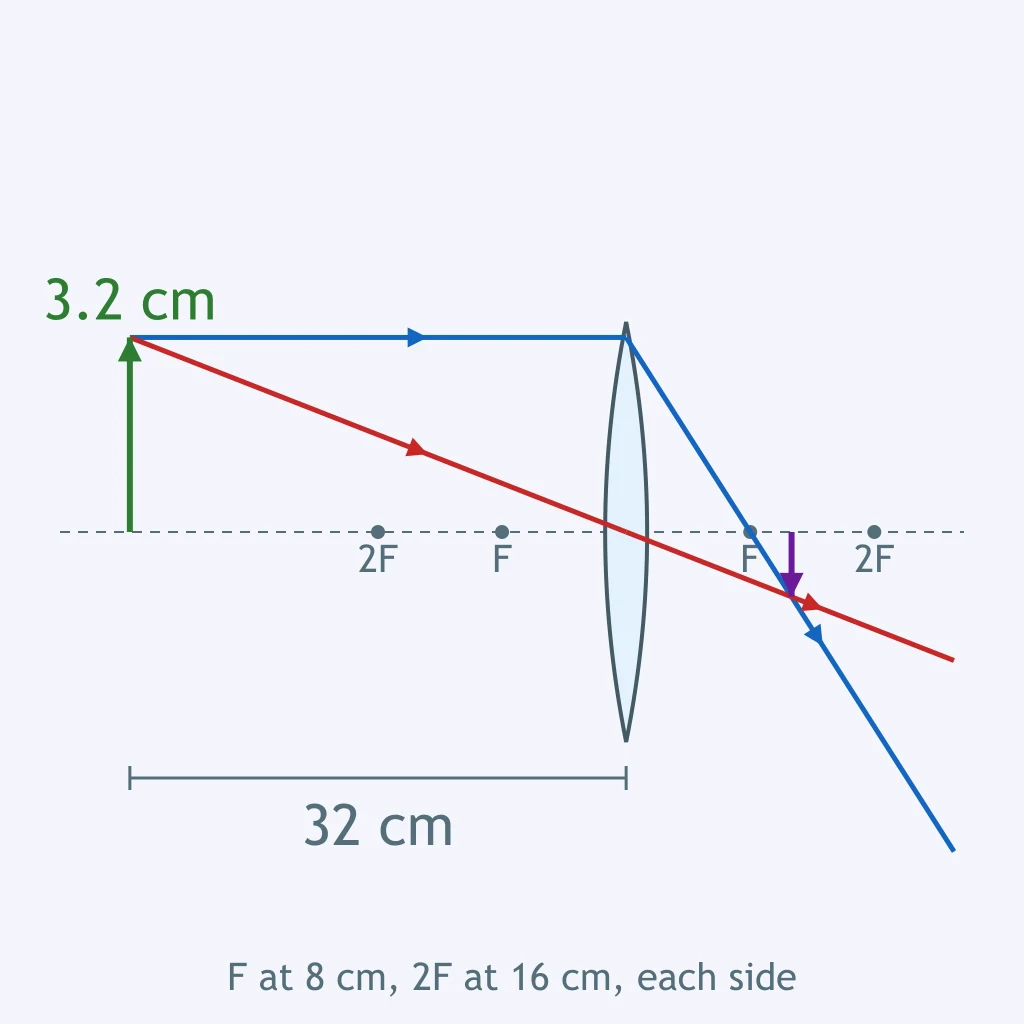
A converging lens has the object placed at 2F, as shown. What is the image size and orientation?
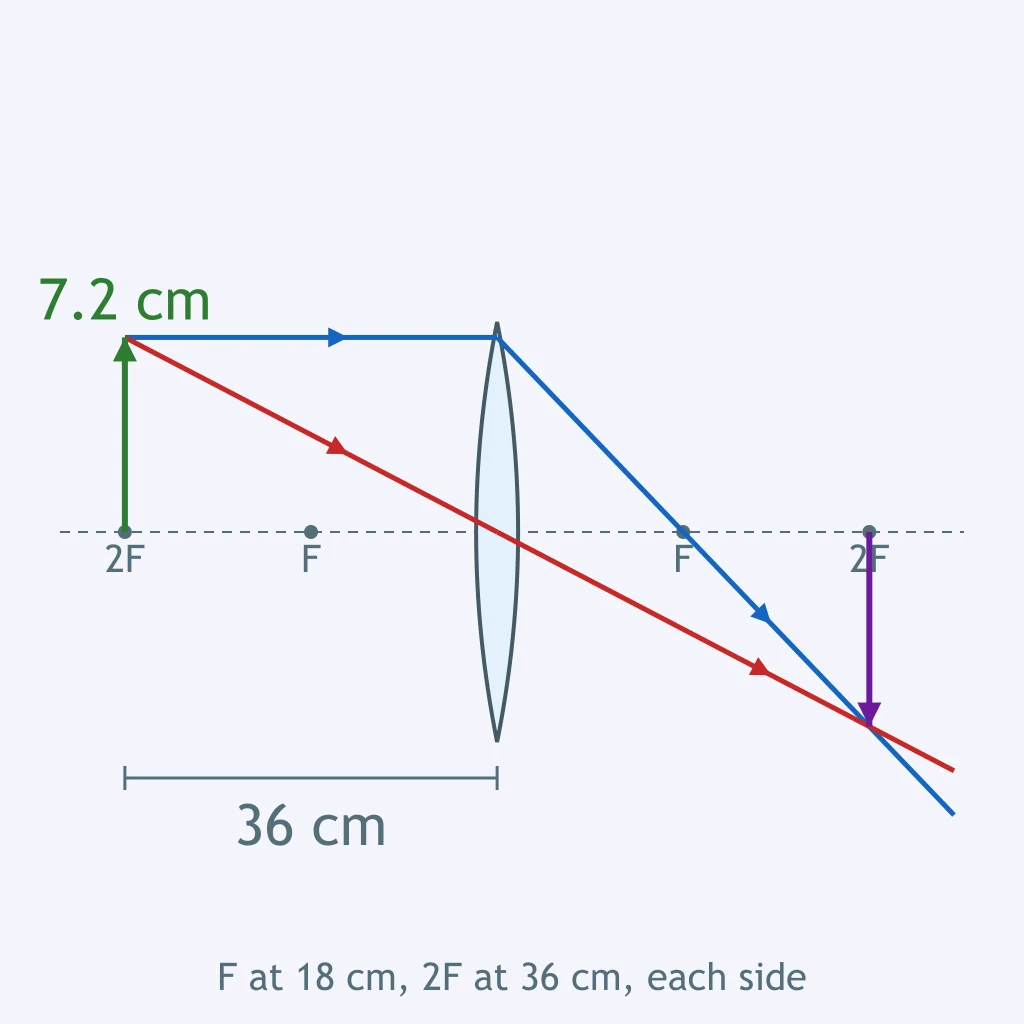
Look at the converging-lens diagram with the object between F and 2F. Where is the image and how is it oriented?
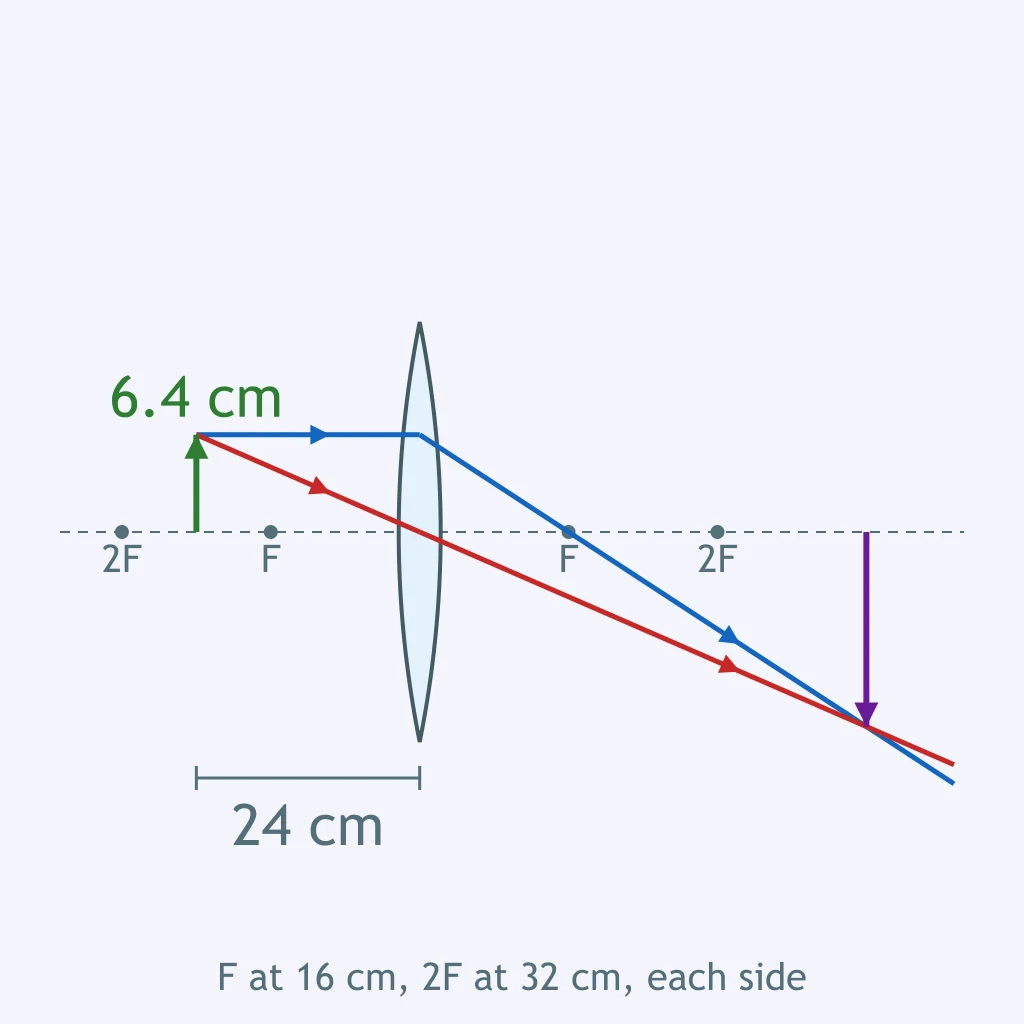
This converging lens has the object inside F. Which option describes the image?
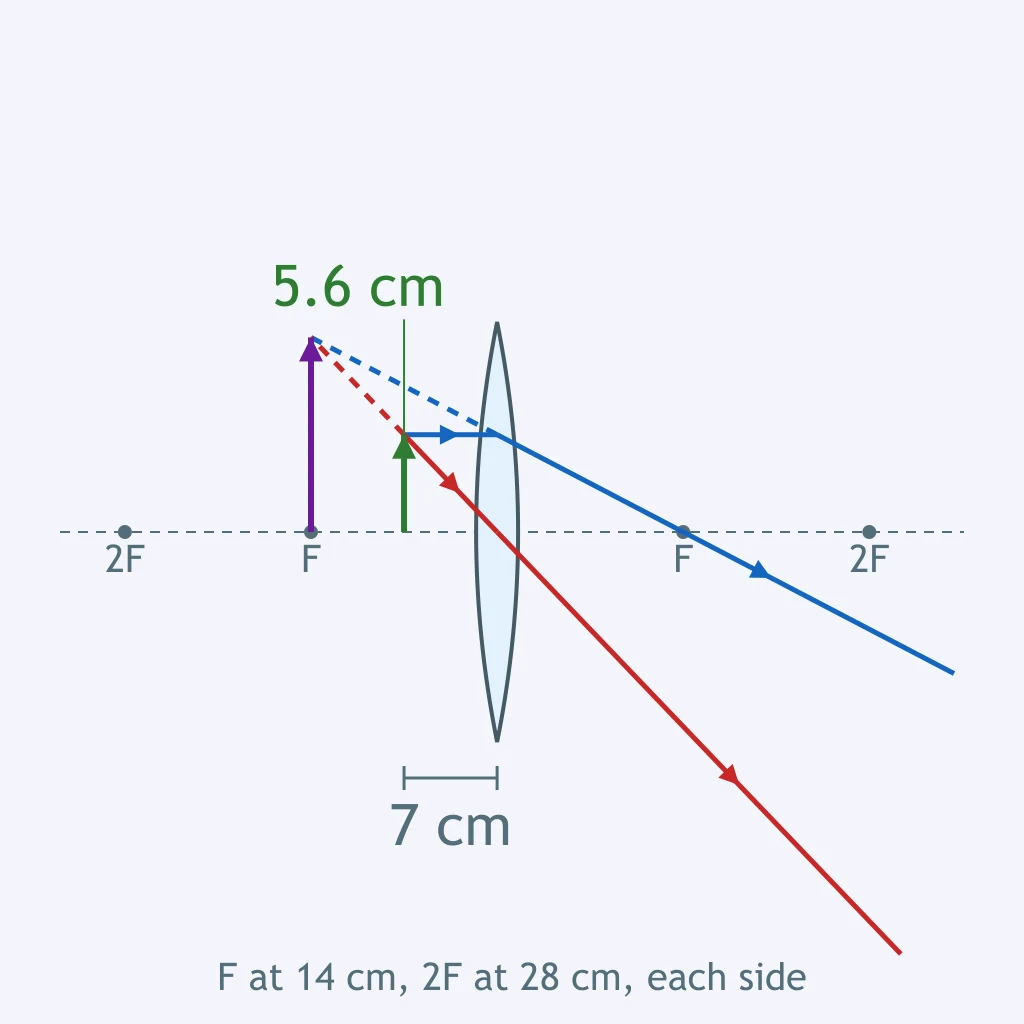
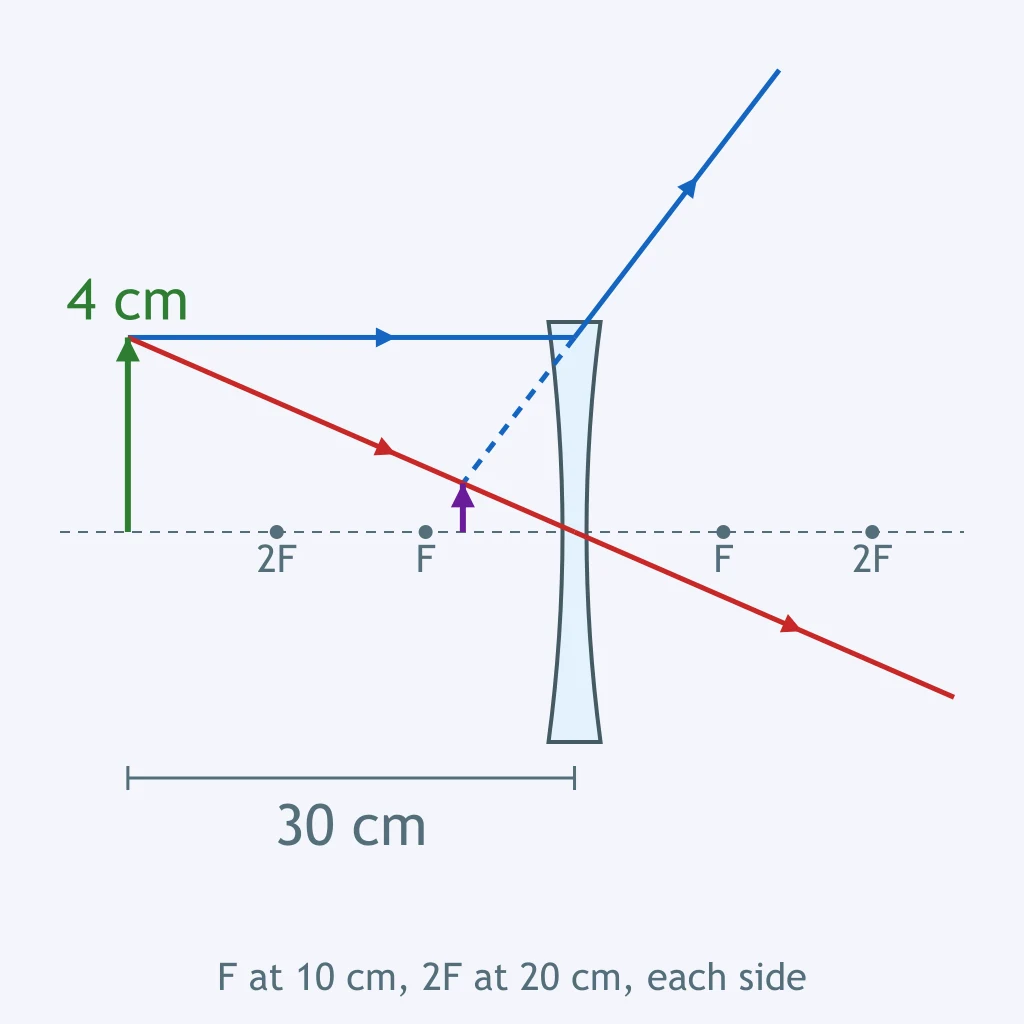
Use the diverging-lens ray diagram. Where is the image and what is it like?
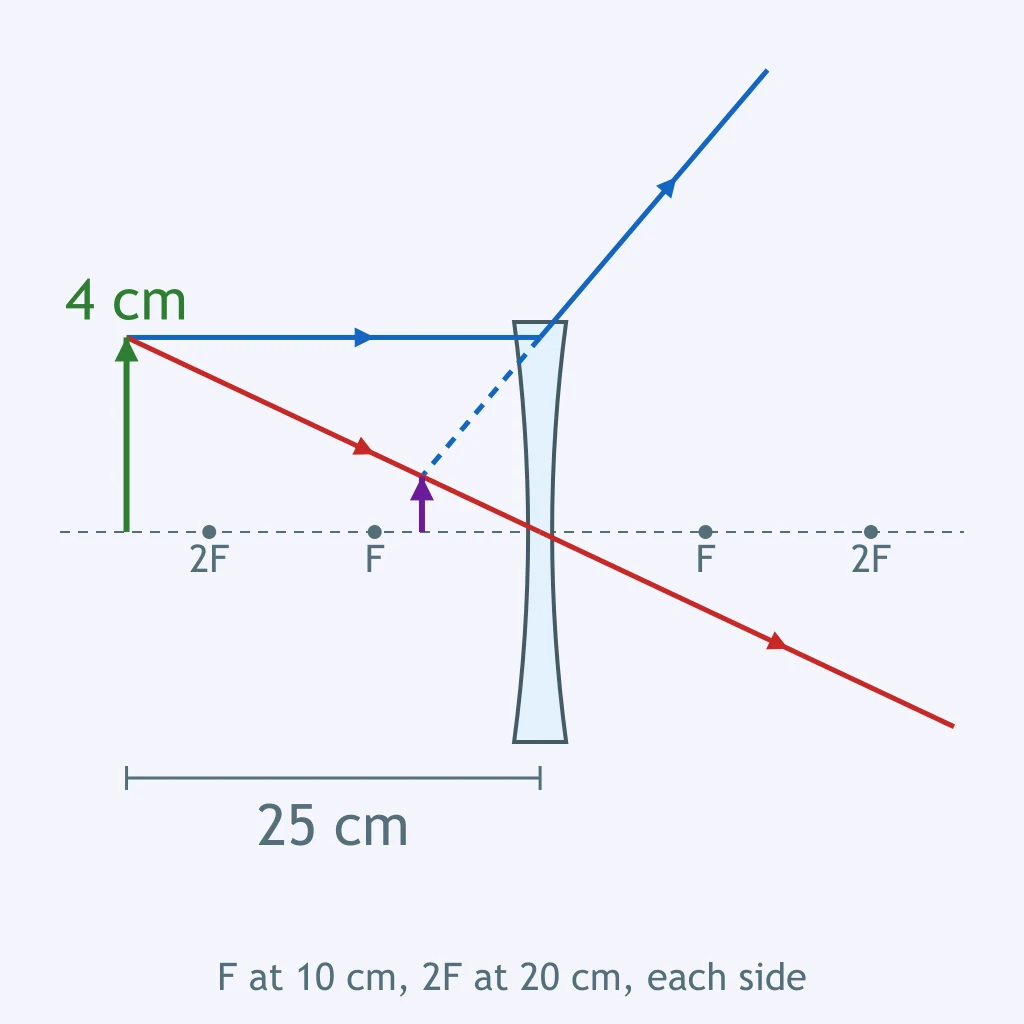
The diagram shows a diverging lens with an object on the left. Which image description is correct?
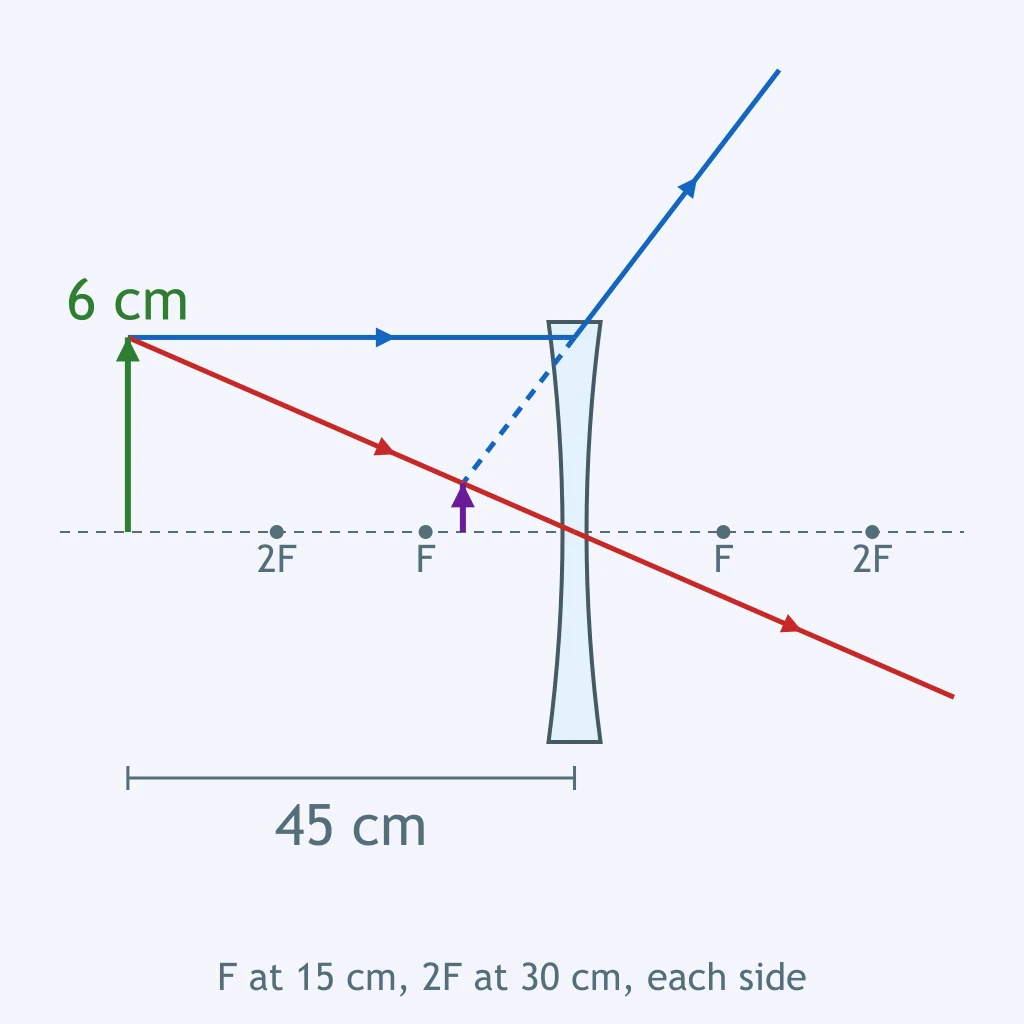
For the diverging lens shown, what happens to the image compared with the object?
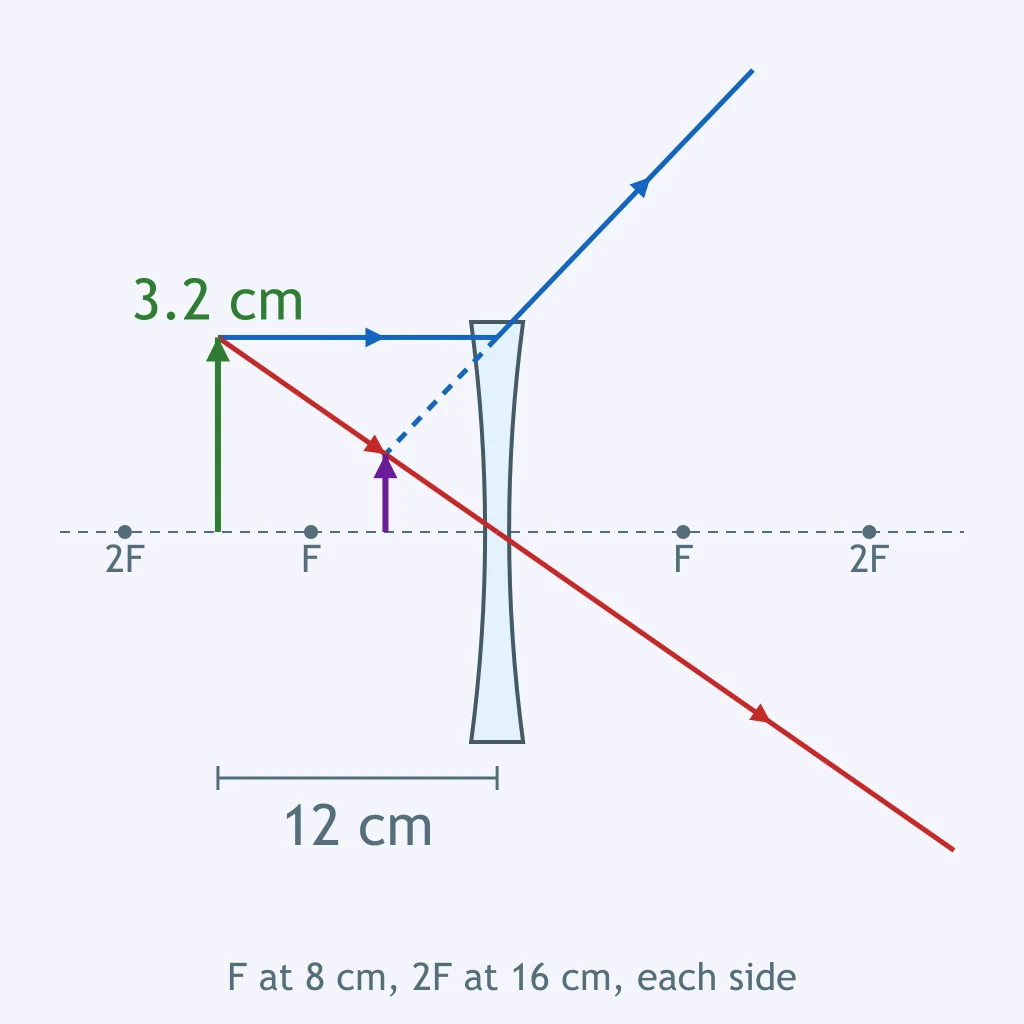
A student says this diverging lens can project a real image onto a screen. What does the ray diagram show instead?
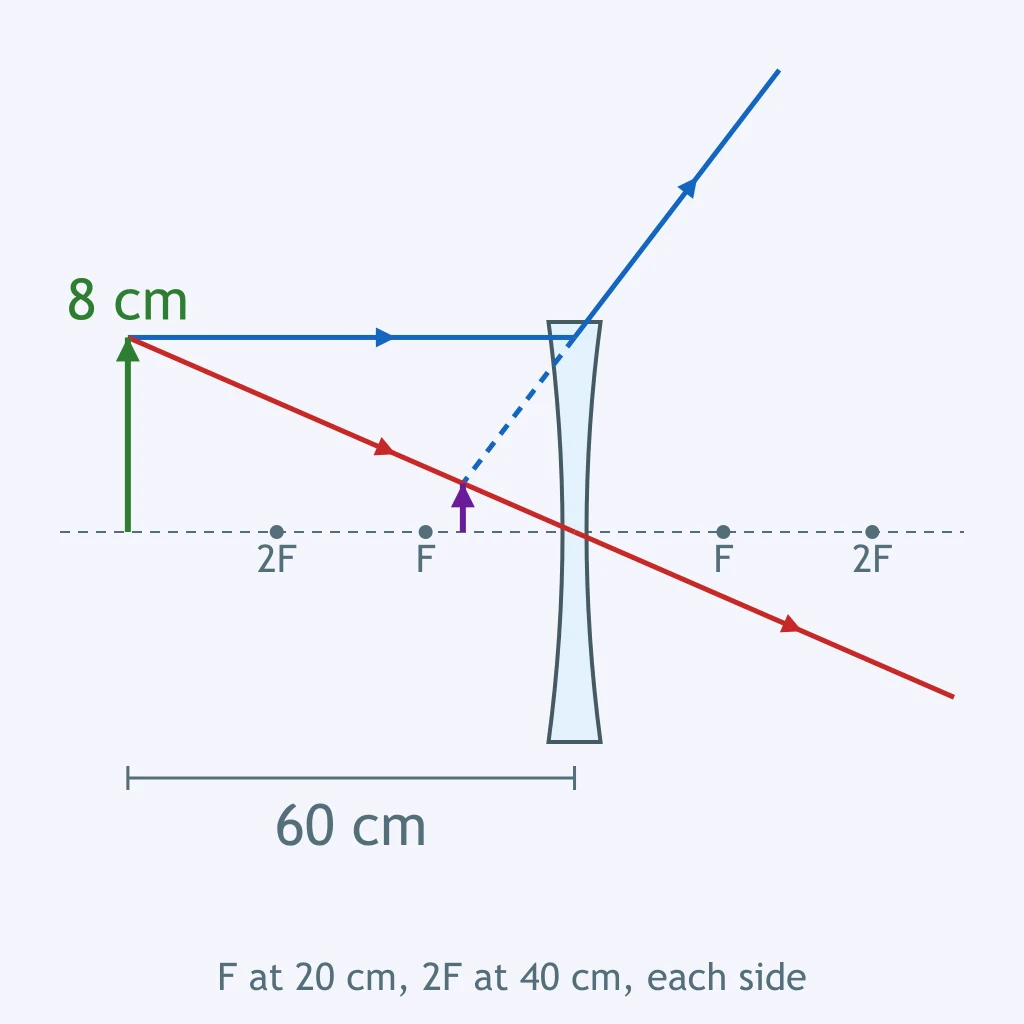
The object is close to this diverging lens. Which statement still describes the image?
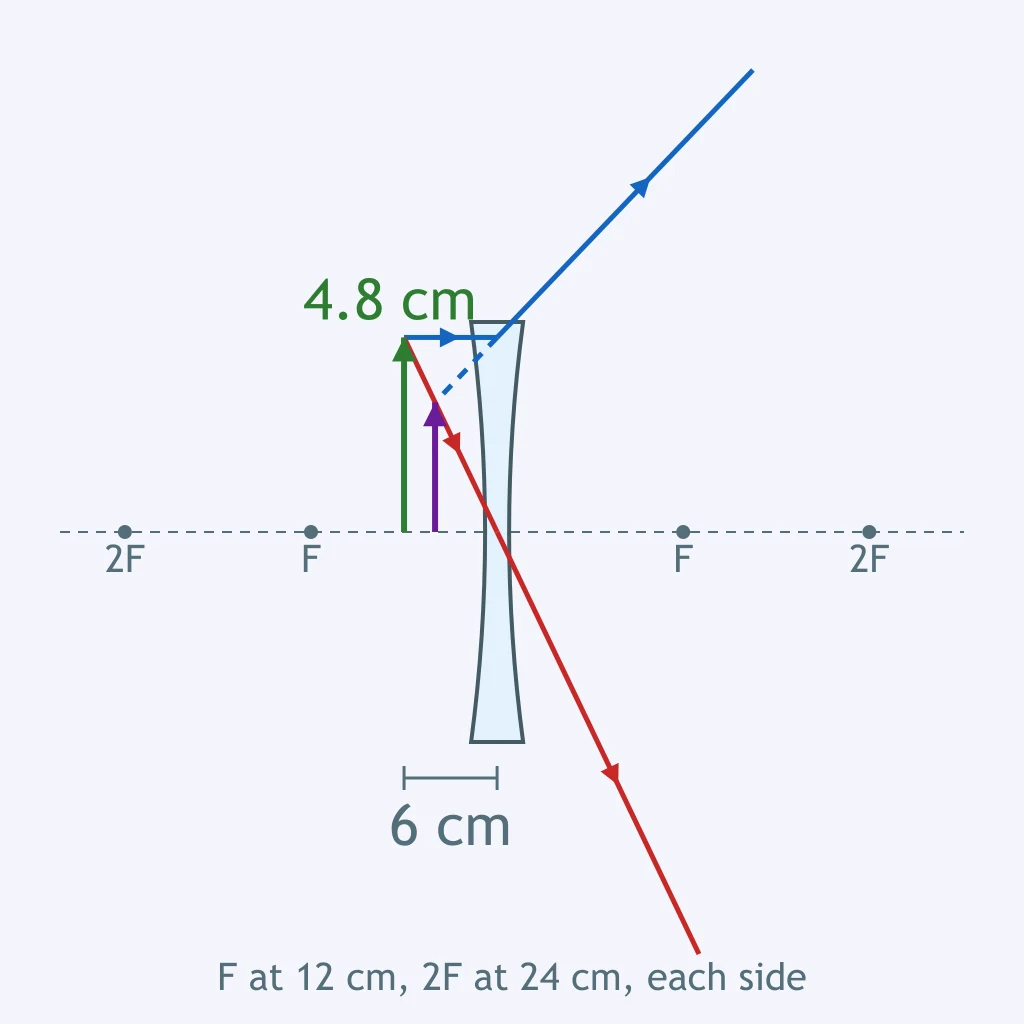
In this diverging-lens diagram, which location matches the image?
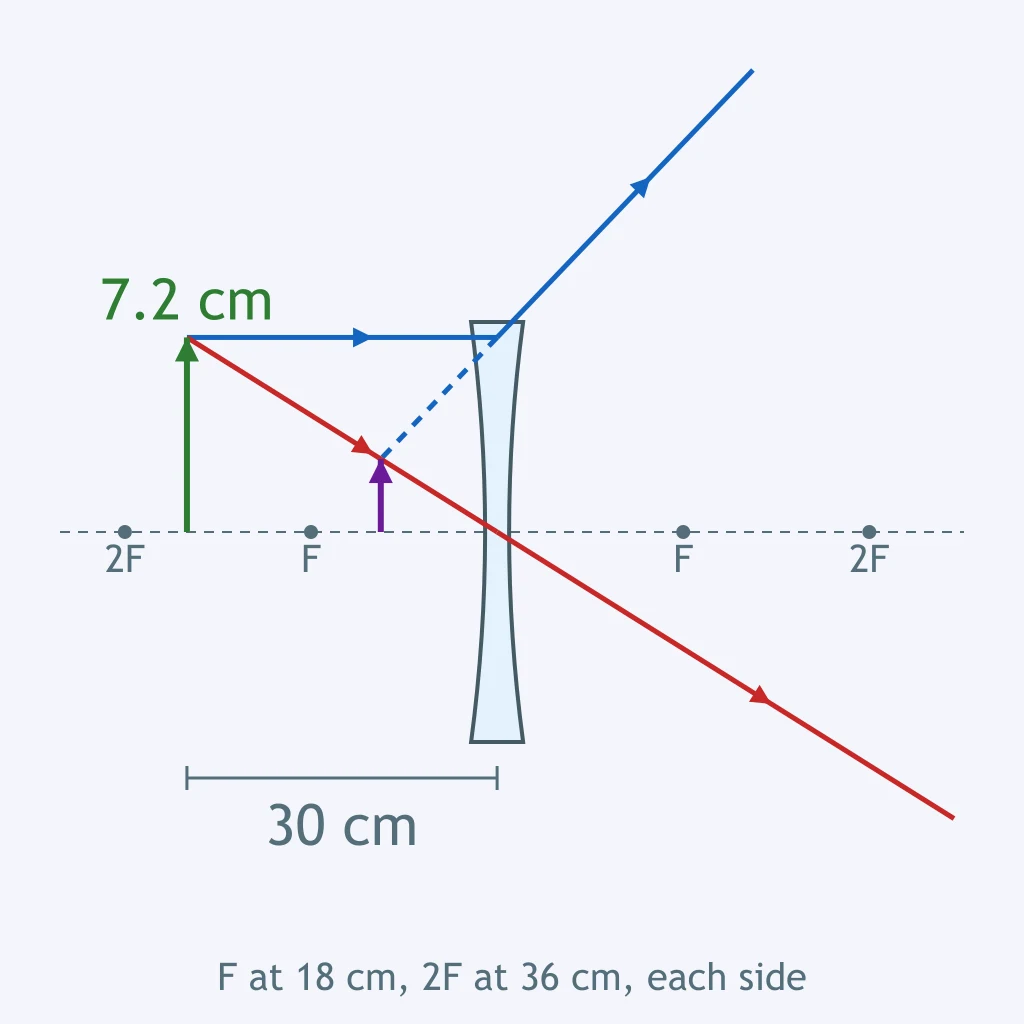
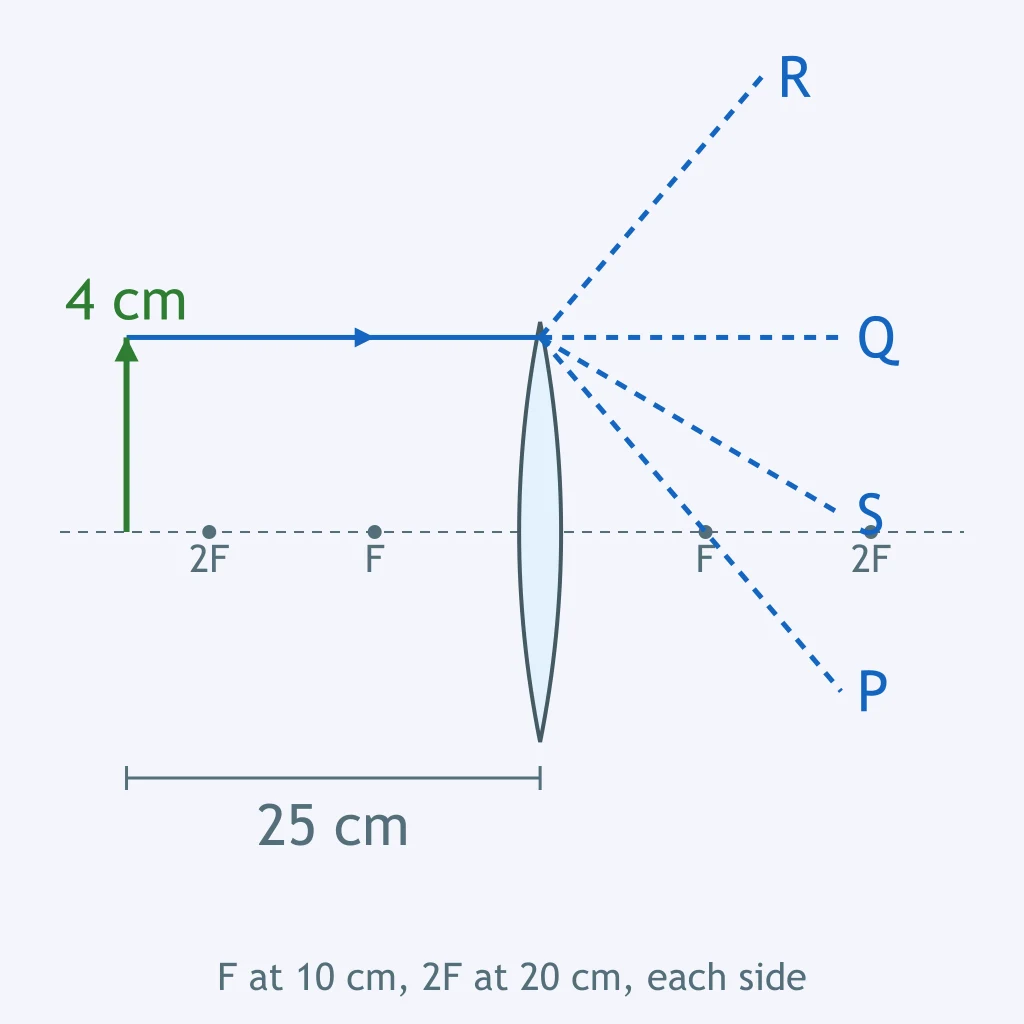
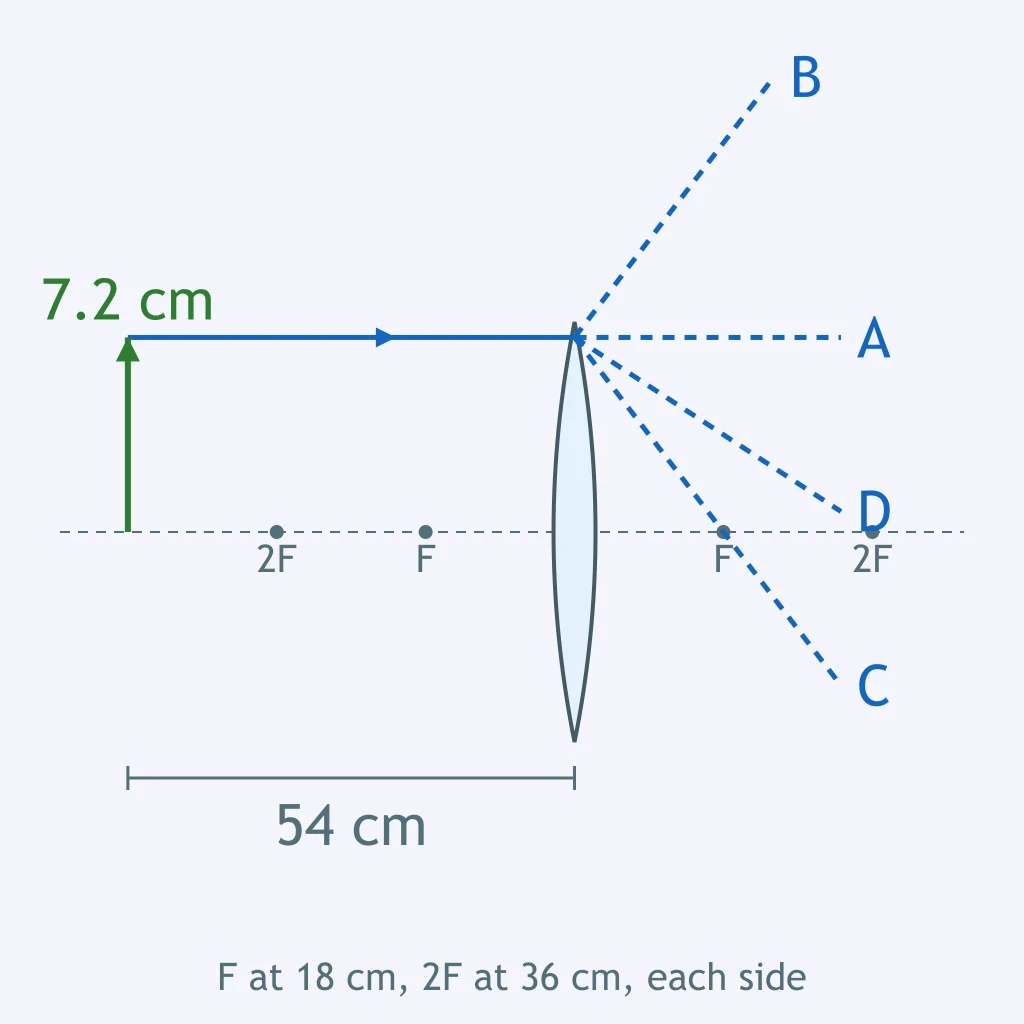
A ray from the object tip strikes this converging lens parallel to the principal axis. Which candidate shows how it leaves the lens?
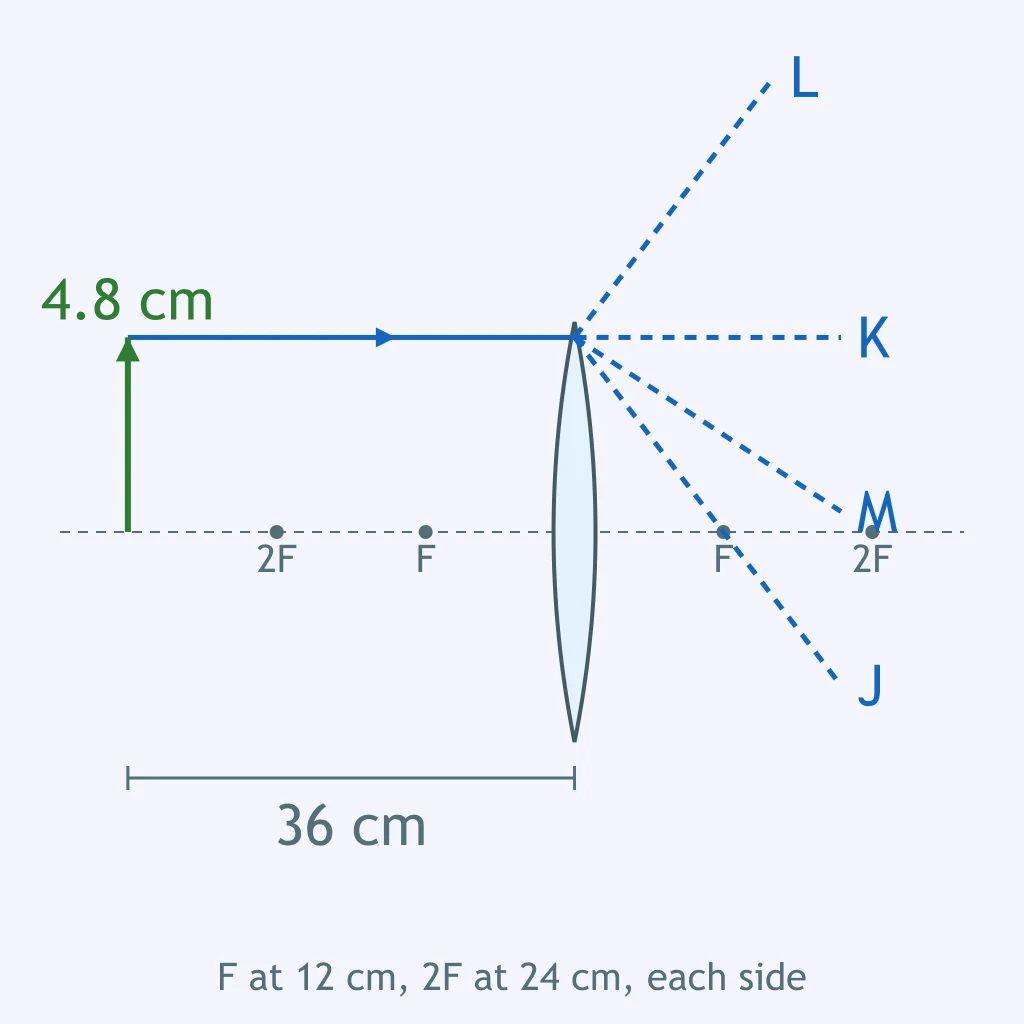
For the converging lens shown, pick the candidate for the outgoing ray that began parallel to the axis.
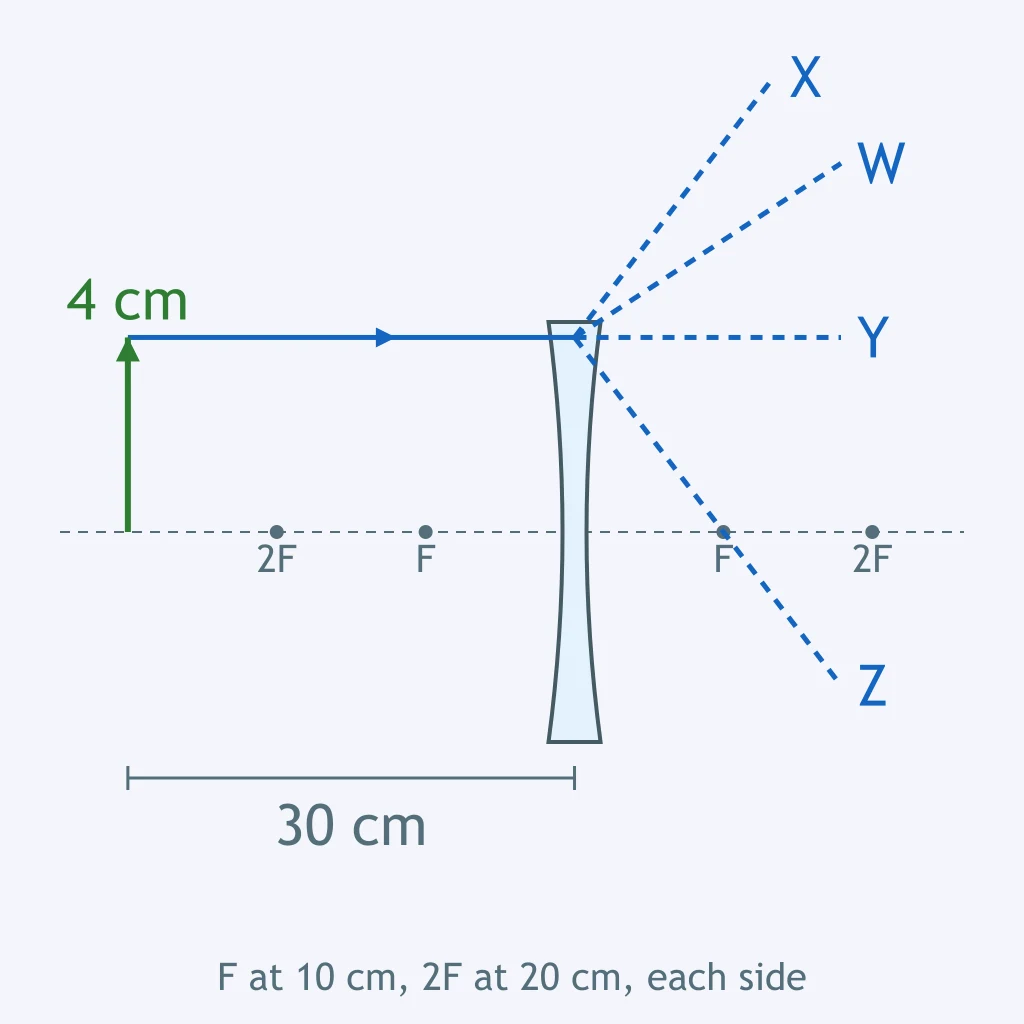
A ray enters this diverging lens parallel to the principal axis. Which candidate gives the correct outgoing path?
In the diagram, which labeled candidate is the correct path for a parallel ray through the converging lens?
For this diverging lens, which candidate correctly traces the ray that first traveled parallel to the principal axis?
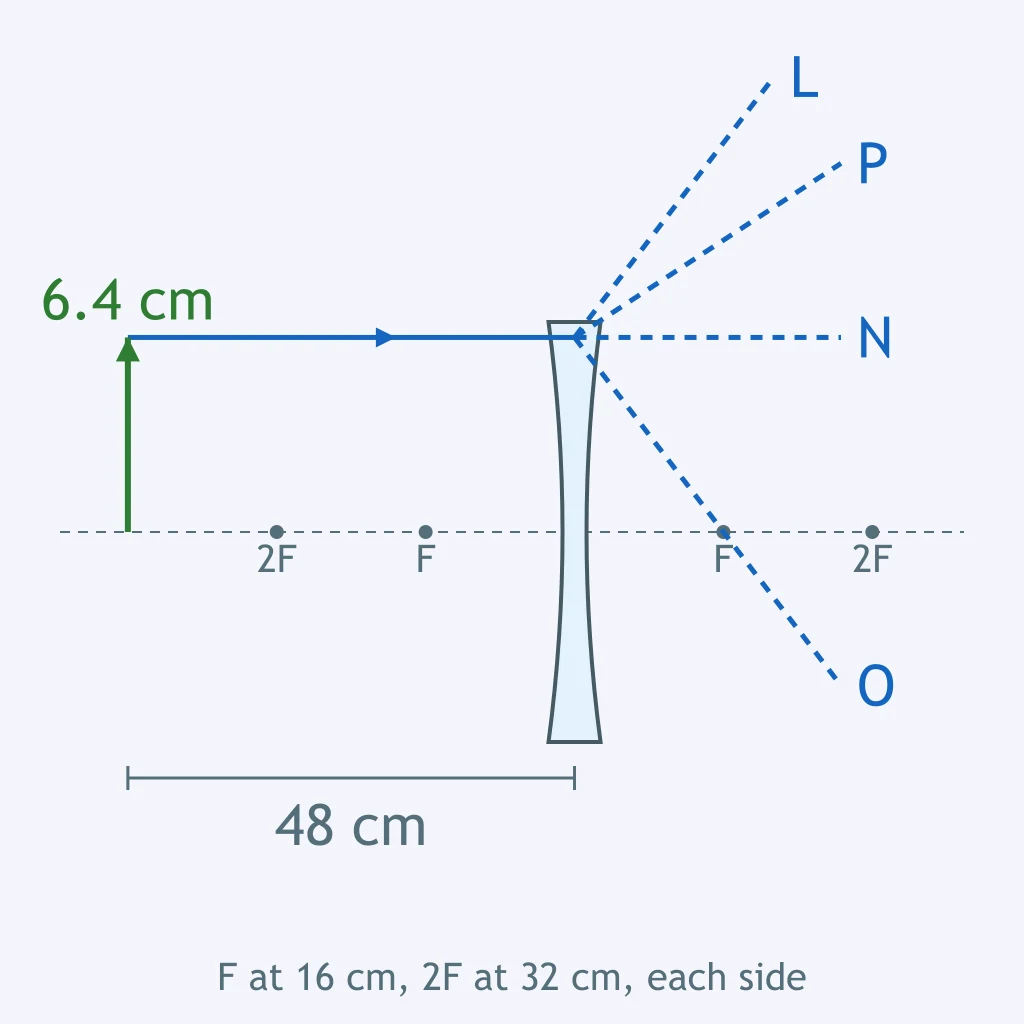
Use the figure and 1/f = 1/do + 1/di. A positive di means a real image on the far side. What is di?
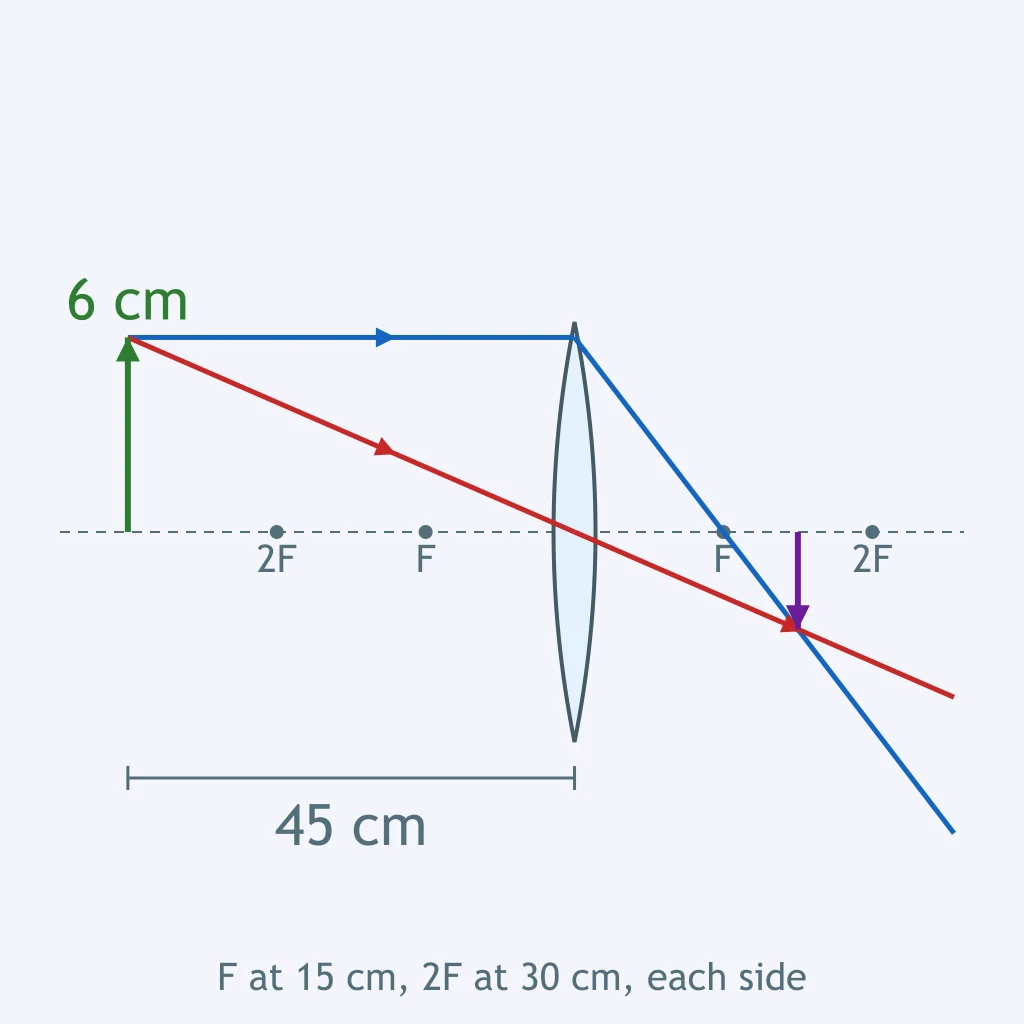
Use the lens values in the figure. With m = -di/do, what is the magnification?
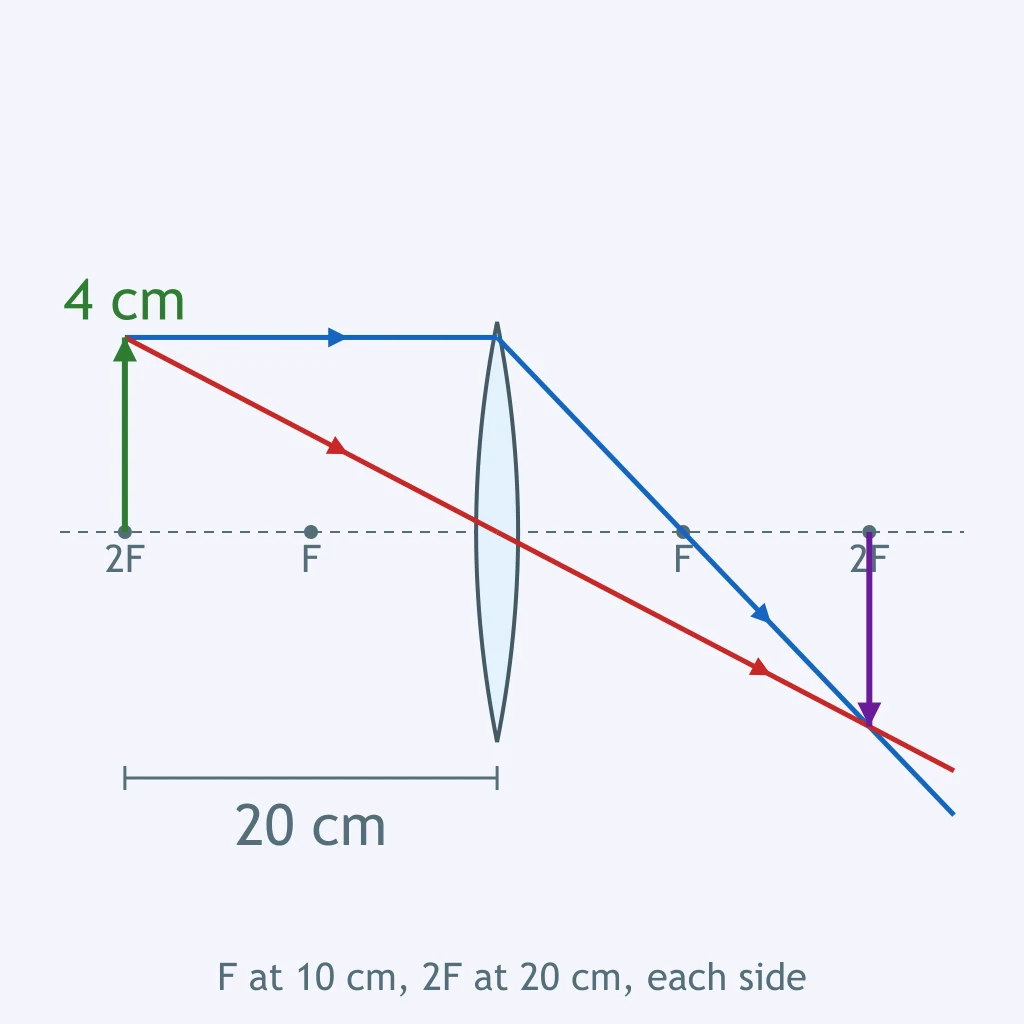
For the converging lens in the figure, use 1/f = 1/do + 1/di. What is the image distance?
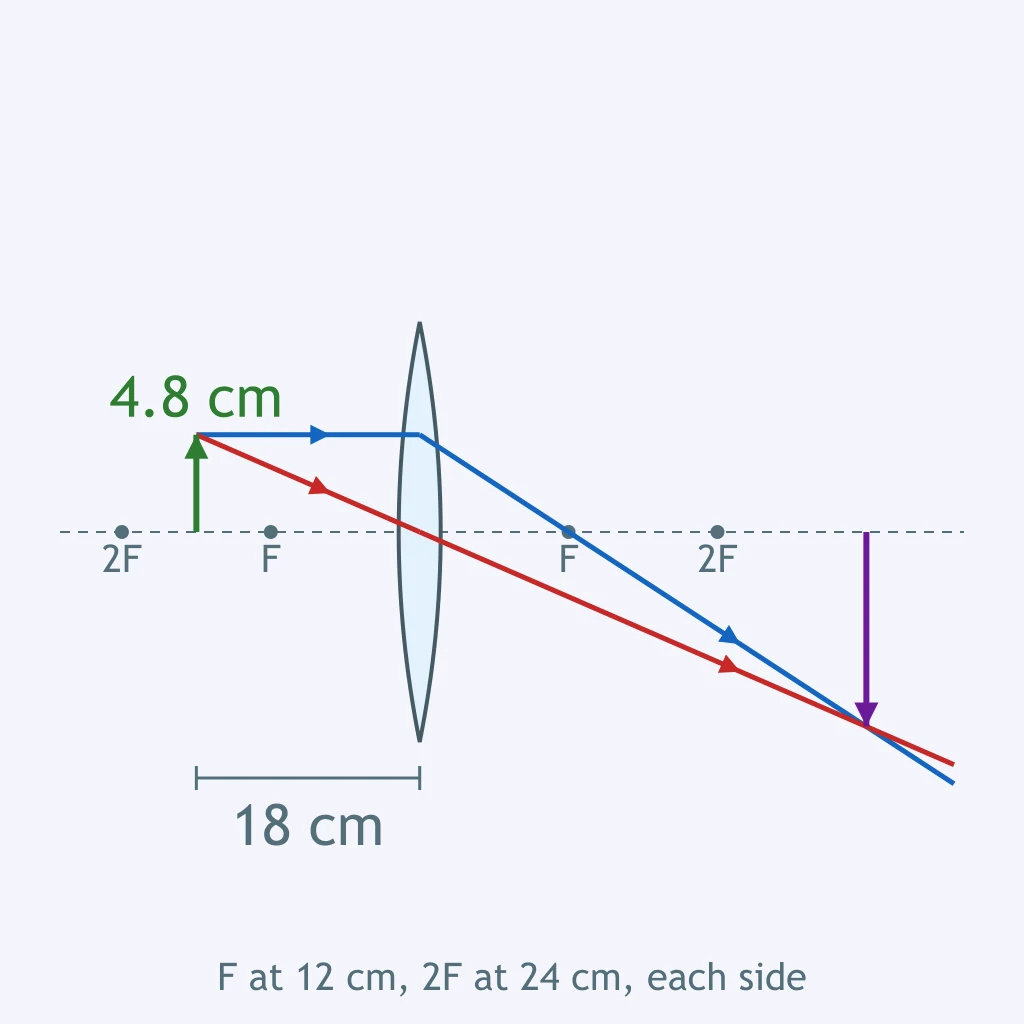
The object is inside the focal length in the figure. Using m = -di/do, what is the magnification?
For the diverging lens in the figure, f is negative. Use 1/f = 1/do + 1/di. What is di?
Which statement best defines focal length for a thin lens?
Parallel rays from a very distant lamp pass through a lens and meet at a point 12.0 cm beyond the lens. What lens is it?
Under the sign convention in this set, what does a negative image distance di mean for a lens?
Which lens can act as a simple magnifier when the object is inside its focal length?
What is a real image in lens optics?
Which statement correctly connects magnification sign and orientation?
Crack the passcode before the zombies get in.
Answer, then swat bugs for bonus points.
Race through questions at your own speed.
Same question on every screen. Fastest wins.

Pick a tile, answer, hit bonuses and steals.
Color and Dispersion
40 questions