Loading
by BlastRoom
What goes wrong when a gland secretes too much or too little, and what a patient notices.
#us_hs_anatomy_physiology
25 questions
One question set, multiple game modes. Tap any game to see it in action. Not sure which to pick?
Answer to place stones and capture territory.
Outrun the snow together.
Earn blasts, then hunt the other team.
Answer to earn energy, then climb.

The class blasts through walls together.
Bid on mystery lots. Most money wins.
Sell tours. Nice, standard, or a total scam.

Answer, restock, and serve the rush.
More correct answers pulls the rope your way.
Answer, then shoot down the alien wave.
Answer, then tap to leap the frozen ridge.
A patient is always warm, loses weight despite eating well, has a resting pulse of 112, and has a fine hand tremor. Which gland is most likely secreting too much hormone?
A teenager has extreme thirst, constant urination, weight loss, high blood glucose, and ketones in the urine. Which endocrine tissue has failed?
An adult develops a round face, thin skin, easy bruising, high blood pressure, and high blood glucose over several months. Which gland region is overactive?
A child grows much more slowly than classmates but keeps normal body proportions. Which endocrine gland is likely undersecreting?
After a head injury, a patient passes very large volumes of dilute urine, stays intensely thirsty, and has normal blood glucose. Which hormone-releasing site is failing?
After neck surgery, a patient has tingling lips, muscle spasms, and low blood calcium. Which small glands were likely damaged?
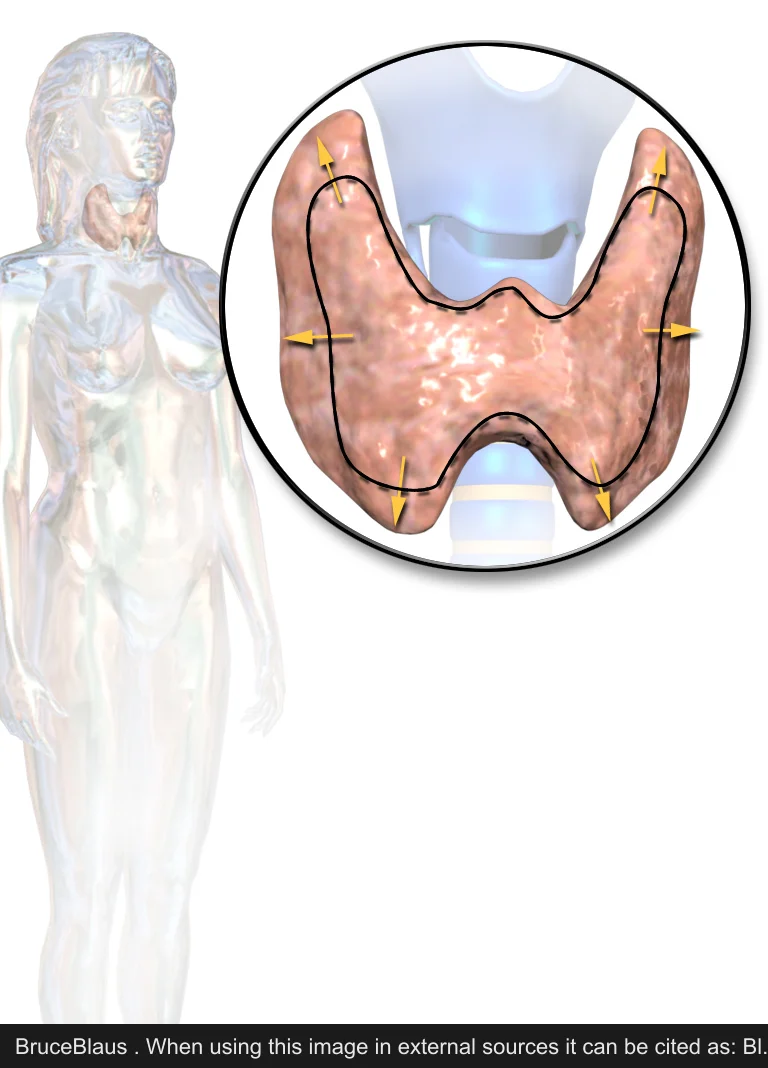
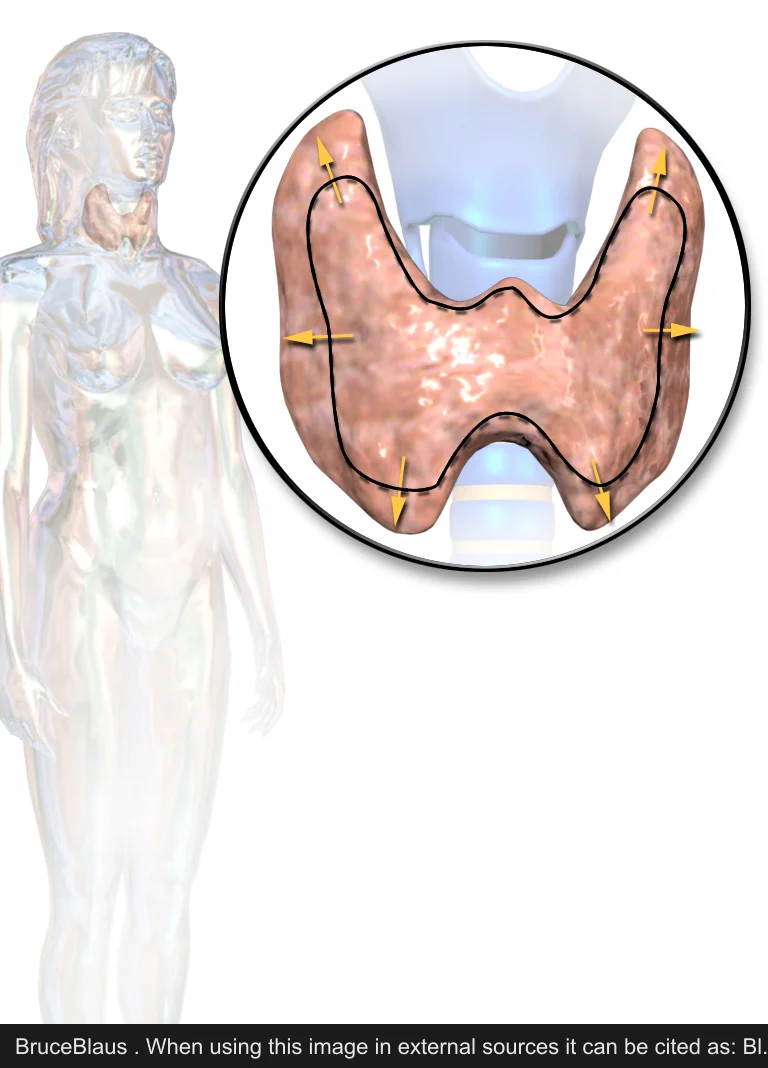
A patient has a swollen front of the neck, bulging eyes, and a rapid pulse. Blood tests show high thyroxine but very low TSH. What is the most likely cause?
A tumor causes sudden spells of pounding heart, sweating, headache, and blood pressure spikes from bursts of epinephrine. Which gland region is overactive?
An office worker notices rings no longer fit, shoe size has increased, and the jaw has become heavier over several years. What secretion problem fits this pattern?
A 12-year-old becomes much taller than expected, with long limbs while the long-bone plates are still open. What secretion problem is occurring?
A child has very slow height gain, delayed bone age, and otherwise proportionate body shape. What secretion problem best explains it?
A patient feels cold in a warm room, gains weight, has dry skin, and has a slow pulse. What secretion problem best fits these signs?
A patient cannot tolerate heat, loses weight, has diarrhea, and has a resting heart rate of 118. What secretion problem best matches this pattern?
Blood glucose is normal, but a patient cannot conserve water and produces liters of very dilute urine each day. What secretion problem is most direct?
A thin 9-year-old with untreated type 1 diabetes has very high blood glucose and ketones in the urine. Why is the body making ketones?
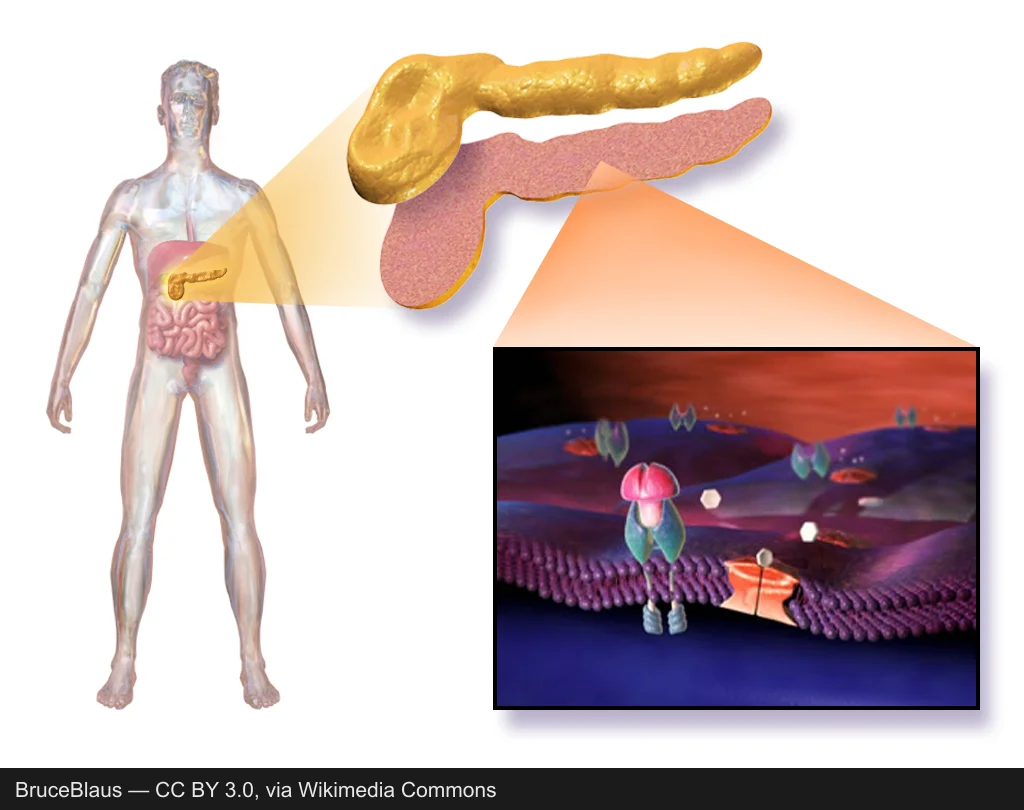
A 52-year-old with central obesity has high fasting glucose, no ketones, and high insulin early in the disease. What problem best explains the high glucose?
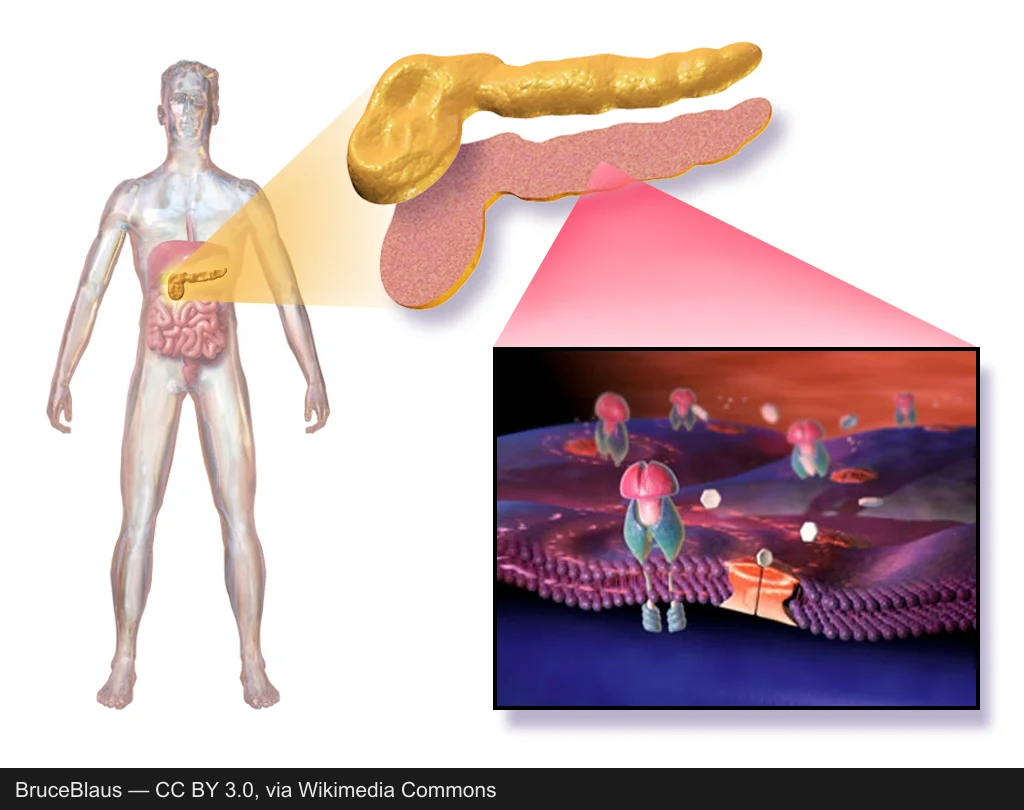
Lab results in a new diabetes mellitus case show almost no insulin or C-peptide in the blood. Which mechanism fits better than insulin resistance?
Exercise and weight loss lower a patient's blood glucose because muscle and fat cells become more responsive to a hormone already present. Which form is this?
A child arrives with rapid breathing, dehydration, blood pH below normal, high glucose, and ketones. Which failure is causing the crisis?
Early in type 2 diabetes, blood glucose is high after meals but ketones are usually absent from the urine. What best explains the missing ketones?
Parathyroid glands are removed by mistake during neck surgery, so parathyroid hormone falls to nearly zero. What follows in the blood and muscles?
After a meal, insulin is absent because beta cells are destroyed. What happens to glucose use and urine findings?
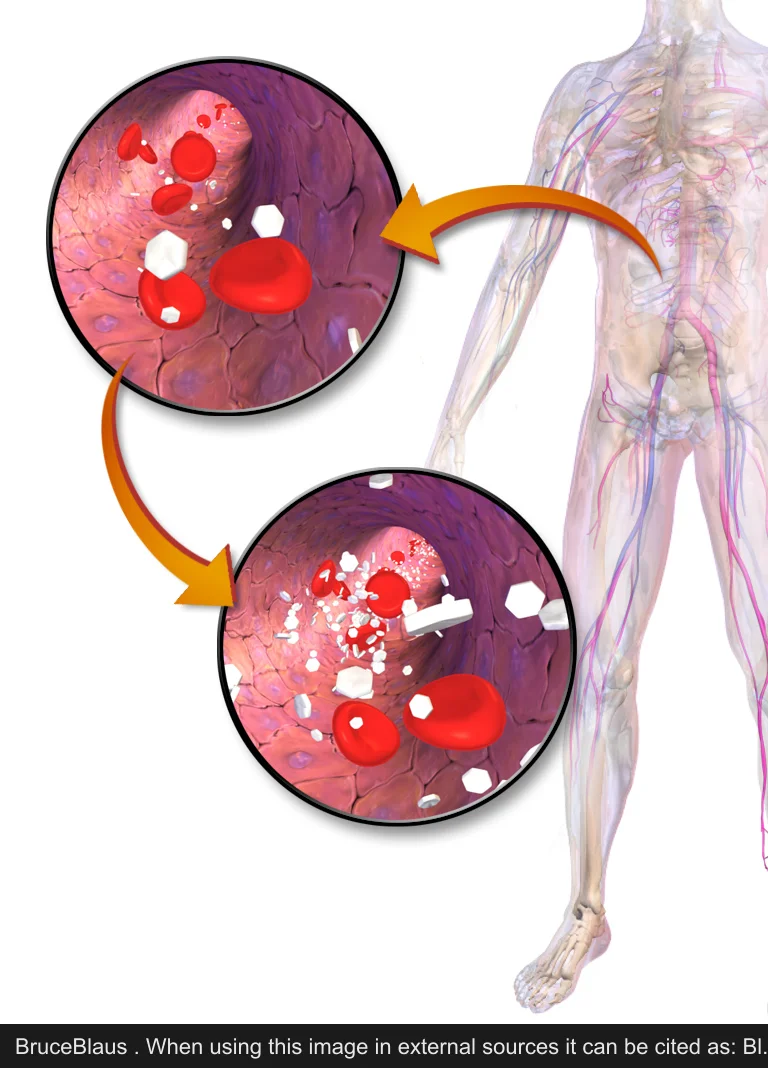
Aldosterone is secreted in excess for months. What blood and pressure change would follow?
Cortisol secretion drops too low during prolonged stress. Which consequence is most likely?
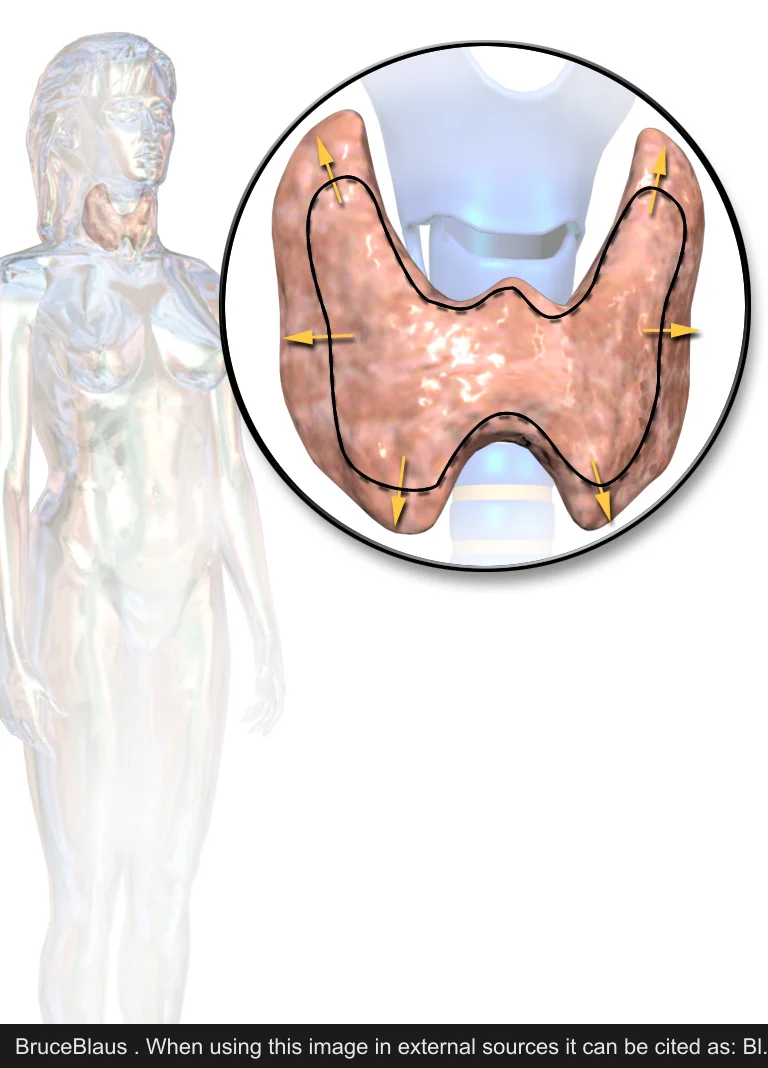
Iodine intake stays very low, so the thyroid cannot make enough thyroxine and pituitary TSH stays high. What visible change may follow?
Crack the passcode before the zombies get in.
Answer, then swat bugs for bonus points.
Race through questions at your own speed.
Same question on every screen. Fastest wins.

Pick a tile, answer, hit bonuses and steals.

Red Cells, White Cells and What Each One Does
30 questions