Loading
by BlastRoom
Refractive errors, cataract, glaucoma and the two kinds of hearing loss.
#us_hs_anatomy_physiology
20 questions
One question set, multiple game modes. Tap any game to see it in action. Not sure which to pick?
Answer to place stones and capture territory.
Outrun the snow together.
Earn blasts, then hunt the other team.
Answer to earn energy, then climb.

The class blasts through walls together.
Bid on mystery lots. Most money wins.
Sell tours. Nice, standard, or a total scam.

Answer, restock, and serve the rush.
More correct answers pulls the rope your way.
Answer, then shoot down the alien wave.
Answer, then tap to leap the frozen ridge.
A student reads nearby print clearly, but distant signs blur because the image forms in front of the retina. Which condition is that?
A patient sees a distant board clearly, but a close page is blurry because the image would focus behind the retina. Which refractive error is described?
An uneven corneal curve focuses light in different planes, so lines look distorted at both near and far distances. Which condition matches this pattern?
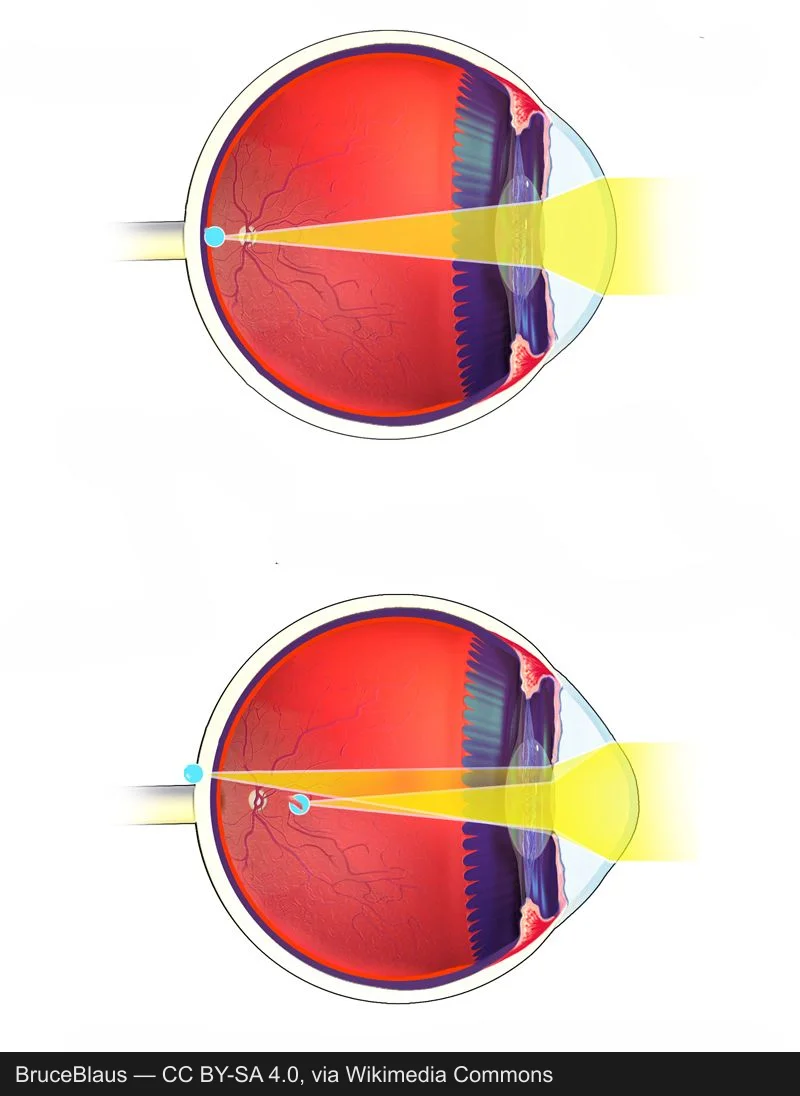
An eyeball is too long from front to back, so parallel light rays meet before reaching the retina and far objects look fuzzy. What refractive error results?
A shorter-than-normal eyeball or weak refraction places the focal point past the retina, making nearby text hard to see clearly. Which error is present?
The cornea and lens do not focus vertical and horizontal lines together on the retina, so the person sees distorted edges. Which refractive error is this?
In an older patient, the lens becomes opaque and scatters light, so vision dims year by year. Which condition has developed?
Aqueous humor drains poorly, pressure inside the eye rises, and optic nerve fibers are damaged. Which eye disease is described?
The conjunctiva becomes inflamed and reddened, with itching, discharge, and watering, while the lens and optic nerve stay unaffected. Which condition is this?
Chronic high pressure inside the eye compresses optic nerve tissue, first reducing peripheral vision. Which disease causes this damage?
After an eye injury, opacity in the lens blocks light before it reaches the retina. Which condition does this describe?
A patient develops sudden severe eye pain, blurred vision, and halos around lights as the drainage angle abruptly closes and pressure spikes within hours. Which eye emergency has occurred?
A surgeon removes a patient's clouded lens and replaces it with a clear artificial lens to restore sharp vision. Which condition does this surgery treat?
Wax blocks the external acoustic canal, but the cochlea and hair cells are healthy. Which kind of hearing loss results?
Loud noise damages cochlear hair cells, while the outer canal, tympanic membrane, and ossicles remain normal. What kind of hearing loss is this?
Fluid behind the tympanic membrane keeps the ossicles from moving normally, but the inner ear is healthy. Which hearing loss follows?
Cochlear receptors no longer convert vibrations into nerve impulses, but the external canal and ossicles are open. Which type of loss is present?
The stapes is fixed at the oval window, reducing vibration before it enters the inner ear; the cochlea itself is healthy. What loss results?
A medication injures hair cells in the organ of Corti, while the tympanic membrane and ossicles remain intact. Which hearing loss is expected?
A perforated tympanic membrane reduces movement of the middle-ear bones, but the cochlea and neural pathway are healthy. What type of loss occurs?
Crack the passcode before the zombies get in.
Answer, then swat bugs for bonus points.
Race through questions at your own speed.
Same question on every screen. Fastest wins.

Pick a tile, answer, hit bonuses and steals.
Hormones and Their Target Organs
40 questions