Loading
by BlastRoom
Relate heat, work, and internal energy using the first law of thermodynamics.
#physics
30 questions
One question set, multiple game modes. Tap any game to see it in action. Not sure which to pick?
Answer to place stones and capture territory.
Outrun the snow together.
Earn blasts, then hunt the other team.
Answer to earn energy, then climb.

The class blasts through walls together.
Bid on mystery lots. Most money wins.
Sell tours. Nice, standard, or a total scam.

Answer, restock, and serve the rush.
More correct answers pulls the rope your way.
Answer, then shoot down the alien wave.
Answer, then tap to leap the frozen ridge.
In the figure, a gas receives 800 J of heat and its internal energy increases by 200 J. How much work does the gas do on its surroundings?
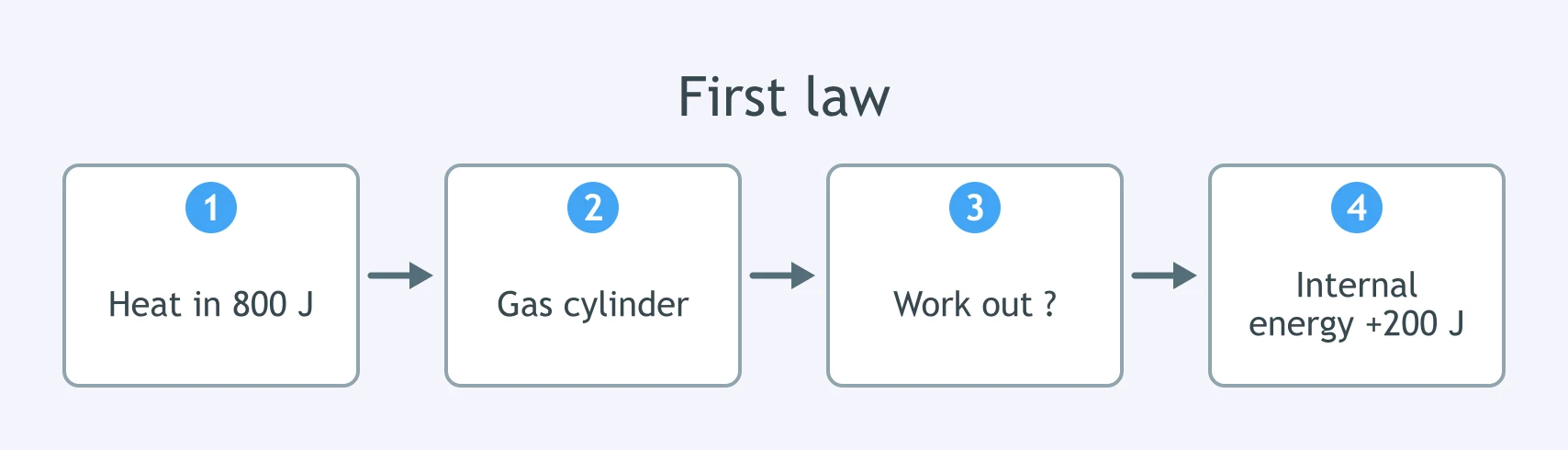
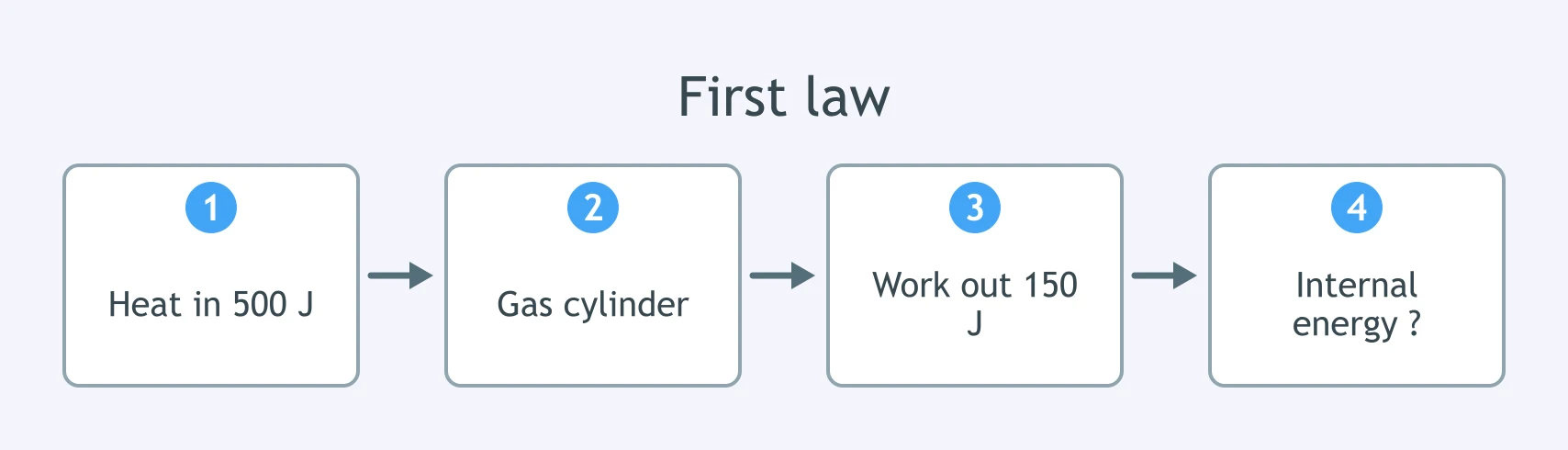
In the figure, a gas receives 500 J of heat and does 150 J of work on its surroundings. What is the change in internal energy?
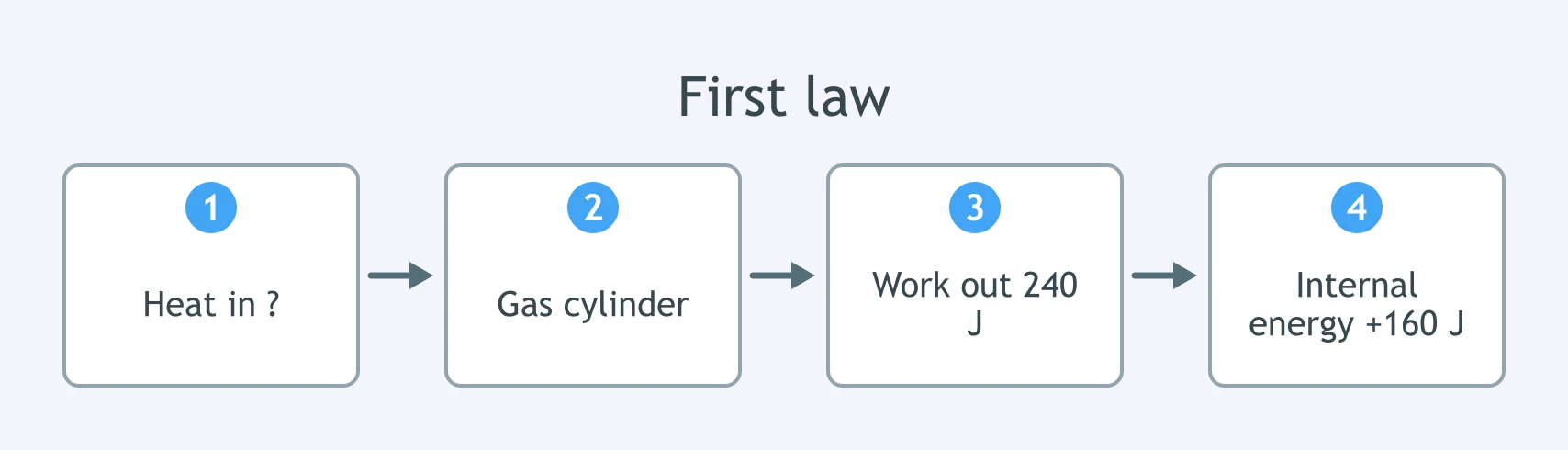
The figure shows a gas doing 240 J of work while its internal energy increases by 160 J. How much heat was added to the gas?
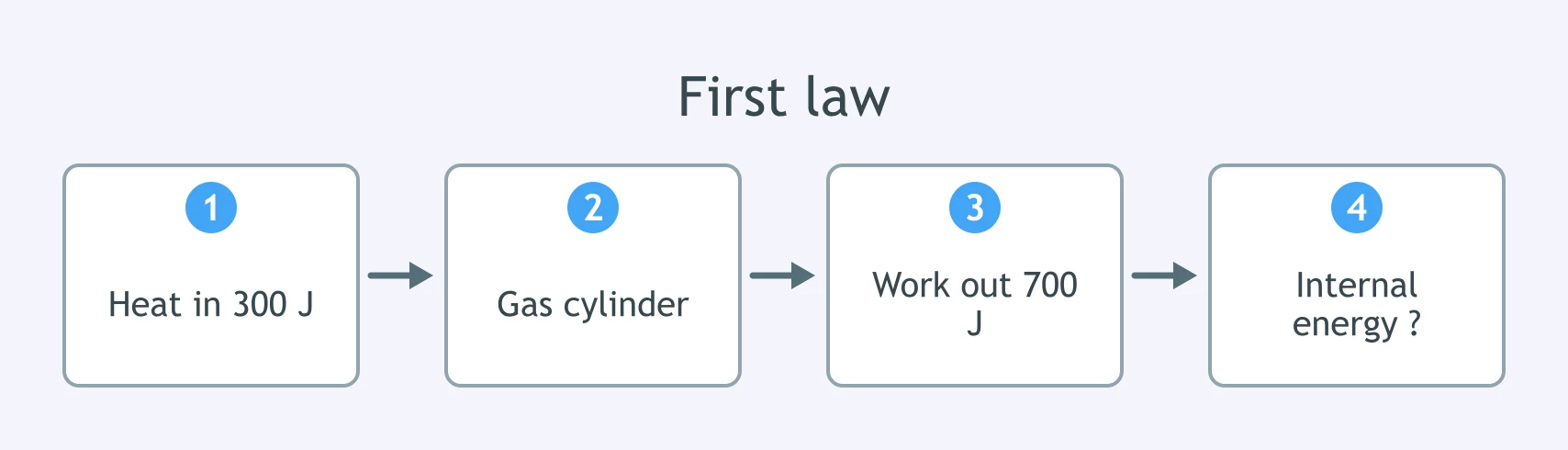
A figure shows 300 J of heat added to a gas and 700 J of work done by the gas. What change in internal energy belongs in the blank?
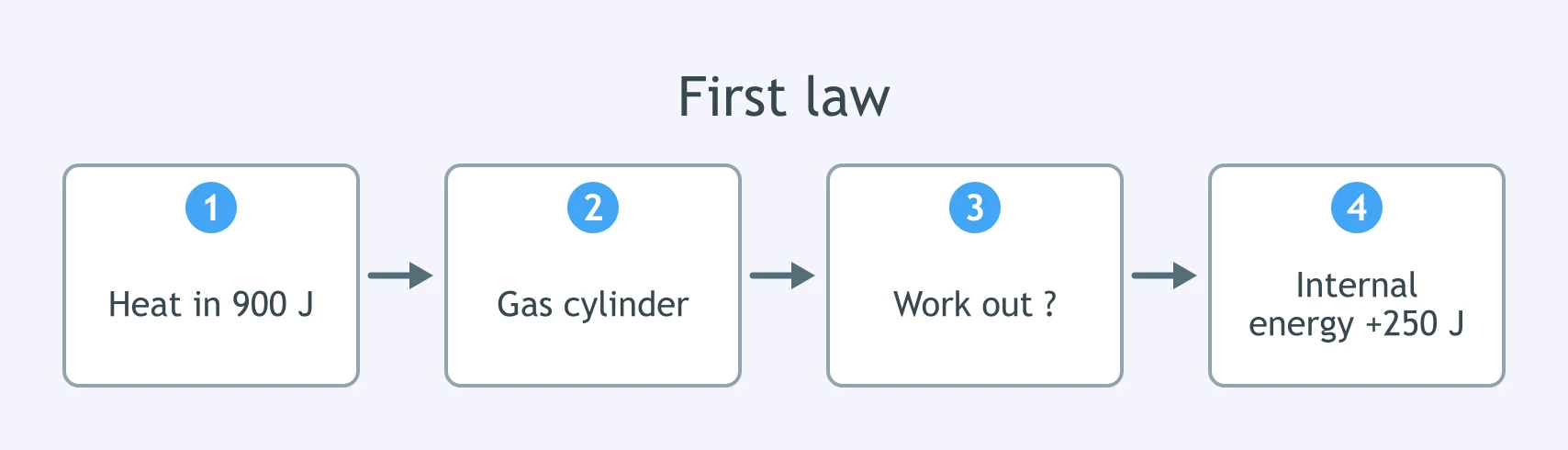
In the figure, 900 J of heat enters a gas and the internal energy increases by 250 J. What work does the gas do on the surroundings?
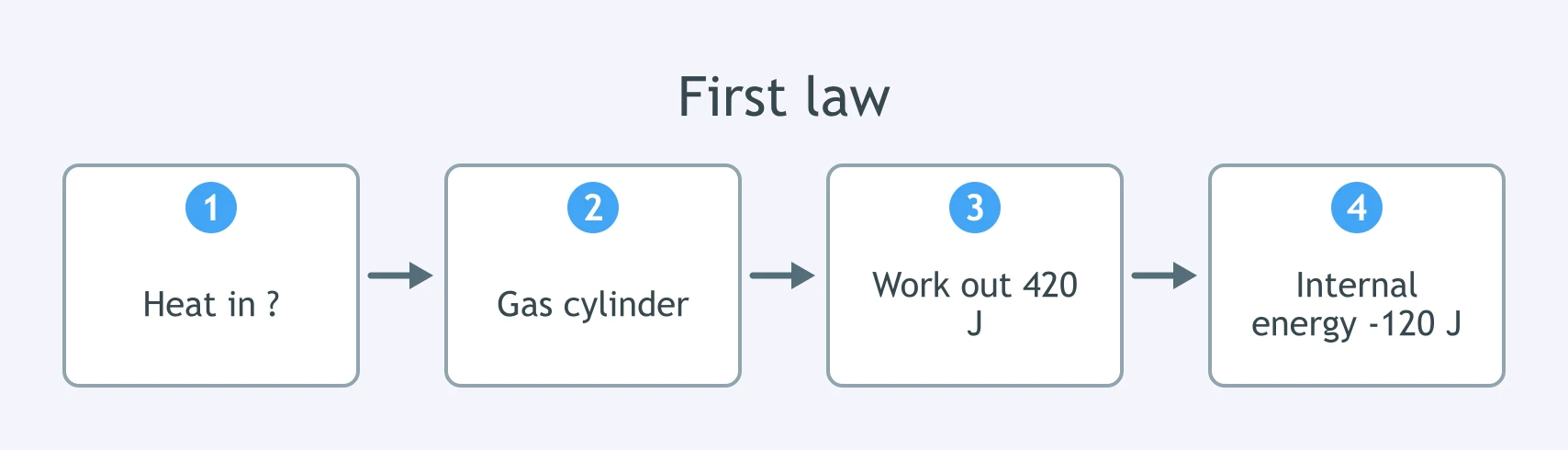
The figure shows a gas doing 420 J of work while its internal energy decreases by 120 J. How much heat was added?
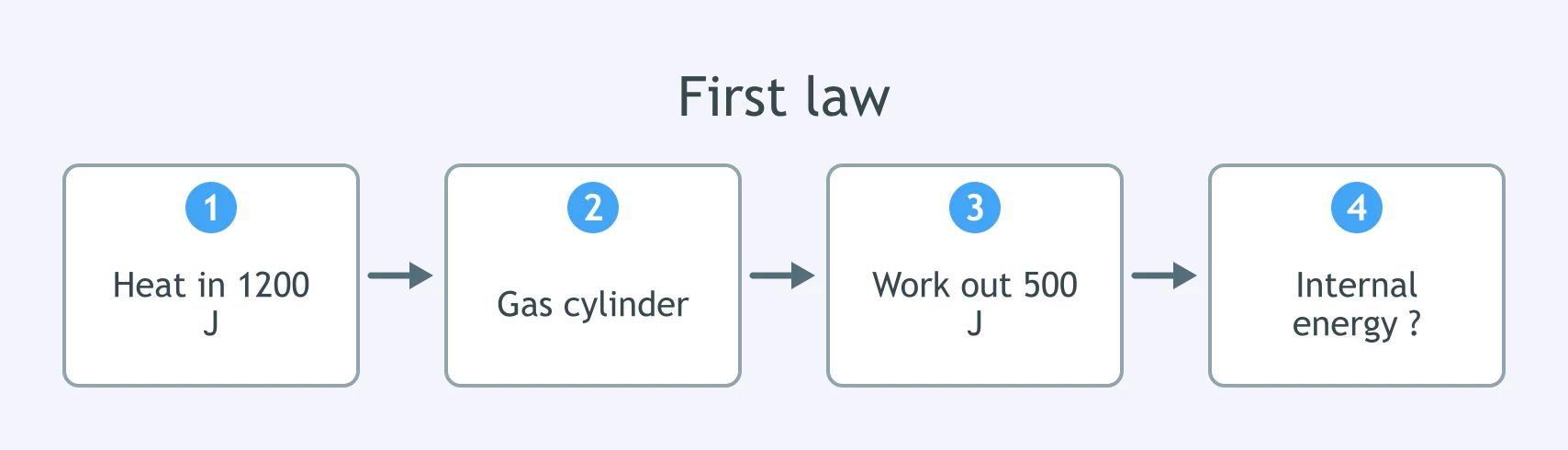
A figure shows 1,200 J of heat added to a gas and 500 J of work done by the gas. What is the change in internal energy?
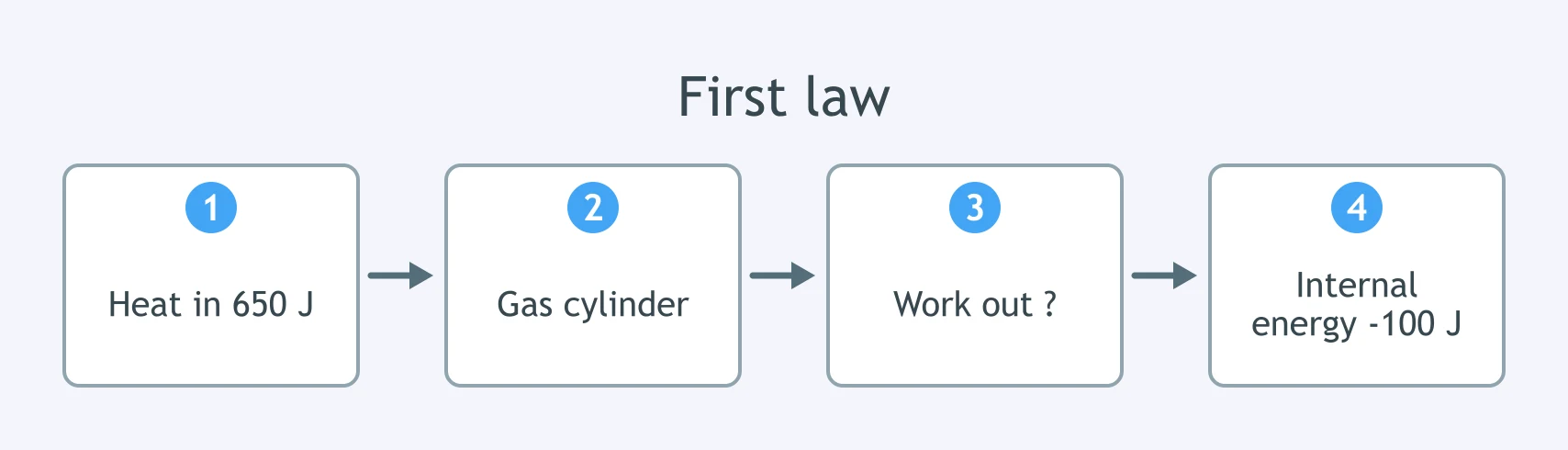
In the figure, 650 J of heat is added to a gas and its internal energy decreases by 100 J. How much work does the gas do?
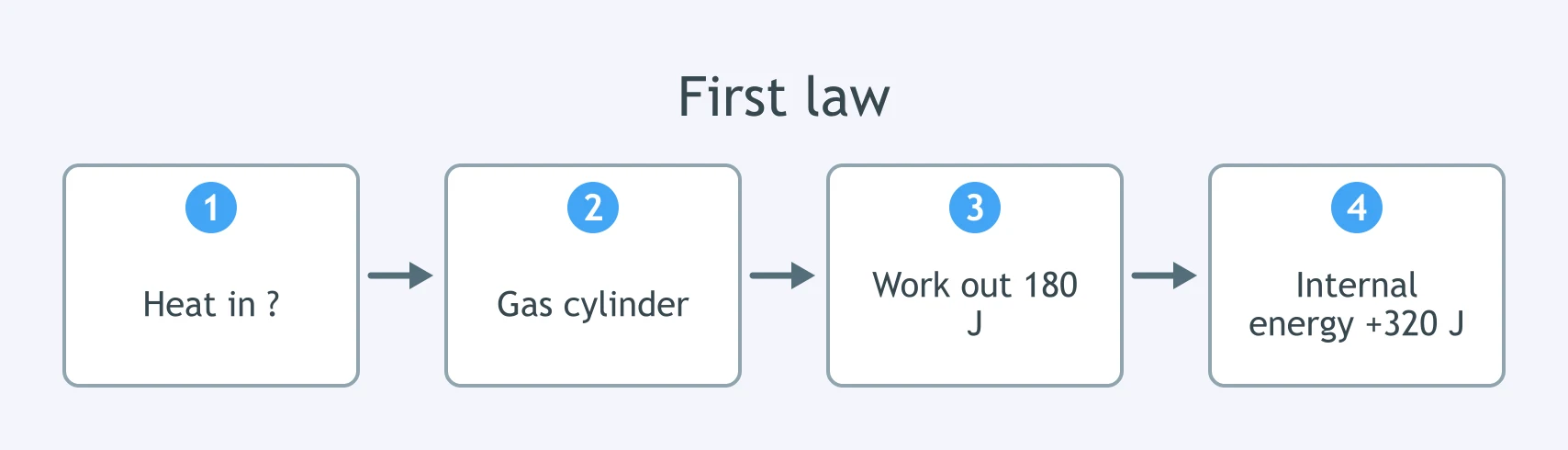
A figure shows a gas doing 180 J of work and its internal energy increasing by 320 J. How much heat enters the gas?
The figure shows 400 J of heat added to a gas and 400 J of work done by the gas. What is the change in internal energy?
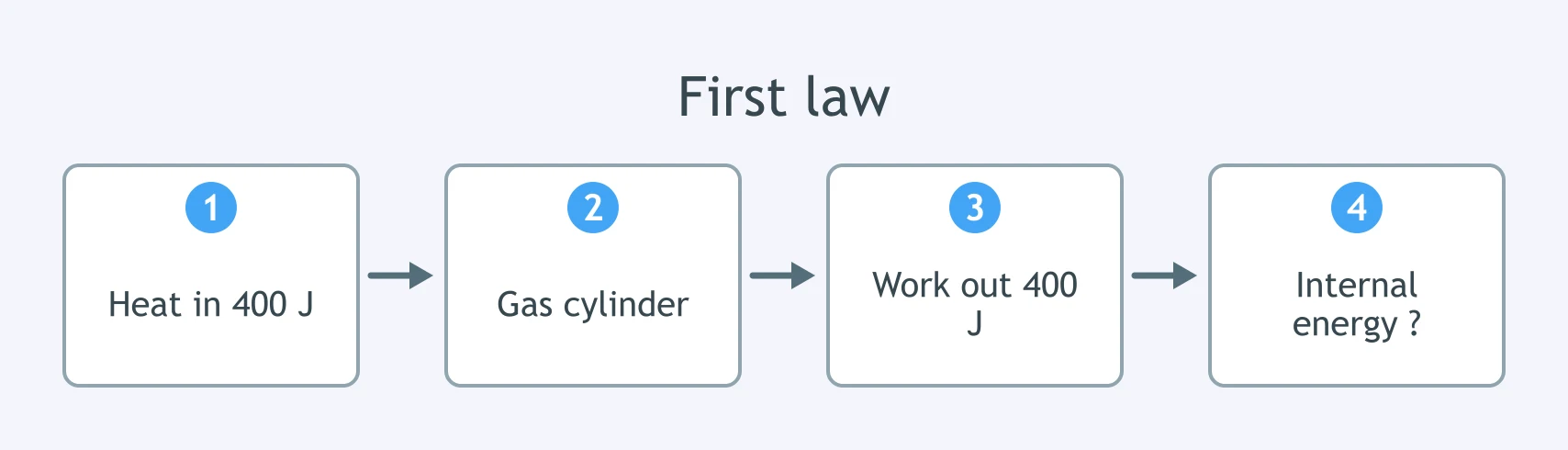
A gas absorbs 450 J of heat from a flame and does 300 J of work on the surroundings. Taking an increase as positive, what is ΔU?
A gas gives 200 J of heat to the surroundings while 90 J of work is done on the gas. What is the change in internal energy?
A gas absorbs 120 J of heat while a piston does 350 J of work on the gas. What is the signed change in internal energy?
A gas releases 600 J of heat and does 150 J of work on its surroundings. What is the change in internal energy?
A gas absorbs 800 J of heat while a piston compresses it, doing 200 J of work on the gas. What is ΔU?
An insulated gas does 220 J of work on its surroundings, and no heat crosses the boundary. What is the change in internal energy?
During a constant-pressure expansion, a gas absorbs 1,000 J of heat and does 1,300 J of work. What is ΔU?
A gas loses 350 J of heat while the surroundings do 500 J of work on it. What is the change in internal energy?
A gas in a rigid tank absorbs 75 J of heat, and the tank volume does not change. What is the change in internal energy?
A gas releases 900 J of heat and also does 100 J of work on the surroundings. What is its change in internal energy?
An ideal gas expands isothermally and does 180 J of work on the surroundings. What must happen for its temperature to stay constant?
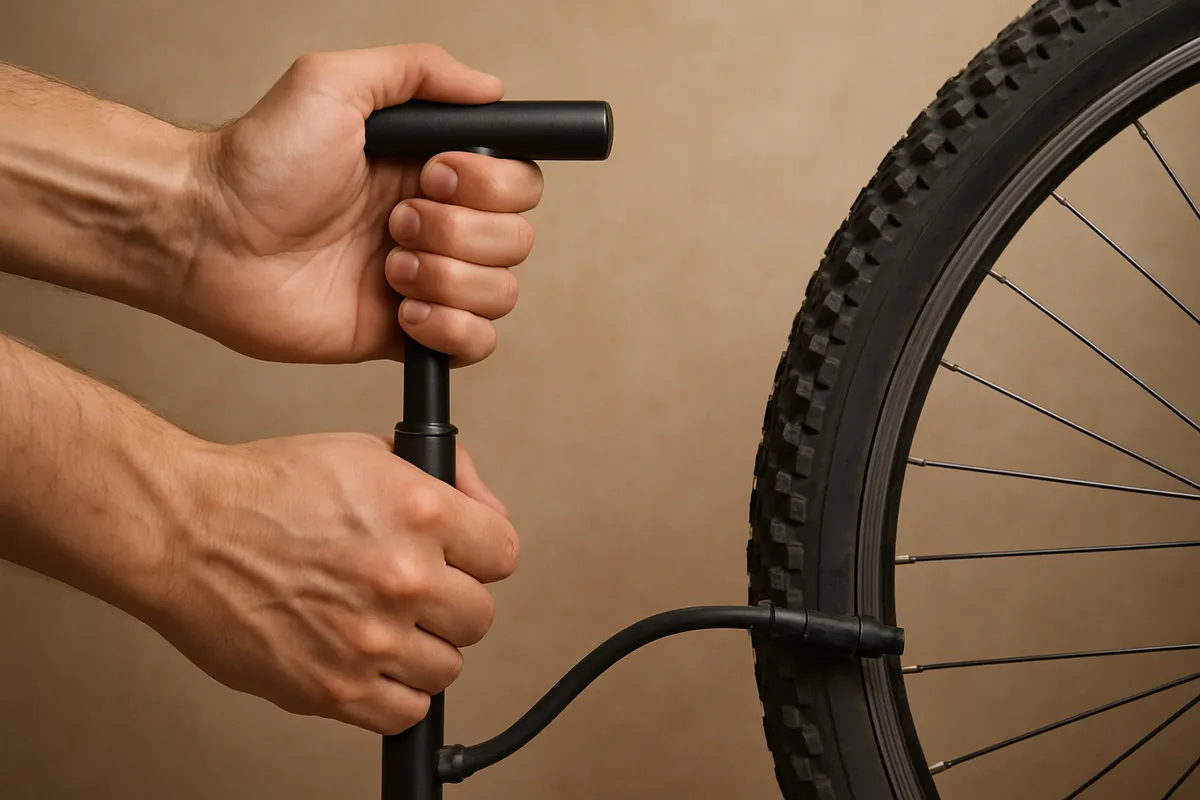
A bicycle pump is insulated, and the handle does 250 J of work on the trapped air during compression. What happens to the air?
A sealed rigid container of gas is heated with 600 J of energy, but its volume cannot change. Which statement is correct?
A well-insulated gas expands and does 300 J of work on its surroundings. What happens to its internal energy and temperature?
A gas is compressed isothermally, and the surroundings do 120 J of work on the gas. What heat transfer keeps ΔU = 0?
A rigid metal tank of gas cools and releases 80 J of heat while its volume stays fixed. What happens to the gas?
With Q positive for heat added and W positive for work done by the system, which equation states the first law?
In the first law of thermodynamics, what does a positive value of Q mean?
In ΔU = Q − W, what does a positive value of W mean?
Which statement best describes heat and work in the first law of thermodynamics?
Crack the passcode before the zombies get in.
Answer, then swat bugs for bonus points.
Race through questions at your own speed.
Same question on every screen. Fastest wins.

Pick a tile, answer, hit bonuses and steals.
Heat Engines and Refrigerators
30 questions