Loading
by BlastRoom
Practice tracking energy through heat engines and refrigerators using the reservoir model.
#physics
30 questions
One question set, multiple game modes. Tap any game to see it in action. Not sure which to pick?
Answer to place stones and capture territory.
Outrun the snow together.
Earn blasts, then hunt the other team.
Answer to earn energy, then climb.

The class blasts through walls together.
Bid on mystery lots. Most money wins.
Sell tours. Nice, standard, or a total scam.

Answer, restock, and serve the rush.
More correct answers pulls the rope your way.
Answer, then shoot down the alien wave.
Answer, then tap to leap the frozen ridge.
Use the energy-flow figure for one engine cycle. enters from the hot reservoir and leaves to the cold reservoir. What is the engine's efficiency?
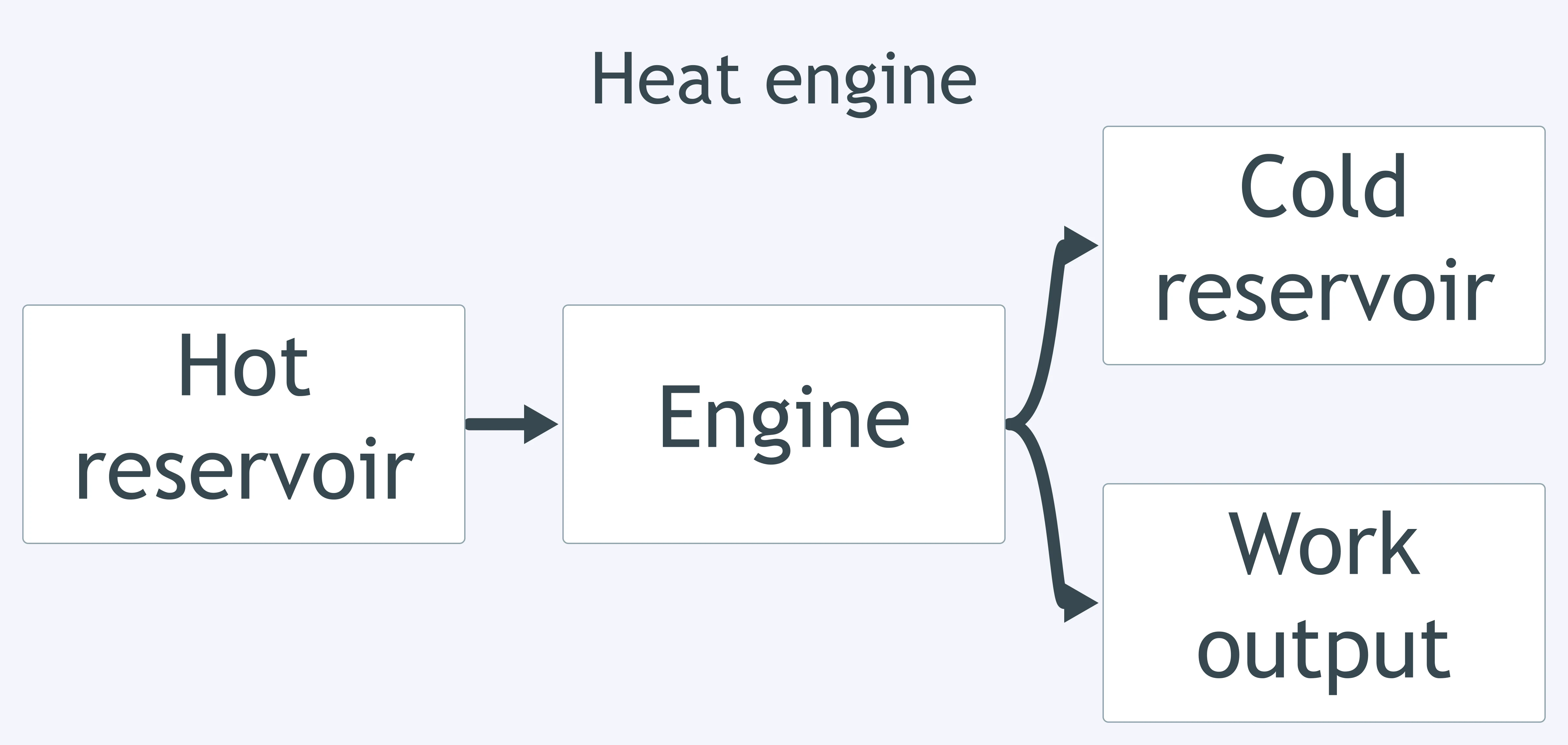
In the figure, a heat engine receives kJ from the hot reservoir and produces W = 1.5 kJ of useful work. How much energy is rejected to the cold reservoir?
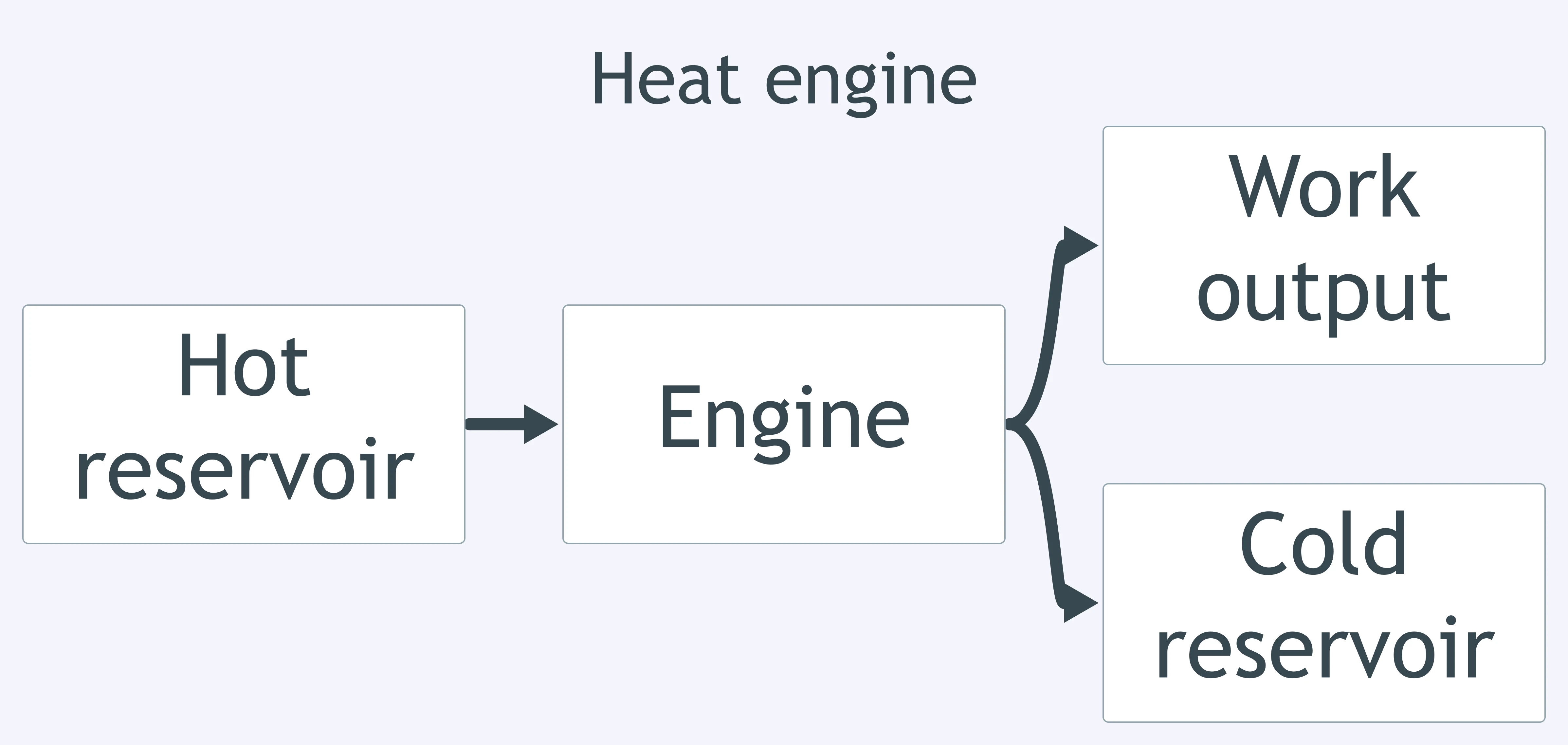
The figure shows a heat engine. enters the engine and W = 270 J leaves as useful work. How much energy flows to the cold reservoir?
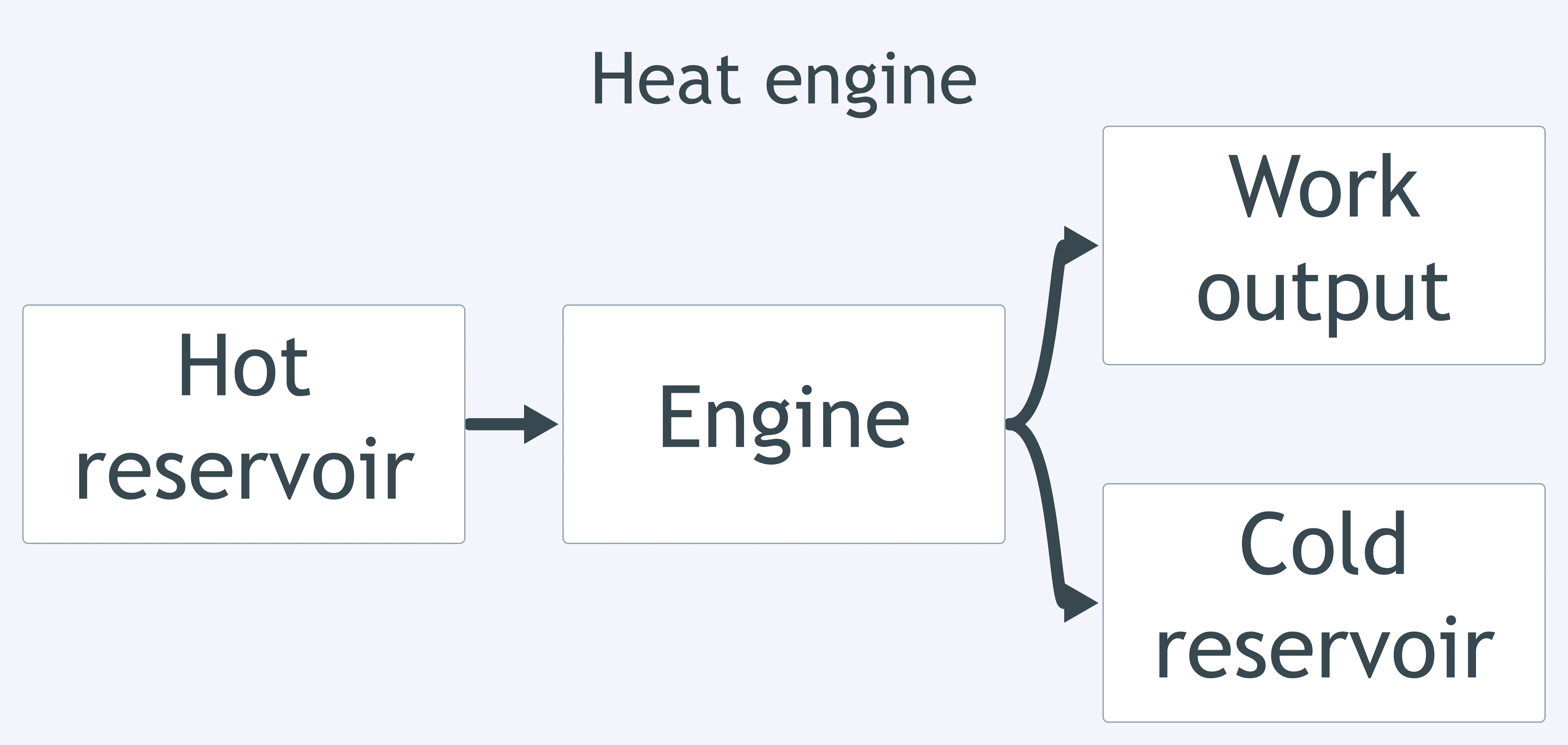
In the heat-engine figure, W = 180 J leaves the engine as work and is dumped into the cold reservoir. What is ?
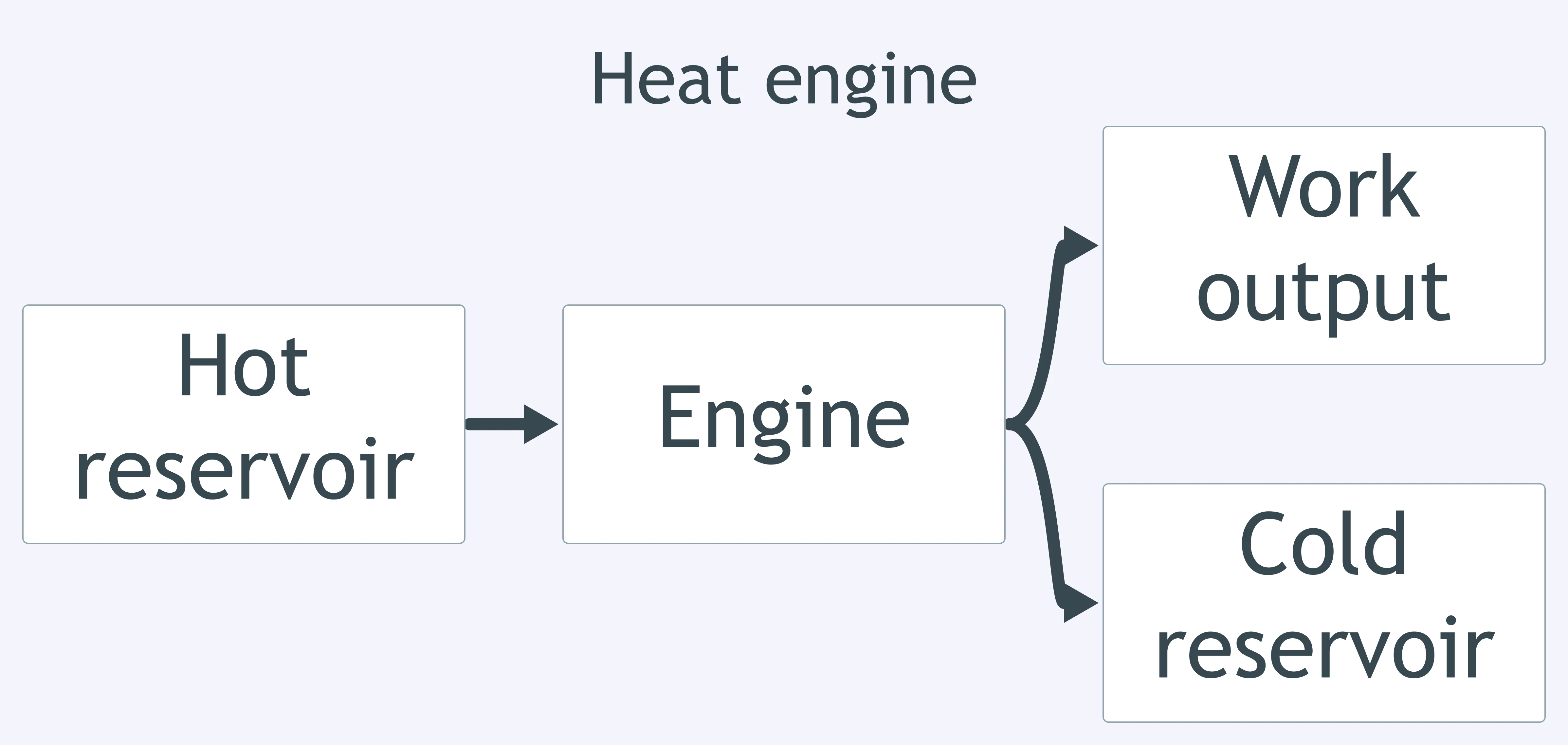
In the engine figure, kJ enters from the hot reservoir and kJ leaves to the cold reservoir. What is the efficiency of the engine?
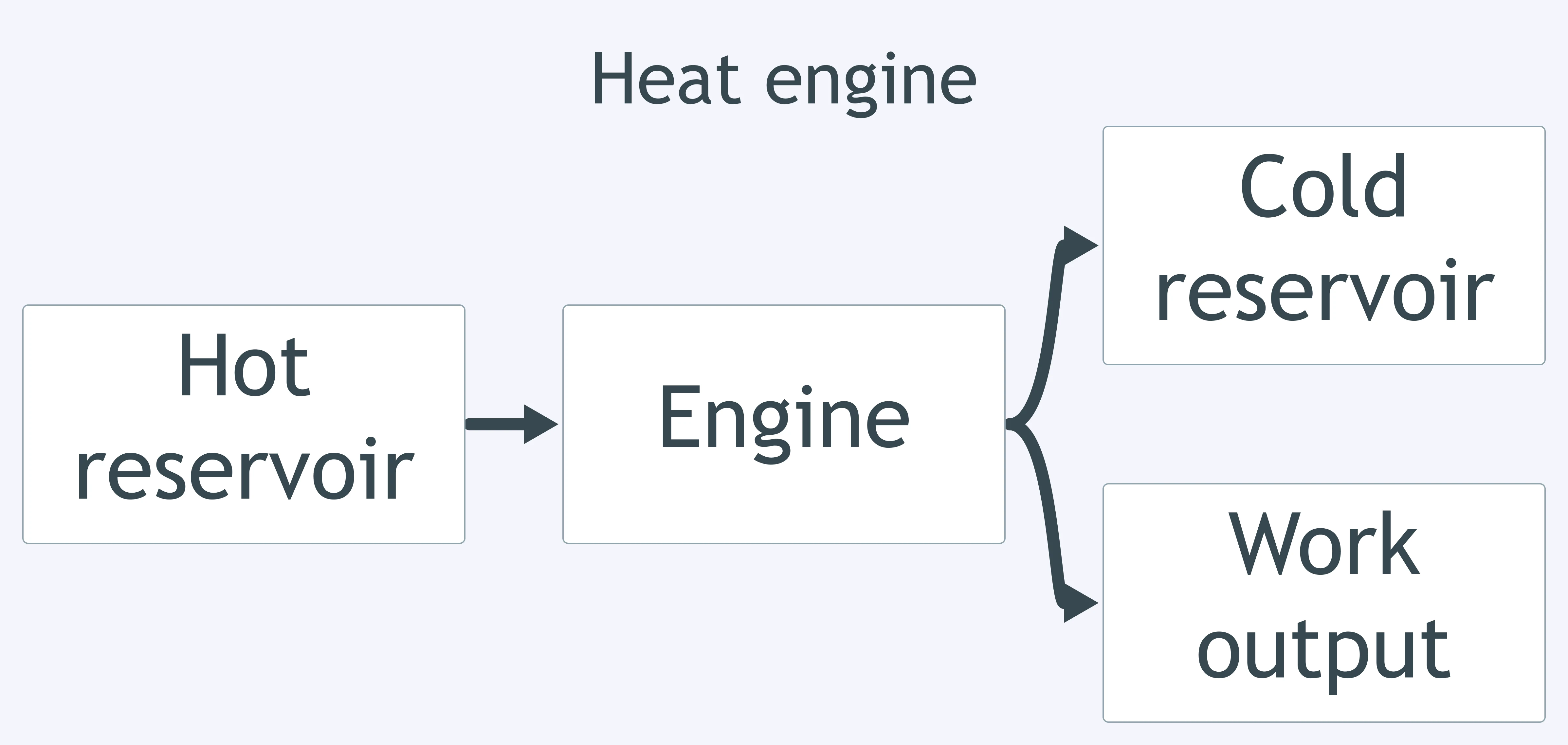
The figure shows a heat engine with and . How much useful work does the engine produce in one cycle?
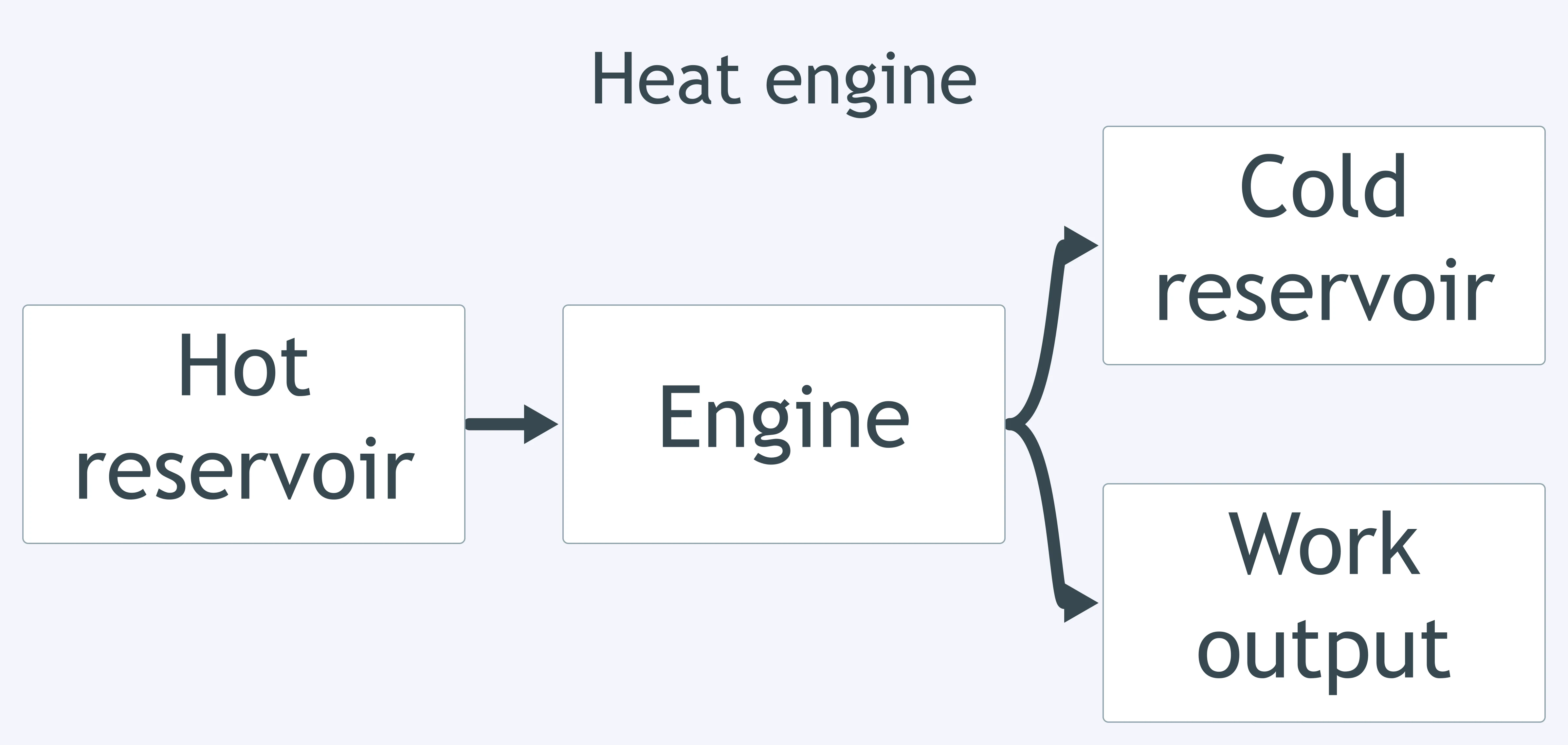
In the heat-engine figure, kJ enters the engine and W = 2.4 kJ leaves as work. What is the engine's efficiency?
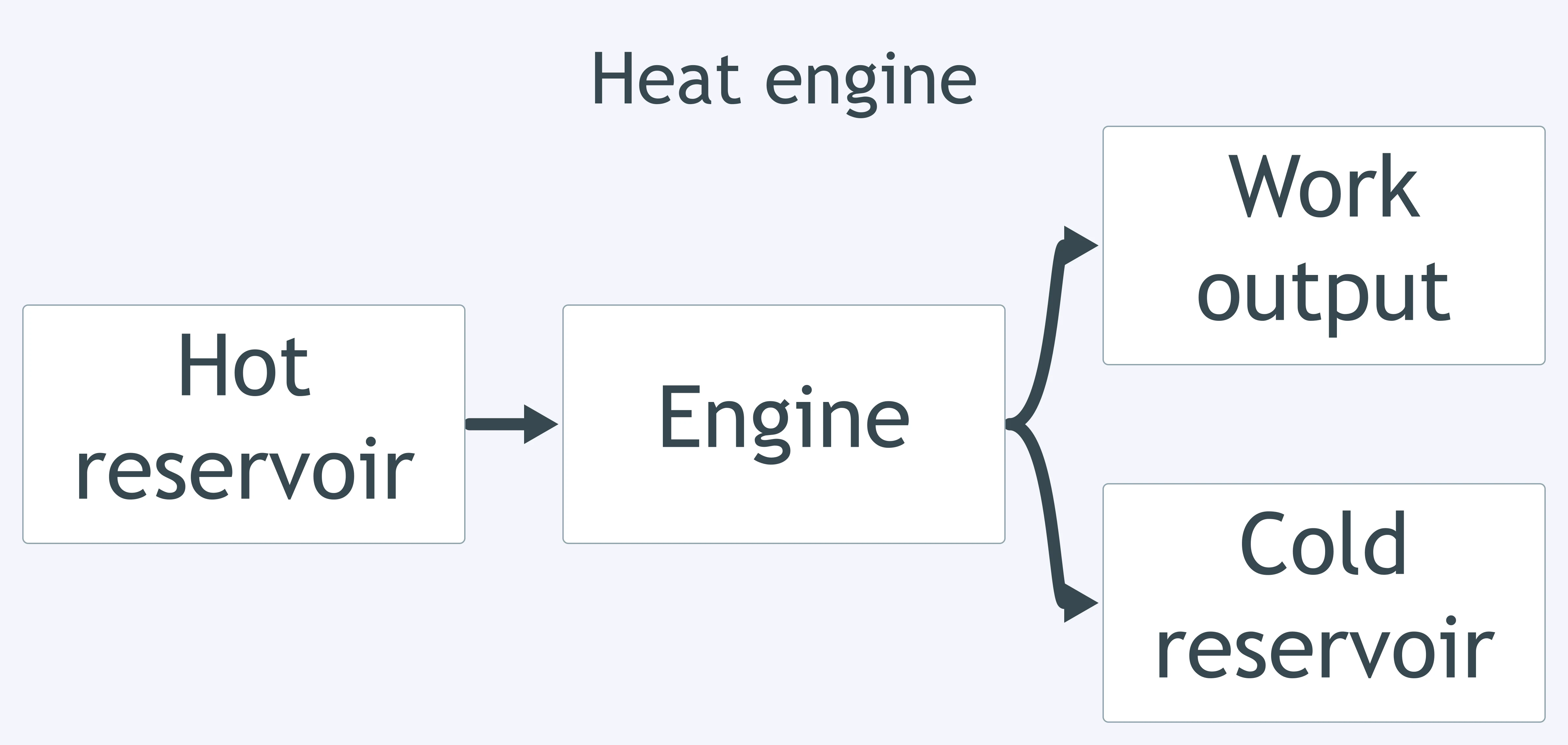
In the heat-engine figure, W = 450 J of work is output and is rejected to the cold reservoir. What is the engine's efficiency?
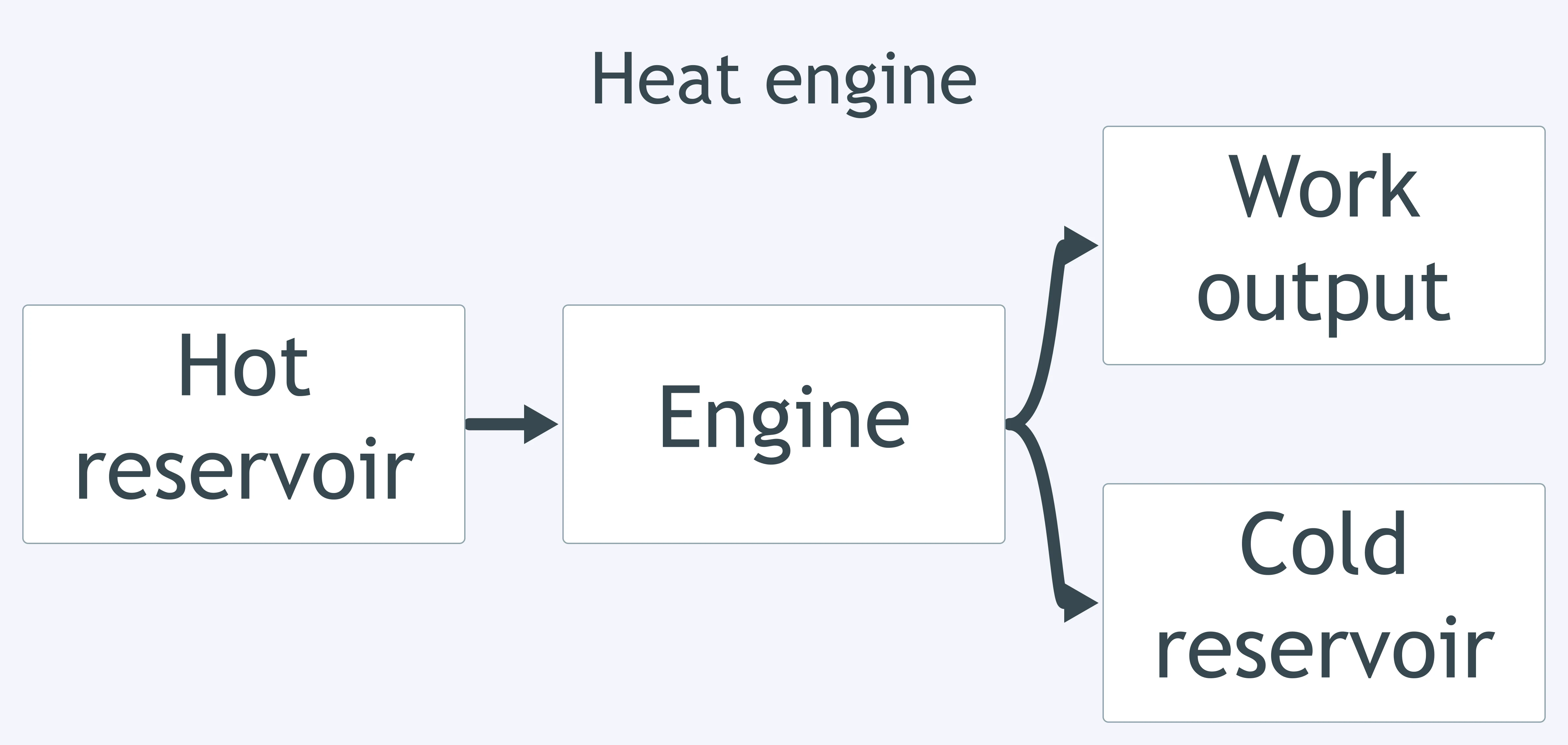
In the engine figure, kJ enters from the hot reservoir and kJ is rejected to the cold reservoir. What is W?
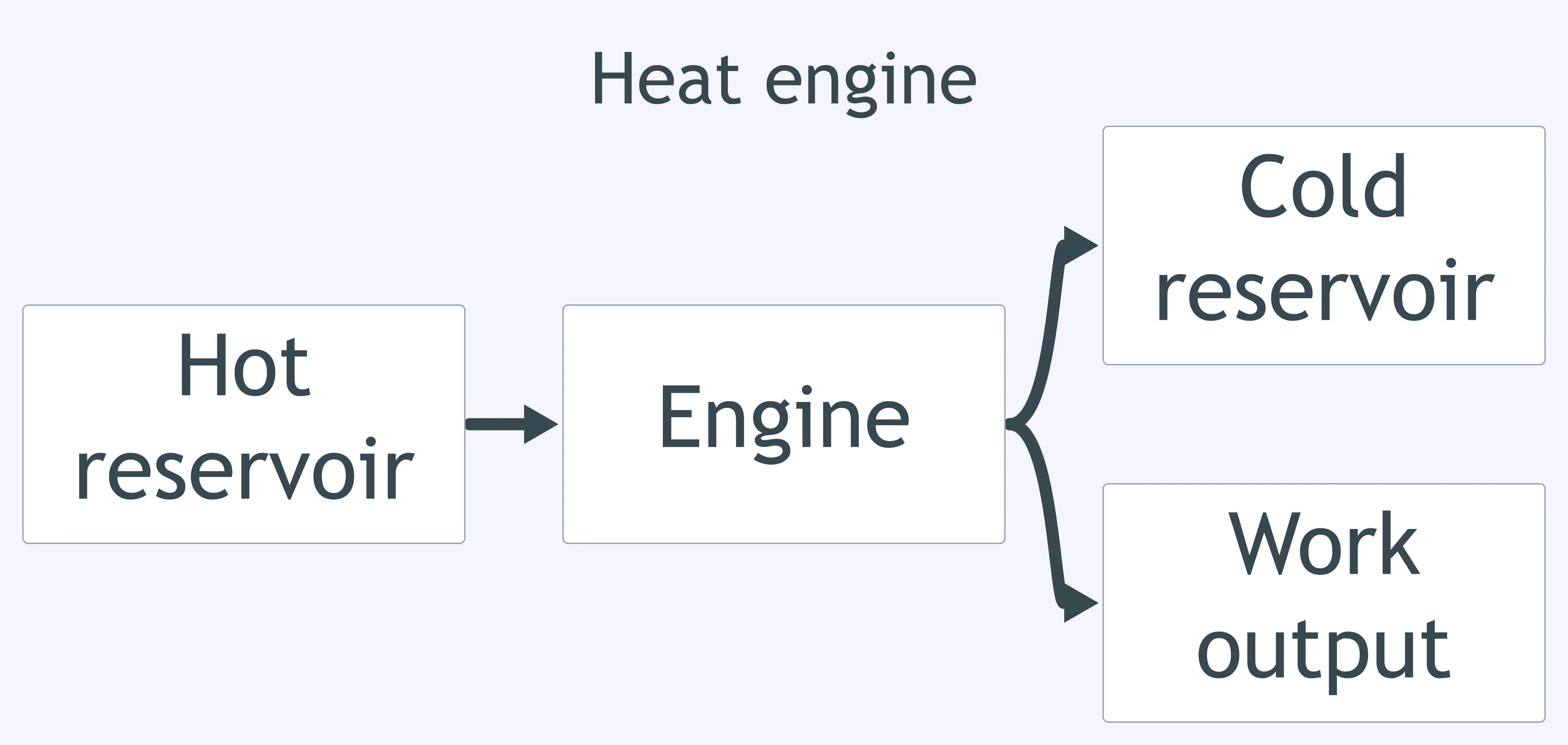
In the heat-engine figure, and . What efficiency should be reported for this engine?
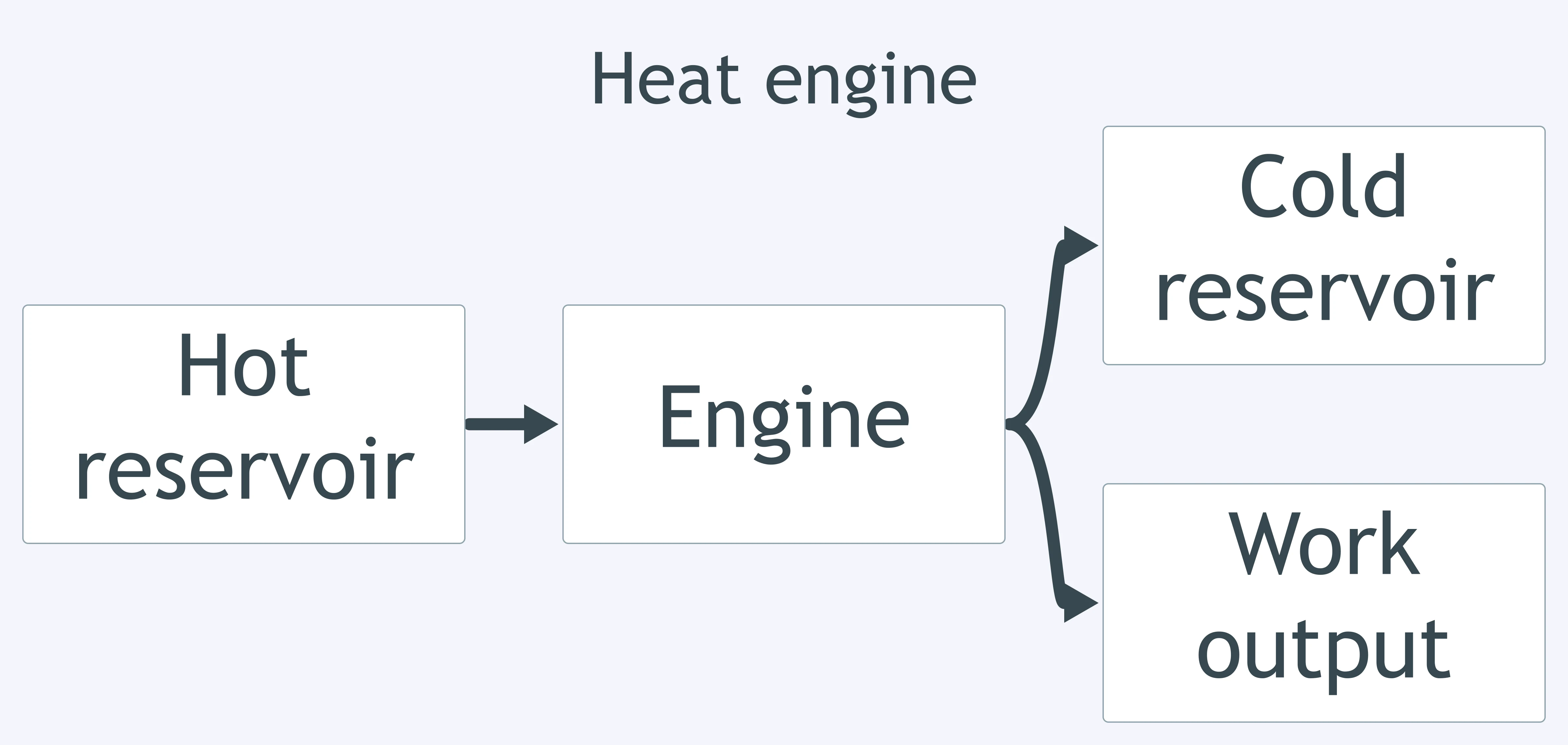
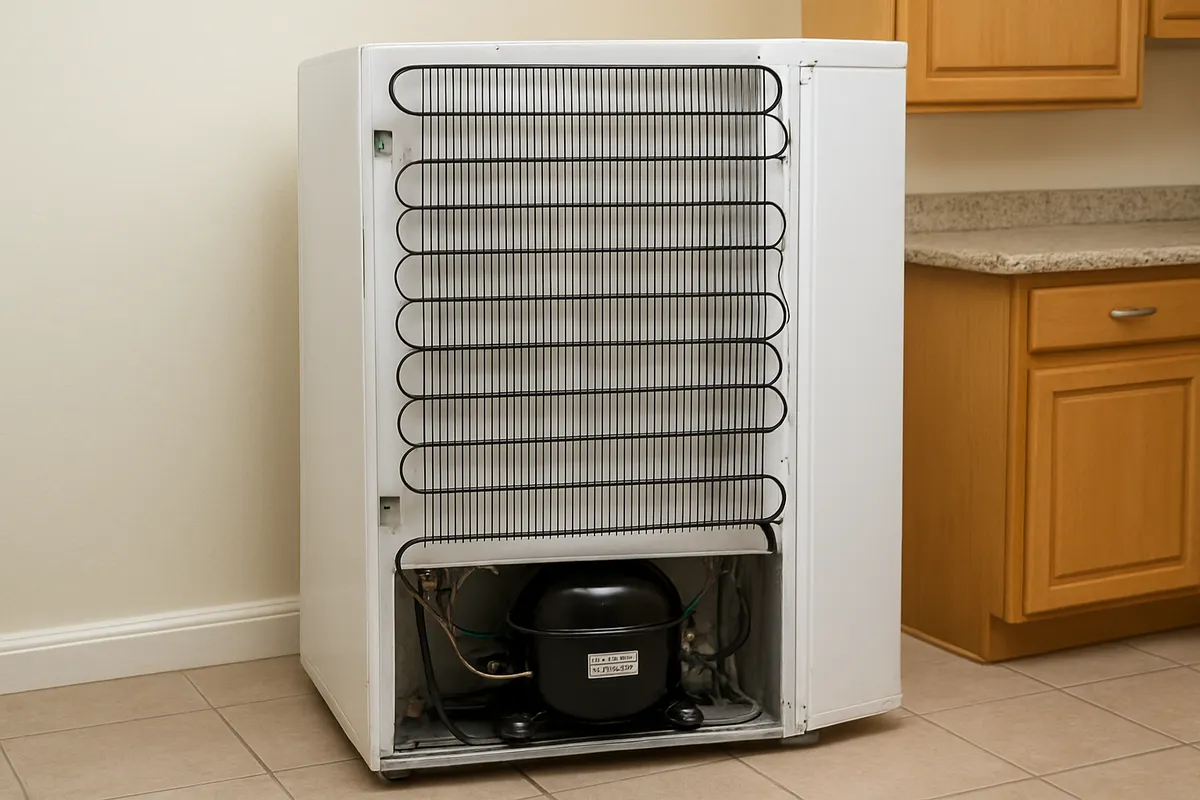
In the refrigerator figure, is removed from the cold interior and W = 200 J is supplied to the compressor. How much energy is delivered to the kitchen?
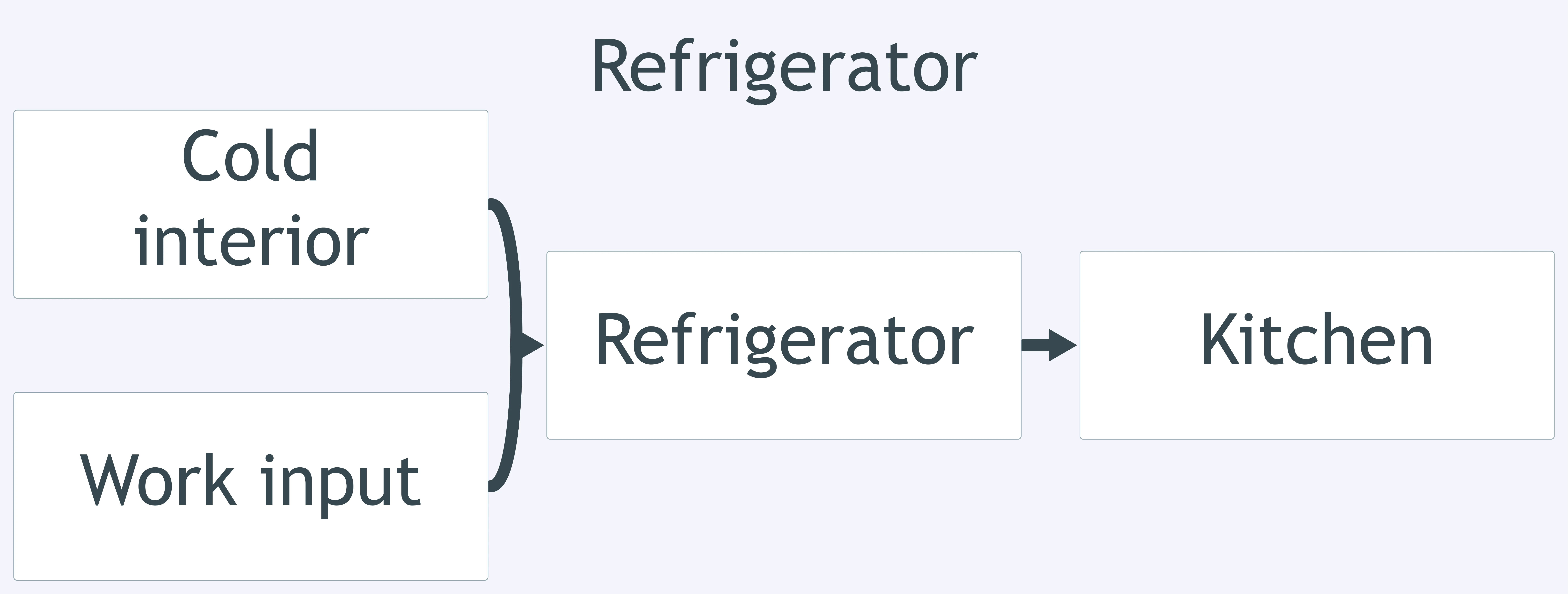
In the freezer figure, kJ is removed from the freezer compartment and kJ is delivered to the room. What work is supplied?
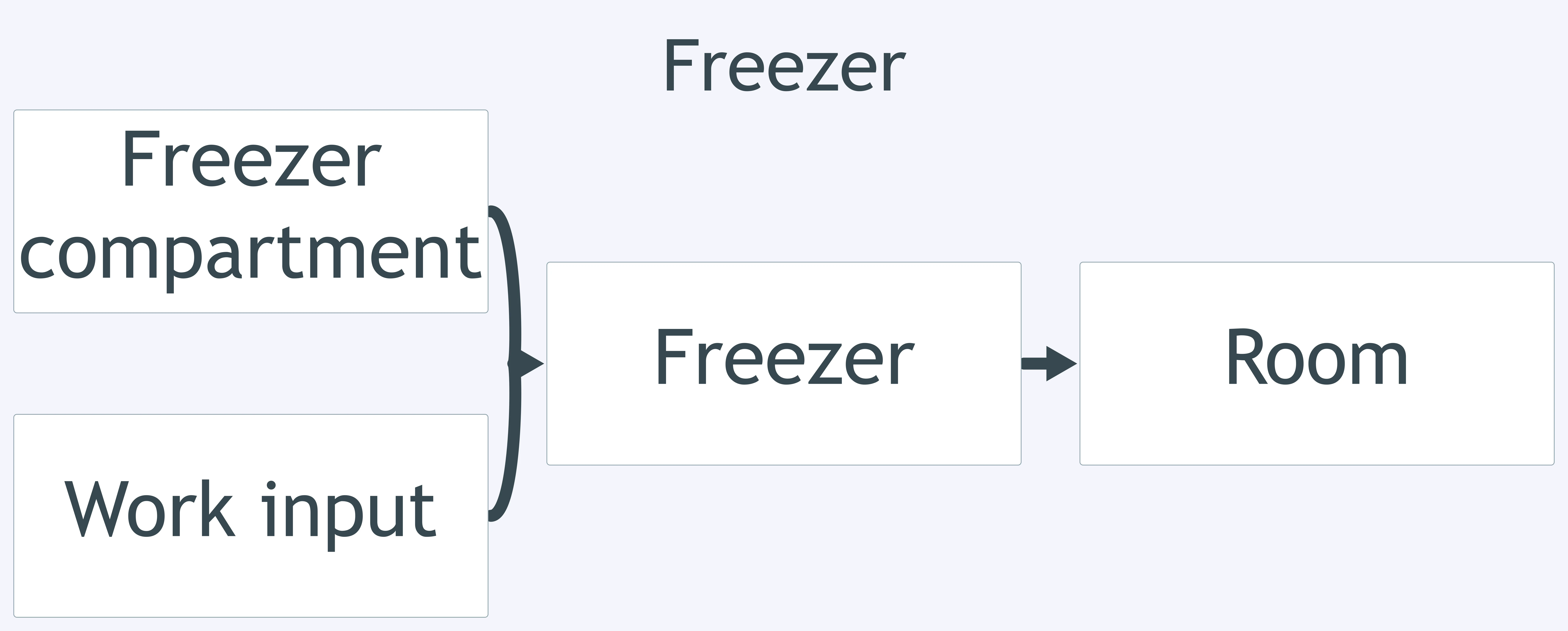
In the heat-pump figure, kJ is taken from the cold outdoor air and W = 1.0 kJ is supplied by the compressor. What is , the energy delivered indoors?
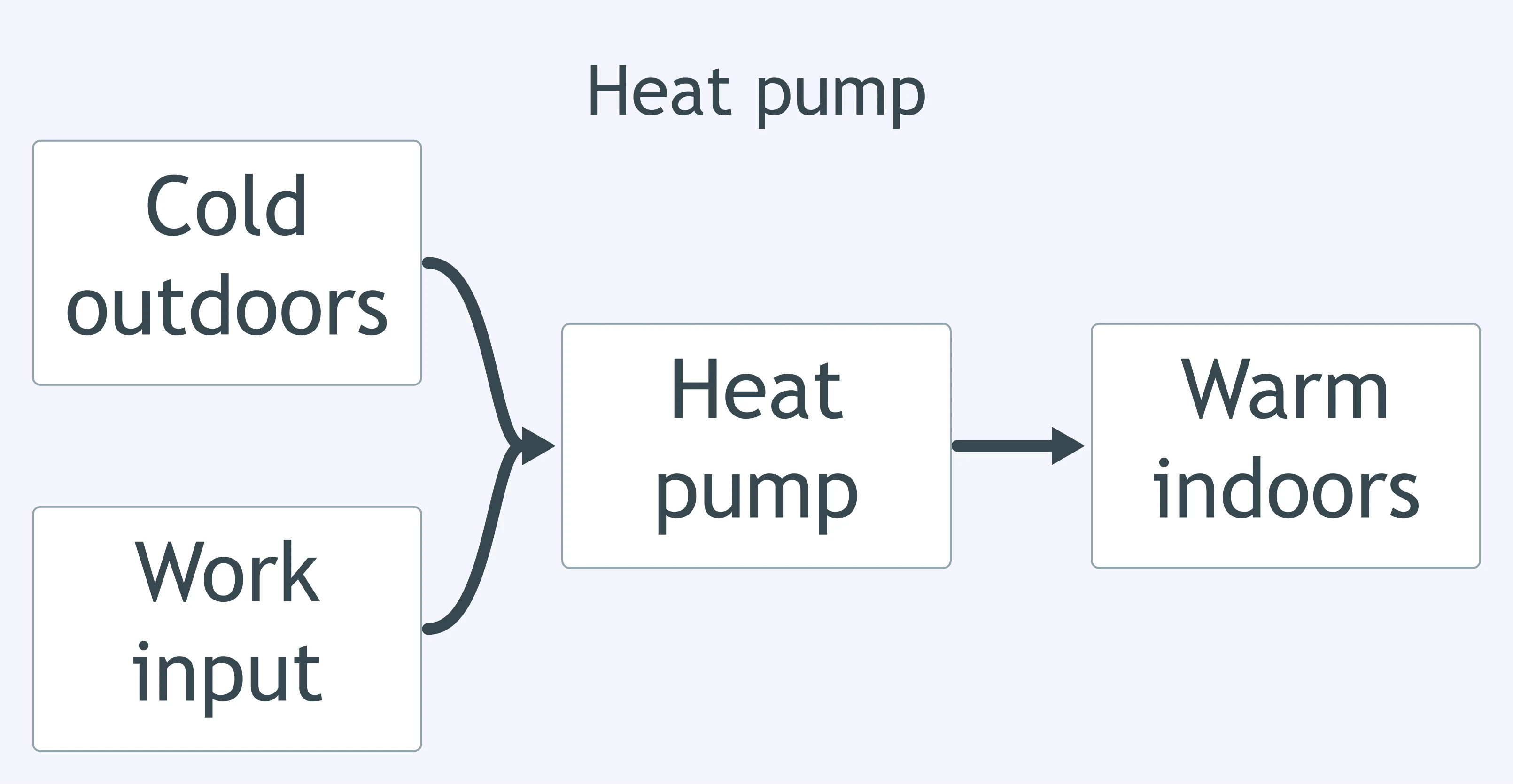
In the refrigerator figure, is delivered to the room and W = 250 J is supplied by the motor. How much energy was removed from the cold interior?
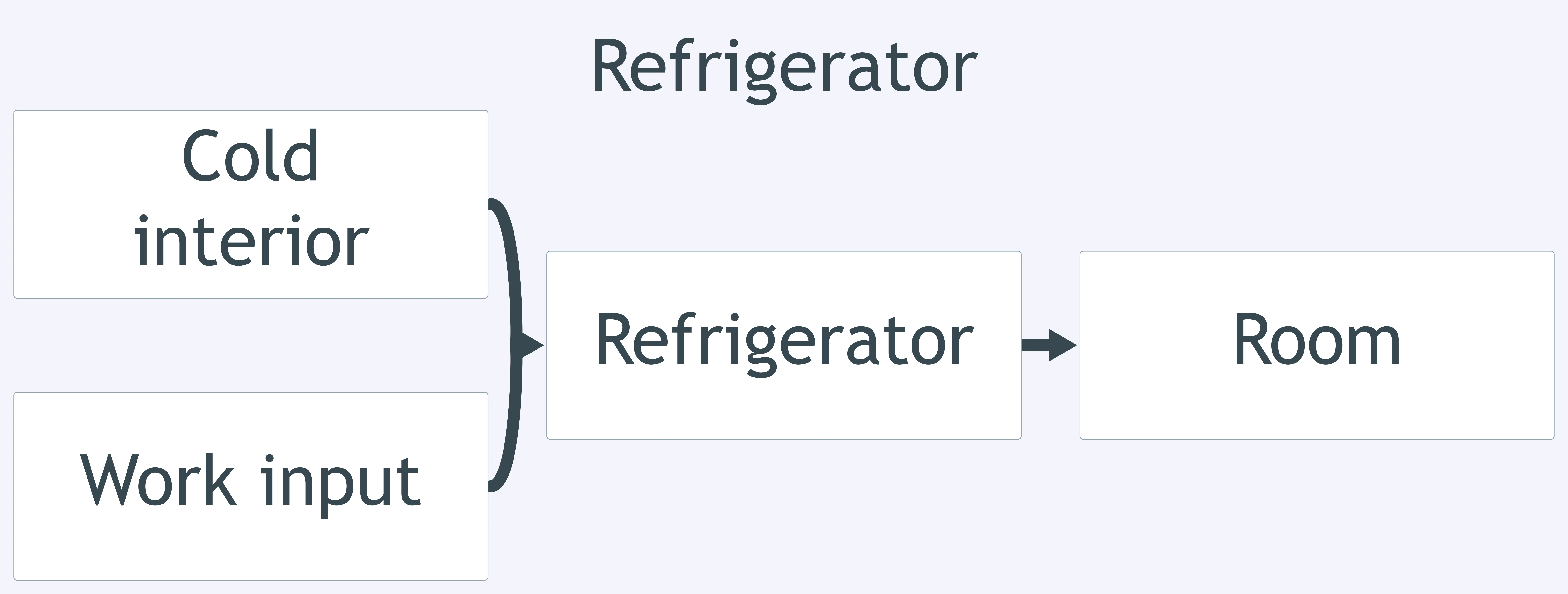
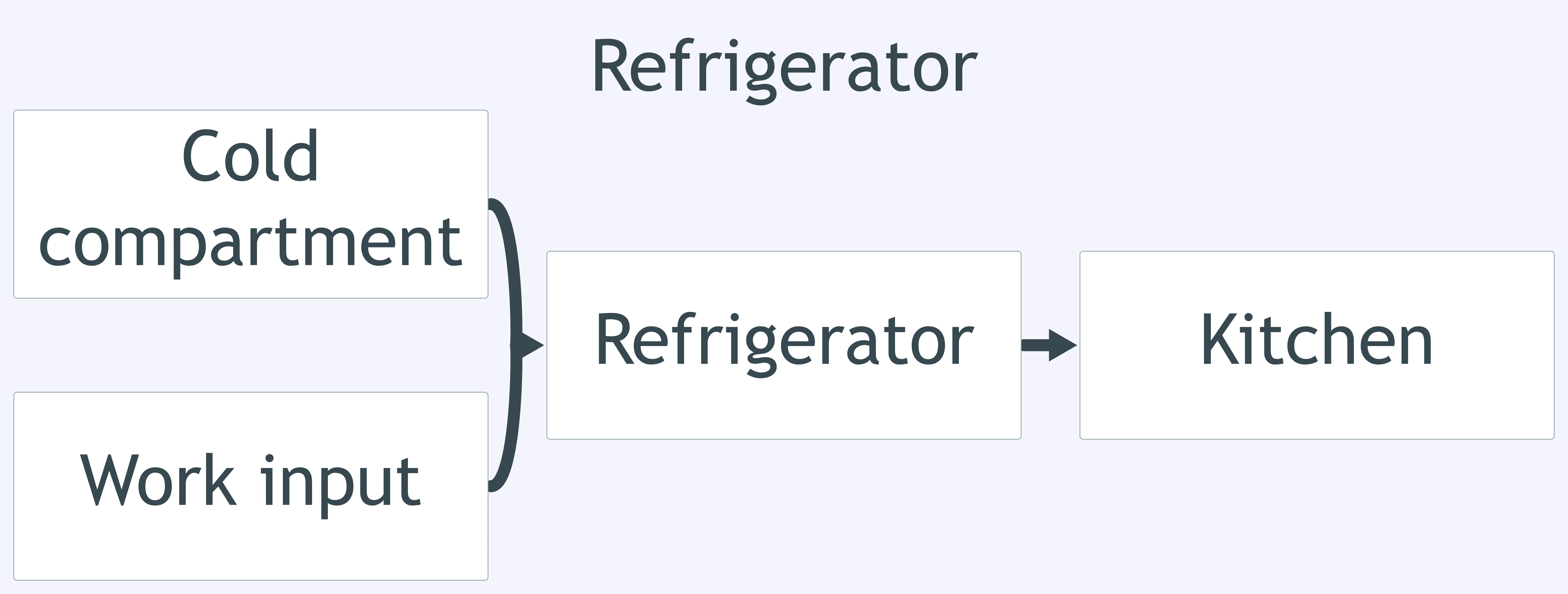
A refrigerator figure shows removed from the cold compartment and W = 180 J supplied to the compressor. Which statement correctly names the energy delivered to the kitchen?
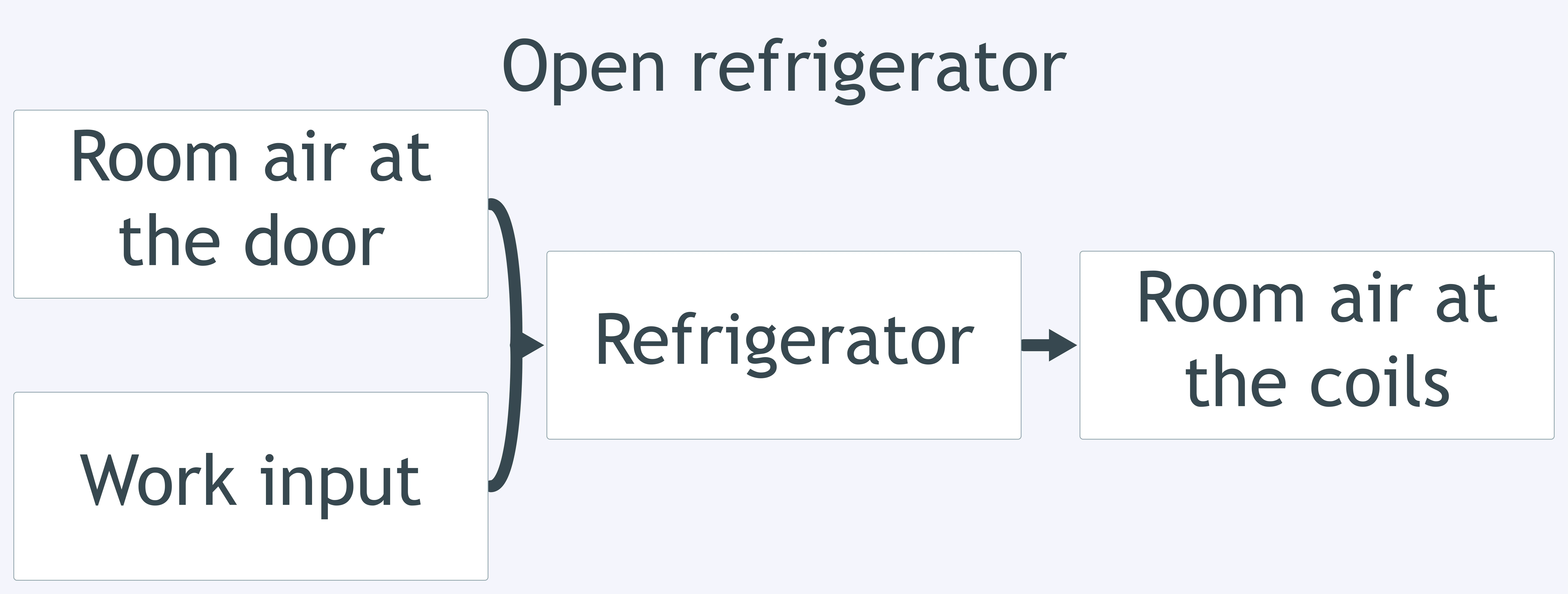
A refrigerator runs with its door open. In the figure, is removed from the room air at the door and W = 120 J is supplied. How much energy do the coils deliver back to the room?
In one cycle, a gasoline engine takes in 8 000 J from burning fuel and delivers 2 000 J of useful work. All remaining energy leaves in the exhaust and coolant. How much energy leaves as waste heat?
A heat engine takes in 10 kJ from a hot reservoir and rejects 6.5 kJ to a cold reservoir during each cycle. What is its efficiency?
A small engine receives 2 500 J from a hot reservoir each cycle and operates at 28% efficiency. How much useful work does it produce per cycle?
An engine produces 1.2 kJ of useful work and rejects 2.8 kJ to the cold reservoir in one cycle. How much energy did it take from the hot reservoir?
A steam engine takes in 1 500 J from a hot reservoir and rejects 900 J to a cold reservoir. What is the engine's efficiency?
A heat engine receives 7.2 kJ from a hot reservoir and runs at 25% efficiency. How much energy is rejected to the cold reservoir each cycle?
A team removes nearly all friction from an engine, but the engine still exhausts energy to cooler air every cycle. Why must some energy still be exhausted?
A student says, “If an engine dumps waste heat, the design must be poorly engineered.” Which response is most accurate?
An inventor claims a cyclic engine takes 3 000 J from one hot reservoir, produces 3 000 J of work, and rejects 0 J. Which physics principle is violated?
An engineer improves insulation around an engine so less energy leaks through the casing. What conclusion about its maximum possible efficiency is still correct?
Why does the reservoir model of a heat engine include a cold reservoir as well as a hot reservoir?
A technician describes a device: “It requires outside work and moves energy from a region that is already cooler to a region that is warmer.” Which device is being described?
Which peer description correctly matches a heat engine?
Which comparison between a heat engine and a refrigerator is correct?
Crack the passcode before the zombies get in.
Answer, then swat bugs for bonus points.
Race through questions at your own speed.
Same question on every screen. Fastest wins.

Pick a tile, answer, hit bonuses and steals.
Photons and Photon Energy
30 questions