Loading
by BlastRoom
Explore how American Indian nations adapted to their culture regions and how they live, govern, and keep their traditions today.
#indigenous_peoples#us_grade_4_social_studies
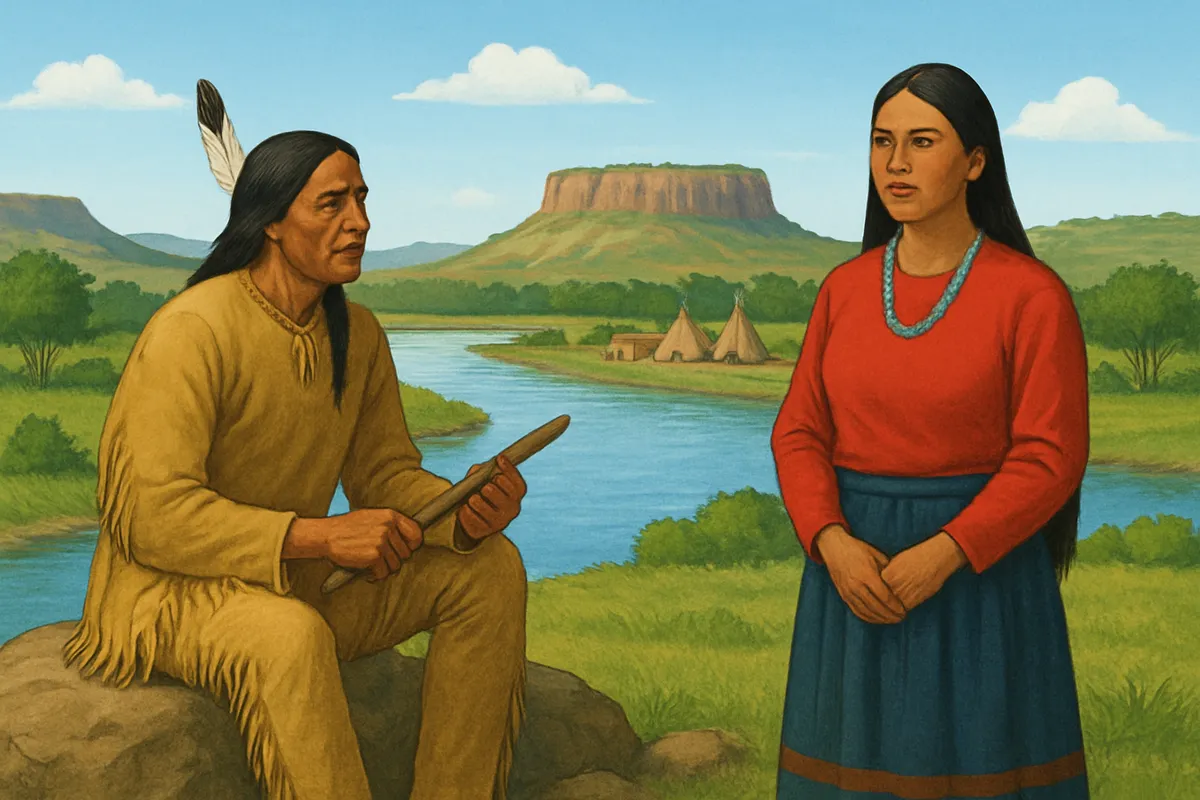
40 questions
One question set, multiple game modes. Tap any game to see it in action. Not sure which to pick?
Haudenosaunee nations of the Eastern Woodlands built long homes framed with poles and covered with bark, called longhouses, shared by several related families. Do Haudenosaunee communities still live in longhouses every day now, or has housing changed?
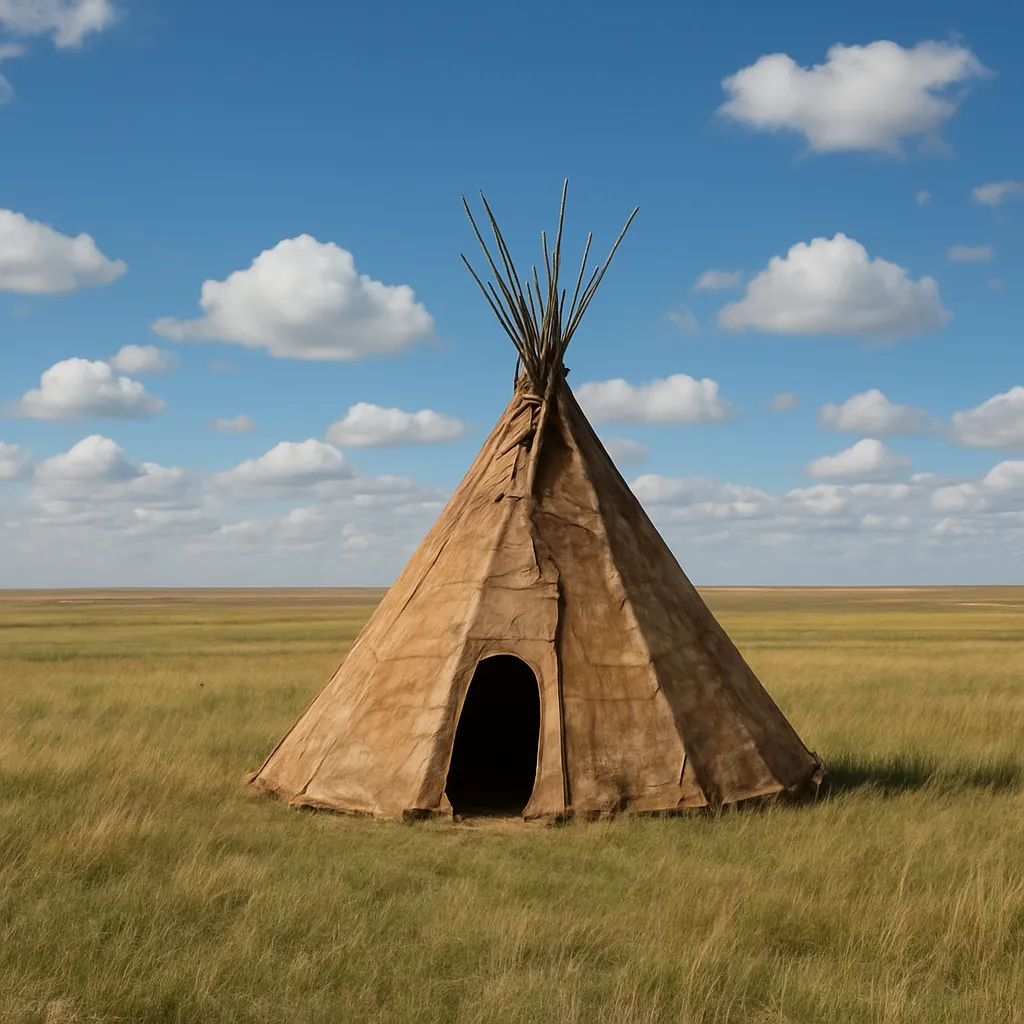
Lakota nations live in the Dakotas today. In earlier times, Lakota families moved camp to follow bison herds and used tepees that could be taken down and set up again quickly. Do Lakota families still live in tepees every day now, or has housing changed?
The Cherokee Nation governs itself today from its capital at Tahlequah, Oklahoma, under its own written constitution. Who chooses the nation's principal chief and tribal council?
Many American Indian nations today run their own governments, courts, and schools.
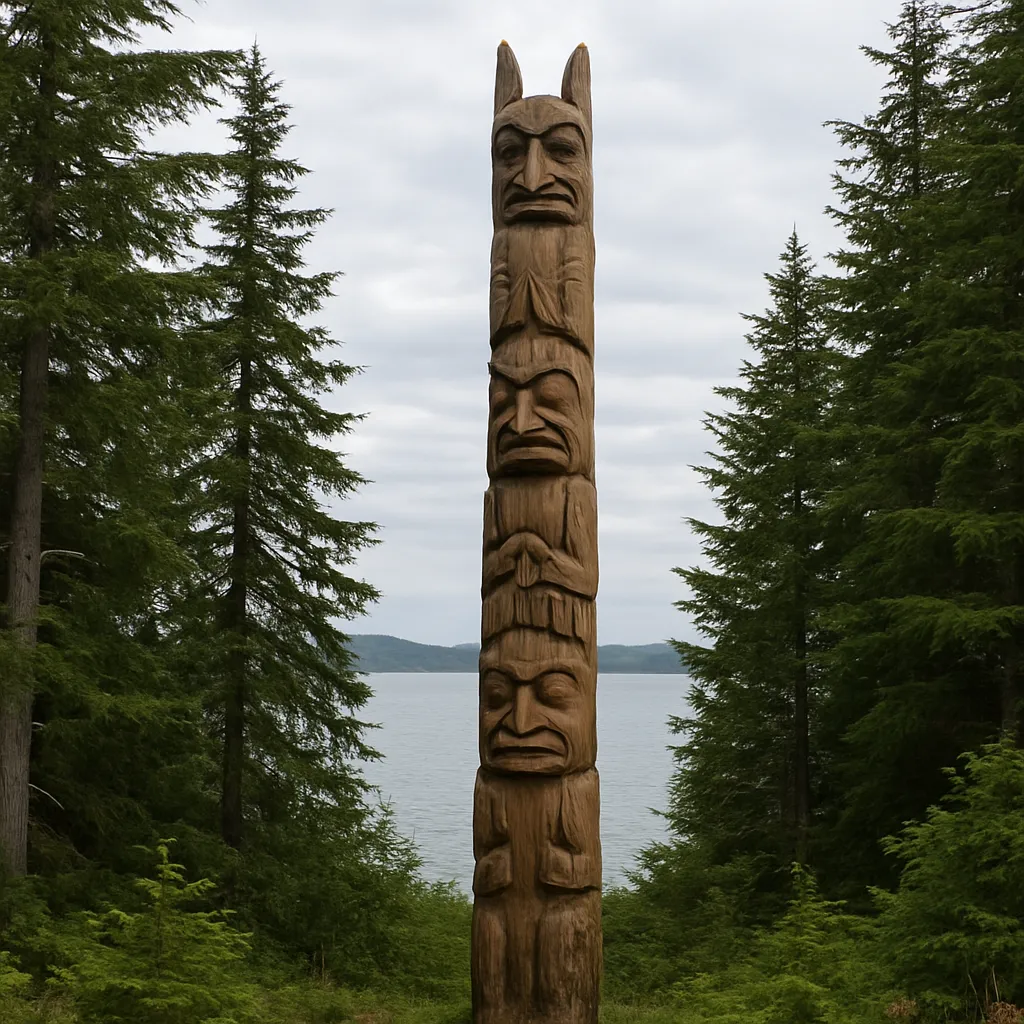
Tlingit and Haida communities live along the Pacific Northwest coast. For generations, carvers there have used cedar for canoes and tall carved poles. Is cedar carving still practiced today, or did it die out?
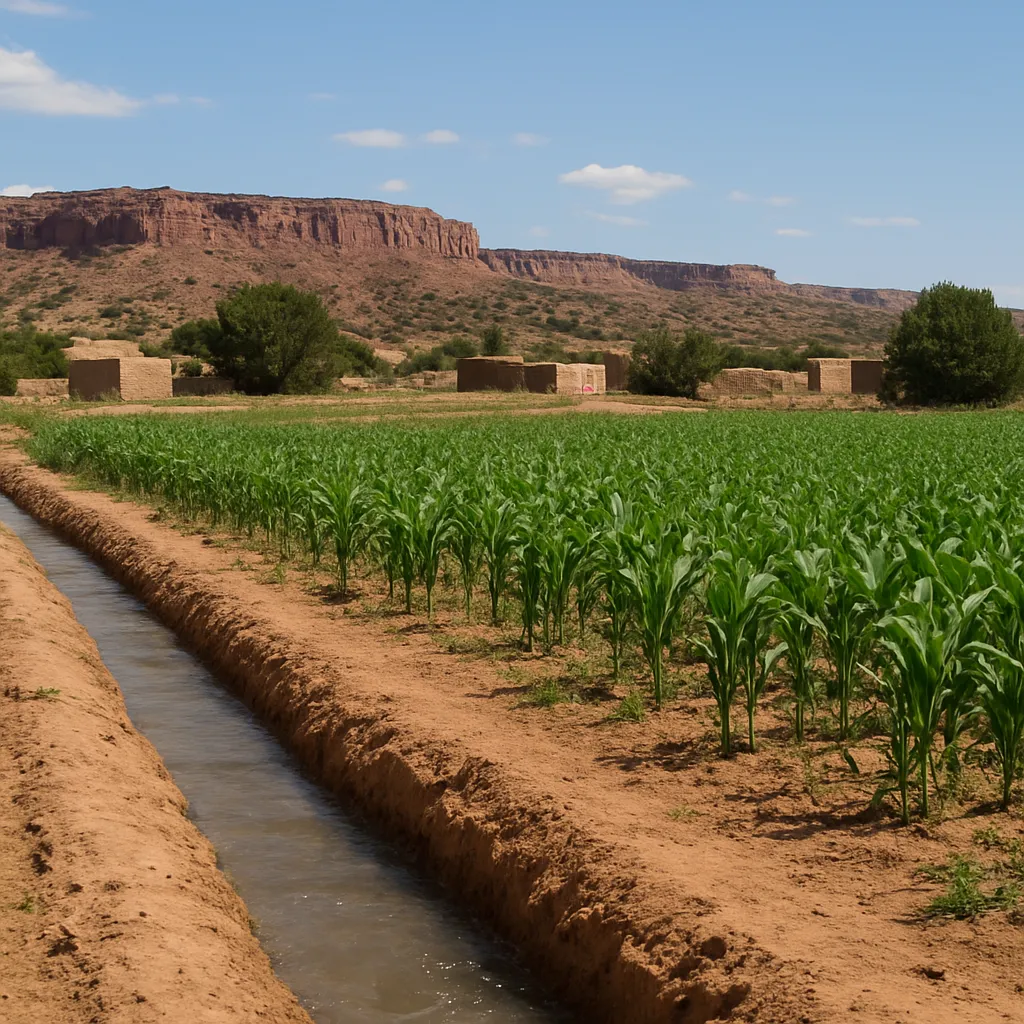
Pueblo nations have long used ditches, called irrigation, to carry river water to dry farm fields in the Southwest. Do Pueblo farmers still use irrigation to water their crops today, or did the practice stop?
In many Indigenous nations, elders pass down accounts of their nation's past by telling them aloud to younger people. What is this way of keeping the past called?
Long ago the United States government and many American Indian nations signed written agreements about land and borders. Tribal nations and United States courts still use these agreements today. What is an agreement like this called?
Anishinaabe (Ojibwe) nations live around the Great Lakes today. In earlier times, families built rounded wigwams made of bent poles covered with birchbark. Do Anishinaabe families live in wigwams every day now, or has housing changed?
The United States government recognizes more than 500 American Indian and Alaska Native nations today. What does this tell us about Indigenous nations?
Indigenous peoples lived in North America for thousands of years before Europeans arrived.
Why is it important to learn about Indigenous peoples both long ago and today?
Which Indigenous nation has the largest reservation in the United States, stretching across parts of Arizona, New Mexico, and Utah?
Why did traditional Indigenous homes differ from place to place?
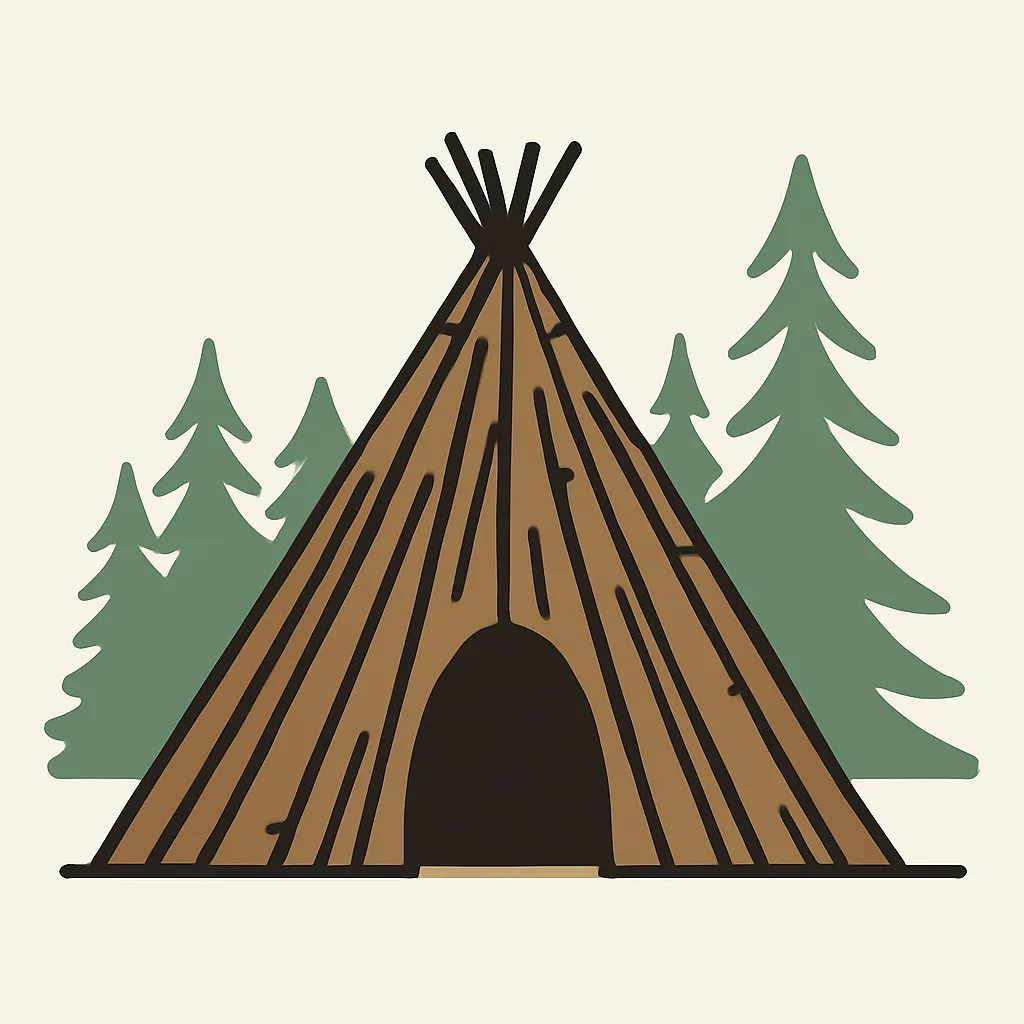
Which statement best describes tipis used by some Plains peoples?
Eastern Woodlands peoples lived in a dry desert region with very few trees or rivers.
In the 1820s a Cherokee man named Sequoyah made something that let thousands of Cherokee people learn to read and write in just a few years. What did he create?
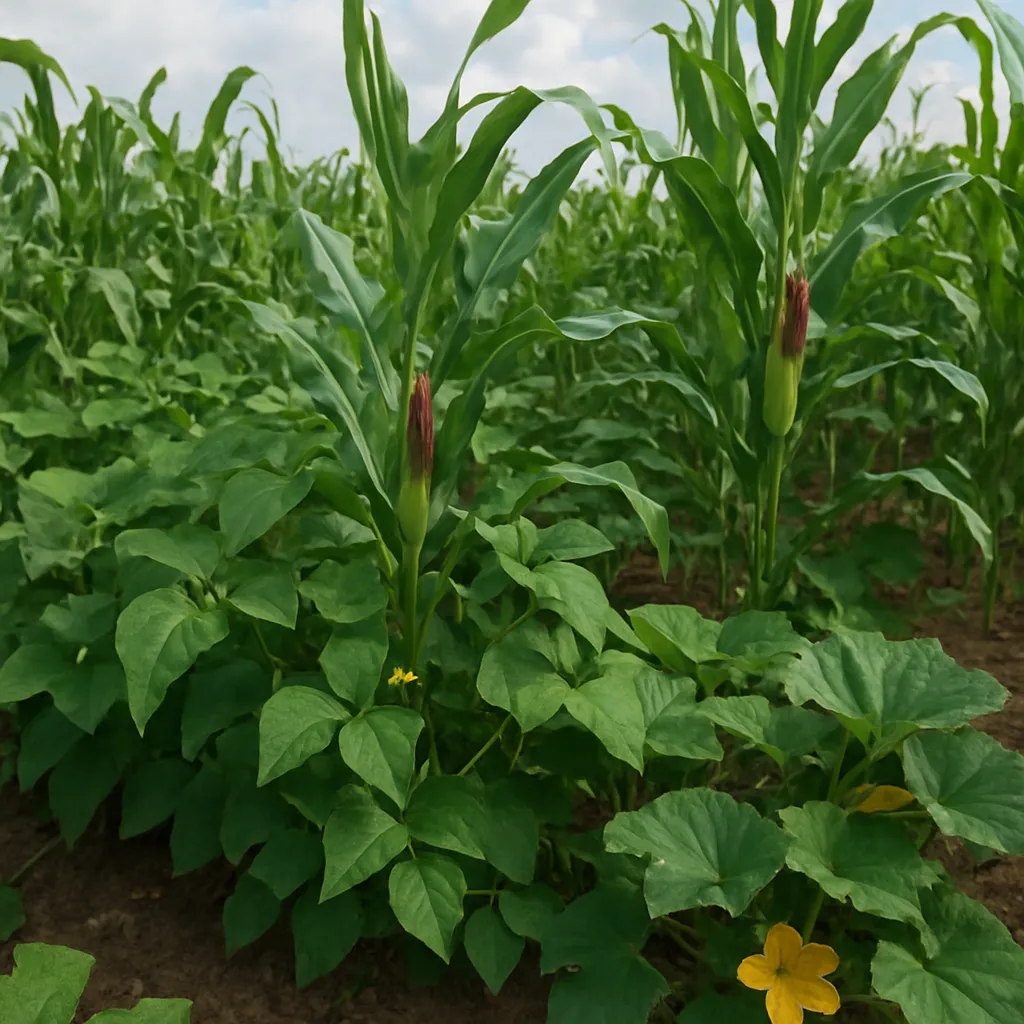
For generations, many Indigenous farmers have grown corn, beans, and squash together, a method known as the Three Sisters. Do Indigenous communities still grow the Three Sisters today, or has the practice ended?
Wampum belts were used by Northeastern Indigenous nations mainly as fishing nets.
Which is the best example of trade among Indigenous communities long ago?
Where do most Indigenous people in the United States live today?
What does tribal sovereignty mean?
In the 1830s the U.S. government forced the Cherokee and other Southeastern nations to leave their homelands. Where were they made to move?
Many treaties made with Indigenous nations were broken by the United States government.
What is forced removal?
The Trail of Tears was connected to the forced removal of many Cherokee people and other Southeastern Native peoples.
How did some Indigenous communities respond to unfair treatment by governments?
Boarding schools often tried to stop Indigenous children from speaking their languages and practicing their cultures.
What is language revitalization?
Indigenous nations across North America all speak one shared language.
Which is the most respectful way to describe an Indigenous person or nation?
All Indigenous people today have the same jobs, clothing, and daily lives.
Which example shows Indigenous culture continuing today?
What is a reservation?
How do many Indigenous nations approach natural resources today?
During World War II, Navajo Marines sent secret messages in a code based on their own language, and the enemy never broke it. What were these Marines called?
Which sentence is a stereotype about Indigenous peoples?
In 1985 Wilma Mankiller became the first woman to serve as principal chief of which nation?
Why might a map of Indigenous homelands look different from a modern state map?
What is one good way to learn about Indigenous history and life today?
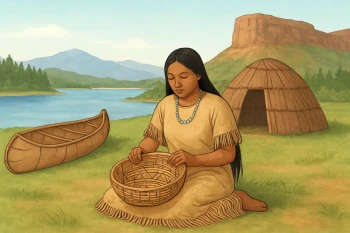
Indigenous Nations and Culture Regions
40 questions
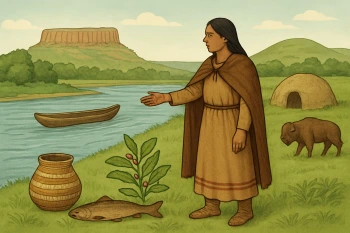
How Indigenous Nations Used Local Land, Water, Plants, and Animals
40 questions
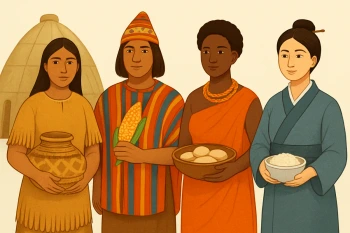
Comparing Housing, Food, and Clothing Across Nations
40 questions
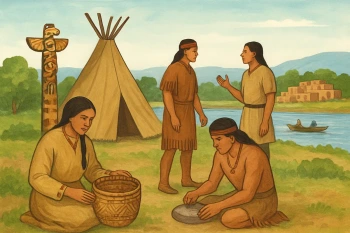
Indigenous Trade, Government, and Cultural Traditions
40 questions
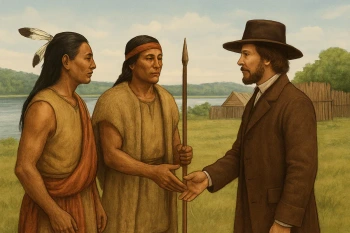
Indigenous Peoples and Early Settlers: Interactions
40 questions
Crack the passcode before the zombies get in.

Pick a tile, answer, hit bonuses and steals.