Loading
by BlastRoom
Match Indigenous nations to their culture regions and see how each region's environment shaped homes, food, and travel.
#indigenous_peoples#us_grade_4_social_studies
40 questions
One question set, multiple game modes. Tap any game to see it in action. Not sure which to pick?
The Haudenosaunee, an alliance of the Mohawk, Oneida, Onondaga, Cayuga, Seneca, and Tuscarora nations, made their homeland among the forests and lakes of what is now New York state. In which culture region do the Haudenosaunee live?
The Hopi have farmed dry mesa land and built stone-and-adobe villages in what is now Arizona for over a thousand years. In which culture region do the Hopi live?
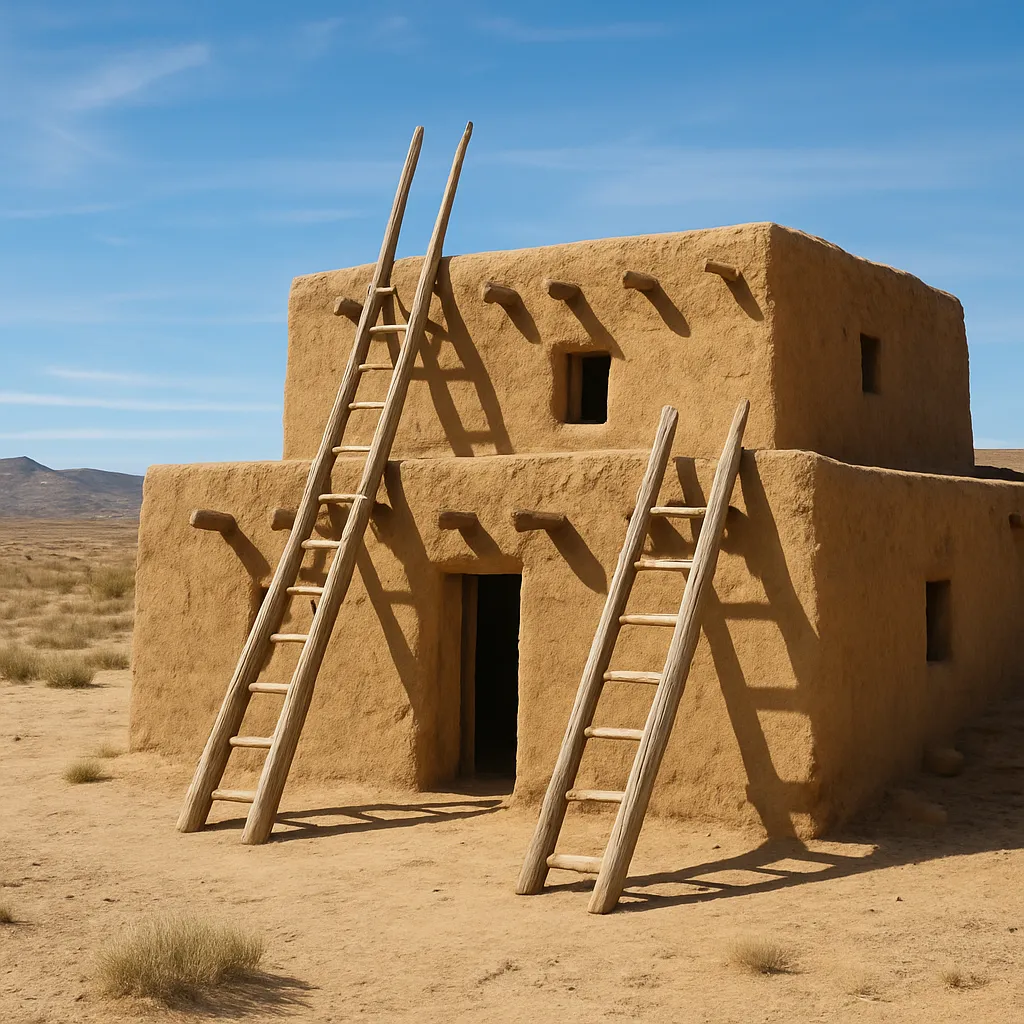
The Lakota followed vast bison herds across open grassland in what is now the Dakotas and Montana. In which culture region do the Lakota live?
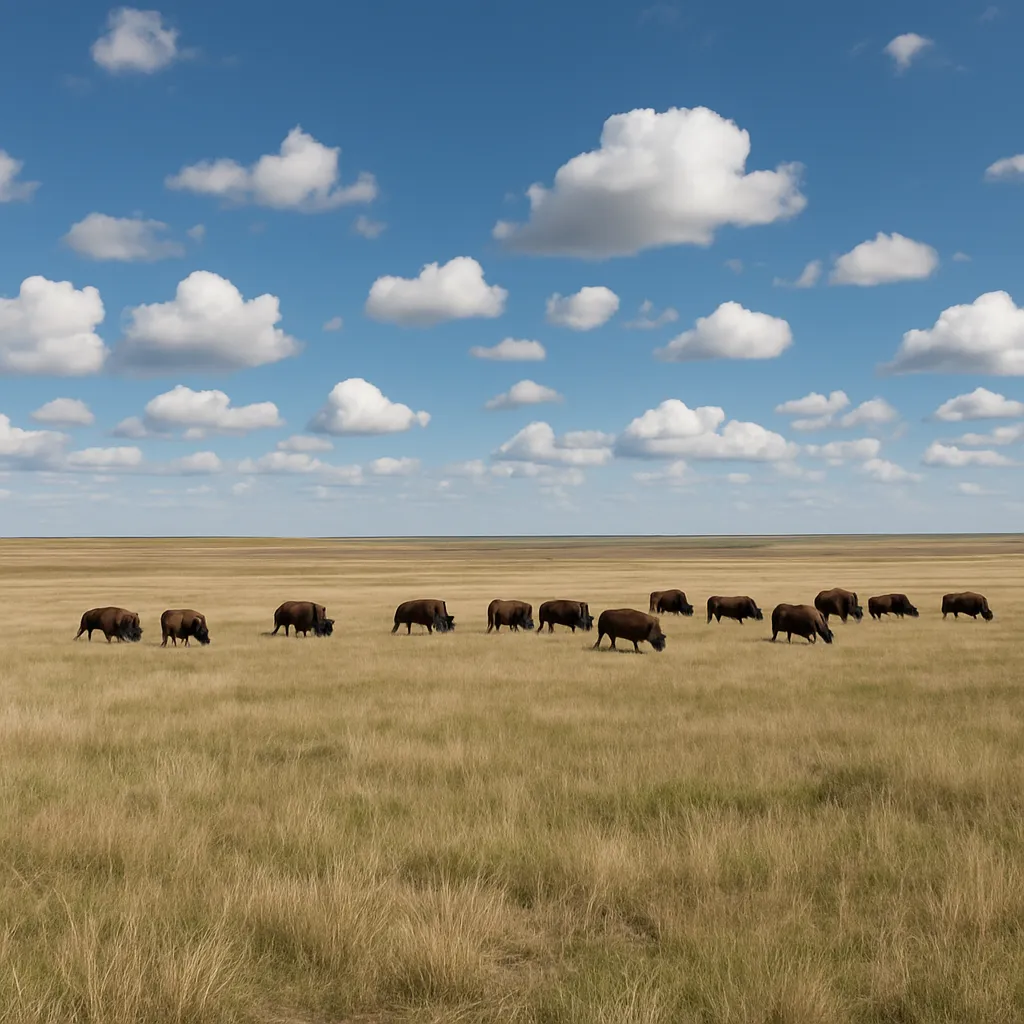
The Tlingit and Haida live along the rainy coastline of what is now Alaska and British Columbia, where evergreen forests meet the sea. In which culture region do the Tlingit and Haida live?
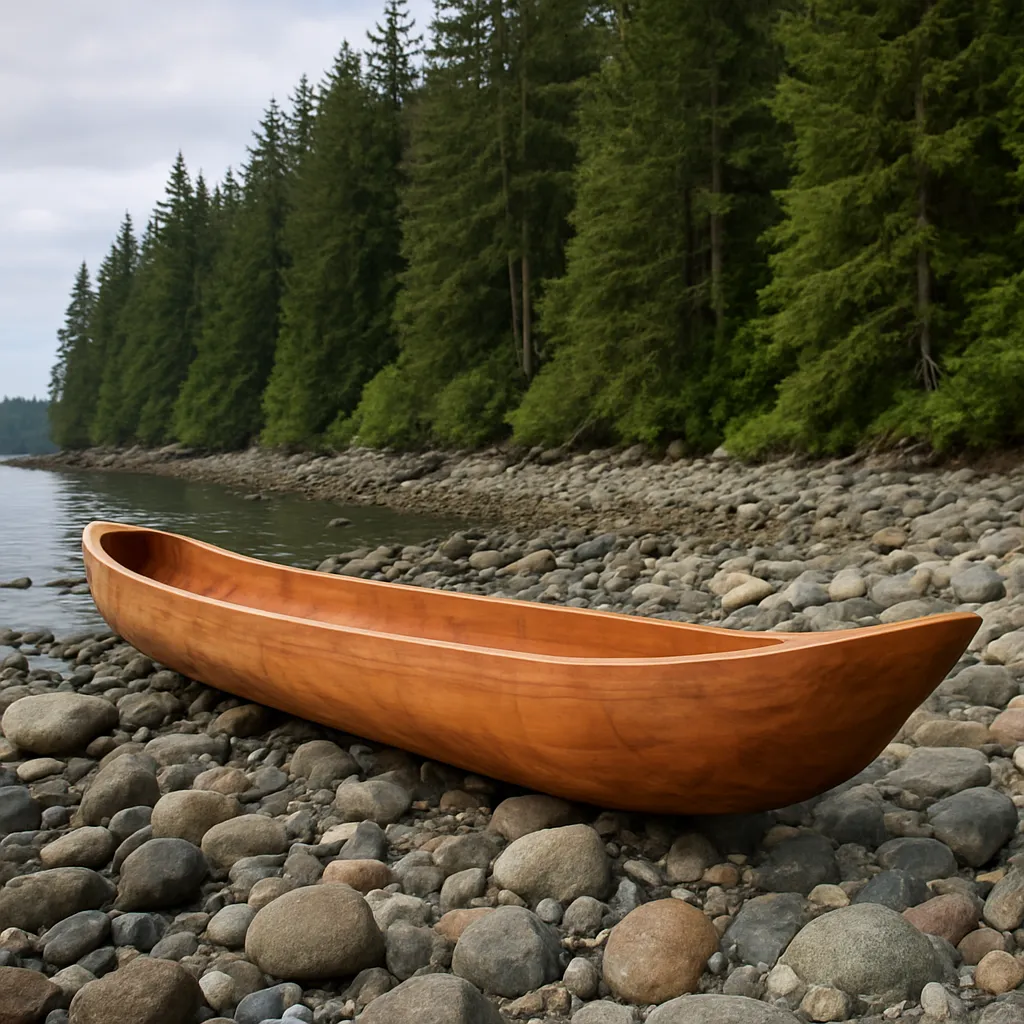
The Haudenosaunee Confederacy is an alliance of nations whose leaders still meet and make decisions together today.
The Akimel O'odham have lived beside the Gila River in the hot, dry landscape of what is now central Arizona for centuries. In which culture region do the Akimel O'odham live?
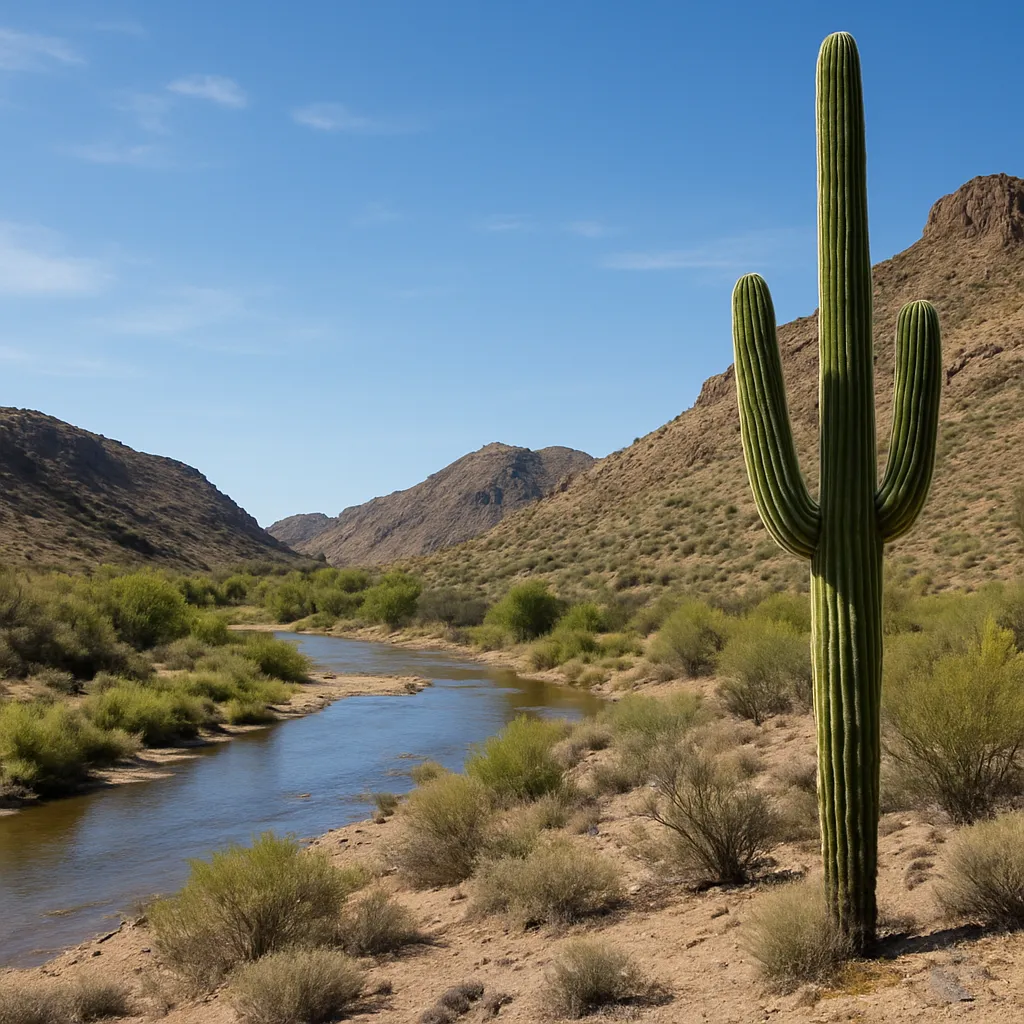
The Ojibwe live around the shallow lakes and forests of what is now Minnesota and Wisconsin, part of the Great Lakes shoreline. In which culture region do the Ojibwe live?
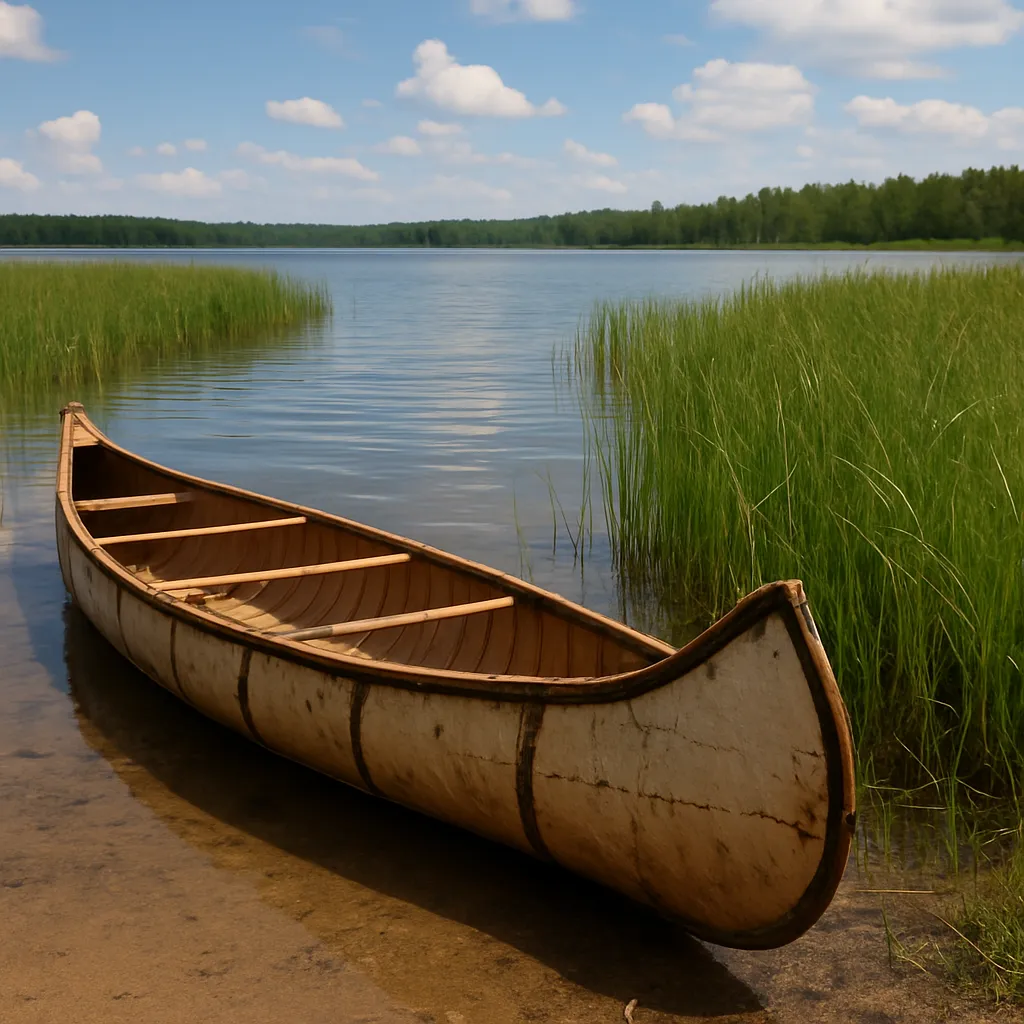
The Cherokee built towns in the warm river valleys of what is now Georgia, Tennessee, and the Carolinas. In which culture region did the Cherokee live?
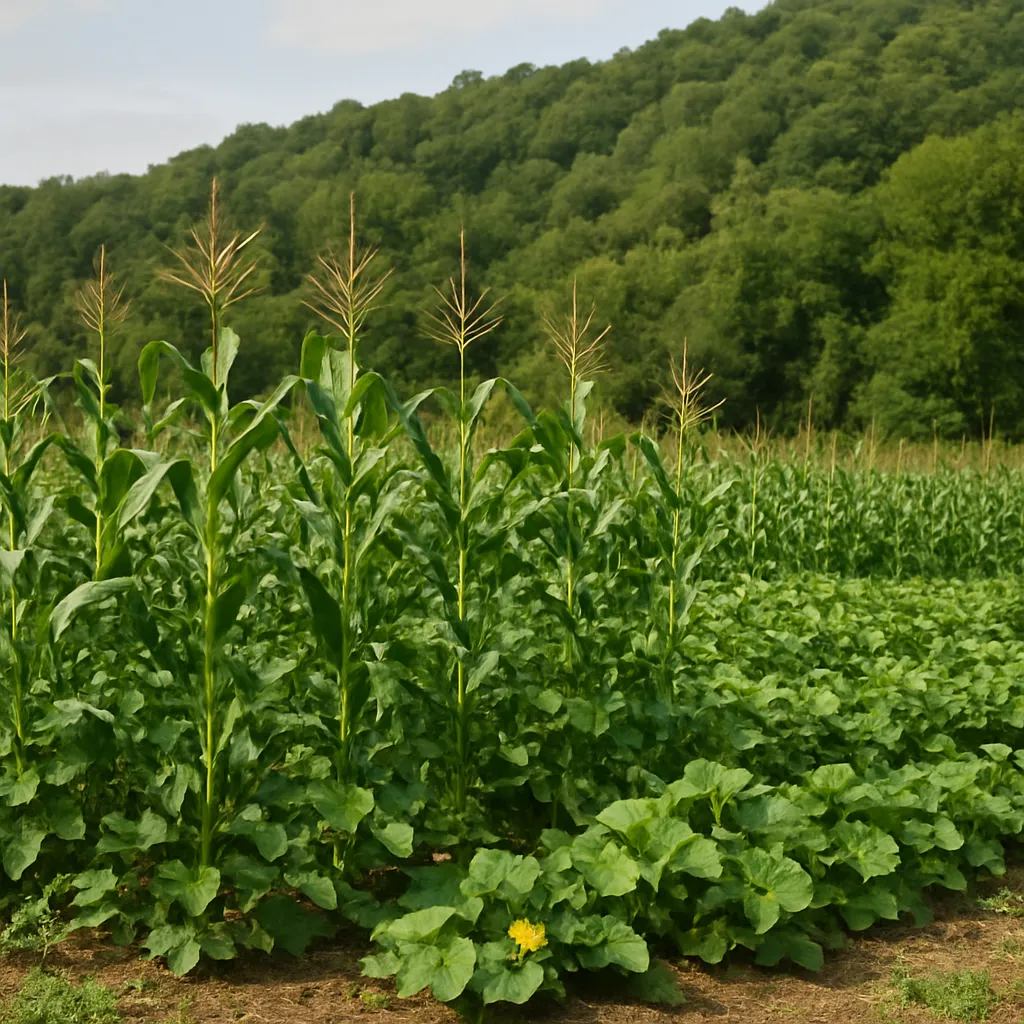
The Inuit homeland is the Arctic, a region so far north that the climate is too cold for trees to grow.
A Lakota elder tells younger relatives about events their ancestors saw, passing the account down by speaking rather than writing. What is this way of keeping the past called?
Geographers sort Indigenous nations of North America into culture regions such as the Northeast, the Southwest, and the Northwest Coast. What do nations in one culture region mostly share?
Along the Atlantic coast of the Northeast, families built wigwams: rounded homes framed with bent saplings and covered with bark and woven mats. Which nation lived in that area?
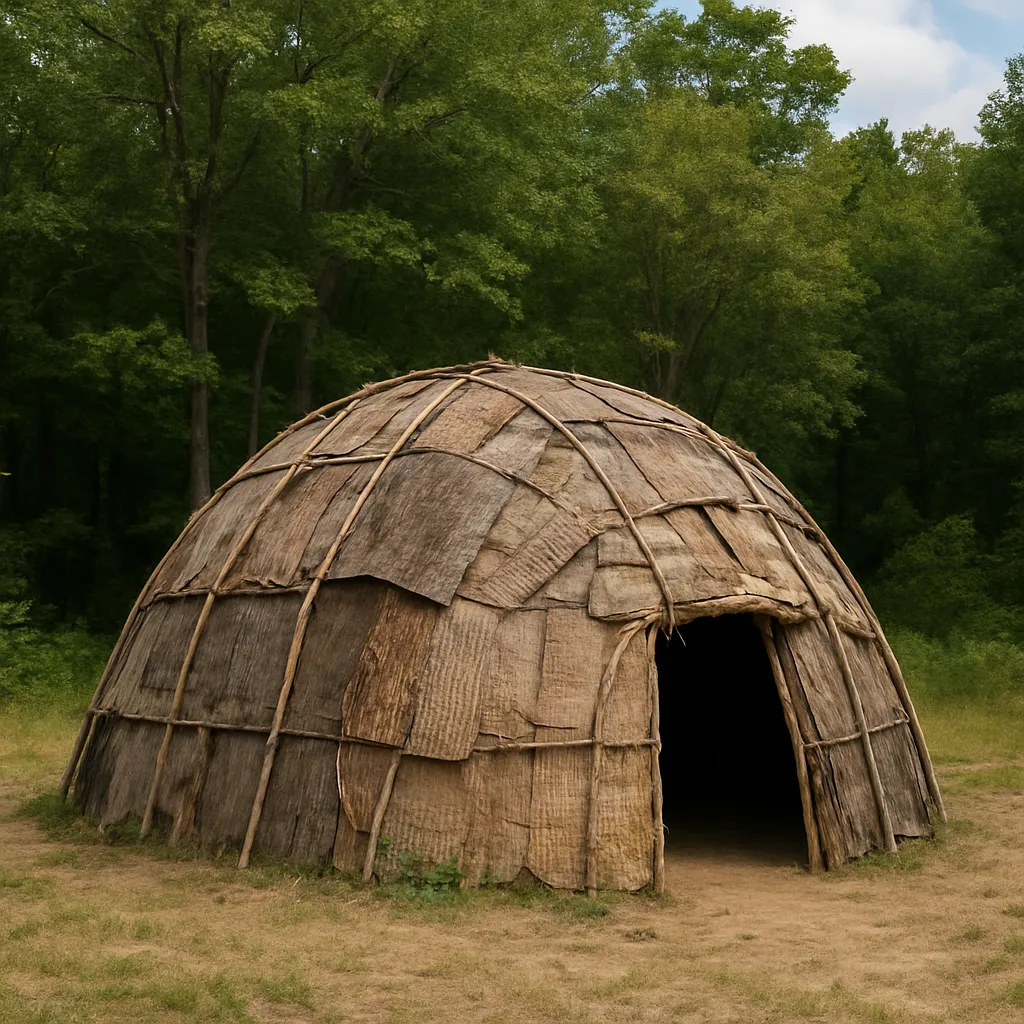
When a nation adapted to its environment, what did it do?
A region has a hot, dry climate with very little rainfall and few forests. Which culture region is being described?
A region stretches along the rainy Pacific shore with thick evergreen forests, deep bays, and rivers running to the sea. Which culture region is being described?
The Pueblo peoples, including the Zuni and Hopi, built villages in the dry canyons and mesas of what is now New Mexico and Arizona. Which building materials did they mostly use?
The Southwest has a hot, dry climate with little rain, while the Northeast has cold winters, forests, and steady rainfall. Why did nations in these two regions develop different ways of life?
A region is a vast, mostly treeless grassland stretching from present-day Texas north into Canada, where huge herds of grazing animals once roamed. Which culture region is being described?
The Comanche became skilled riders and hunters across the grasslands of what is now Texas, Oklahoma, and New Mexico. In which culture region do the Comanche live?
The Arctic has long, cold winters and almost no trees, while the Northwest Coast has a mild, rainy climate and thick forests. Why did nations in these two regions develop different ways of life?
The Haudenosaunee, Powhatan, and Wampanoag all lived in the eastern part of North America. What was the environment there known for?
The Powhatan Confederacy made its homeland among the rivers and coastal forests of what is now Virginia. In which culture region did the Powhatan live?
The Choctaw built towns among the forests and river valleys of what is now Mississippi and Alabama. In which culture region did the Choctaw live?
A region has a warm climate, steady rainfall, and fertile river valleys across what is now Georgia, Alabama, and the Carolinas. Which culture region is being described?
Which statement about Mississippian cultures, such as Cahokia, is true?
Few plants grow in the cold, treeless Arctic. Where did Inuit and Yupik families get most of their food?
The Yupik have lived along the coasts and river deltas of what is now western Alaska for thousands of years. In which culture region do the Yupik live?
The Nez Perce have lived among the rivers, canyons, and grasslands of what is now Idaho, Oregon, and Washington. In which culture region do the Nez Perce live?
A dry region of scattered mountains, sagebrush, and few permanent rivers stretches across what is now Nevada, Utah, and parts of nearby states. Which culture region is being described?
The Chumash have lived along the coast and channel islands near what is now Santa Barbara and Los Angeles for thousands of years. In which culture region do the Chumash live?
What does Native sovereignty mean today?
Which is a respectful way to learn about Native peoples?
A student says all Indigenous nations across North America lived in exactly the same kind of environment. Why is this statement incorrect?
Many Great Plains nations, such as the Lakota, lived in tepees made of bison hides stretched over poles. Why did tepees suit their way of life?
All Indigenous peoples in North America spoke the same language.
Culture-region maps show general patterns, not exact borders for every Native Nation.
Many Native Nations continue to exist and contribute to the United States today.
The environment was the only thing that shaped Indigenous cultures.
The Lakota and the Haudenosaunee belonged to the same culture region.
Many Northwest Coast nations caught salmon in rivers, and it was one of their most important foods.
Crack the passcode before the zombies get in.

Pick a tile, answer, hit bonuses and steals.
Comparing Housing, Food, and Clothing Across Nations
40 questions