Loading
by BlastRoom
Explore how rivers, harbors, and fertile land shaped where people built settlements.
#geography#settlement#us_grade_4_social_studies
40 questions
One question set, multiple game modes. Tap any game to see it in action. Not sure which to pick?
Answer to place stones and capture territory.
Outrun the snow together.
Earn blasts, then hunt the other team.
Answer to earn energy, then climb.

The class blasts through walls together.
Bid on mystery lots. Most money wins.
Sell tours. Nice, standard, or a total scam.

Answer, restock, and serve the rush.
More correct answers pulls the rope your way.
Answer, then shoot down the alien wave.
Answer, then tap to leap the frozen ridge.
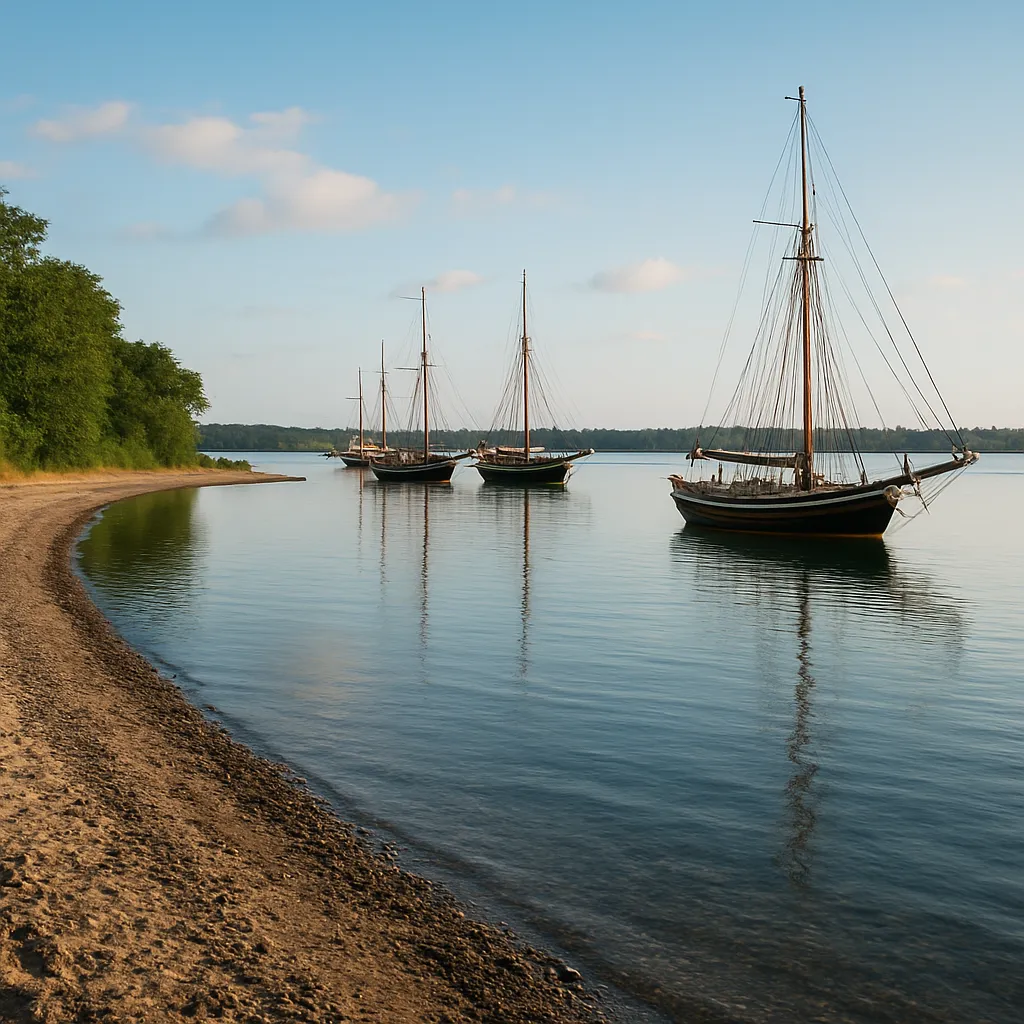
A bay along the coast has deep water and land curving around it that blocks strong ocean waves. Why did traders build a settlement there?
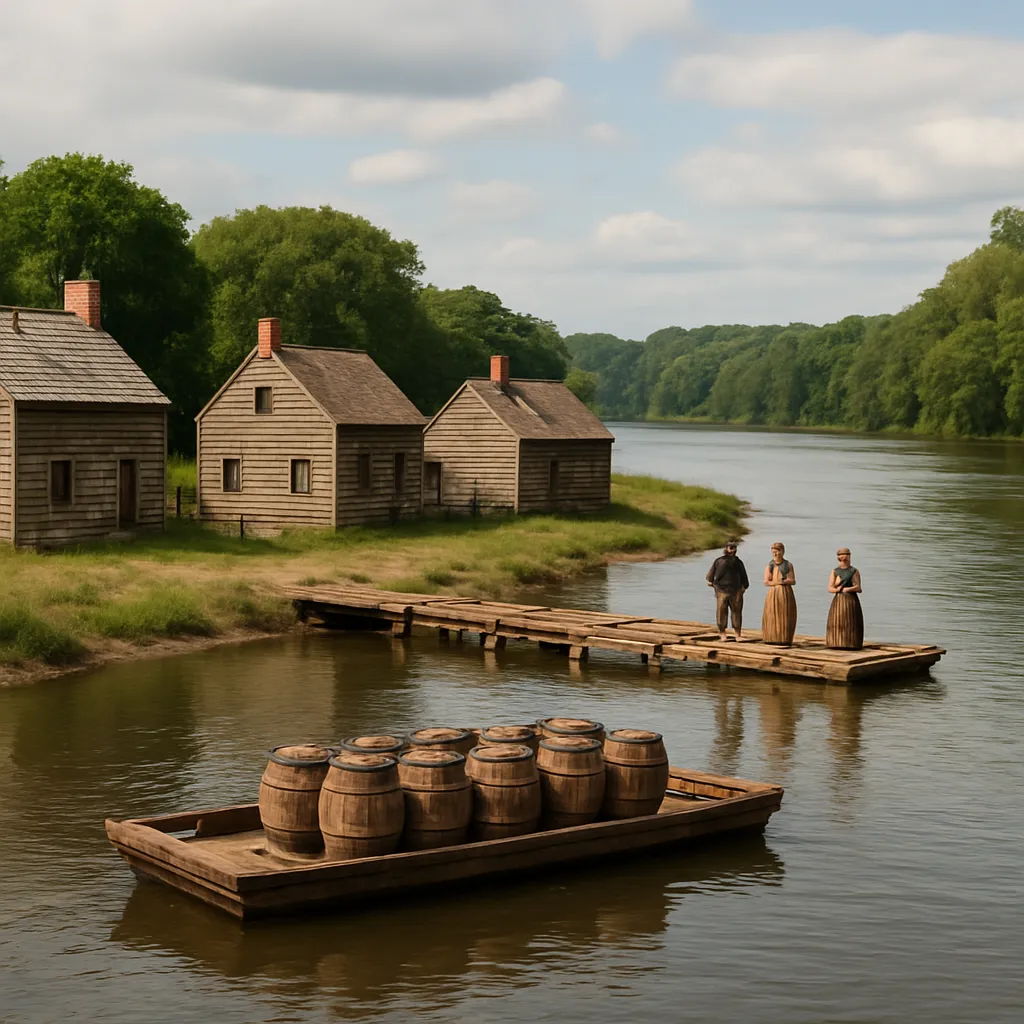
Many early settlements in North America were built beside wide rivers. Besides supplying fresh water, what made a river so useful that people chose to settle next to one?
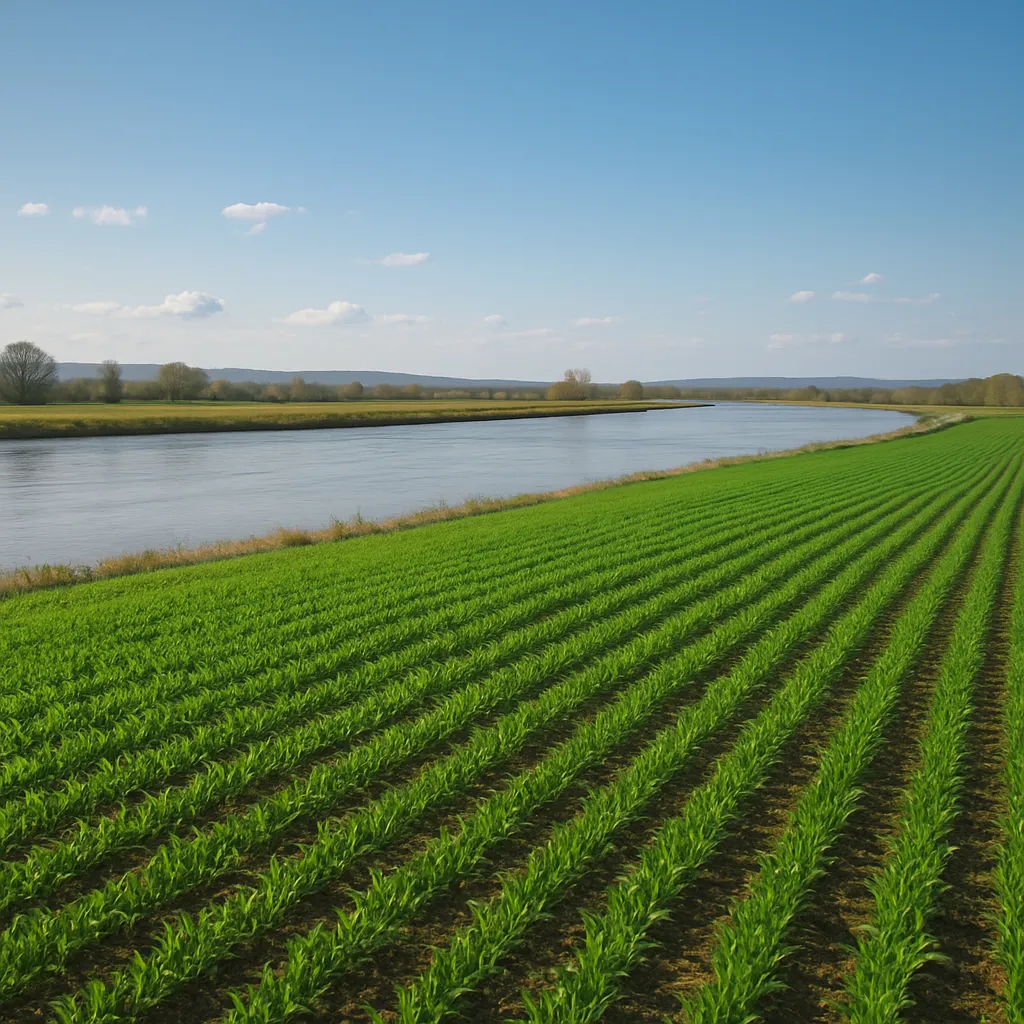
A river spills over its banks each spring and spreads a layer of fine mud across the valley floor. Why did farmers choose to settle in that valley?
In a dry region, farmers dug ditches to carry water from a river out to their fields. Bringing water to dry farmland this way is called ___.
A waterfall on a river stopped boats from going any farther upstream, so crews had to unload their cargo there. Towns often grew at spots like this.
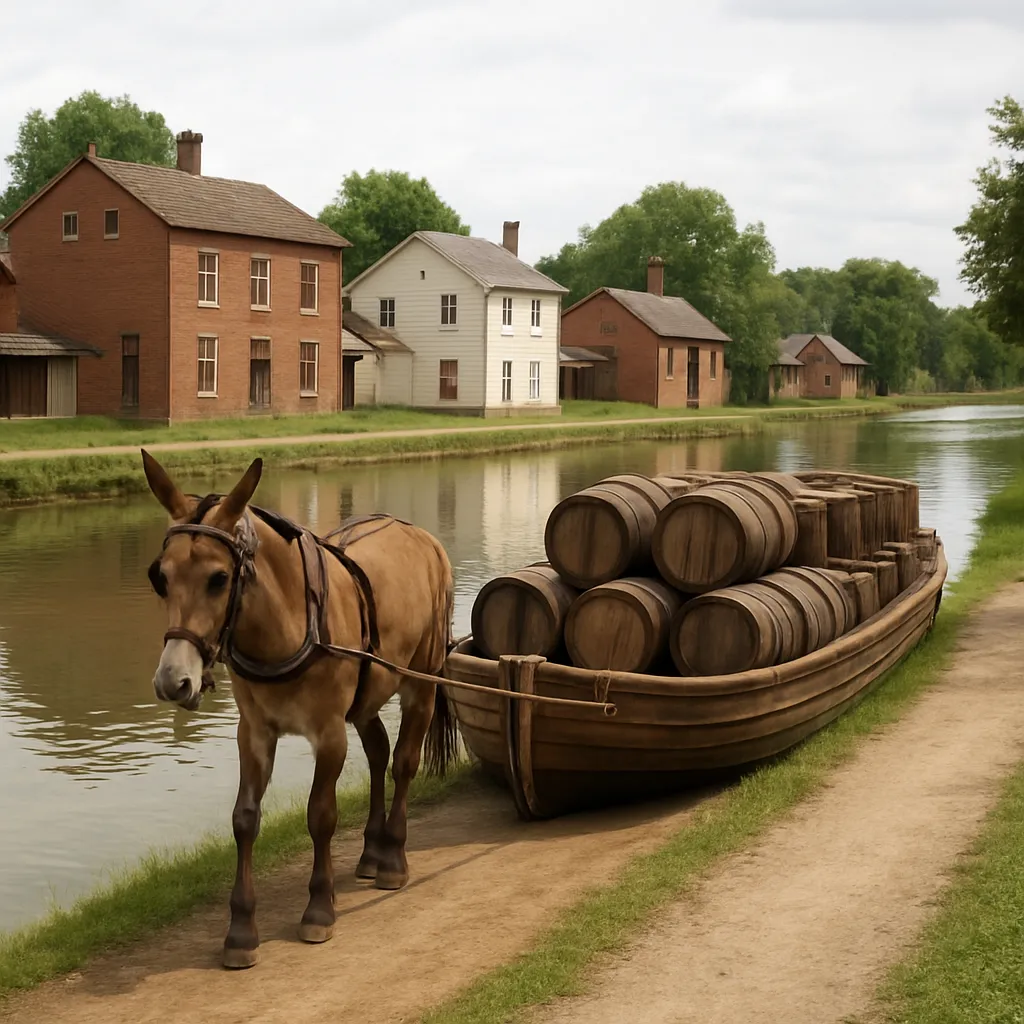
In the 1800s people dug canals to link lakes and rivers that boats could not reach otherwise. Why did new towns grow along a finished canal?
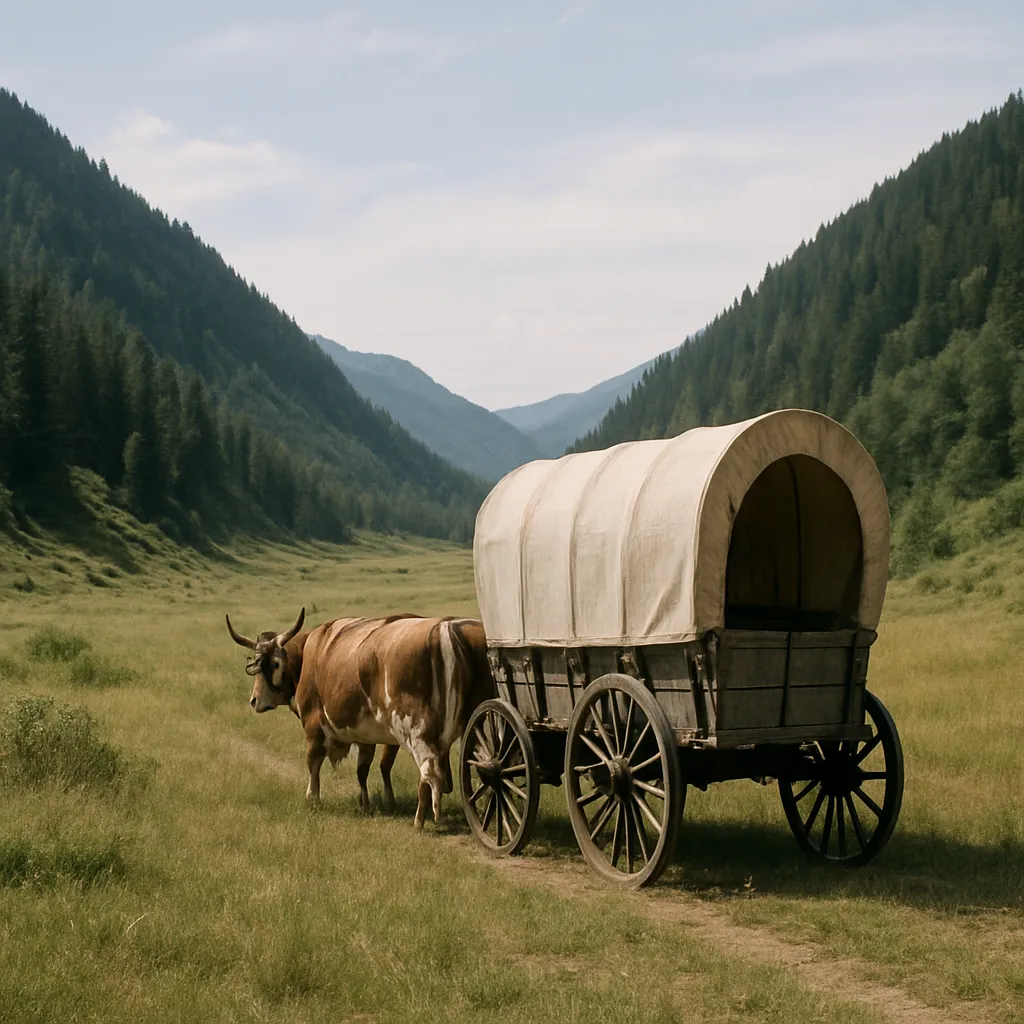
A tall mountain range blocked wagons heading west, but one low gap cut through the ridges. Why did the route west follow that gap?
Early sawmills that cut logs into boards were almost always built right beside a fast, falling stream. What did the moving water do for the mill?
A settlement grew at the place where two large rivers flowed together. What made this spot such a good location for trade?
Settlers reaching the treeless grasslands of the Great Plains found deep-rooted sod but almost no timber. They cut thick blocks of sod and stacked them to build their houses.
Very few farms were started high on the mountainsides, even when the valleys below filled with settlers. What made the high land such poor farmland?
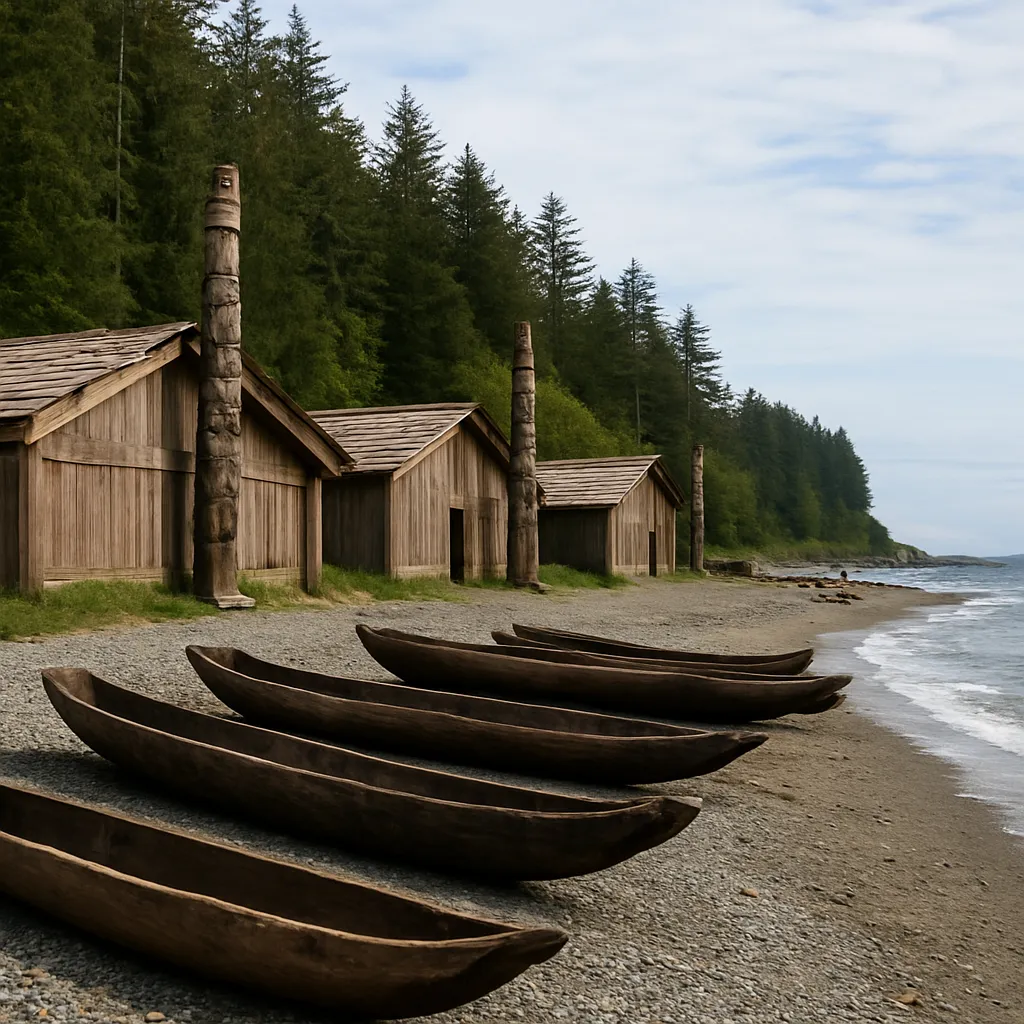
Many Native American nations of the Pacific Northwest built their villages along rivers and the ocean coast. Which food source made those spots such good places to live?
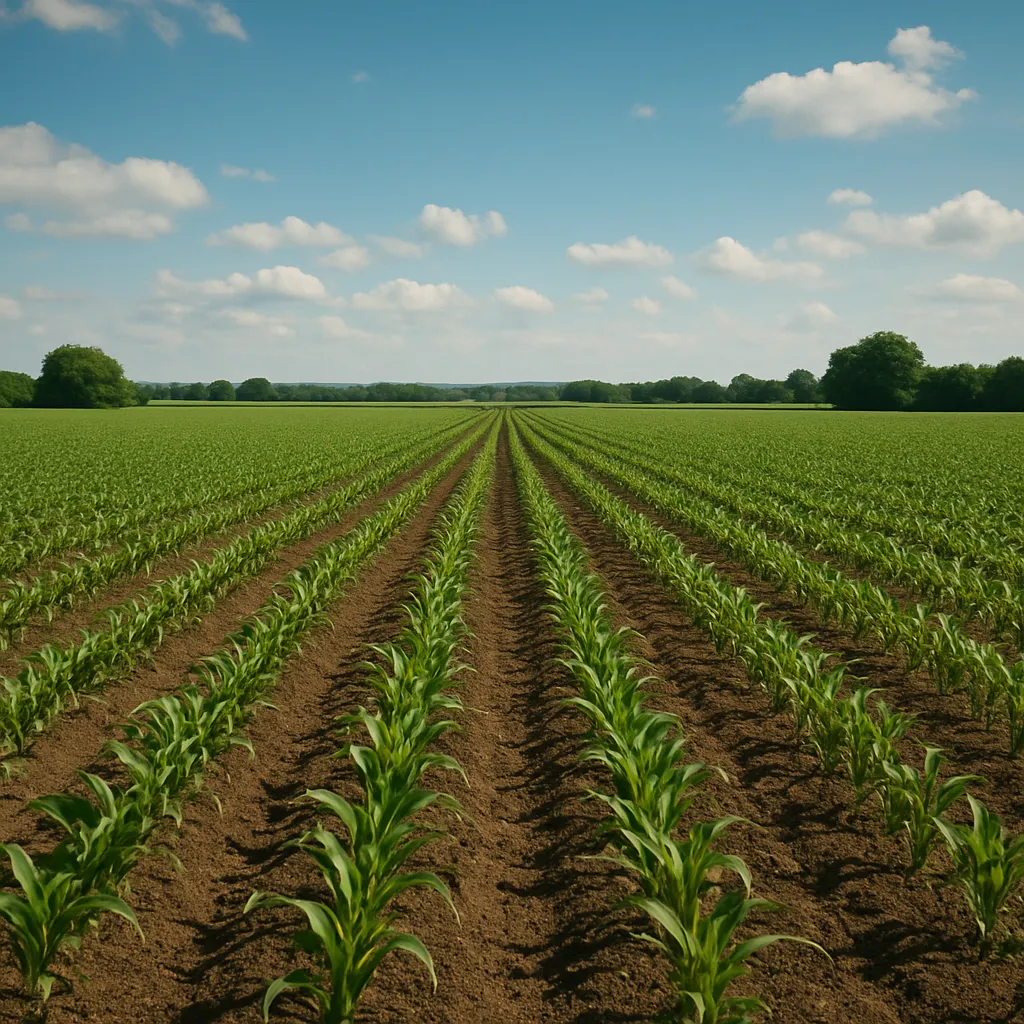
Why was fertile soil important to many settlers?
True or False: People sometimes settled in places because they could find jobs there.
Many towns along the New England coast, such as Gloucester, Massachusetts, grew up as fishing villages. Why?
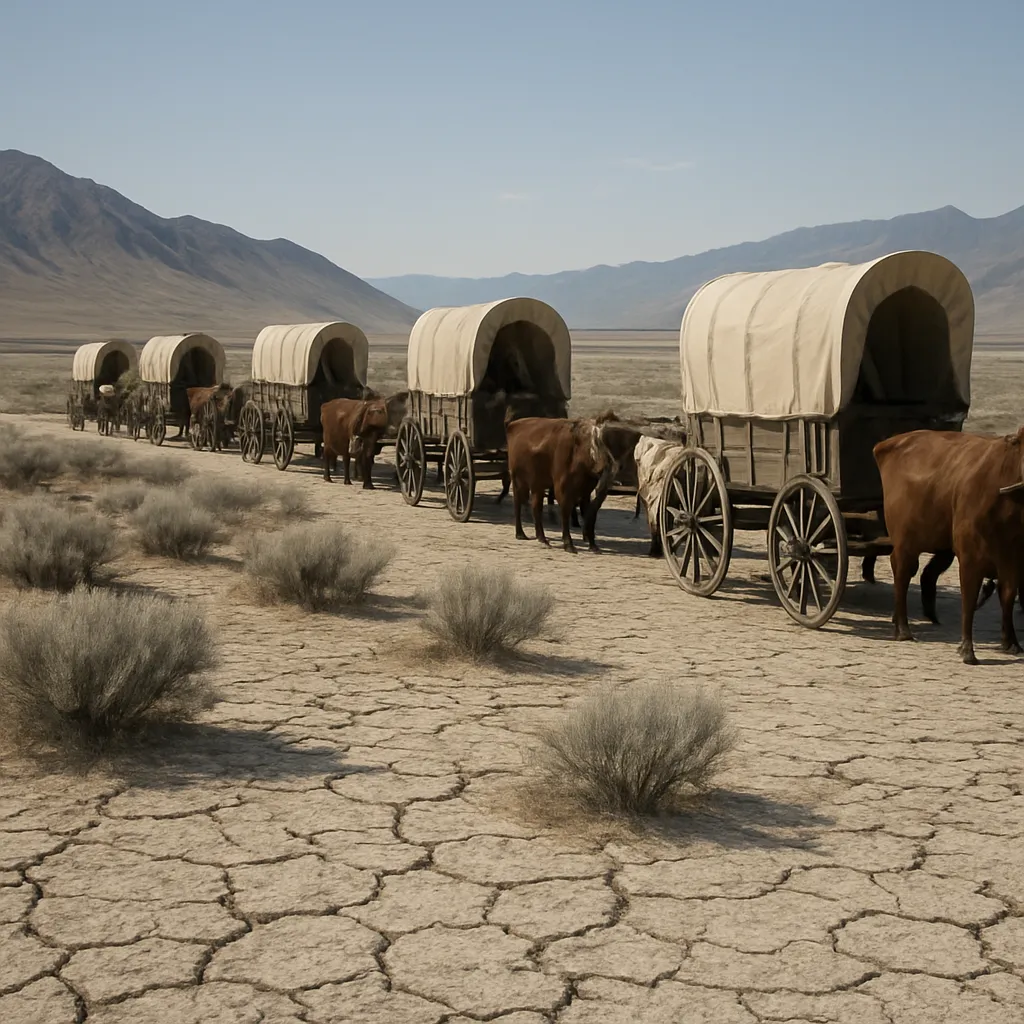
A wide desert stretched for many miles between two mountain ranges. Why did wagon trains heading west usually avoid a route straight across that desert?
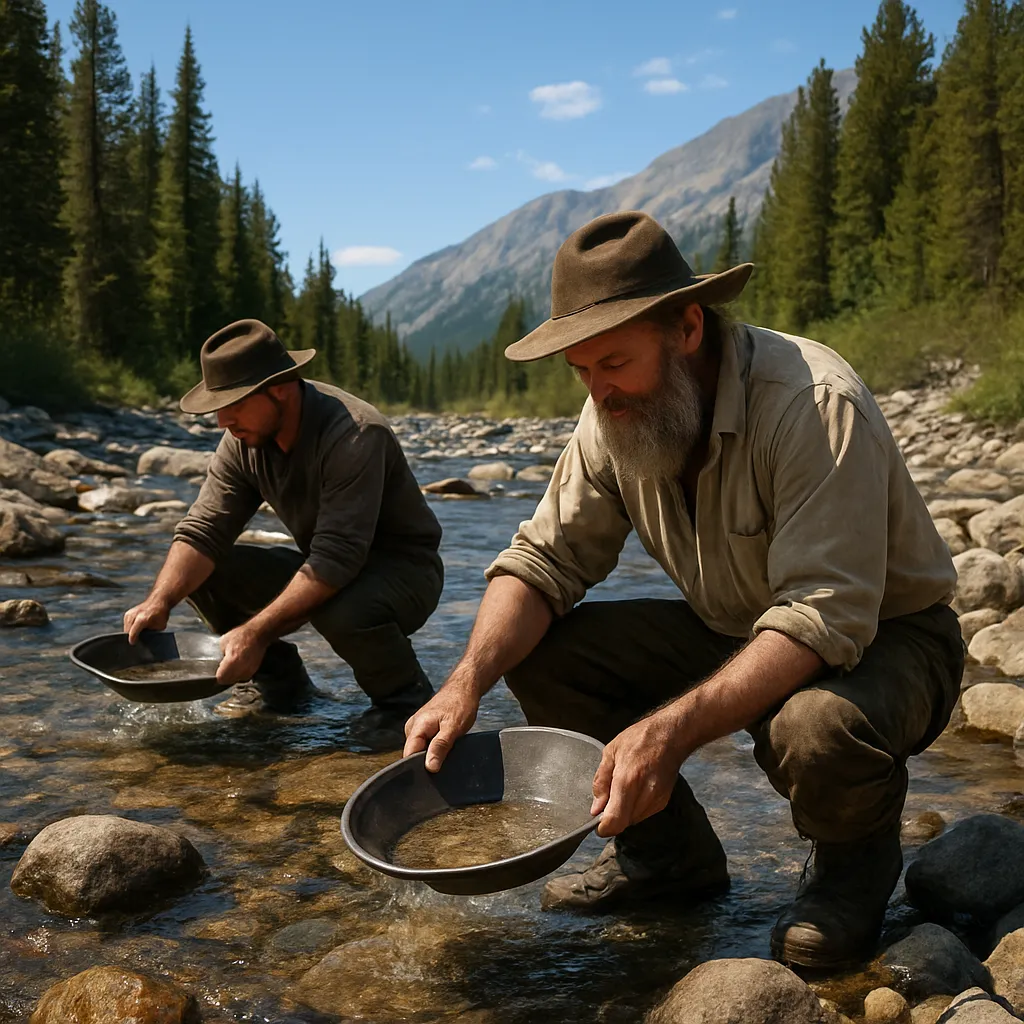
In 1849, prospectors panned in California's mountain streams and found flecks of gold mixed in with the gravel on the streambed. Why did mining camps spring up along those streams?
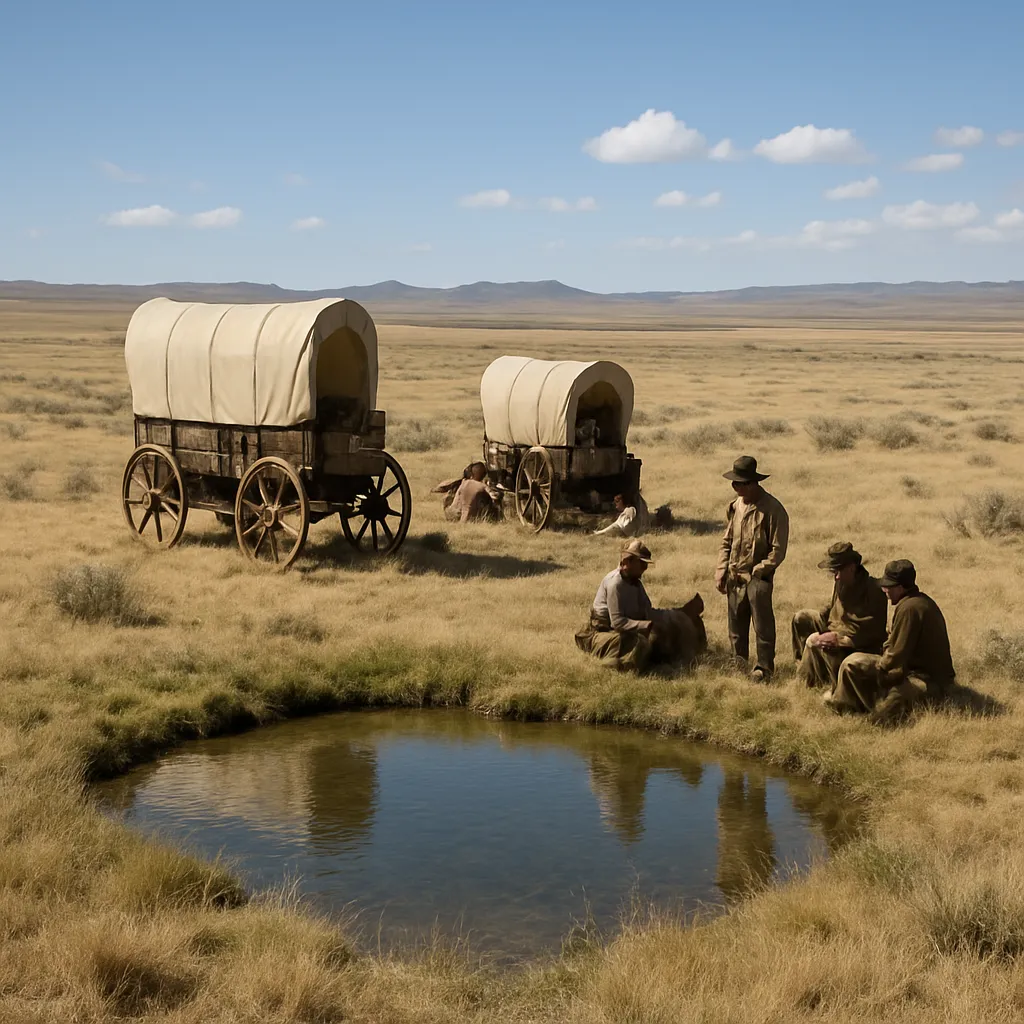
A natural spring bubbled up clean, cool water in an otherwise dry stretch of land. Why did travelers on a long trail often choose to camp near that spring?
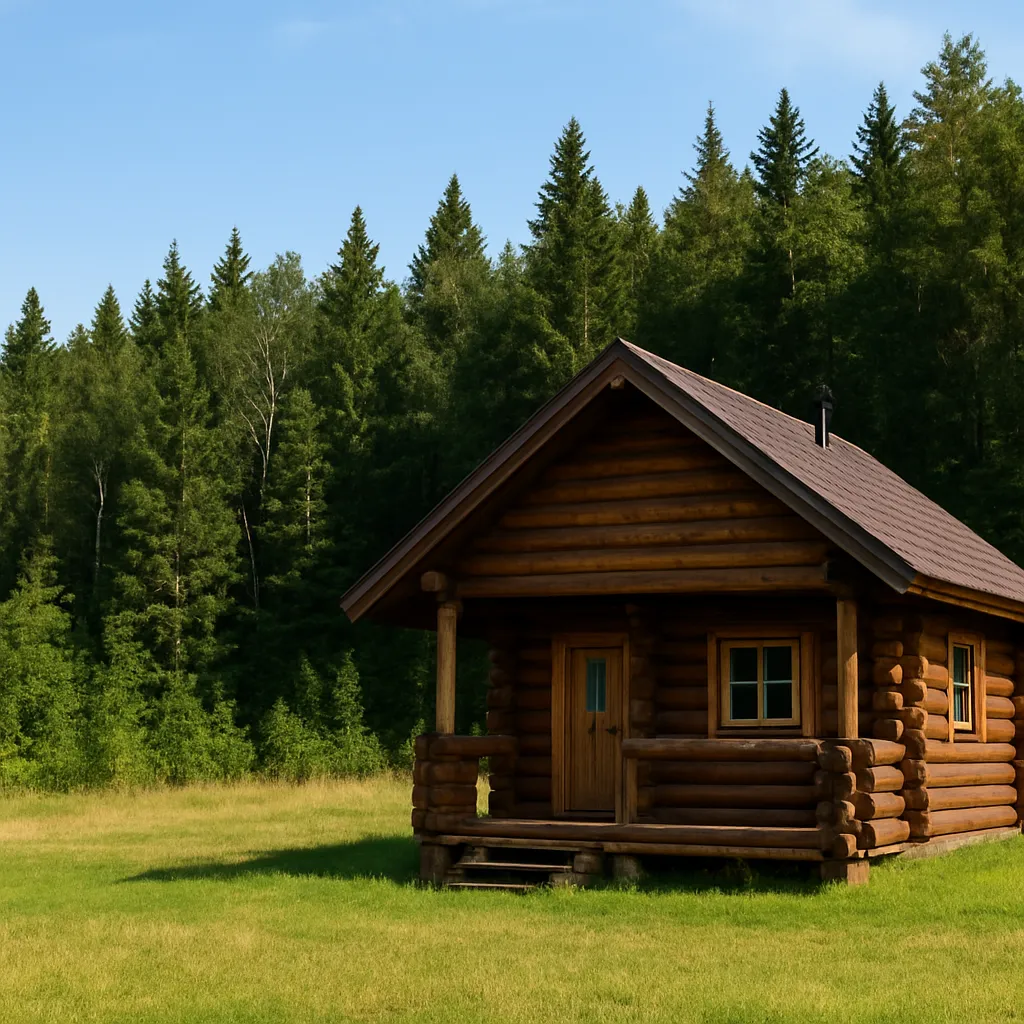
Which reason best explains why people often settled near forests?
Why did towns often grow where two trails or roads met?
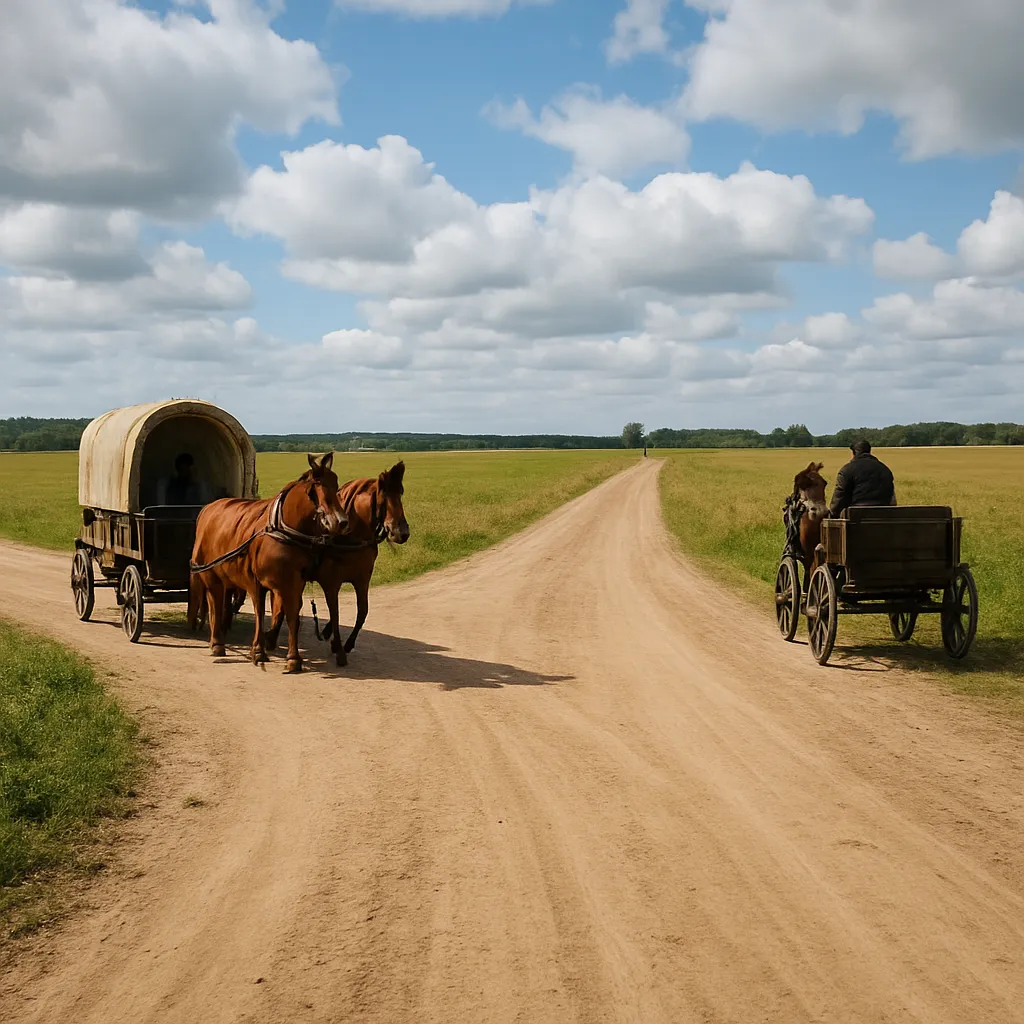
Farmers on one stretch of land planted the same crop, such as tobacco, year after year. After many years, many of those families left to start new farms somewhere else. Why?
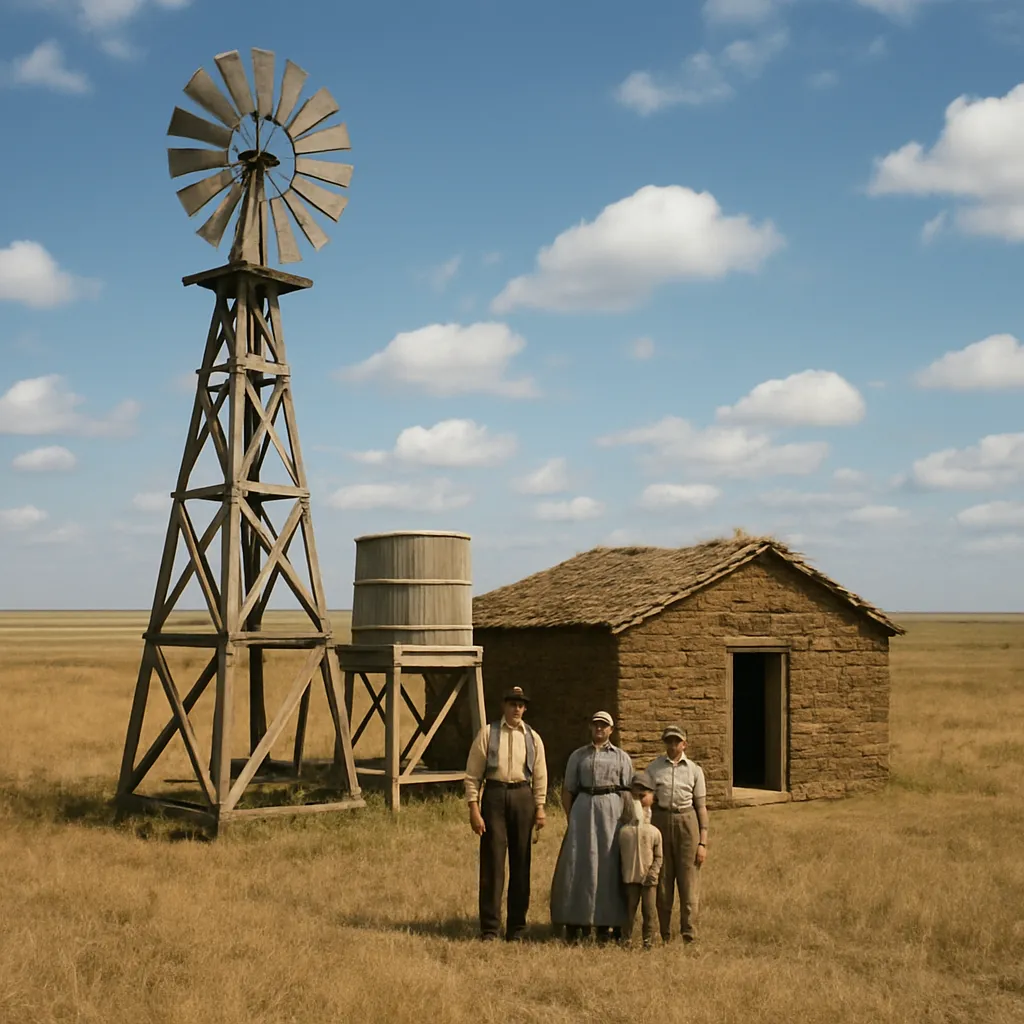
In a mostly dry region, settlers dug deep wells and struck fresh water below the surface. Why did towns often form around the wells that turned out to hold reliable water?
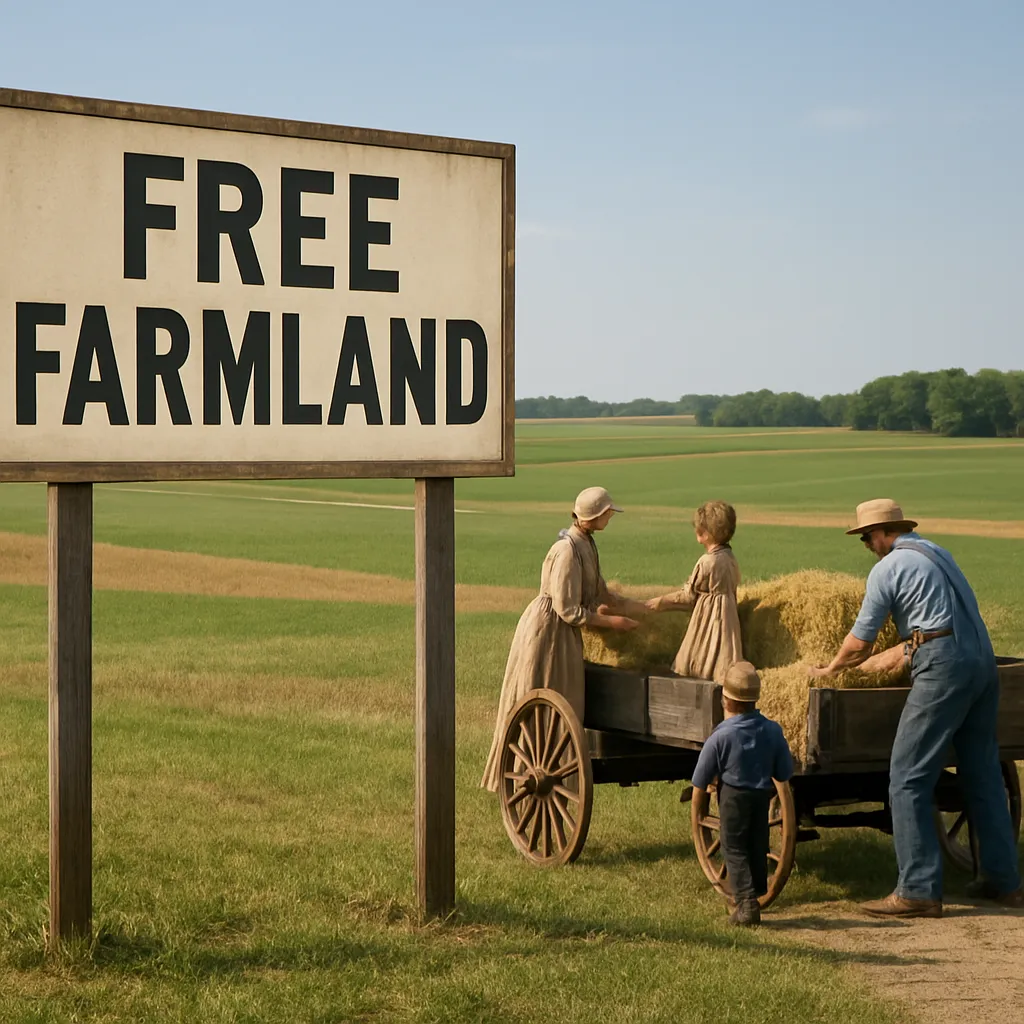
A poster advertised free, fertile farmland in a new territory, and many families moved there because of it. Is the free farmland a push factor or a pull factor in this story?
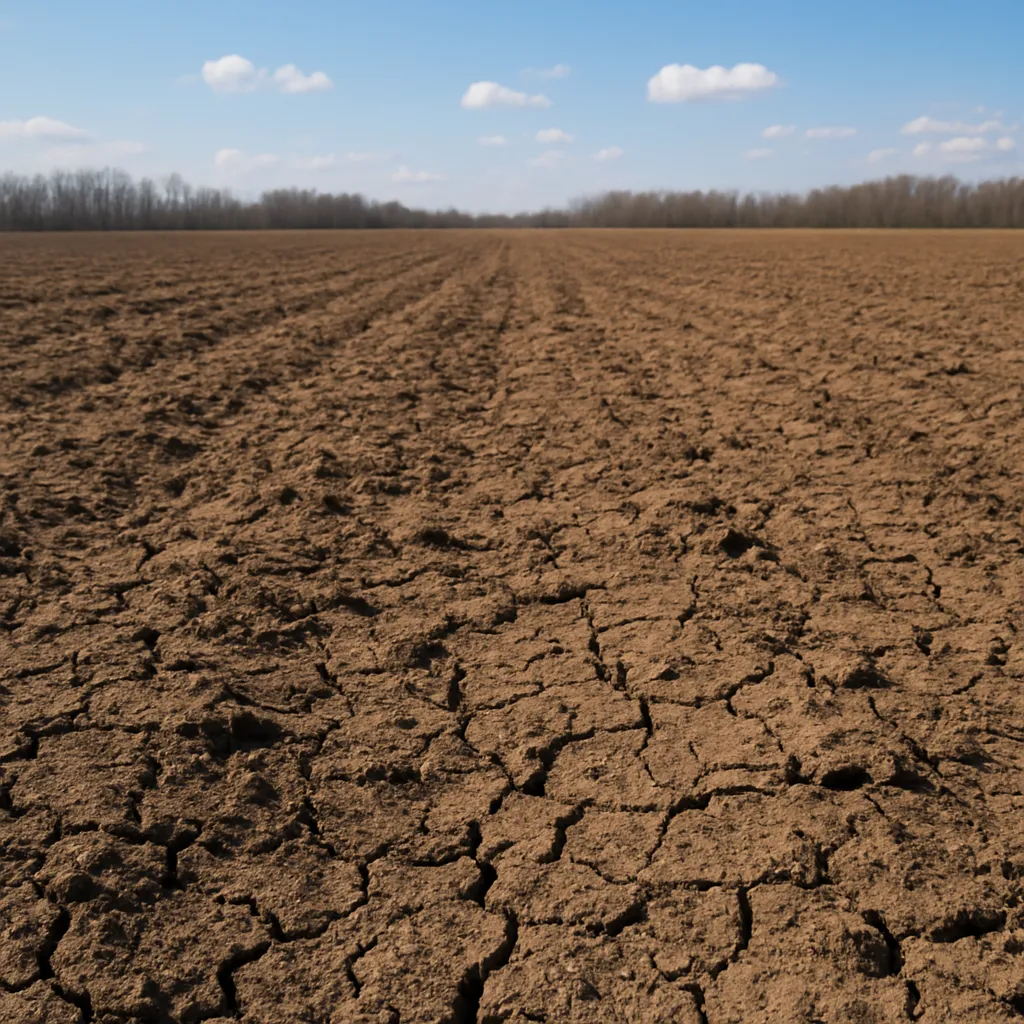
A long drought dried up the wells and fields near a family's home, so they packed up and left to find a place with more reliable water. Is the drought a push factor or a pull factor in this story?
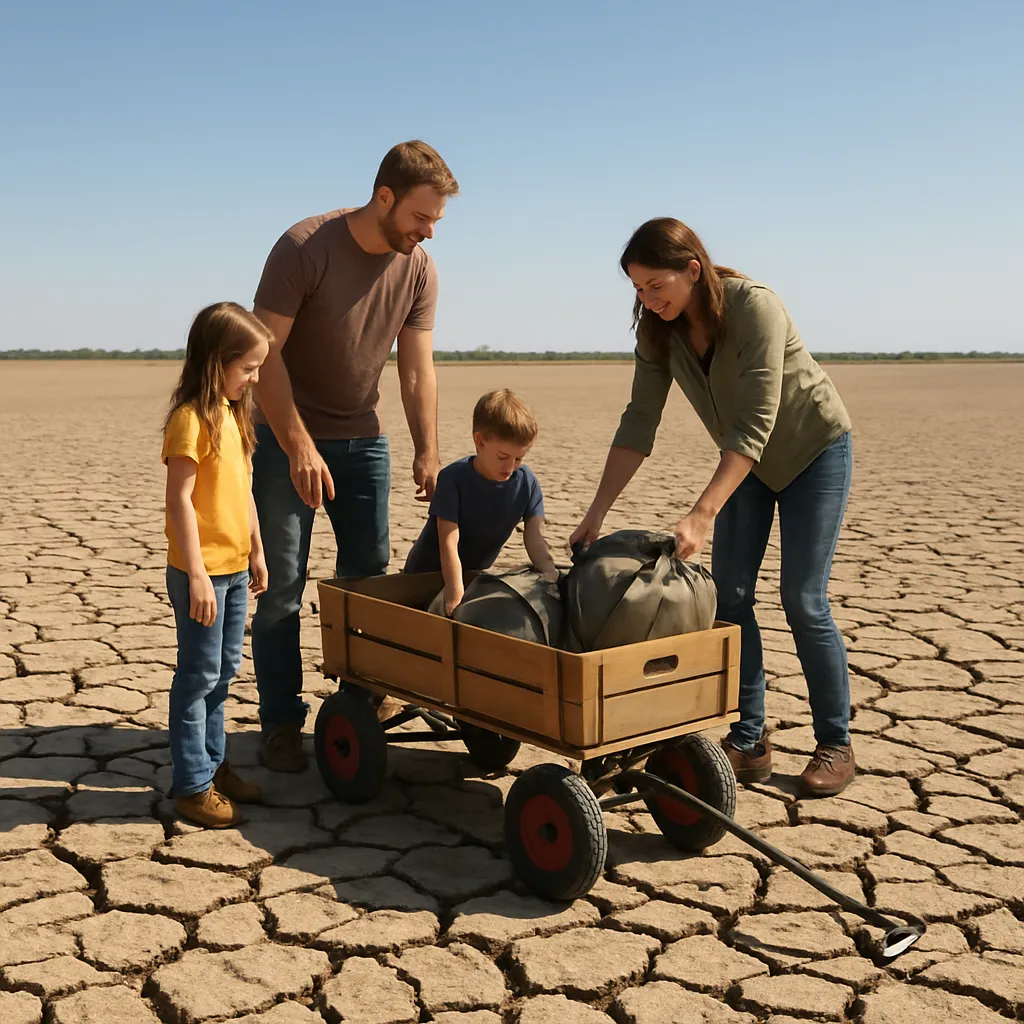
True or False: Climate can affect where people choose to settle.
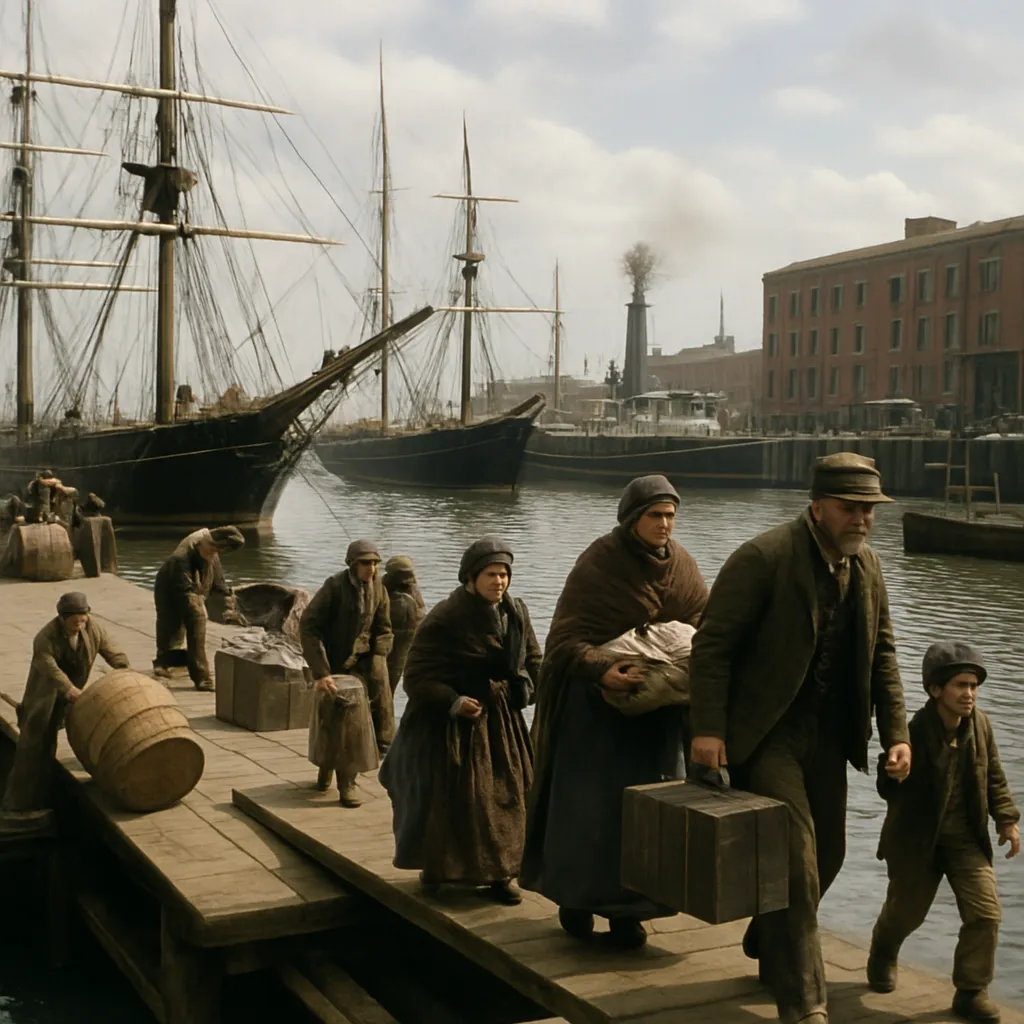
Why did some people settle in port cities such as New York, Boston, or New Orleans?
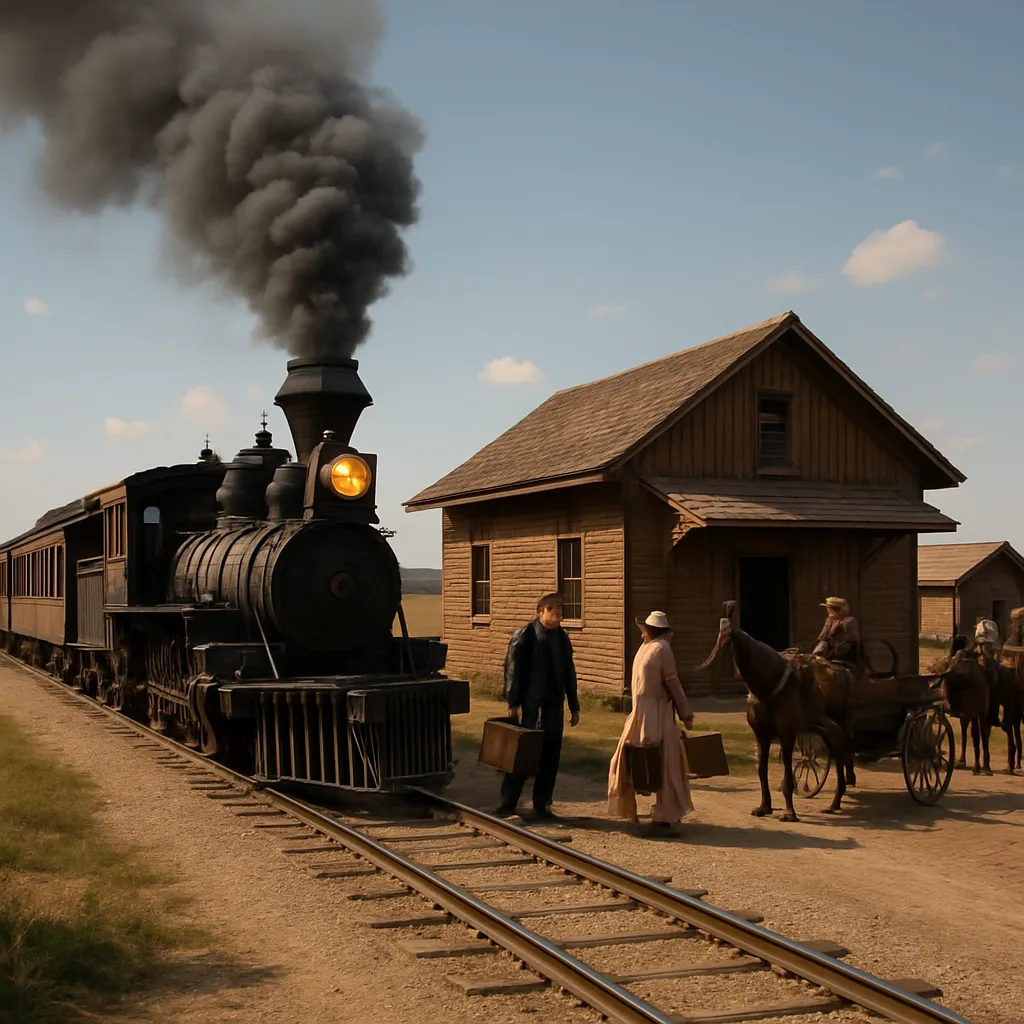
How did railroads affect settlement in the United States?
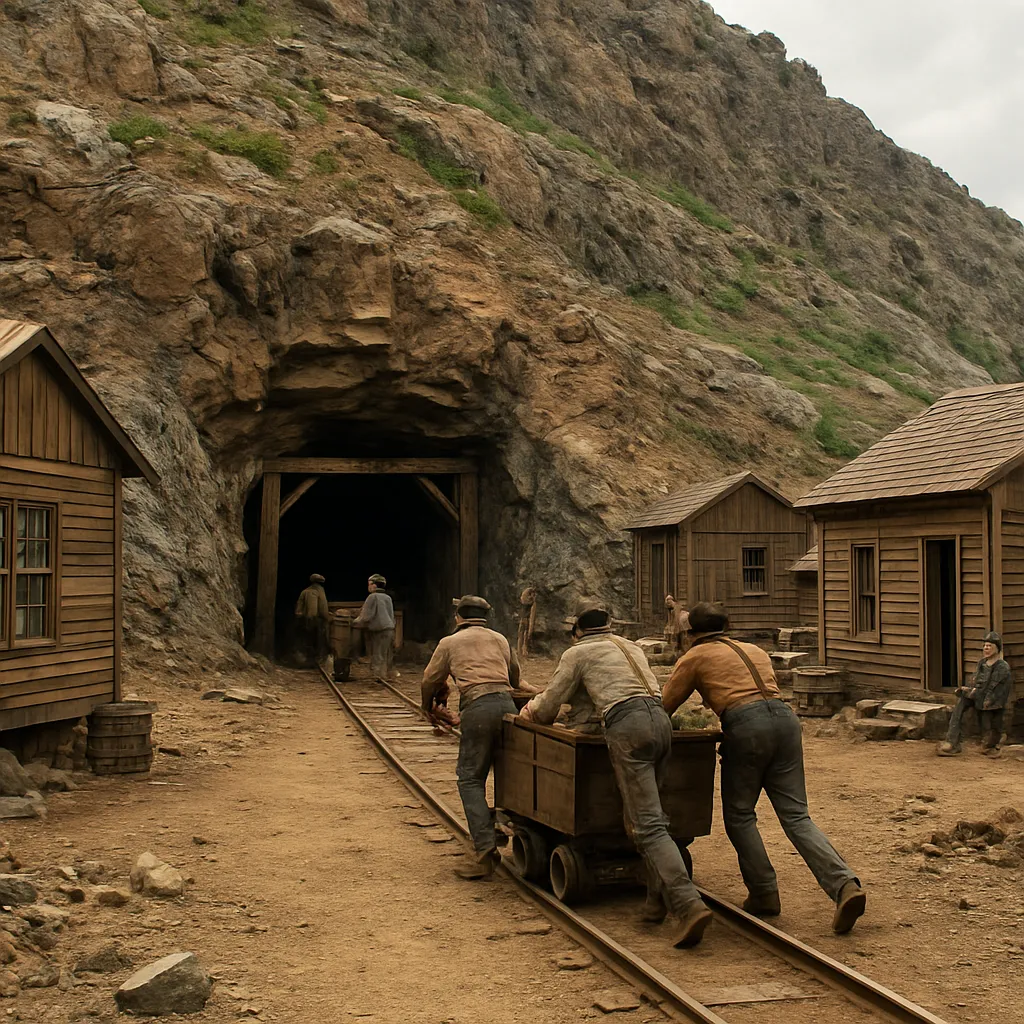
Prospectors discovered a vein of silver ore running through a rocky mountainside. Why did a mining town spring up right at the entrance to that mountain mine?
True or False: Settlements usually grew without needing food, water, or shelter.
A stretch of coastline was covered in a swampy tidal marsh with muddy ground and pools of stagnant water. Why did few people build settlements directly in that marsh?
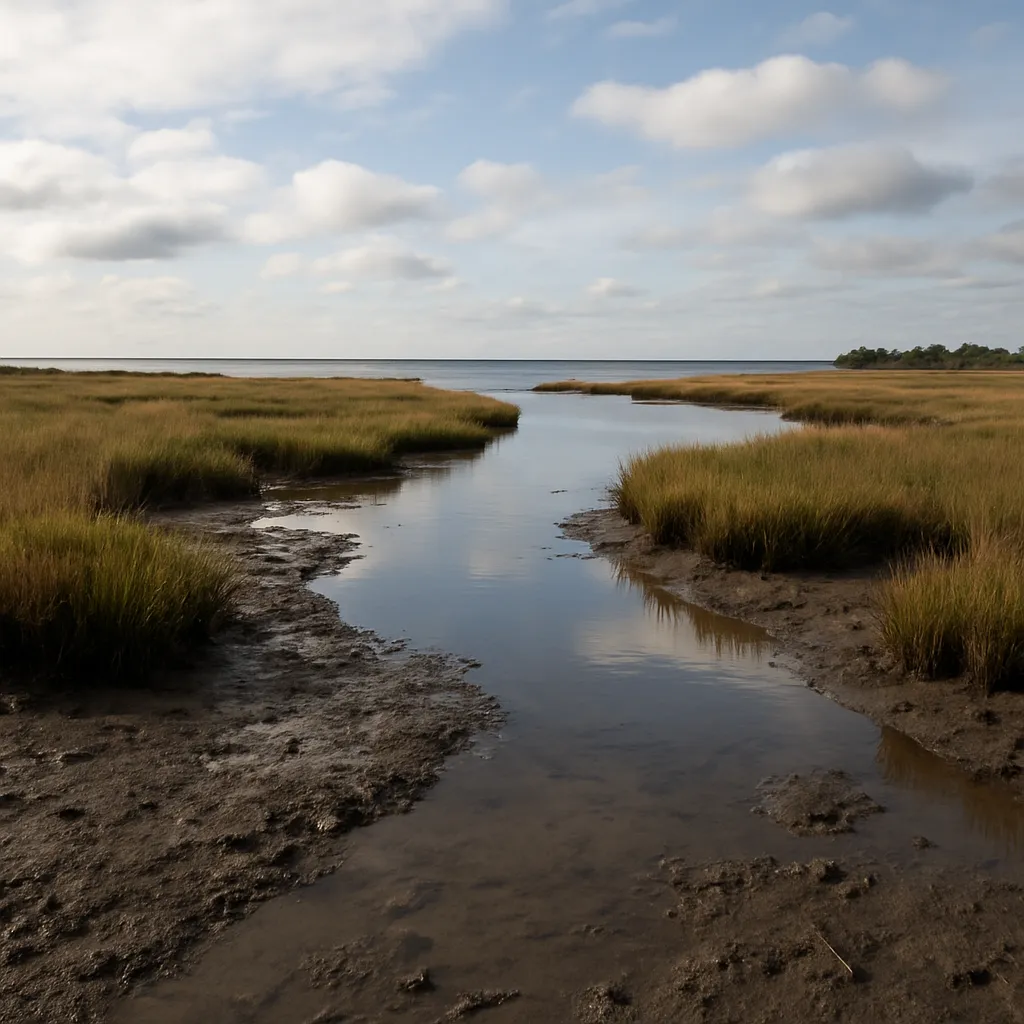
What role did fresh water play in settlement?
Why might a family choose to settle near relatives or friends?

Which feature made the Great Plains attractive to many farmers after new farming tools and railroads expanded?
True or False: People usually settled in a place for just one reason.
In 1607, English colonists put Jamestown on a narrow peninsula in a river, with deep water right next to shore. Besides letting ships tie up close to land, why did they pick that spot?
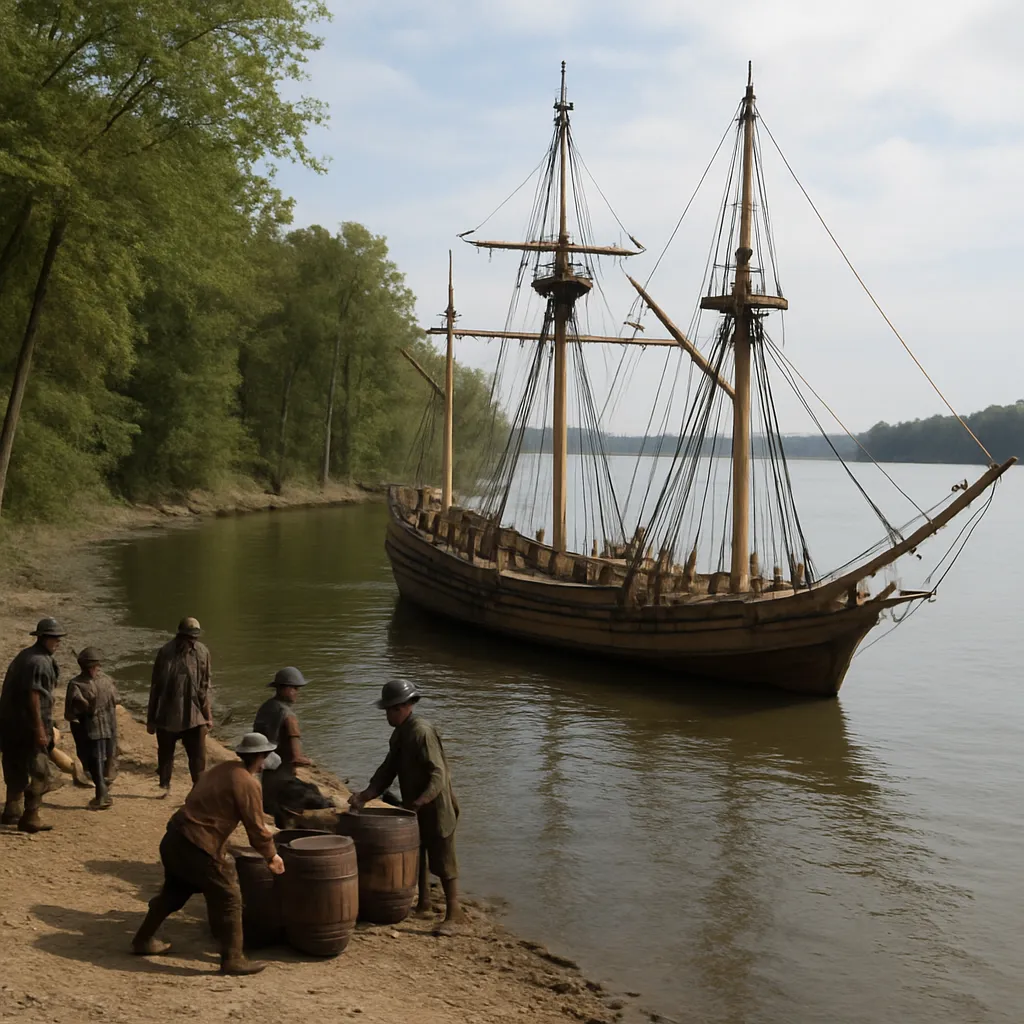
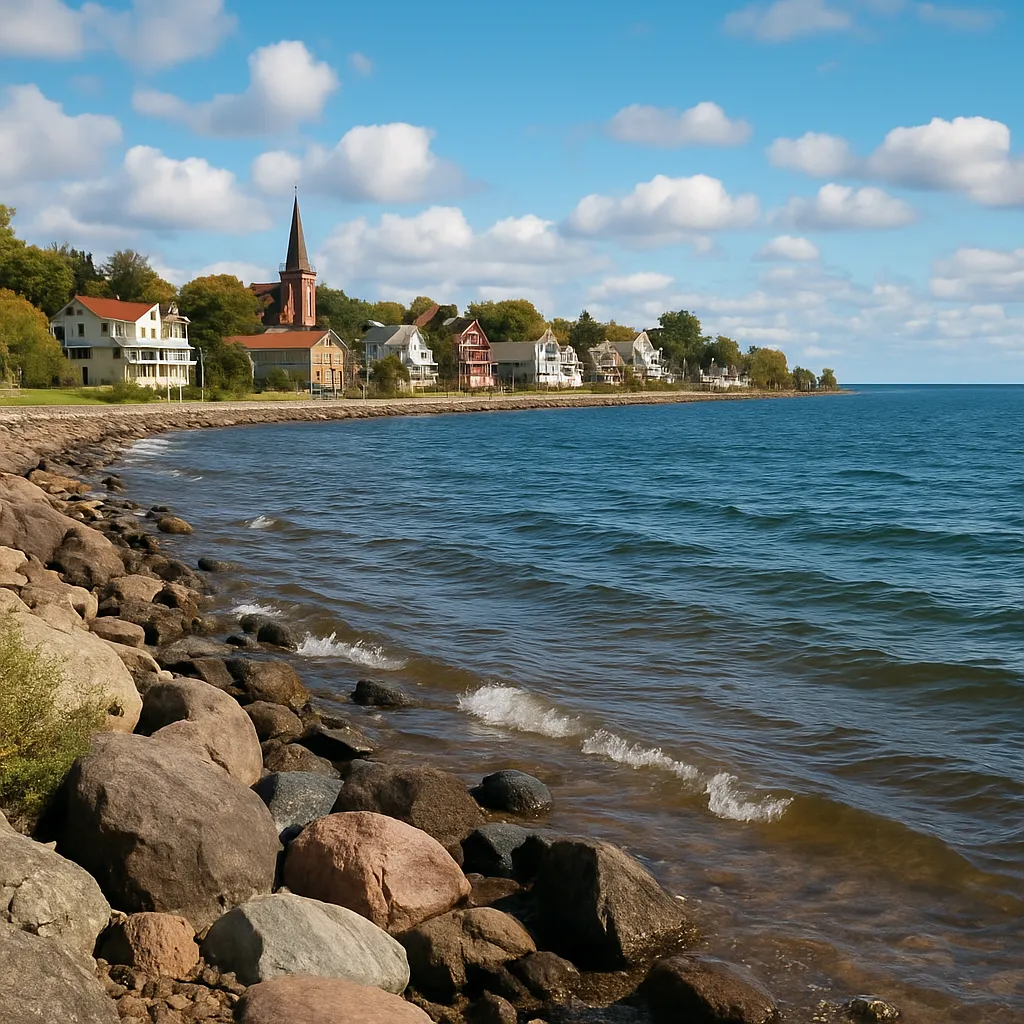
Why did people settle near the Great Lakes?
What is one reason settlers built communities in valleys?
True or False: Native American nations first arrived in North America after European settlers built their first colonies.
Two groups wanted to build a town near a river. One site sat right on the low riverbank; the other sat on a bluff about twenty feet above the water. Why did they build the town on the bluff instead of the riverbank?
Which answer best explains why settlement patterns are different across the United States?
Crack the passcode before the zombies get in.
Answer, then swat bugs for bonus points.
Race through questions at your own speed.
Same question on every screen. Fastest wins.

Pick a tile, answer, hit bonuses and steals.
Adapting to and Modifying the Environment
40 questions