Loading
by BlastRoom
The environmental, economic and human-environment challenges facing Europe.
#us_hs_world_geography
25 questions
One question set, multiple game modes. Tap any game to see it in action. Not sure which to pick?
Answer to place stones and capture territory.
Outrun the snow together.
Earn blasts, then hunt the other team.
Answer to earn energy, then climb.

The class blasts through walls together.
Bid on mystery lots. Most money wins.
Sell tours. Nice, standard, or a total scam.

Answer, restock, and serve the rush.
More correct answers pulls the rope your way.
Answer, then shoot down the alien wave.
Answer, then tap to leap the frozen ridge.
In the Baltic Sea, farm nutrients from Poland and other countries feed summer algal blooms that leave deep water with little oxygen. What process names this change?
Alpine glaciers in Switzerland and Austria have lost much of their ice since 1900, with faster retreat in recent decades. What main driver explains that pattern?
Venice records more frequent acqua alta flooding because the lagoon city now sits lower against the Adriatic than it used to. What mechanism best names the cause?
In Spain and Portugal, the season of high wildfire danger now starts earlier and ends later than it did a few decades ago. What cause best explains the change?
The Rhine now has more years when late-summer channels run too shallow for full barge loads after warm winters and dry summers. What hydrologic shift is a cause?
In Dutch peat polders, drained fields have steadily sunk below nearby water levels. What process causes much of that land subsidence?
In northern Sweden and Norway, shrubs and trees are expanding onto tundra and uphill into areas once too cold for them. What driver is shifting that biome edge?
When the Rhine at Kaub falls during dry summers, barges between Basel and Rotterdam cannot load as deeply. What follows for the regional economy?
Alpine glaciers feed rivers such as the Rhone and Po. As ice stores shrink, summer flow drops when farms, cities, and power plants need water. What follows downstream?
Paris has recorded stronger summer heat waves, and dense streets hold heat at night. What follows for residents during extreme heat?
Baltic Sea oxygen-poor bottom waters have expanded in some basins after nutrient-fed blooms decay. What is a likely ecological result?
In Arctic Norway, Sweden, and Finland, thawing permafrost leaves once-frozen ground less stable. What follows for roads, rail lines, and buildings?
On England's Holderness coast, soft glacial clay cliffs retreat quickly under North Sea waves and storms. What follows for nearby settlements?
Hotter, drier summers combine with heavy irrigation and summer tourism demand. What part of Europe is most exposed to water stress?
Deltas and polders sit at or below sea level while winter storms push surges onto the coast. What European area is most exposed?
Low birth rates and decades of youth out-migration leave many villages with a high old-age dependency ratio. What part of Europe feels this labor shortage most?
Mountain towns that depend on glacier-fed water, skiing, and hydropower face retreating ice and less reliable snow. What area is hit hardest?
Buildings and pipelines are vulnerable where frozen ground thaws, and high latitudes are warming fastest. What part of Europe is most affected?
EU climate targets cut coal demand, but some local economies still rely on mines and lignite power. What European region faces the sharpest job-transition issue?
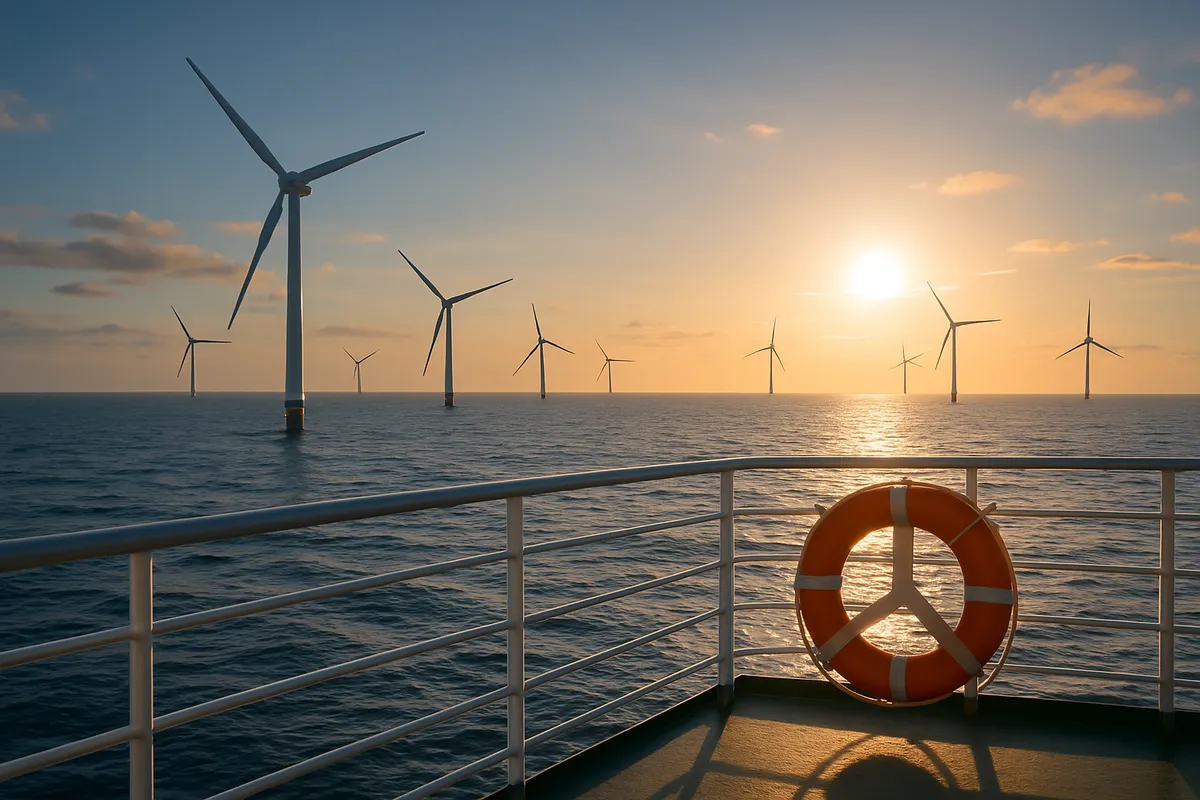
Denmark and the Netherlands are building more offshore wind farms in the North Sea to cut fossil fuel use. What trade-off does this pose?
France gets most of its electricity from nuclear power, which keeps emissions low. What trade-off does this choice pose?
Spain has built desalination plants to supply dry coastal cities and farms with fresh water. What trade-off does this response pose?
The Netherlands' Room for the River program lowers floodplains and moves dikes back to give rivers more space. What trade-off does this pose?
Finland and Sweden can replace fossil fuels by burning more wood from their forests. What trade-off does this pose?
Venice's MOSE barriers can close the lagoon inlets to block high tides. What trade-off do these closures pose?
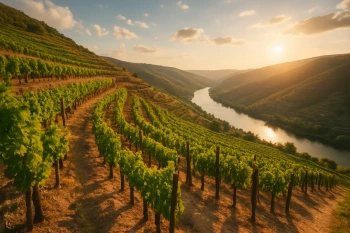
Europe: Climate, Vegetation and Resources
30 questions
Europe: Countries, Capitals and Map Location
44 questions
Europe: Population, Culture and Religion
30 questions
Europe: Government, Economy and Development
30 questions
Russia, the Caucasus and Central Asia: Physical Geography, Climate and Resources
35 questions
Crack the passcode before the zombies get in.
Answer, then swat bugs for bonus points.
Race through questions at your own speed.
Same question on every screen. Fastest wins.

Pick a tile, answer, hit bonuses and steals.