Loading
by BlastRoom
European partition, African nationalism, Pan-African cooperation, and apartheid shaped modern Africa.
#world_regions#us_grade_7_social_studies
30 questions
One question set, multiple game modes. Tap any game to see it in action. Not sure which to pick?
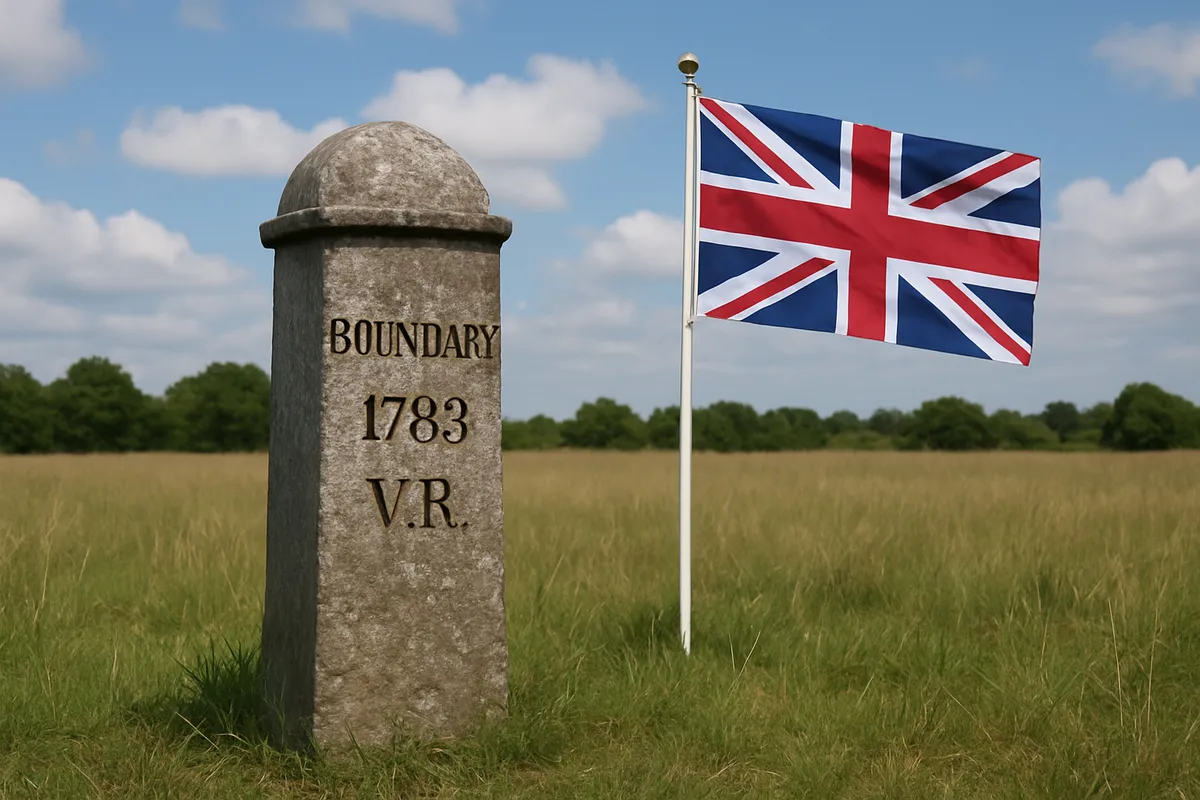
European leaders divided much of Africa at the 1884-1885 Berlin Conference with little African input. What lasting problem did this help create?
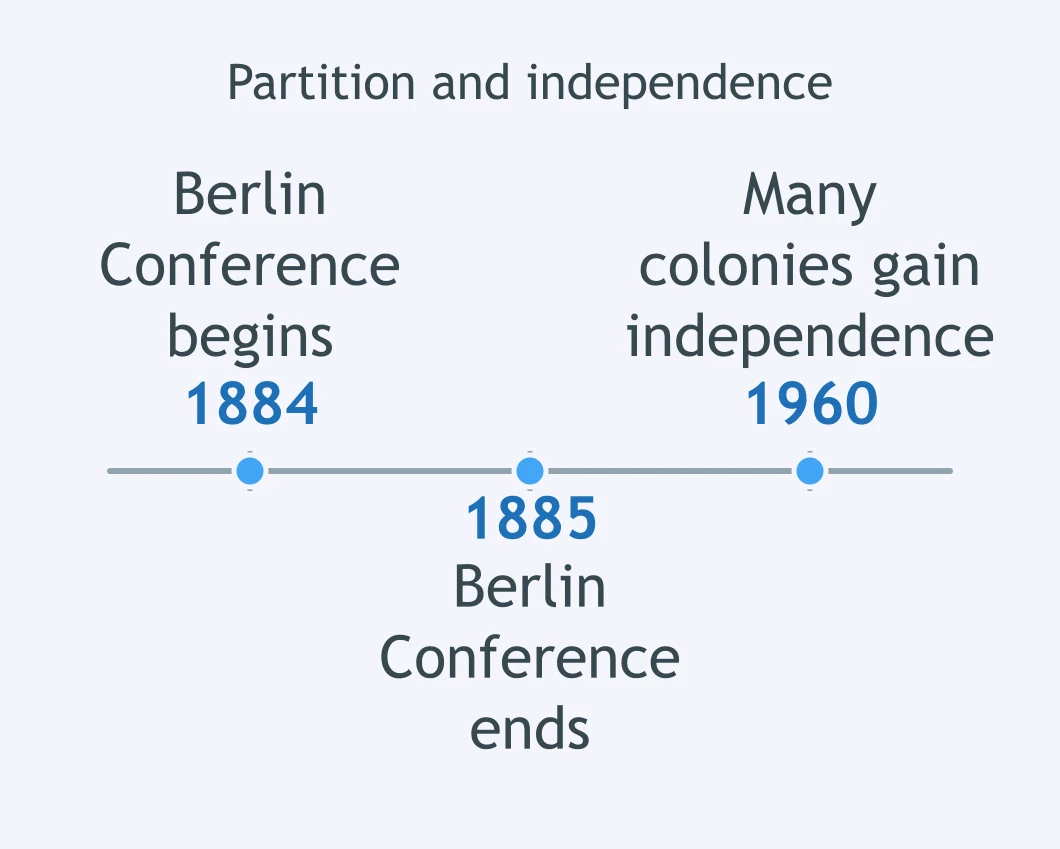
Colonial borders sometimes split one ethnic group between two colonies. What political effect could this cause after independence?
European partition joined different communities inside one colony without their consent. Which later challenge best fits this cause?
In 1964, members of the Organization of African Unity agreed on a policy toward the borders left by colonial rule. What did they decide?
By 1914, European powers had claimed almost all of Africa. Which two African countries were still independent?
A border drawn by colonial officials cut through grazing lands used by pastoral communities. What conflict could follow?
At the Berlin Conference, European powers recognized King Leopold II's claim to the Congo. Which European country later ruled the Congo as a colony until 1960?
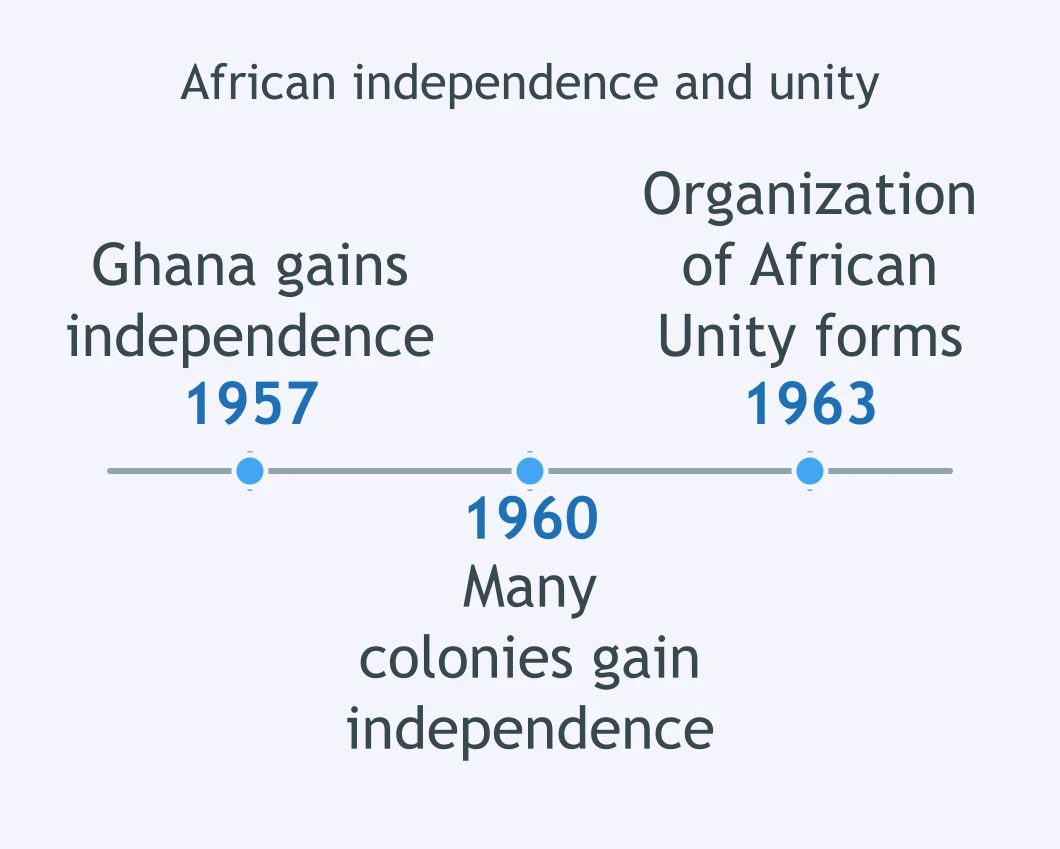
Seventeen African countries gained independence in a single year, which became known as the Year of Africa. Which year was it?
Kenyans organized against British colonial rule and demanded self-government after World War II. Which movement does this show?
Nigerian leaders used political parties, newspapers, and negotiations to seek independence from Britain. Which idea guided this effort?
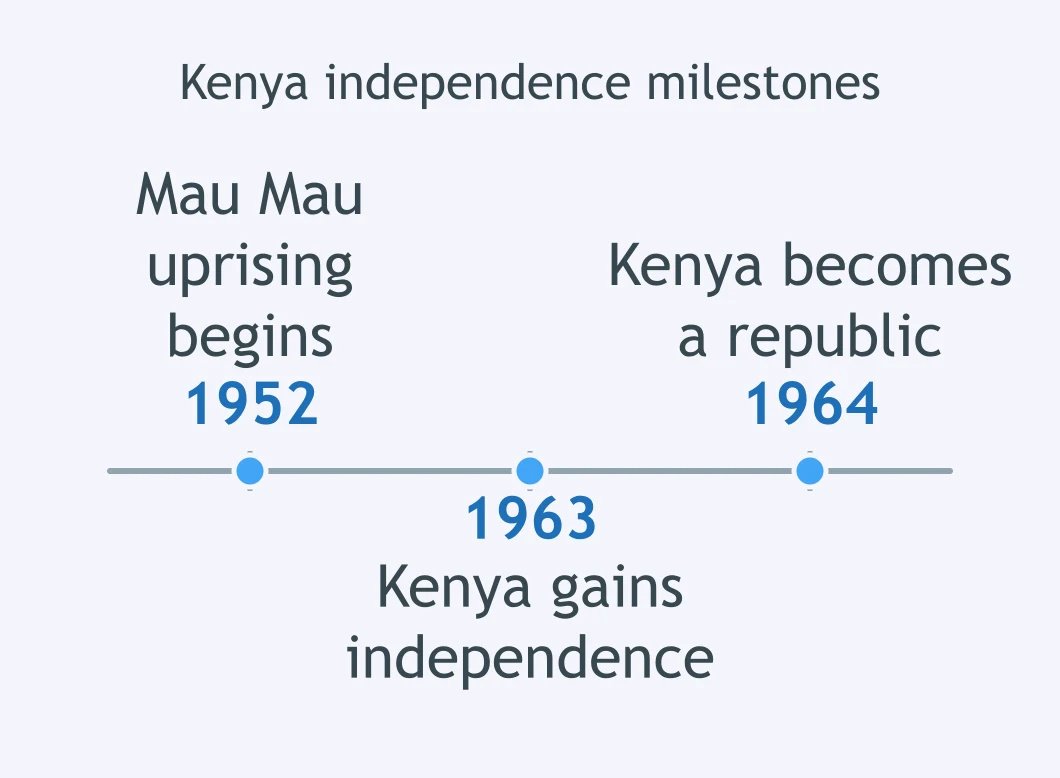
Which leader was jailed by the British in Kenya in the 1950s and later became Kenya's first prime minister in 1963?
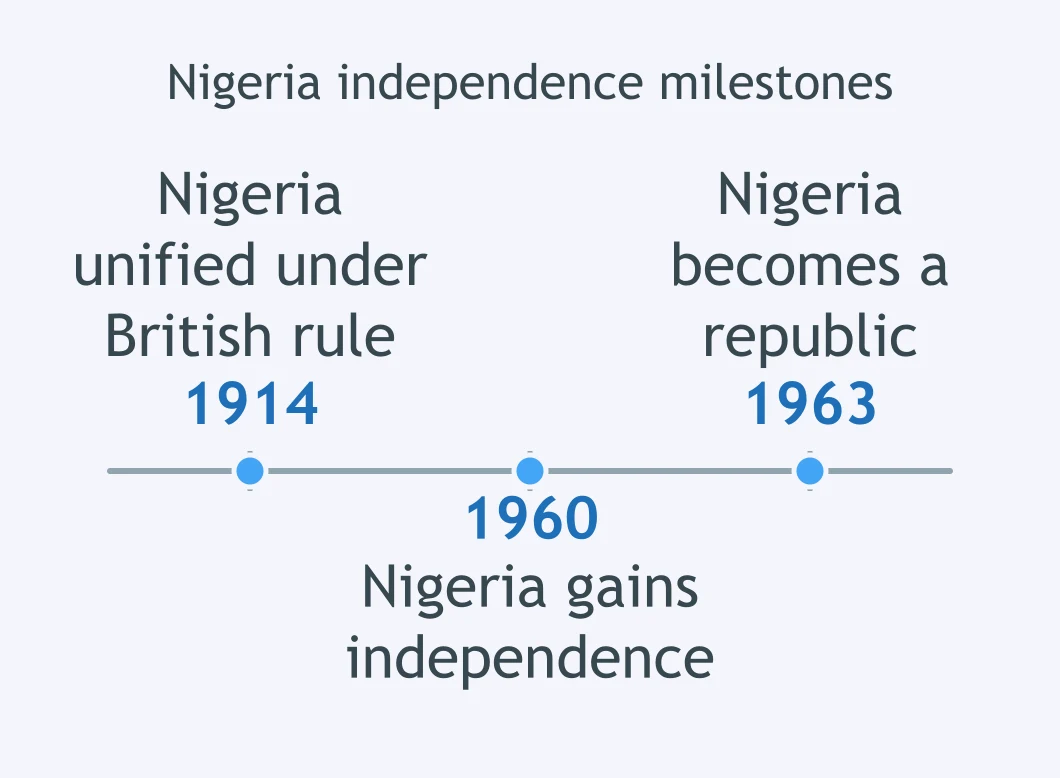
In 1960, Nigeria, Africa's most populous country, gained its independence. Which European country had ruled it as a colony?
Kenya gained independence from Britain in 1963 after years of anti-colonial pressure. Which process does this event illustrate?
African nationalists argued that colonial governments should be replaced by governments chosen by local people. What demand were they making?
In the 1950s, an armed revolt in Kenya fought British rule and the loss of land to white settlers. What was this revolt called?
African leaders called for cooperation among African peoples against colonial rule. What idea were they promoting?
Pan-African conferences brought activists from Africa and the African diaspora together. What goal did these meetings support?
Kwame Nkrumah argued that independent African countries should work together. Which movement matched that belief?
The Organization of African Unity formed in 1963 to encourage cooperation among African states. What idea did it reflect?
In 2002, the Organization of African Unity was replaced by a new group of African states. What is it called?
In 1976, students in Soweto, South Africa, protested a rule forcing them to be taught in which language?
Which African American scholar organized a series of Pan-African Congresses beginning in Paris in 1919?
South African laws classified people by race and denied Black South Africans full political rights. What system was this?
Under apartheid, Black South Africans had to carry passbooks. What did these documents allow the government to control?
Which political party, founded in 1912, led the fight against apartheid and won South Africa's 1994 election?
Nelson Mandela was imprisoned for opposing apartheid and later became South Africa's president. What change did his election show?
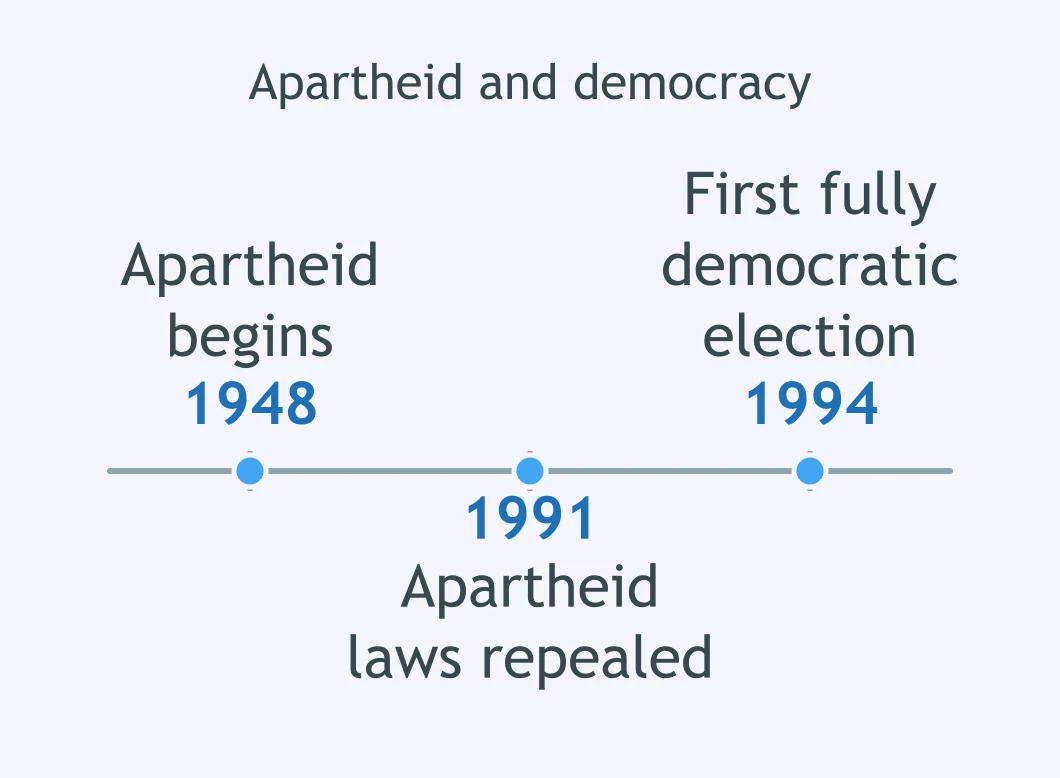
F.W. de Klerk helped repeal apartheid laws and negotiated with Nelson Mandela. What political change followed?
Apartheid ended in the early 1990s, and South Africa held its first fully democratic election in 1994. Who became president?
Nelson Mandela spent 27 years in prison, 18 of them on an island off Cape Town. What is that island called?
In the 1980s, many countries refused to trade with or invest in South Africa to pressure it to end apartheid. What are these penalties called?
Crack the passcode before the zombies get in.

Pick a tile, answer, hit bonuses and steals.
Southern and Eastern Asia Since 1900
30 questions