Loading
by BlastRoom
Explore how launch conditions and air resistance affect projectile motion.
#projectiles#matatag_science_10

20 questions
One question set, multiple game modes. Tap any game to see it in action. Not sure which to pick?
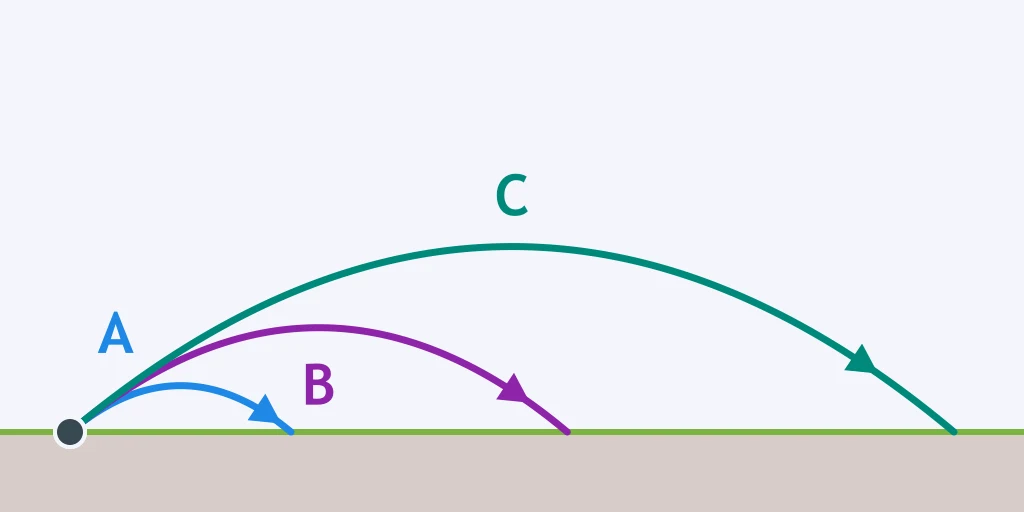
These launches use the same angle and starting height, without air resistance. Which path corresponds to the greatest launch speed?
A ball travels 8 m when launched at 10 m/s. Its speed is changed to 20 m/s at the same angle. With equal launch and landing heights and no air resistance, what distance should it travel?
A ball launched upward at an angle stays airborne for 1.2 s. Its launch speed changes from 12 m/s to 24 m/s at the same angle. For equal launch and landing heights without drag, what is the new flight time?
A projectile rises 3 m above its release point. If its launch speed is doubled while its angle stays fixed, how far above that point will it rise without air resistance?
At a regional meet, Paolo's forward velocity during a long jump is approximately 8 m/s, and he stays airborne for 0.60 s. Ignoring air resistance, what horizontal distance does he cover?
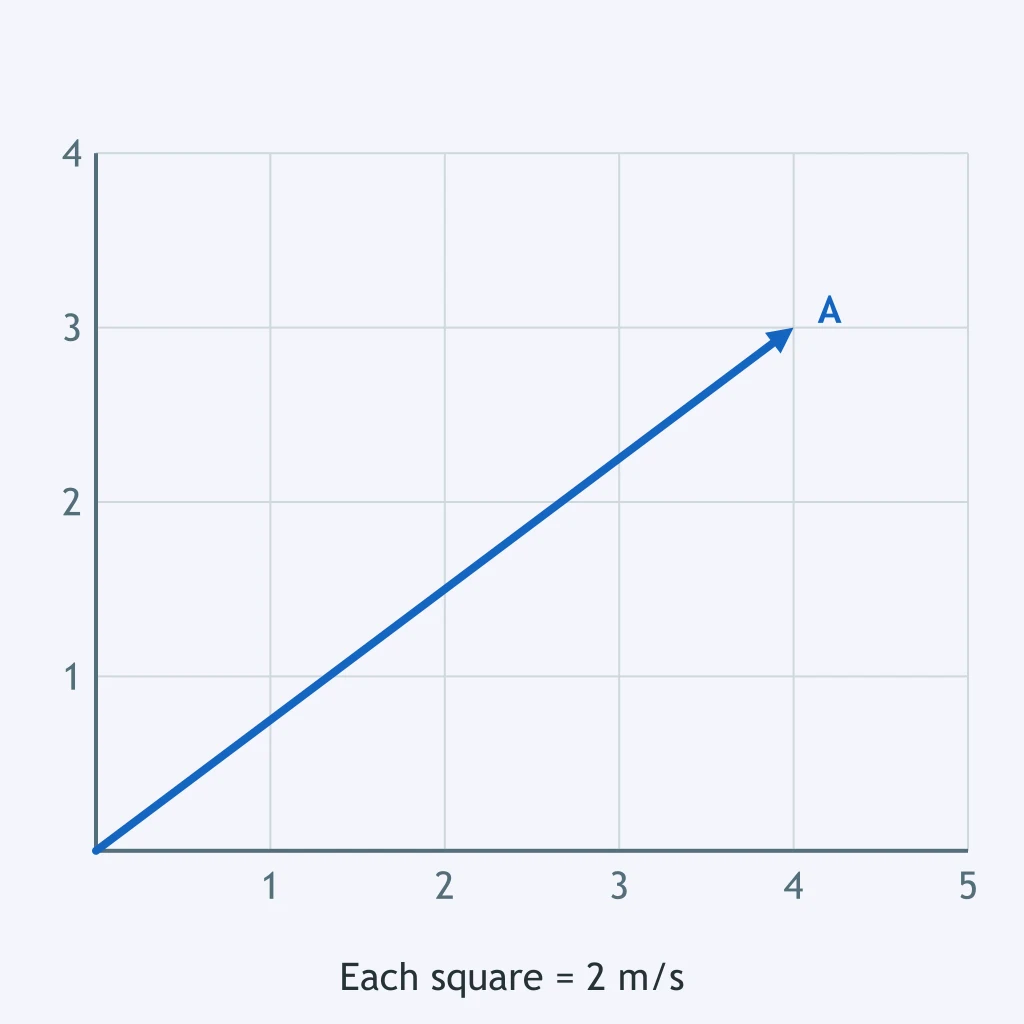
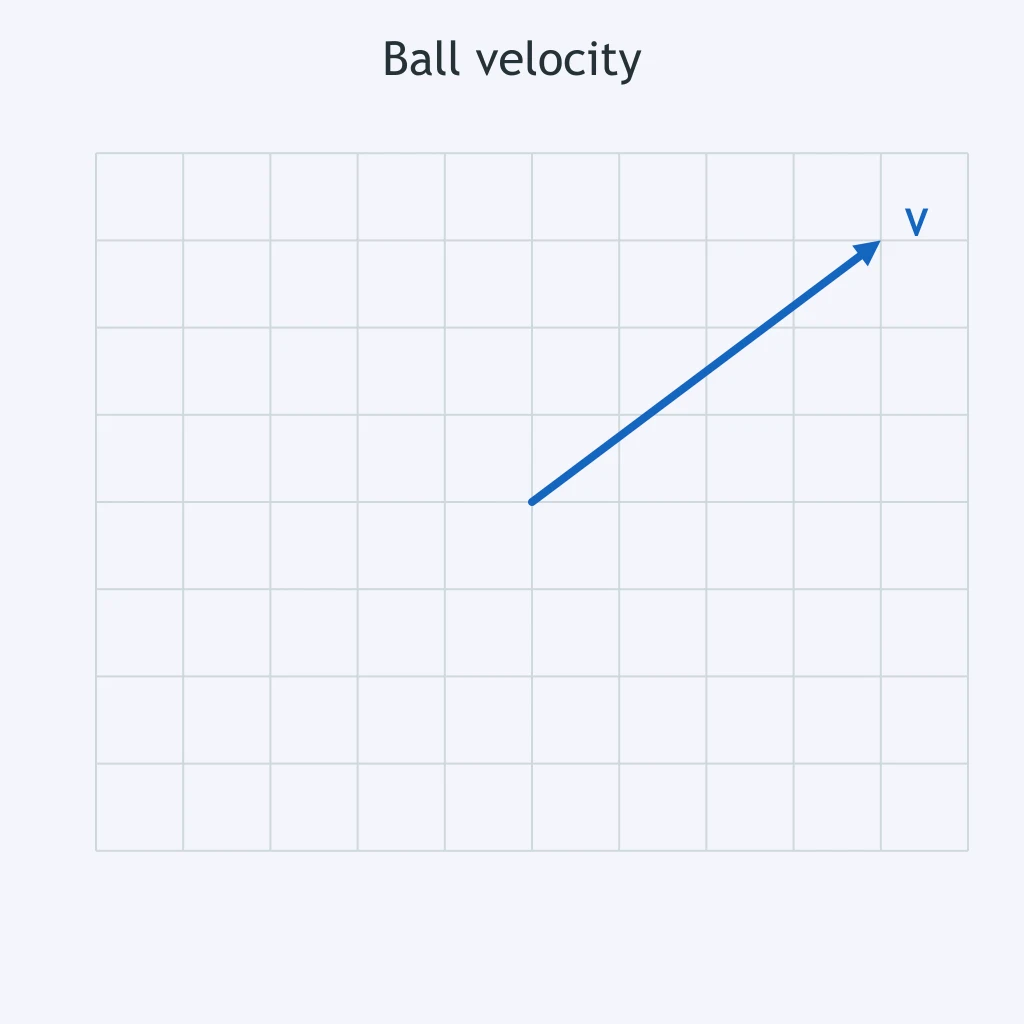
Use the grid and its scale. What is the horizontal velocity component represented by arrow A?
A ball is kicked from the ground at 10 m/s and 45 degrees above horizontal. Ignoring air resistance and using gravity of 9.8 m/s², approximately how high does it rise?
A ball leaves an 8.0 m roof at 10 m/s, directed 20 degrees below horizontal. Ignoring air resistance and using gravity of 9.8 m/s², about how far from the building does it land?
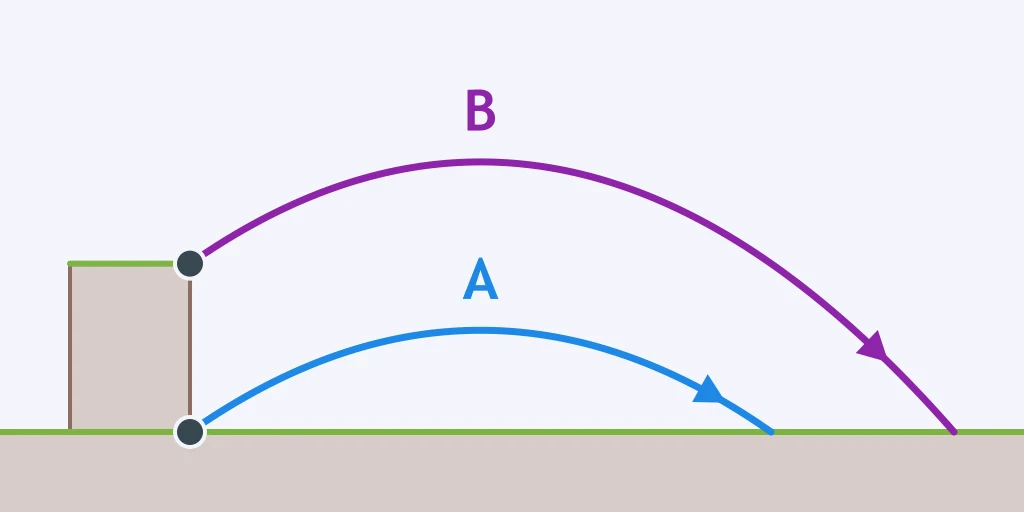
The balls shown leave their launchers at the same speed and angle. Which remains airborne longer before reaching the ground? Ignore air resistance.
A catapult releases a ball from a platform 3 m above the ground. The ball rises another 2 m after release. What is its greatest elevation above the ground?
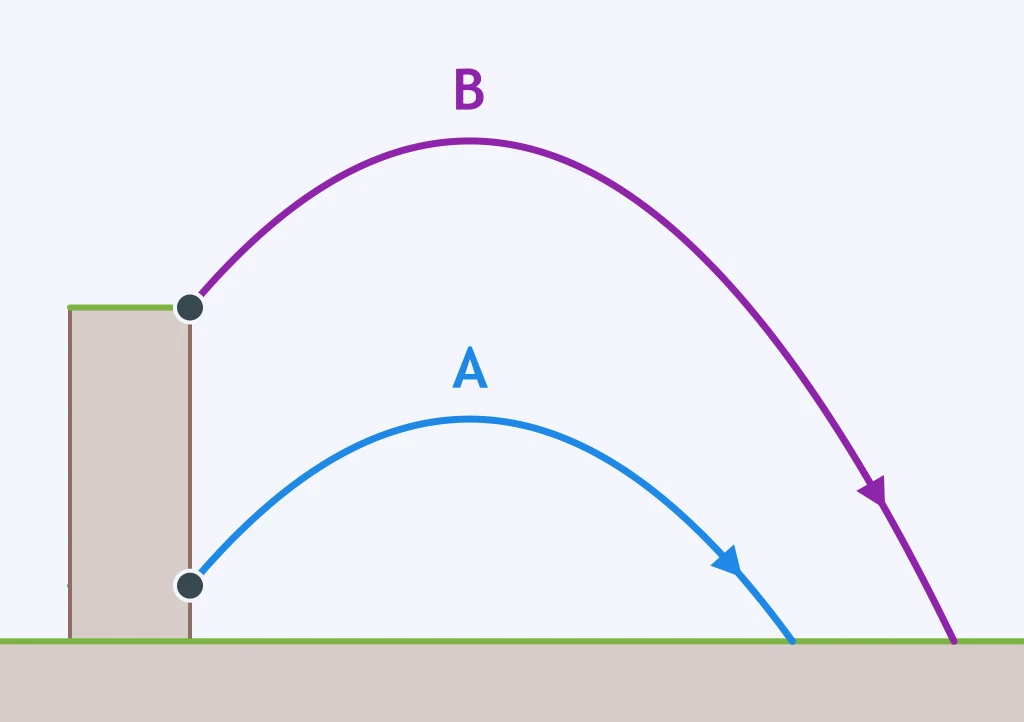
The two balls shown are released at the same instant with identical speeds and angles. Ignoring air resistance, how do their arrivals at the highest point compare?
Ana raises a catapult on stacked books but keeps its upward launch angle and speed unchanged. Without air resistance, how does the ball's landing position change on level ground?
Ignoring air resistance, how is a ball accelerated after leaving the thrower's hand?
The two paths use identical launch conditions. Which includes the effect of air resistance?
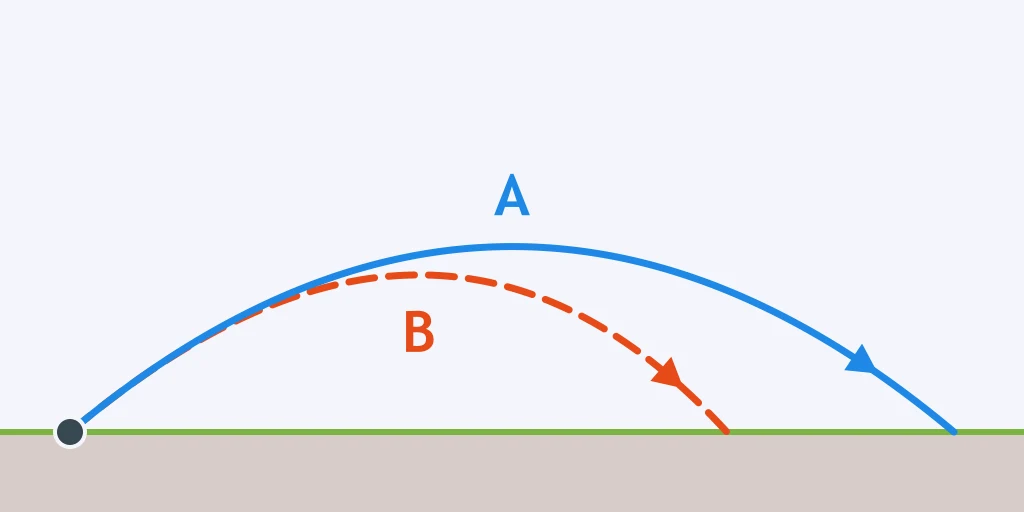
Which description generally fits a thrown ball experiencing substantial drag in still air?
The arrow shows a ball's motion through still air. In which direction does the resisting force point?
Two smooth spheres of equal mass are launched identically through still air. Assuming the same drag coefficient, which experiences greater resistance at the same speed?
Four balls differ only in mass and are launched identically through still air. Which is expected to land farthest when drag matters?
In a vacuum, two balls with different masses leave the same point at the same speed and angle. How do their paths compare?
In a Balls vs. Fan investigation, which comparison best isolates the effect of moving air?
Crack the passcode before the zombies get in.

Pick a tile, answer, hit bonuses and steals.

Elastic and Inelastic Collisions
20 questions