Loading
by BlastRoom
Sort organisms into the protist and fungus kingdoms by their structures, feeding and ecological roles.
#biology
20 questions
One question set, multiple game modes. Tap any game to see it in action. Not sure which to pick?
Answer to place stones and capture territory.
Outrun the snow together.
Earn blasts, then hunt the other team.
Answer to earn energy, then climb.

The class blasts through walls together.
Bid on mystery lots. Most money wins.
Sell tours. Nice, standard, or a total scam.

Answer, restock, and serve the rush.
More correct answers pulls the rope your way.
Answer, then shoot down the alien wave.
Answer, then tap to leap the frozen ridge.
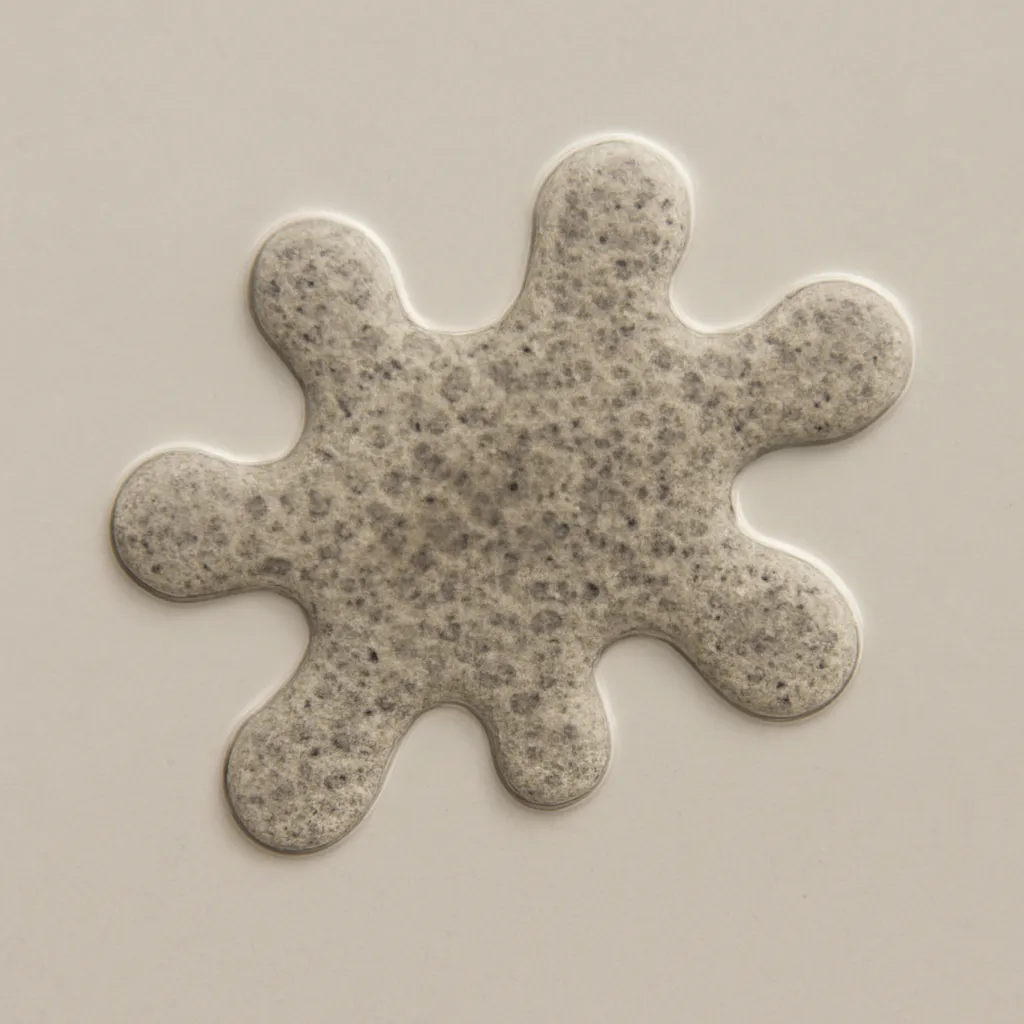
The organism shown is a single cell with a nucleus and no cell wall. It creeps forward by pushing out temporary lobes of cytoplasm and surrounds its food the same way. To which kingdom does it belong?
An organism is one cell with a wall containing chitin and no chloroplasts. It reproduces by budding and feeds by releasing enzymes onto the sugars in fallen fruit and absorbing the products. Which kingdom is it in?
A pond organism is one cell with a nucleus, carries chloroplasts and makes its own food in the light, yet has no cell wall and swims with a single long whip. Which kingdom do biologists place it in?
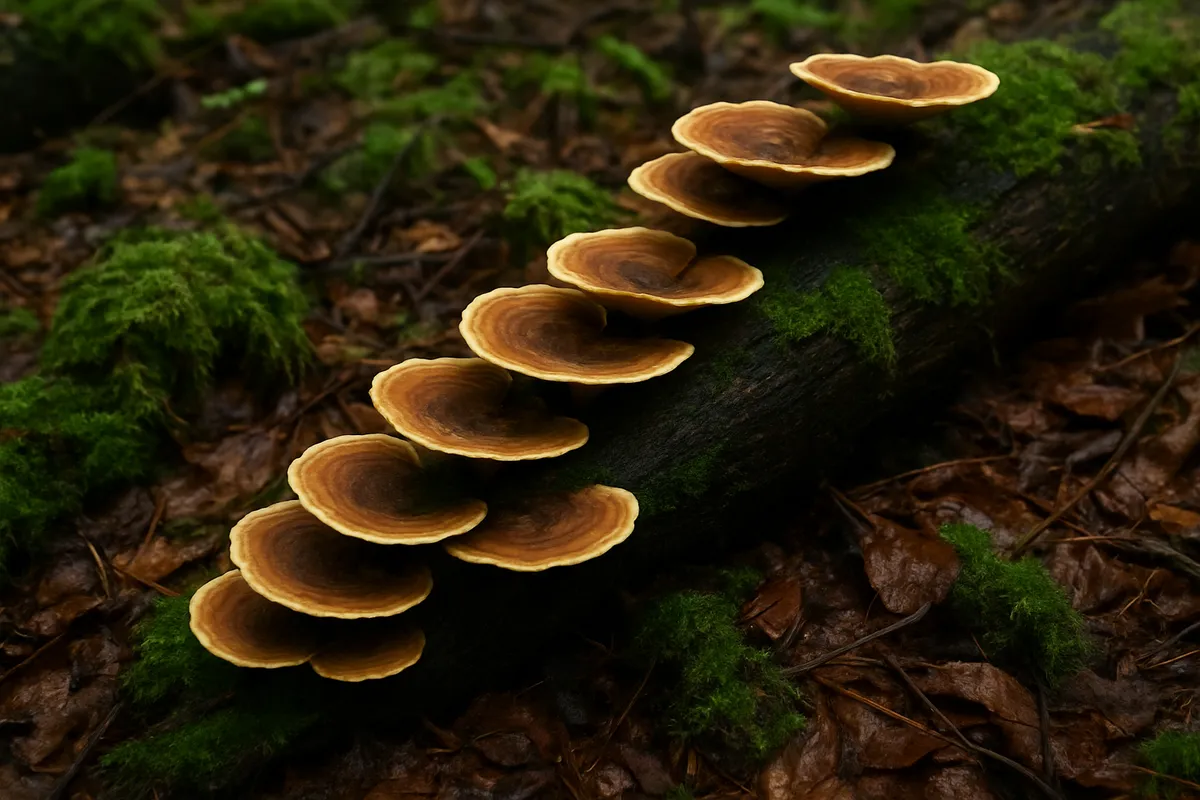
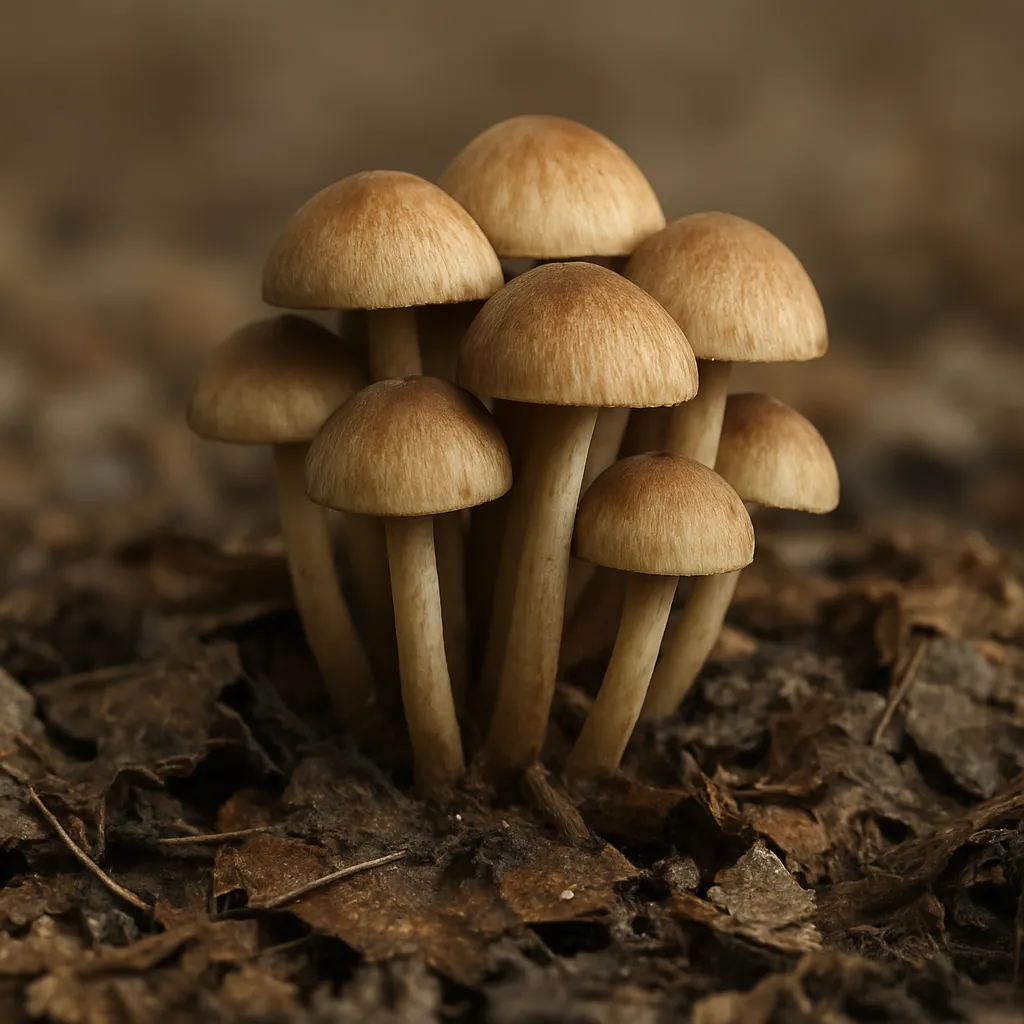
The organisms shown pushed up through leaf litter overnight from a mass of threads spreading in the soil, and they take in nutrients by releasing enzymes into the litter around them. Which kingdom do they belong to?
Two organisms both have cell walls. One wall is made of cellulose and those cells hold chloroplasts; the other wall is made of chitin and those cells hold none. What does this difference say about how each one gets food?
The organism shown is multicellular and anchored to a rock in shallow seawater. Its cells contain chloroplasts, but it has no roots, no stems, no leaves and no vascular tissue. Which kingdom is it usually placed in?

A fungus growing in a fallen log spreads as a huge mass of fine branching threads through the wood rather than as one compact lump. How does growing in that form help it feed?
Fungi are heterotrophs: they release digestive enzymes onto their food outside the body and then absorb the small molecules that result.
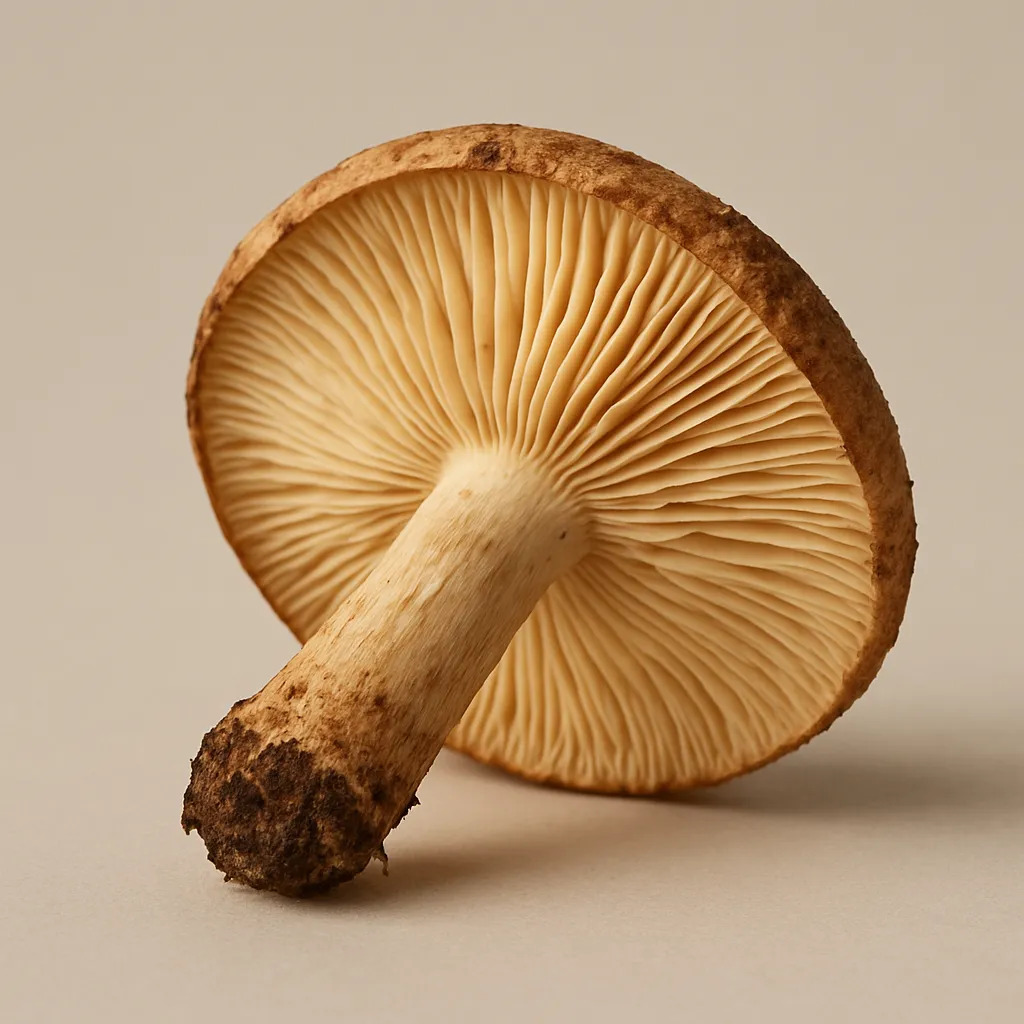
The structure shown has been turned over to reveal the closely packed sheets under its cap. It is the only part of the fungus above ground. What job does this above-ground structure do for the fungus?
Bread mold spreads across a damp slice of bread within days but does not grow on a dry cracker sitting beside it in the same warm room. Which statement best explains the difference?
A shelf-shaped fungus grows out of the trunk of a dead tree, and the wood beneath it has turned soft and crumbly. What role is this fungus playing in its ecosystem?
The organism shown is one cell fringed with rows of short hairs that beat together. It swims with them and also uses them to sweep food particles into a groove in its side. Which group of protists is it in?
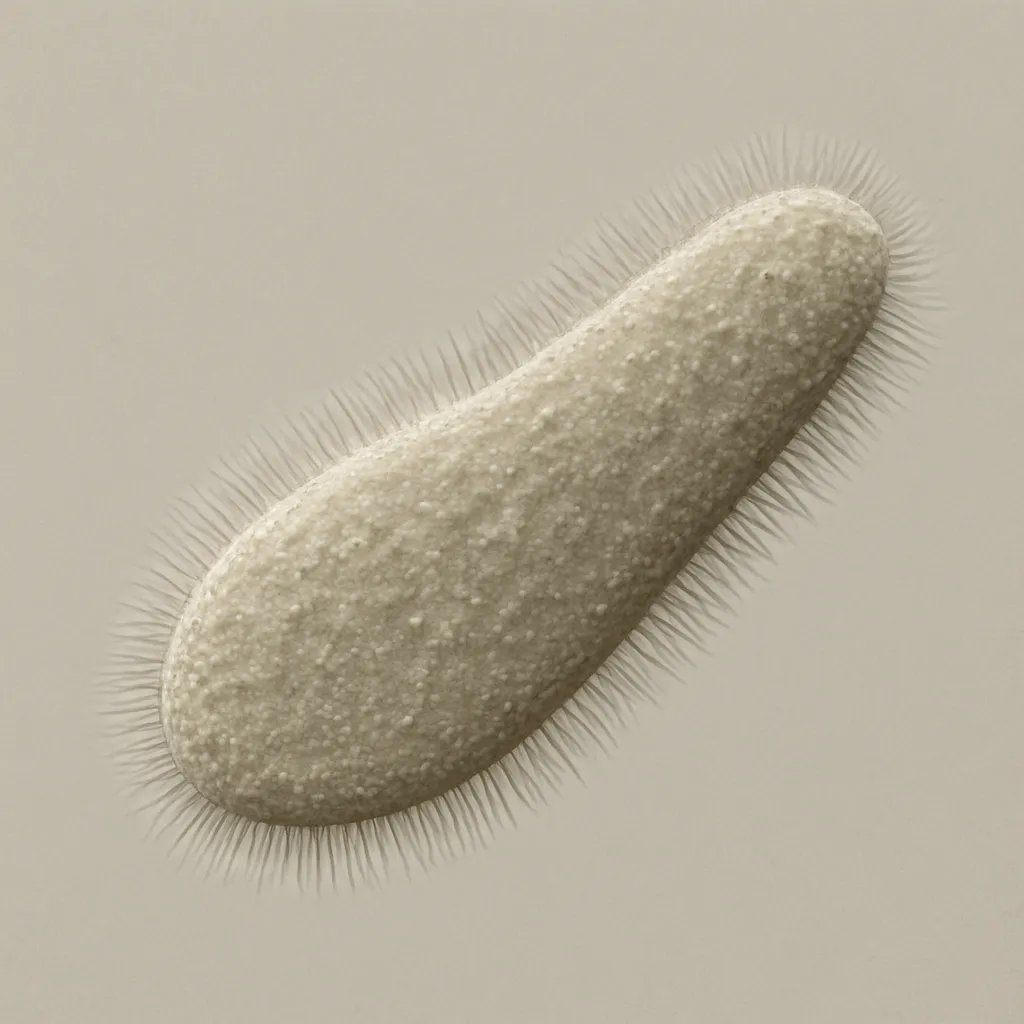
A single-celled protist lives inside the gut of a termite, swims by lashing several long whips, and digests the wood the termite swallows. Which group of protists does its method of moving place it in?
Diatoms and other plantlike protists are found in the top few meters of ocean water and almost never hundreds of meters down. What best explains where they live?
The organism shown creeps over a rotting log as a spreading mass of cytoplasm, engulfing bacteria and dead material as it goes, and later raises stalks that release spores. How do biologists classify it?
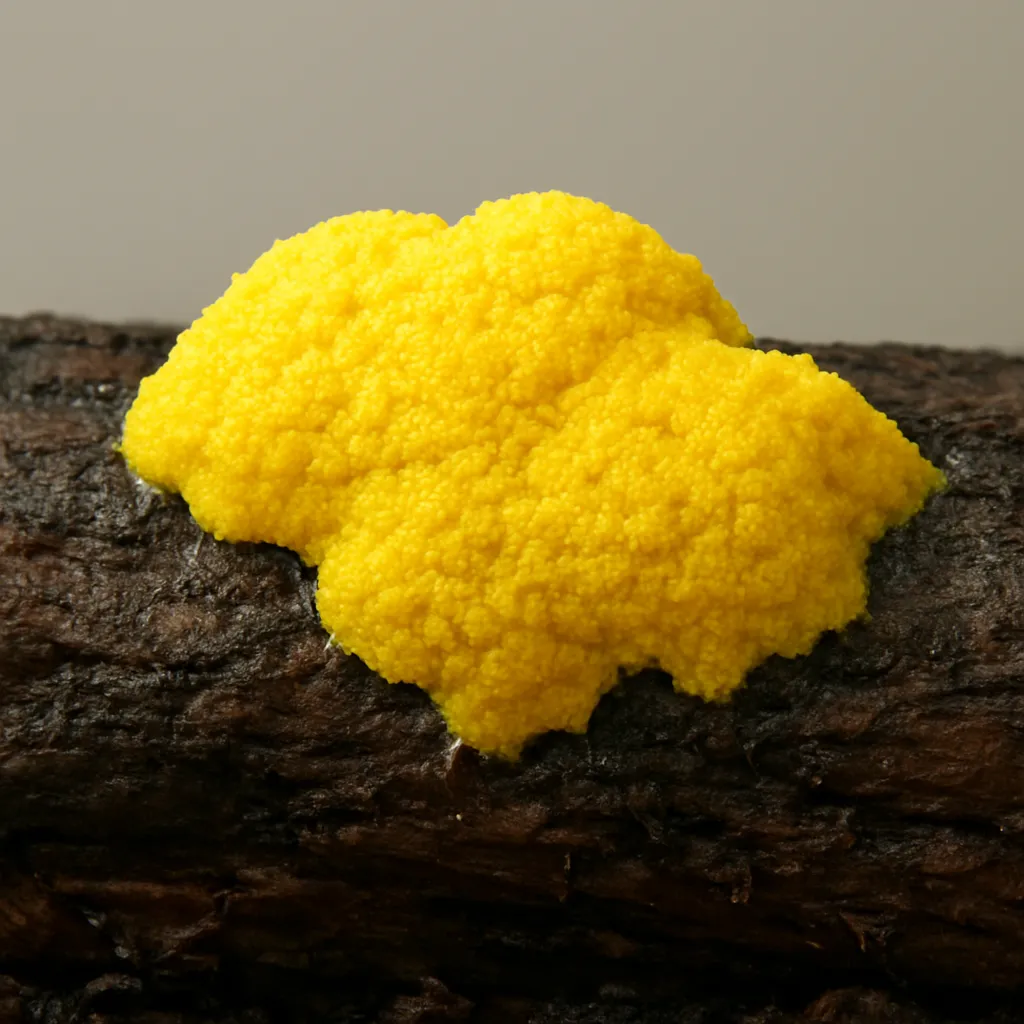
A pond sample holds one organism that swims with cilia and another that oozes along on pseudopods. Both are single cells with a nucleus and no cell wall. Why are both placed in the same kingdom?
Giardia is a single-celled organism with a nucleus that swims using flagella. It is swallowed in contaminated stream water and multiplies in the small intestine, causing days of diarrhea. Giardia is classified as which of the following?
Penicillin, the first widely used antibiotic, came from a mold growing on a laboratory dish, where the bacteria nearest the mold stopped growing. What does this result show about fungi?
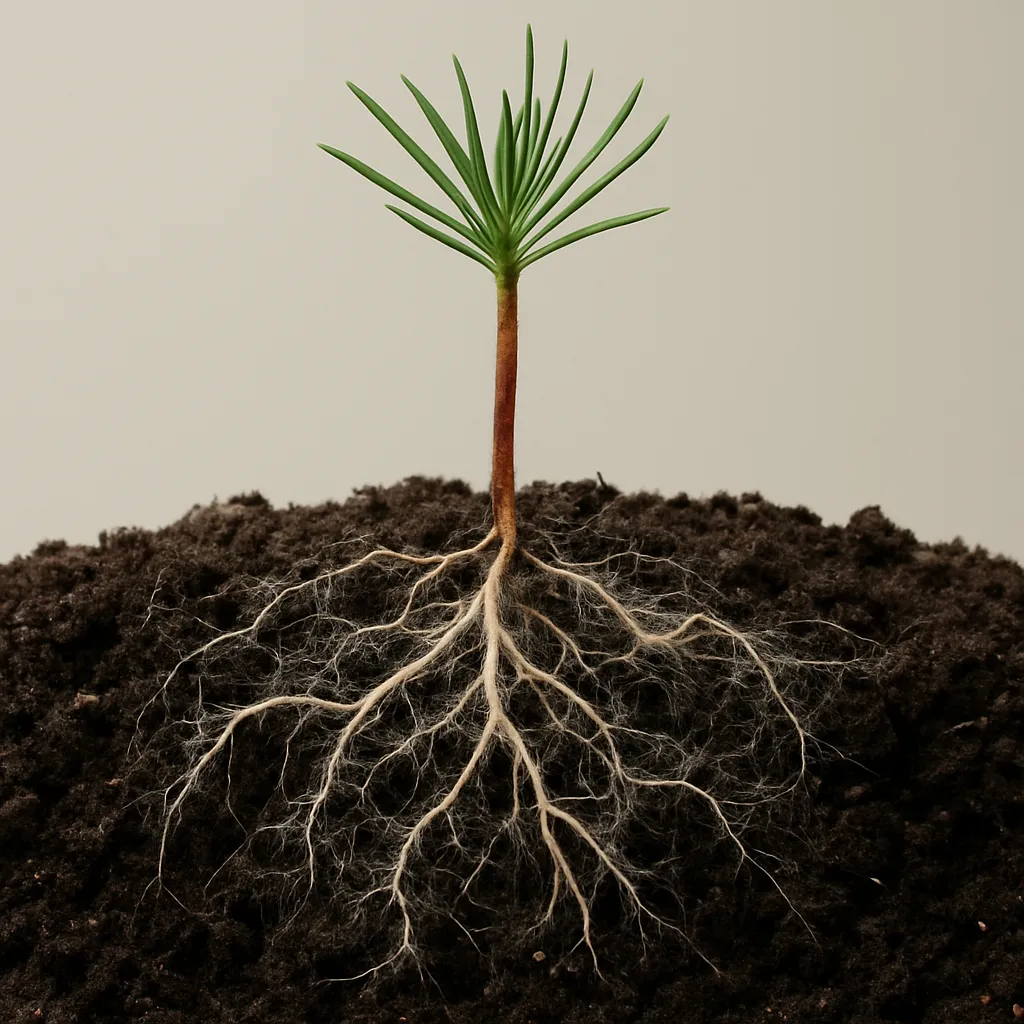
The pale threads shown are wrapped around and growing into the roots of a pine seedling. The fungus takes sugars from the tree, and the tree takes up far more water and minerals than it could alone. What kind of relationship is this?
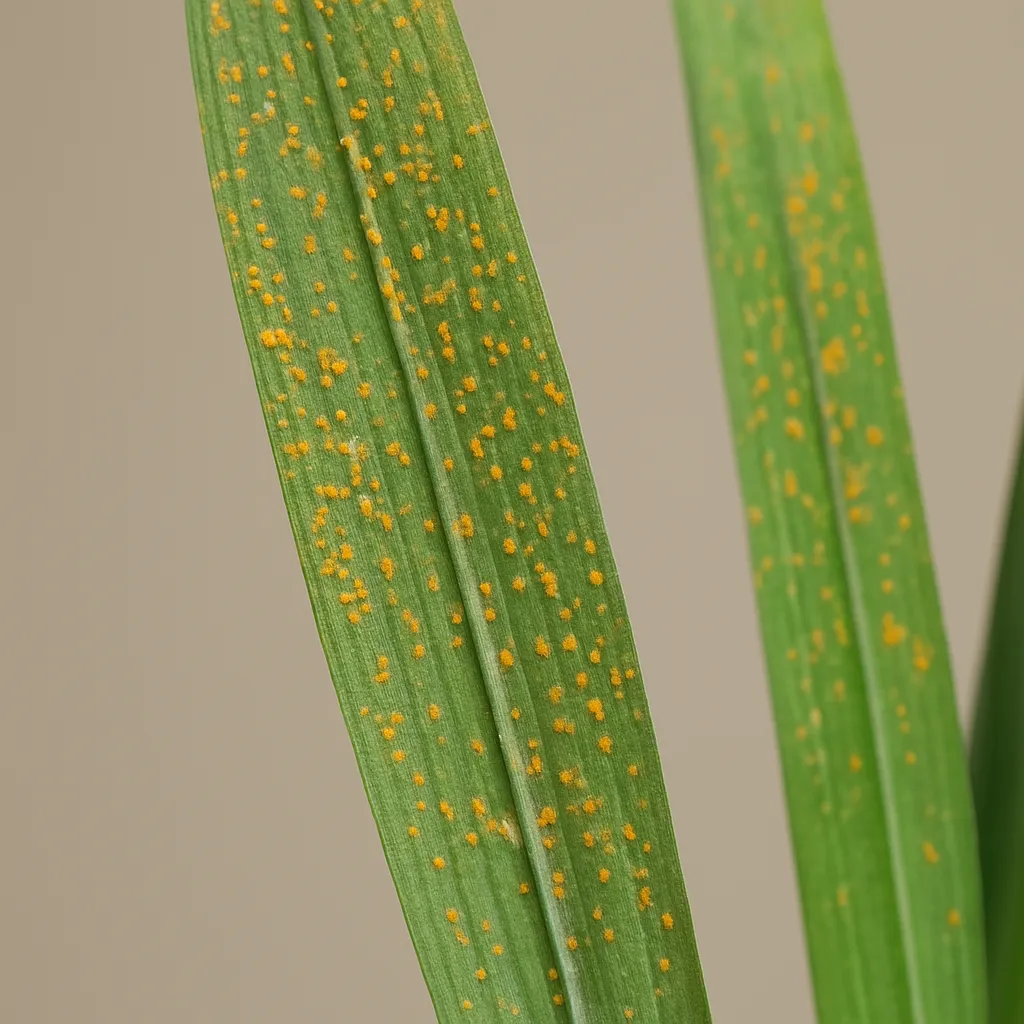
The orange powdery patches shown on these wheat leaves are made by a fungus whose threads grow between living leaf cells and absorb nutrients from them. The crop yields far less grain. How does this fungus feed?
Crack the passcode before the zombies get in.
Answer, then swat bugs for bonus points.
Race through questions at your own speed.
Same question on every screen. Fastest wins.

Pick a tile, answer, hit bonuses and steals.
Biology EOC Review: Genetics
40 questions