Loading
by BlastRoom
Students choose metric tools, read measurements, use displacement, and predict floating in water.
#us_grade_5_science
20 questions
One question set, multiple game modes. Tap any game to see it in action. Not sure which to pick?
Answer to place stones and capture territory.
Outrun the snow together.
Earn blasts, then hunt the other team.
Answer to earn energy, then climb.

The class blasts through walls together.
Bid on mystery lots. Most money wins.
Sell tours. Nice, standard, or a total scam.

Answer, restock, and serve the rush.
More correct answers pulls the rope your way.
Answer, then shoot down the alien wave.
Answer, then tap to leap the frozen ridge.
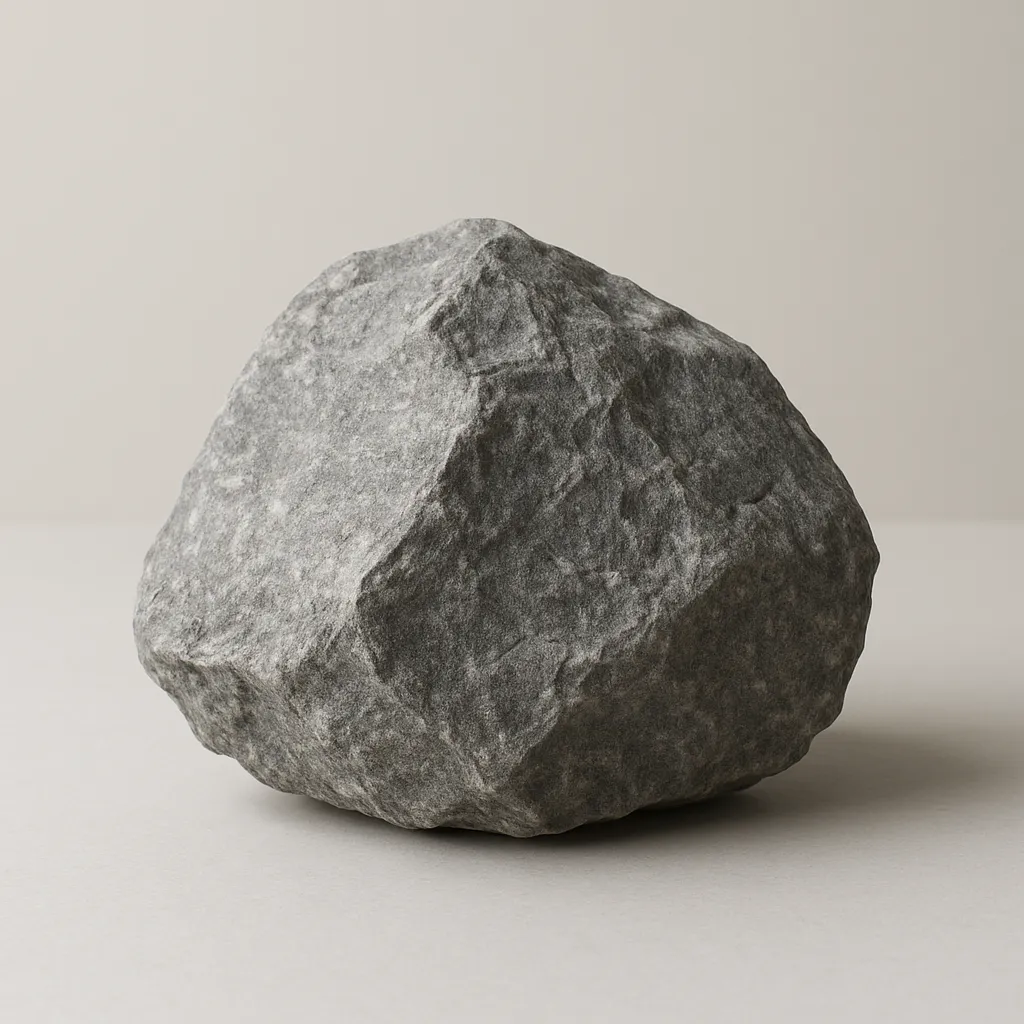
A student finds a dry rock and needs to measure how much matter it has. What tool and metric unit should the student use?
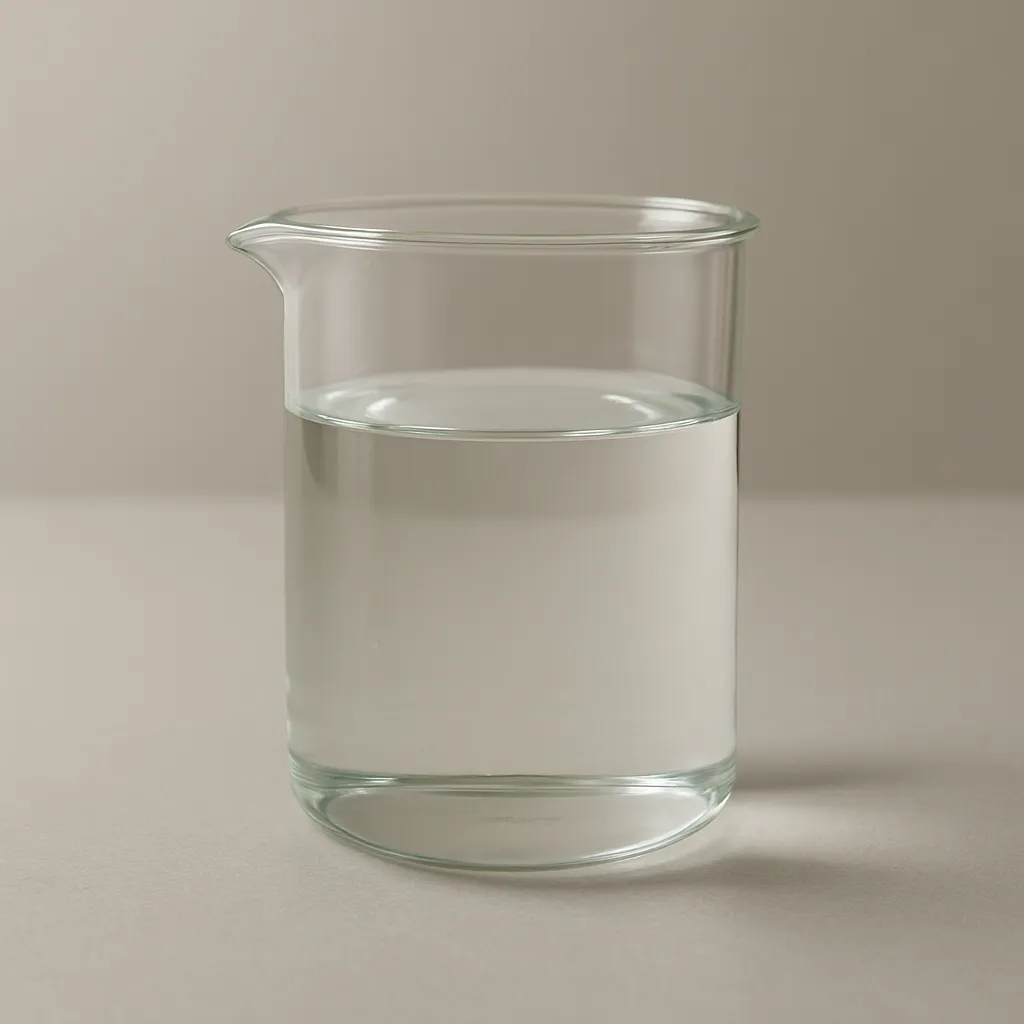
A lab group pours liquid water into a narrow container and needs to measure how much space the liquid takes up. What tool and metric unit should they use?
A class warms water to test how temperature changes it. What tool and metric unit should the class use to measure the water's temperature?
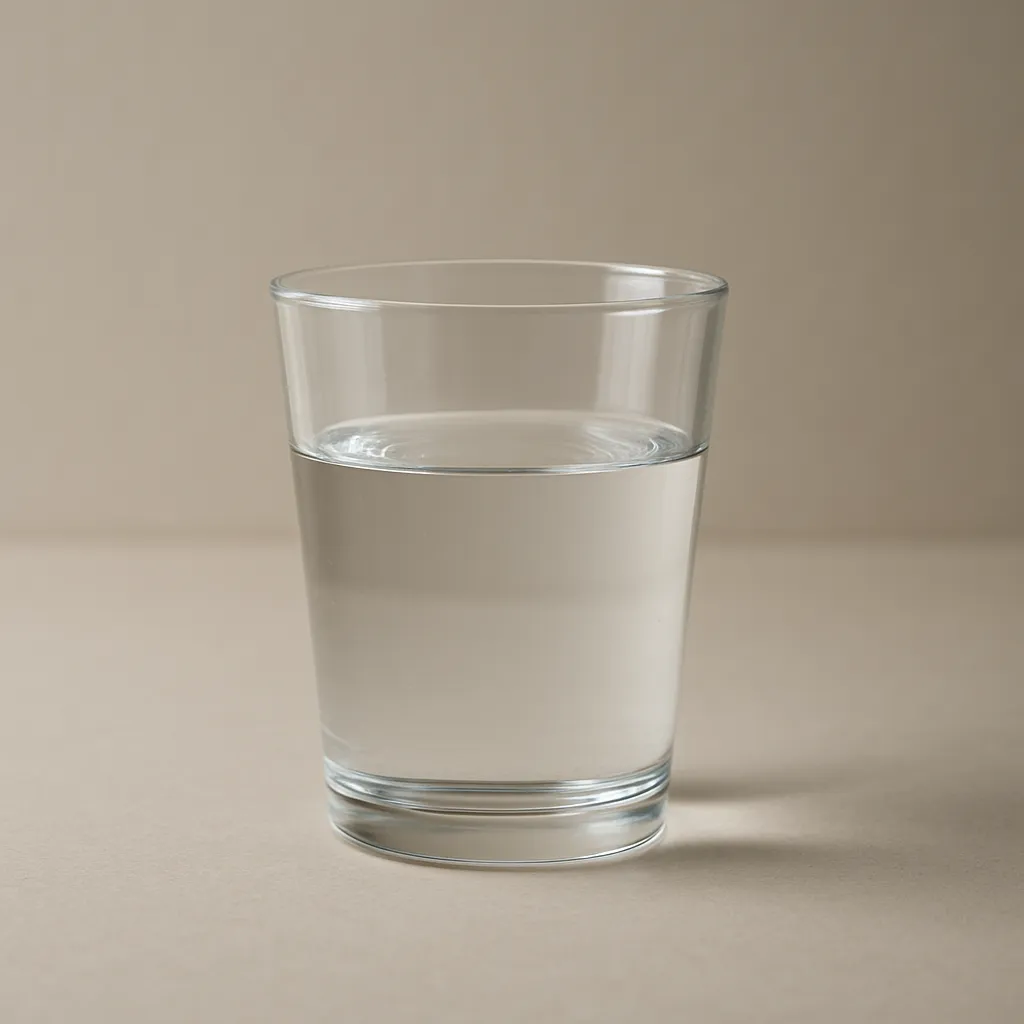
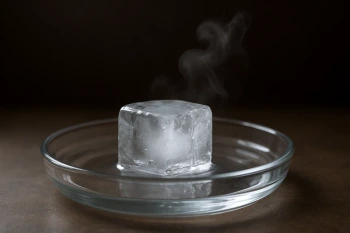
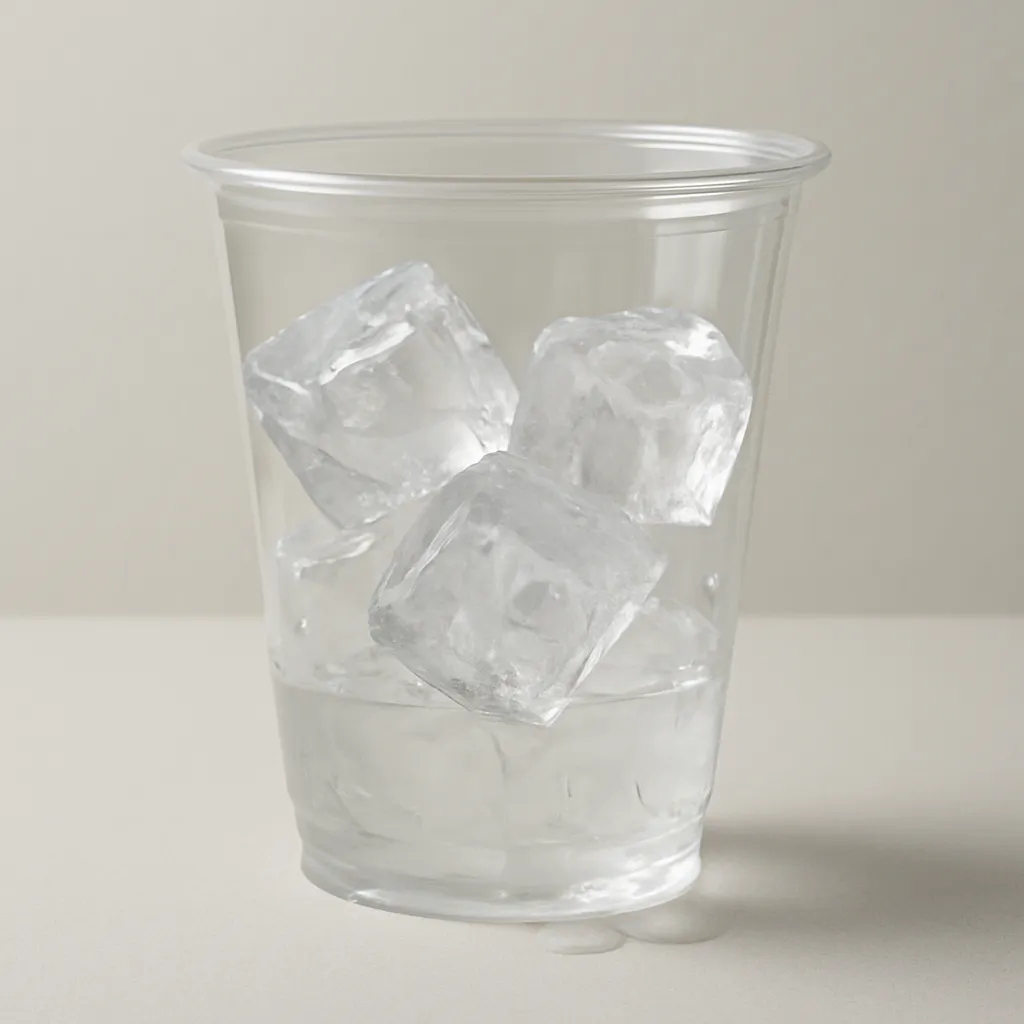
Solid ice is warmed and begins to melt into liquid water. A team tracks how warm the cup is during the change. What tool and unit fit this measurement?
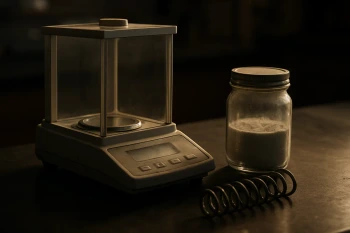
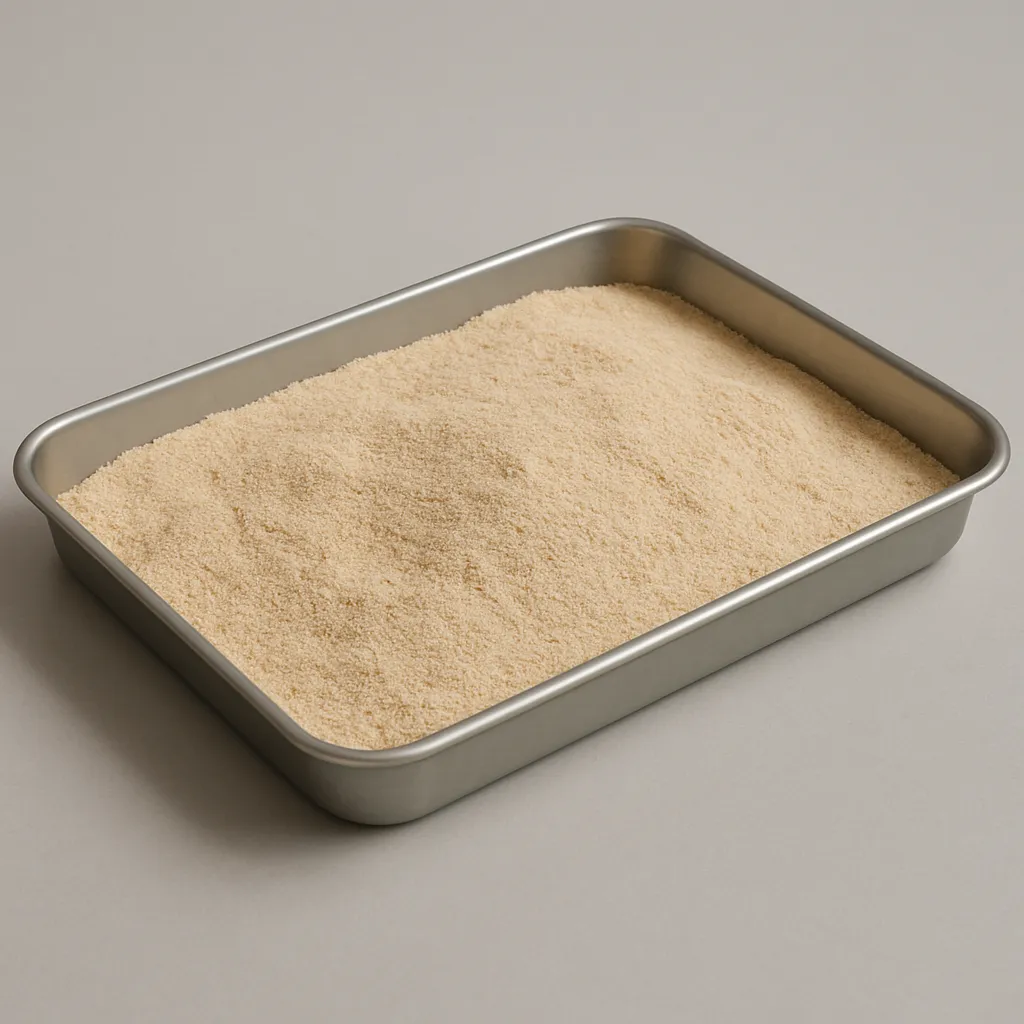
A student needs the mass of a dry sand sample before adding it to a jar. What tool and metric unit should the student choose?
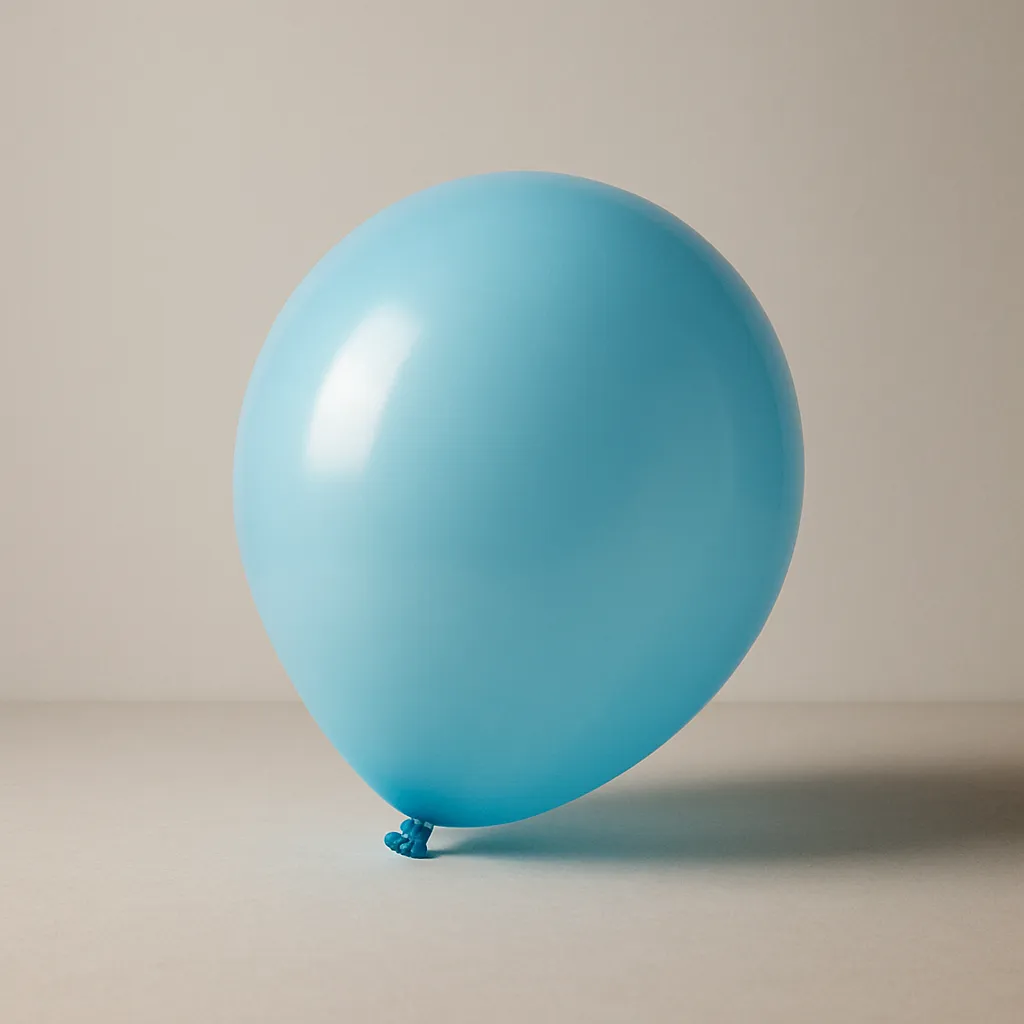
A balloon holds air, which is a gas. A student wants to measure the gas volume in a marked lab tool. What tool and unit should be used?
A digital balance is zeroed with an empty cup. Sand is added, and the display reads 125 g. What is the mass of the sand?
In a graduated cylinder, the edges of the water's curved surface touch the 50 mL mark, and the bottom of the curve sits at the 48 mL mark. What volume of water should be recorded?
Two rocks are measured on a balance. Sample A is the smaller rock and has a mass of 410 g. Sample B is the larger rock and has a mass of 390 g. Which sample has greater mass?
Cylinder A is tall and narrow, and its liquid stands higher, reading 35 mL. Cylinder B is short and wide and reads 50 mL. Which cylinder holds the greater liquid volume?
A covered jar of water is placed on a balance and reads 730 g. The jar is then left in a freezer until all the water inside has frozen solid. What does the balance read now?
A graduated syringe holding air reads 40 mL before the plunger is pushed and 25 mL after. What volume is the air after it is compressed?
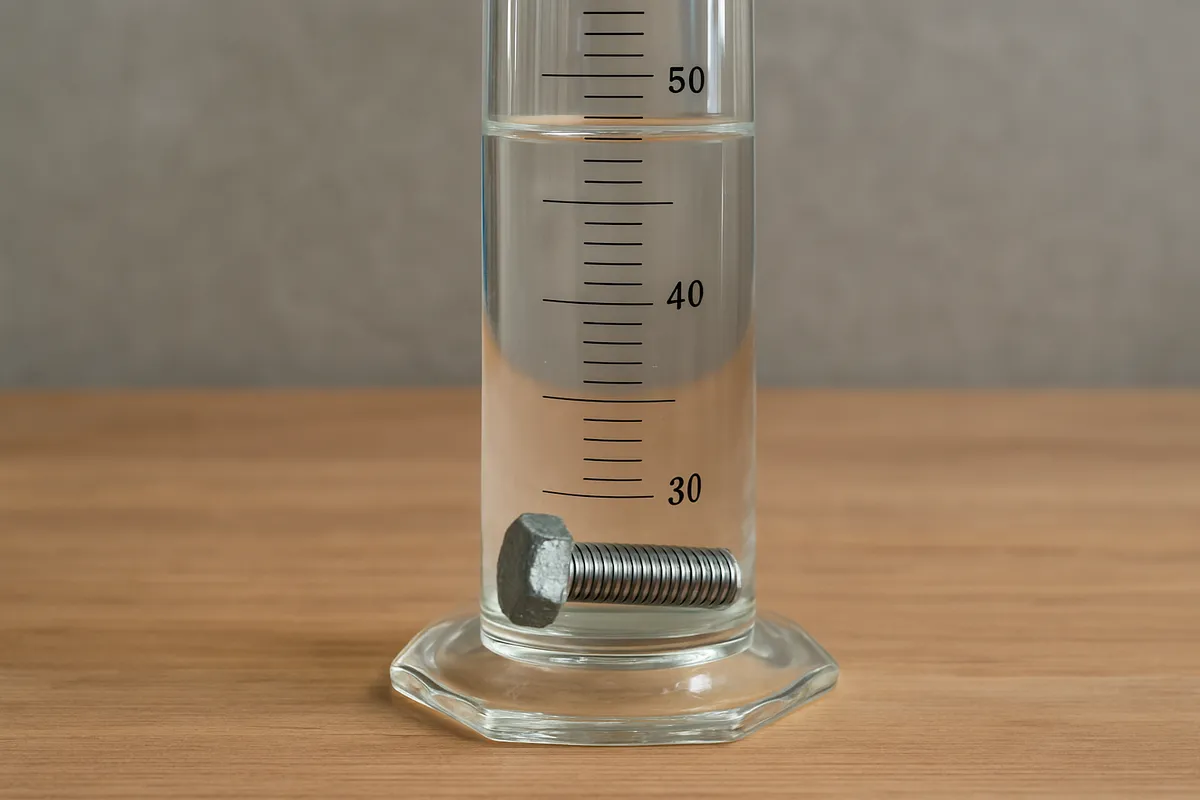
A cylinder reads 30 mL of water. A pebble is lowered in, and the water rises to 47 mL. What is the pebble's volume?
A toy is lowered into water in a cylinder. The water level changes from 50 mL to 65 mL. What is the toy's volume?
A metal washer is placed into a graduated cylinder. The water level rises from 80 mL to 92 mL. What is the washer's volume?
A small stone is lowered into a cylinder with 45 mL of water. The level rises to 70 mL. What is the stone's volume?
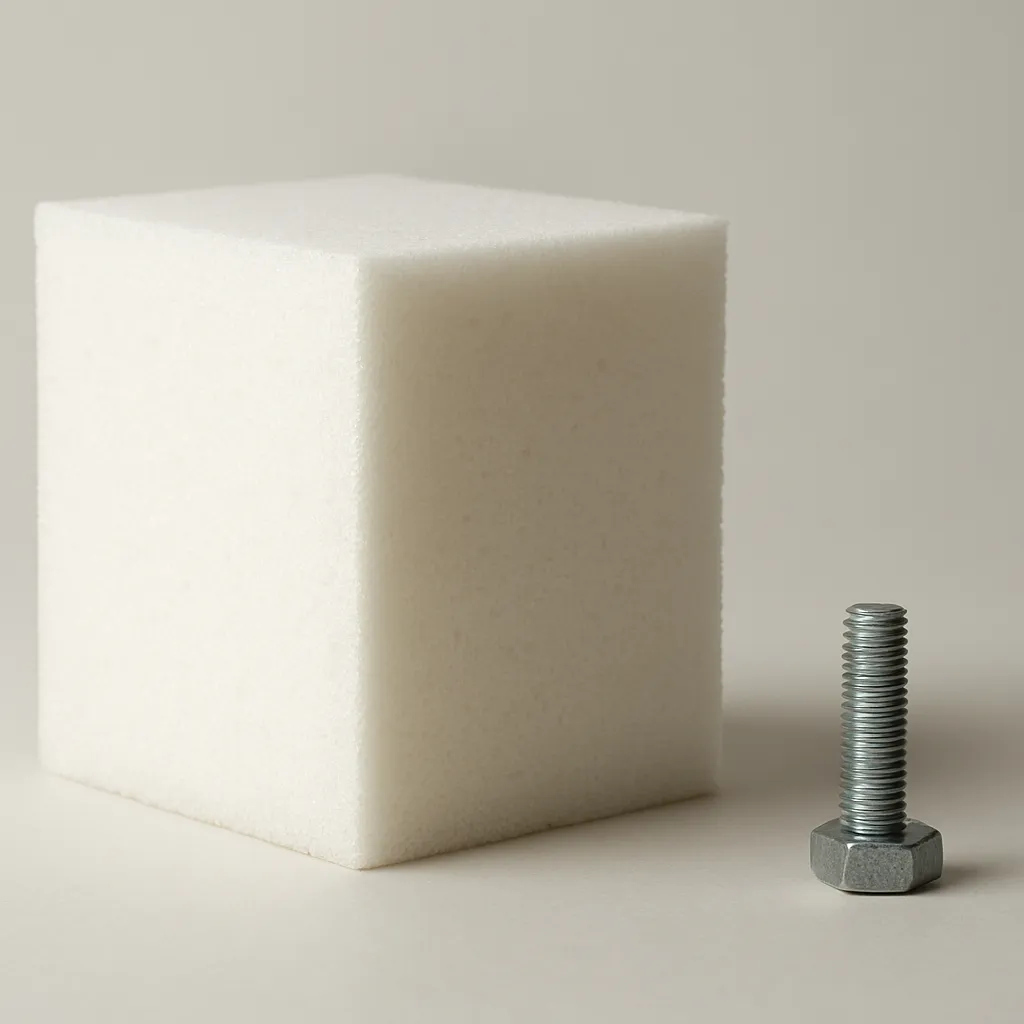
A large foam block has a mass of 60 g and is less dense than water. A small metal bolt has a mass of 90 g and is more dense than water. Which object floats?
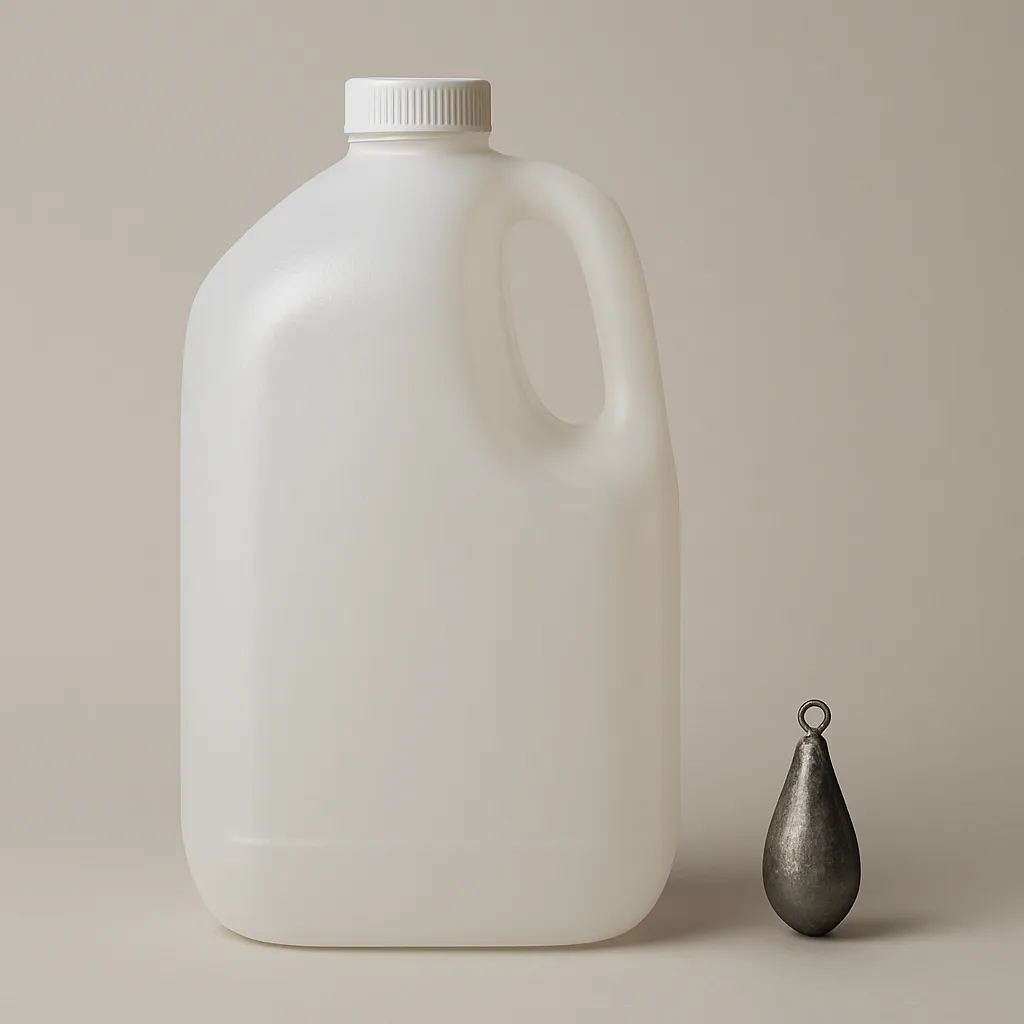
A large hollow plastic jug has a mass of 70 g and is less dense than water. A small steel weight has a mass of 110 g and is more dense than water. What happens in water?
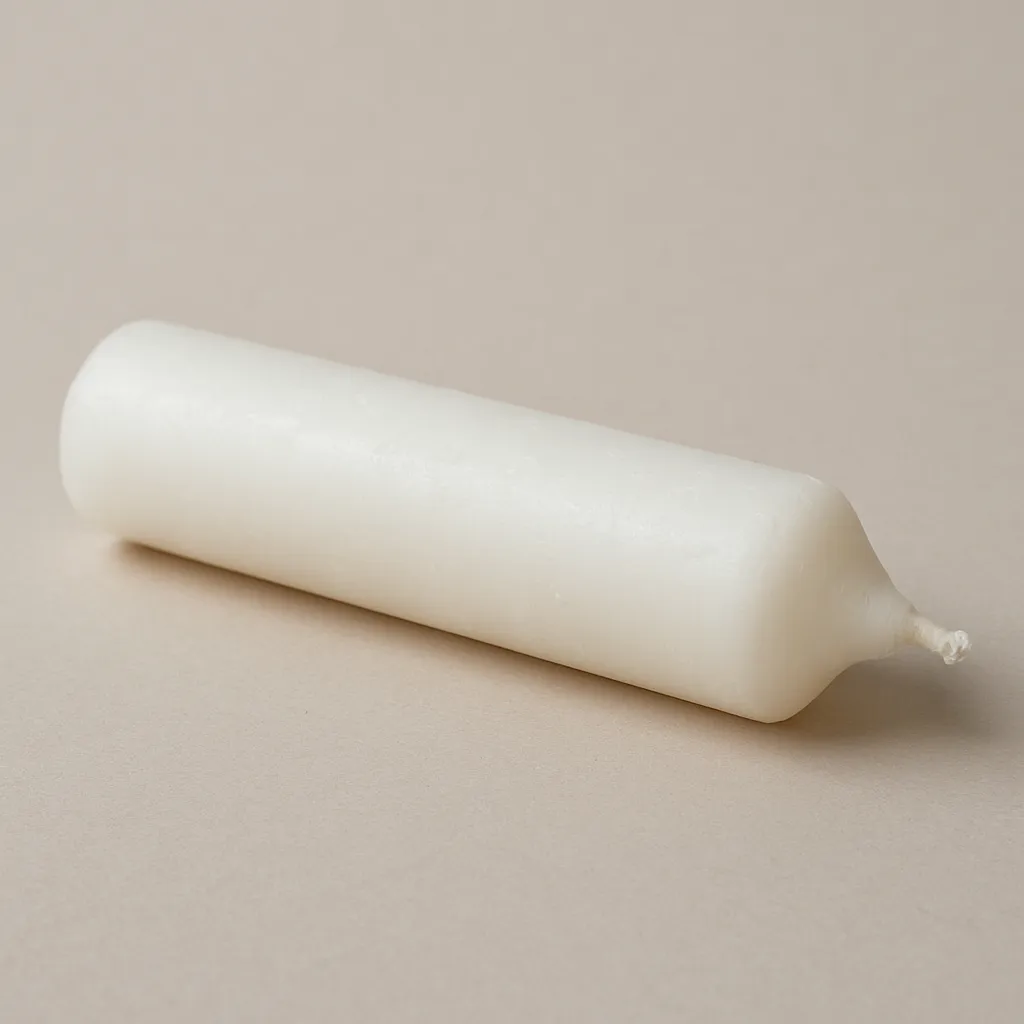
A wax candle is less dense than water. If the candle is gently placed in a beaker of water, what will it do?
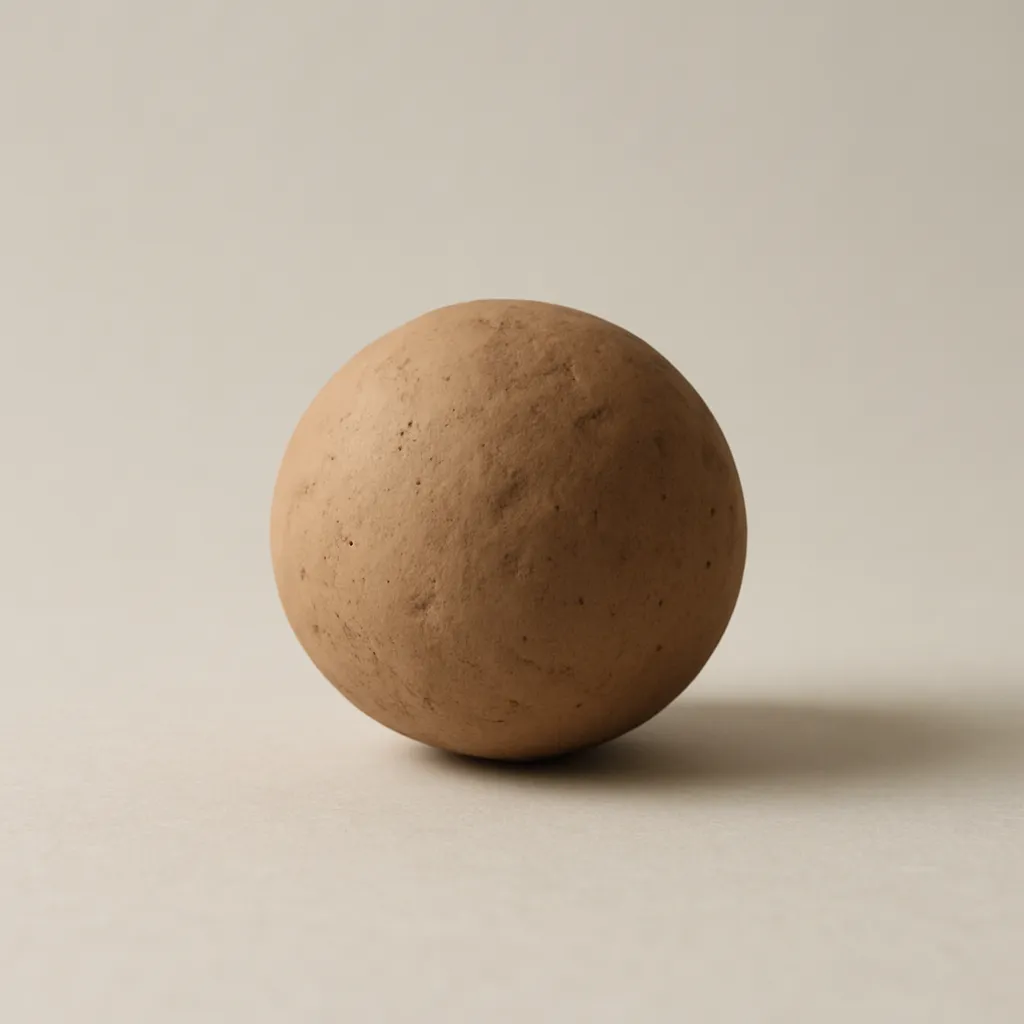
A small clay ball is more dense than water. If the ball is placed in a cup of water, what will it do?
Crack the passcode before the zombies get in.
Answer, then swat bugs for bonus points.
Race through questions at your own speed.
Same question on every screen. Fastest wins.

Pick a tile, answer, hit bonuses and steals.
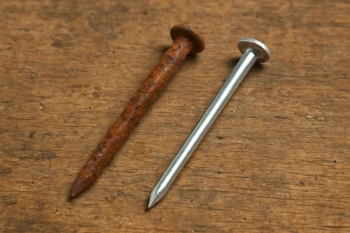
Physical and Chemical Changes
20 questions