Loading
by BlastRoom
Students choose ways to separate mixtures by the properties their parts keep.
#us_grade_5_science
20 questions
One question set, multiple game modes. Tap any game to see it in action. Not sure which to pick?
Answer to place stones and capture territory.
Outrun the snow together.
Earn blasts, then hunt the other team.
Answer to earn energy, then climb.

The class blasts through walls together.
Bid on mystery lots. Most money wins.
Sell tours. Nice, standard, or a total scam.

Answer, restock, and serve the rush.
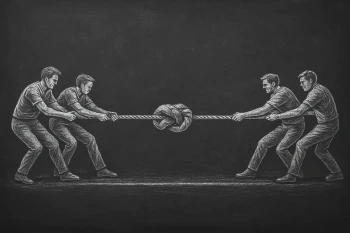
More correct answers pulls the rope your way.
Answer, then shoot down the alien wave.
Answer, then tap to leap the frozen ridge.
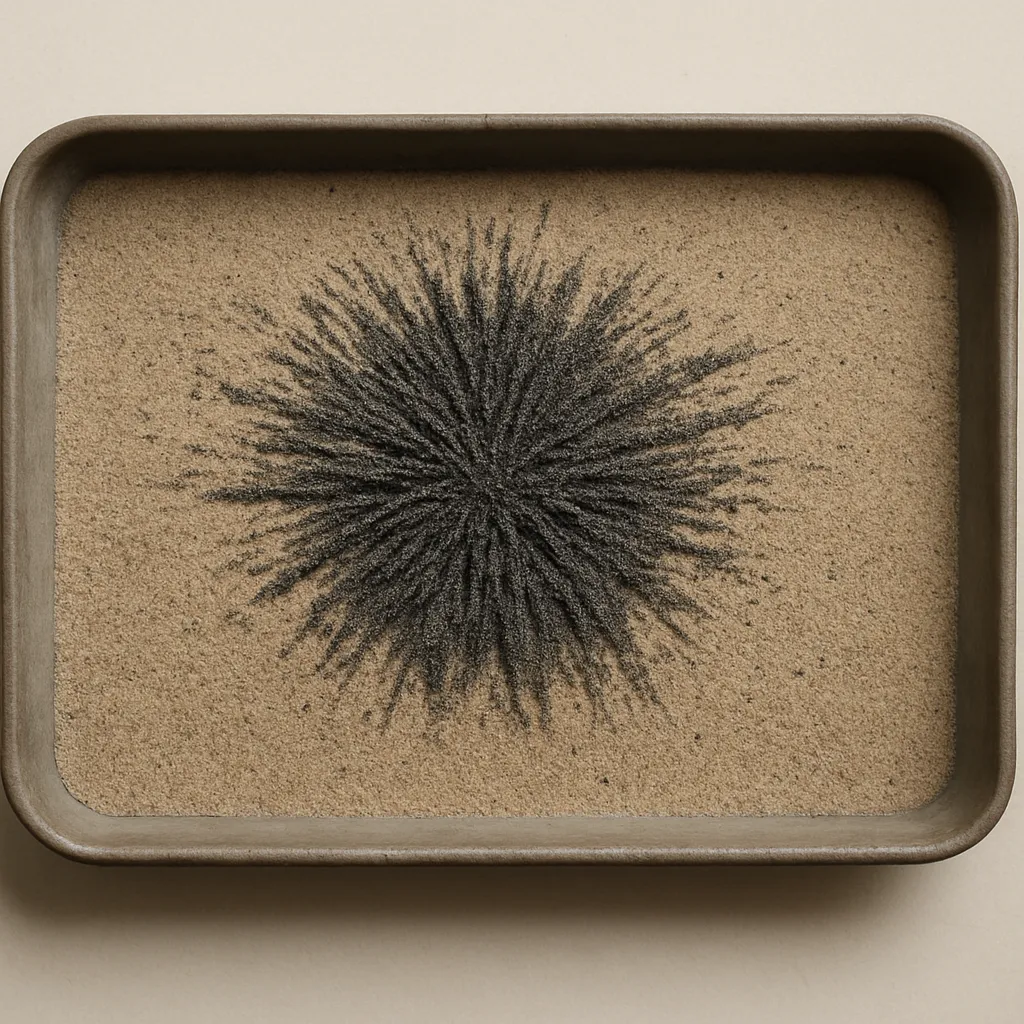
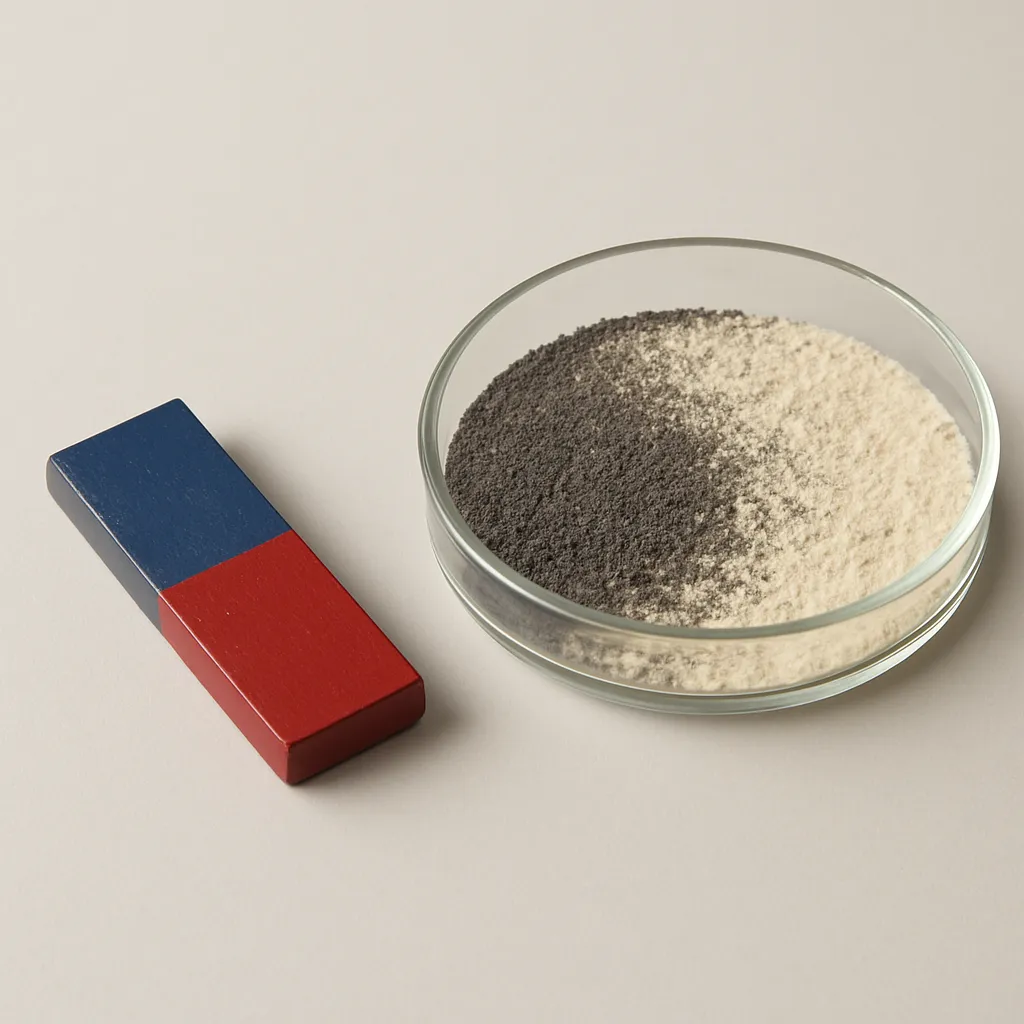
A tray holds iron filings mixed with dry sand after a class model. What method would separate the iron filings from the sand fastest?
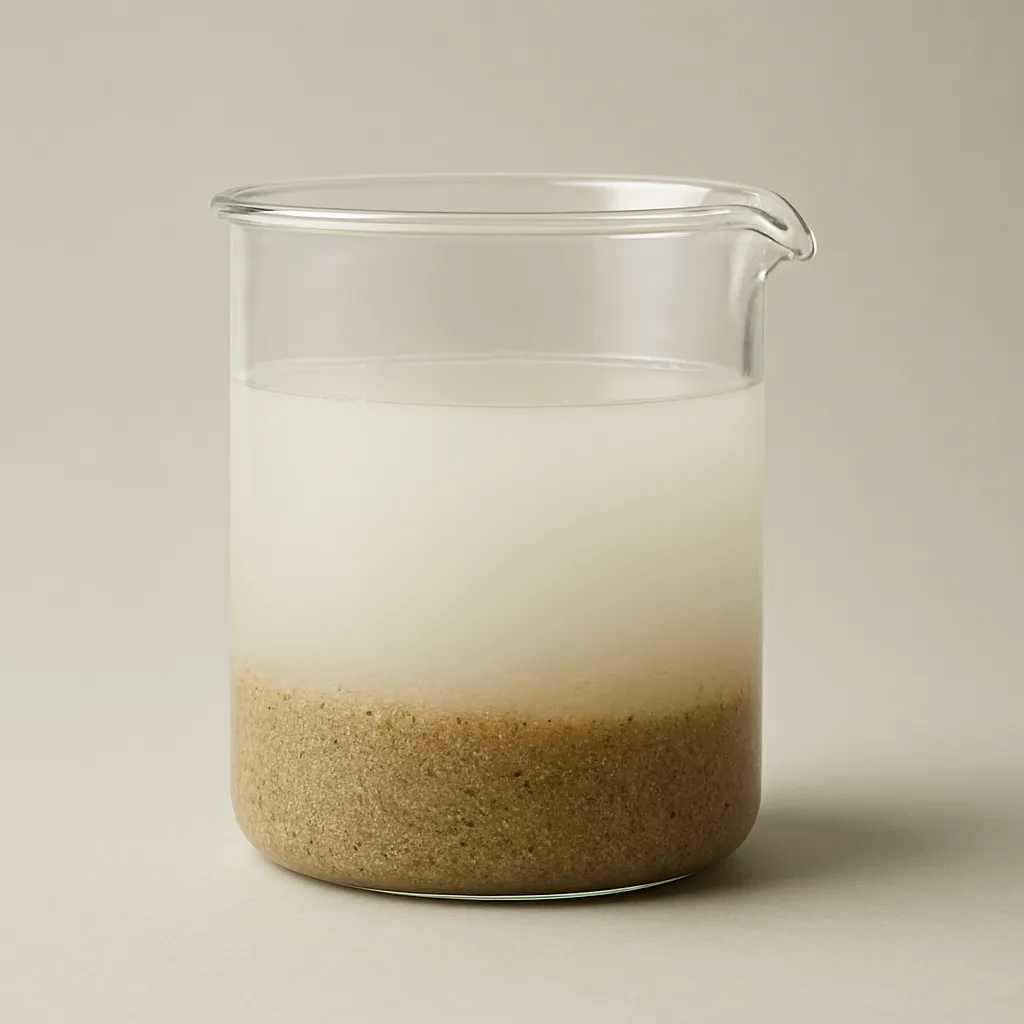
A beaker contains sand stirred into water. The teacher wants the sand separated while the water collects below. What method should the class use?
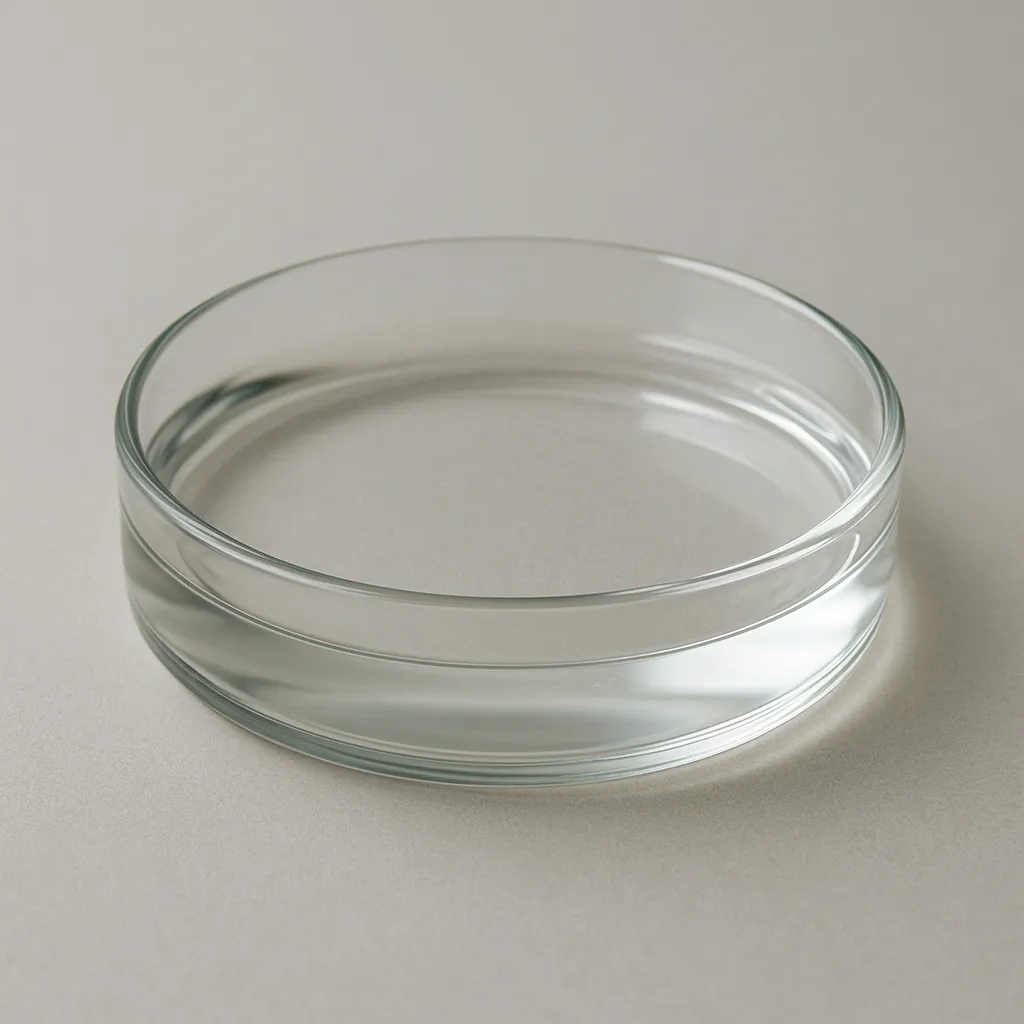
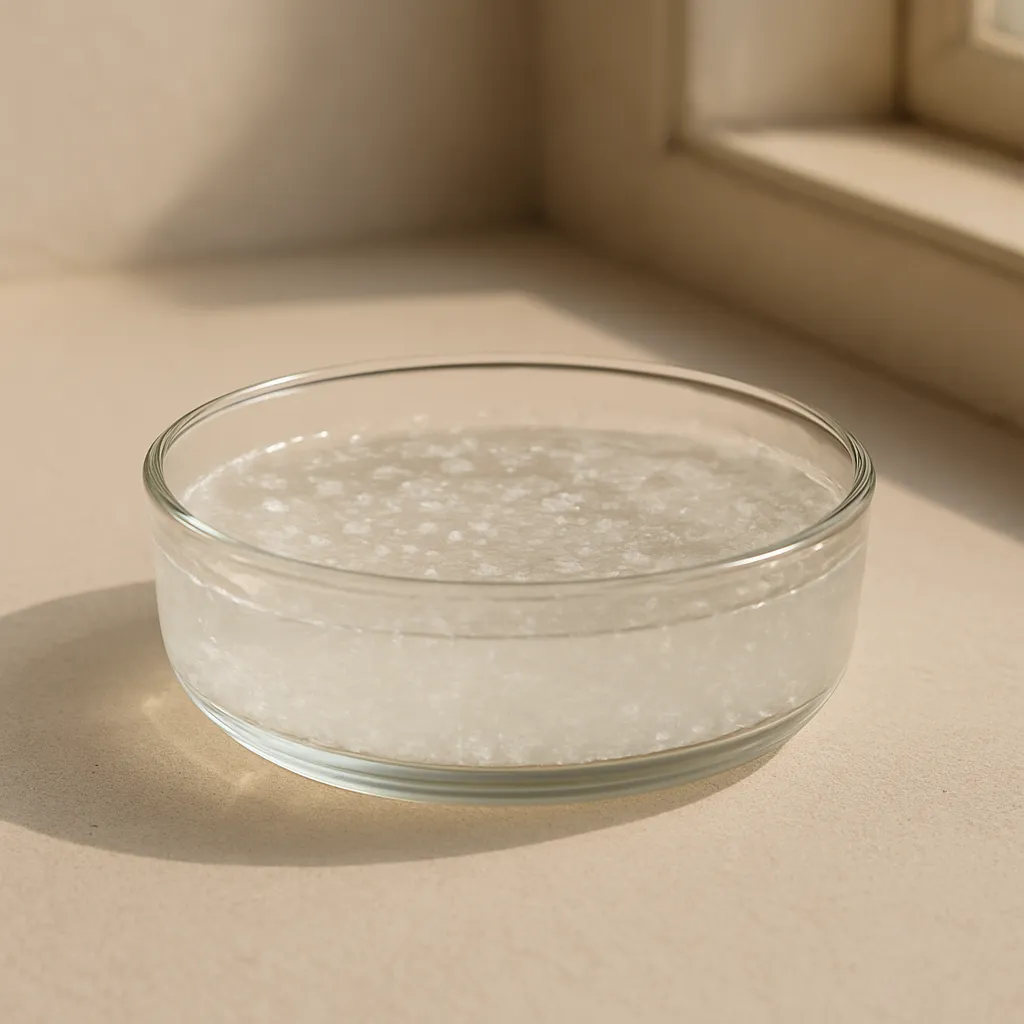
A shallow dish contains salt water from a classroom solution. The goal is to get the salt back as a solid. What method should be used?
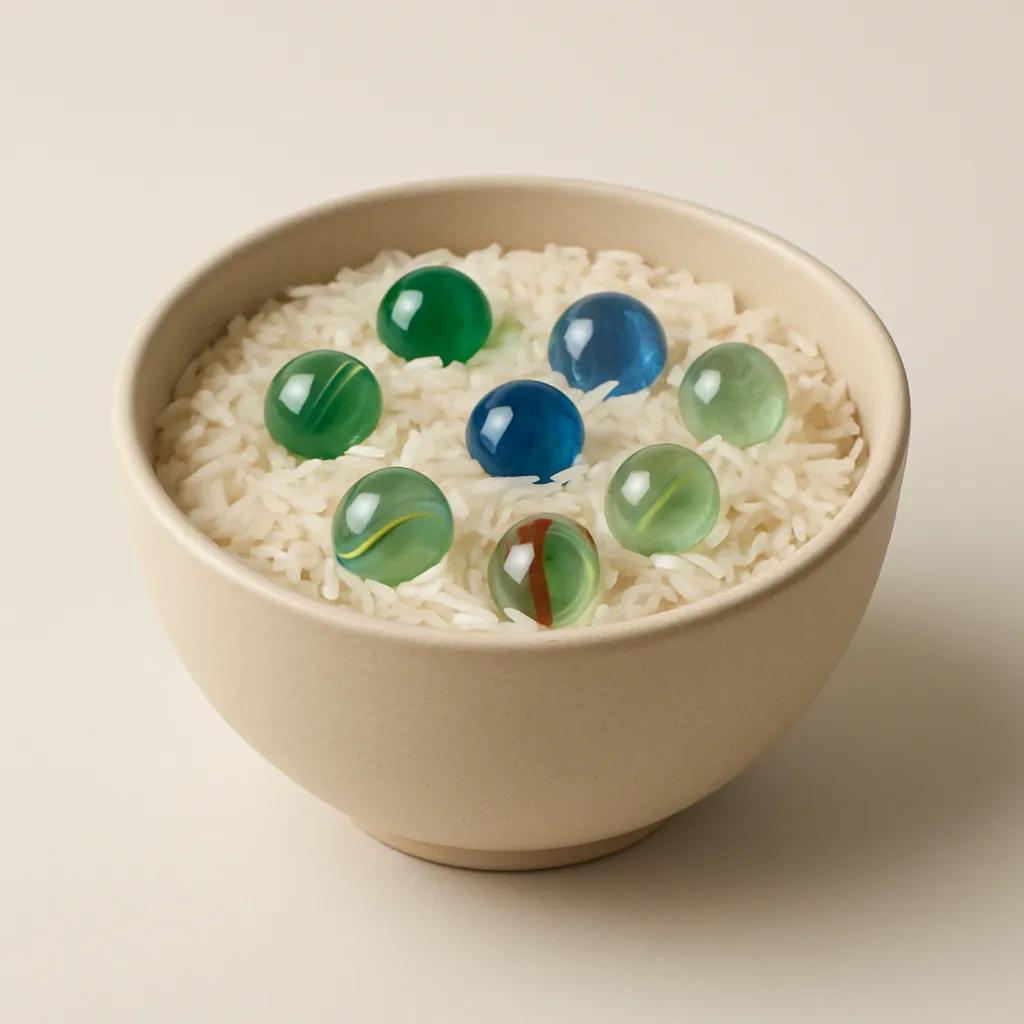
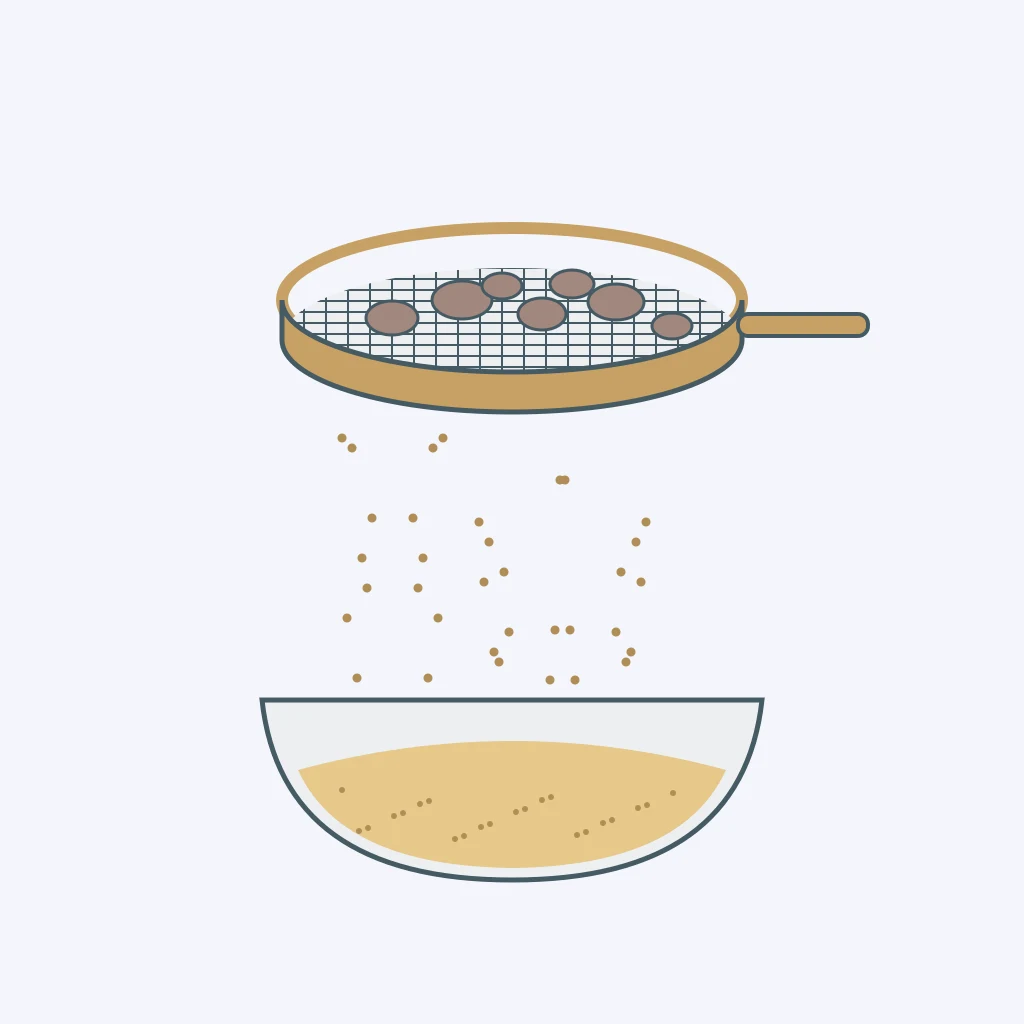
A cup holds marbles mixed with dry rice. The marbles are much larger than the rice grains. What method would separate the parts efficiently?
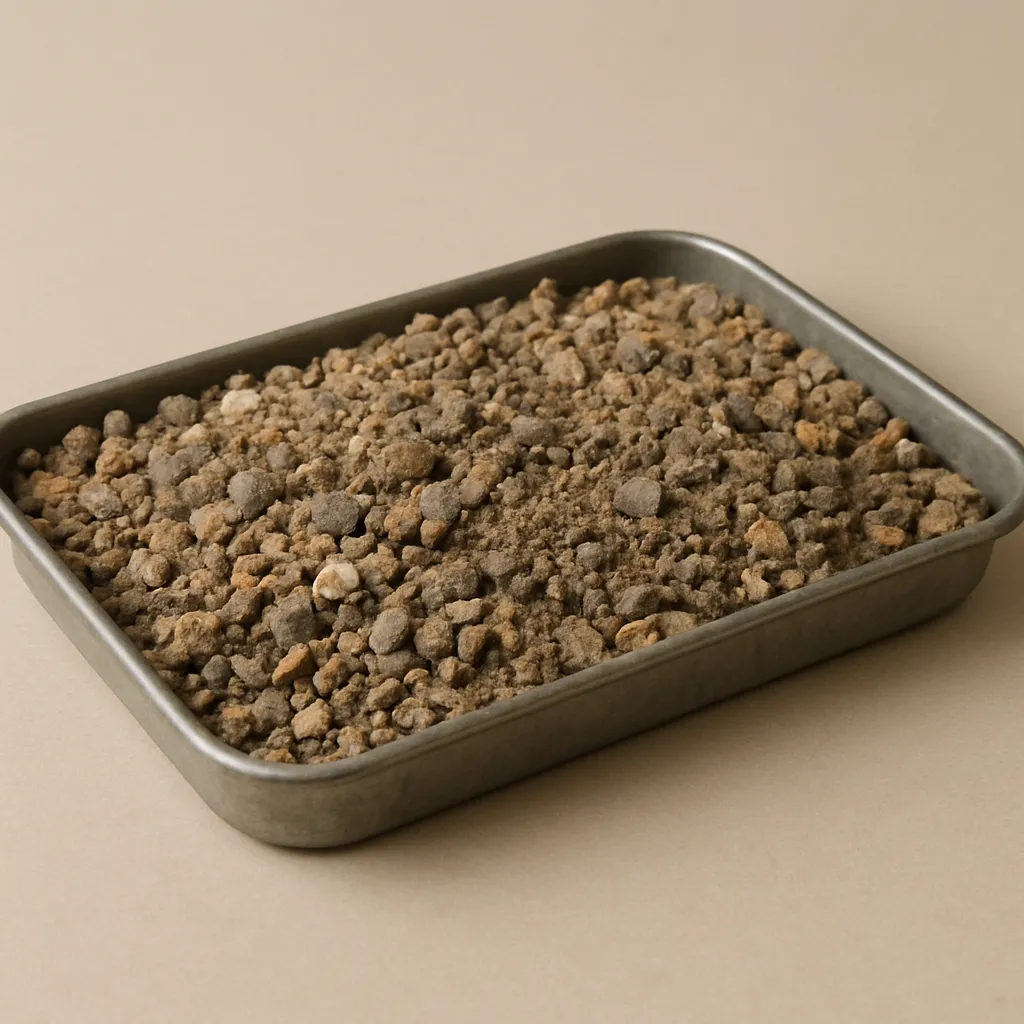
A student mixes gravel with fine sand for a soil study. The gravel pieces are larger than the sand grains. What method should separate them?
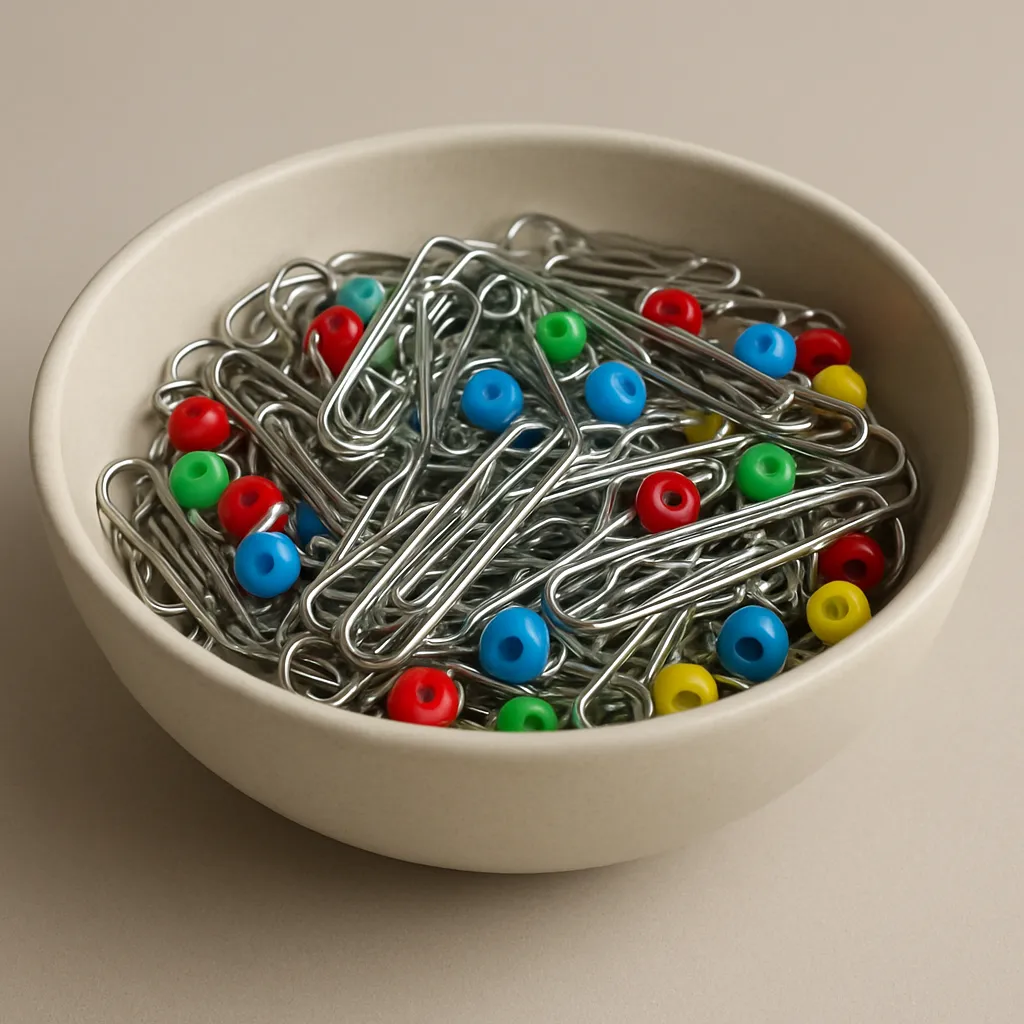
A bowl contains steel paper clips mixed with plastic beads. The teacher wants only the paper clips removed. What method fits this mixture?
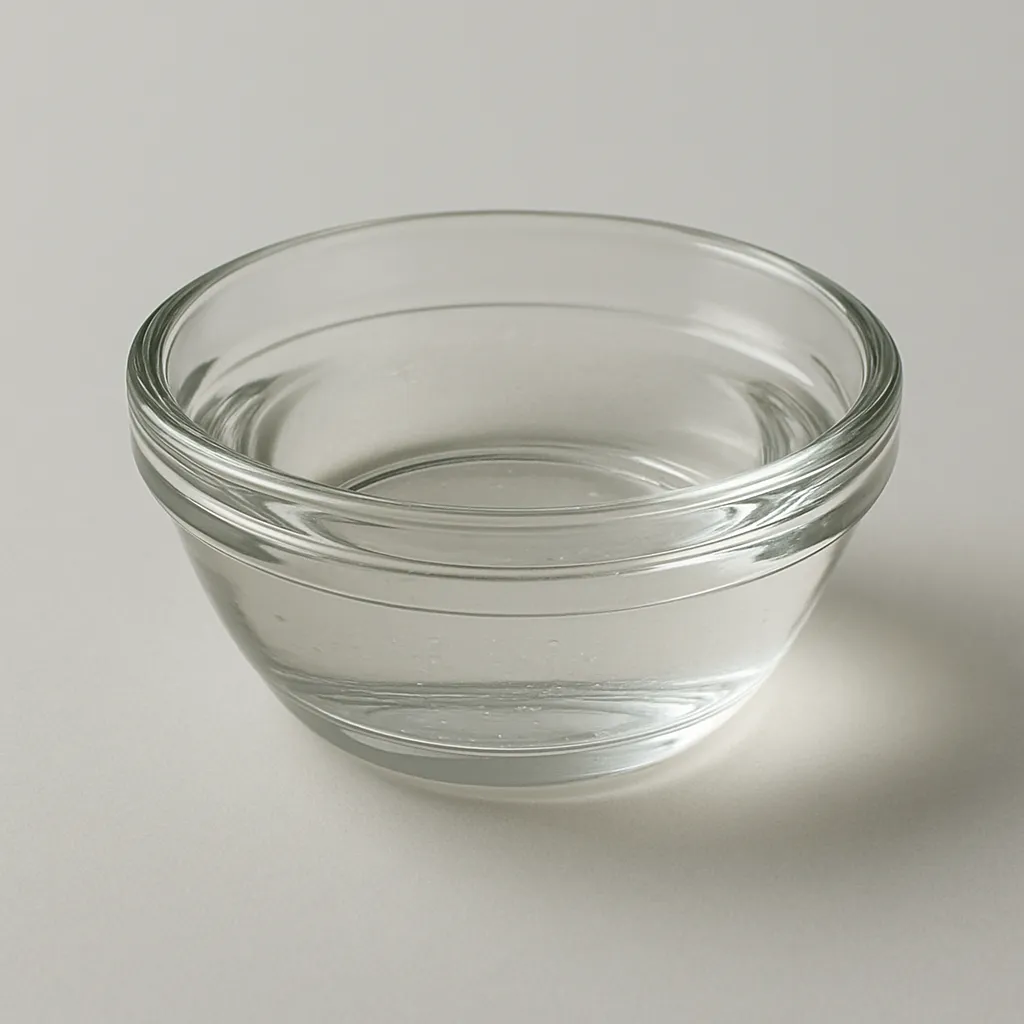
A student has sugar dissolved in water after making a clear solution. The student wants solid sugar again. What method can separate it?
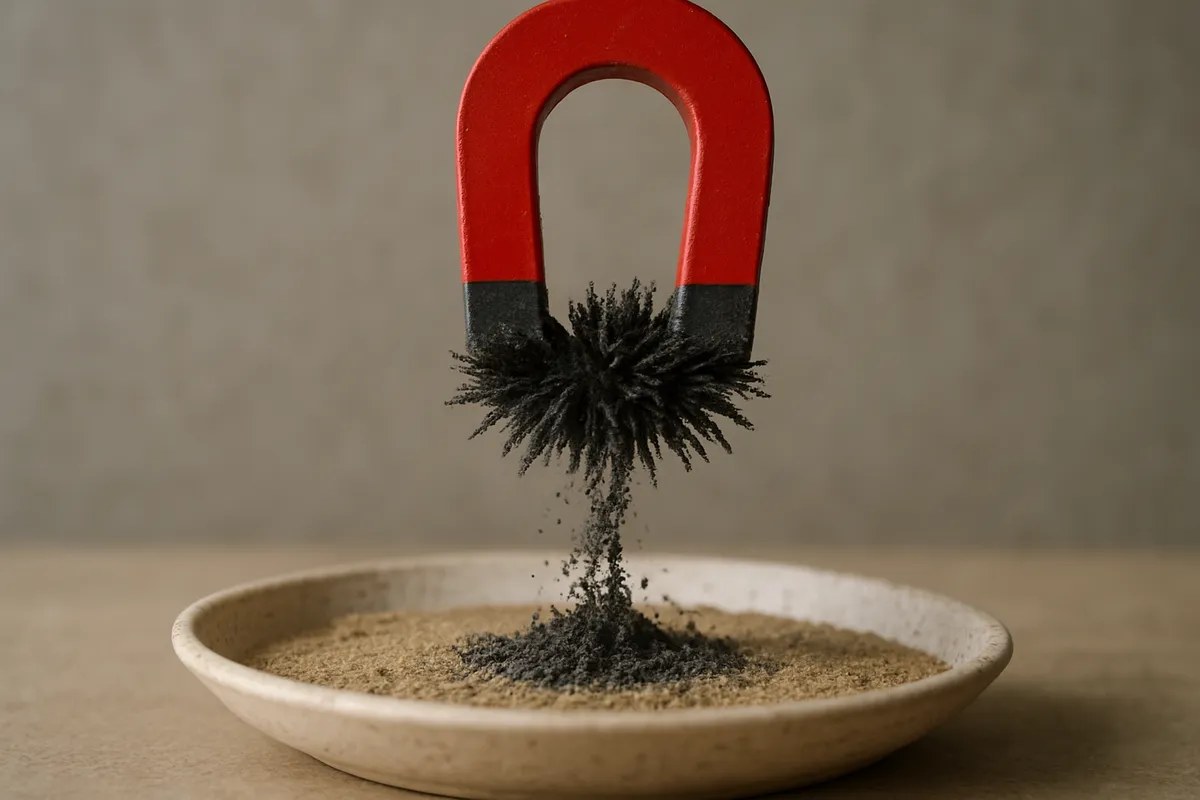
A magnet is used to remove iron filings from sand. What property of the iron filings makes this separation work?
A sieve separates dry beans from flour in a kitchen mixture. What property of the two parts makes the sieve useful?
A filter separates sand from water after the mixture is stirred. What property makes the filter work?
Salt water is left in a warm, open dish until dry crystals remain. What property makes this separation possible?
A student has only a sieve with small holes. Which of these mixtures could the student separate with the sieve?
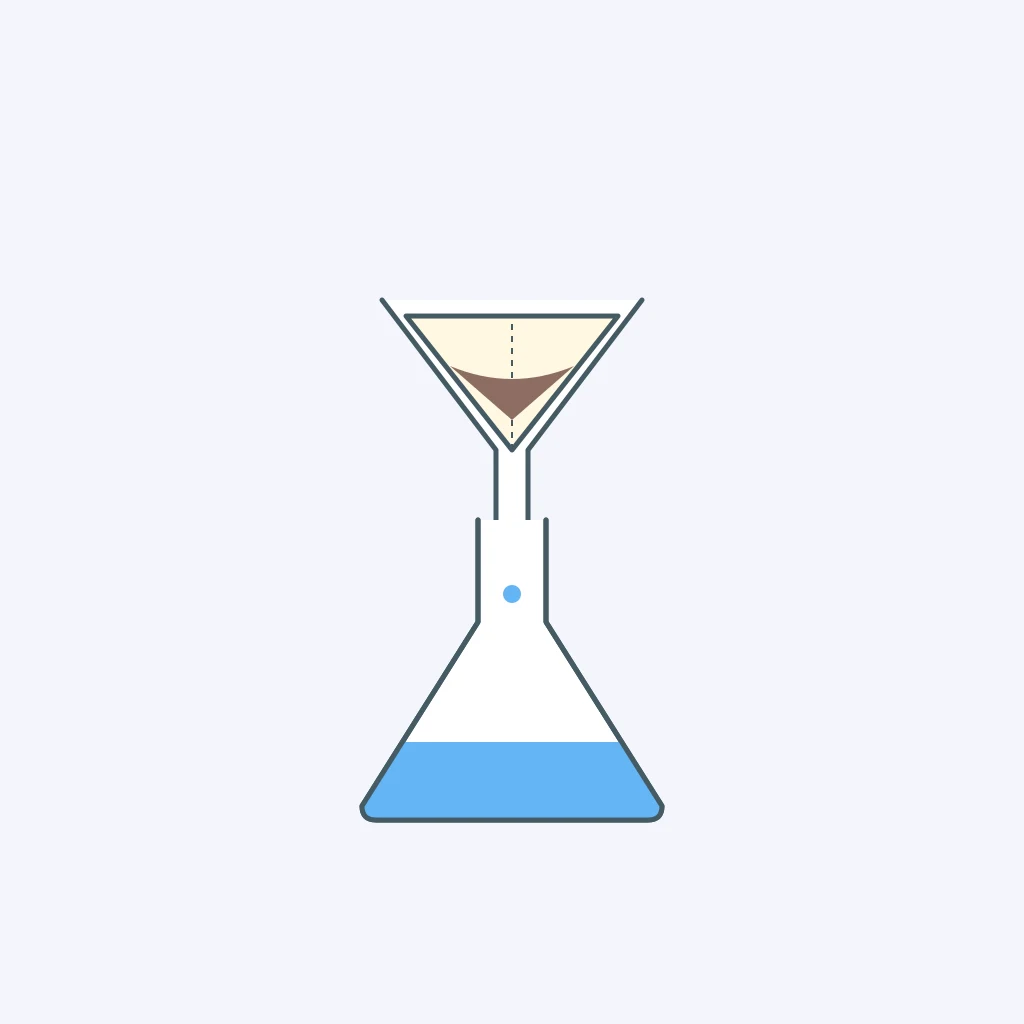
Muddy water is poured through a paper filter into a clean beaker. What result should students observe after filtering?
A magnet is held near a pile of iron filings mixed with flour. What will happen to the mixture?
Salt water is placed in a warm dish for several days until the water is gone. What should be left in the dish?
A dry mixture of pebbles and sand is shaken in a sieve over a pan. What will collect in the pan below?
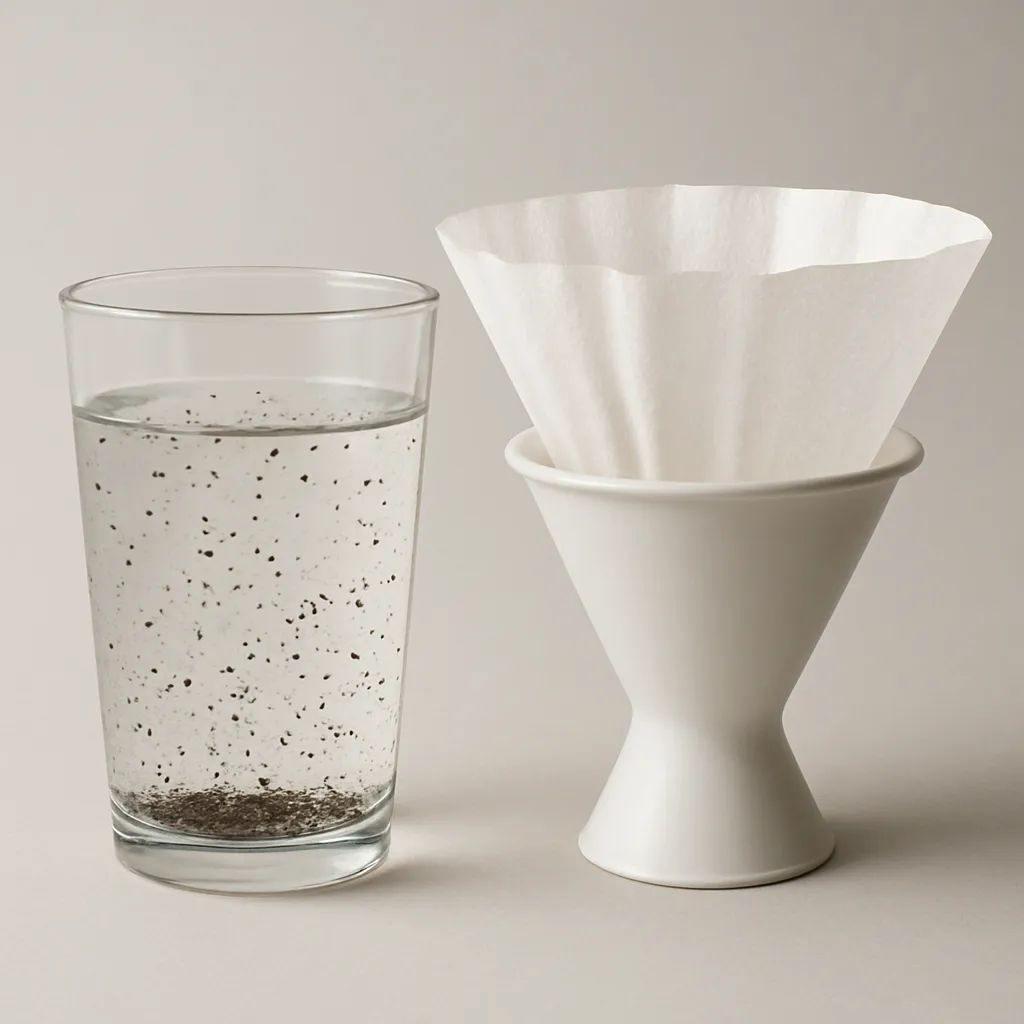
Pepper flakes are mixed into water and then poured through a coffee filter. What will the filter most likely collect?
Beans and rice are mixed in a bowl, and later a sieve separates them. Why can the parts of this mixture still be separated?
A student evaporates water from salt water and finds salt crystals left behind. Why was the dissolved salt recoverable?
Iron filings are separated from sand with a magnet. Why is this a physical change rather than a chemical change?
Crack the passcode before the zombies get in.
Answer, then swat bugs for bonus points.
Race through questions at your own speed.
Same question on every screen. Fastest wins.

Pick a tile, answer, hit bonuses and steals.
Equal and Unequal Forces
20 questions