Loading
by BlastRoom
Two sacrifices that cancel each other out, and why O. Henry says they were the wisest gifts of all.
#literature
20 questions
One question set, multiple game modes. Tap any game to see it in action. Not sure which to pick?
Answer to place stones and capture territory.
Outrun the snow together.
Earn blasts, then hunt the other team.
Answer to earn energy, then climb.

The class blasts through walls together.
Bid on mystery lots. Most money wins.
Sell tours. Nice, standard, or a total scam.

Answer, restock, and serve the rush.
More correct answers pulls the rope your way.
Answer, then shoot down the alien wave.
Answer, then tap to leap the frozen ridge.
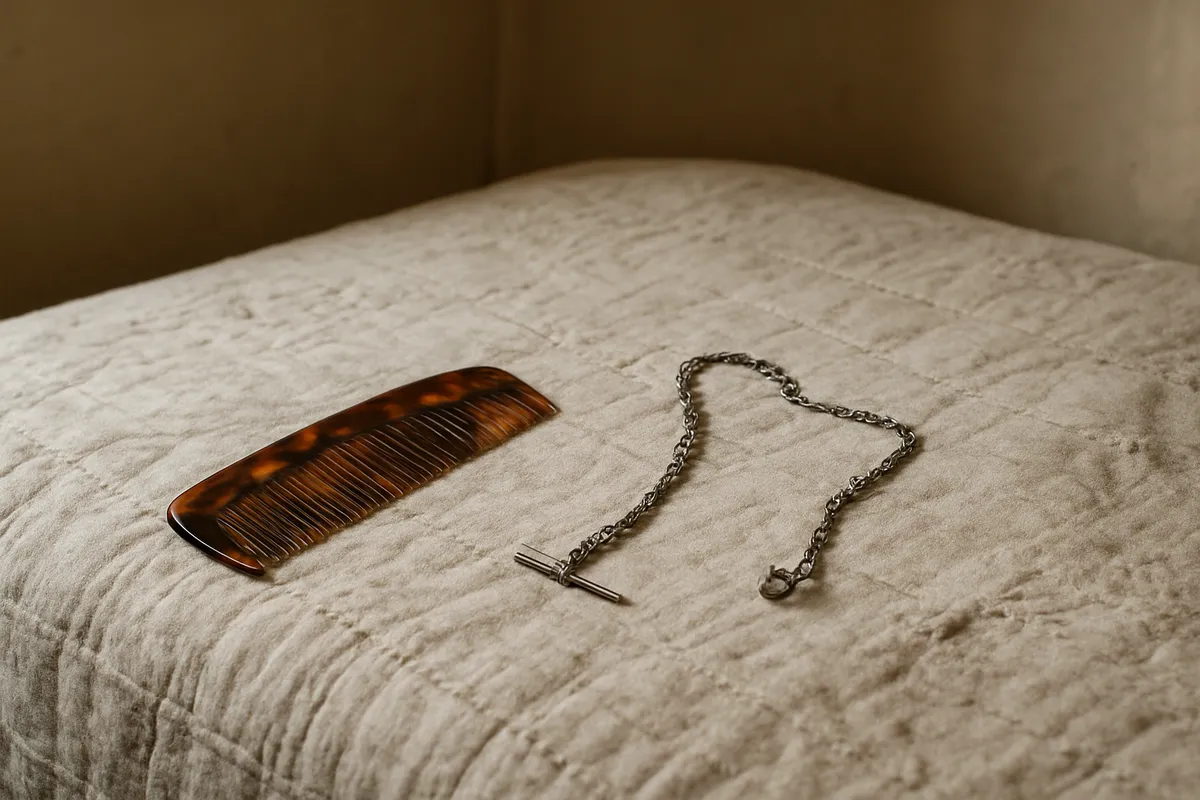
Della sells her hair to buy a chain for Jim's watch; Jim sells the watch to buy combs for Della's hair. Why is this situational irony rather than verbal irony?
For most of the story the reader learns about Della's haircut but nothing about the watch. What does that make Jim's line "I sold the watch to get the money to buy your combs"?
Jim sells the gold watch that had been his father's and his grandfather's. Why does that sale turn Della's platinum fob chain into situational irony?
Della had long wanted the pure tortoise shell combs she had seen in a Broadway window. Why does finally receiving them produce situational irony rather than simple bad luck?
Which statement about the story's ending is NOT true?
The story opens, "One dollar and eighty-seven cents. That was all. And sixty cents of it was in pennies." What does the detail about the pennies establish?
The flat costs $8 a week, and Jim's income has shrunk from $30 a week to $20. What do these figures establish about the twenty-one dollars Della pays for the fob chain?
Madame Sofronie lifts the mass of hair and says, "Twenty dollars," and Della answers, "Give it to me quick." What does the exchange establish about the sacrifice?
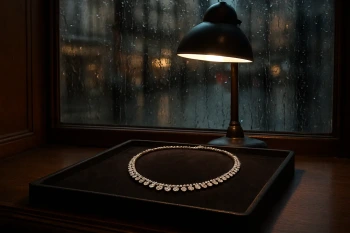
Della pays twenty-one dollars for the platinum fob chain and hurries home "with the 87 cents." What does that leftover figure show?
The narrator says Jim's gold watch "had been his father's and his grandfather's." What does that detail add to the cost of Jim's sacrifice?
The narrator first calls the story "the uneventful chronicle of two foolish children in a flat who most unwisely sacrificed for each other the greatest treasures of their house." What does the rest of the last paragraph do with that judgment?
The story's last line is "They are the magi." Whom does the narrator mean by "they"?
In the closing paragraph, what does the narrator claim wise giving actually is?
The narrator says the magi "invented the art of giving Christmas presents." Why bring them into a story about a couple in an $8 flat?
After Jim embraces Della, the narrator breaks off: "The magi brought valuable gifts, but that was not among them. This dark assertion will be illuminated later on." Where is it illuminated?
Della tells Jim, "Maybe the hairs of my head were numbered, but nobody could ever count my love for you." What does the line reveal about her?
"Cut it off and sold it," said Della. "Don't you like me just as well, anyhow? I'm me without my hair, ain't I?" What does the pair of questions reveal about her?
Jim says, "I don't think there's anything in the way of a haircut or a shave or a shampoo that could make me like my girl any less." What does this reveal about the stare that frightened Della?
Jim says, "let's put our Christmas presents away and keep 'em a while. They're too nice to use just at present. I sold the watch to get the money to buy your combs. And now suppose you put the chops on." What does the delivery reveal about him?
Hearing Jim's step on the stairs, Della whispers, "Please God, make him think I am still pretty." What does the prayer reveal about what she fears?
Crack the passcode before the zombies get in.
Answer, then swat bugs for bonus points.
Race through questions at your own speed.
Same question on every screen. Fastest wins.

Pick a tile, answer, hit bonuses and steals.

The Interlopers: Situational Irony and Setting
20 questions