Loading
by BlastRoom
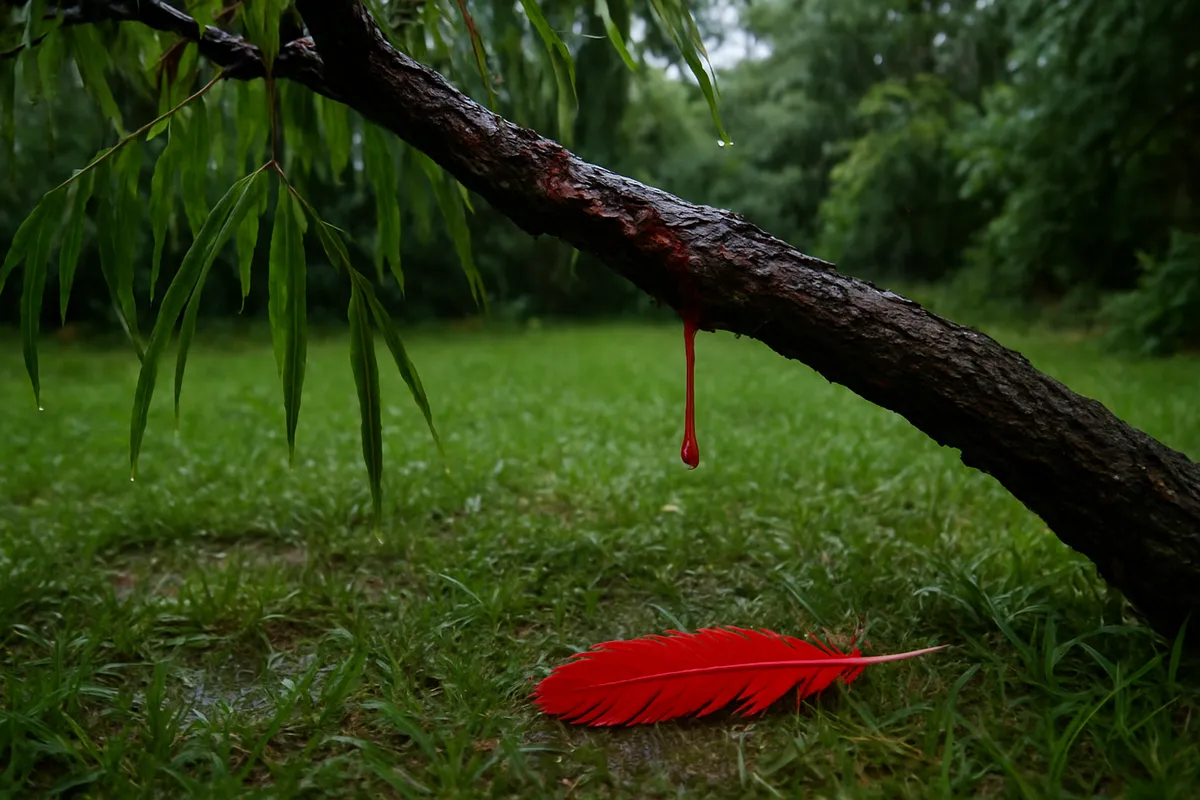
Hurst's story of a brother's pride: what the bird stands for, and what the narrator finally admits.
#literature
20 questions
One question set, multiple game modes. Tap any game to see it in action. Not sure which to pick?
Answer to place stones and capture territory.
Outrun the snow together.
Earn blasts, then hunt the other team.
Answer to earn energy, then climb.

The class blasts through walls together.
Bid on mystery lots. Most money wins.
Sell tours. Nice, standard, or a total scam.

Answer, restock, and serve the rush.
More correct answers pulls the rope your way.
Answer, then shoot down the alien wave.
Answer, then tap to leap the frozen ridge.
Daddy finds the bird in the bird book: a scarlet ibis lives in the tropics, and "A storm must have brought it here." How does this detail prepare the reader for Doodle?
Brother finds Doodle under the bush with his neck and shirt "stained a brilliant red," his legs bent sharply and "so fragile, so thin," and lies over him "sheltering my fallen scarlet ibis." What does the story establish here?
Doodle will not touch the dead ibis, so he loops a string around its neck, sings "Shall We Gather at the River," and buries it in the flower garden. How does this scene work with the story's last paragraph?
After Doodle buries the bird and refuses his cobbler, Aunt Nicey puts her head round the kitchen door and says, "Dead birds is bad luck." What does putting her line here do for the reader?
While Doodle digs the bird's grave with a shovel twice as long as he is, the family watches from the window and covers their mouths so he will not hear them laugh. What does this add to the ibis as a symbol?
Doodle walks in front of the family and everyone hugs Brother, who says, "They did not know that I did it for myself, that pride, whose slave I was, spoke to me louder than all their voices." What does this establish?
Brother says, "There is within me (and with sadness I have watched it in others) a knot of cruelty borne by the stream of love." What is he confessing about how he treated Doodle?
Of the summer he spent hauling Doodle to his feet, Brother says, "I did not know then that pride is a wonderful, terrible thing, a seed that bears two vines, life and death." What do the words "did not know then" tell the reader?
In Old Woman Swamp, Brother says, "I'm going to teach you to walk, Doodle." Doodle asks, "Why?" Brother answers, "So I won't have to haul you around all the time." What does that answer reveal?
Doodle cries out, "Brother, Brother, don't leave me! Don't leave me!" and Brother says the knowledge that their plans "had come to naught was bitter, and that streak of cruelty within me awakened." Why does he run on?
Which of these comes FIRST in the story?
Doodle walks in front of the family for the first time on October eighth, his sixth birthday. Which of these happens BEFORE that morning?
On the day the ibis comes, which of these happens LAST?
What do the brothers do in the stretch of time between Doodle learning to walk and the blighted summer of 1918?
Brother admits that he once made plans to kill his brother by smothering him with a pillow. When does this happen?
The story opens: "summer was dead but autumn had not yet been born, that the ibis lit in the bleeding tree." Which device is this, and what does it do?
Brother calls pride "a seed that bears two vines, life and death." Which device is this, and what does it do?
The dead ibis, Brother says, "lay on the earth like a broken vase of red flowers." Which device is this, and what does it do?
Of the day Doodle first stands alone, Brother says, "Hope no longer hid in the dark palmetto thicket but perched like a cardinal in the lacy toothbrush tree, brilliantly visible." What does this do?
The story's last words are "sheltering my fallen scarlet ibis from the heresy of rain." Which device is this, and what does it do?
Crack the passcode before the zombies get in.
Answer, then swat bugs for bonus points.
Race through questions at your own speed.
Same question on every screen. Fastest wins.

Pick a tile, answer, hit bonuses and steals.

The Interlopers: Situational Irony and Setting
20 questions