Loading
by BlastRoom
Maupassant's ten wasted years, the woman who wanted more, and the sentence that ends it.
#literature
20 questions
One question set, multiple game modes. Tap any game to see it in action. Not sure which to pick?
Answer to place stones and capture territory.
Outrun the snow together.
Earn blasts, then hunt the other team.
Answer to earn energy, then climb.

The class blasts through walls together.
Bid on mystery lots. Most money wins.
Sell tours. Nice, standard, or a total scam.

Answer, restock, and serve the rush.
More correct answers pulls the rope your way.
Answer, then shoot down the alien wave.
Answer, then tap to leap the frozen ridge.
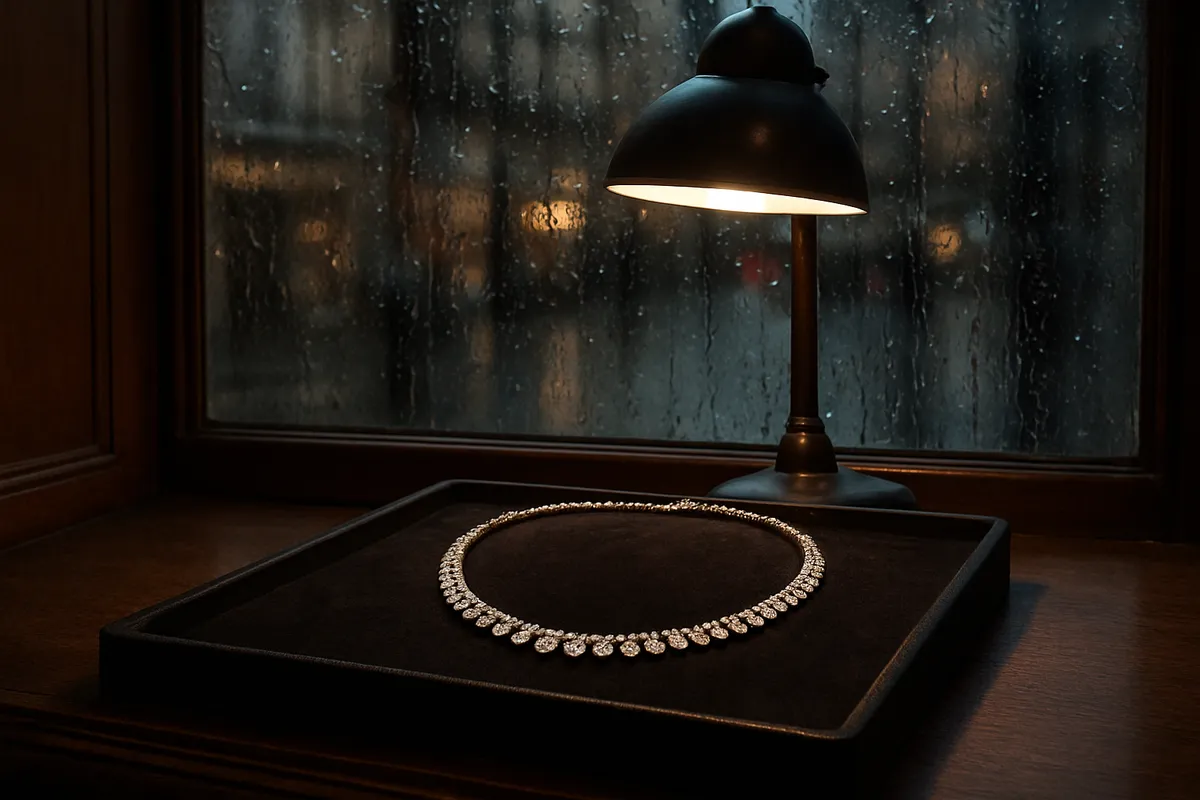
The Loisels spend ten years in poverty paying for a replacement necklace, and then Madame Forestier tells Mathilde the borrowed one was paste, worth at most five hundred francs. Why is that situational irony?
Mathilde turns down her husband's suggestion of a few francs' worth of roses and borrows diamonds instead, because she says nothing is more humiliating than looking poor among rich women. What makes that choice situationally ironic?
Mathilde returns the case with a different necklace inside, and Madame Forestier only remarks coldly that it should have come back sooner. She never opens the case. Why is that situational irony?
Loisel gives up the four hundred francs he had put aside for a gun and lark shooting on the plain of Nanterre so that his wife can have a gown for the ball. Why does the story turn that gift into irony?
Loisel dictates a letter telling Madame Forestier that the clasp is broken and the necklace is being mended, to buy the couple time. Why is that stalling ironic in light of the ending?
Mathilde throws the ball invitation on the table crossly and asks what she is supposed to put on her back; her husband, who had trouble obtaining it, then hands over the four hundred francs saved for his gun. What does the exchange show?
At dinner Loisel uncovers the soup and says with delight that he knows nothing better, while opposite him Mathilde is imagining silverware, tapestries and the wings of a quail. What does that contrast establish about the couple?
After the necklace is lost, the Loisels buy a replacement, dismiss their housemaid, move to a garret and pay off the debt for ten years. What does that decision reveal about them?
After ten years Madame Loisel has coarse red hands and untidy hair and talks loudly while sluicing the floor, but she still sometimes sits by the window and thinks about the night of the ball. What does that last detail reveal?
Loisel spends the eighteen thousand francs his father left him, signs notes he may not be able to meet, deals with usurers, and afterward copies manuscript at five sous a page late at night. What do those details build in him?
Which of these happens FIRST?
Which of these happens THIRD?
Which of these happens immediately AFTER the Loisels buy the replacement at a shop in the Palais Royal?
Which of these happens LAST?
Which of these comes BEFORE Loisel spends the eighteen thousand francs his father left him?
Maupassant gives a long passage to the ten years of scrubbing, bargaining sou by sou and copying manuscript BEFORE Madame Forestier says her last words. What does that order accomplish?
The story stops on Madame Forestier's revelation, with no scene showing what Mathilde does or says afterward. What does ending there accomplish?
Before any event occurs, Maupassant spends several paragraphs on the antechambers, footmen and dainty dinners Mathilde imagines. What does that opening accomplish?
Maupassant names exact sums: four hundred francs saved for a gun, eighteen thousand francs inherited, forty thousand francs asked and thirty-six thousand paid. What does putting those figures in the story accomplish?
After the ten years the narrator breaks off to ask what would have happened had she not lost the necklace, and remarks how small a thing is needed to make or ruin us. What does that intrusion accomplish?
Crack the passcode before the zombies get in.
Answer, then swat bugs for bonus points.
Race through questions at your own speed.
Same question on every screen. Fastest wins.

Pick a tile, answer, hit bonuses and steals.

The Interlopers: Situational Irony and Setting
20 questions