Loading
by BlastRoom
The invisibility conceit, the blindness motif, and the identities the narrator is handed and discards.
#ap_english_literature
25 questions
One question set, multiple game modes. Tap any game to see it in action. Not sure which to pick?
In the prologue, the narrator says his invisibility occurs because of others' "inner eyes." Where does the conceit place the fault?
When the prologue insists, "I am a man of substance," what misconception about invisibility does that correction reject?
The prologue compares the narrator's condition to being surrounded by "mirrors of hard, distorting glass." What does that image make visible?
In the prologue street encounter, a white man collides with the narrator and then insults him. How does the episode extend the invisibility conceit?
The narrator says people see "everything and anything except me." What is the strongest reading of that phrasing?
Why does the prologue define invisibility before the main chronology begins?
In the battle royal, the boys fight blindfolded before the narrator gives his speech. What does the blindfolding do structurally?
Homer Barbee praises the Founder as a visionary, then reveals he is blind. What pressure does that detail put on the sermon?
At Liberty Paints, the dazzling white paint requires dark drops to achieve "Optic White." What does this instance of sight imagery expose?
The Founder's statue appears either to lift a veil or lower it more firmly. What does that visual ambiguity do?
Brother Jack's glass eye comes out during a confrontation with the narrator. How does the blindness motif work here?
When the veteran at the Golden Day describes blindness in those who govern the narrator's education, what makes his insight disruptive?
The college rewards the narrator as a model student and promising speaker. What limitation does that identity carry?
After the hospital treatment, doctors ask the narrator questions about his name and origins. What does that scene do to identity?
The Brotherhood gives the narrator a new name. What does that naming accomplish?
Why is the narrator's success as a Harlem speaker unstable even when crowds respond to him?
When the narrator is mistaken for Rinehart, what does that mistaken identity reveal?
How does Tod Clifton's Sambo doll sharpen the narrator's crisis over assigned roles?
Ras reads the narrator as a traitor to racial solidarity. Why does the novel not let that label settle the narrator's identity?
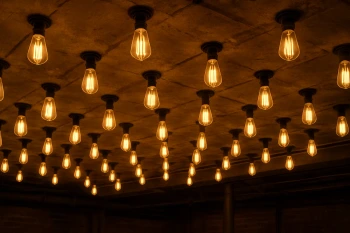
The narrator fills his underground room with 1,369 bulbs. What does that excessive light seek to answer?
Why does the narrator steal electricity from Monopolated Light & Power for the cellar?
The prologue says that without light the narrator would be "formless." How does that claim revise invisibility?
In the epilogue, the narrator calls his underground time "hibernation." What does that term commit him to?
The epilogue asks, "Who knows but that, on the lower frequencies, I speak for you?" What does that ending do to the reader?
When the epilogue returns to the language of social responsibility, what has changed since the narrator's early speeches?
Crack the passcode before the zombies get in.

Pick a tile, answer, hit bonuses and steals.
Beloved: Parts Two and Three
25 questions