Loading
by BlastRoom
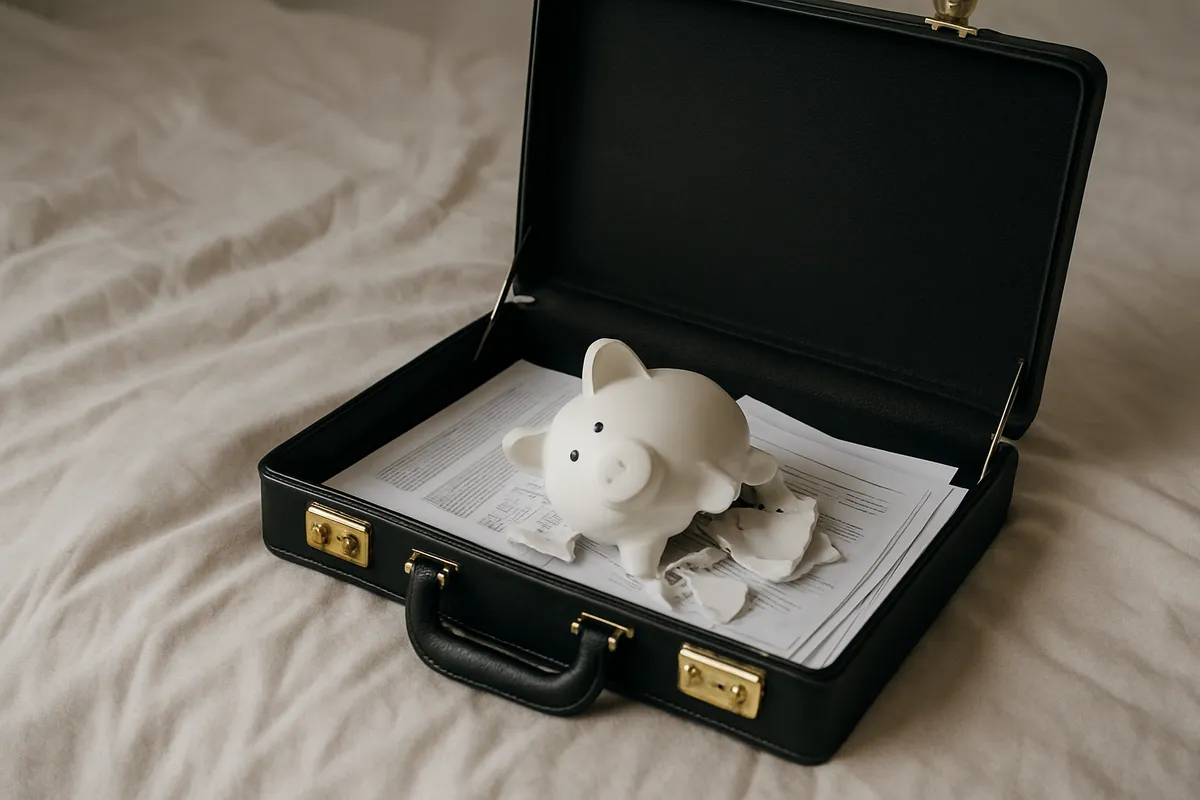
Mixed review across the whole novel.
#ap_english_literature
50 questions
One question set, multiple game modes. Tap any game to see it in action. Not sure which to pick?
Answer to place stones and capture territory.
Outrun the snow together.
Earn blasts, then hunt the other team.
Answer to earn energy, then climb.

The class blasts through walls together.
Bid on mystery lots. Most money wins.
Sell tours. Nice, standard, or a total scam.

Answer, restock, and serve the rush.
More correct answers pulls the rope your way.
Answer, then shoot down the alien wave.
Answer, then tap to leap the frozen ridge.
In the cellar, the narrator burns items from his briefcase for light. Which item is among the things he burns there?
Before the narrator understands Bledsoe's real plan, who reveals that the supposed recommendation letters are meant to keep him away from the college?
Which event belongs before the Liberty Paints hospital episode in the novel's sequence?
The narrator's briefcase first becomes important on the night of the smoker. What does it initially signify in that scene?
Where does the narrator's unashamed enjoyment of hot yams fall in his development?
When does the narrator first discover how completely Rinehart's identity depends on others' projections?
Which sequence of major movements is accurate?
The anonymous warning telling the narrator not to move too fast arrives during which phase of the plot?
Ras's transformation from Exhorter to Destroyer is placed to mark which late development?
Which event is latest in the novel's chronological story, before the epilogue reflects on it?
Brother Jack, Bledsoe and Norton each take an interest in the narrator. What do they share in how they use him?
How does Mary's claim on the narrator differ from the Brotherhood's claim on him?
Ras and Brother Jack make opposed political demands on the narrator. What do those demands have in common?
What does Norton want from the narrator that Bledsoe most fears losing?
At Liberty Paints, what competing claims do Brockway and the union place on the narrator?
Ras wants the narrator to leave the Brotherhood, while Jack wants obedience to it. How do the grounds of their appeals differ?
When Emma and Jack evaluate the narrator at the Brotherhood party, what do they reveal about what they want from him?
What do Sybil and the narrator each try to get from their late encounter?
How does young Emerson's response to the narrator differ from Bledsoe's?
The grandfather's advice and Jack's orders both shape the narrator's choices. How do they differ?
What symbolic burden does the briefcase carry across the novel?
What do Bledsoe's letters most powerfully enact as objects?
The broken cast-iron bank keeps returning to the narrator's possession. What does that object enact?
What does Clifton's Sambo doll carry beyond its immediate street performance?
In the Liberty Paints episode, what does Optic White paint come to symbolize?
Brother Jack's glass eye changes the meaning of his leadership. What does the object disclose?
What do the dark glasses and hat reveal in the Rinehart episode?
What do the hot yams on the Harlem street carry for the narrator?
Brother Tarp's chain link is small, but what history does it bring into the Brotherhood office?
The narrator's stolen electric light in the prologue is more than setting. What does it carry?
Why does beginning in the underground cellar change the reader's experience of the early chapters?
When the older narrator recounts the battle royal, what does his hindsight expose?
What does the first-person narration withhold during the hospital episode?
In the college chapters, the narrator often repeats official ideals. What does the older narration let readers see?
Why does the Rinehart episode remain unstable even though it is told after the fact?
How does the epilogue qualify the narrator's underground withdrawal?
What does retrospective first-person narration do to the narrator's younger certainty about public speaking?
The narrator often admits confusion after the events he describes. What effect does that create?
The idea of being kept running appears early and returns later. What does that repetition reveal?
What is accomplished by repeating scenes in which the narrator addresses an audience?
The novel repeatedly uses hidden rooms, basements, and underground spaces. What does that structure emphasize?
How does the repeated motif of blindness work across Norton, Jack, and the narrator's invisibility?
The narrator is renamed, labeled, or mistaken for others again and again. What does this repetition accomplish?
What pattern links Bledsoe's letters, Brotherhood orders, and the riot strategy?
The novel returns to objects that caricature or stage Black performance. What does that repetition do?
At the smoker, what is the main tension in the narrator's graduation speech?
How does the eviction speech differ from the smoker speech?
Why does the Clifton funeral speech anger the Brotherhood?
Across the smoker, the eviction, and Clifton's funeral, what changes most in the narrator's public speaking?
In his funeral speech, the narrator keeps repeating Tod Clifton's name. What does that repetition insist on?
Crack the passcode before the zombies get in.
Answer, then swat bugs for bonus points.
Race through questions at your own speed.
Same question on every screen. Fastest wins.

Pick a tile, answer, hit bonuses and steals.
Beloved: Part One
30 questions