Loading
by BlastRoom
Identify distinct Mesoamerican traditions and explain how their art and architecture served power, ritual, and recordkeeping.
#us_hs_art_history
30 questions
One question set, multiple game modes. Tap any game to see it in action. Not sure which to pick?
Answer to place stones and capture territory.
Outrun the snow together.
Earn blasts, then hunt the other team.
Answer to earn energy, then climb.

The class blasts through walls together.
Bid on mystery lots. Most money wins.
Sell tours. Nice, standard, or a total scam.

Answer, restock, and serve the rush.
More correct answers pulls the rope your way.
Answer, then shoot down the alien wave.
Answer, then tap to leap the frozen ridge.
A Teotihuacan temple façade alternates a sloping lower wall with a framed rectangular panel above. What is this architectural profile called?
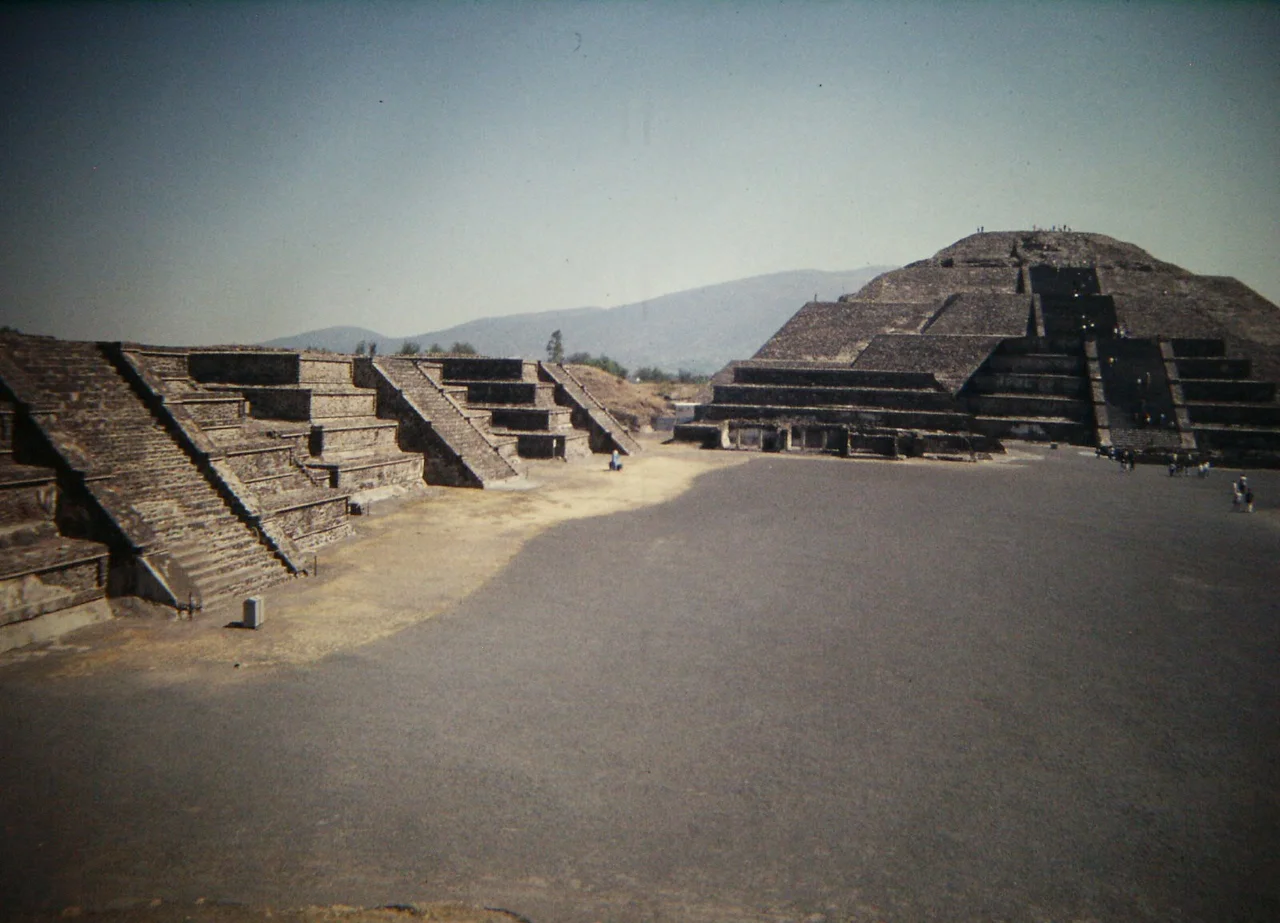
At Teotihuacan, broad temple stairways face the Street of the Dead, where crowds could gather to watch. What did this arrangement most clearly emphasize?
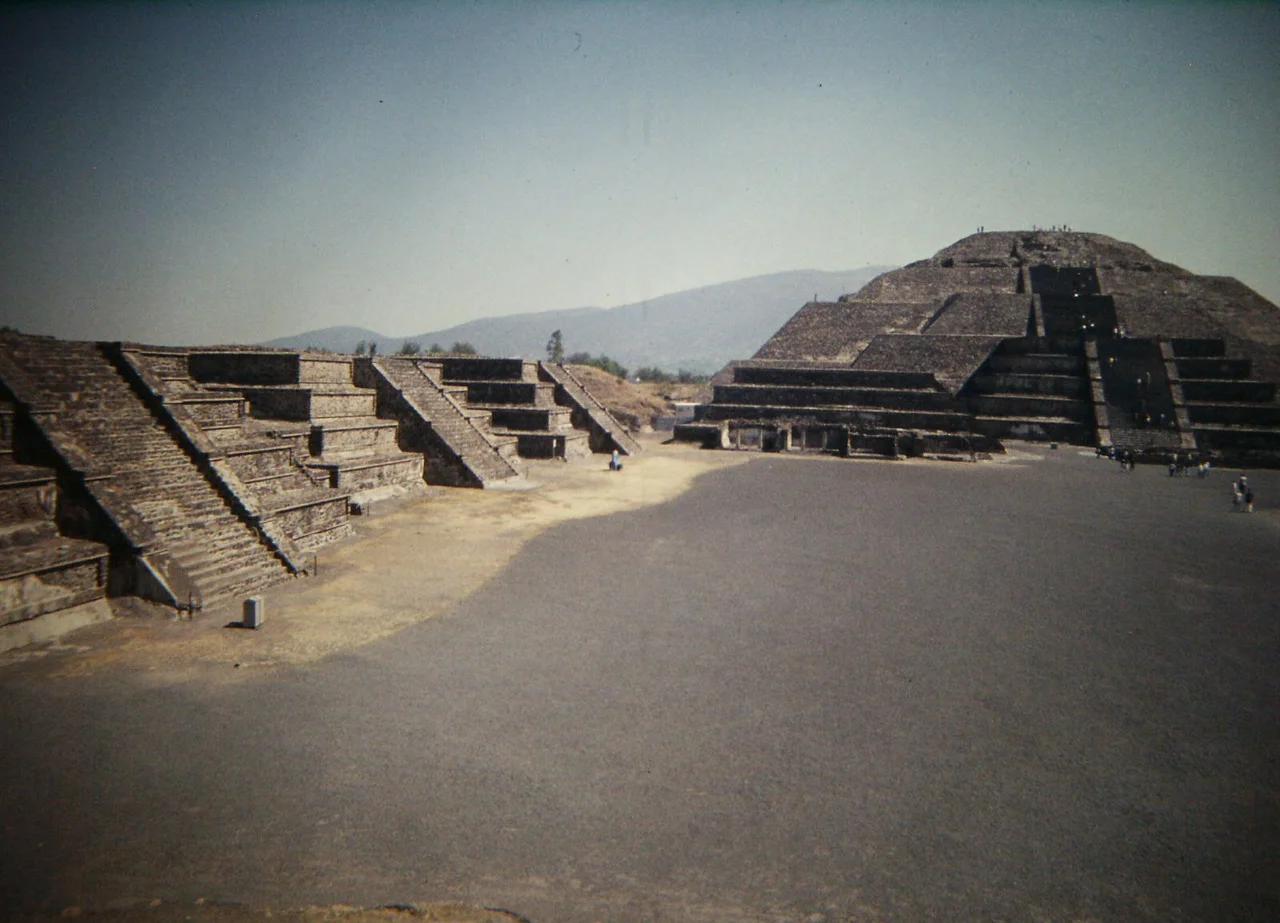
A tunnel-like cave lies beneath Teotihuacan's Pyramid of the Sun. Why is that feature important to interpreting the pyramid's location?
Teotihuacan's ceremonial center is organized along the long Street of the Dead, with major pyramids and a gridded street system. What does this planning suggest?
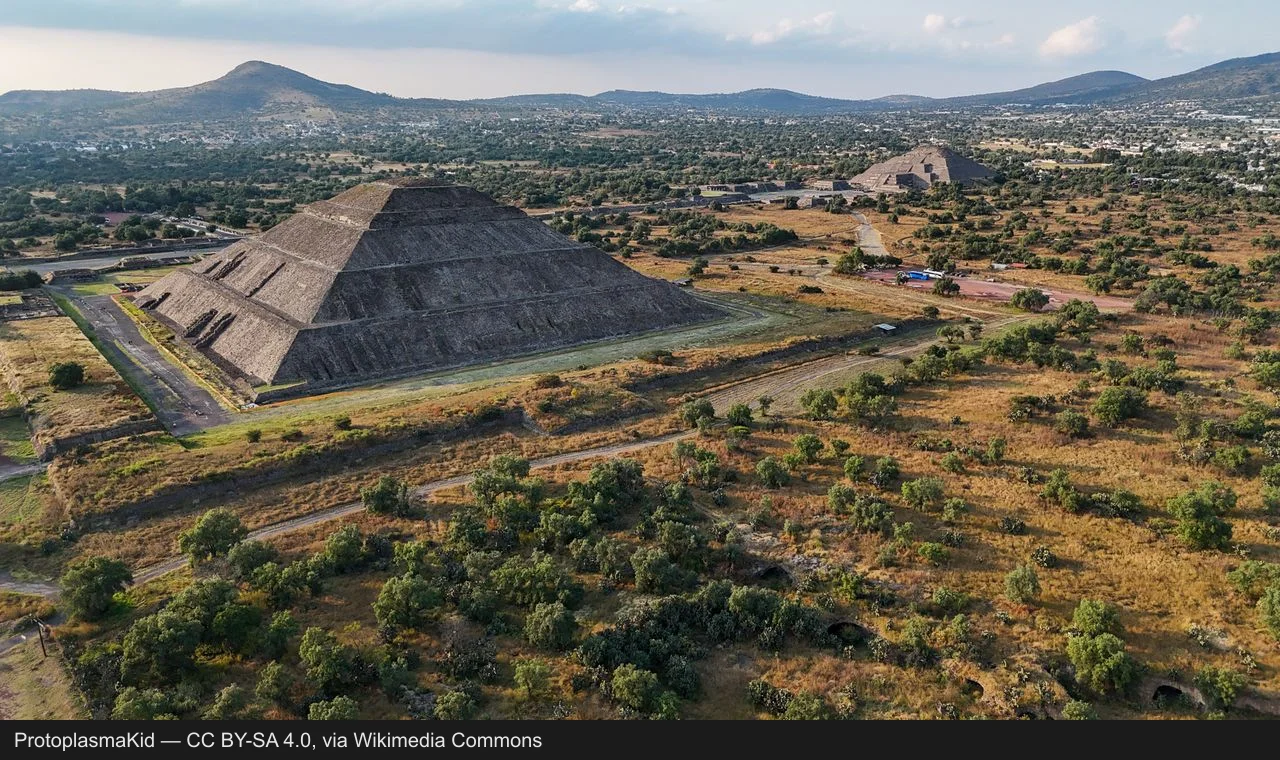
At Chichén Itzá, two tall parallel walls and stone rings define a long court. What activity was this architecture designed to frame?
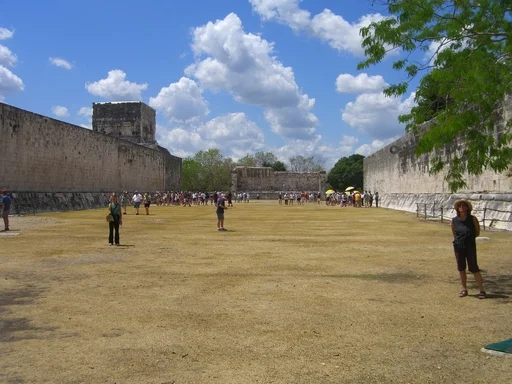
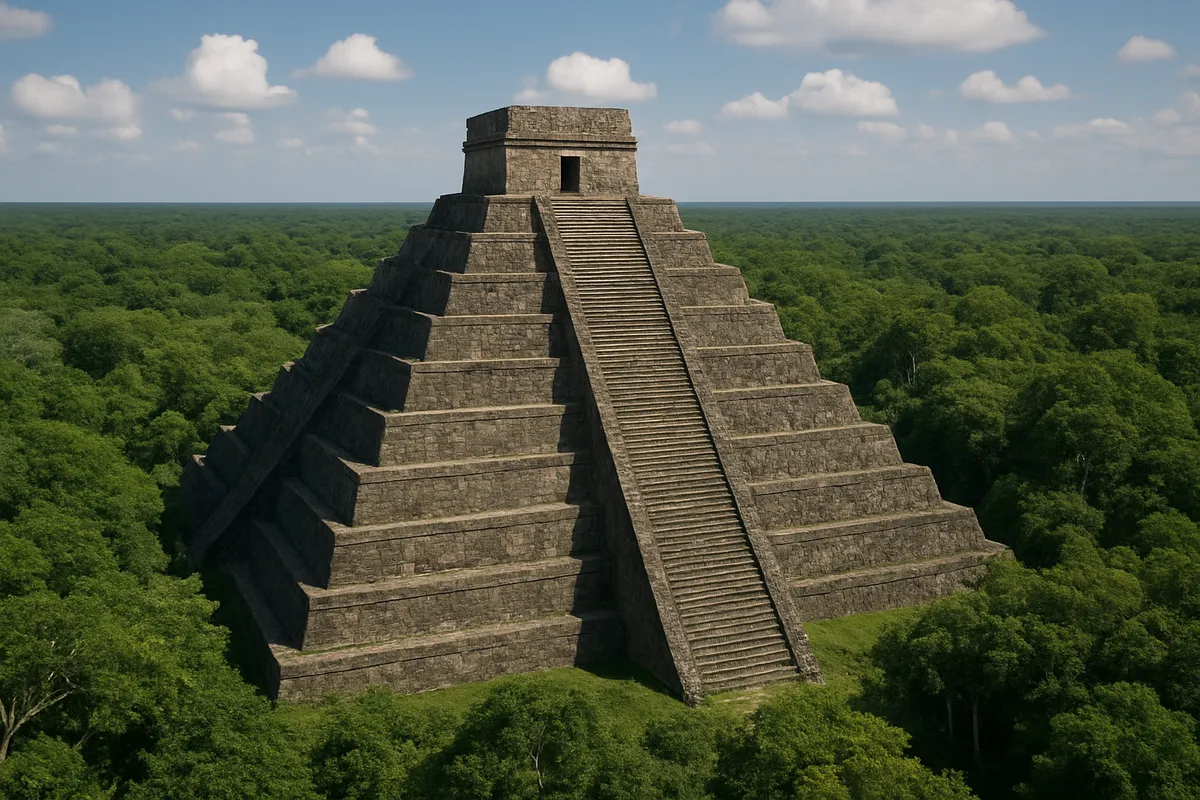
El Castillo at Chichén Itzá functioned primarily as what kind of structure?
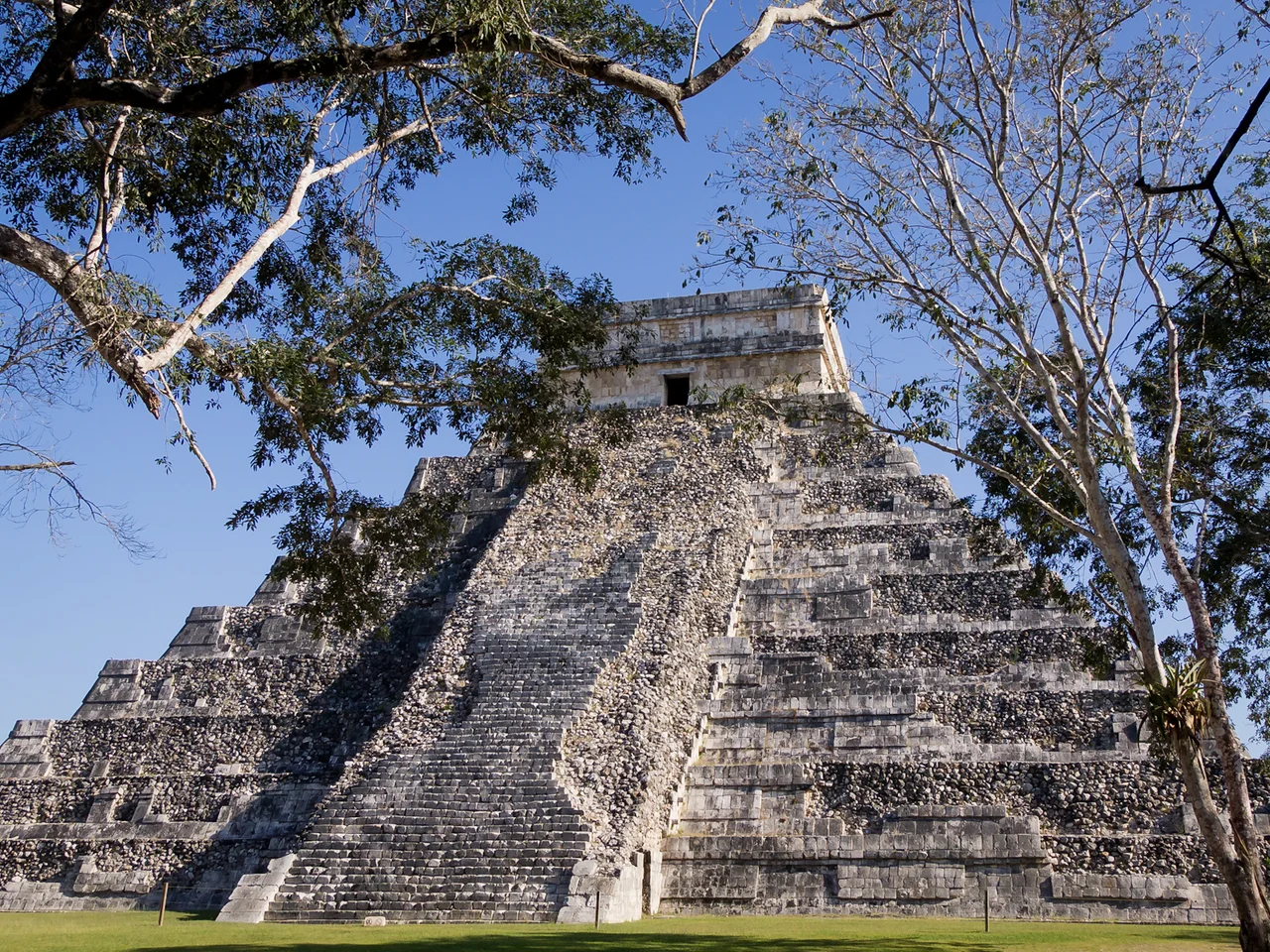
The Templo Mayor rose as twin temple pyramids at the center of Tenochtitlan. Which pairing did its two summits honor?
Olmec colossal heads have individualized faces and distinct close-fitting headgear. Whom are these monumental portraits generally thought to represent?
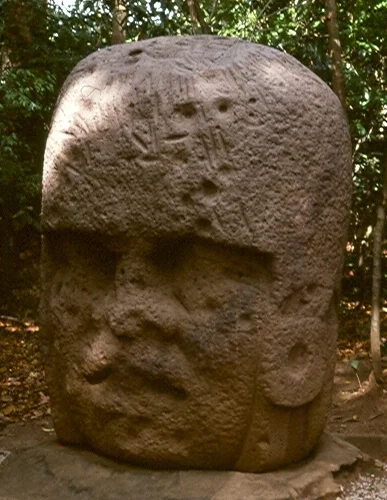
Basalt for Olmec colossal heads came from distant mountains and was transported to Gulf Coast centers. What does this most strongly demonstrate?
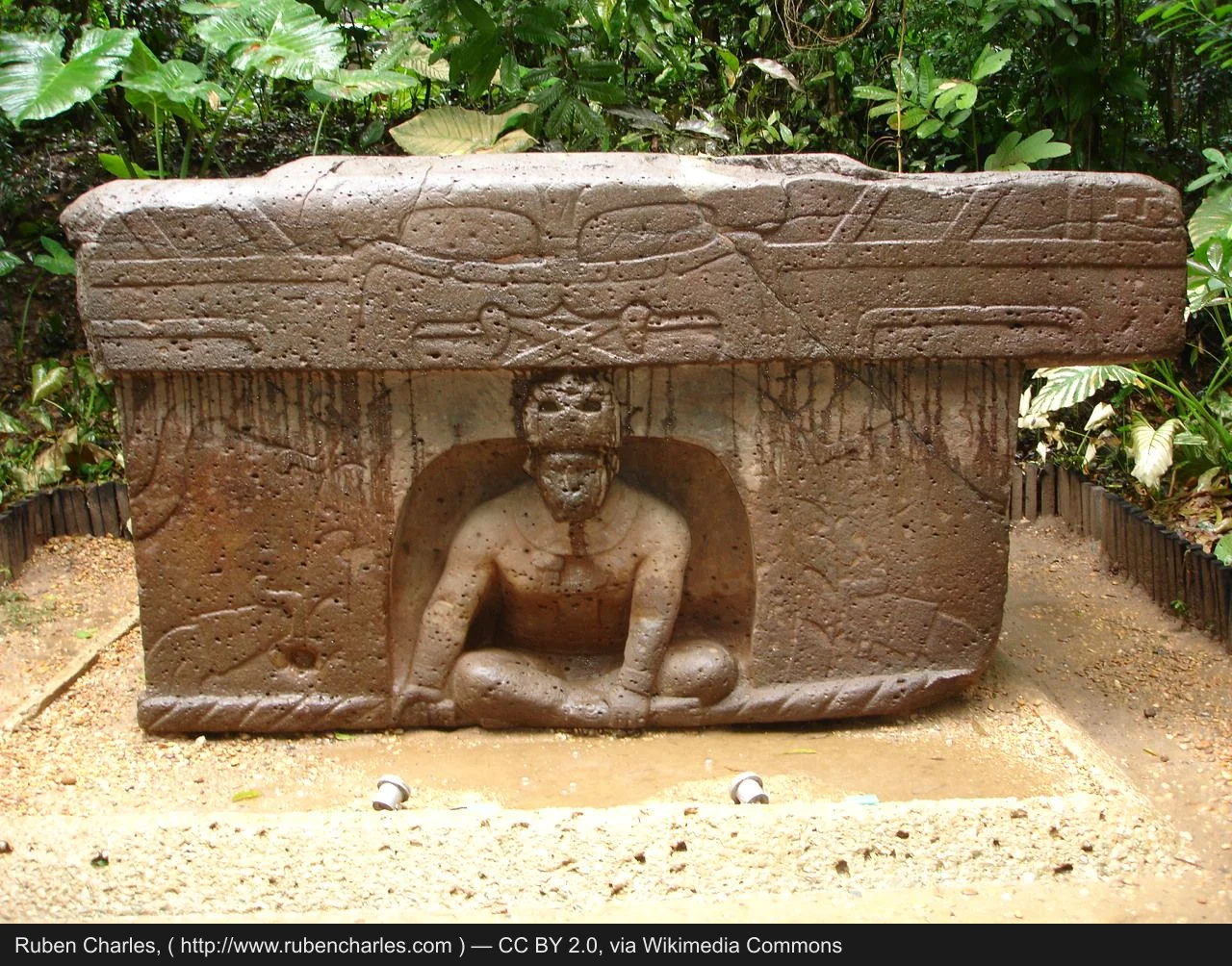
La Venta Altar 4 shows a ruler emerging from a central niche carved as a cave. What does the cave imagery add to the ruler's presentation?
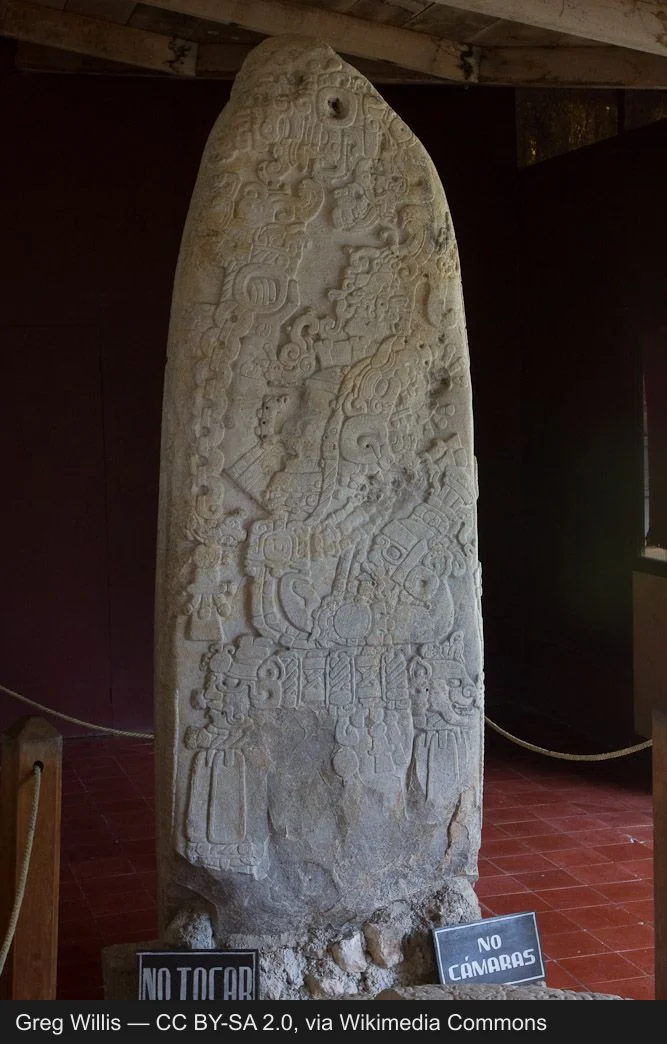
A Maya stela pairs a ruler's portrait with a long hieroglyphic text. What was a major public function of such monuments?
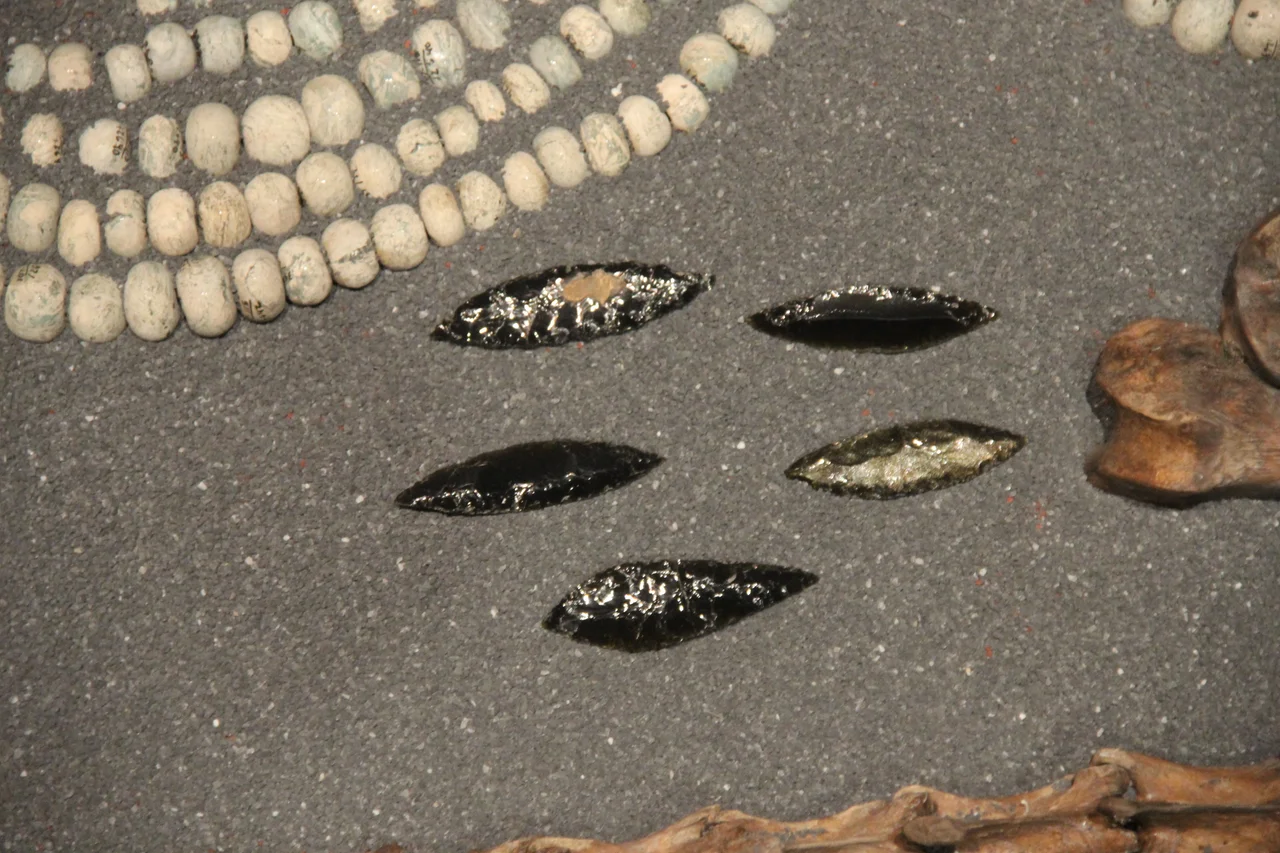
Offerings at the Templo Mayor included materials such as jade, turquoise, and shell from distant regions. In an imperial capital, these deposits also signaled what?
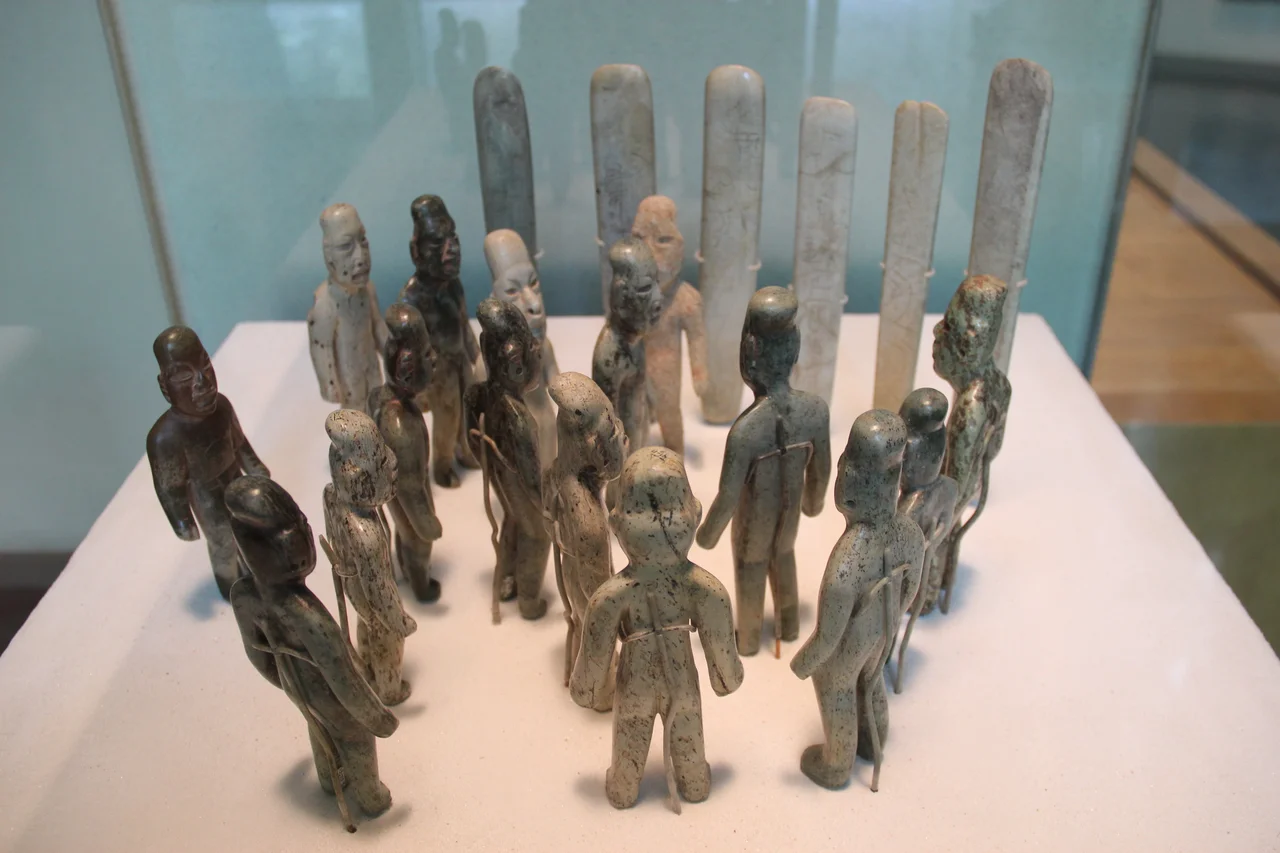
Olmec greenstone celts were sometimes buried in dedicatory offerings and understood as maize sprouts. What purpose did this placement serve?
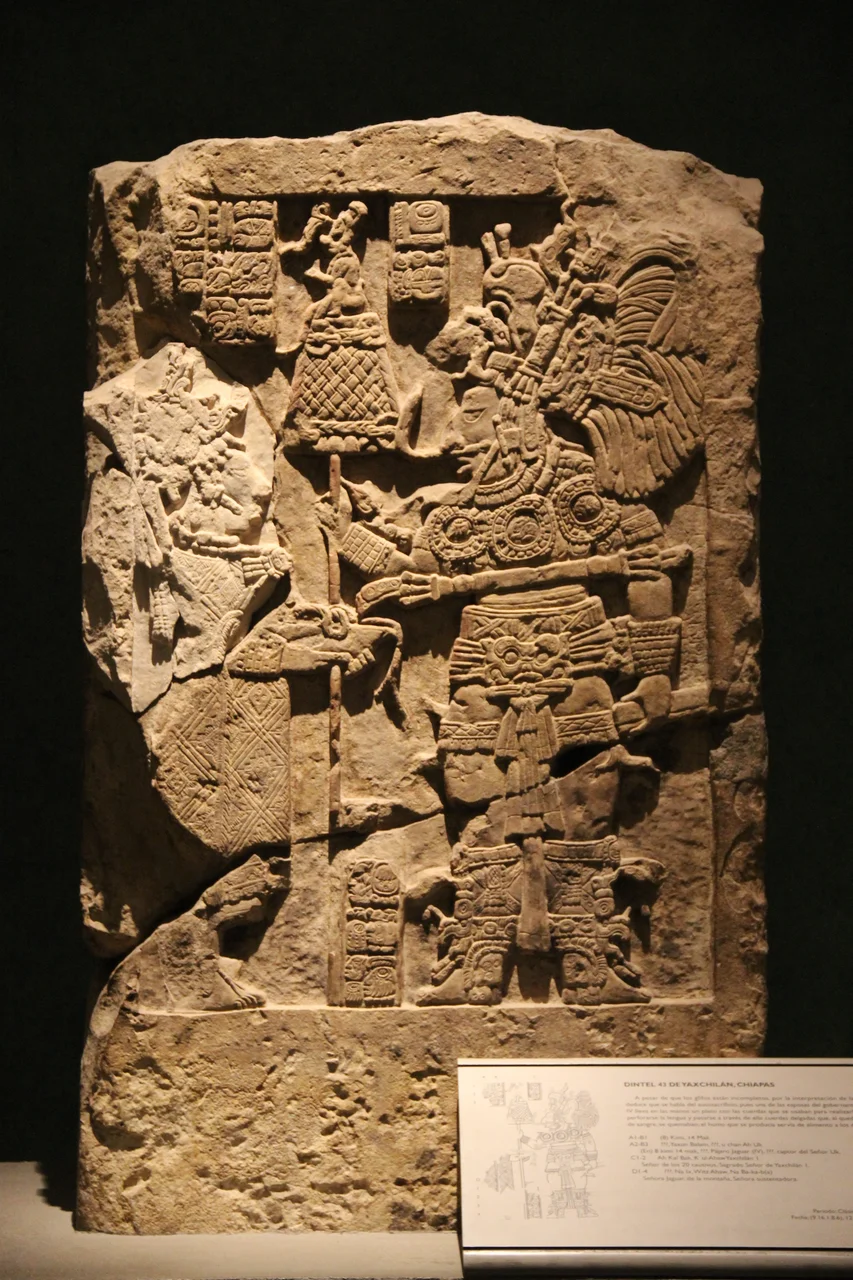
A Yaxchilán lintel shows Lady Xook drawing a thorned cord through her tongue as Shield Jaguar holds a torch. This scene most directly represents what?
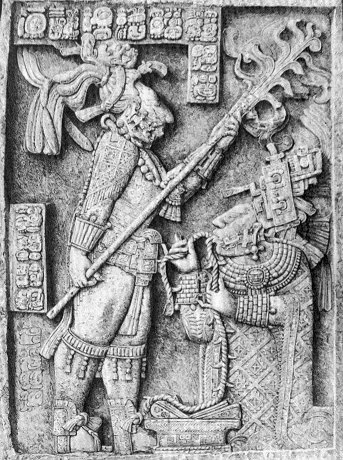
Why do glyph blocks on Maya lintels and stelae matter to art historians reading a royal scene?
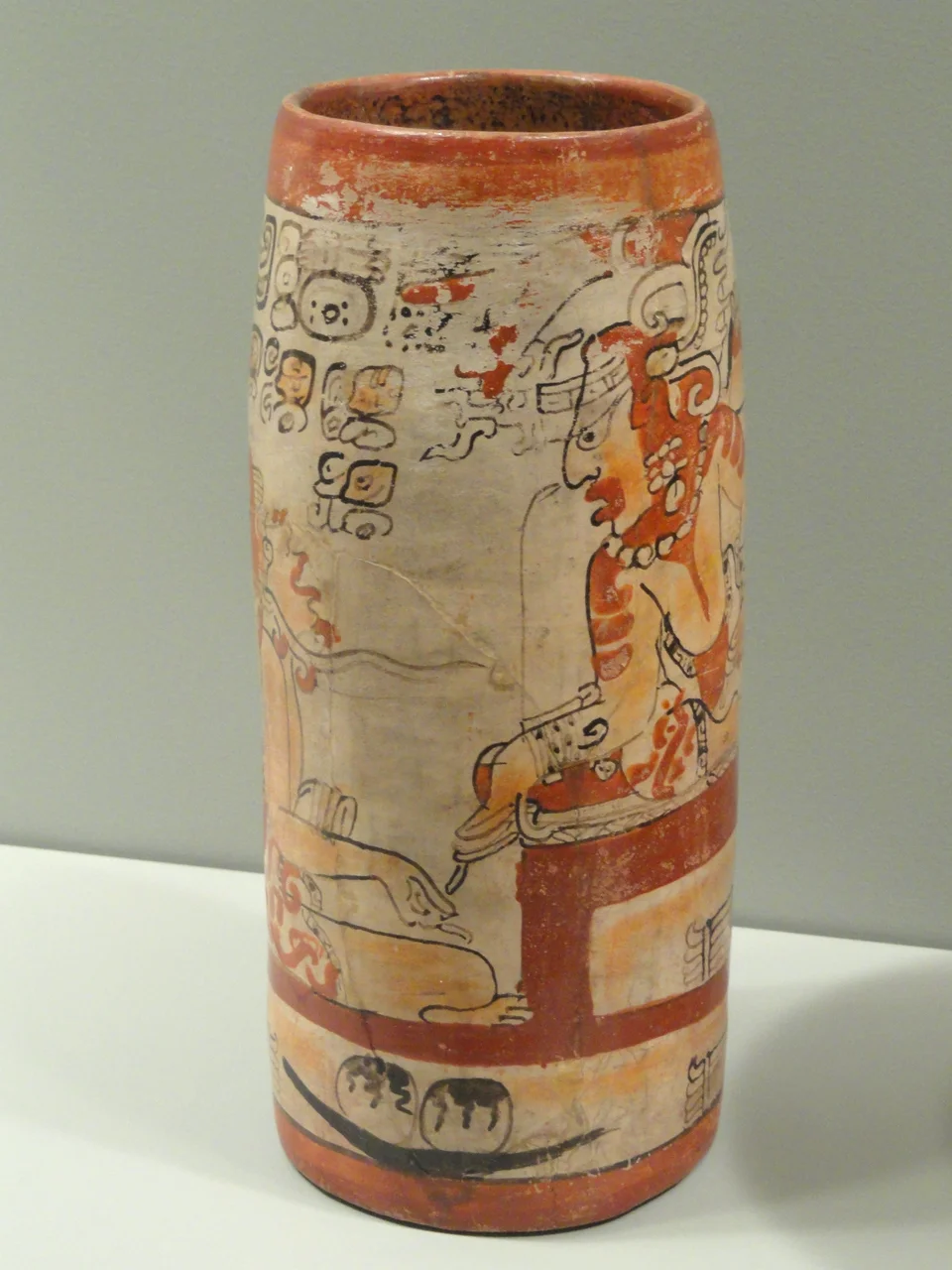
On Maya palace vessels like this one, a lord sits enthroned while a courtier approaches, and other royal scenes set rulers among gods and supernatural beings. How did such imagery strengthen the ruler's authority?
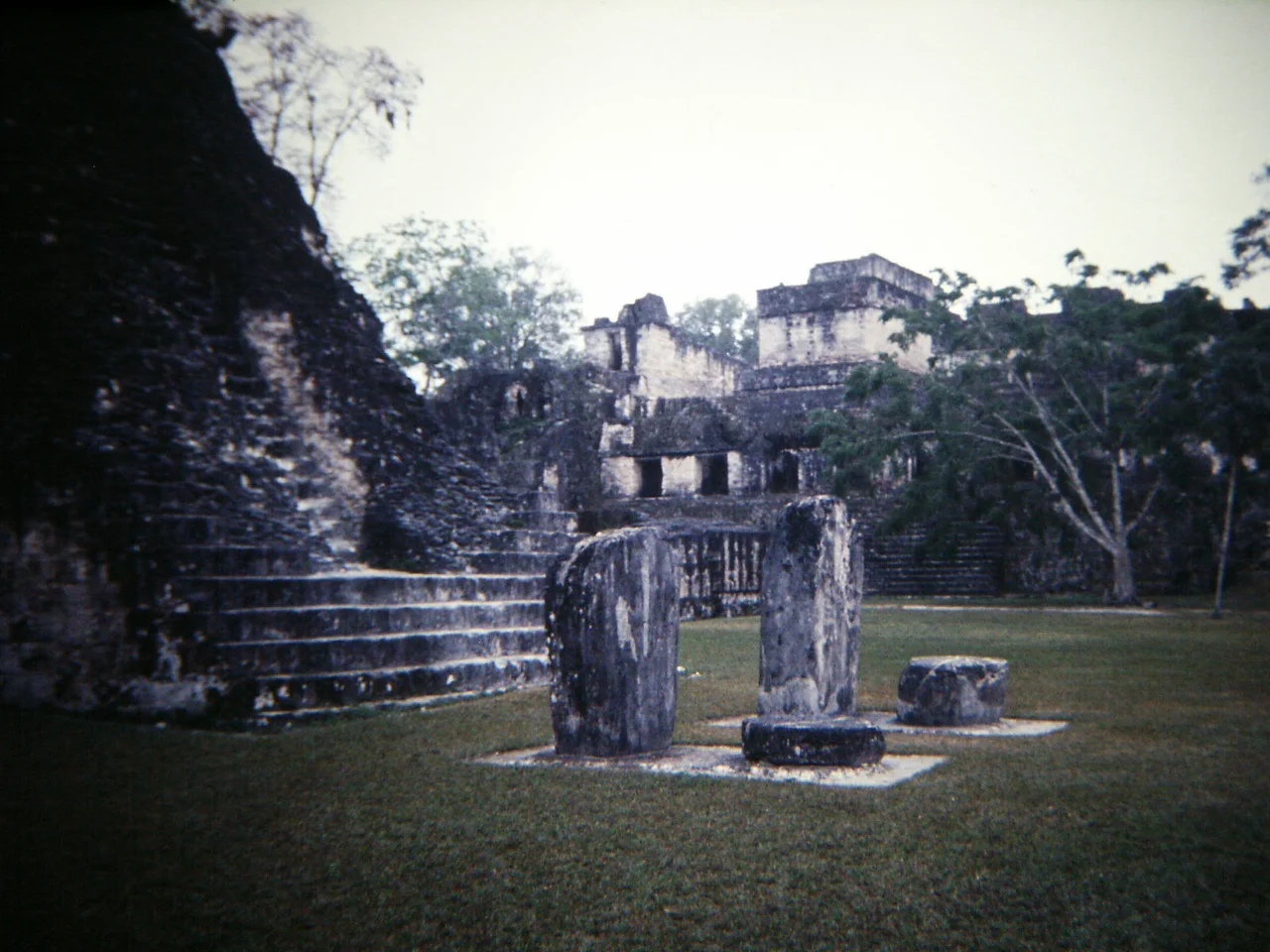
A freestanding Maya monument stands in a plaza with a portrait of a king or queen. Why was the plaza setting significant?
Reliefs at the Great Ball Court of Chichén Itzá connect the game with sacrifice and ceremony. What does this indicate about the ballgame there?
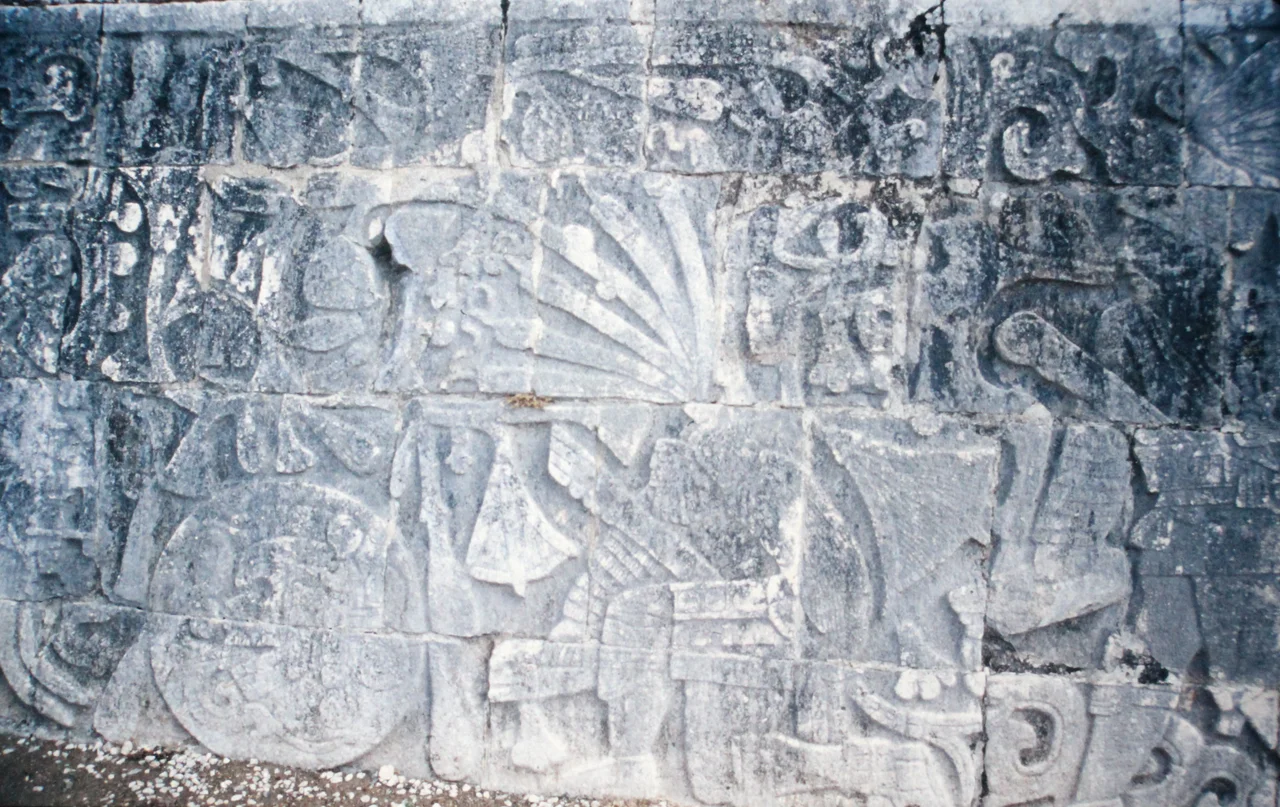
A carved Maya doorway lintel was installed overhead, so visitors had to look upward to see its relief and text. How did this placement affect the work's viewing?
Olmec workers moved basalt boulders weighing many tons from the Tuxtla Mountains to Gulf Coast centers without wheels or draft animals. How were the boulders most likely carried much of the way?
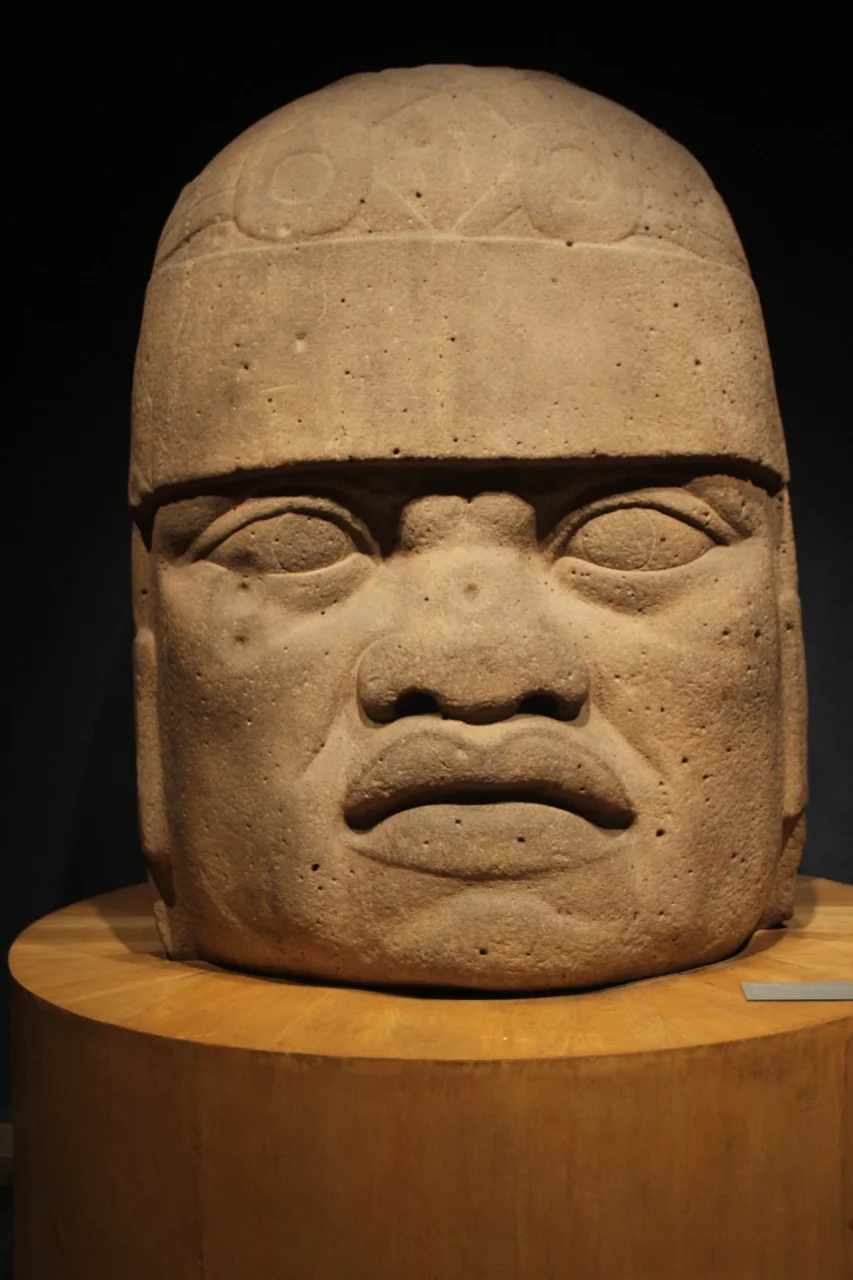
Teotihuacan controlled much of the central Mexican obsidian trade. Why would control of this material matter to a large city?
Olmec elites acquired jade from the Motagua River valley in present-day Guatemala. What does this imported material reveal?
Codex Mendoza tribute pages depict textiles, feathers, precious stones, and other goods owed by subject provinces. What do these pages reveal about Mexica rule?
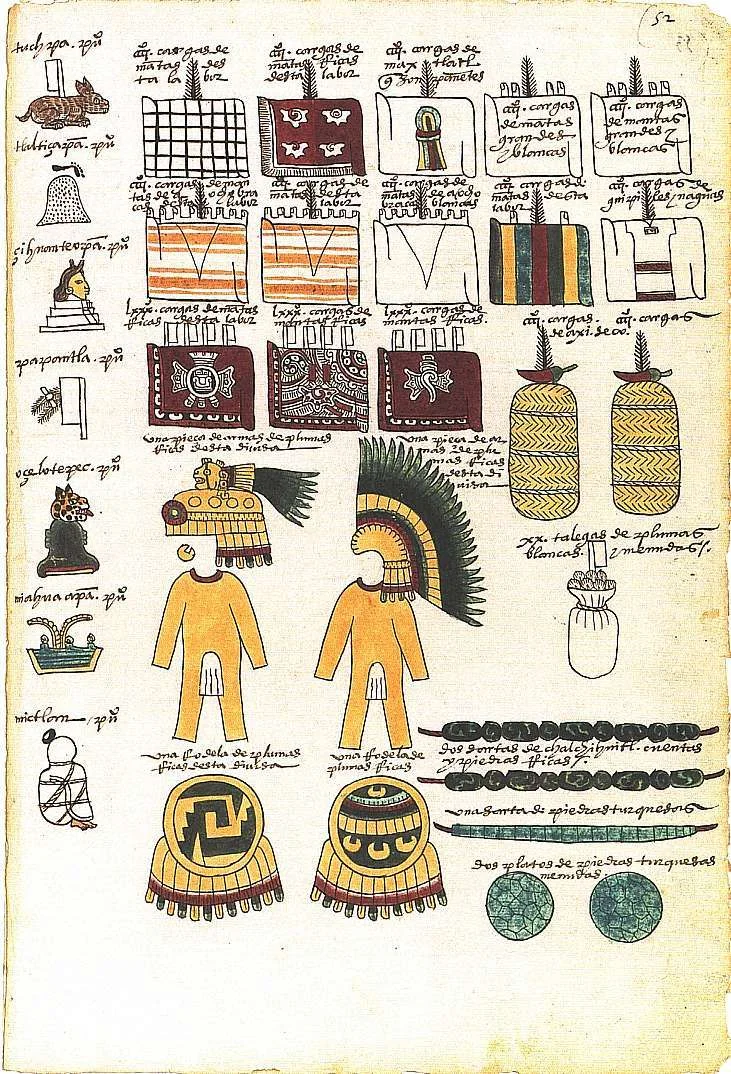
The Codex Mendoza was commissioned around 1541 by Viceroy Antonio de Mendoza to report on the Mexica Empire. For whom was it intended?
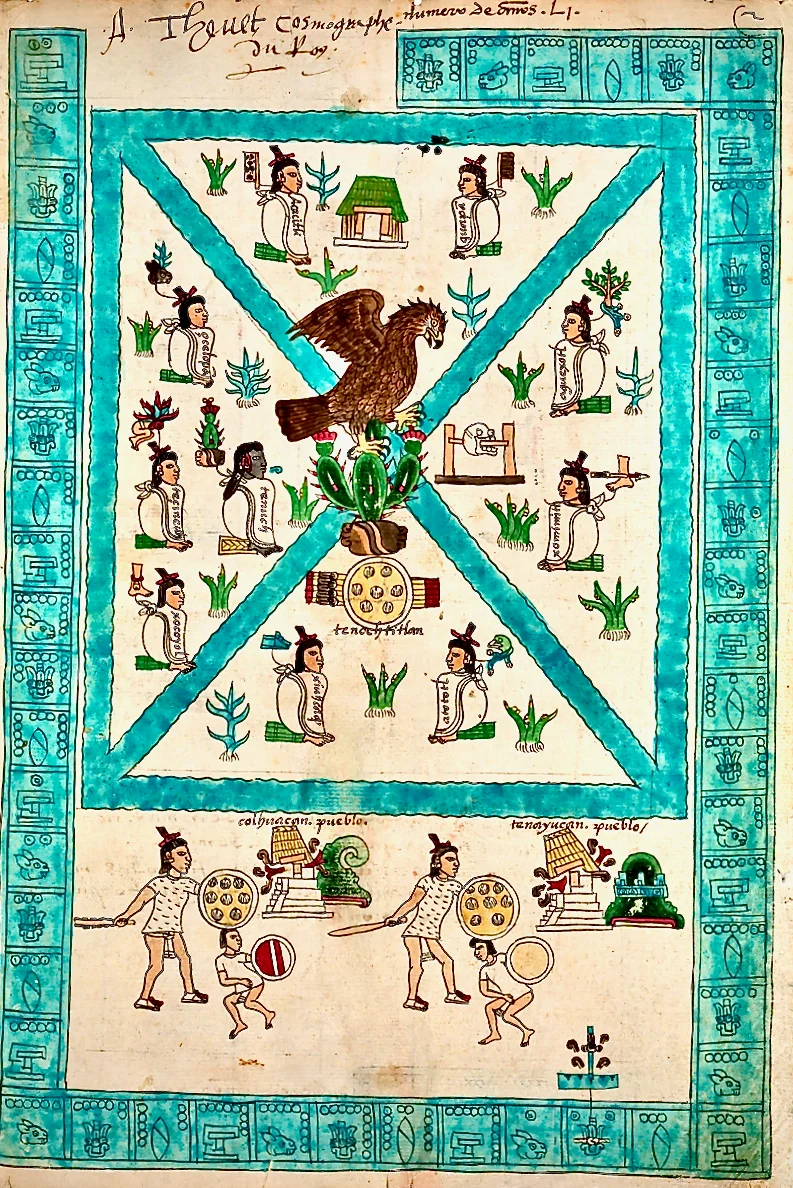
On a Codex Mendoza tribute page, town-name glyphs run down one margin while pictographs of goods fill the rest. What information does this layout connect?
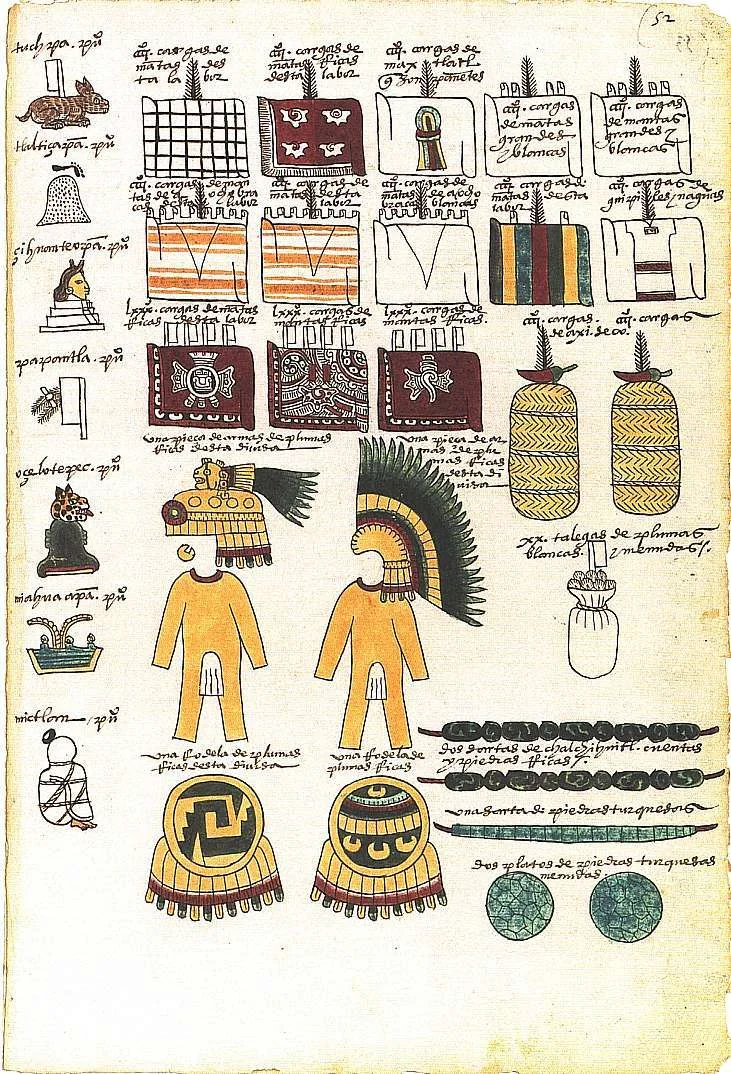
Indigenous artists made the Codex Mendoza in Nahua pictorial conventions, and Spanish annotations were later added. What does this combination show?
Unlike many preconquest Mesoamerican manuscripts, the Codex Mendoza shows Spanish colonial influence in its physical form. Which feature reflects that influence?
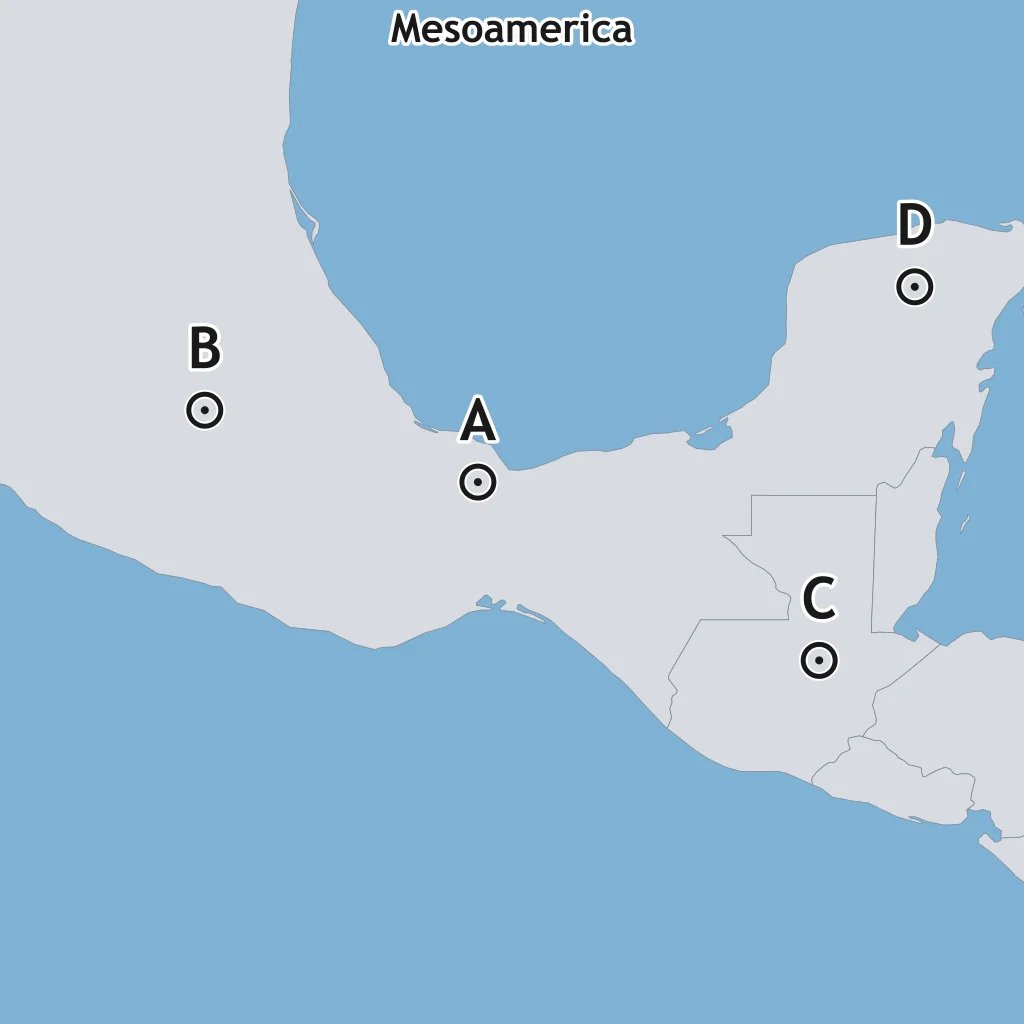
Use the map of Mesoamerica. Which marker identifies the Gulf Coast region associated with the Olmec centers of San Lorenzo and La Venta?
A monument is a massive basalt portrait head with individualized features and a fitted helmet-like headdress. Which tradition is most strongly indicated?
A city has monumental temple platforms, a long central avenue, and repeated talud-tablero façades. Which culture is most strongly associated with this urban setting?
Crack the passcode before the zombies get in.
Answer, then swat bugs for bonus points.
Race through questions at your own speed.
Same question on every screen. Fastest wins.

Pick a tile, answer, hit bonuses and steals.
North American Indigenous Art
25 questions