Loading
by BlastRoom
Analyze how Roberto Benigni's Life Is Beautiful uses sound, music and irony, and place the film against the real period it is set in.
#music#matatag_english_10
20 questions
One question set, multiple game modes. Tap any game to see it in action. Not sure which to pick?
In Benigni's Life Is Beautiful, Guido sits in the stalls at the opera while Dora watches from a box above him, and the Barcarolle from Offenbach's The Tales of Hoffmann is sung onstage. What does the music mainly do here?
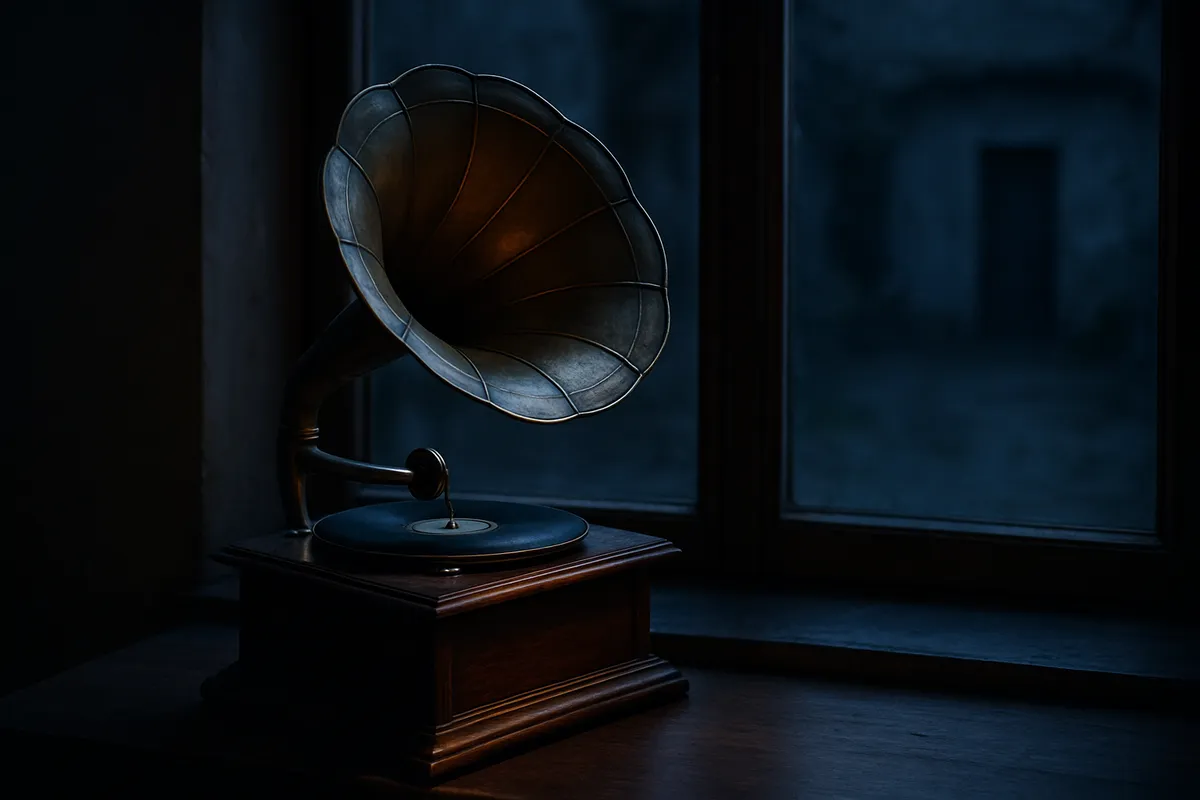
Late in Life Is Beautiful, Guido finds a record, puts it on and turns the horn of the loudspeaker toward the window so the Barcarolle carries out across the camp at night. Why does the same tune feel different now?
Nicola Piovani won an Academy Award for the original score of Life Is Beautiful. When a score plays under a move from one place or time to another, what is its main job?
In Life Is Beautiful, a guard shouts the camp rules in German and Guido steps forward to translate. He tells Giosue the game has started and the winner takes home a real tank. What makes the moment ironic?
Posing as a school inspector in Life Is Beautiful, Guido praises his own ears and his navel as proof of a superior race, ending in his undershirt. What does this absurd lecture do to the idea he pretends to teach?
At the end of Life Is Beautiful, Giosue rides out of the camp on an American tank shouting that he has won. Why is his joy hard for the viewer to share?
Life Is Beautiful opens in fog with a man carrying a sleeping boy while a voice calls the story a simple fable. At the end that voice turns out to be the grown Giosue. What does this frame narrative add?
In Life Is Beautiful, Guido first says "Buongiorno, principessa!" when Dora falls into his arms, repeats it during their life together, and calls it into the camp loudspeaker. What has the phrase become by then?
Life Is Beautiful begins in Arezzo in 1939. A shop sign bars Jewish customers, and Uncle Eliseo's horse is painted with an insult about its Jewish owner. Which real change in Italian law lies behind these details?
In Life Is Beautiful, Guido reads out a shop sign that bars Jews, then tells Giosue that the owner simply dislikes them, and jokes that their own bookshop will bar spiders and Visigoths. What is he doing?
The camp loudspeaker in Life Is Beautiful is first named as the place where the game scores will be read out. Guido later speaks to Dora through it and plays a record over it. What does the film do with that one object?
In Life Is Beautiful, Guido meets his old customer Doctor Lessing inside the camp and hopes for help. Lessing pulls him aside and urgently asks him to solve a riddle. Why is the exchange painful to watch?
Throughout the camp scenes of Life Is Beautiful, Guido invents cheerful rules: stay quiet, do not ask for your mother, do not complain. For the viewer, what do those rules also do?
In Life Is Beautiful, Dora is not Jewish and is not listed for deportation, but she demands to board the train with her husband and son. What does her choice show?
Life Is Beautiful moves from Arezzo in 1939 to a Nazi camp near the end of the film. Which historical period is the second half set inside?
In Life Is Beautiful, the camp is emptied as the war in Europe ends. Which force does the film show arriving as the gates open?
Music in a film is working ironically when it does what?
Guido plays the Barcarolle out across the dark camp in Life Is Beautiful, and viewers describe the ache the scene leaves them with. Which term names the feeling a work creates in its audience?
Which composer wrote the original score for Life Is Beautiful and won an Academy Award for it?
The Barcarolle heard twice in Life Is Beautiful, at the opera and later over the camp loudspeaker, comes from which work?
Crack the passcode before the zombies get in.

Pick a tile, answer, hit bonuses and steals.
World Literature: Countries, Regions and Periods
20 questions