Loading
by BlastRoom
Analyze current, potential difference, and equivalent resistance in parallel circuits.
#physics
30 questions
One question set, multiple game modes. Tap any game to see it in action. Not sure which to pick?
Answer to place stones and capture territory.
Outrun the snow together.
Earn blasts, then hunt the other team.
Answer to earn energy, then climb.

The class blasts through walls together.
Bid on mystery lots. Most money wins.
Sell tours. Nice, standard, or a total scam.

Answer, restock, and serve the rush.
More correct answers pulls the rope your way.
Answer, then shoot down the alien wave.
Answer, then tap to leap the frozen ridge.
Use the circuit figure. What is the equivalent resistance between the two junctions?
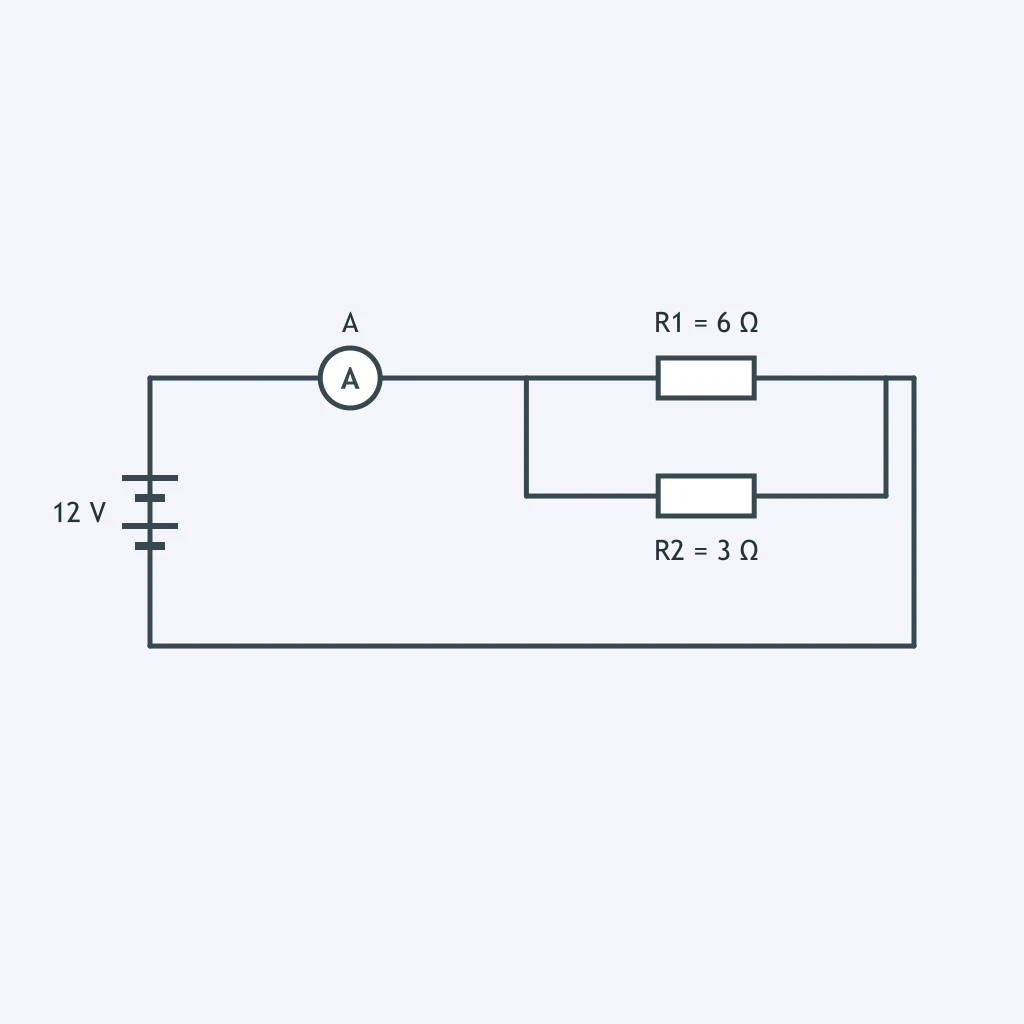
Use the circuit figure. What is the equivalent resistance of the two parallel resistors?
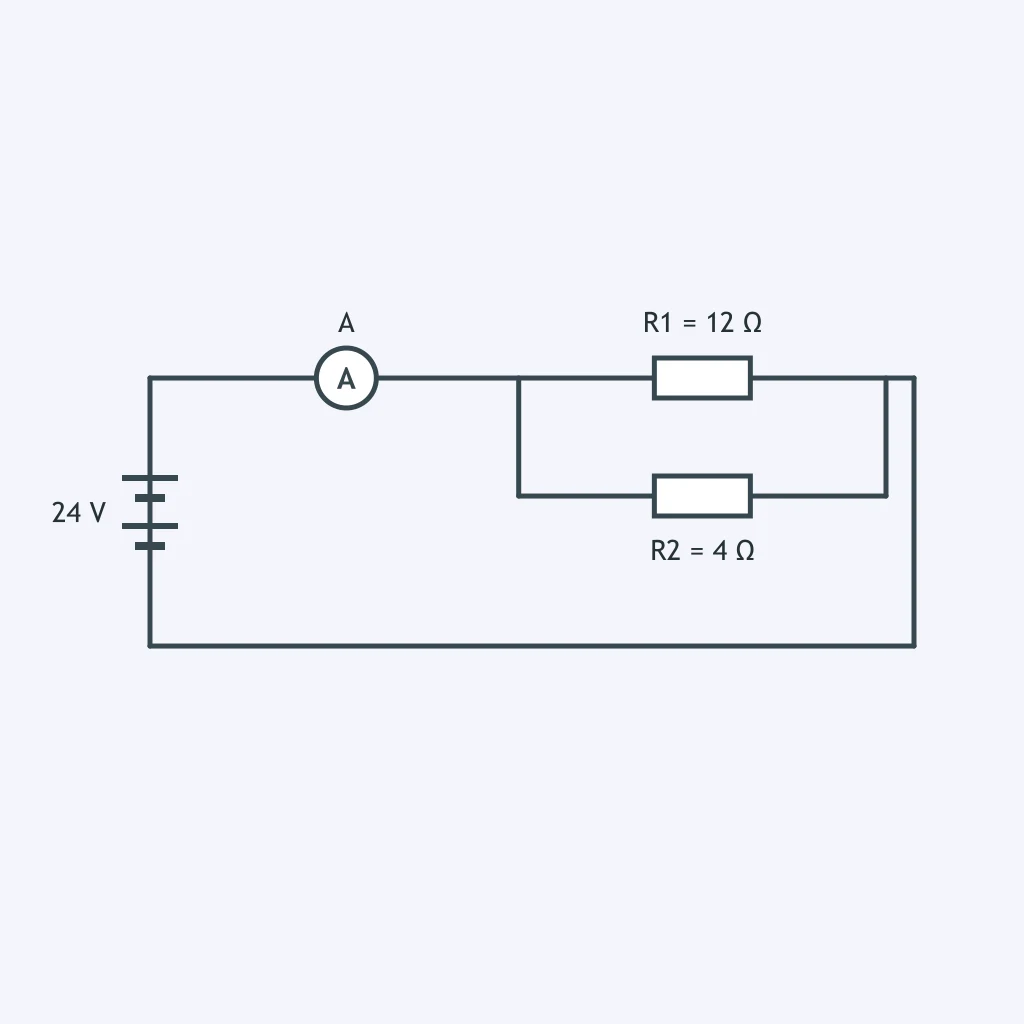
The figure shows two branches across the same two junctions. What is the equivalent resistance?
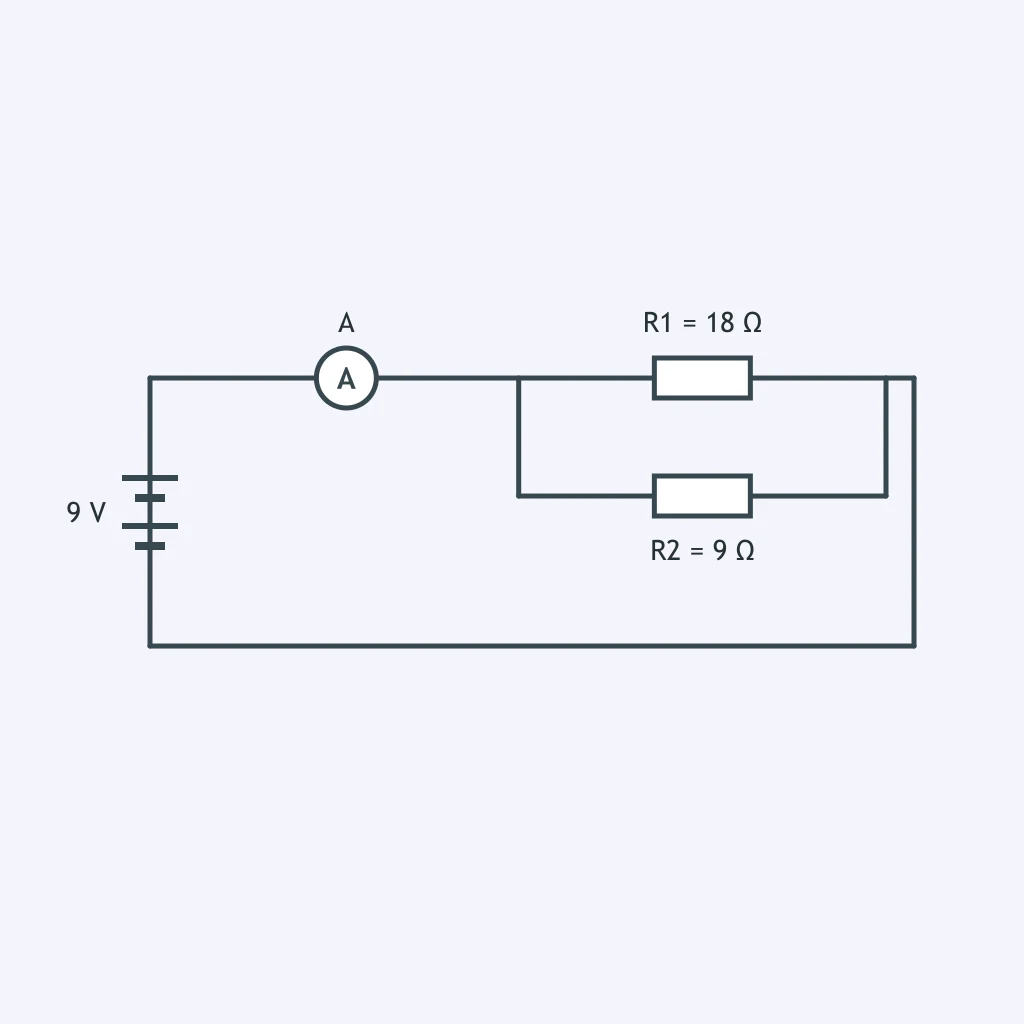
Use the circuit figure with three branches. What is the equivalent resistance between the junctions?
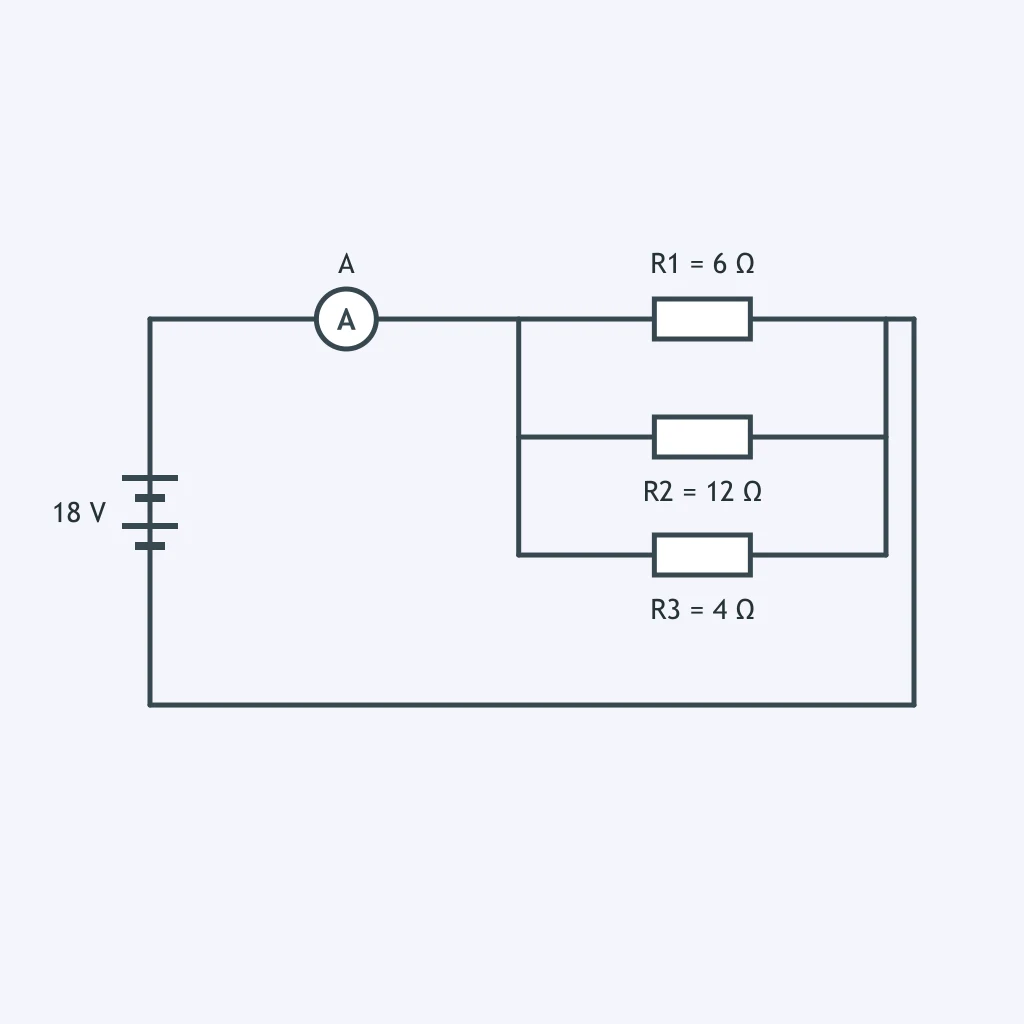
Use the circuit figure. What single resistance could replace the two branches?
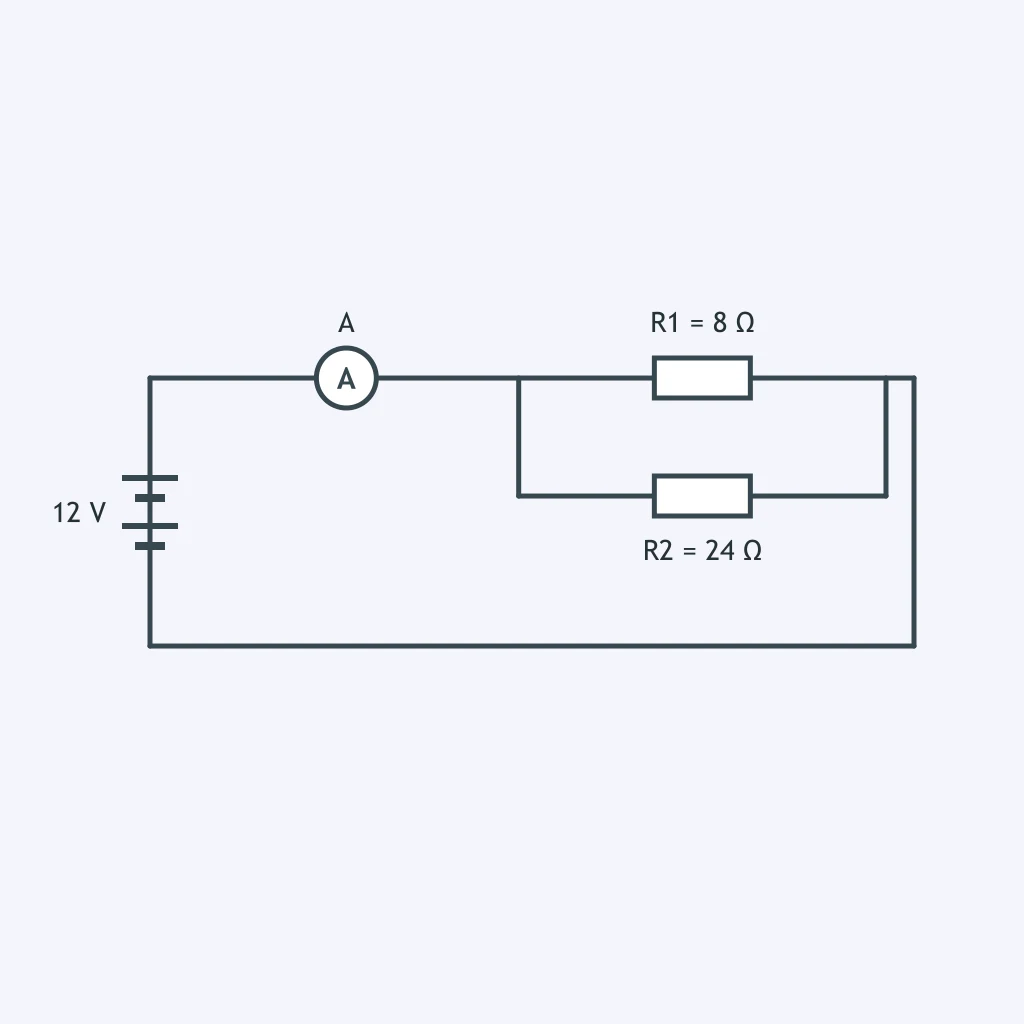
Use the circuit figure. What is the equivalent resistance of the parallel pair?
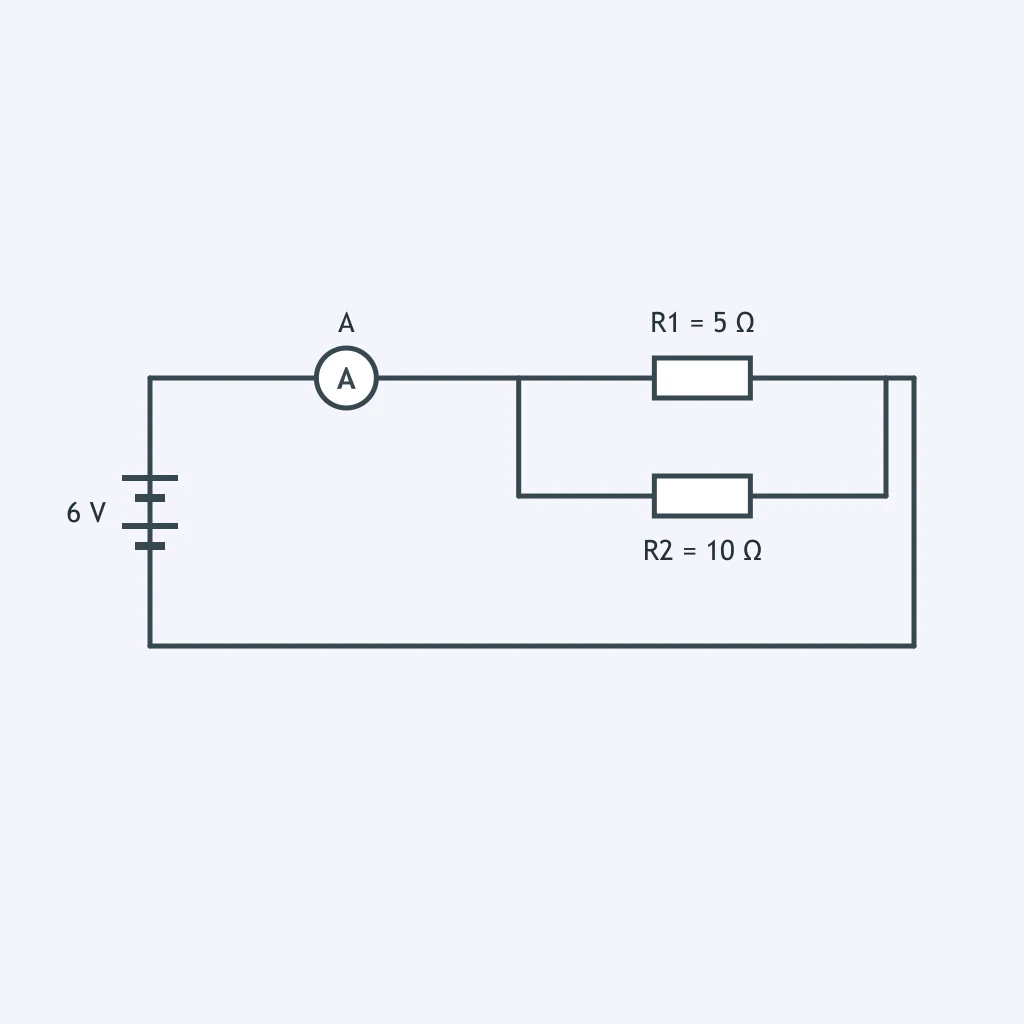
Use the circuit figure. What is the equivalent resistance of the three branches?
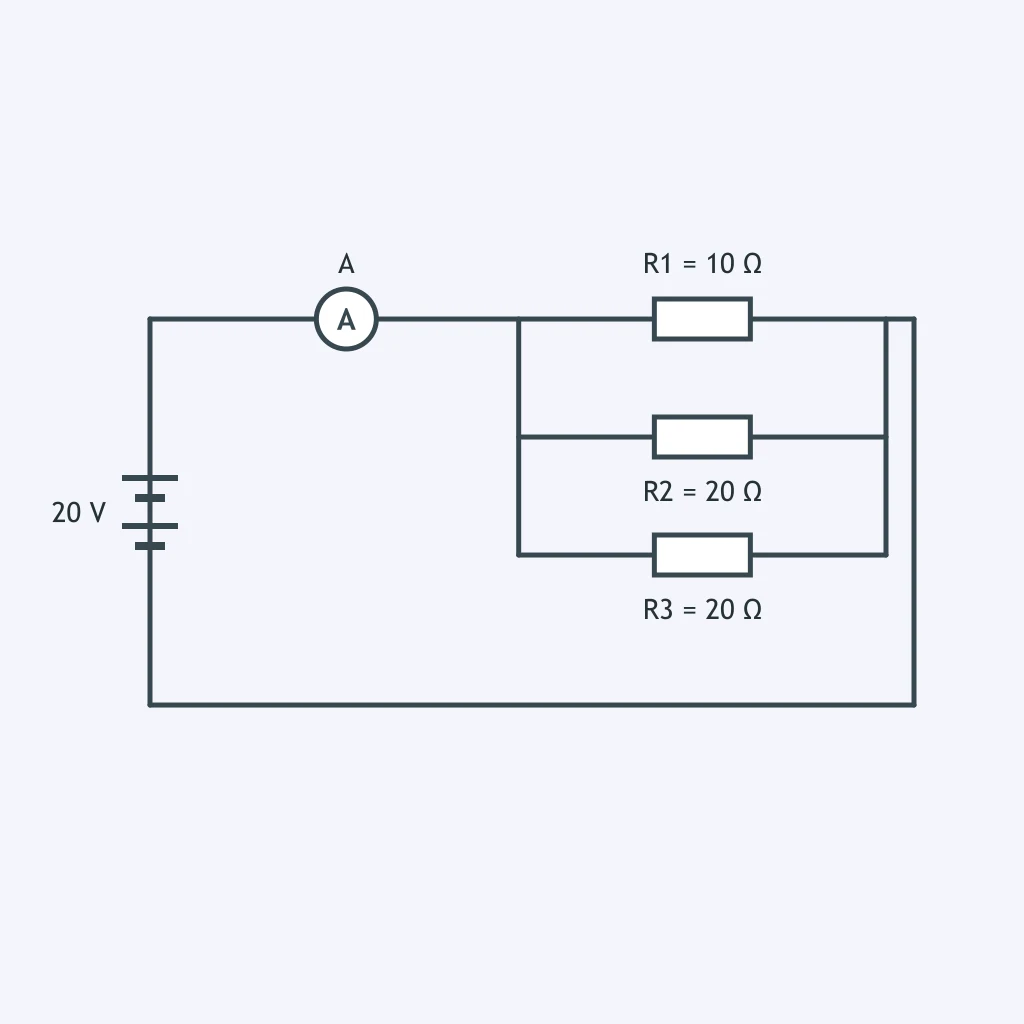
Use the circuit figure. What is the equivalent resistance across the battery?
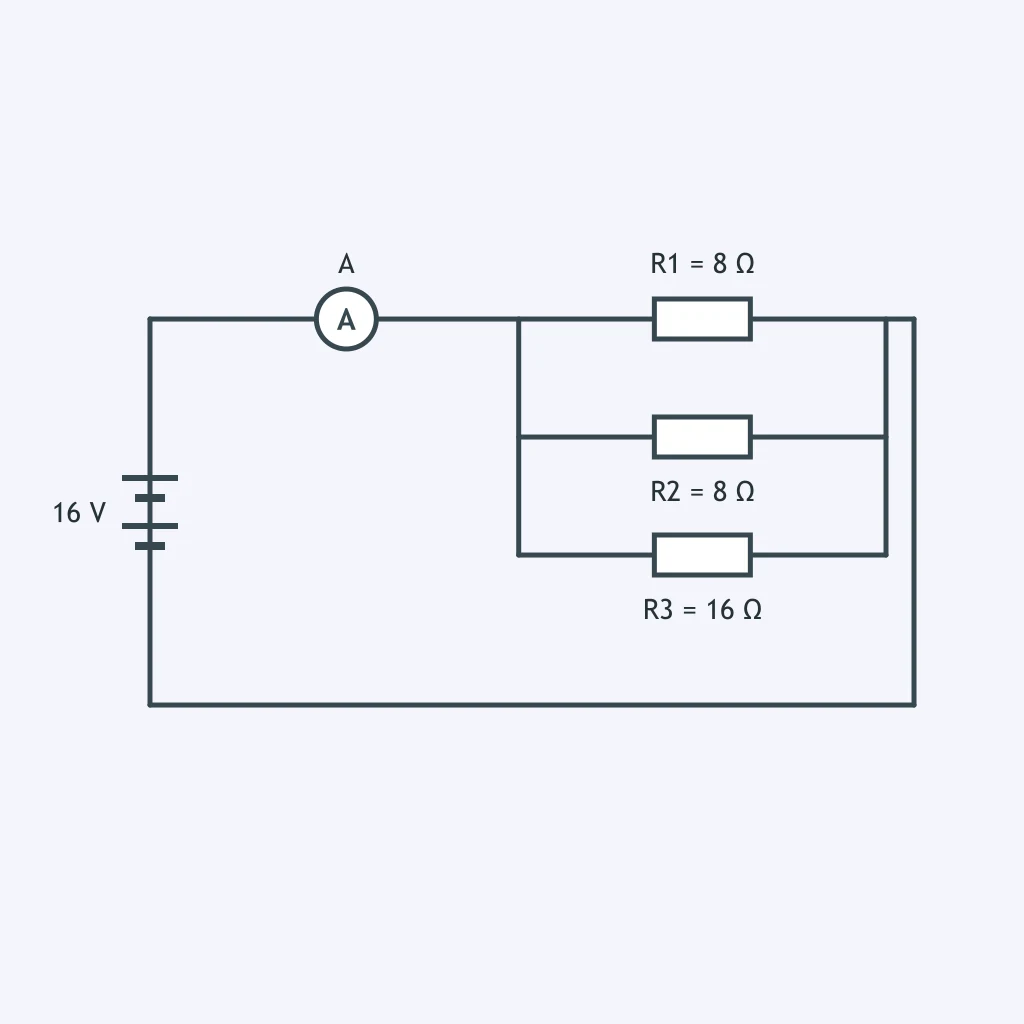
Use the circuit figure. What does ammeter A1 read in the R1 branch?
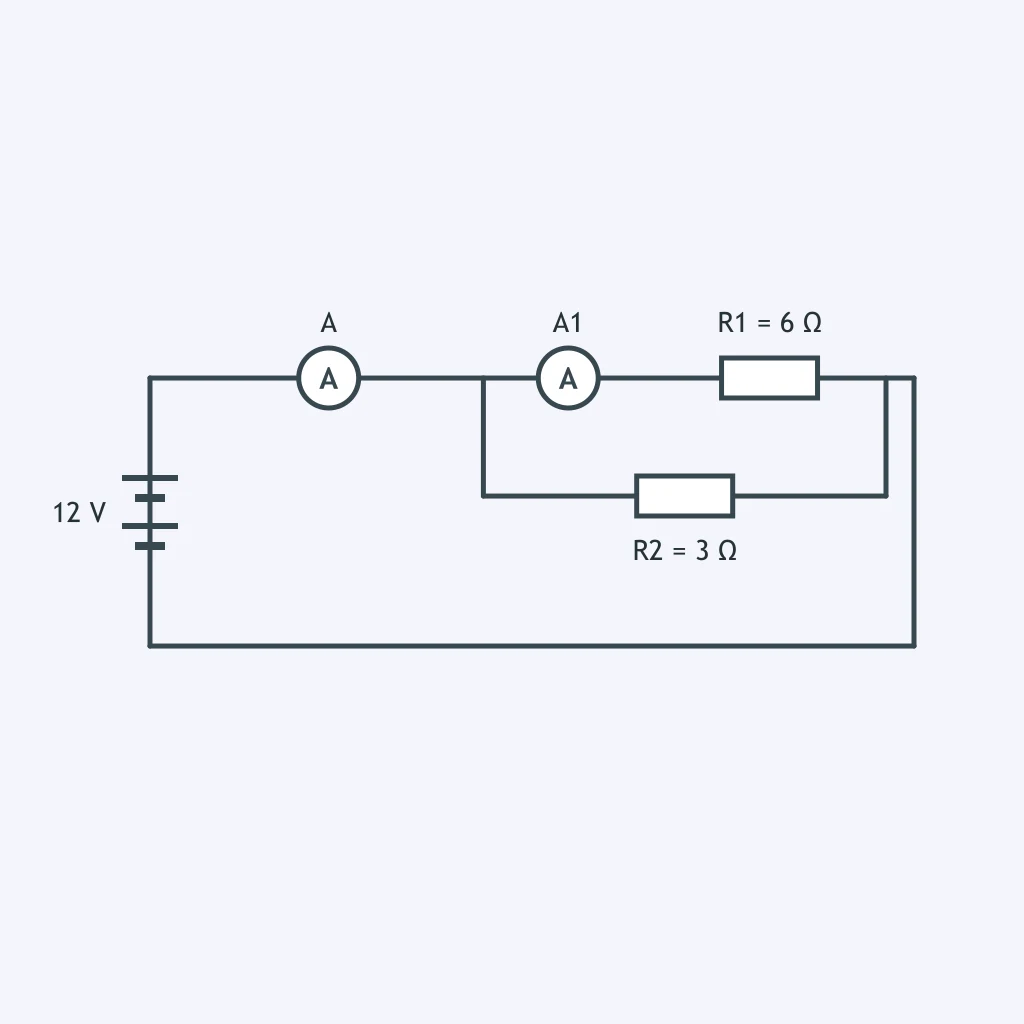
Use the circuit figure. What does ammeter A read?
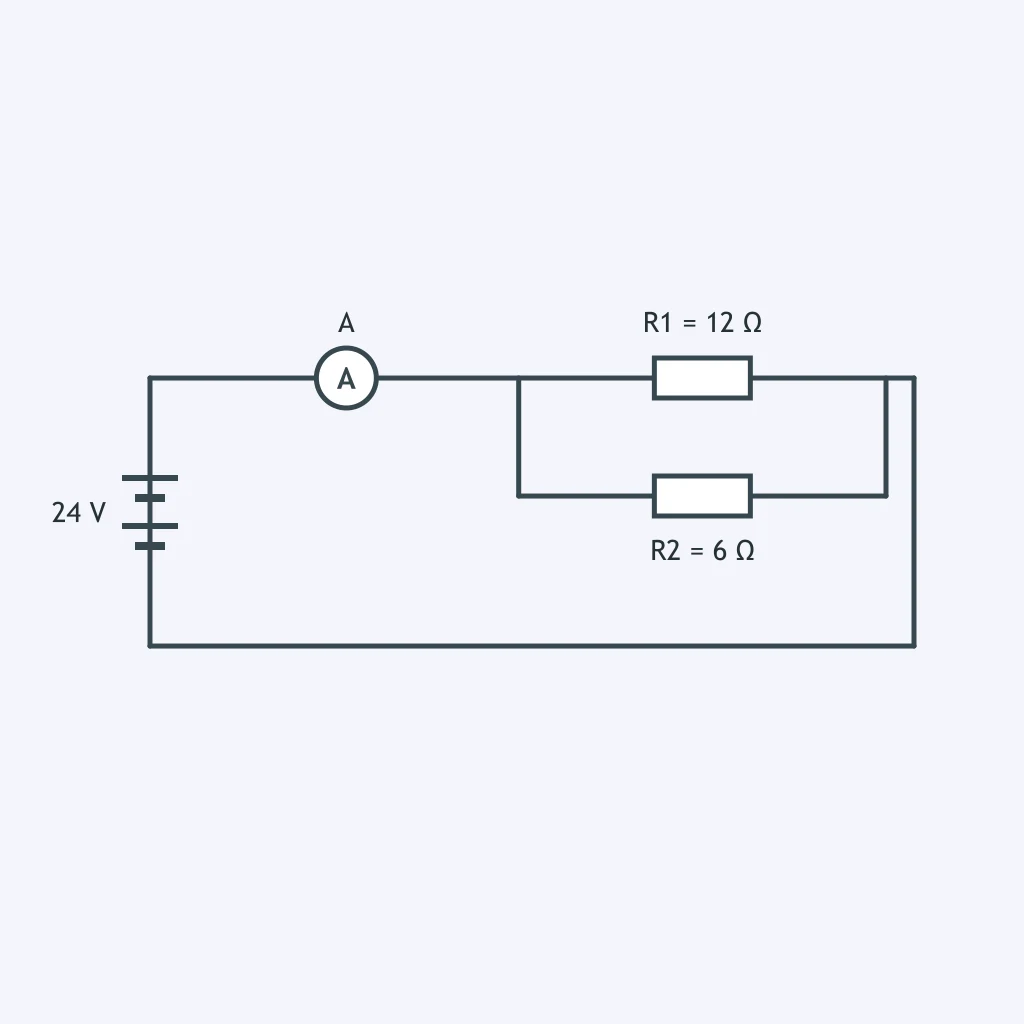
Use the circuit figure. What is the potential difference shown by voltmeter V2 across R2?
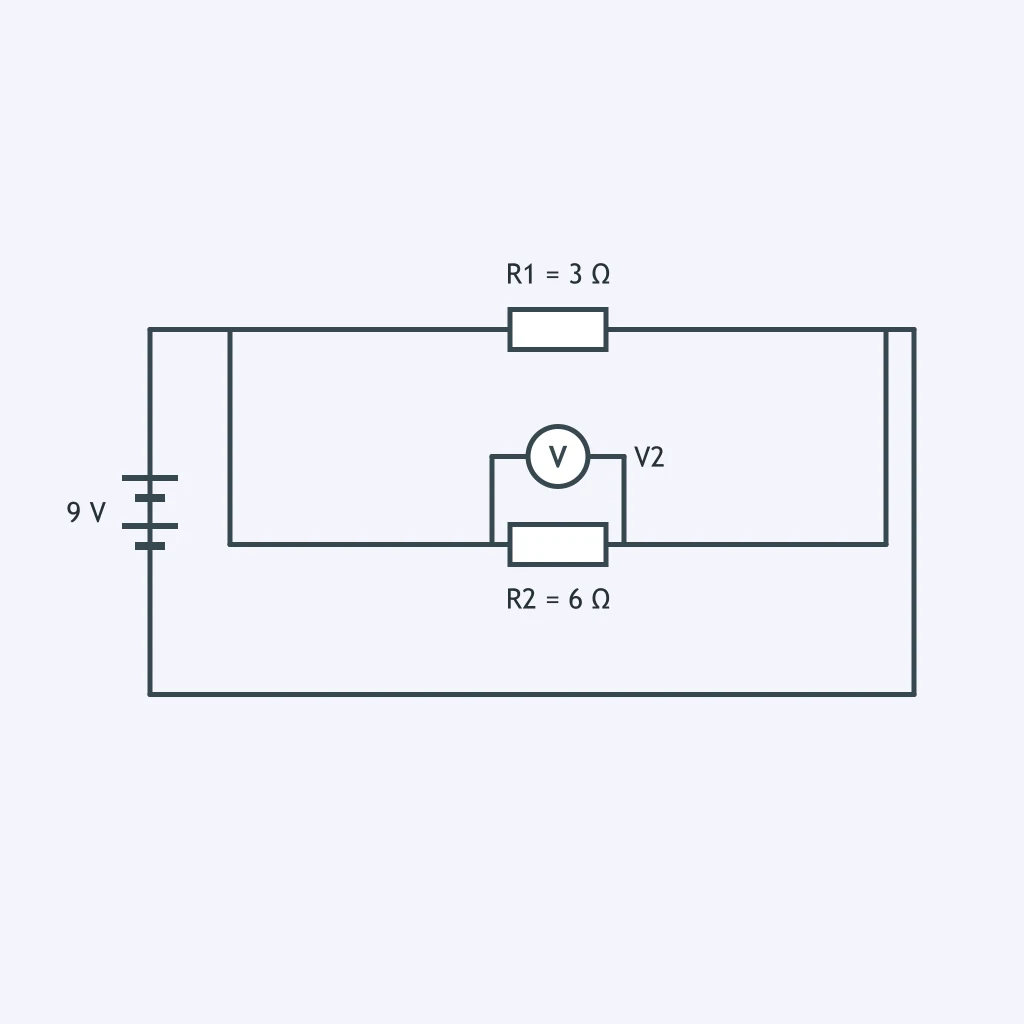
Use the circuit figure. What current flows through ammeter A1 in the 5 Ω branch?
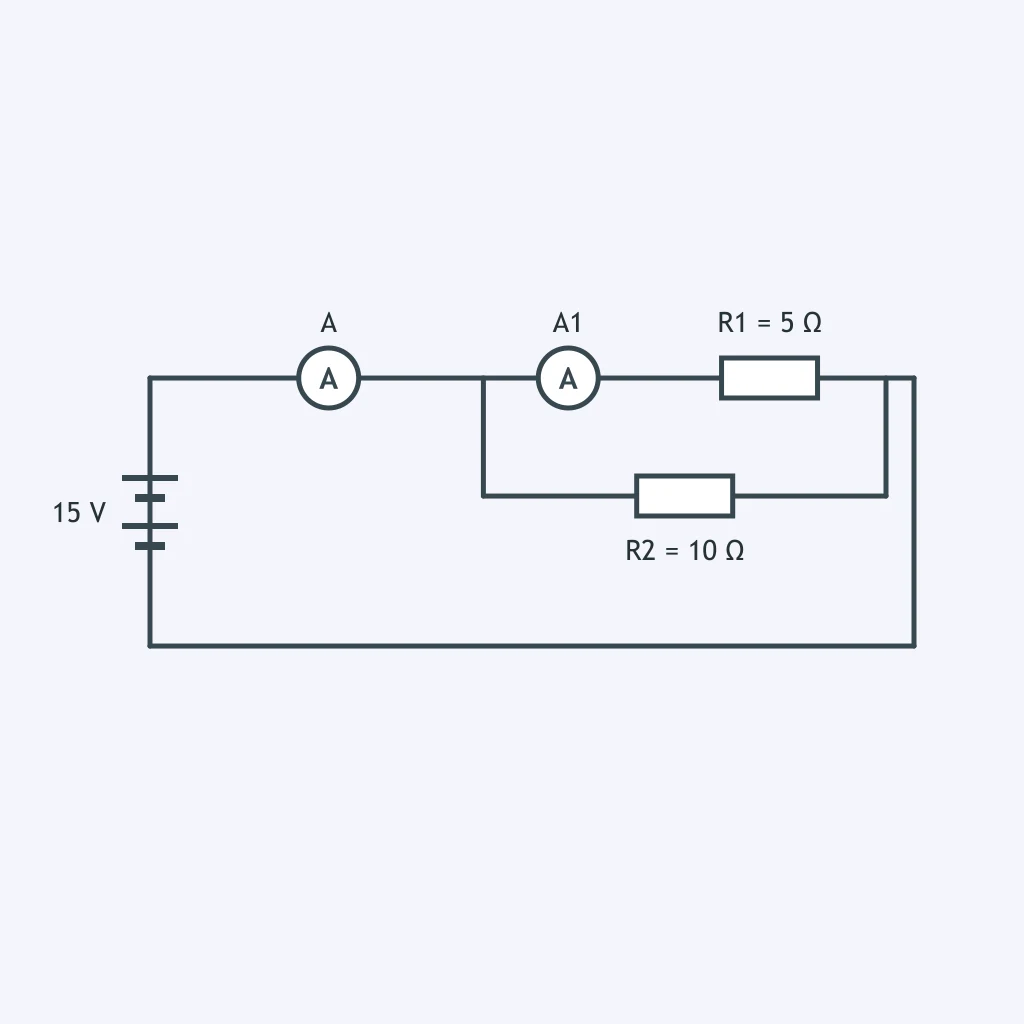
Use the circuit figure. What total current leaves the battery?
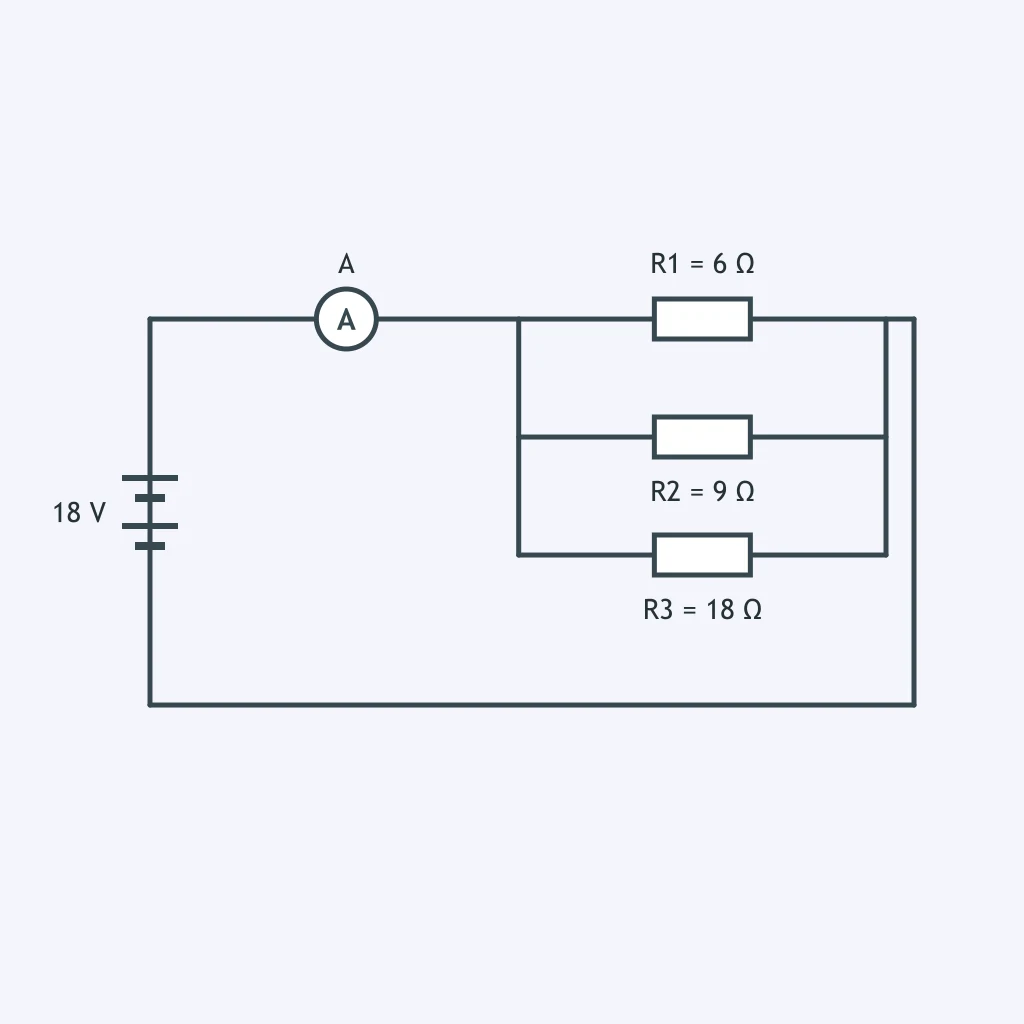
Use the circuit figure. What does voltmeter V3 read across R3?
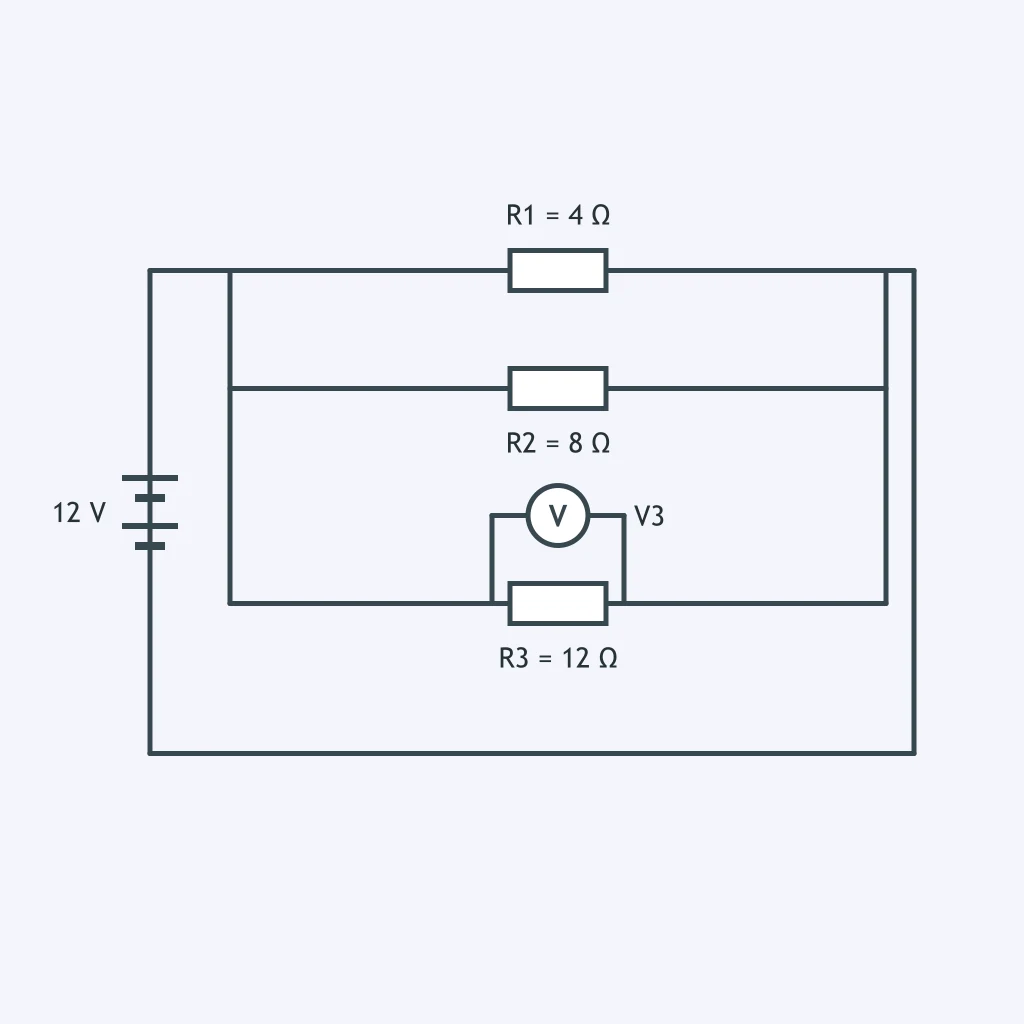
Use the circuit figure. What does ammeter A1 read in the 2 Ω branch?
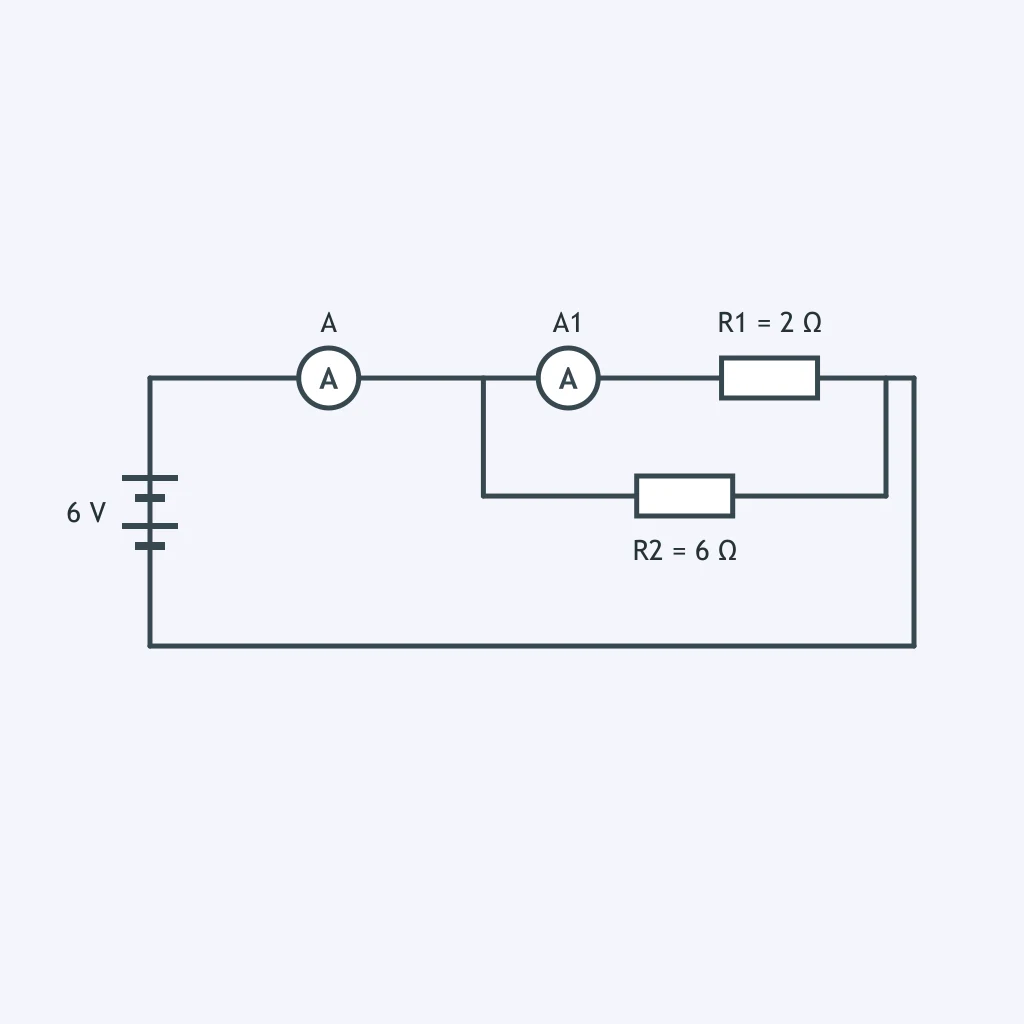
Use the circuit figure. What current should ammeter A measure?
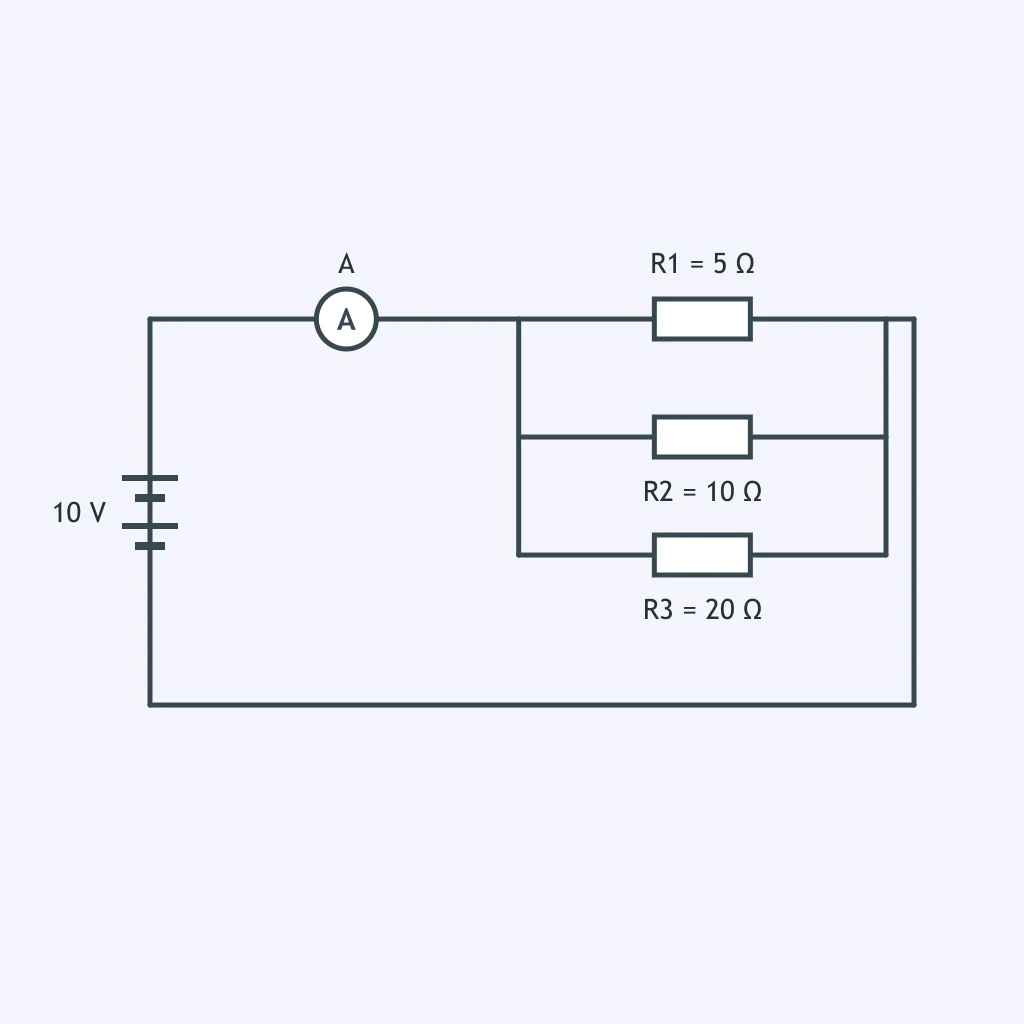
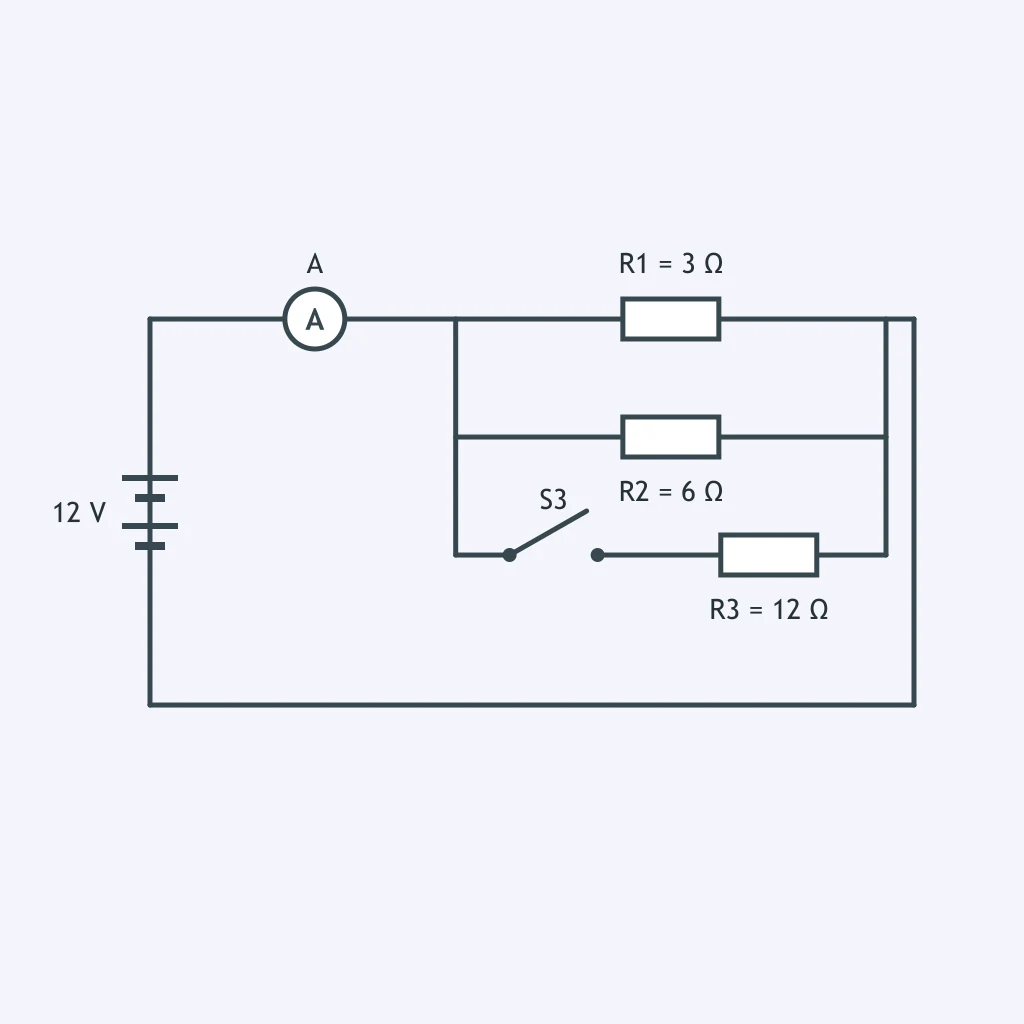
Use the circuit figure. Switch S3 is closed. What happens to the R1 branch current and the total battery current?
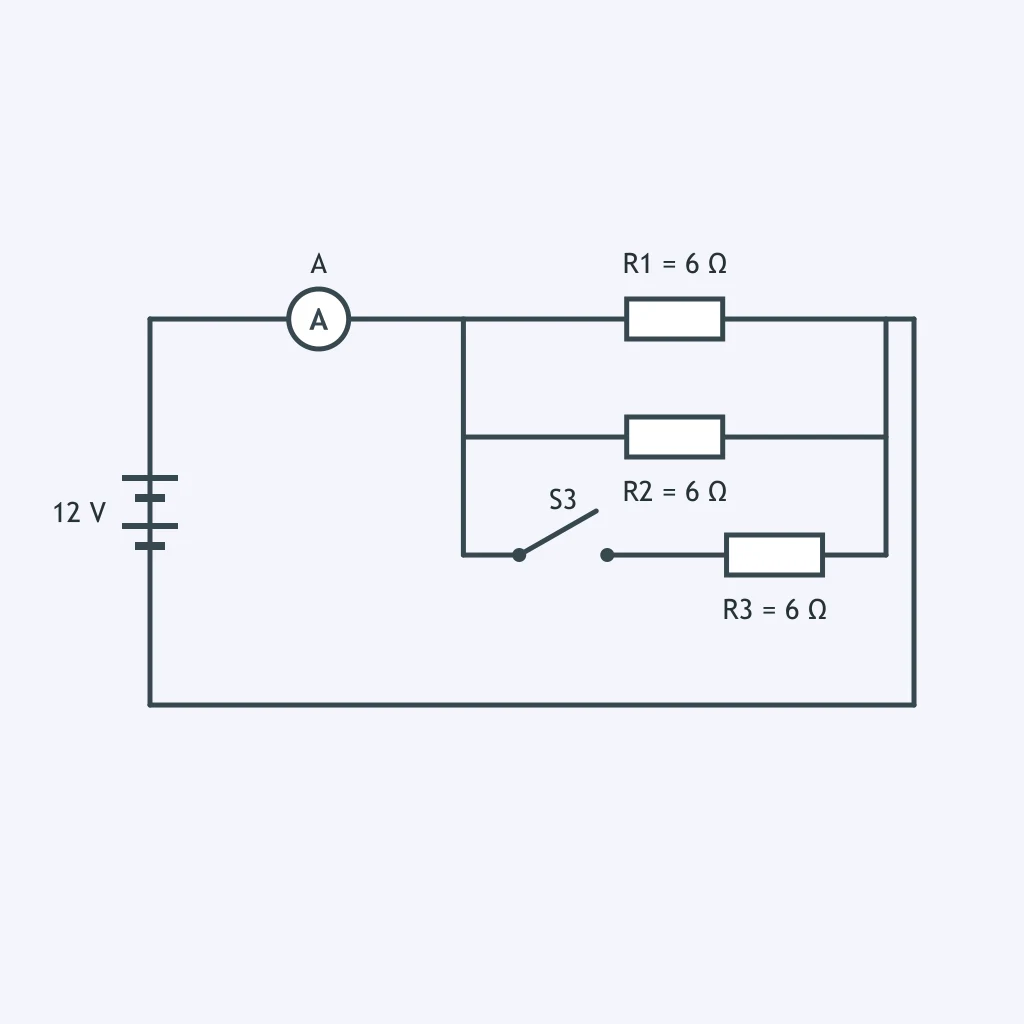
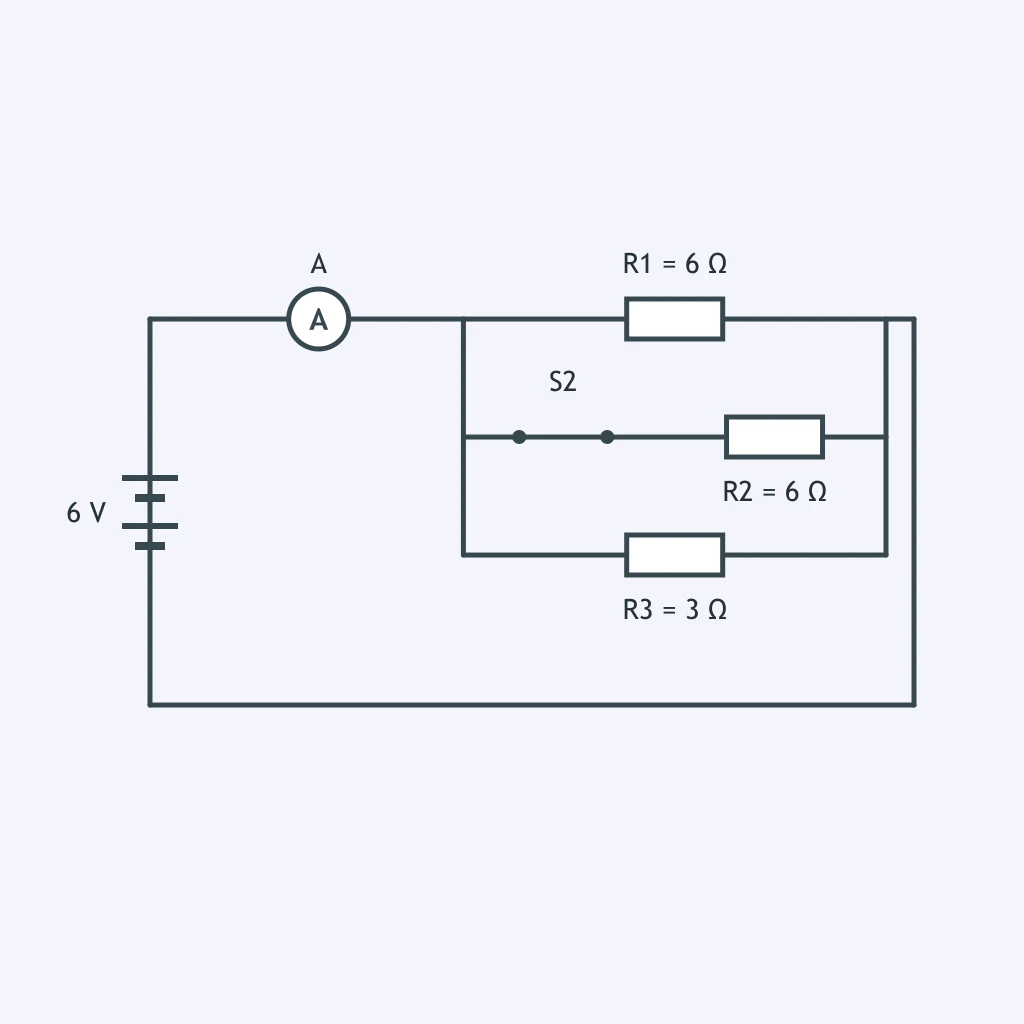
Use the circuit figure. Switch S2 is opened. What happens to the R1 current and the total current?
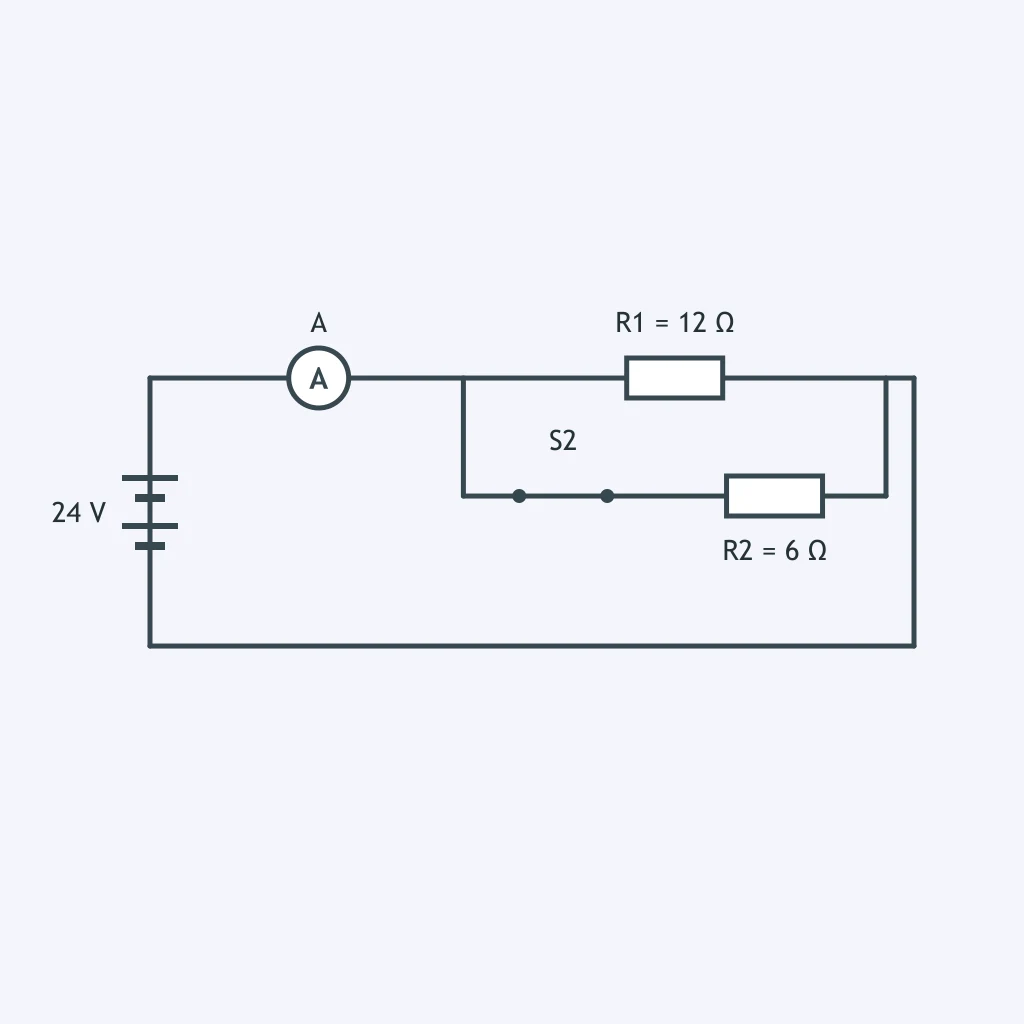
Use the circuit figure. Switch S3 is closed. Which statement is correct?
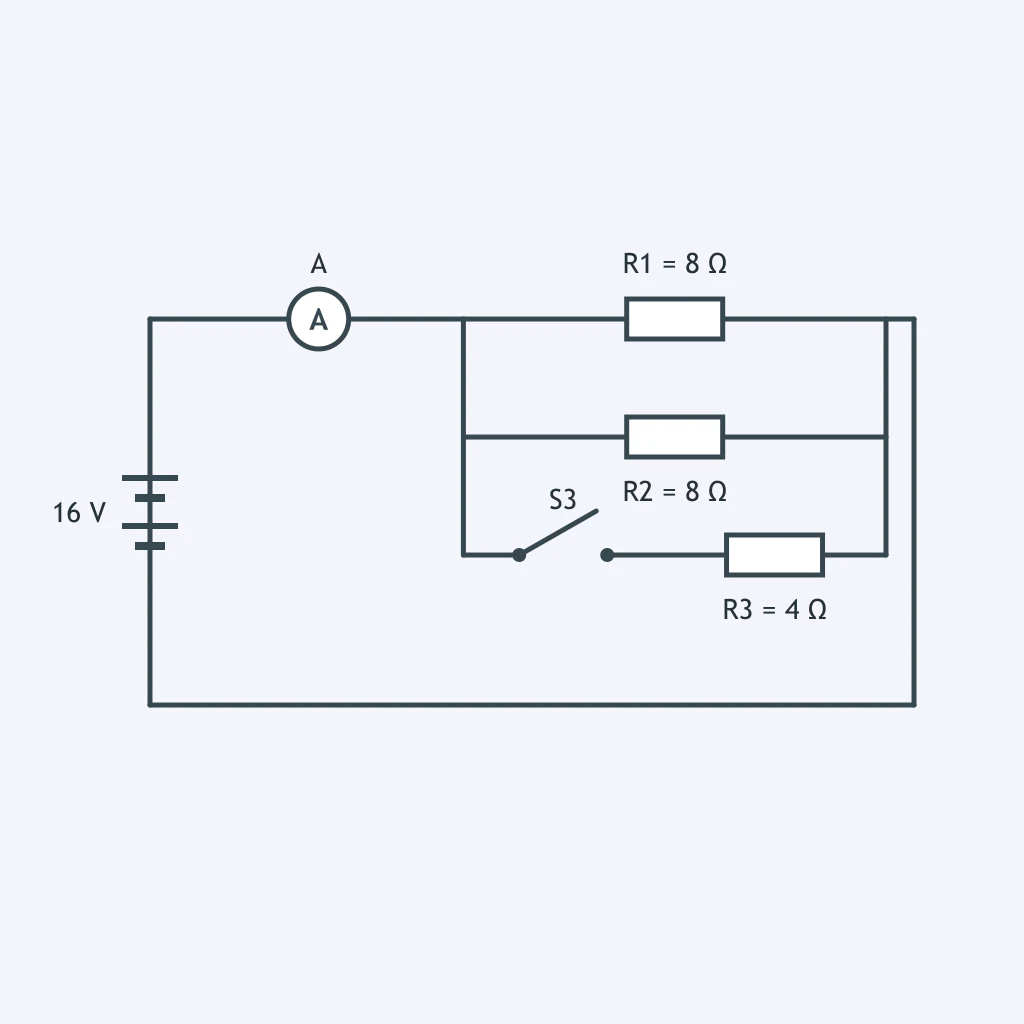
Use the circuit figure. Switch S1 is opened. What happens in the R2 branch?
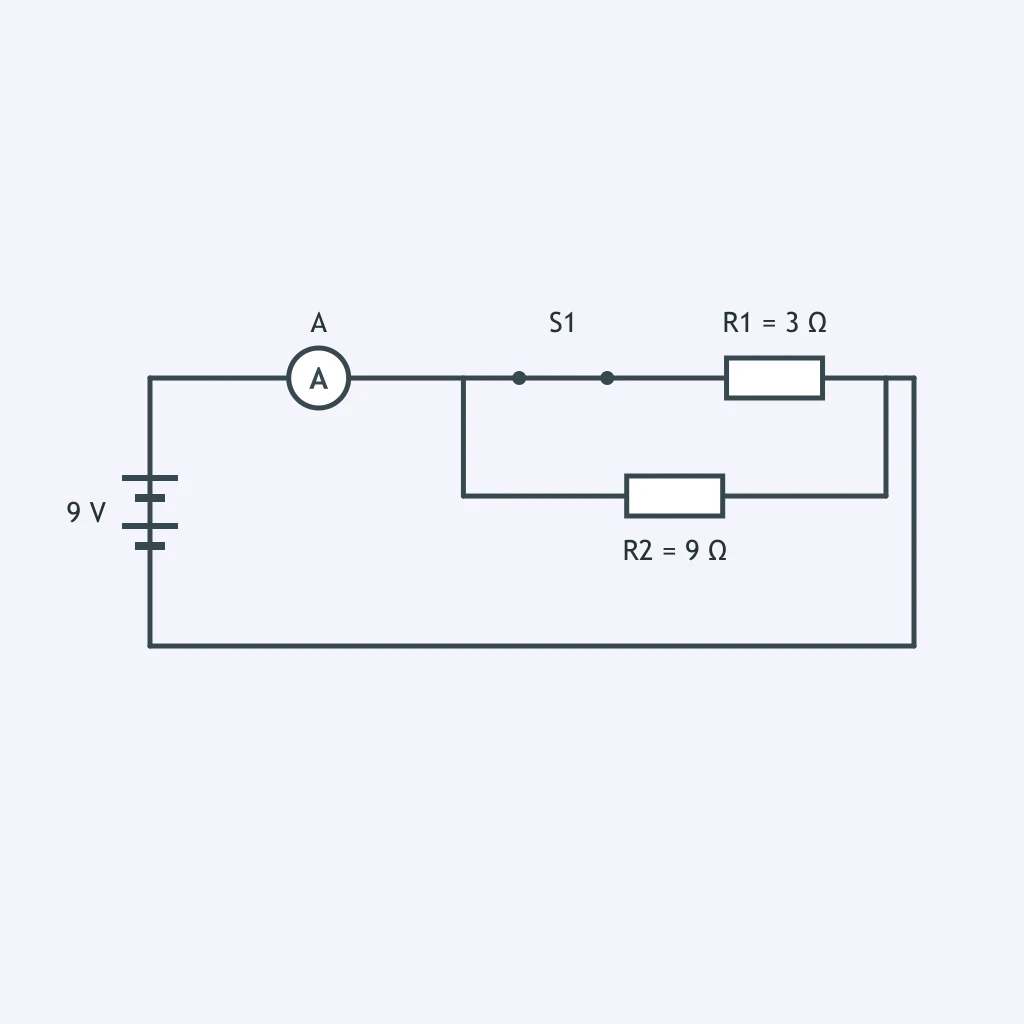
Use the circuit figure. Switch S3 is closed. How do the equivalent resistance and total current change?
Use the circuit figure. Switch S2 is opened. What happens to R1 and to the total current?
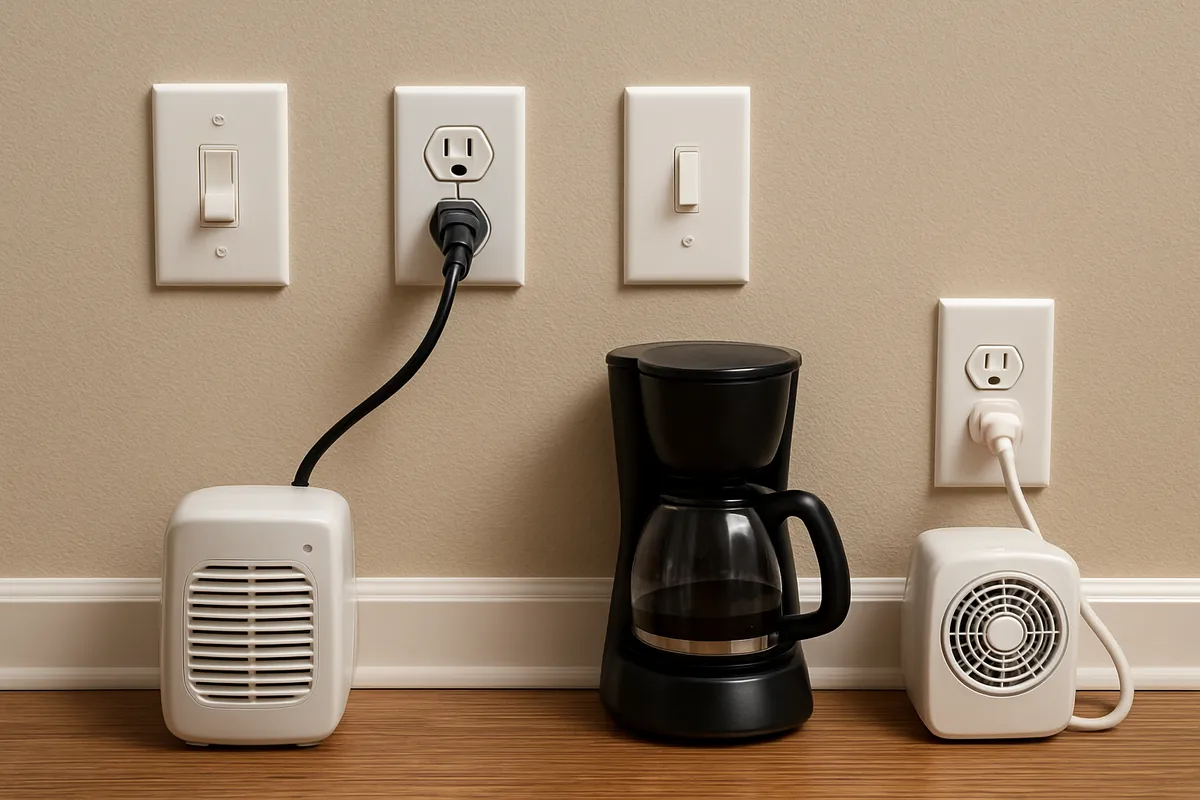
Why are household outlets in a room wired in parallel rather than in series?
A student says two parallel branches have the same potential difference. What connection makes that true?
What happens to the equivalent resistance when a new resistor branch is added in parallel to an ideal battery circuit?
Two unequal resistors are connected in parallel to the same battery. Which branch has the larger current?
At a junction, 1.5 A enters one branch and 2.5 A enters another branch. What current must enter the junction from the battery wire?
A lamp and a fan are on separate parallel branches. The fan is switched off. What happens to the lamp in an ideal circuit?
For any two or more finite resistors connected only in parallel, how does Req compare with the smallest branch resistance?
Which statement best corrects the idea that current is used up as it passes through parallel branches?
Crack the passcode before the zombies get in.
Answer, then swat bugs for bonus points.
Race through questions at your own speed.
Same question on every screen. Fastest wins.

Pick a tile, answer, hit bonuses and steals.
Electrical Power and Energy
40 questions