Loading
by BlastRoom
New York Grade 6 Key Idea 6.4: how belief systems shaped social order, law, and daily life across the Eastern Hemisphere.
#religion#us_grade_6_social_studies
20 questions
One question set, multiple game modes. Tap any game to see it in action. Not sure which to pick?
Hammurabi's law code, carved on a stone pillar around 1750 BCE, opens by saying the gods chose Hammurabi to bring justice to the land. What did that opening give his laws?
In ancient Egypt the pharaoh was regarded as a link between the gods and the people. How did that belief shape Egyptian social order?
Rulers in ancient China claimed the Mandate of Heaven. According to that belief, what could happen when a dynasty ruled badly and floods, famine, or revolt followed?
Ancient Indian texts describe society as divided into varna groups, each with its own duties. What kind of social structure was the varna system?
Early Buddhist monastic communities formed in ancient India, where varna groups ordered daily life. How did those communities treat varna when admitting members?
Ashoka, an Indian emperor of the 200s BCE, had messages carved on rocks and pillars across his empire. What did those edicts mainly promote?
Confucian teachings in ancient China described five key relationships, such as ruler and subject or parent and child. What did those teachings hold would keep society orderly?
During the Han dynasty, government officials were chosen partly on their study of Confucian texts. How did that practice shape Chinese social order?
The Hebrew scriptures describe Moses receiving laws that the Israelites were to live by. What did those laws provide for Israelite society?
Jewish tradition records that after the Second Temple in Jerusalem was destroyed in 70 CE, Yohanan ben Zaccai founded a center of learning at Yavne. Why did that matter?
Roman authorities expected people across the empire to join public rituals honoring the state gods and the emperor. Refusing was treated mainly as what kind of act?
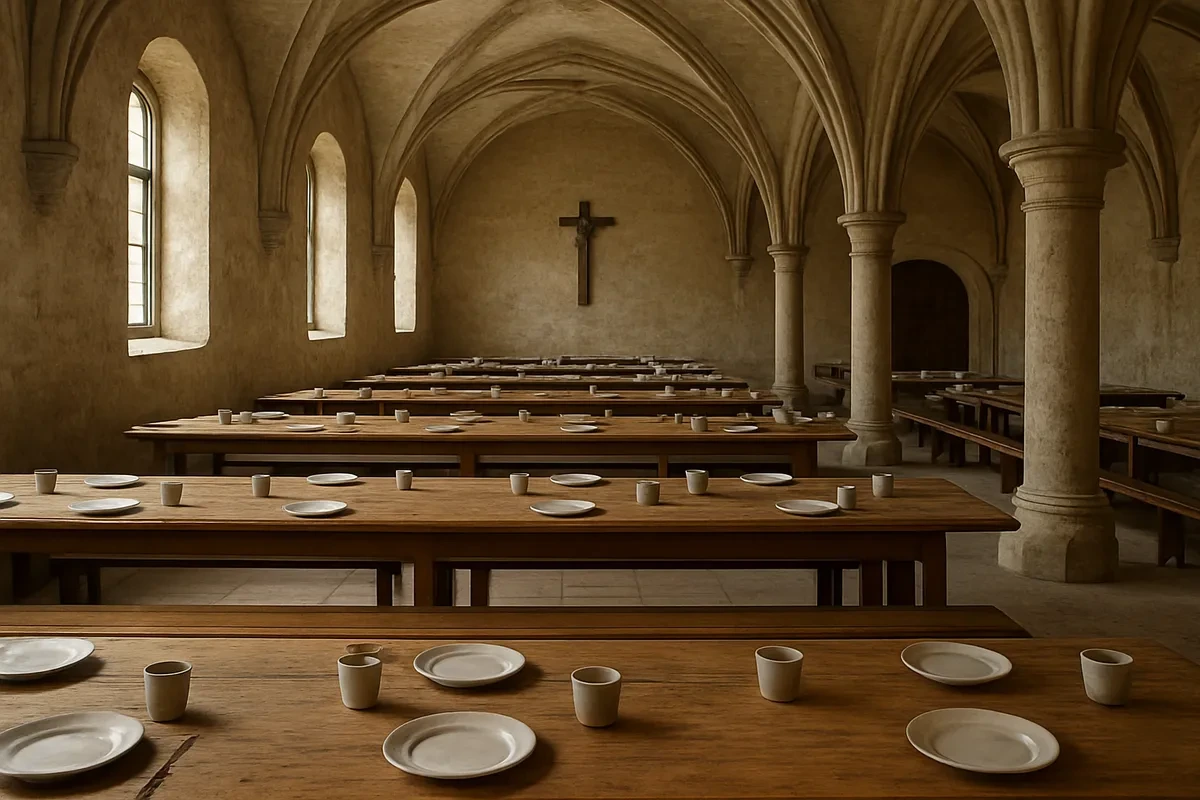
In medieval Europe, what role did monasteries play in the countryside?
The Five Pillars are duties Muslims hold as central, including daily prayer, fasting in Ramadan, and zakat. What does zakat call for?
Islamic law, called sharia, drew on the Quran and on accounts of the early Muslim community's practice. What range of life did it address?
A government in which rulers hold authority as religious leaders and law is drawn from sacred teaching is given what name?
In early Mesopotamian city-states, temple complexes stored grain, kept written records, and organized work crews. What standing did that give temple priests?
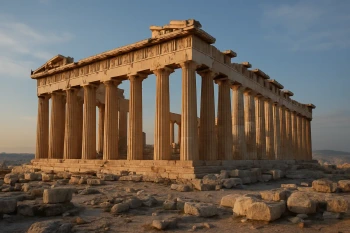
Each Greek city-state honored a patron god or goddess with temples, processions, and yearly festivals paid for by the city. How did those festivals affect the city-state?
What term describes a belief system built on the worship of one God?
Confucian teaching held that a ruler owed a duty to his subjects. What was that duty?
In medieval Europe, households were expected to pay the Church a tithe, a share of their produce or income.
Crack the passcode before the zombies get in.

Pick a tile, answer, hit bonuses and steals.
Ancient Greece
20 questions