Loading
by BlastRoom
Classify reproductive events and explain why sexual reproduction gives variation while asexual reproduction gives identical offspring.
#us_grade_8_science
40 questions
One question set, multiple game modes. Tap any game to see it in action. Not sure which to pick?
Answer to place stones and capture territory.
Outrun the snow together.
Earn blasts, then hunt the other team.
Answer to earn energy, then climb.

The class blasts through walls together.
Bid on mystery lots. Most money wins.
Sell tours. Nice, standard, or a total scam.

Answer, restock, and serve the rush.
More correct answers pulls the rope your way.
Answer, then shoot down the alien wave.
Answer, then tap to leap the frozen ridge.
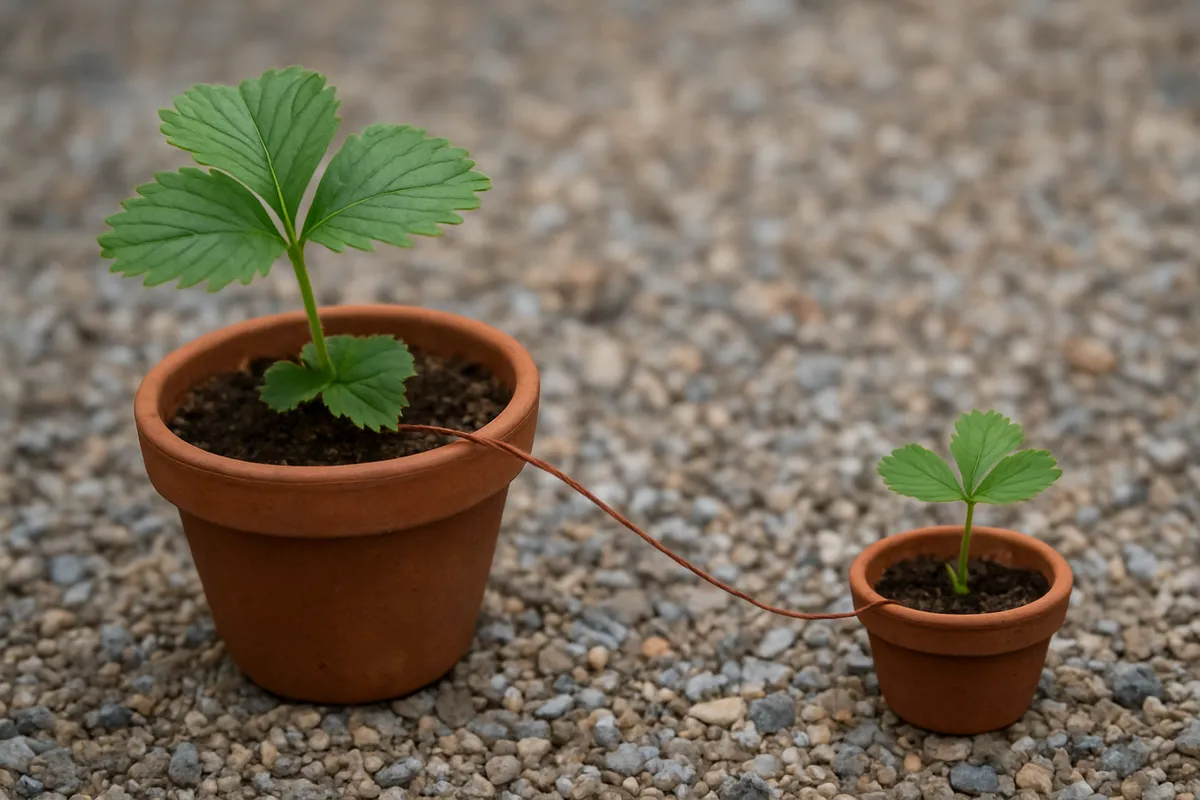
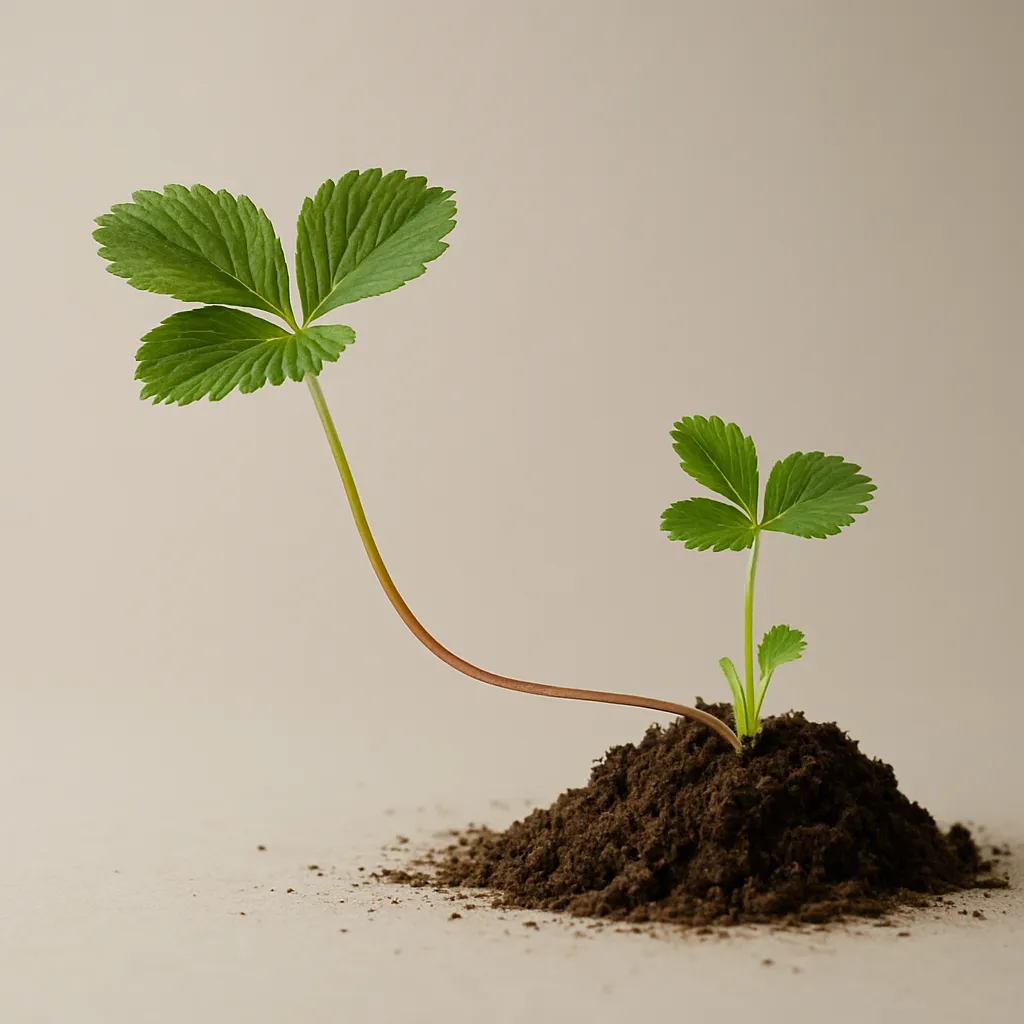
A strawberry plant sends out a horizontal stem that roots where it touches soil and grows a new plant. DNA testing shows the new plant matches the original exactly. How did it reproduce?
A single bacterial cell copies its DNA and splits into two cells. Each new cell carries DNA identical to the original cell's. Which kind of reproduction is this?
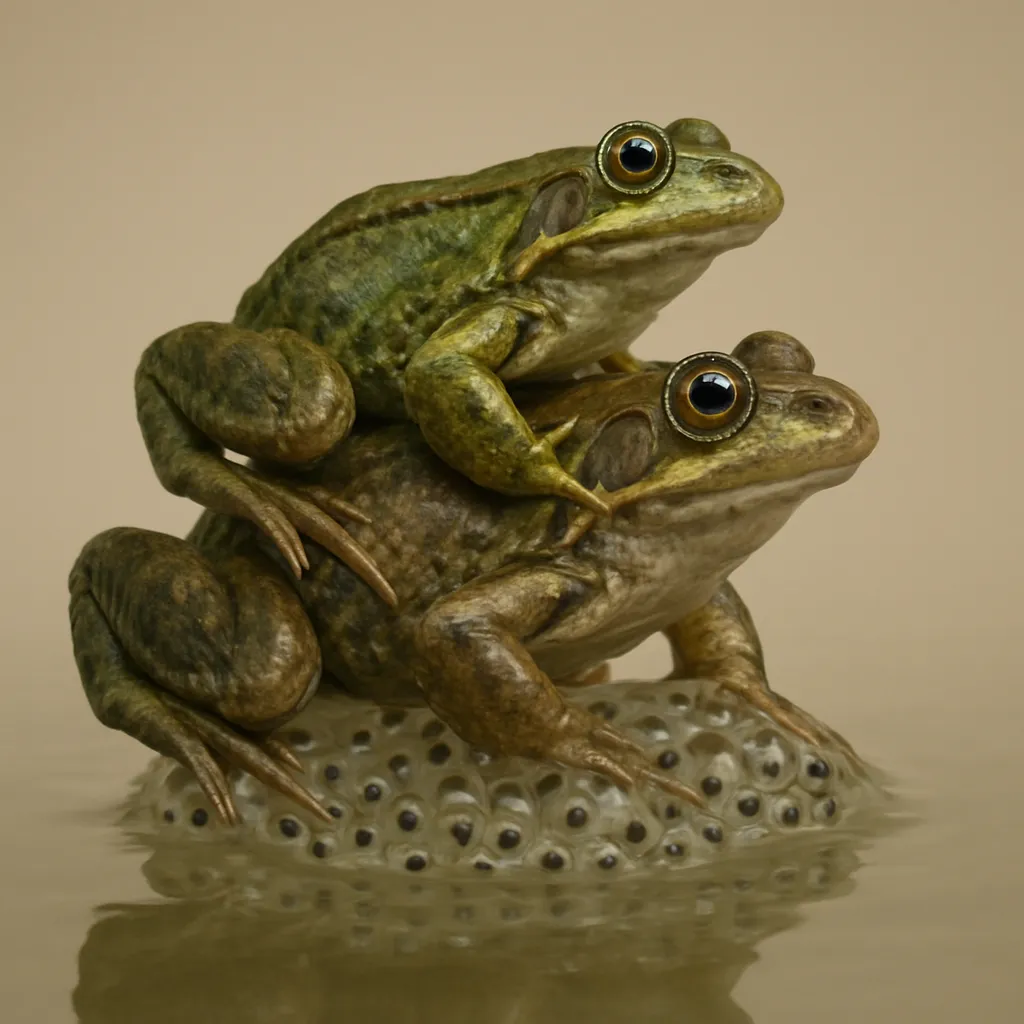
In a pond, a female frog releases eggs and a male frog releases sperm over them. The tadpoles that hatch differ from one another in size and pattern. Which kind of reproduction is this?
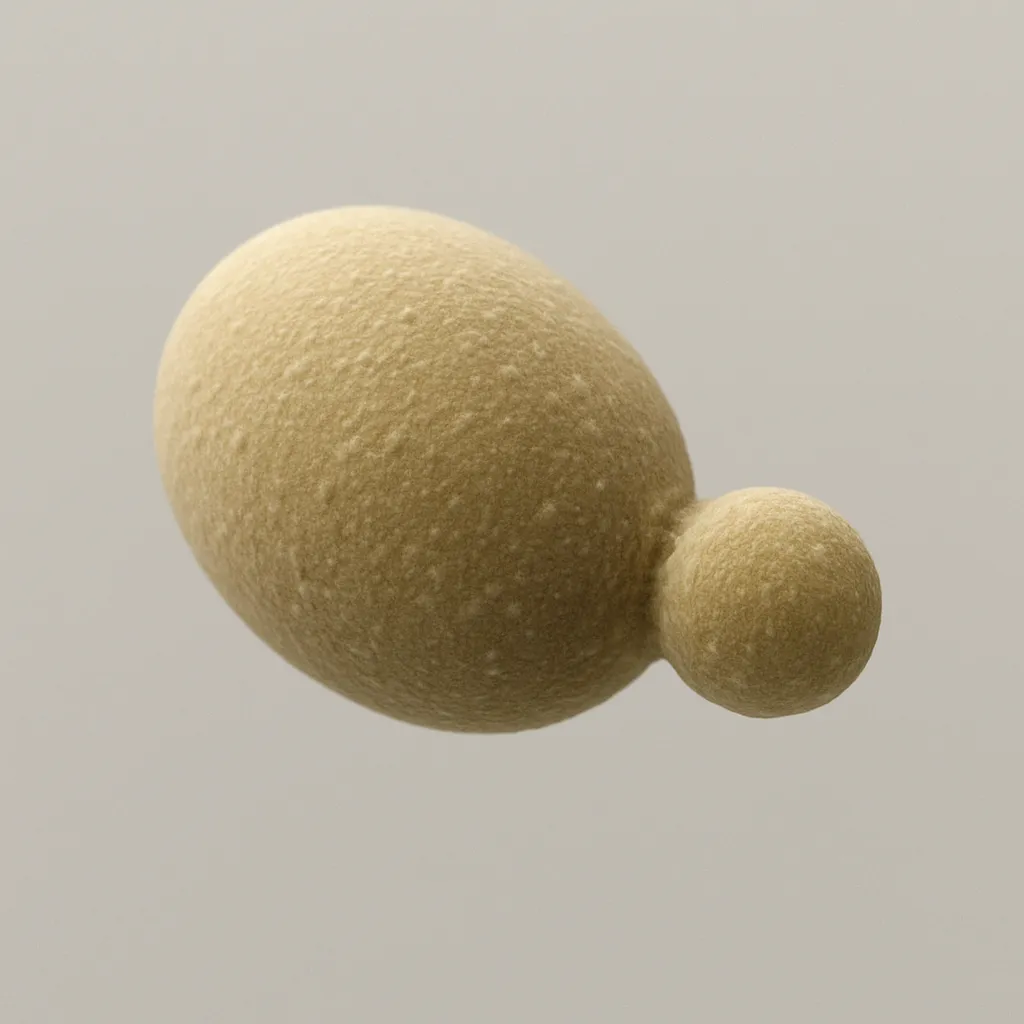
A yeast cell grows a small bulge that pinches off as a separate yeast cell carrying the same DNA. Only the one original cell was involved. Which term names this event?
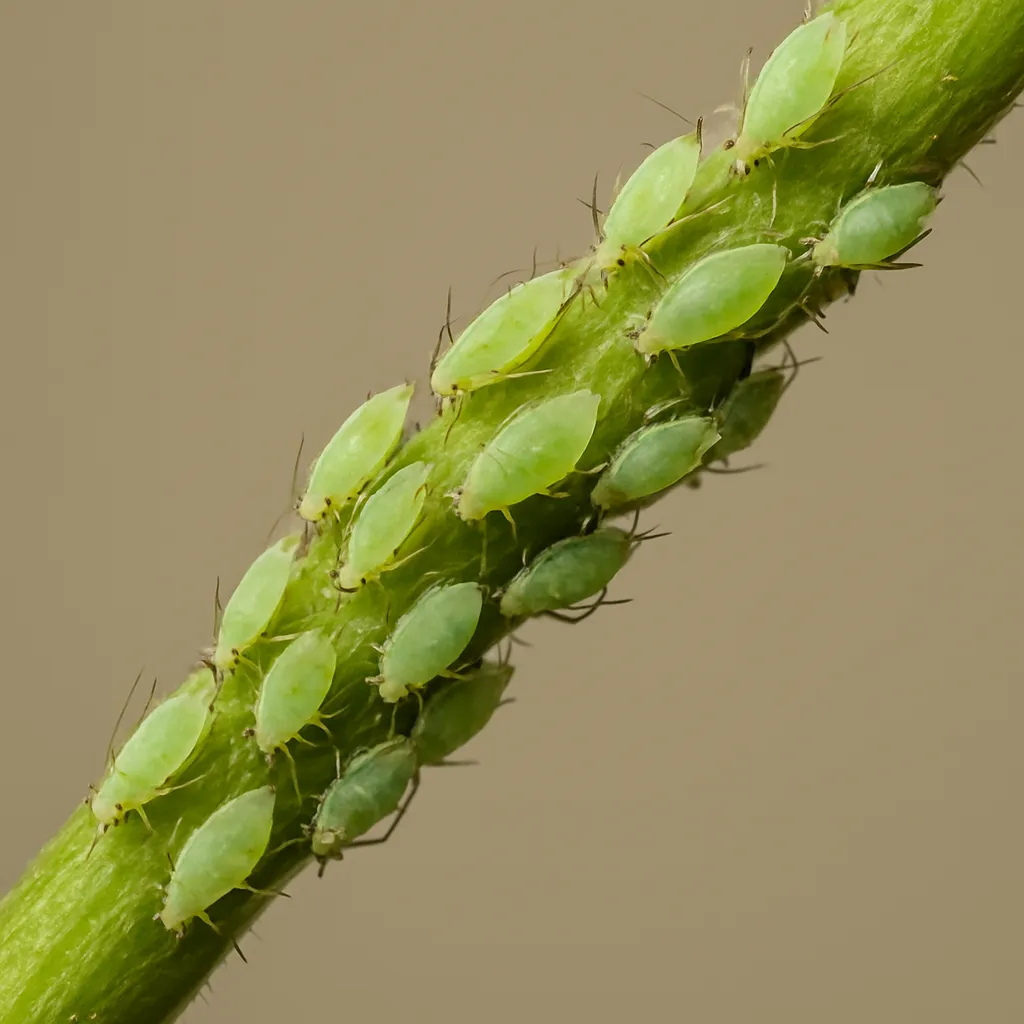
In summer, a female aphid produces live young without mating. Genetic testing shows every daughter carries the same DNA as the mother. Which kind of reproduction is this?
Pollen from one corn plant lands on the silk of a different corn plant. Kernels form, and the plants grown from those kernels vary in height and color. Which kind of reproduction is this?
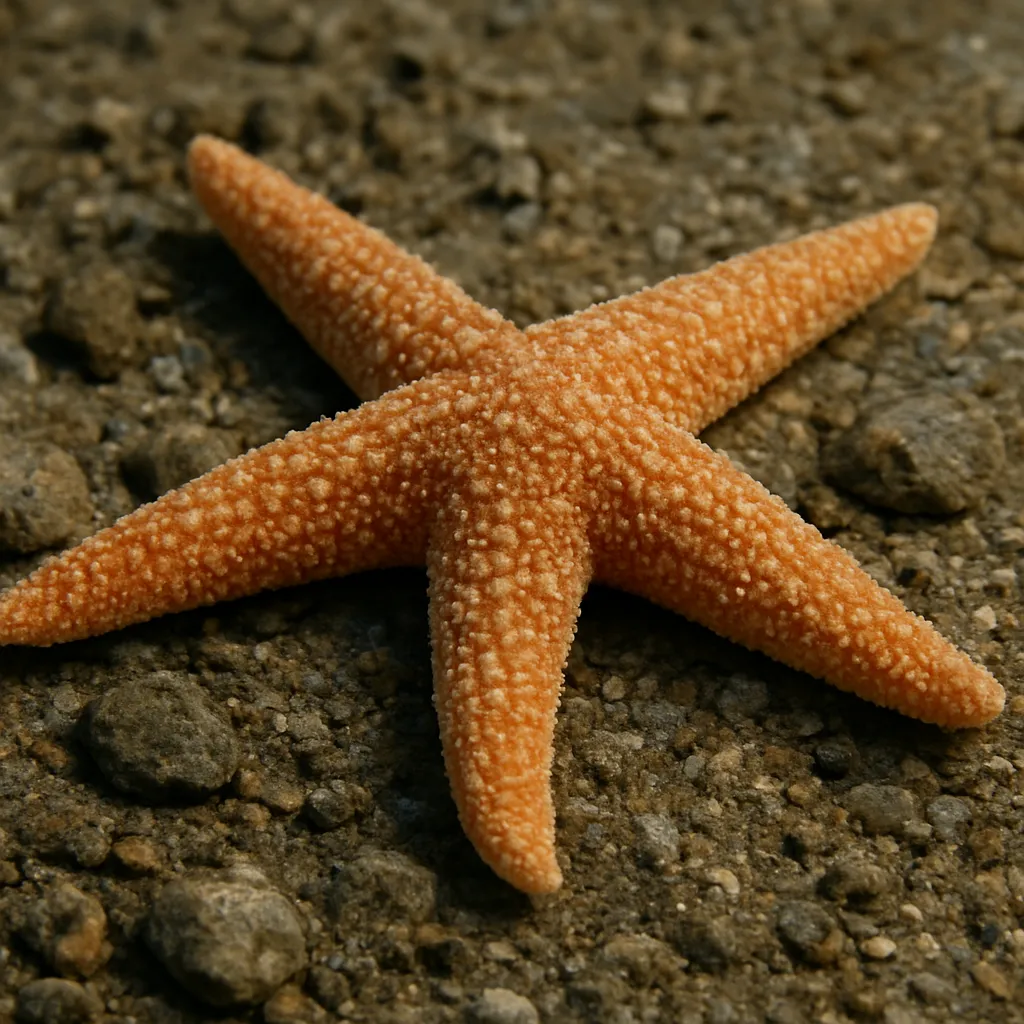
A sea star loses an arm, and that arm with part of the central disc grows into a complete sea star whose DNA matches the original animal's. What occurred?
A cutting taken from a geranium roots in soil and grows into a plant whose DNA is identical to the parent plant's.
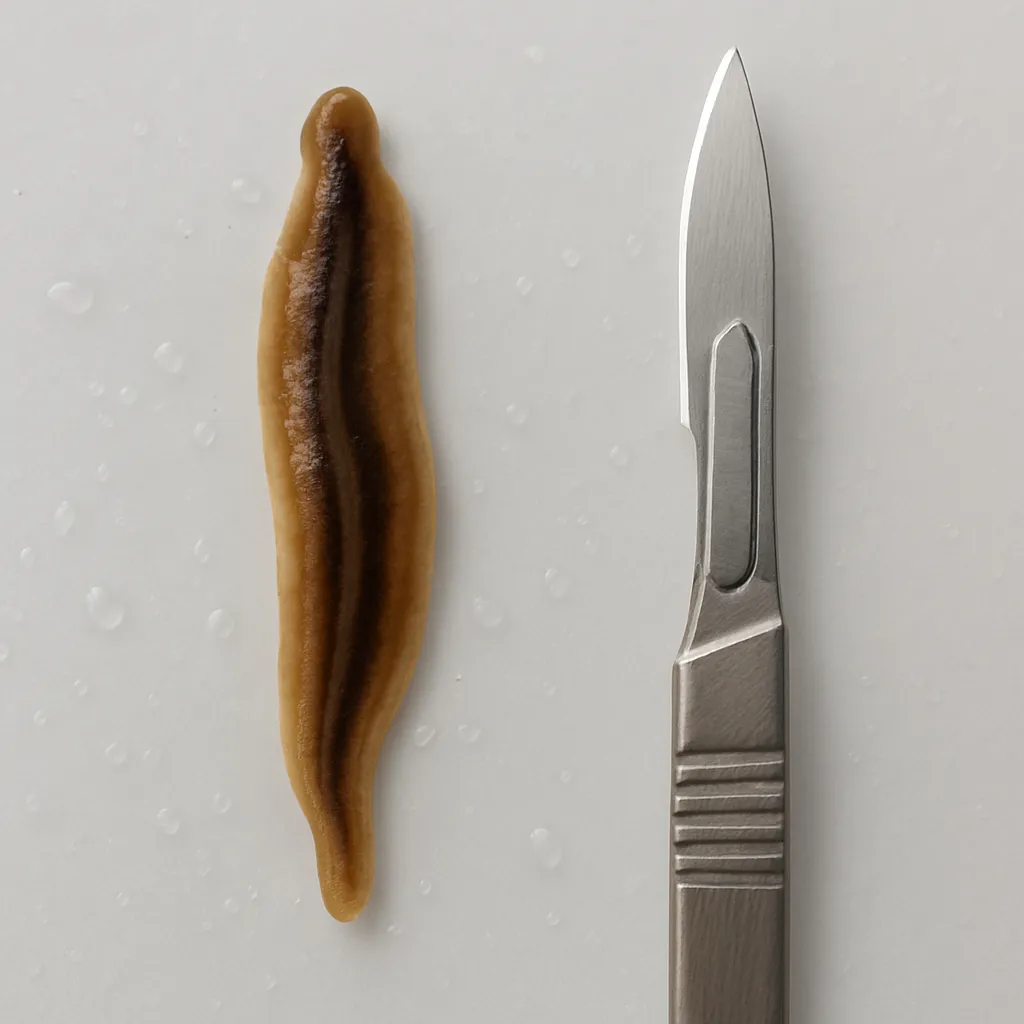
A flatworm is cut in half. Each half regrows its missing end, giving two worms whose DNA matches the original worm's. How should a scientist classify this?
Two guppies mate, and the female later gives birth to fry with color patterns unlike either parent's. Which statement classifies this reproduction and explains the new patterns?
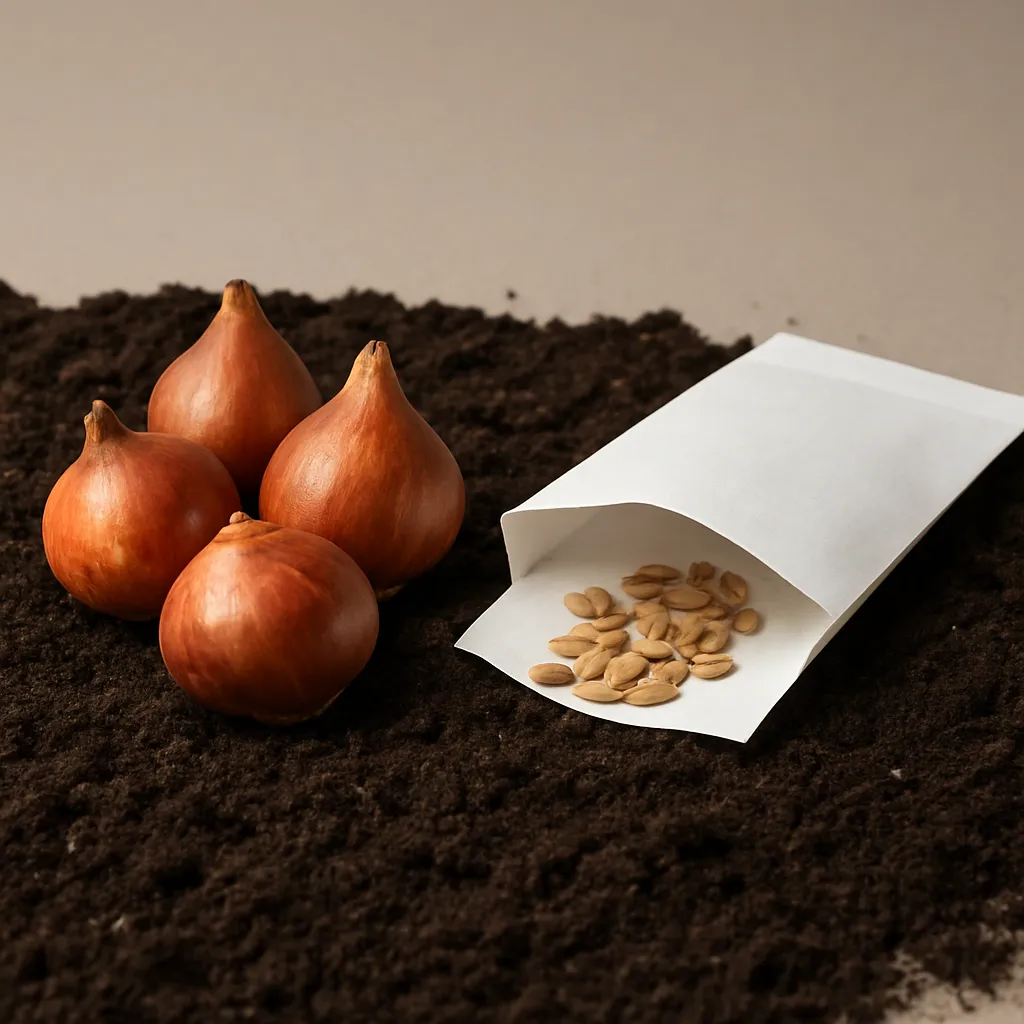
A grower plants 30 tulips split from one parent bulb and 30 tulips grown from seeds of two cross-pollinated plants. Which group will show more genetic variation, and why?
One bacterium divides for many generations in a dish, and no mutations occur. What variation should a scientist expect among the millions of cells in that colony?
A dog has a litter of six puppies with one mother and one father. What best explains why the puppies do not all look the same?

Bread mold spreads by spores that can grow into new mold without joining with any other cell.
Aphids reproduce asexually through the summer and sexually in autumn. Which offspring show more genetic variation, and why?
A scientist compares DNA samples from 12 potato plants, all grown from pieces cut off one potato. How similar should the samples be?
Identical twins form when one fertilized egg splits into two embryos. How genetically similar are those twins compared with ordinary brothers and sisters?
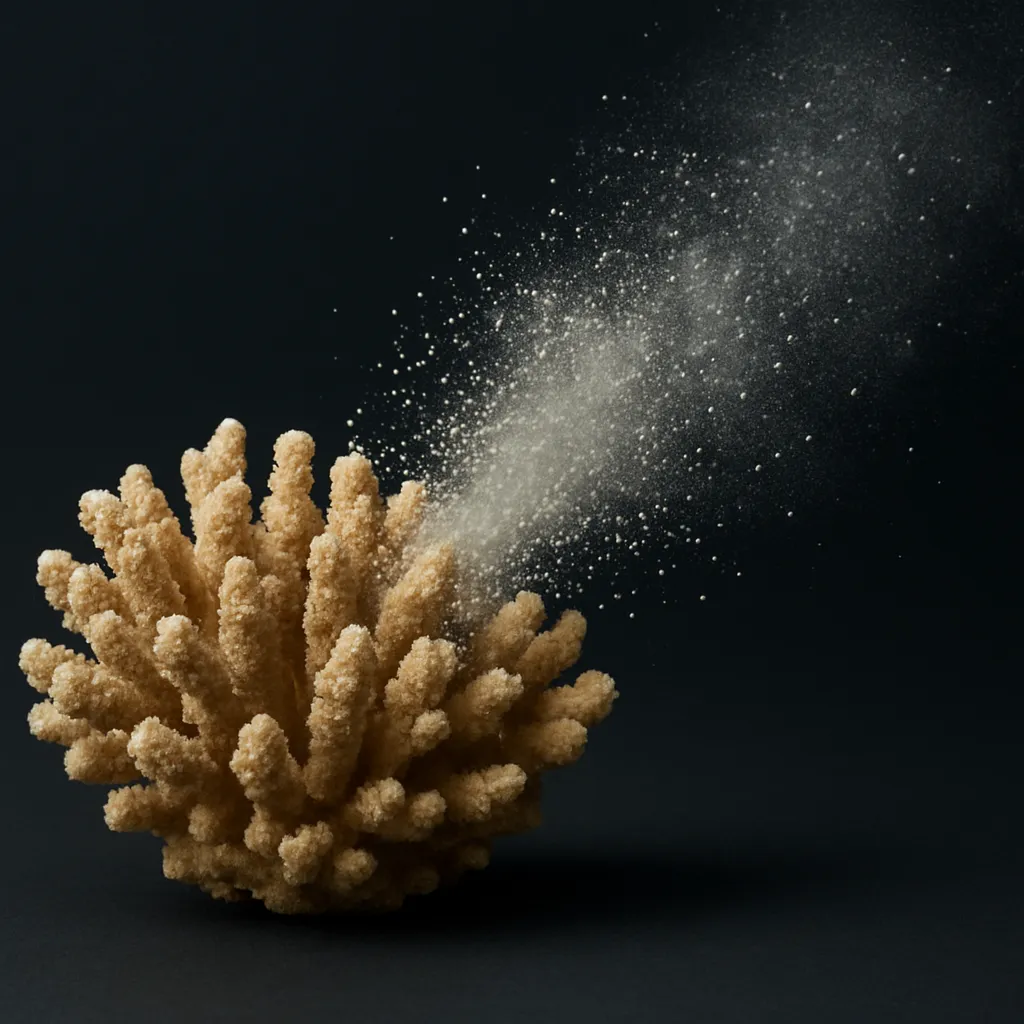
A coral colony grows by budding and also releases eggs and sperm into the water each spring. Which of its offspring are more likely to differ genetically from the colony?
Two pea plants that are heterozygous for height (Tt) are crossed, and the seeds are planted. What should the grower expect among the seedlings?
Some animals, such as certain lizards and sharks, can produce young without mating.
A grasshopper's body cells each contain 24 chromosomes. How many chromosomes are in one of its sex cells, and why?
A dog's egg cell carries 39 chromosomes and a dog's sperm cell carries 39 chromosomes. How many chromosomes does the fertilized egg contain?
During the formation of sex cells, chromosome pairs separate and are dealt into different combinations. What does this explain about the sperm cells one male dog makes?
A hydra bud forms by ordinary cell division rather than by joining sex cells. What does that predict about the chromosomes in the bud?
In a flowering plant, pollen delivers a sperm cell to an egg cell inside the ovule, and a seed forms. Which statement describes the genes in that seed?
In sexual reproduction, a sex cell carries one chromosome from each pair found in a body cell.
Human body cells carry 46 chromosomes. Which statement describes where a newborn baby's chromosomes came from?
Every cell in a plant cutting was made by ordinary cell division before the cutting was taken. Why does the rooted cutting match the parent plant exactly?
A student says that combining two parents' sex cells is the only way new genetic differences arise in kittens. Name the other source of new genetic differences.
A pea plant fertilizes itself: its own pollen reaches its own egg cells and seeds form. Are those seeds the product of sexual or asexual reproduction?
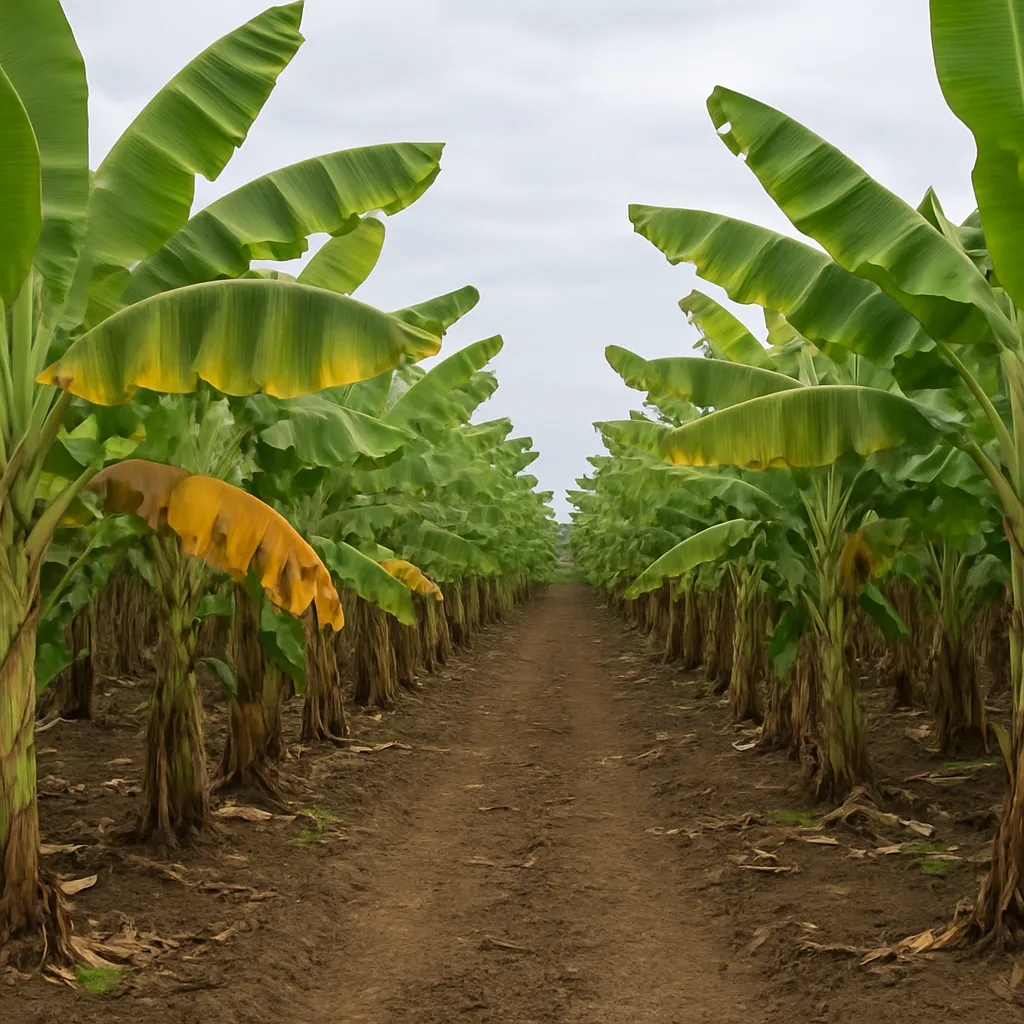
Commercial bananas are grown from clones of one variety. A new fungal strain kills any plant lacking a resistance allele that this variety does not carry. What is the likely outcome?
A wild grass population reproduces sexually and shows plenty of genetic variation. A new leaf rust arrives in the field. What does that variation make possible?
A field of genetically identical crop plants can gain resistance to a new disease during the outbreak itself.
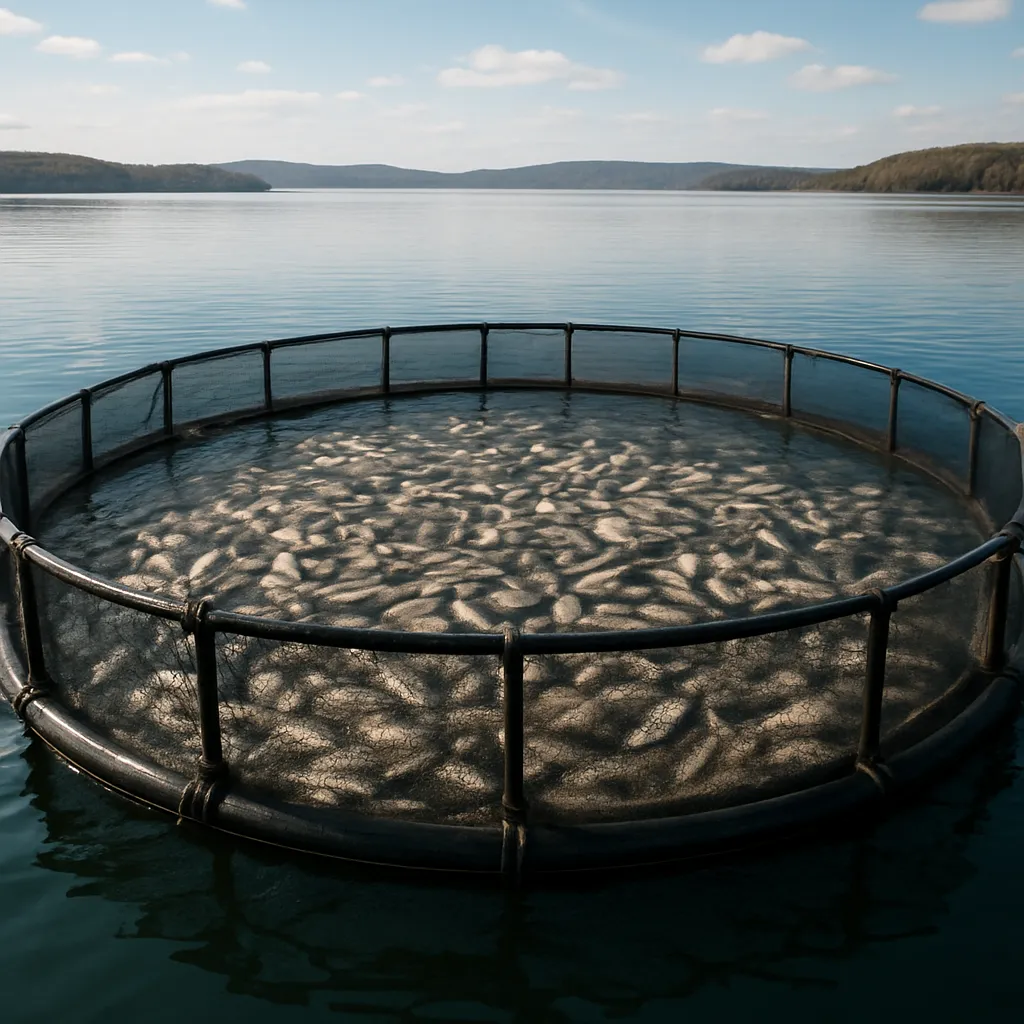
A fish farm stocks its ponds with fish cloned from one individual. What is the main risk compared with stocking fish bred from many different parents?
Bacteria reproduce asexually, yet a strain resistant to an antibiotic can still appear in a colony. What best explains where that resistance comes from?
An orchard of one apple variety, all grafted from a single tree, faces a new insect pest. A neighboring orchard grew its trees from seeds of many parents. Which orchard likely has survivors?
A weed that reproduces asexually reaches an empty field where no pests or diseases attack it. Why can it take over the field so quickly?
A rare plant survives only as a dozen individuals, all cuttings taken from one original plant. What concern should this raise for the biologists protecting it?
Farmers in one region plant several different wheat varieties instead of a single variety. How does that choice reduce the danger from a new fungus?
Genetic variation from sexual reproduction can produce some offspring that are less suited to their environment than their parents.
Crack the passcode before the zombies get in.
Answer, then swat bugs for bonus points.
Race through questions at your own speed.
Same question on every screen. Fastest wins.

Pick a tile, answer, hit bonuses and steals.
Alleles, Dominant and Recessive Traits
40 questions