Loading
by BlastRoom
Predict how a change in a gene changes the protein it codes for, and judge whether that change helps, harms or does nothing.
#us_grade_8_science

40 questions
One question set, multiple game modes. Tap any game to see it in action. Not sure which to pick?
Answer to place stones and capture territory.
Outrun the snow together.
Earn blasts, then hunt the other team.
Answer to earn energy, then climb.

The class blasts through walls together.
Bid on mystery lots. Most money wins.
Sell tours. Nice, standard, or a total scam.

Answer, restock, and serve the rush.
More correct answers pulls the rope your way.
Answer, then shoot down the alien wave.
Answer, then tap to leap the frozen ridge.
A gene codes for a muscle protein. A mutation changes one DNA base, but the cell still links up the exact same order of amino acids. What is the most likely effect on the protein?
A mutation in the hemoglobin gene swaps one amino acid for a different one in the protein chain. What is the most likely result for the hemoglobin protein itself?
A mutation deletes a single DNA base near the start of a gene. From that point on, the cell reads the instructions in the wrong groups of three. What happens to the protein?
A mutation changes one base so that a stop signal appears in the middle of a gene. What is the most likely result?
A mutation hits the part of a gene that controls how often a cell makes an enzyme. The cell now makes ten times as much of it. What has changed about the enzyme?
An enzyme grips its target in a pocket. A mutation changes one amino acid on the enzyme's outer surface, far from that pocket, and the pocket keeps its shape. What is the most likely result?
A change in the order of DNA bases in a gene can change the order of amino acids in the protein built from that gene.
A plant gene codes for a channel protein that lets water cross a root cell's membrane. A mutation narrows the channel's opening. What is the most likely effect?
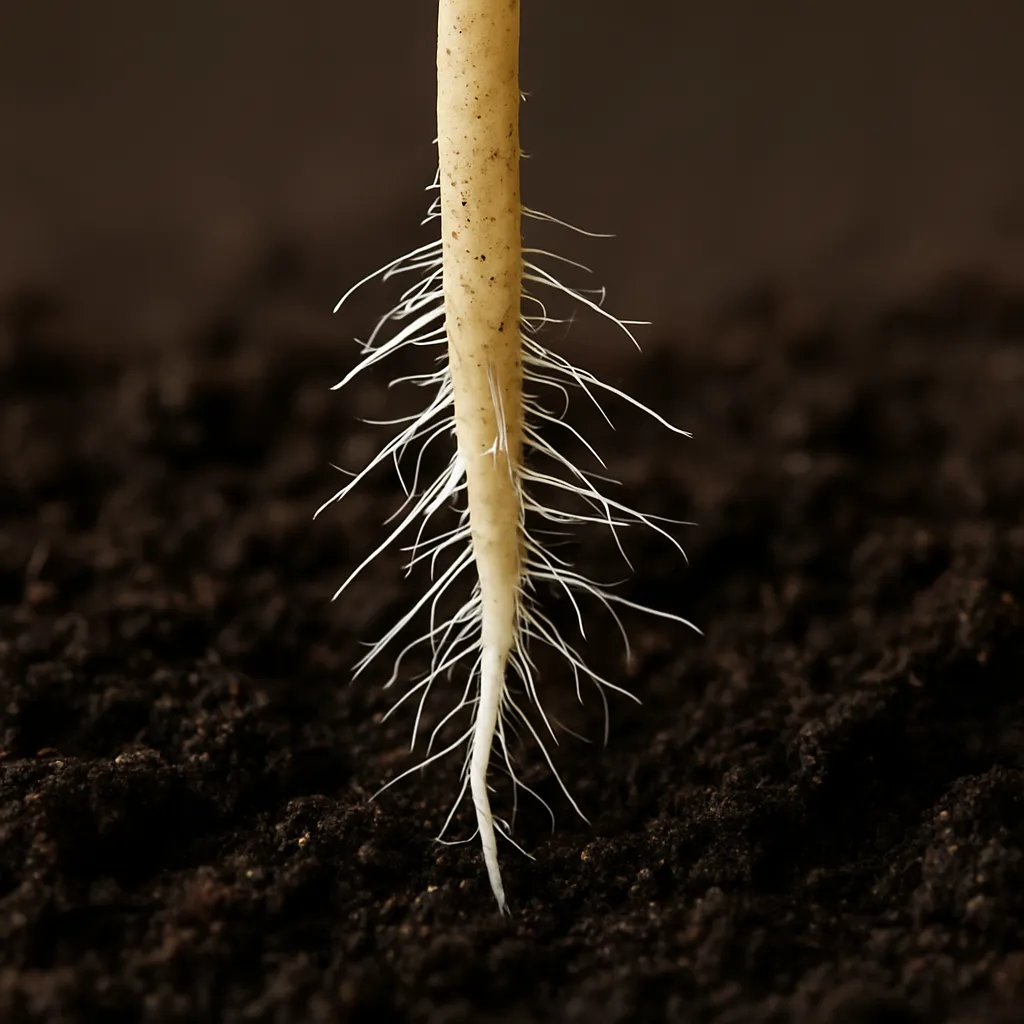
Keratin strands in hair normally link to one another. A mutation in the keratin gene changes the amino acids that form those links, so the strands can no longer link. What is the most likely effect on the keratin?
A copying error changes one base in a long stretch of DNA that lies between two genes and codes for no protein at all. What is the most likely effect on the cell's proteins?
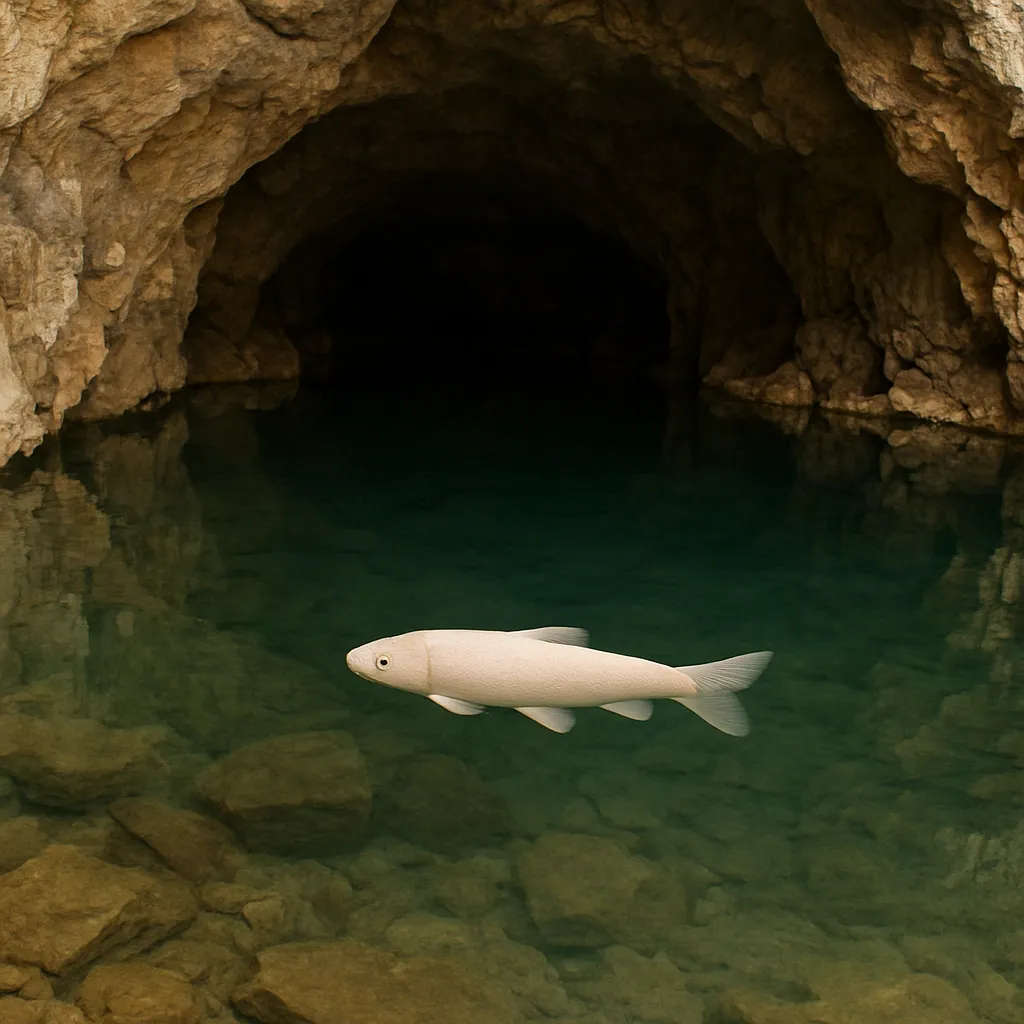
Fish live their whole lives in a cave pool with no light. A mutation appears that leaves some fish with undeveloped eyes. How is the effect of this mutation on those fish best described?
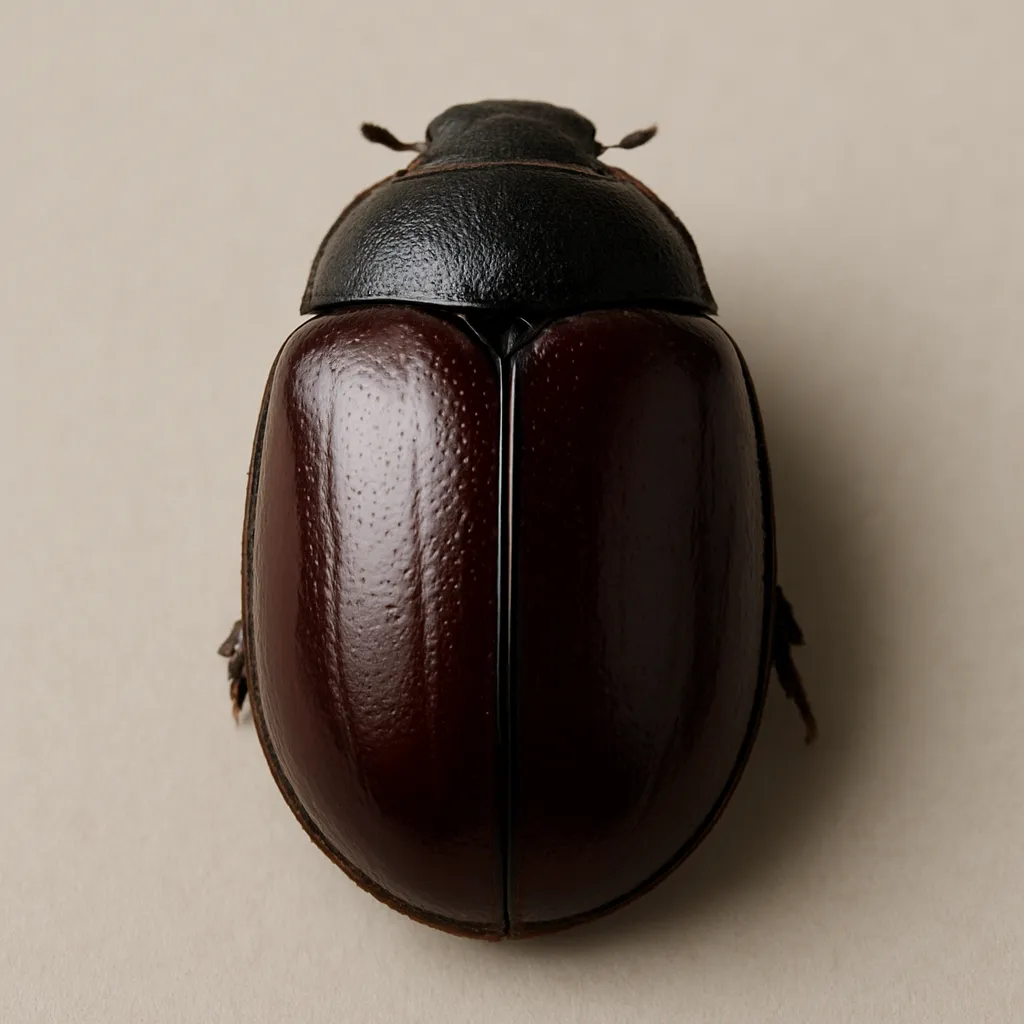
Beetles feed on broad green leaves in a forest where birds hunt them by sight. A mutation turns some beetles' wing cases green instead of brown. How is this mutation's effect on those beetles best described?
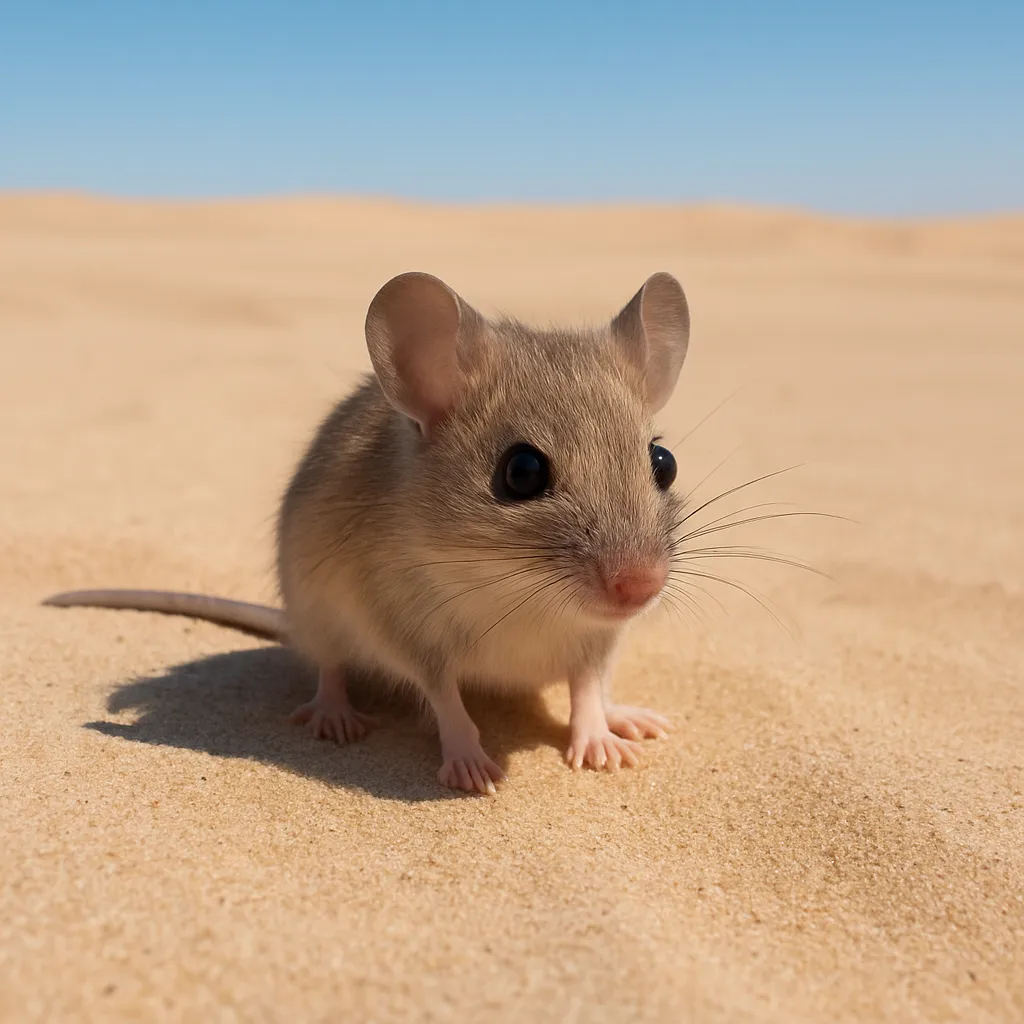
Mice live on hot desert sand where daytime air reaches 40 degrees Celsius. A mutation gives some mice a much thicker fur coat. How is the effect of this mutation on those mice best described?
In one meadow, bees visit wide flowers far more often than narrow ones. A mutation makes some plants of one species grow wider petals. How is the effect of this mutation on those plants best described?
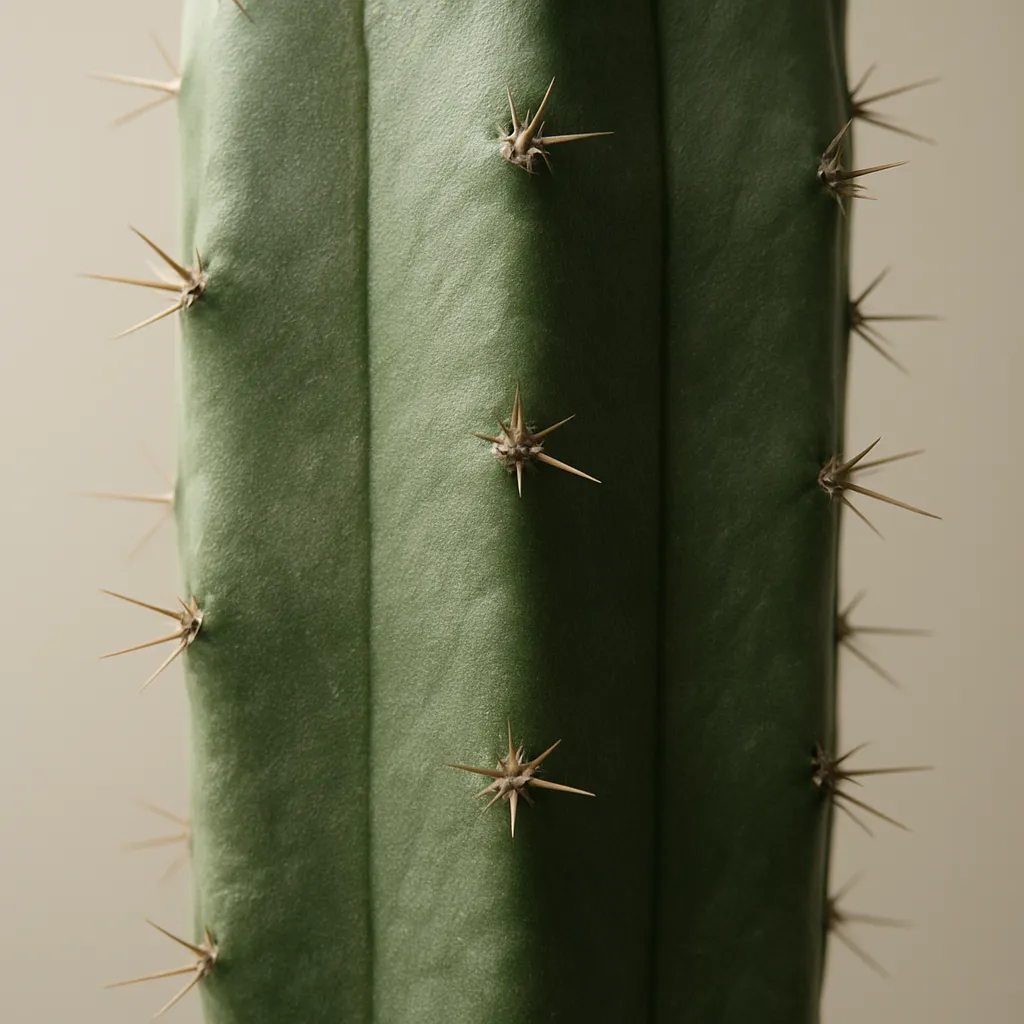
A cactus species grows in a desert that gets about 100 millimeters of rain a year. A mutation makes some plants grow a much thinner waxy layer on the stem. How is this effect best described?
A fly species lives in dense grass. Its mates find each other by smell, and the birds that eat it hunt at night. A mutation changes some flies' wing color. How is this effect best described?
A mutation that is beneficial to an organism in one environment can be harmful to the same kind of organism in a different environment.
In a herding community, fresh milk is a main food all year. A mutation keeps the enzyme that breaks down milk sugar working into adulthood. How is this mutation's effect on those adults best described?
Seawater floods a coastal field, leaving salty soil. A mutation lets some grass plants pump salt into storage sacs inside their cells. How is the effect of this mutation on those plants best described?
Bacteria live in a pond where no antibiotic has ever been present. A mutation changes a surface protein so a certain antibiotic could not attach to it. How is the effect on those bacteria best described?
Years of breathing smoke cause a mutation in one of a worker's lung cells. He later has a child. Will the child inherit that mutation?
A mutation appears in a cell that is forming sperm inside a male mouse's body. That sperm later fertilizes an egg. What will be true of the offspring?
A man trains for years and builds very large arm muscles. His children are born with ordinary muscles. Why?
In animals that reproduce sexually, only a mutation present in an egg cell or a sperm cell can be passed from a parent to its offspring.
A giraffe spends its life stretching upward to reach leaves high in a tree. Its neck muscles grow strong. What will its calves most likely be born with?
A single bacterium gains a mutation, then reproduces asexually by dividing again and again. What will be true of the cells that come from it?
A mutation is present in the egg cell that a frog develops from. Where in the adult frog will that mutation be found?
An X-ray technician is exposed to radiation that causes mutations in some of her cells. Which cells would have to be affected for a change to reach her future children?
One branch of a tomato plant gains a mutation as it grows. That branch later produces flowers, and those flowers produce seeds. Can the seeds carry the mutation?
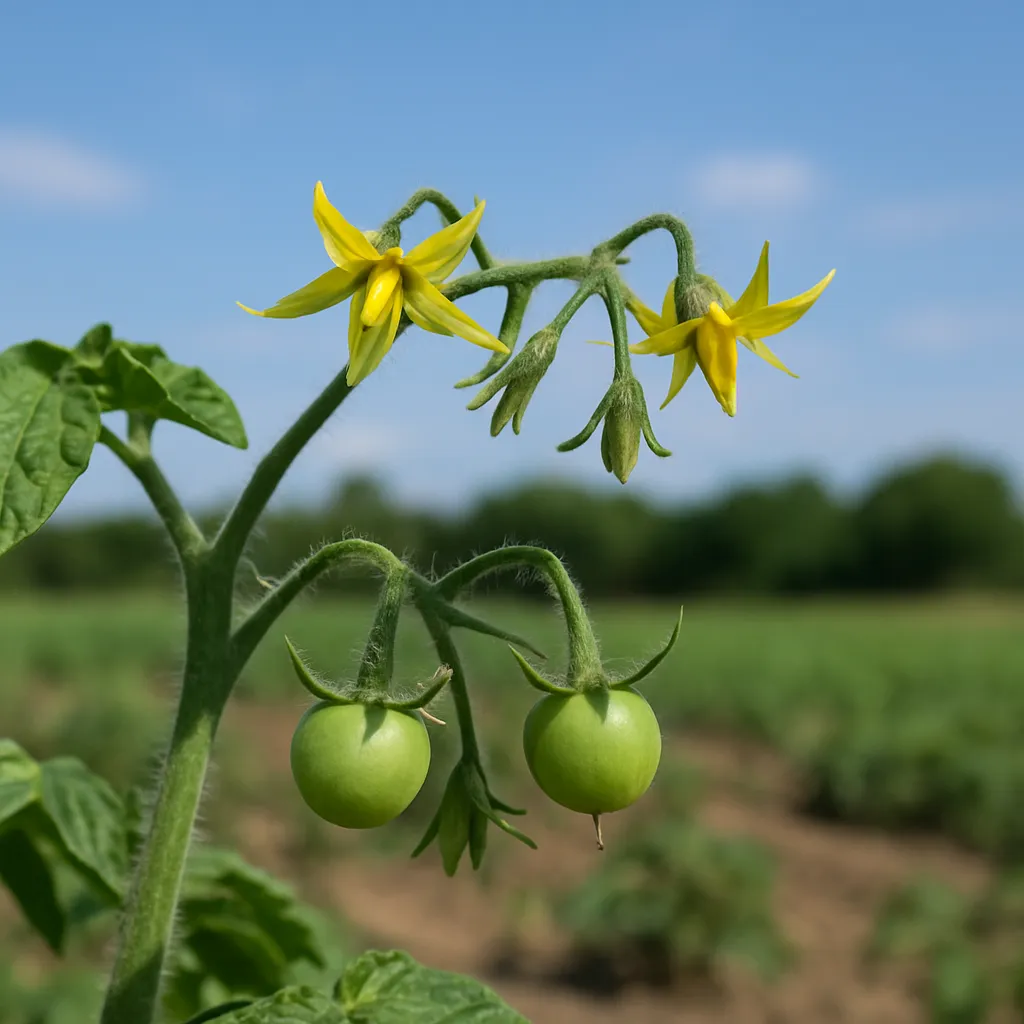
A man carries a mutation in the cells that make his sperm, but the mutation shows no effect anywhere in his own body. Can his child be affected by it?
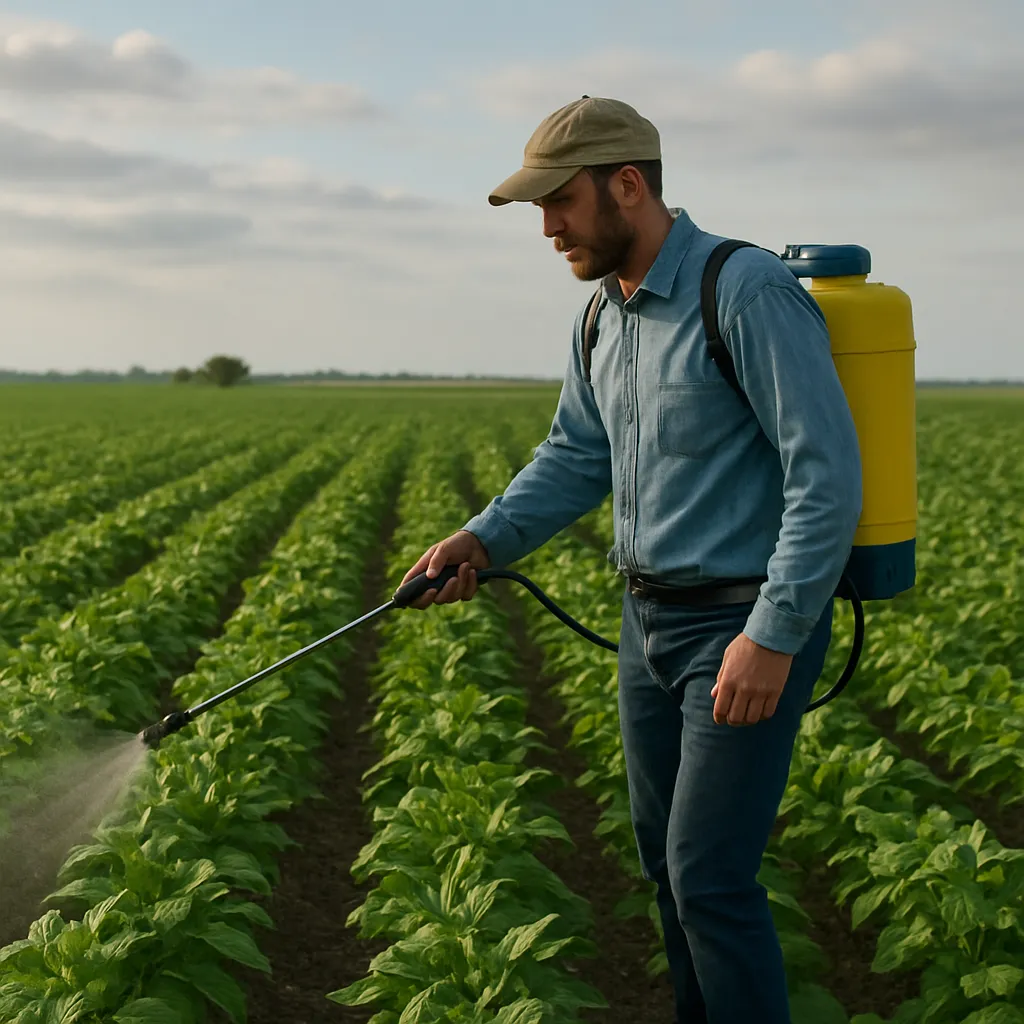
A farmer sprays a field with insecticide. A few beetles carry a mutation that changes the protein the insecticide normally attacks. What happens to those beetles and their numbers?
Mice on pale sand dunes are hunted by owls that hunt by sight. Some mice carry a mutation for pale fur; the rest are dark. What most likely happens over many generations?
A wild plant makes a bitter protein that caterpillars avoid. A mutation stops one plant from making it. Caterpillars are common in that field. What most likely happens to that plant?
A drought leaves only large, hard seeds on an island. Some finches carry a mutation for a deeper, stronger beak. What most likely happens to those finches during the drought?
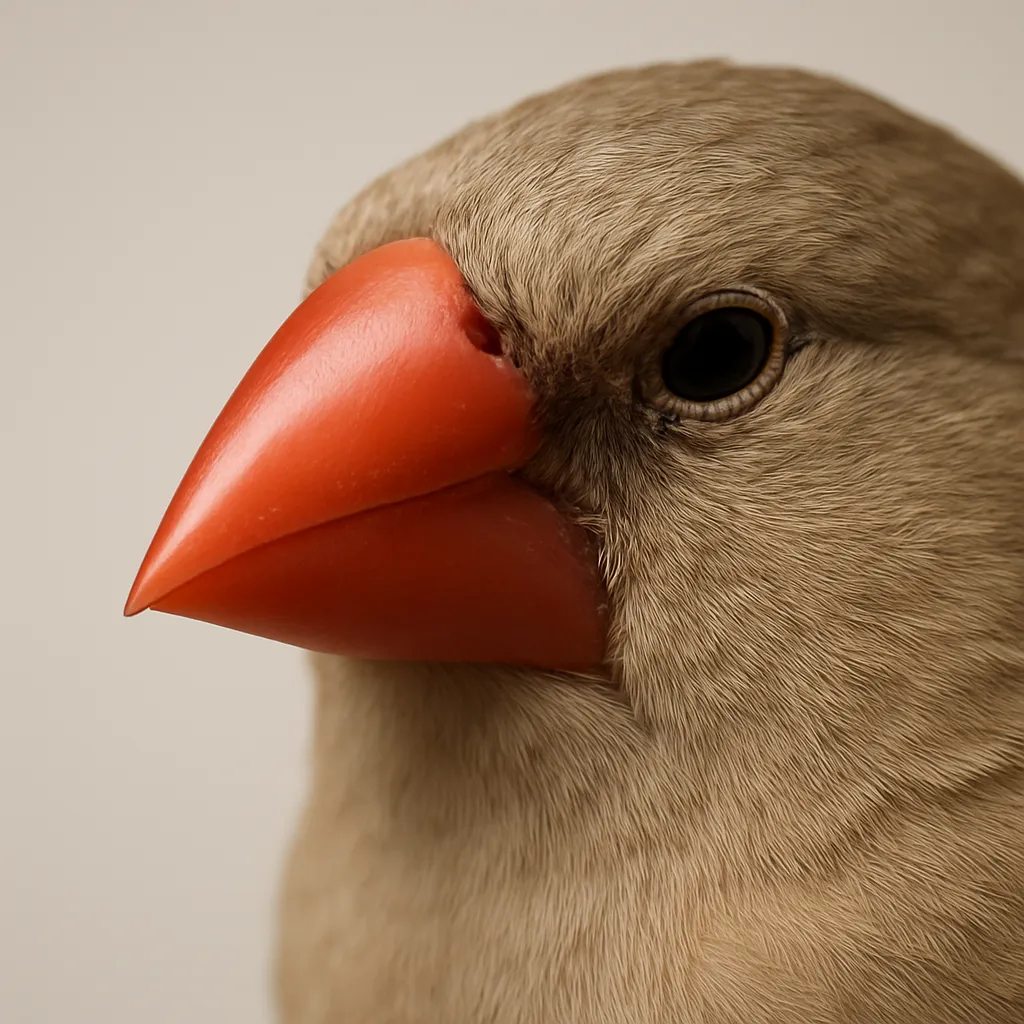
A rabbit in a brown-leafed forest carries a mutation that stops it from making any fur pigment, leaving it white. Hawks there hunt by sight. What most likely happens to this rabbit?
A mutation leaves a bacterium unable to build one of the proteins its cell wall needs. It lives in an ordinary pond with other bacteria. What most likely happens to it?
An individual organism develops a mutation because it needs that trait in order to survive.
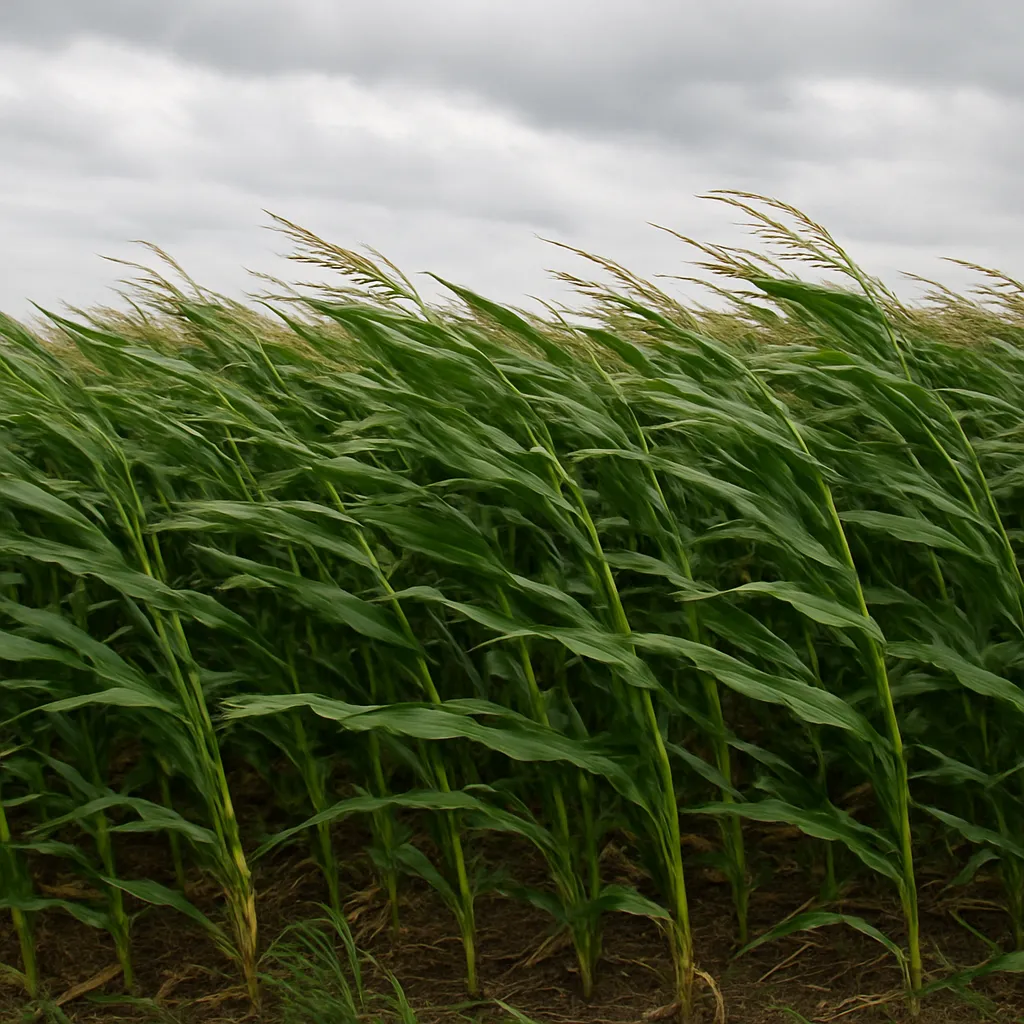
Strong winds regularly flatten corn in one field. A mutation gives some corn plants shorter, thicker stalks. What most likely happens in that field at harvest?
A waste pond holds a plastic that no bacteria there can use. A mutation gives one bacterium an enzyme that breaks that plastic into sugars. What most likely happens to that bacterium?
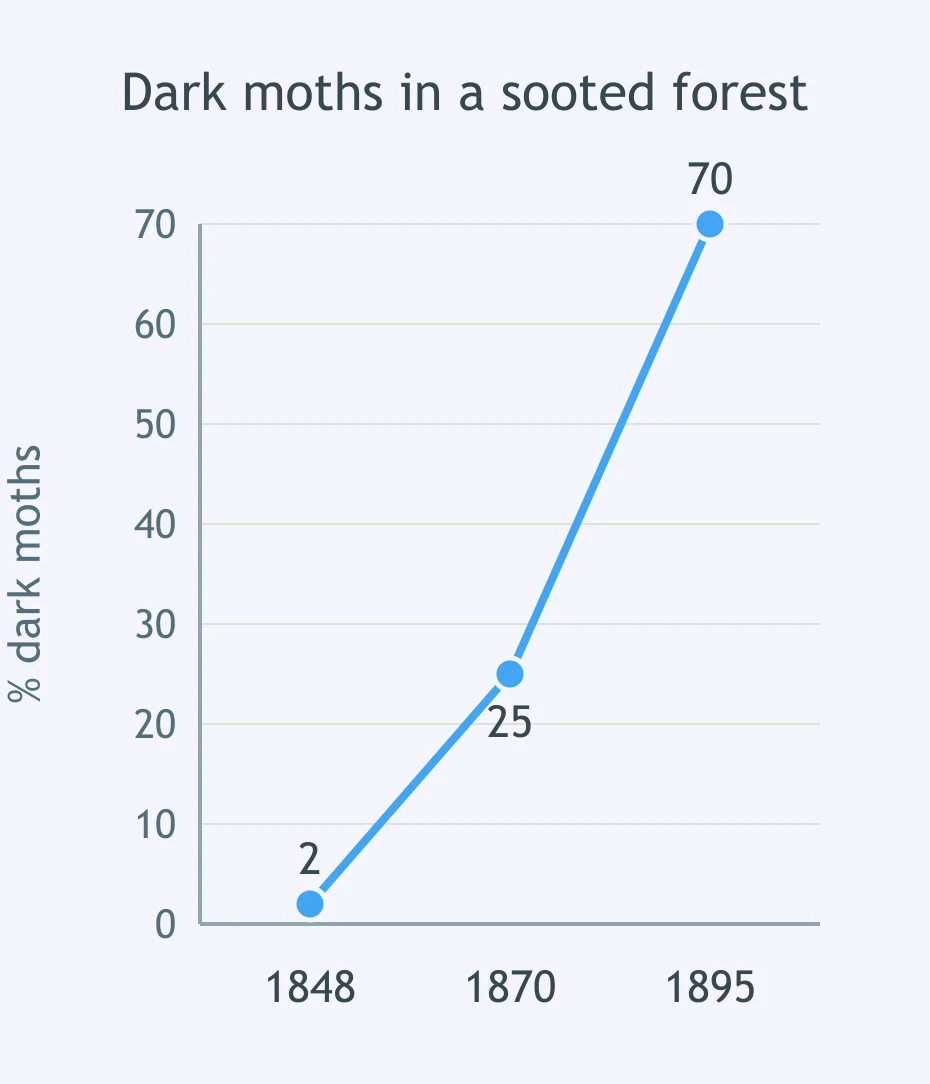
Soot darkened the tree trunks in one forest. Scientists recorded the percentage of dark moths there over 50 years. Look at the graph. Which claim does this evidence best support?
Crack the passcode before the zombies get in.
Answer, then swat bugs for bonus points.
Race through questions at your own speed.
Same question on every screen. Fastest wins.

Pick a tile, answer, hit bonuses and steals.

Punnett Squares and Probability
40 questions