Loading
by BlastRoom
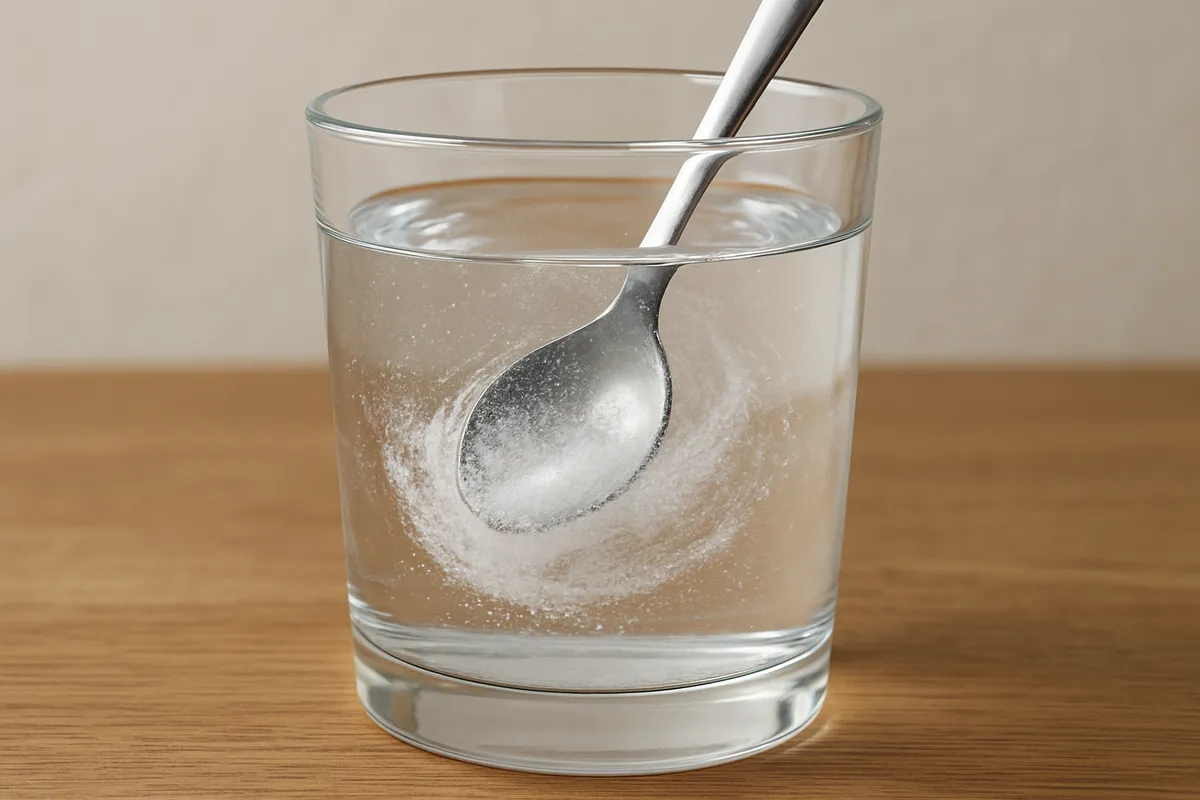
Students identify solutions and explain how solids and liquids dissolve or stay present.
#solutions#us_grade_4_science
40 questions
One question set, multiple game modes. Tap any game to see it in action. Not sure which to pick?
Answer to place stones and capture territory.
Outrun the snow together.
Earn blasts, then hunt the other team.
Answer to earn energy, then climb.

The class blasts through walls together.
Bid on mystery lots. Most money wins.
Sell tours. Nice, standard, or a total scam.

Answer, restock, and serve the rush.
More correct answers pulls the rope your way.
Answer, then shoot down the alien wave.
Answer, then tap to leap the frozen ridge.
Ivan stirs a spoon of salt into warm water until the water looks clear again. Where is the salt?
Mia stirs sugar into a cup of water. What observation would show that a solution formed?
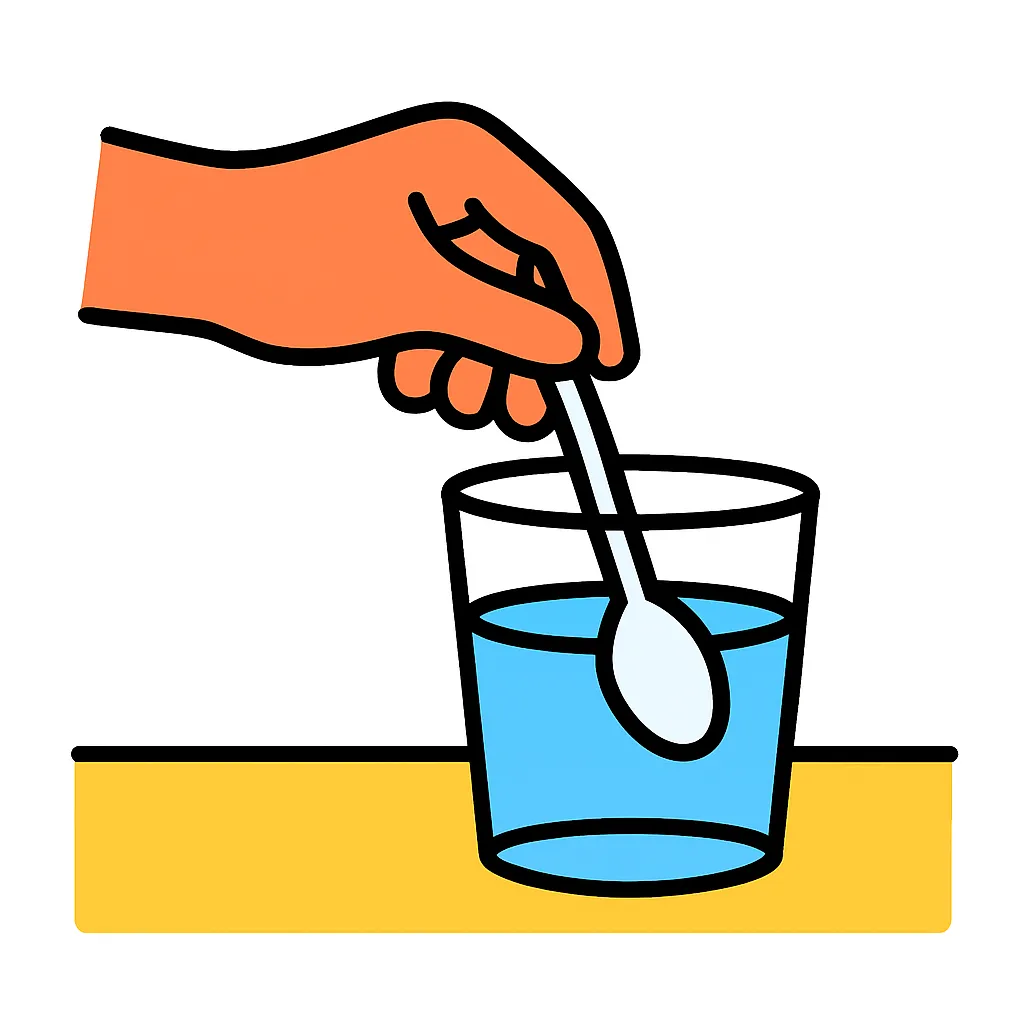
Omar stirs sand into water, but grains settle on the bottom after he stops. Did the sand form a solution?
A student shakes flour and water in a jar. The water looks cloudy, and powder collects near the bottom. What tells you no solution formed?
Lena drops gravel into a cup of water and stirs. The pieces remain easy to see. What happened?
Powdered drink mix is stirred into water until the whole cup is the same color. What best describes the cup?
Chalk dust is stirred into water, but white specks remain floating and sinking. Did a solution form?
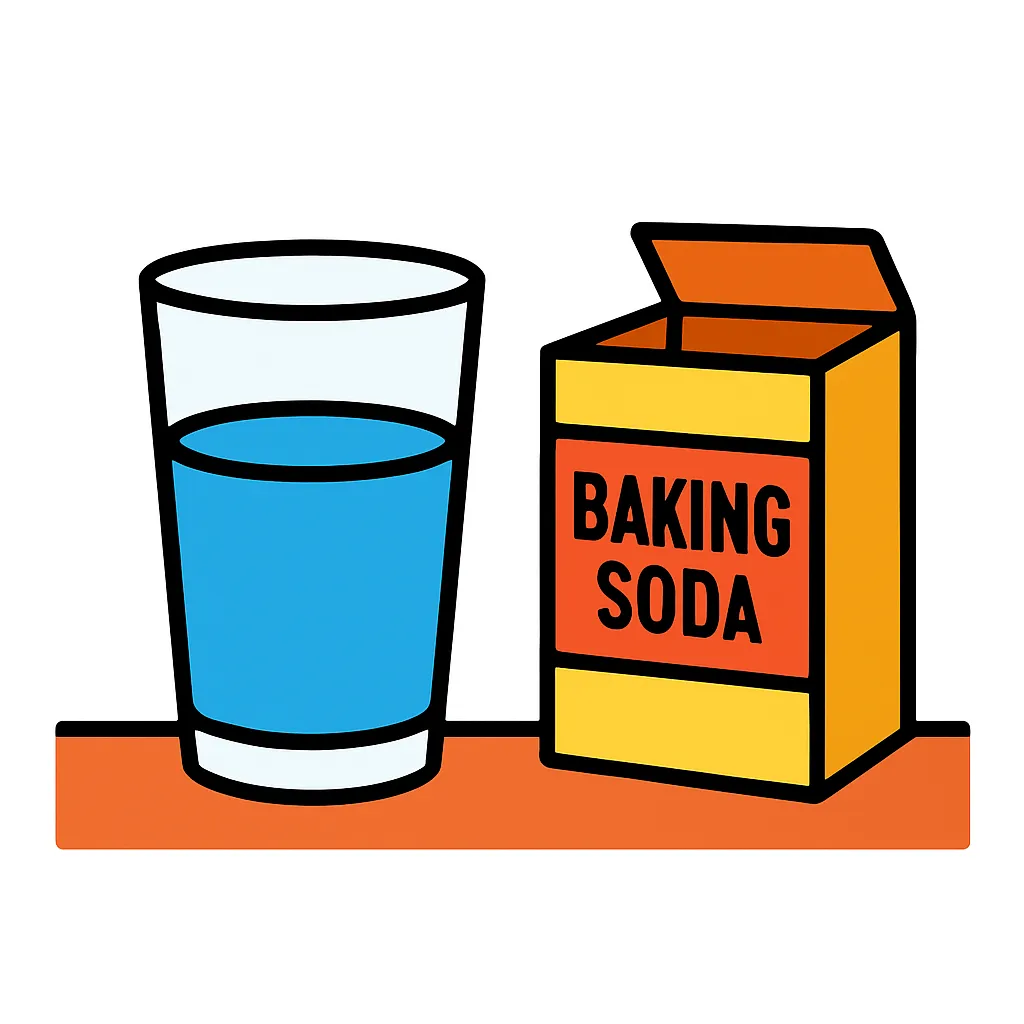
Baking soda is stirred into water until the liquid looks clear and no powder is seen. What likely formed?
A student stirs salt into cold water, but some crystals remain on the bottom. Is the whole cup a solution yet?
A sugar cube sits in a cup of still water, and no one stirs it. What will most likely happen if the cup is left alone for an hour?
Two glasses have the same amount of water. One gets 1 scoop of lemonade powder and the other gets 3 scoops, and both dissolve. How are the drinks different?
Table salt is stirred into water, and the clear water tastes salty. What does this show about the mixture?
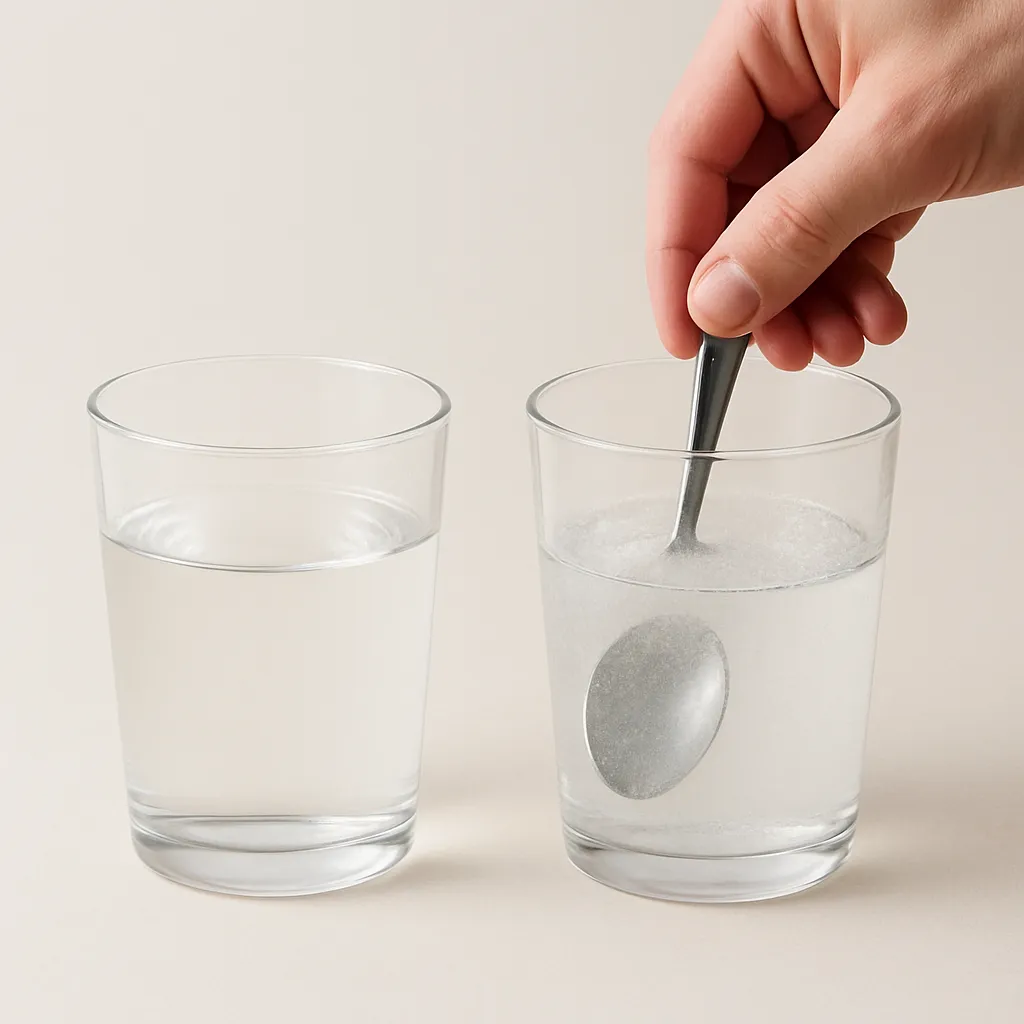
Two cups have the same water and sugar. One cup is stirred, and its sugar disappears from view sooner. What made it dissolve faster?
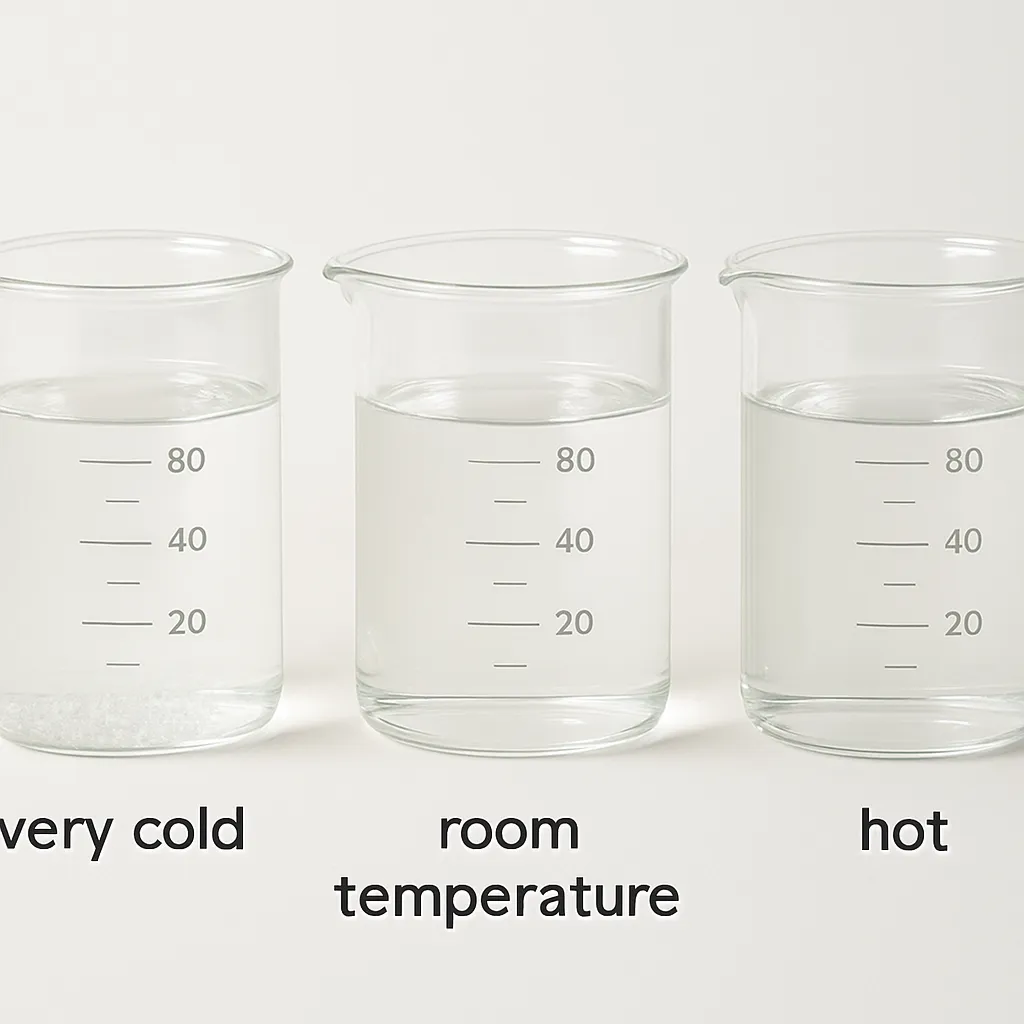
Equal amounts of sugar are added to very cold, room-temperature, and hot water. Which cup clears first, and why?
A crushed sugar cube dissolves faster than a whole sugar cube in the same water. Why does crushing help?
Baking soda lumps dissolve slowly in water. What change would likely make them dissolve faster?
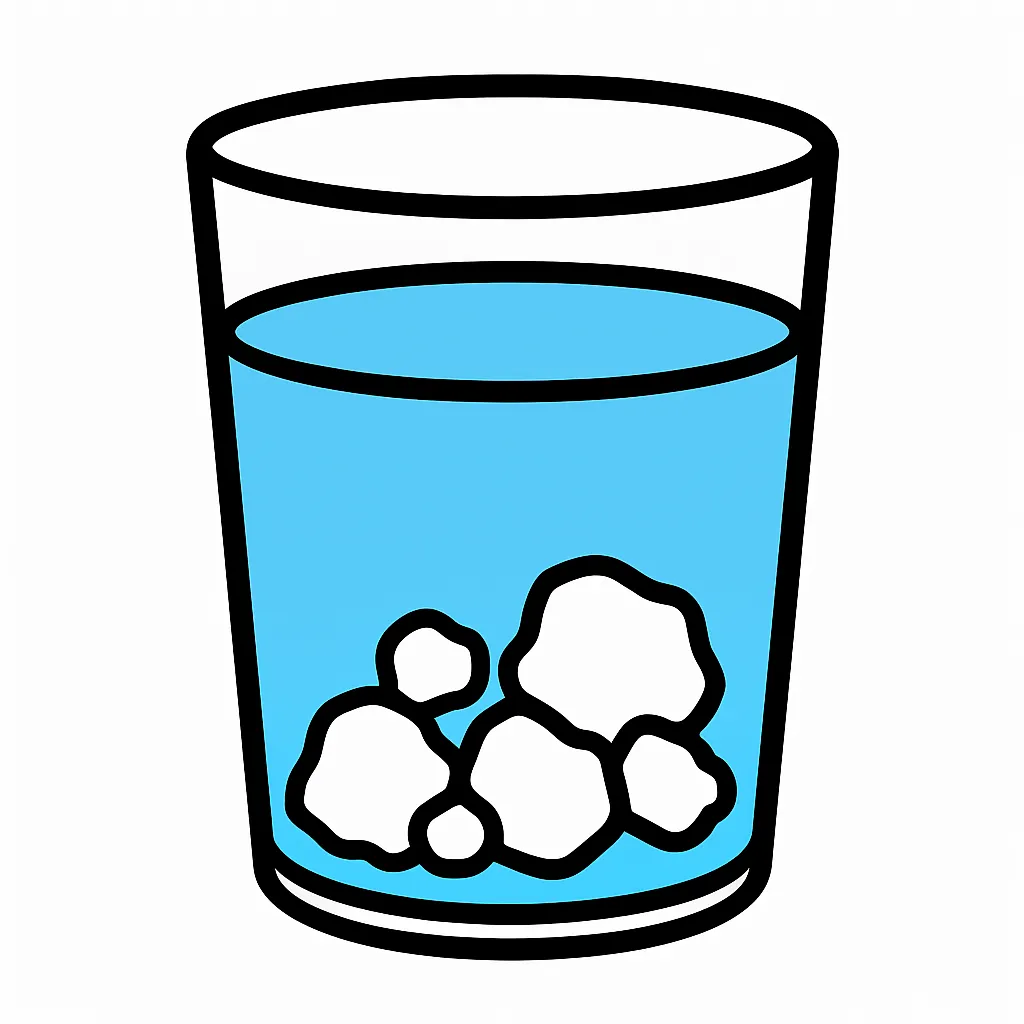
Salt is sitting at the bottom of a cup of water. What should a student do to help it dissolve faster?
A class wants drink powder to dissolve quickly without changing the amount of powder. What change would help most?
Instant coffee crystals dissolve faster than a coffee lump of the same mass in the same cup of hot water. What is the best reason?
A cup with one spoonful of sugar finishes dissolving sooner than a cup with three spoonfuls of sugar, even though both are stirred the same way in the same amount of water. Why does the larger amount take longer?
Large rock salt pieces dissolve slowly in water. What preparation would make the salt dissolve faster?
A student wants baking soda to dissolve faster in water without adding more baking soda. What plan should help?
Saltwater is left in a shallow dish by a sunny window until the water evaporates. What may be left in the dish?
A student keeps adding sugar to a small cup of water and stirring well after each spoonful. After a while, the newest sugar added sinks and stays as visible grains no matter how long it is stirred. What best explains this?
A cup has more mass after sugar is added and dissolved. What does the greater mass show?
Mia needs to get dissolved salt back from saltwater. What method should she use?
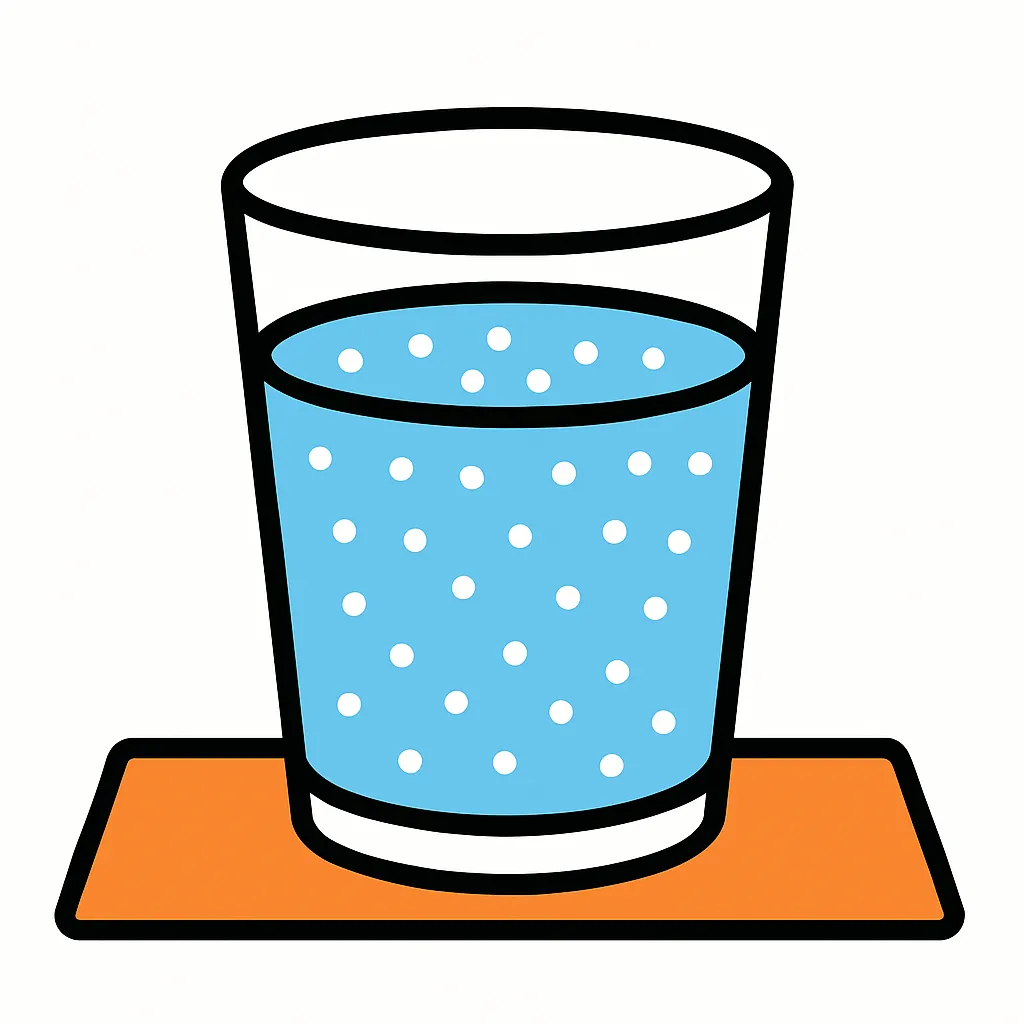
Vinegar is stirred into water until it cannot be seen. The mixture is then poured through a paper filter, but nothing collects on the filter paper. What does this show?
A colored drink solution is left open, and solid colored material remains after the water evaporates. What does this show?
A student stirs salt into a cup of water and into a cup of cooking oil. The salt disappears in the water but stays as grains in the oil. What does this show?
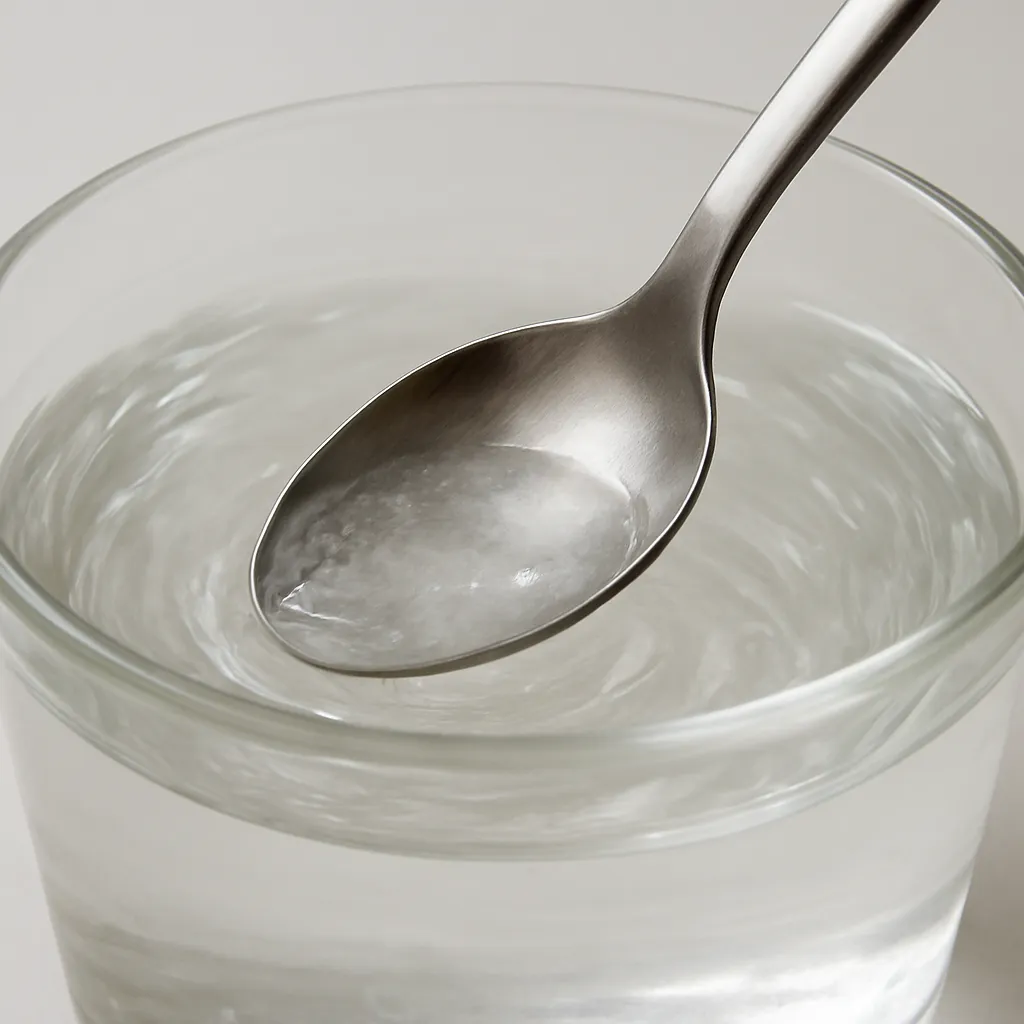
A paper filter catches sand from water but not dissolved sugar. Why does the sugar pass through?
Before dissolving, a bowl of water and a spoonful of Epsom salt together weigh 210 grams. After the Epsom salt fully dissolves, the bowl is weighed again on the same scale. What should the scale show?
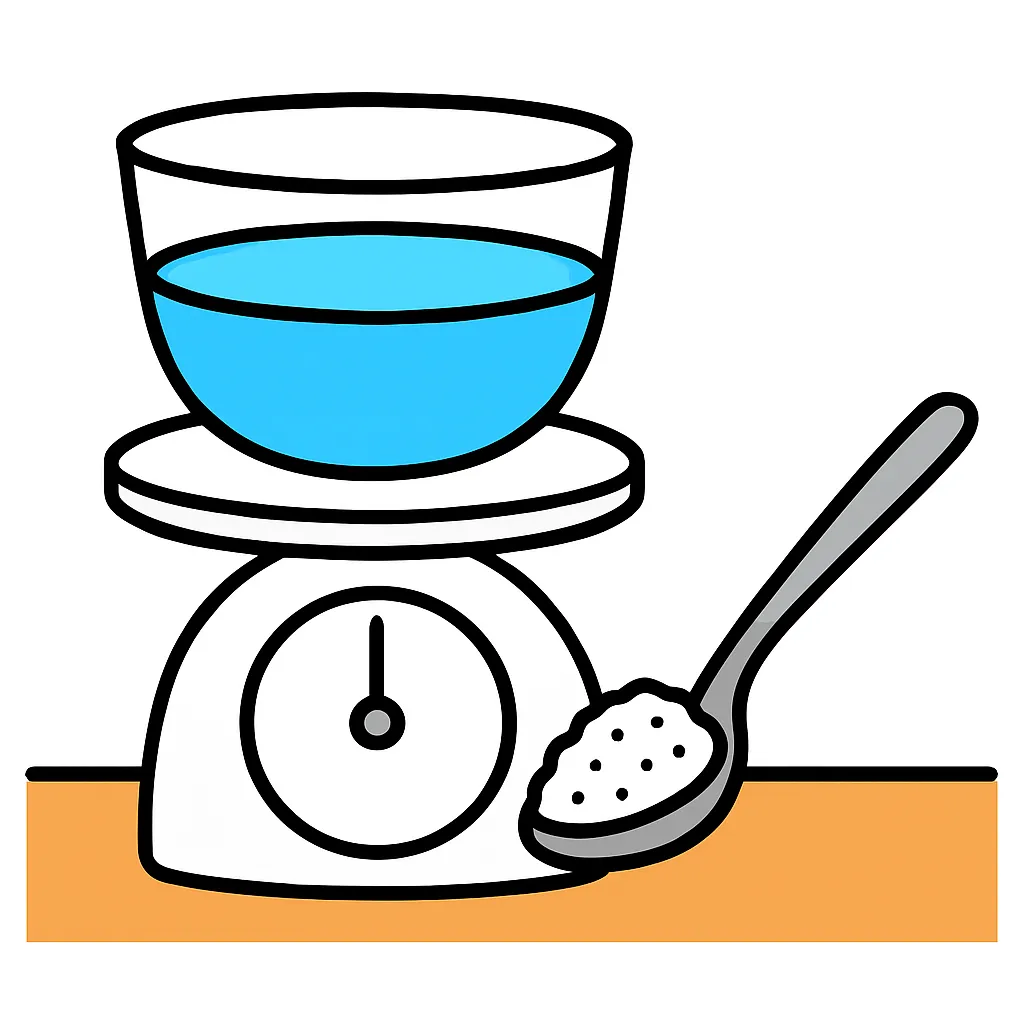
Fresh water is added to a salty solution, and it tastes less salty. What happened to the salt?
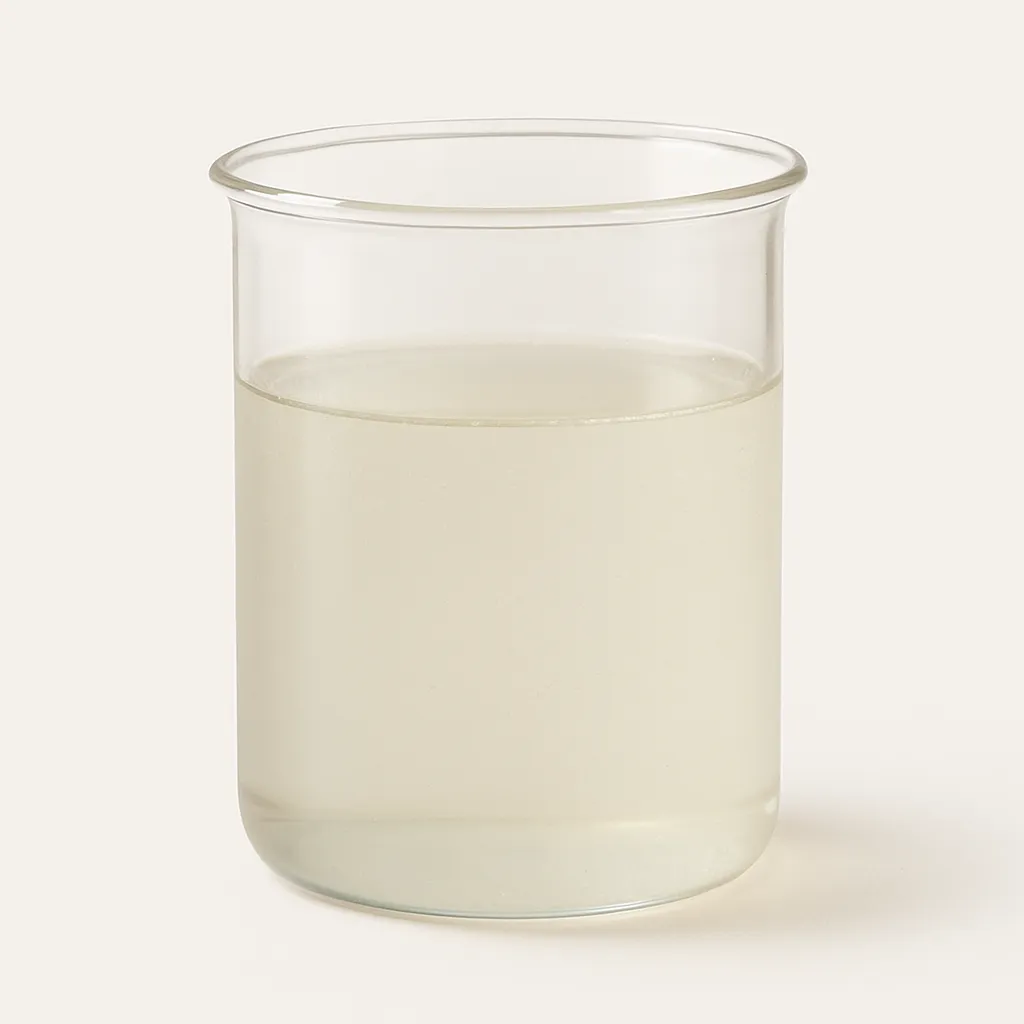
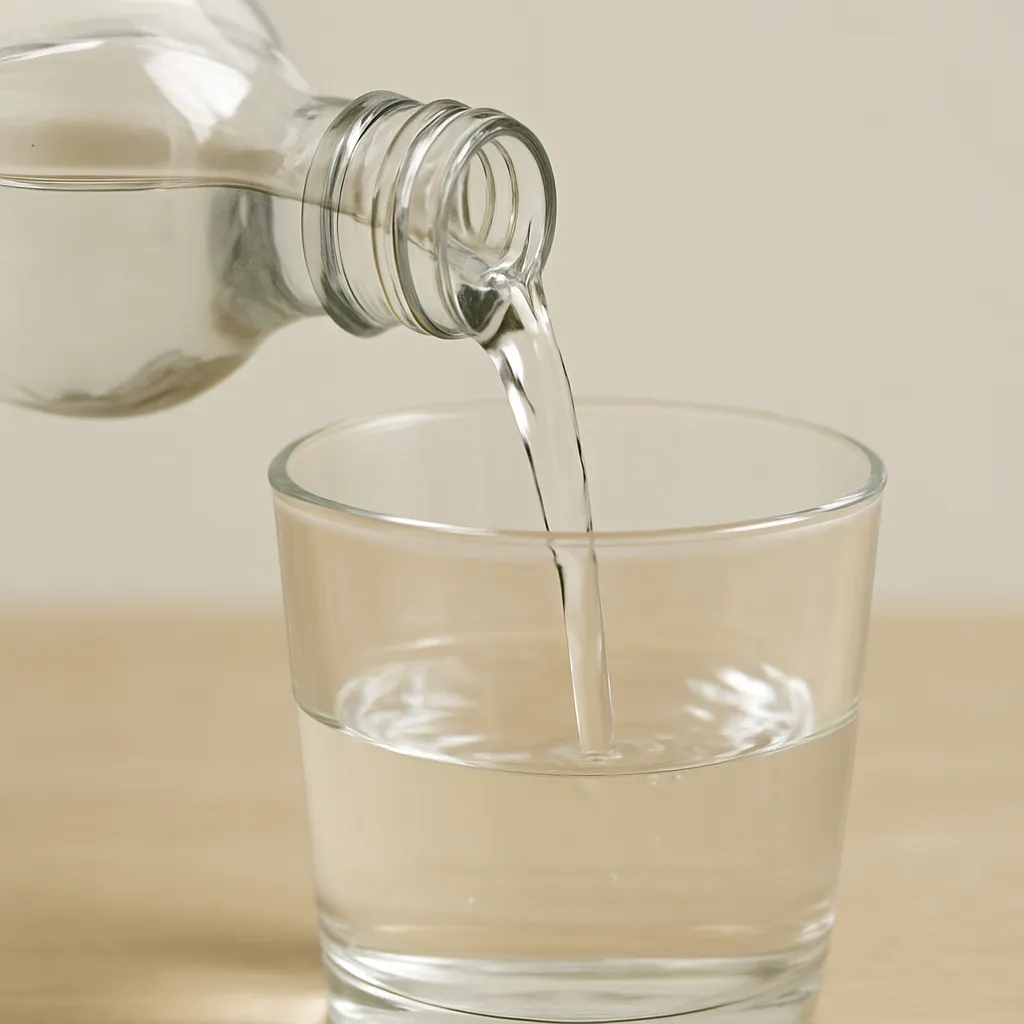
Vinegar is poured into water and stirred. The cup looks the same throughout with no layers. What formed?
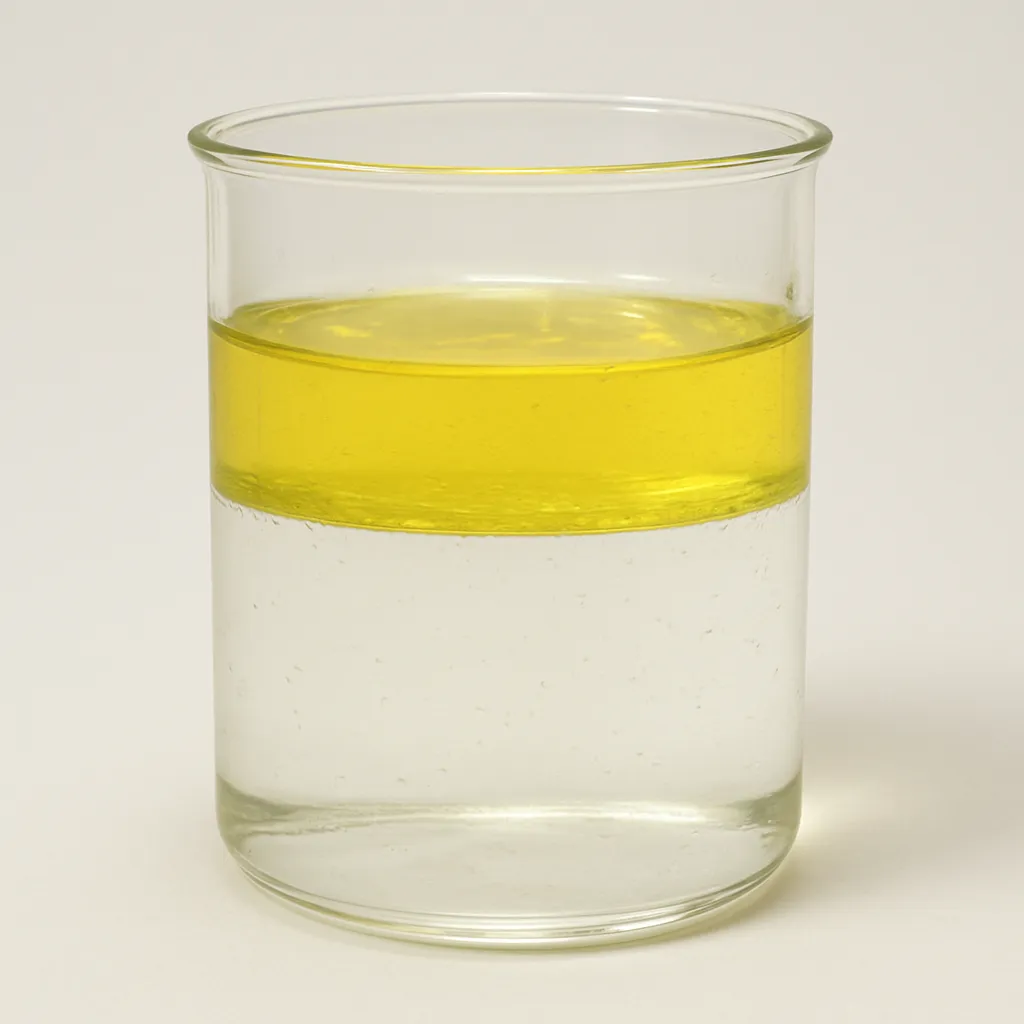
Cooking oil is poured into water, and a separate layer stays on top. Did a solution form?
Lemon juice is mixed into water until the whole cup looks the same. What best describes the mixture?
Oil and vinegar are shaken in a jar for dressing, but they separate again after sitting. What does this show?
Colored vinegar is stirred into water until the liquid is one even color. How does a spoonful from the top compare with a spoonful from the bottom?
Apple juice is stirred into water, and the drink looks the same throughout. What kind of mixture is this?
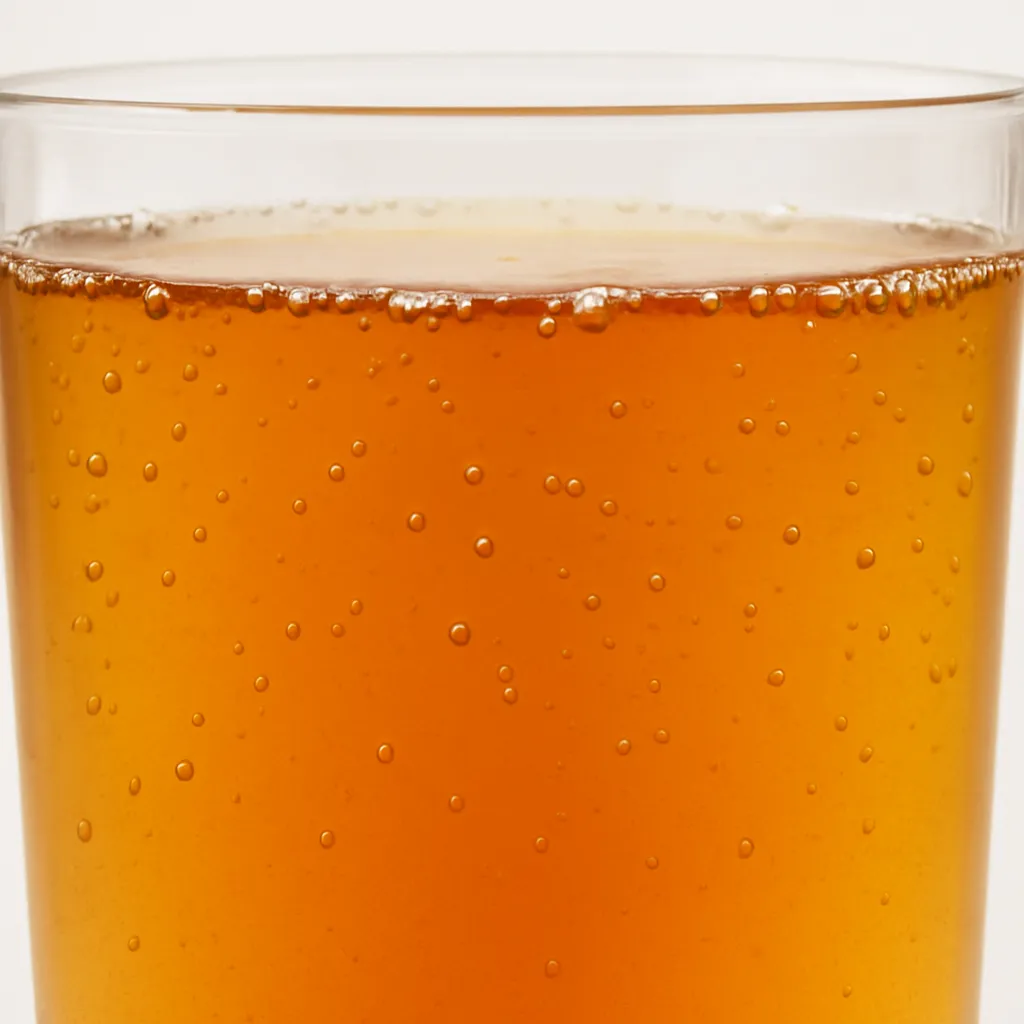
Cooking oil and water are shaken hard in a jar for one minute. Then the jar sits still. What will a student most likely see after a few minutes?
Water and vinegar stay evenly mixed, but oil and water separate into layers. How are the mixtures different?
Crack the passcode before the zombies get in.
Answer, then swat bugs for bonus points.
Race through questions at your own speed.
Same question on every screen. Fastest wins.

Pick a tile, answer, hit bonuses and steals.
Choosing and Reading Science Tools
40 questions