Loading
by BlastRoom
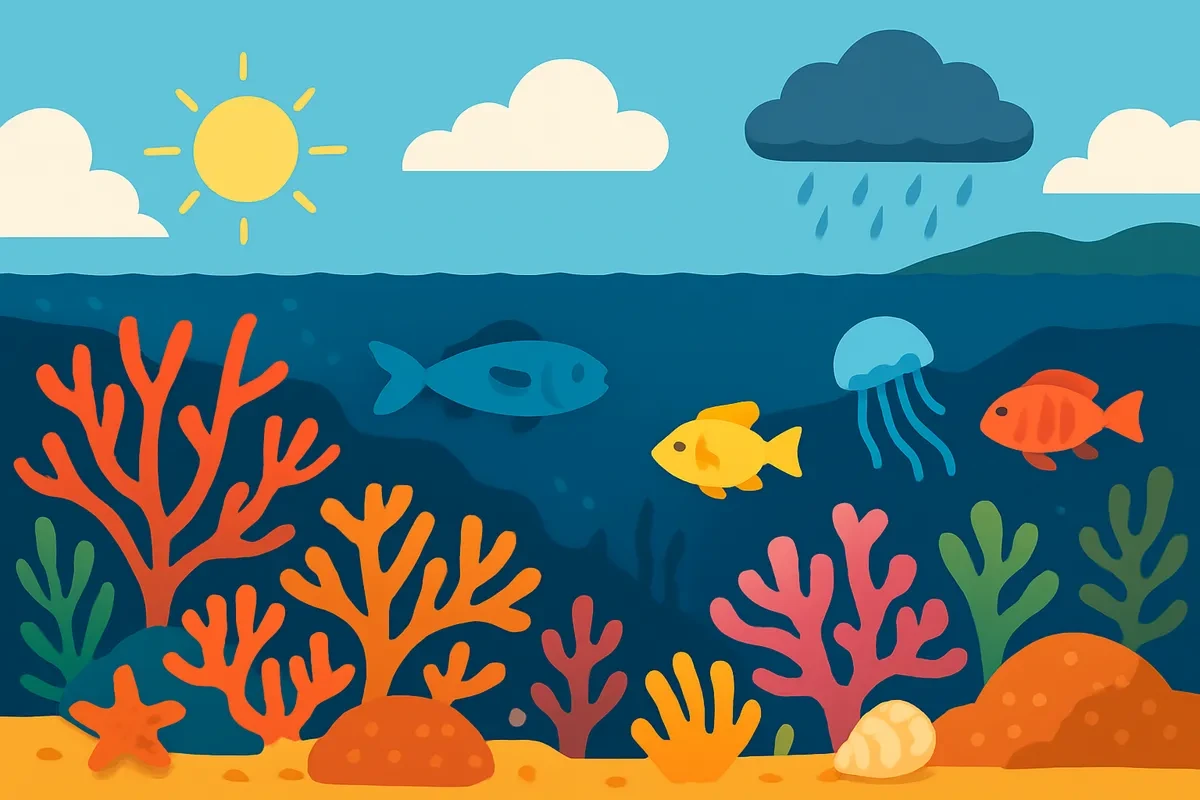
Explore how light, temperature, and pressure change with ocean depth, and how reef, estuary, and tide pool animals are suited to where they live.
#ocean#us_grade_4_science
40 questions
One question set, multiple game modes. Tap any game to see it in action. Not sure which to pick?
Mud washed off the land clouds the water above a coral reef for months, and the reef begins to die. Which condition of the reef's zone has the cloudy water taken away?
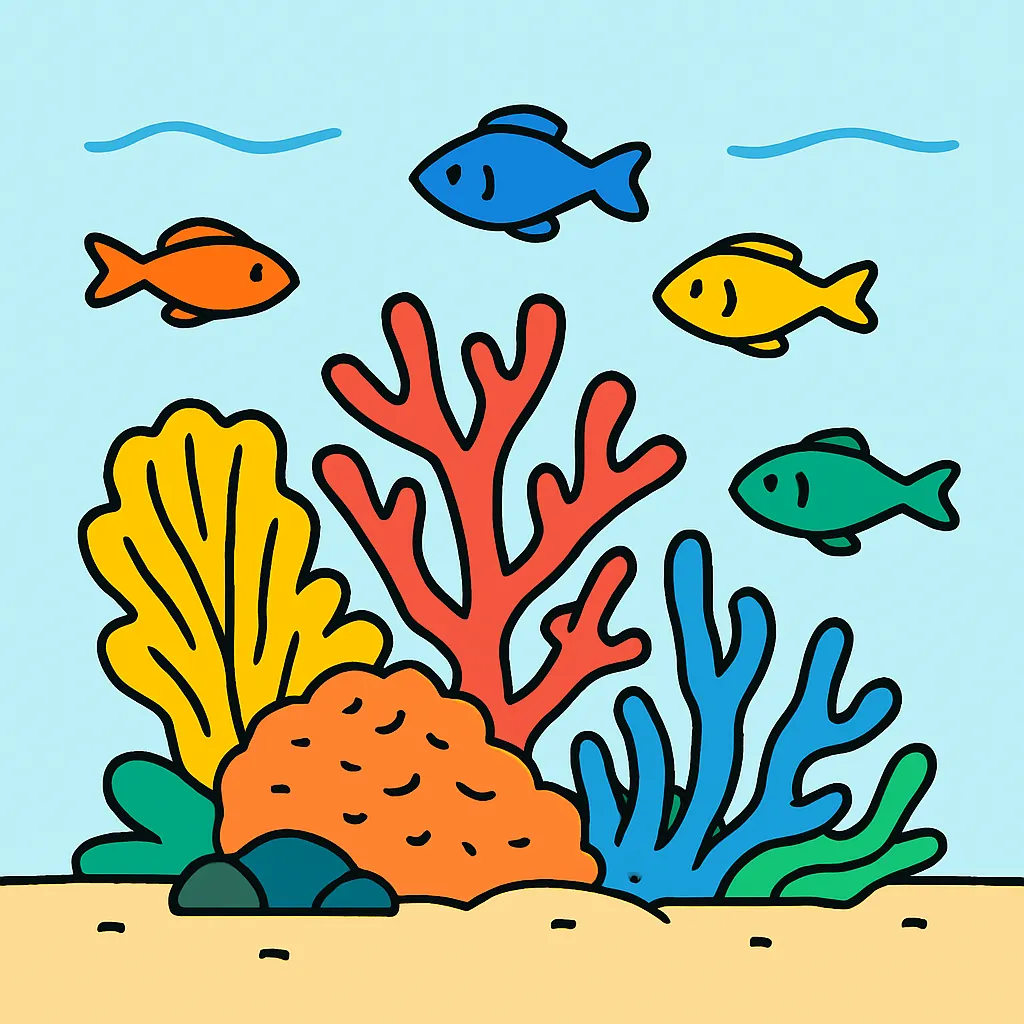
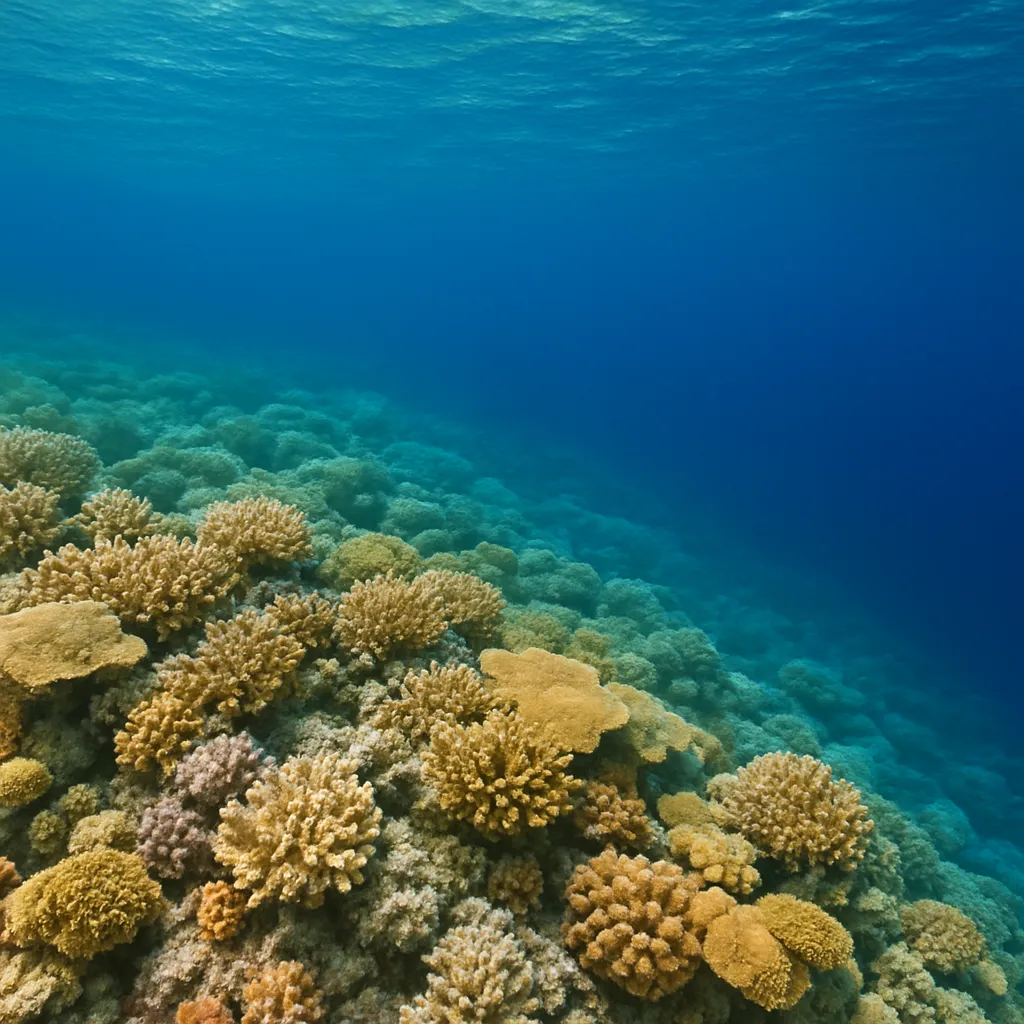
Reef-building coral grows best in one kind of ocean water. Which kind is it?
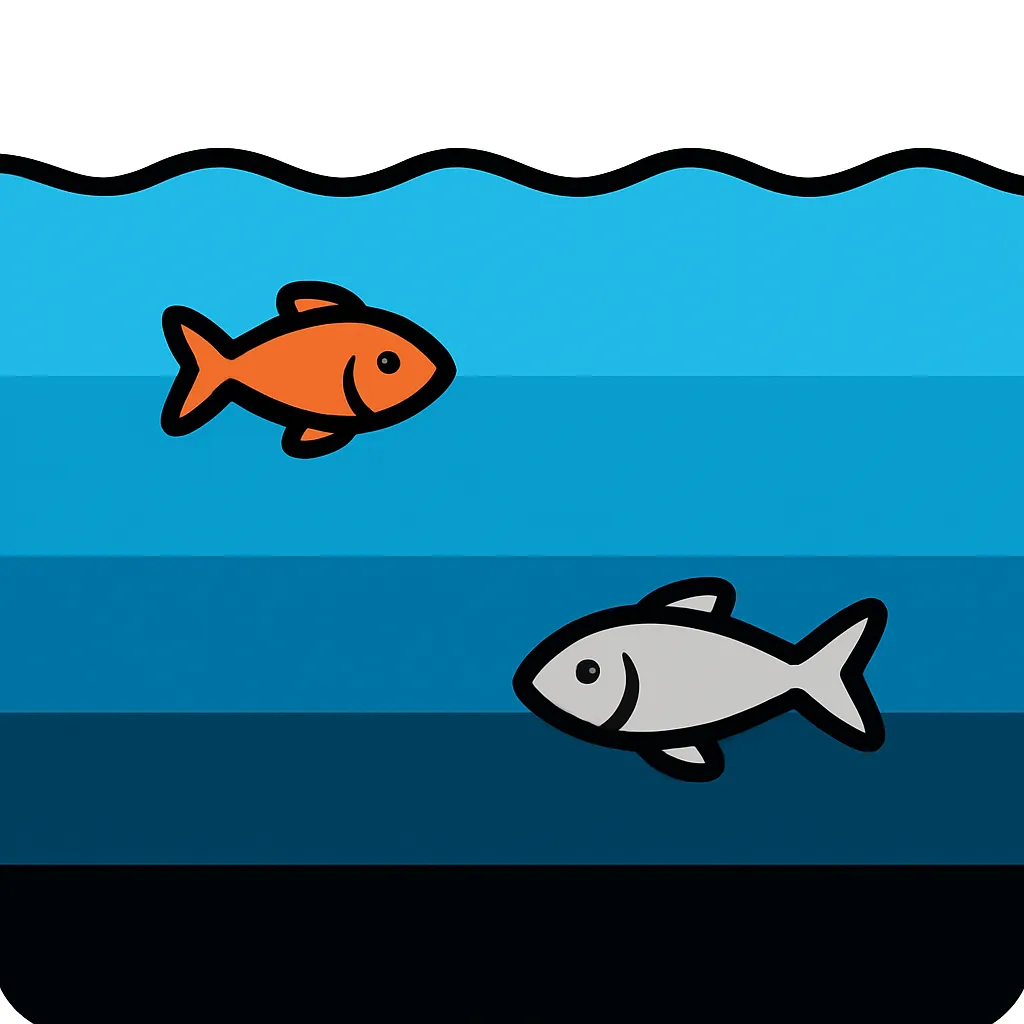
A diver leaves the sunny surface and swims down toward the ocean floor. What happens to the sunlight as the depth increases?

A submarine dives from the surface down into a deep part of the ocean. What happens to the water pressure pushing on the submarine?
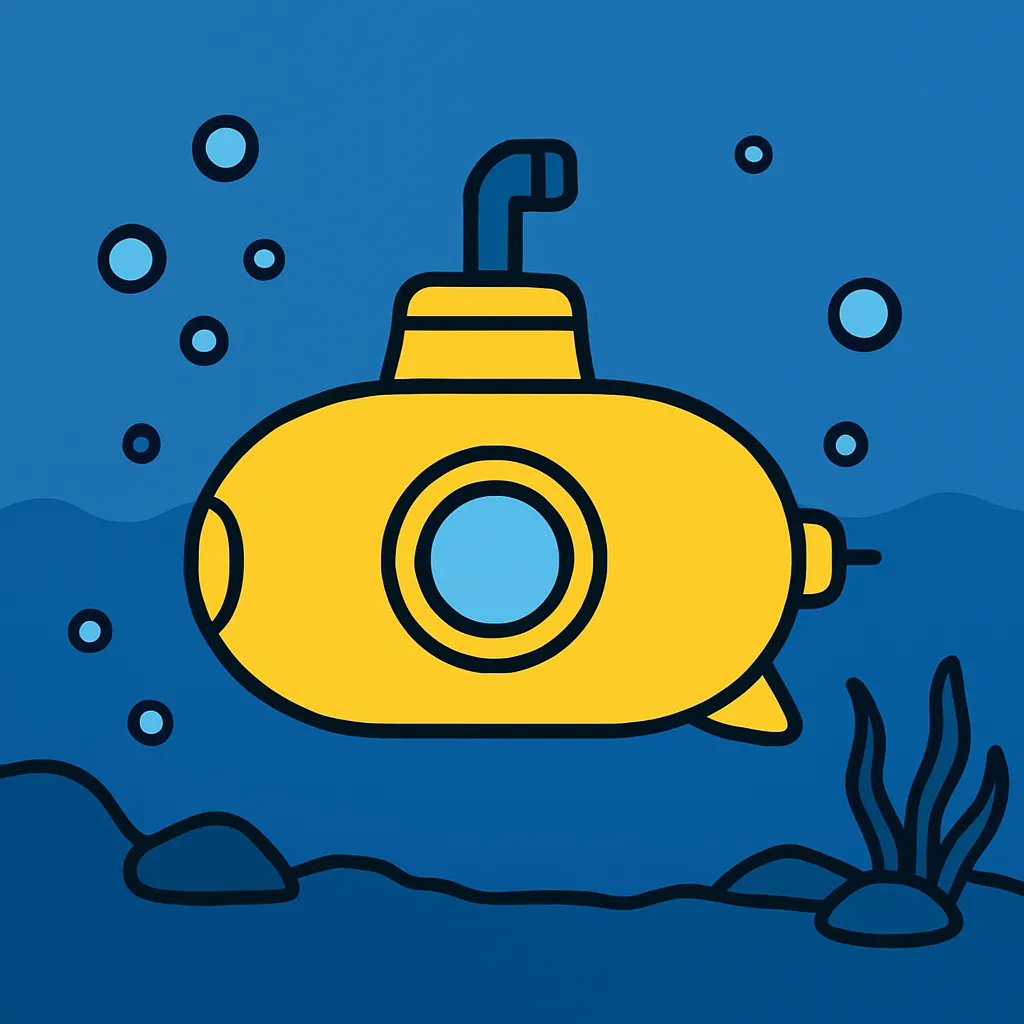
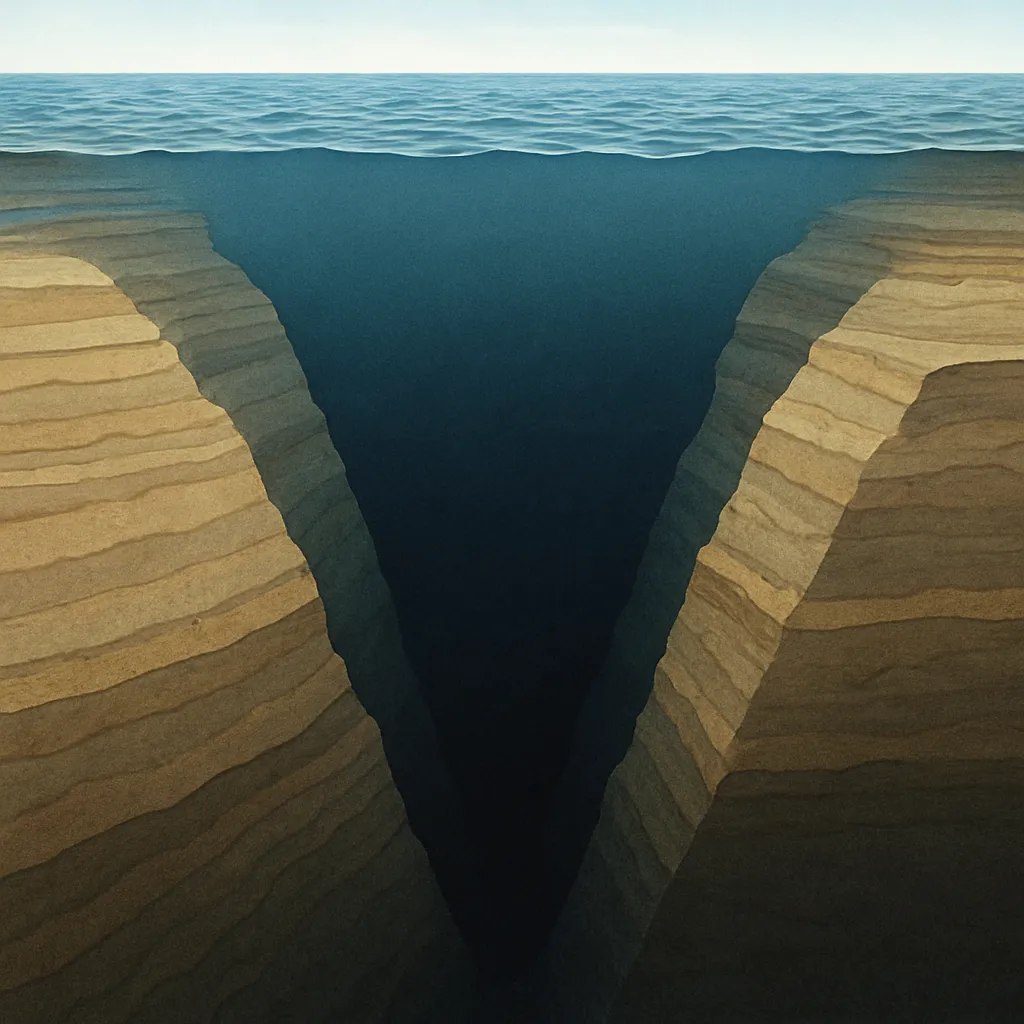
The water at the bottom of a deep ocean trench is dark and cold.
An estuary is the place where a river empties into the ocean. How does the salinity of estuary water compare with the salinity of the open ocean?
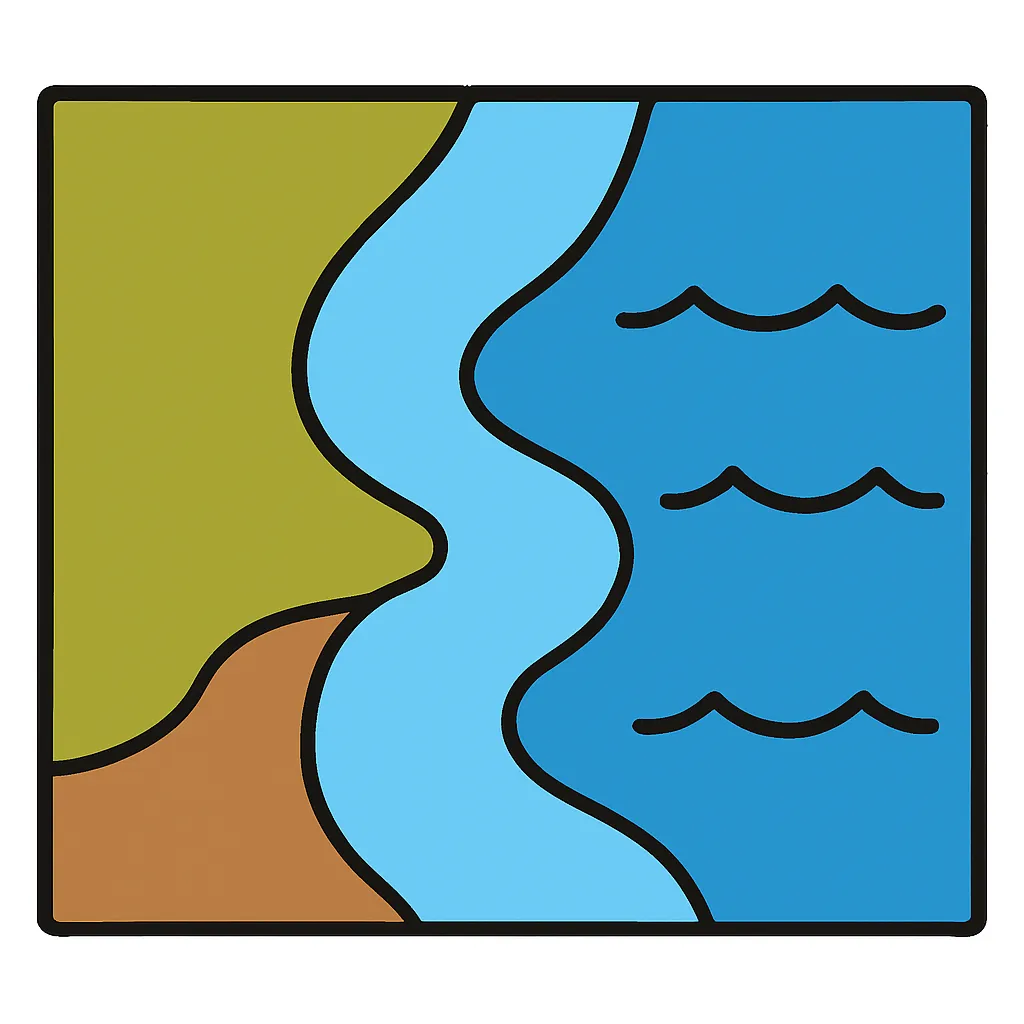
Many young fish grow up in an estuary before they move out into the open ocean. What does the estuary provide that helps them survive while they are small?
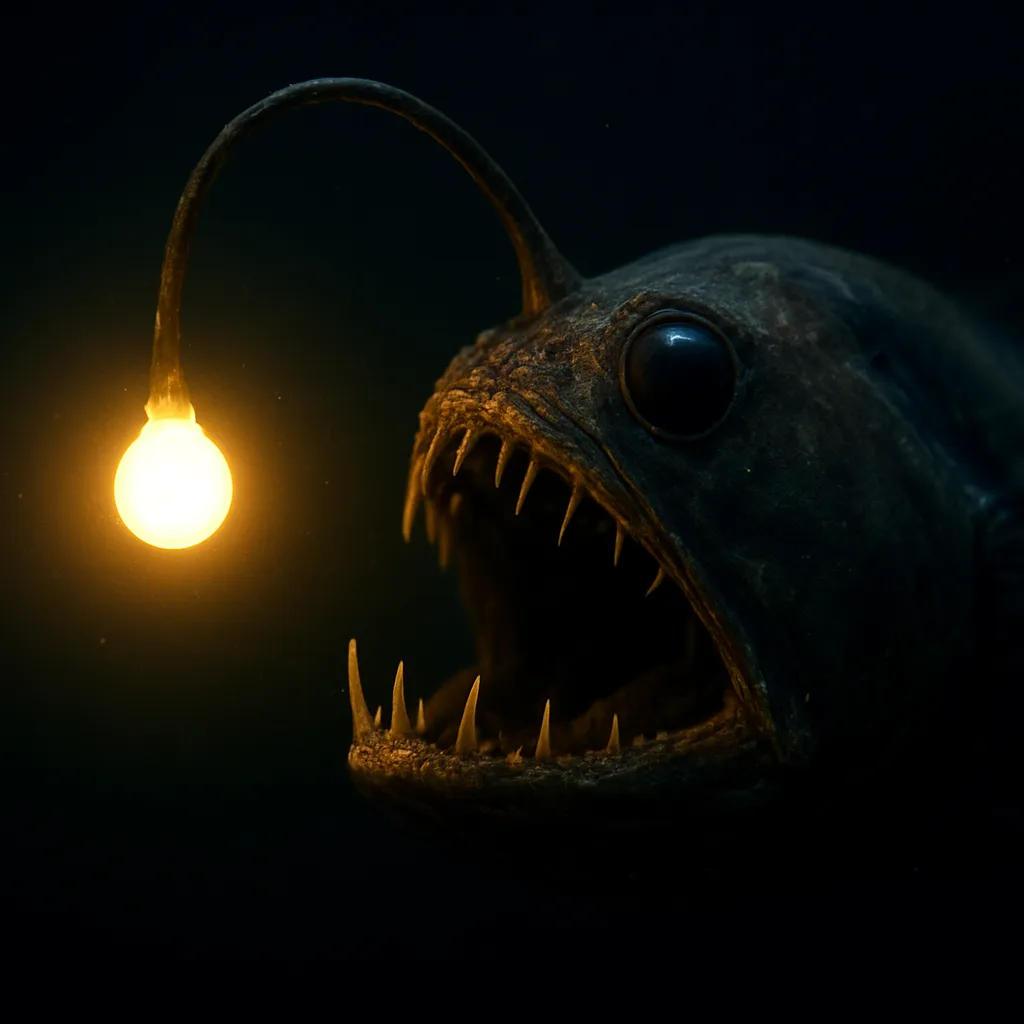
An anglerfish has a glowing lure that dangles in front of its mouth to attract prey. In which ocean zone does the anglerfish most likely live?
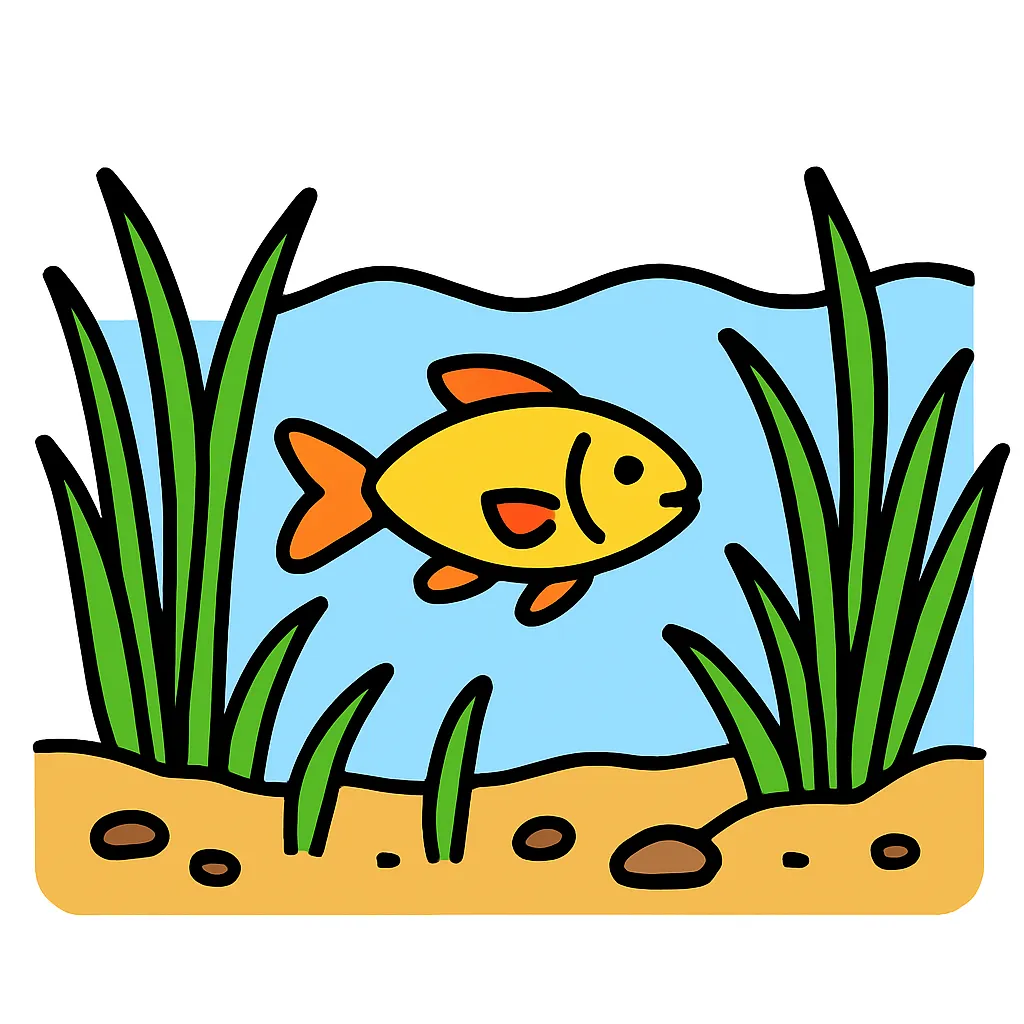
A fish called the barreleye has huge, upward-pointing eyes that gather every last bit of light. What does this feature suggest about where it lives?
True or False: A fish with no eyes at all most likely lives in the sunlit zone near the ocean surface.
The ocean water around a reef stays too hot for weeks, and the coral turns white. What has happened to the coral?
Which ocean zone gets the most sunlight?
Phytoplankton drift near the ocean surface and cannot survive if they sink too deep. Which condition stops them from living farther down?
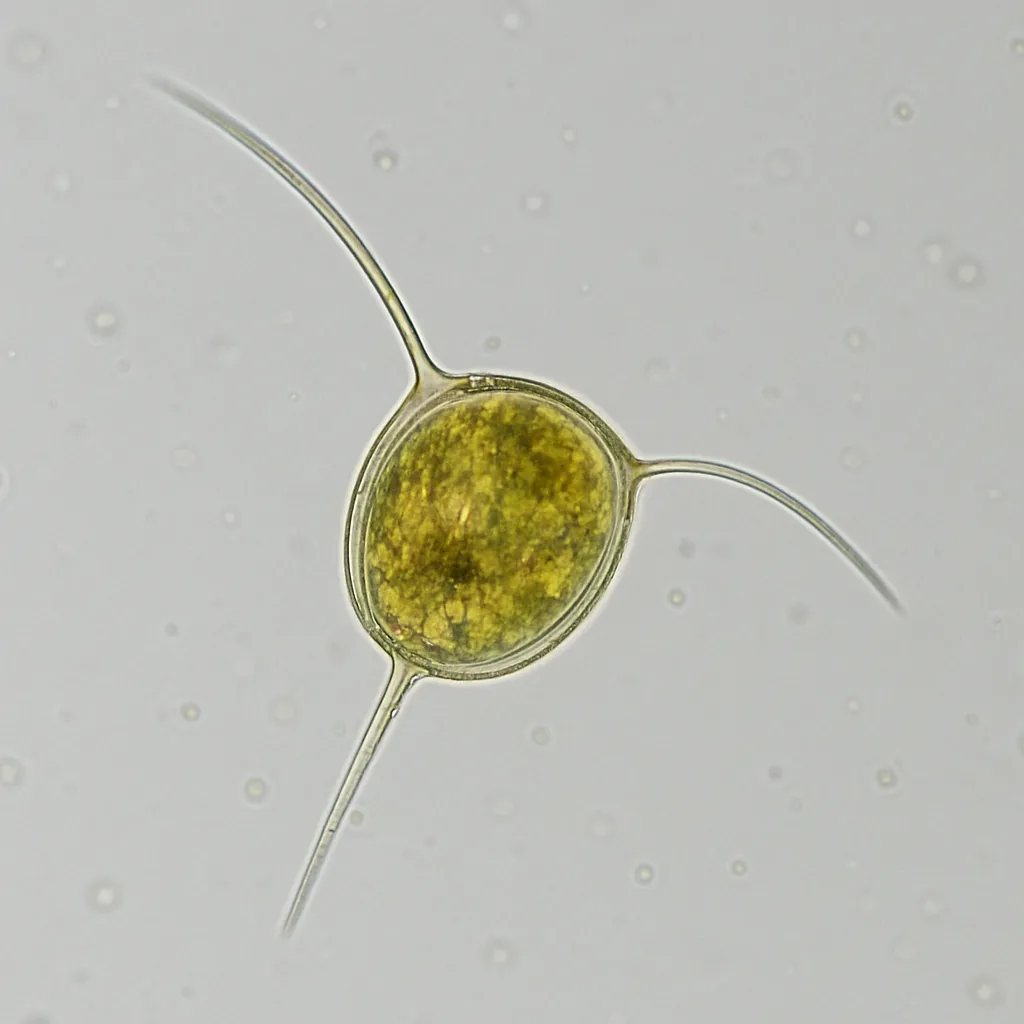
Reef-building coral cannot grow past a certain depth, even though the water there is otherwise calm and full of nutrients. What stops coral from growing deeper?
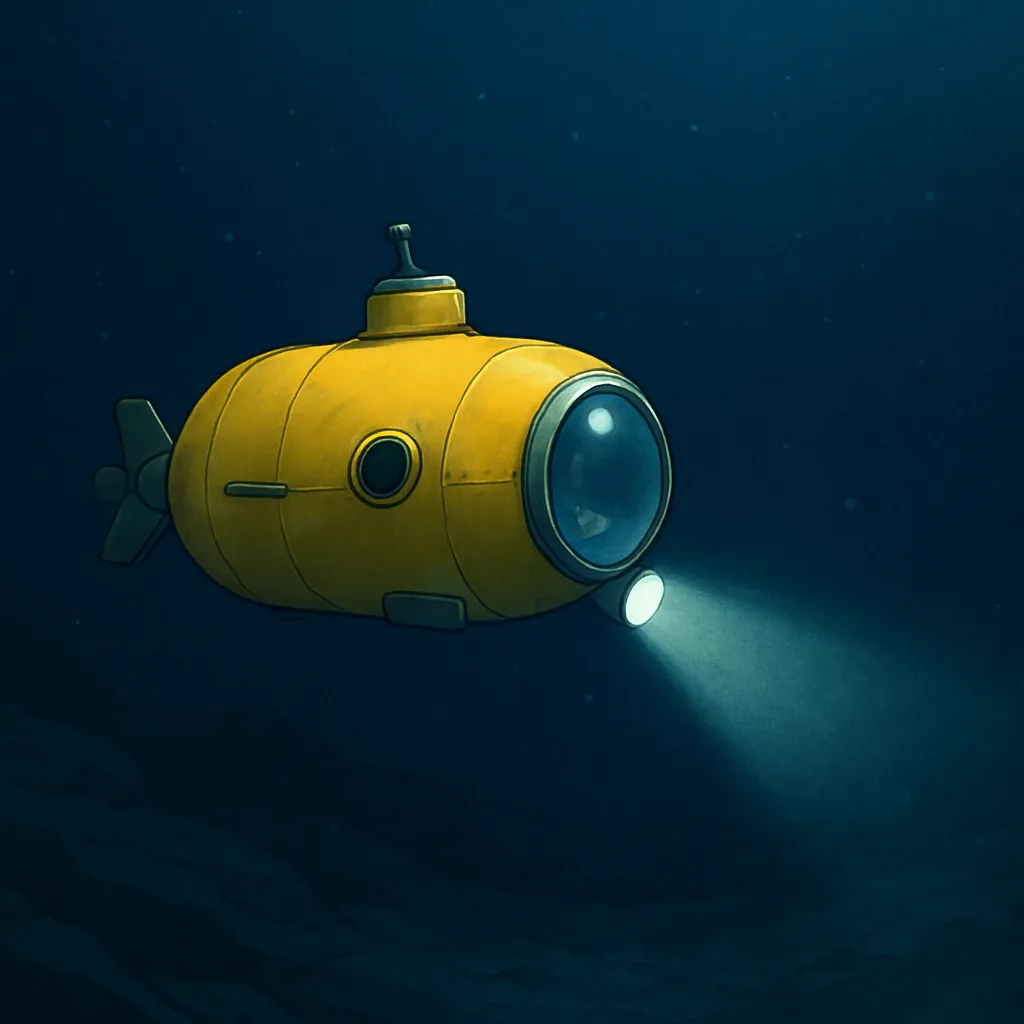
A submarine explores far below where any sunlight reaches. Its thick, strong hull keeps the crew safe. What danger does the strong hull mainly protect them from?
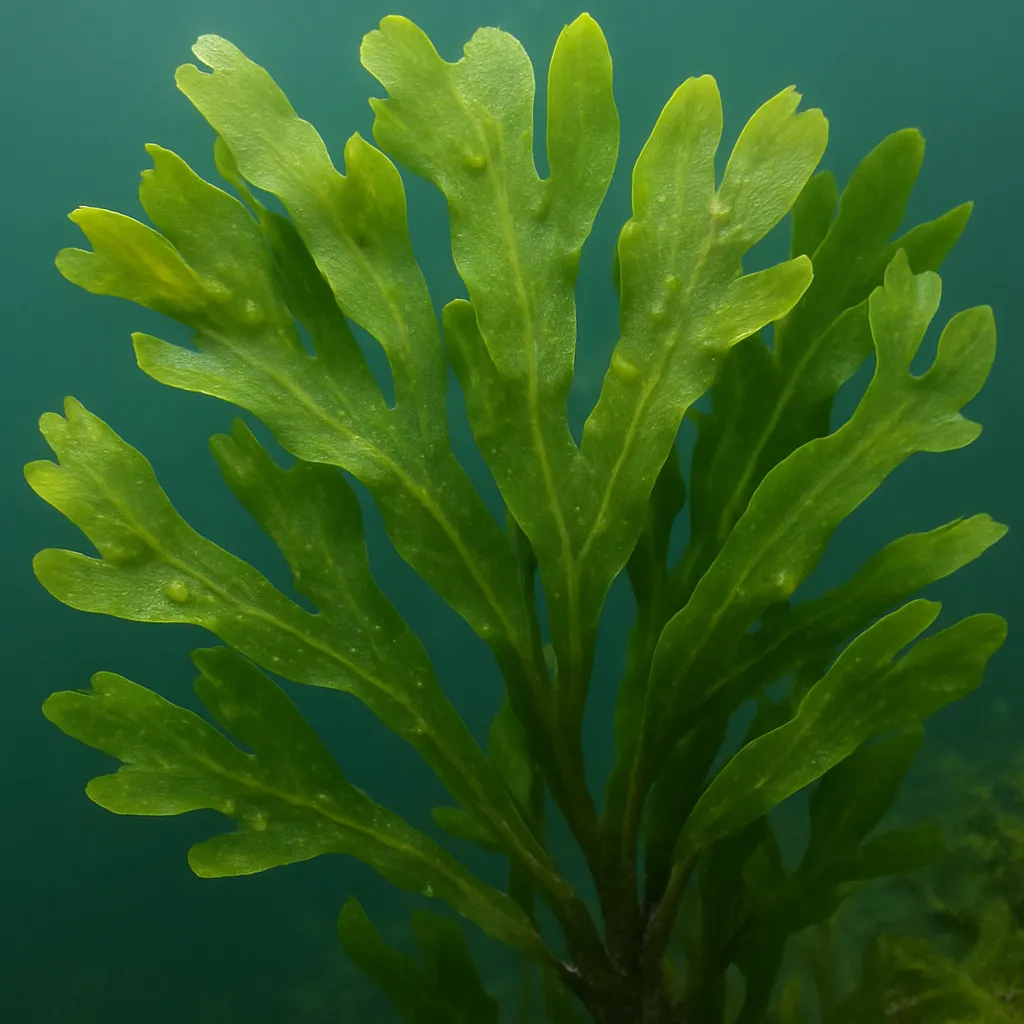
Seaweed that photosynthesizes is common in shallow water along the coast but is never found growing on the deep ocean floor. What is the best explanation?
A tube worm living near a hot-water vent on the seafloor has no eyes and gets its energy from chemicals instead of sunlight. In which zone does this worm most likely live?
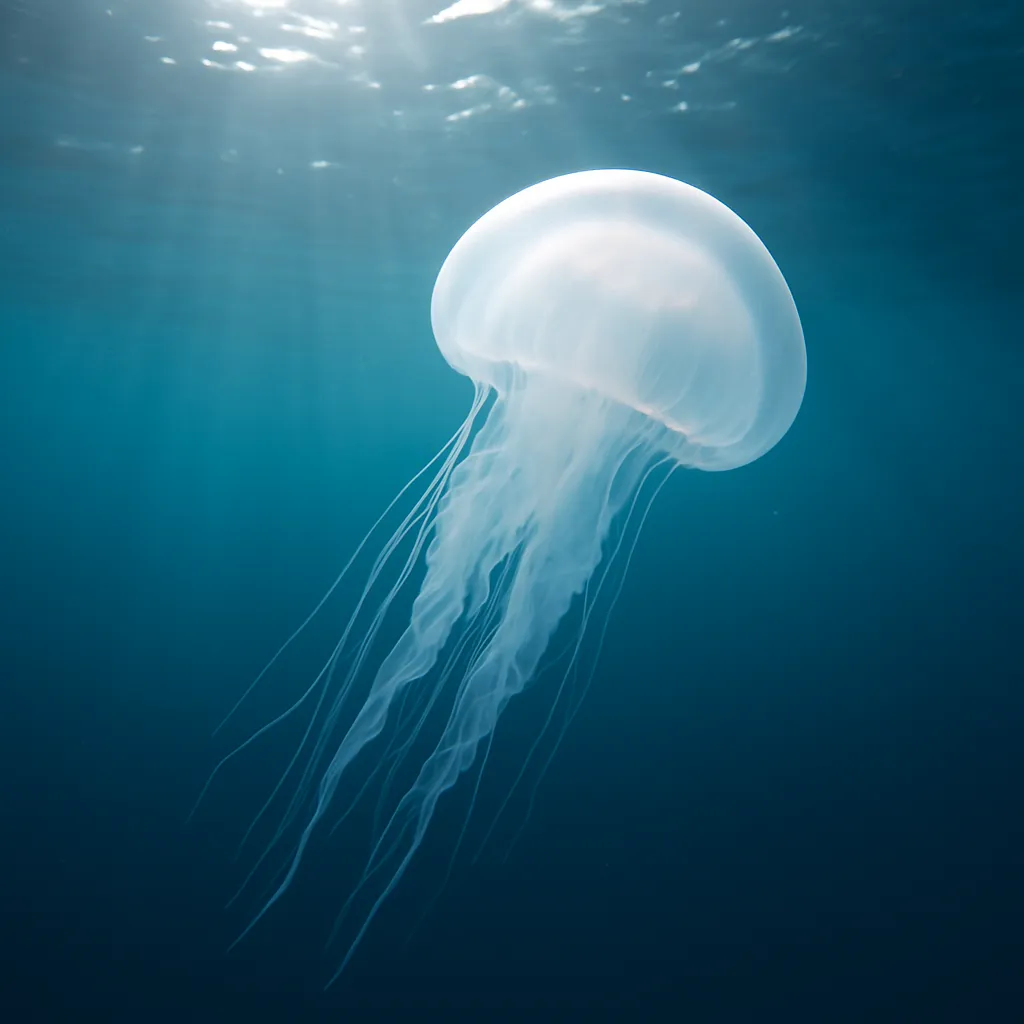
A jellyfish has long, thin tentacles that hang below its body. How do the tentacles help it survive?
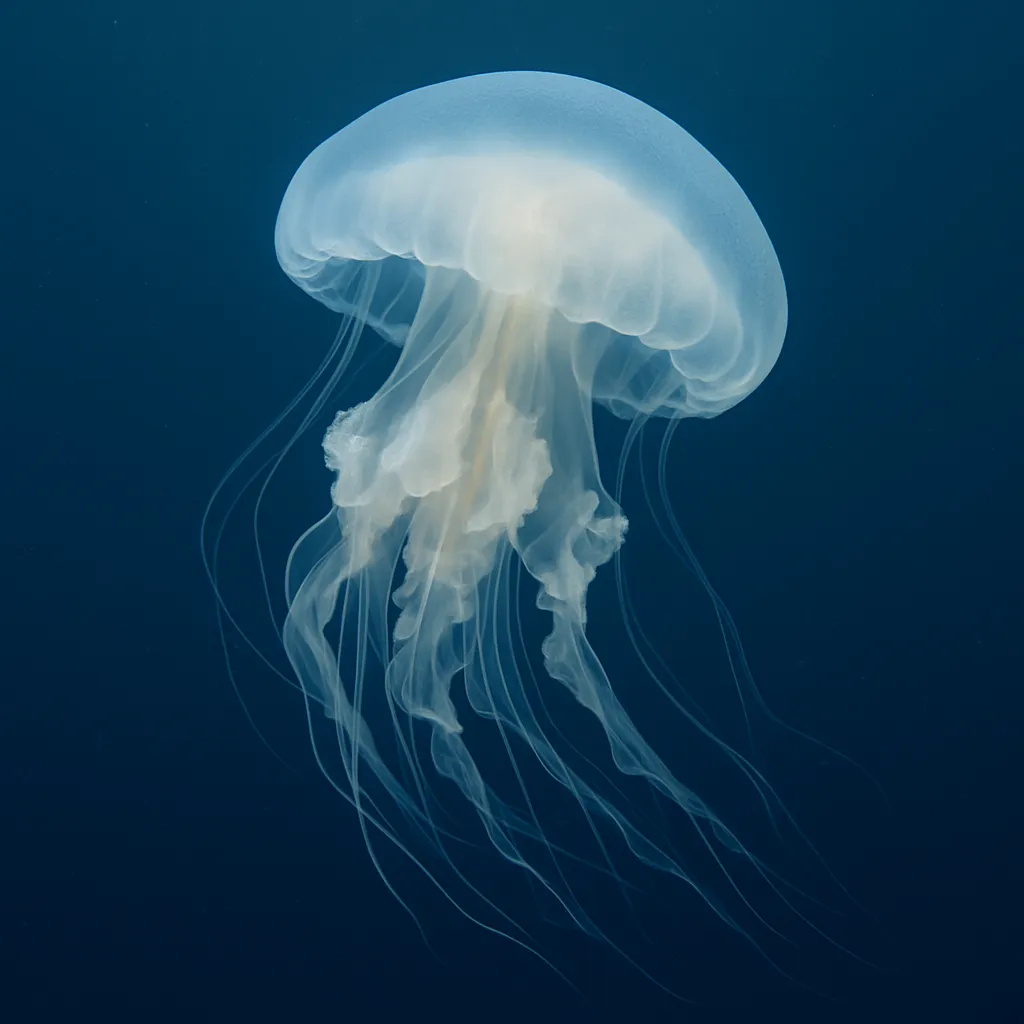
A fish that lives near the ocean surface is brightly colored, while a fish that lives in the deep zone is often plain silver, black, or red. What does this difference in coloring suggest?
True or False: Tiny algae and plants near the ocean surface make food that many other ocean animals depend on.
Sea turtles can dive deep to find food, but they must keep coming back to the surface. Why do they need to come back up?
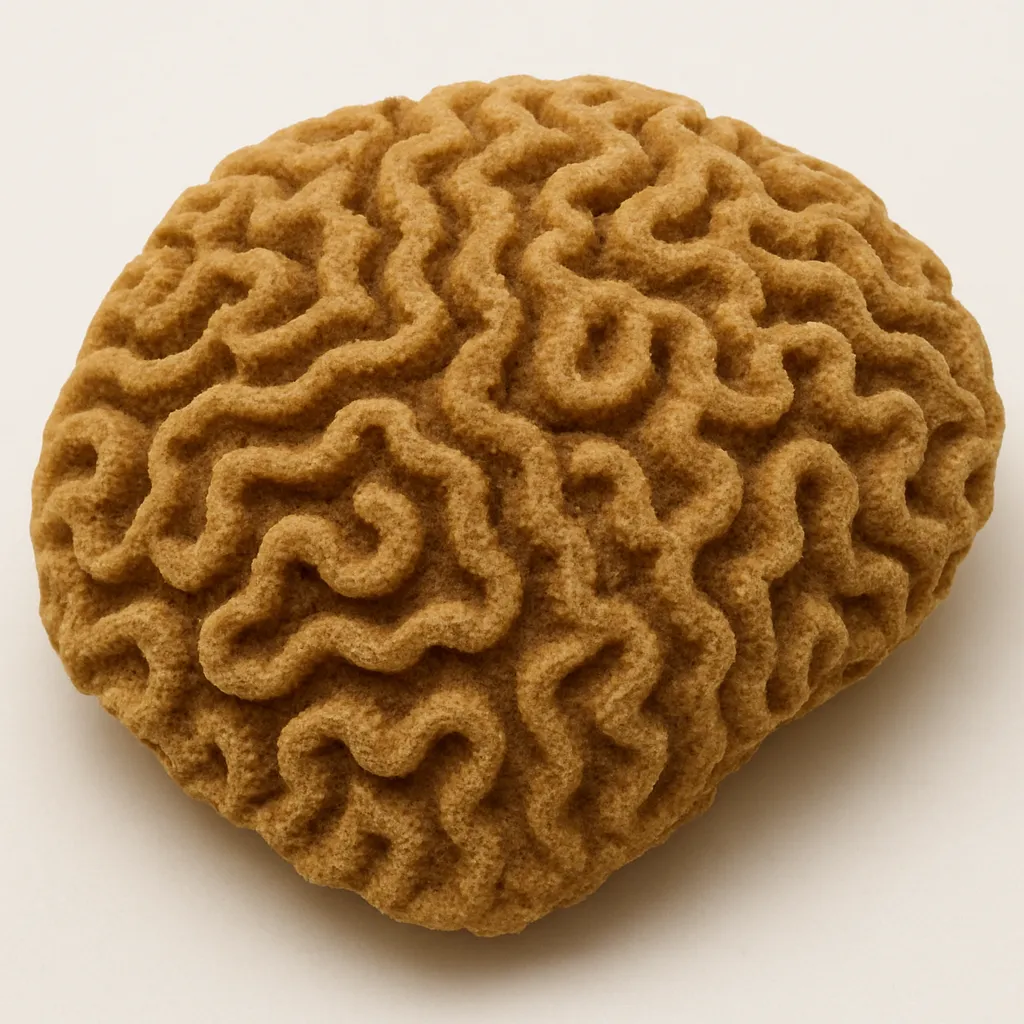
Coral like this looks like a rock, but coral reefs are built by living things. What builds a coral reef?
Seals and walruses swim in icy ocean water near the North Pole. How does their thick layer of fat, called blubber, help them survive?
A remotely operated vehicle (ROV) explores the ocean at a depth of 3,000 meters. Which condition would scientists expect to measure there?
True or False: At low tide, the water in a tide pool can get warmer and saltier as the Sun heats it and some of the water evaporates.
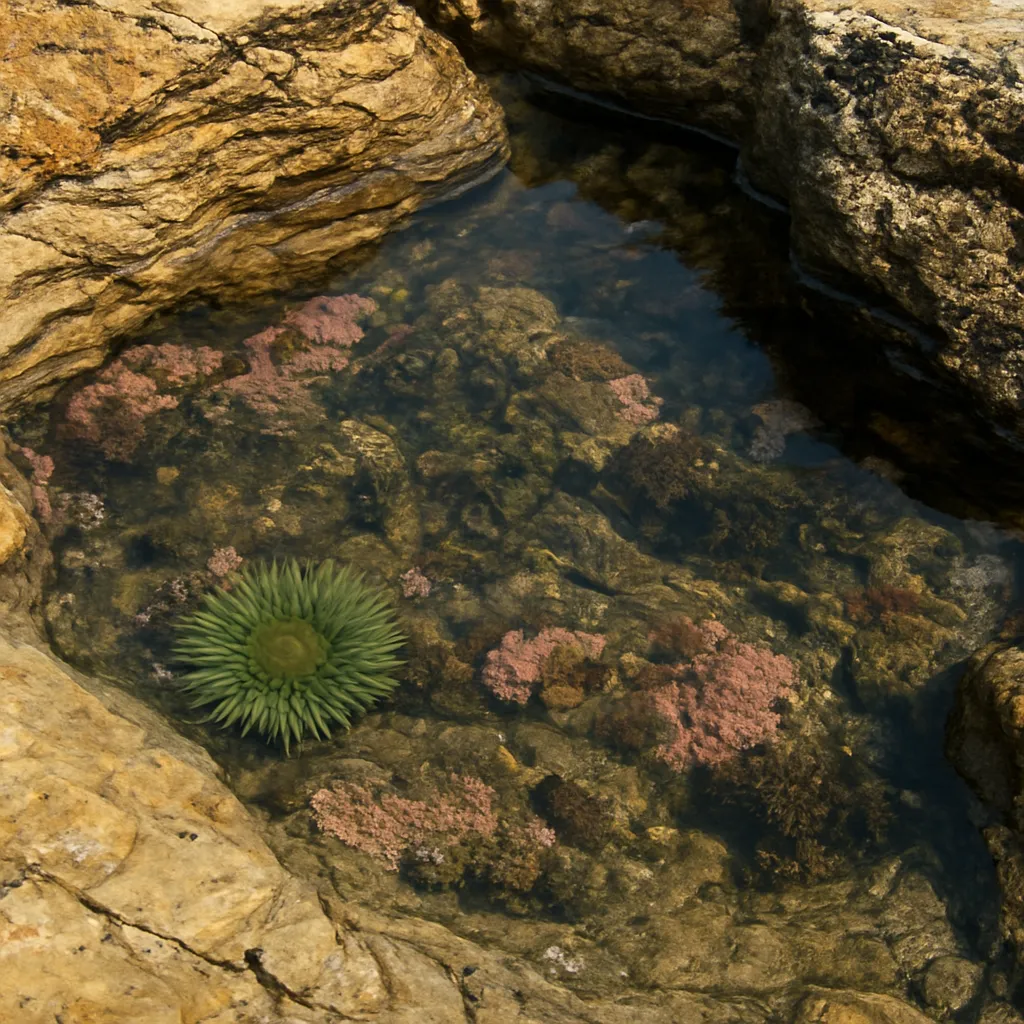
A crab that lives in a tide pool must survive being fully underwater at high tide and exposed to air and sun at low tide. Which zone does this describe?
A fish living in the twilight zone can see a little in the dim light but could not survive the crushing pressure of the deepest trenches. What does this tell you about the twilight zone?
A sea star in a tide pool holds tightly to the rocks with hundreds of tiny tube feet. How does this help it survive?
A certain jellyfish is common in the sunlit zone but is never found living below about 1,000 meters. Which change with depth best explains this limit?
Kelp has a root-like part called a holdfast that grips rocks on the seafloor. What does the holdfast do for the kelp?

A species of octopus lives its whole life below 2,000 meters and would die if it swam up into the sunlit zone for very long. What is the most likely reason?
Two fish live in the same ocean but at very different depths. The fish near the surface can see well by daylight, while the fish 1,500 meters down lives in total darkness. What explains this difference?
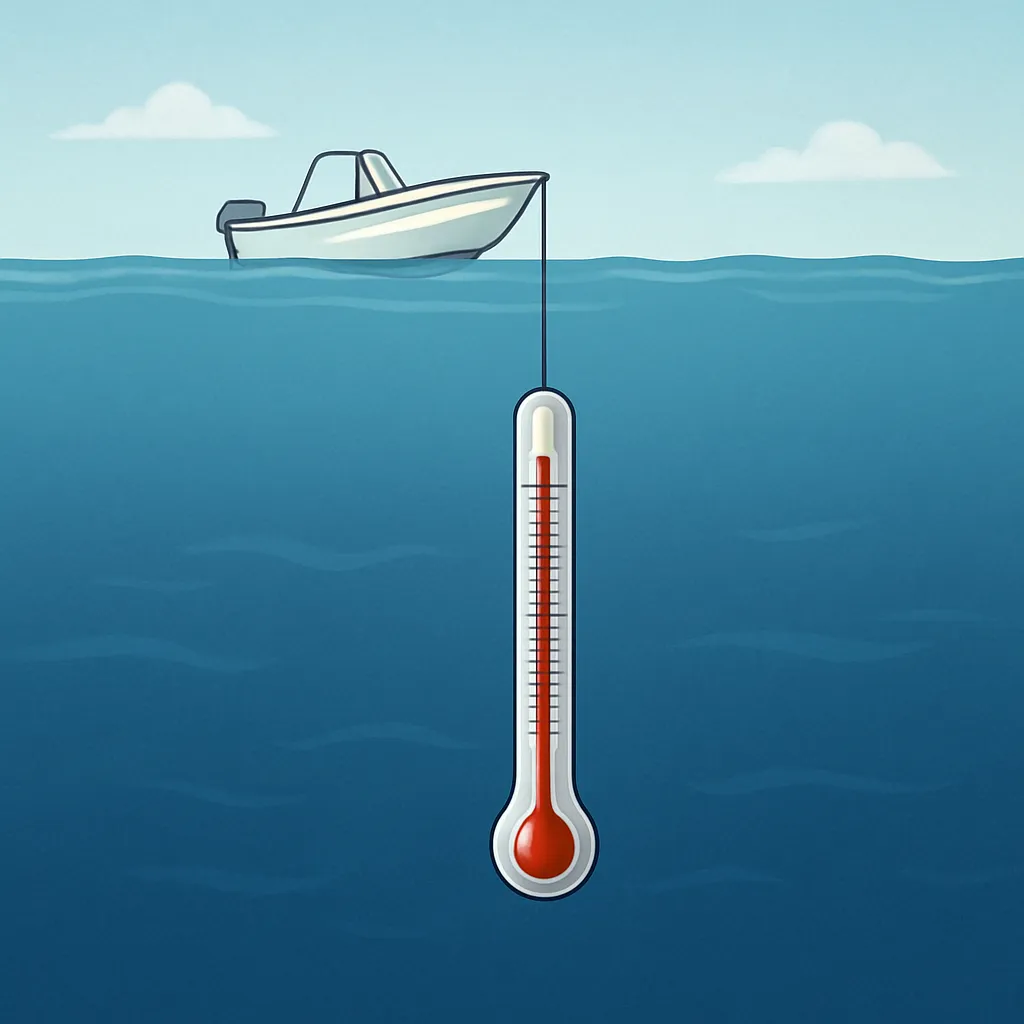
Scientists lower a thermometer from a boat and record the temperature every 200 meters as it sinks toward the ocean floor. What pattern will the readings most likely show?
True or False: Ocean water is salty, so most fish from a freshwater lake could not live in the ocean.
What is an estuary?
Thick marsh grasses grow along the muddy edges of an estuary. How do these plants help the estuary?
Animals live at the bottom of deep trenches like this one. How do many of them get food?
True or False: An estuary's salinity can change throughout the day as tides bring in ocean water and a river adds fresh water.
After several days of heavy rain, a river pours much more fresh water than usual into an estuary. What most likely happens to the estuary water?
A coral reef forms in warm, shallow, sunlit water, while an estuary forms where a river meets the ocean. What do both habitats have in common?
Crack the passcode before the zombies get in.

Pick a tile, answer, hit bonuses and steals.
Gravity, Friction, and How Forces Act
40 questions