Loading
by BlastRoom
Explain how charge builds up, moves, or stays blocked in common electricity situations.
#us_grade_7_science

20 questions
One question set, multiple game modes. Tap any game to see it in action. Not sure which to pick?
Answer to place stones and capture territory.
Outrun the snow together.
Earn blasts, then hunt the other team.
Answer to earn energy, then climb.

The class blasts through walls together.
Bid on mystery lots. Most money wins.
Sell tours. Nice, standard, or a total scam.

Answer, restock, and serve the rush.
More correct answers pulls the rope your way.
Answer, then shoot down the alien wave.
Answer, then tap to leap the frozen ridge.
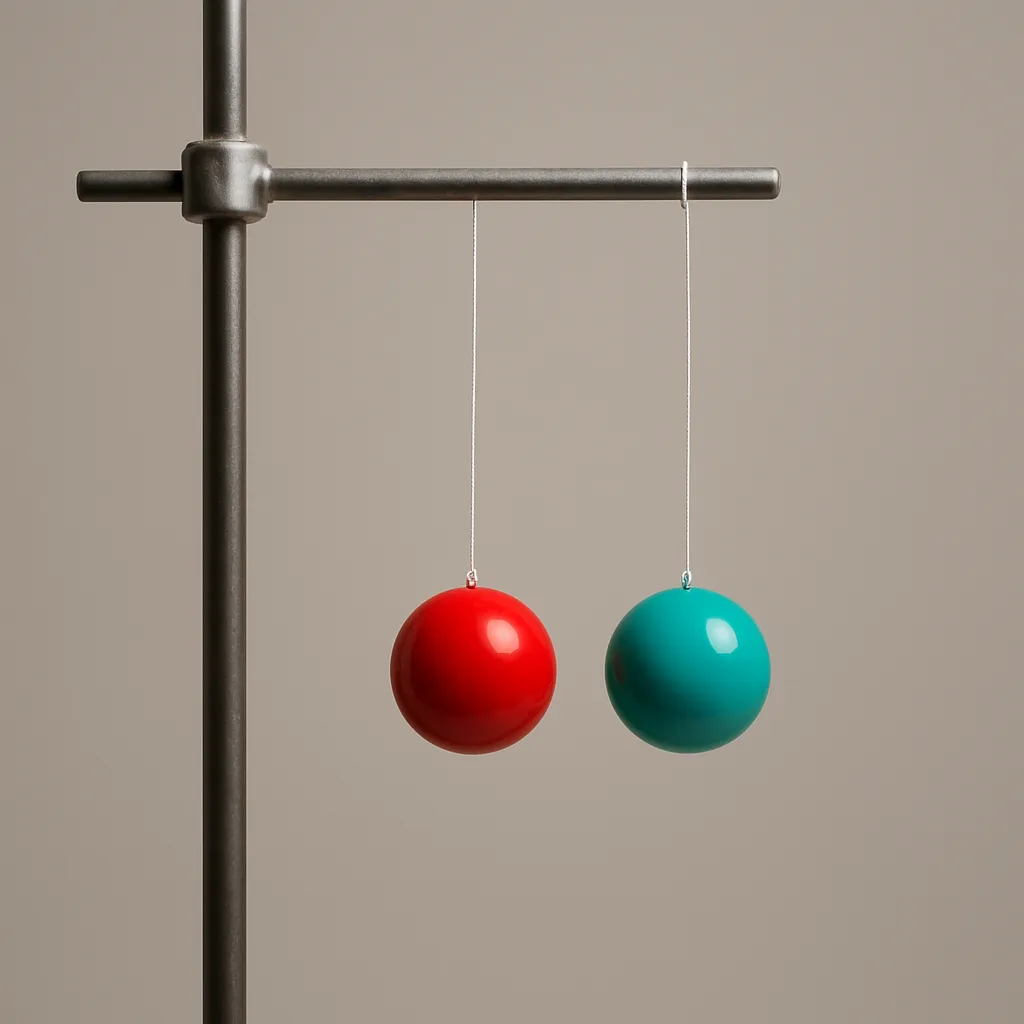
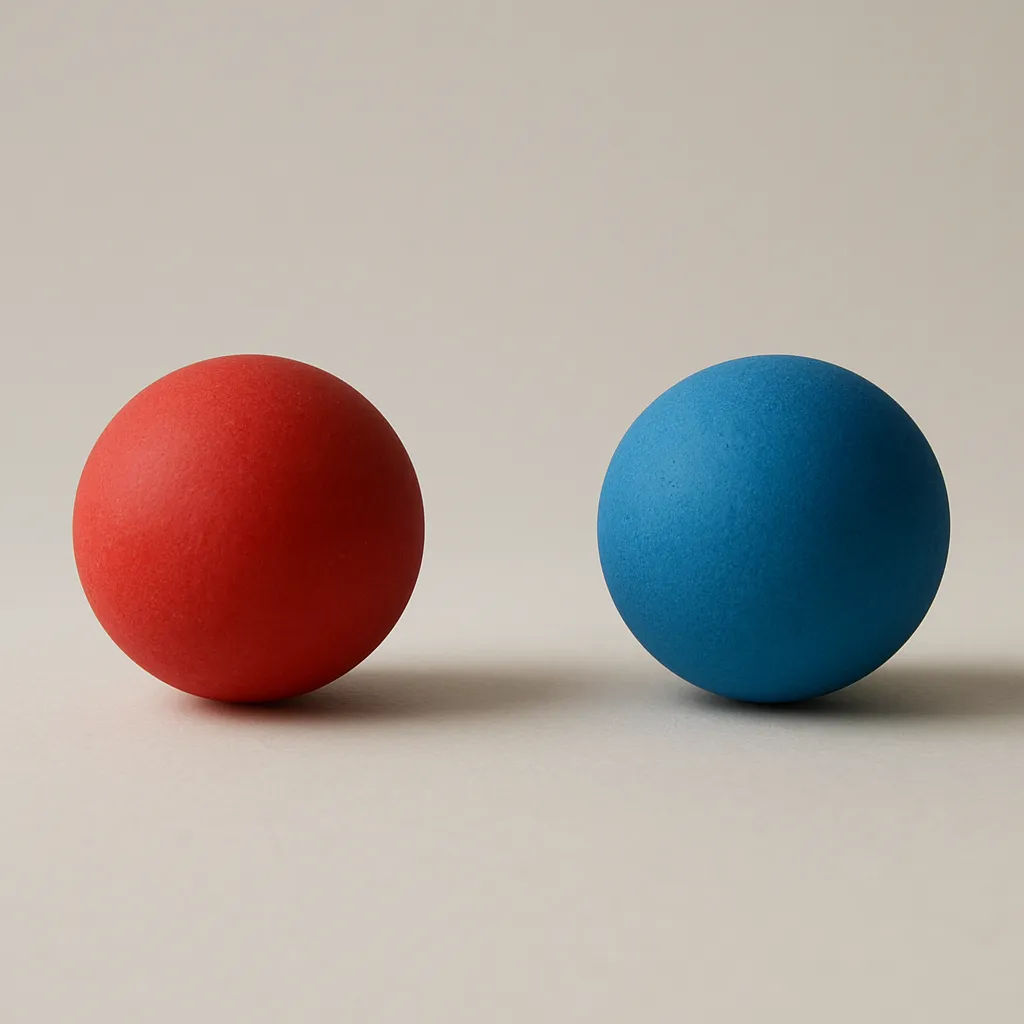
Two plastic spheres hang from threads. Both have gained extra electrons. When they are brought close without touching, what will they do?
A glass rod is rubbed with silk and becomes positively charged. A small ball has extra electrons. What happens when the rod is held near the ball?

Two balloons are each labeled as having net positive charge. They are released close together on strings. What interaction should be observed?

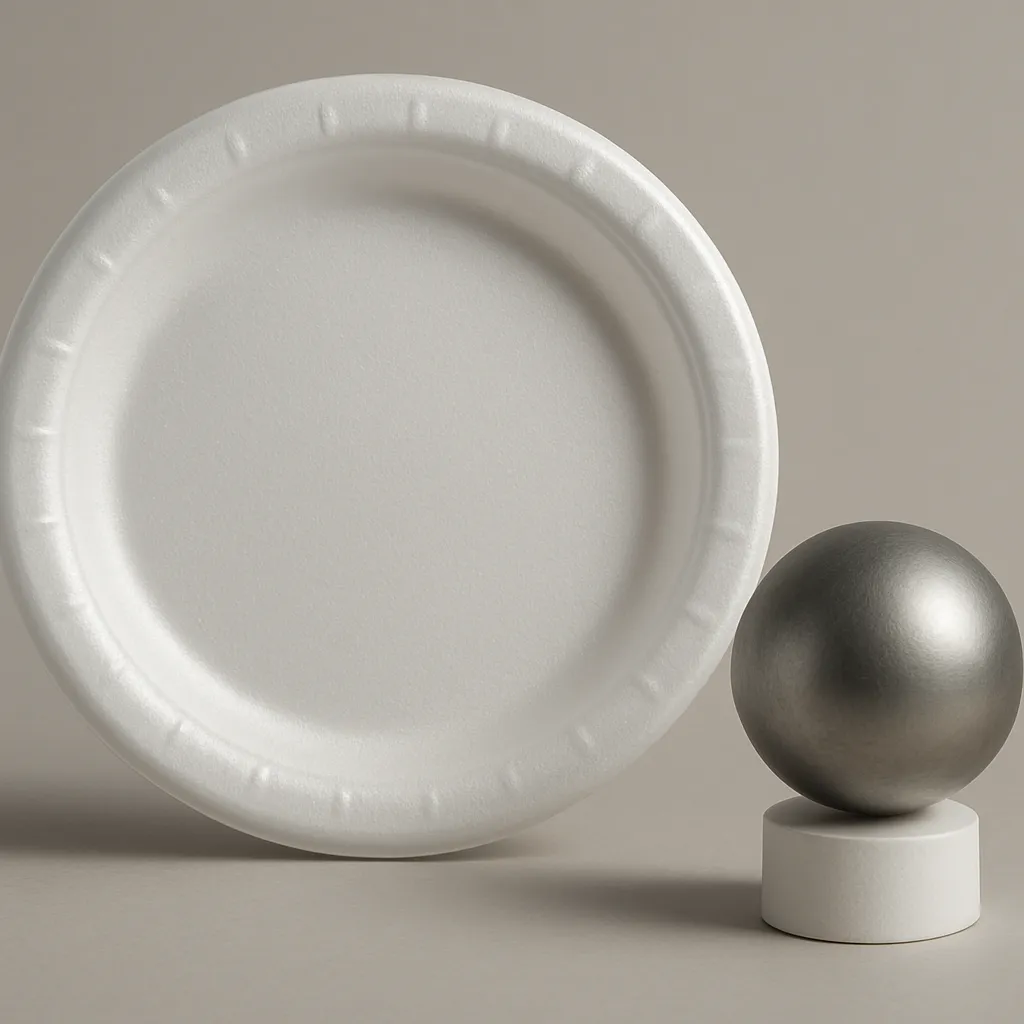
A charged foam plate has extra electrons. A metal sphere has lost electrons. If they are close but not touching, what electric force acts between them?
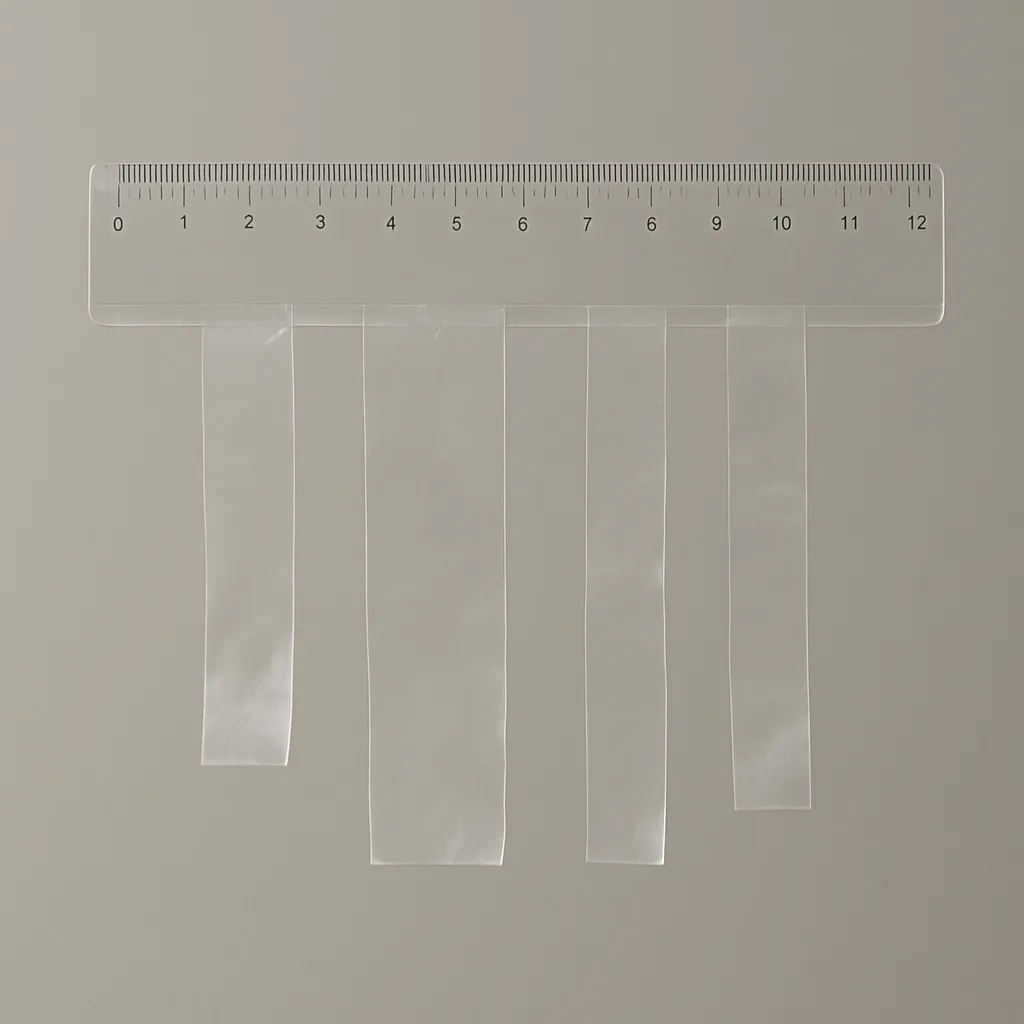
Four strips of tape hang from a ruler. They hang straight down and do not push apart or pull together. What is the best conclusion?
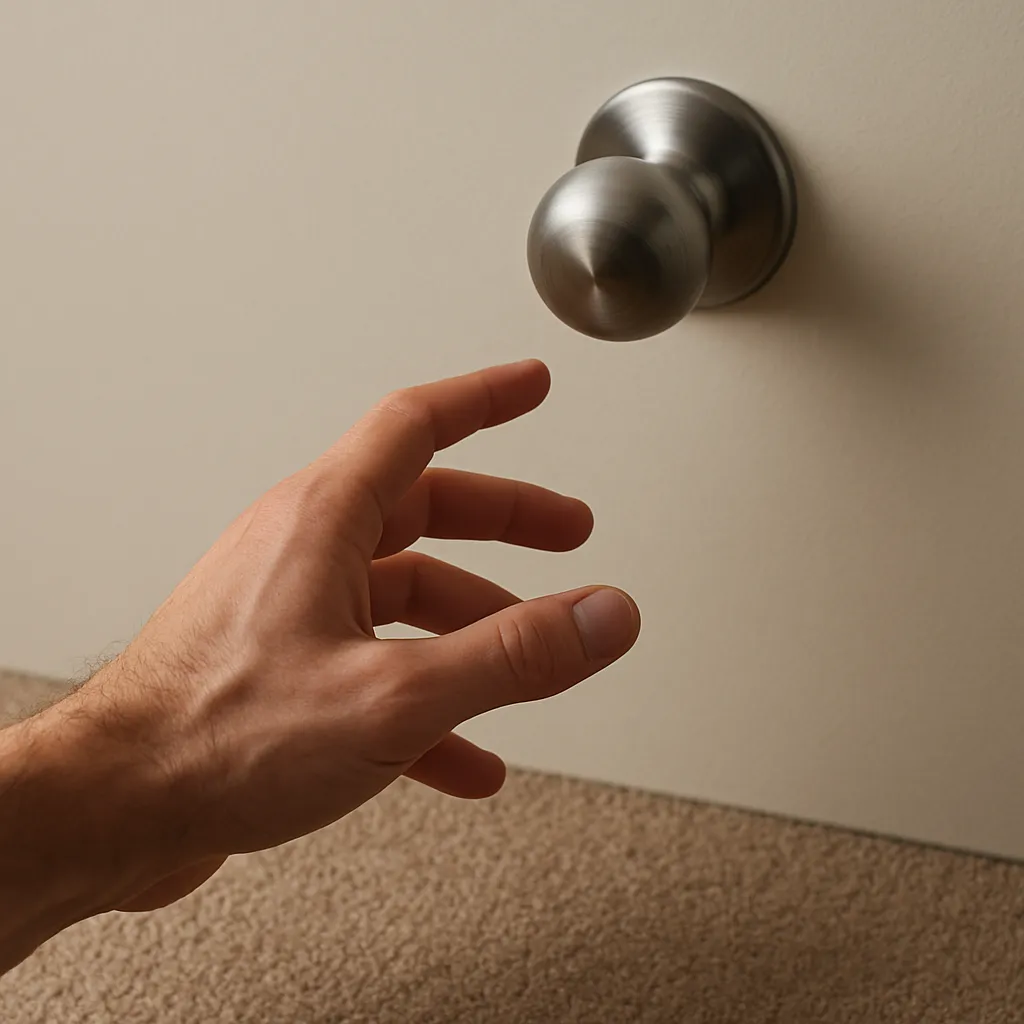
After shuffling across carpet, a student touches a metal doorknob and feels a spark. What best explains the spark?
A balloon rubbed on a wool sweater sticks to a wall for a while. What caused the balloon to become statically charged?

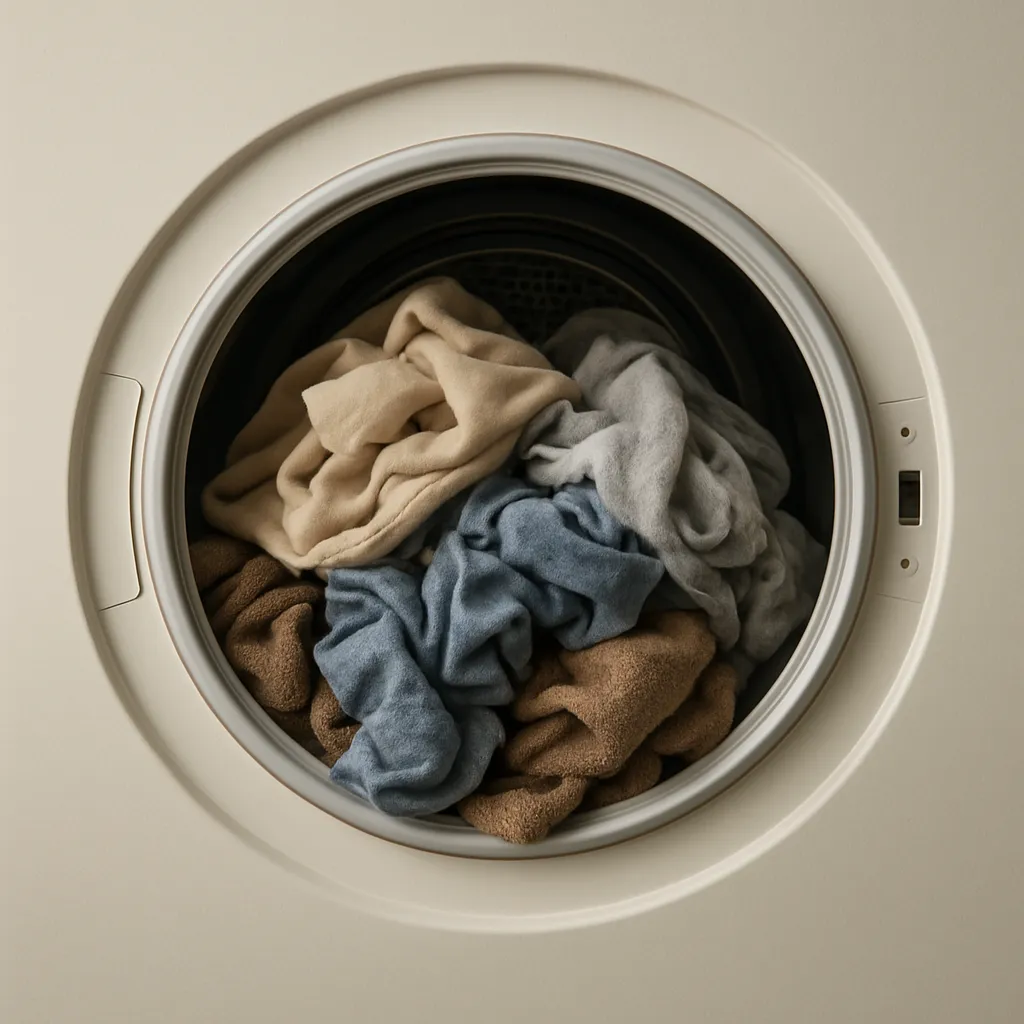
Dryer clothes crackle and cling after tumbling. What explanation matches static electricity?
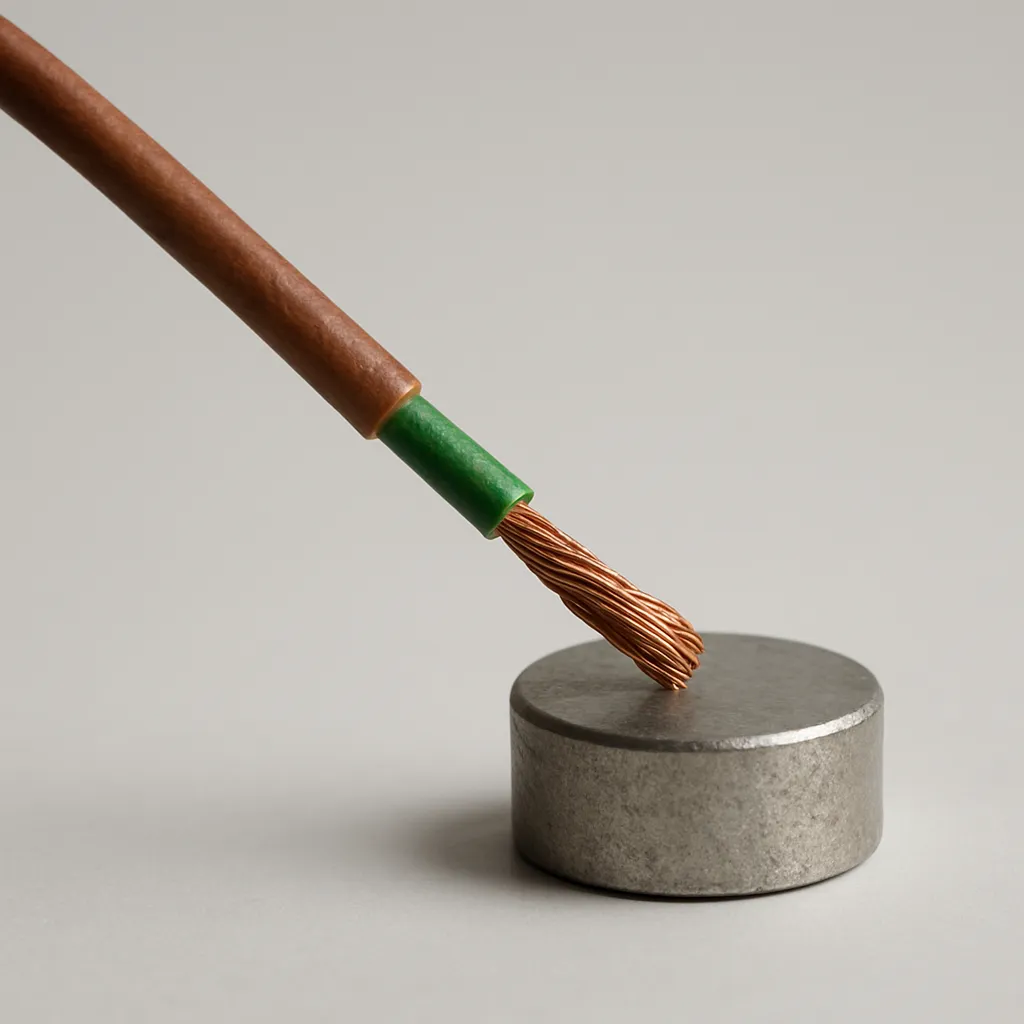
A charged metal knob is touched by a grounded wire, and its spark disappears. What happened to the extra charge?
During a thunderstorm, charge separates in a cloud and a sudden flash jumps to the ground. What is the flash?

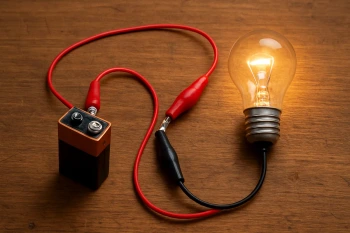
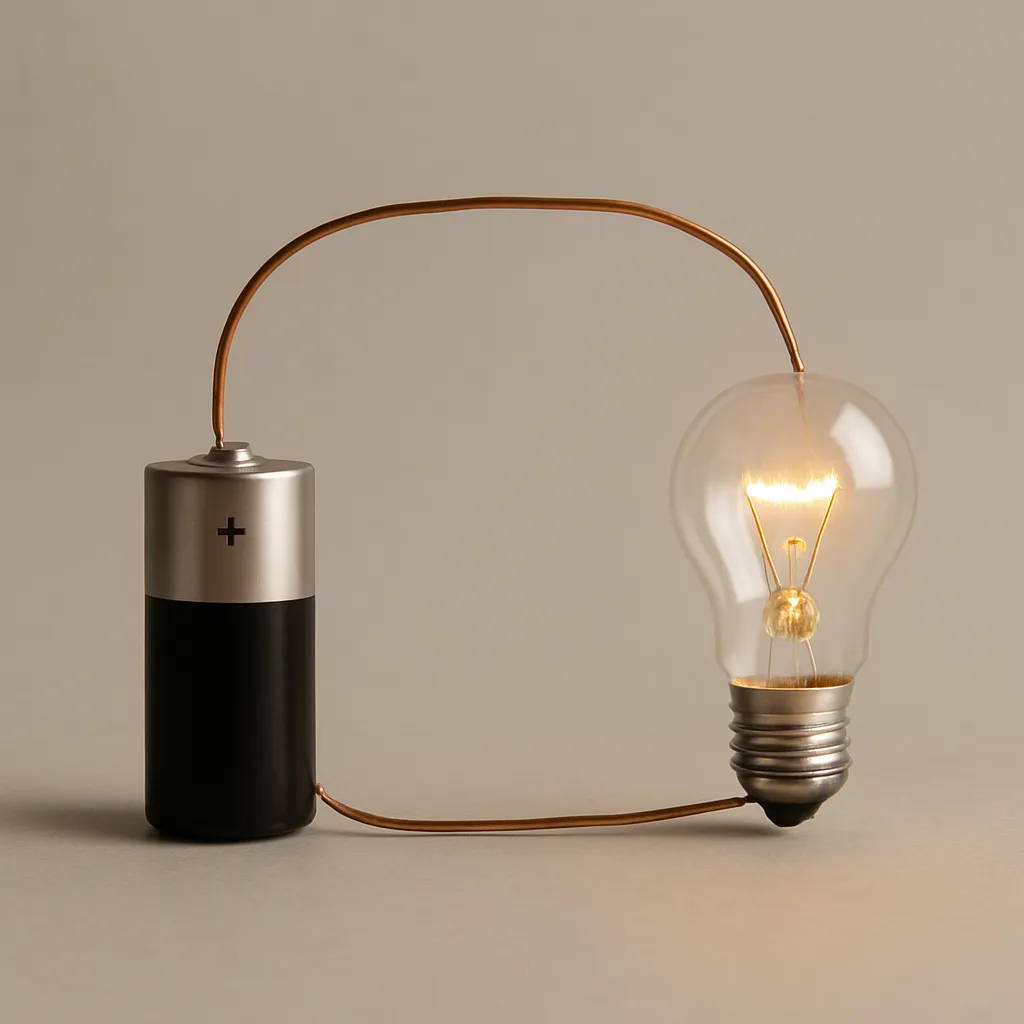
A battery, bulb, and copper wire make a closed loop, and the bulb glows. What is happening in the wire?
The same battery and bulb are connected first with aluminum foil, then with a rubber band. The bulb lights only with foil. Why?
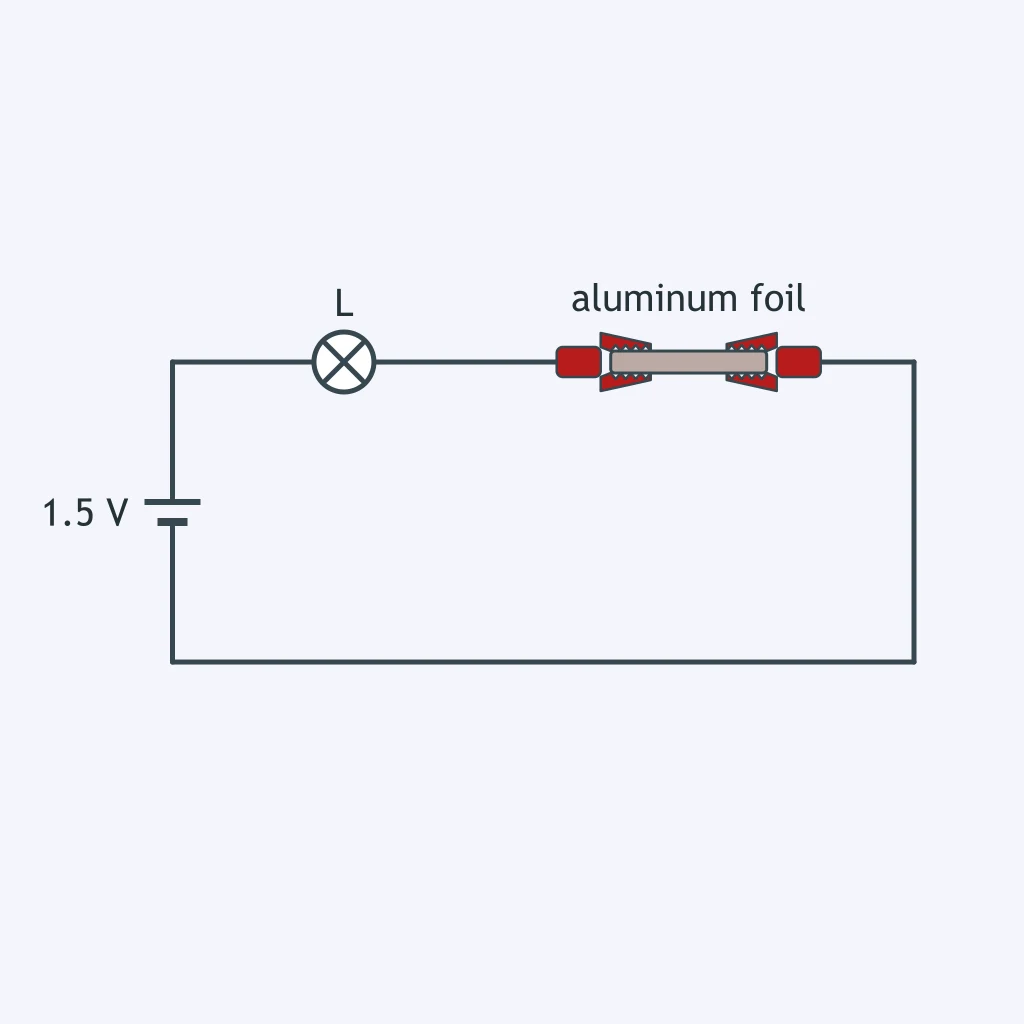
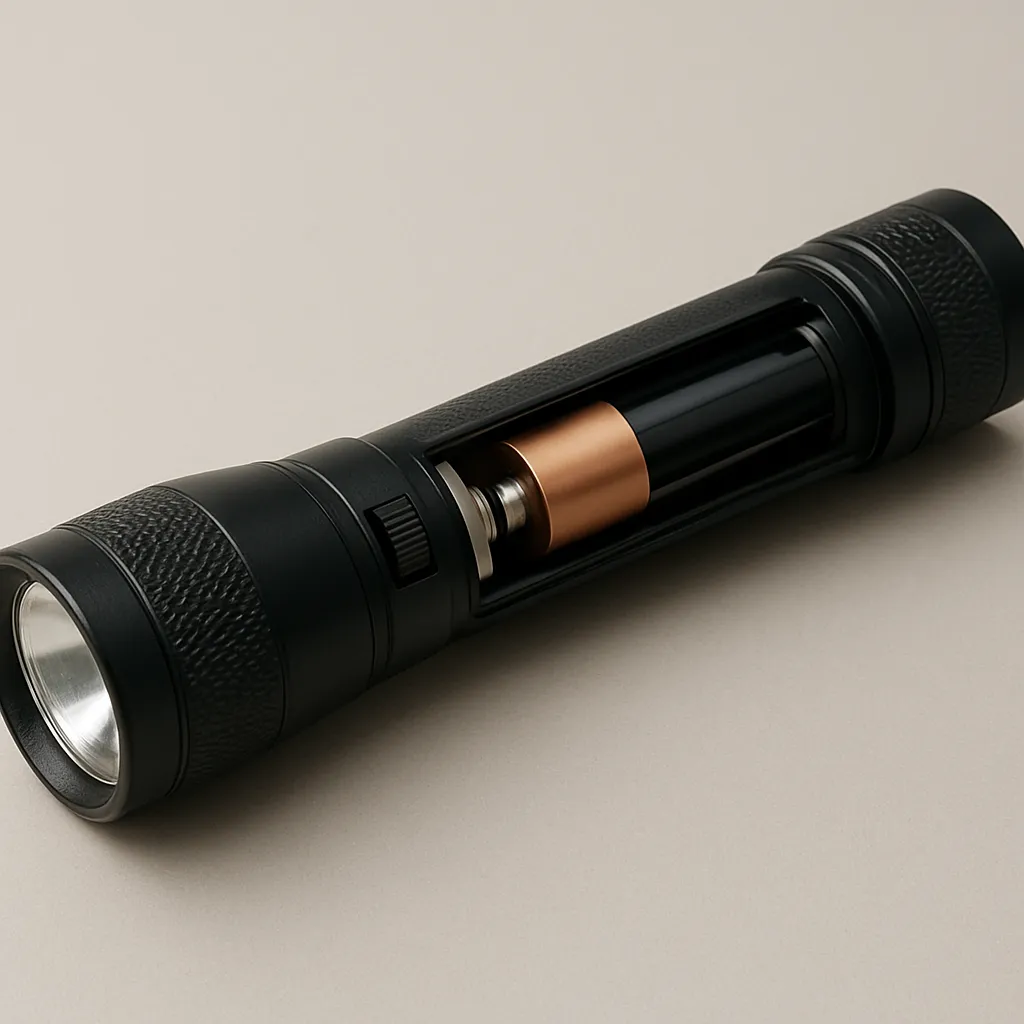
A switch in a flashlight is opened while the battery and bulb are still in place. Why does the bulb go out?
A metal spoon and a dry plastic spoon are touched to a charged electroscope. The metal spoon changes the leaves more. What property explains this?

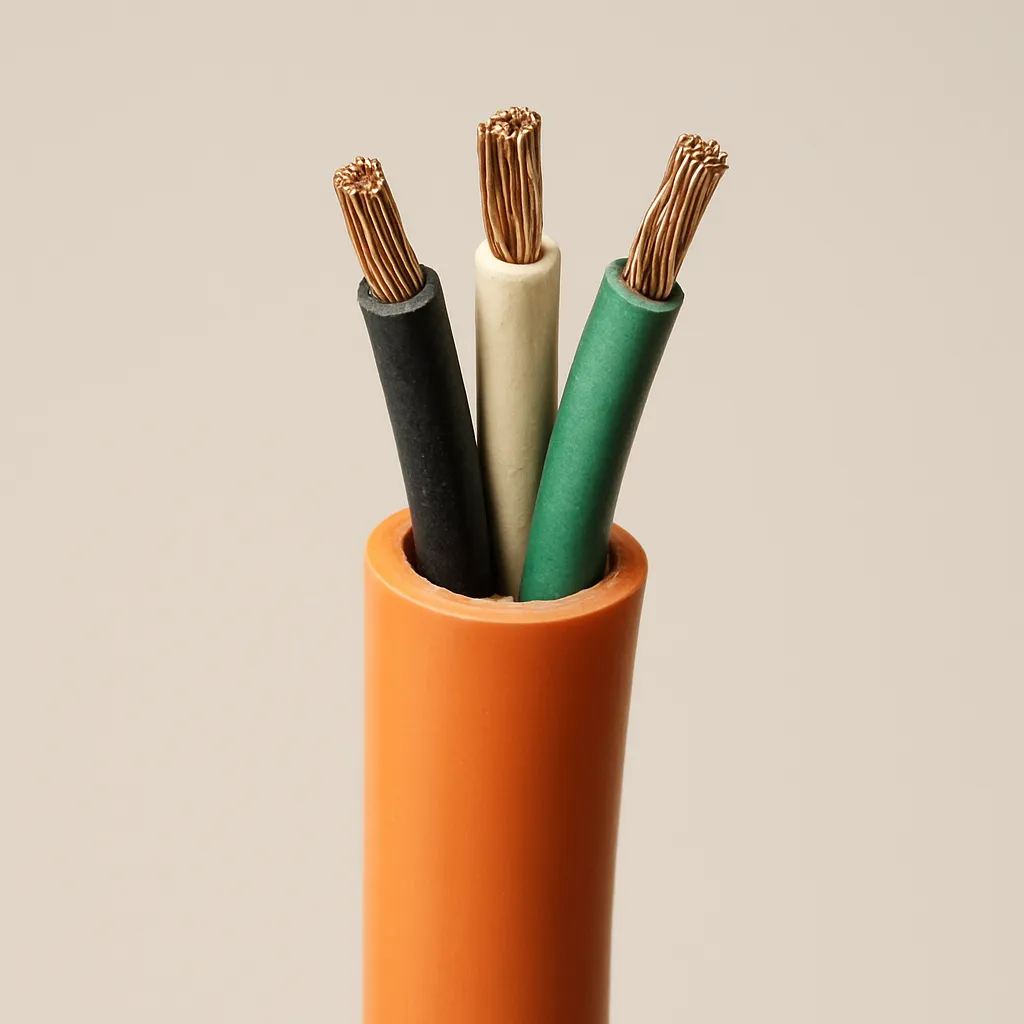
An extension cord uses copper wires covered by plastic. Why are the two materials used together?
Two charged spheres repel with 12 mN at 2 cm, 3 mN at 4 cm, and 1.3 mN at 6 cm. What pattern does the data show?
Oppositely charged pith balls attract with 8 mN at 3 cm and 2 mN at 6 cm. What would best fit the pattern at a larger distance?
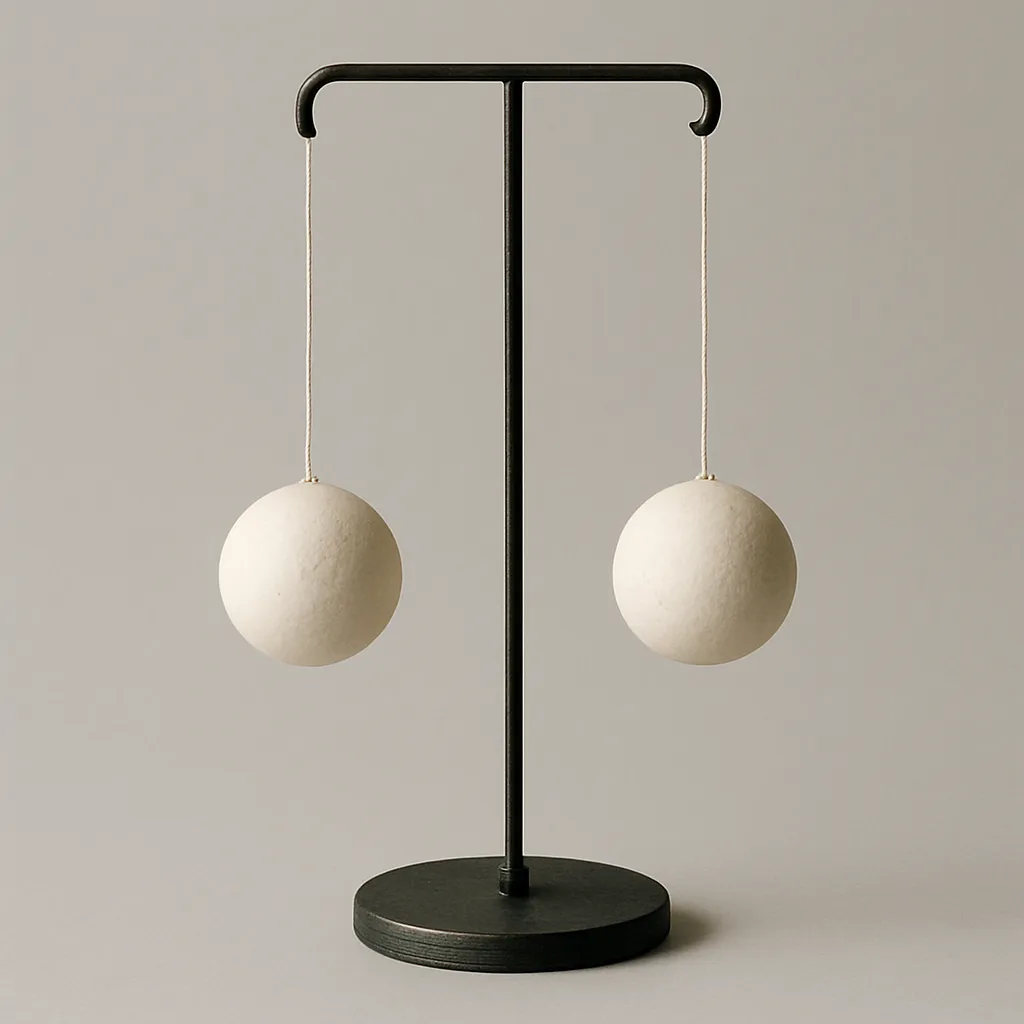
In a trial, two charged balloons are 5 cm apart with force 6 mN. At 15 cm, the force is 0.7 mN. What conclusion fits?

A lab group measures attraction between the same two charged beads: 10 mN at 1 cm, 2.5 mN at 2 cm, 0.6 mN at 4 cm. What relationship is shown?
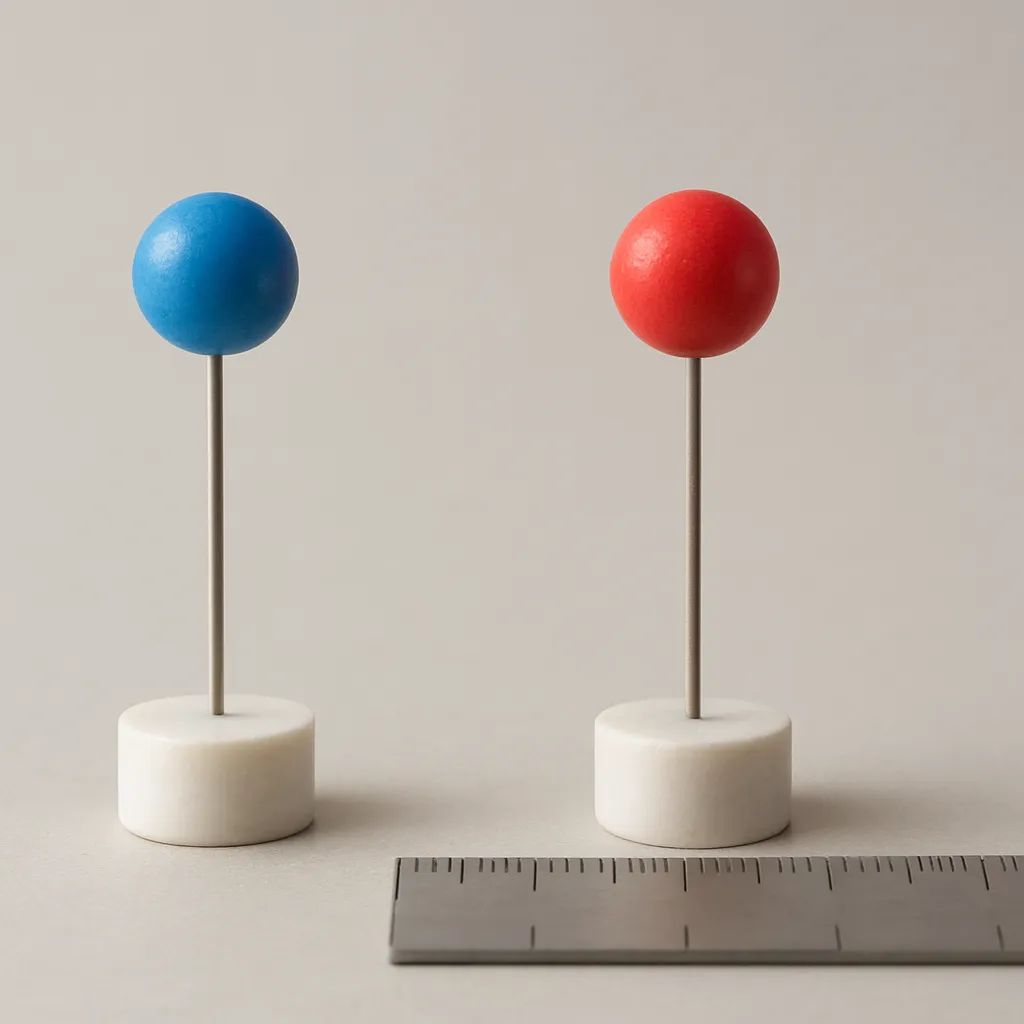
Two charged disks repel. At 4 cm, the force is 5 mN. At 8 cm, it is 1.2 mN. What prediction matches the trend at 12 cm?
Crack the passcode before the zombies get in.
Answer, then swat bugs for bonus points.
Race through questions at your own speed.
Same question on every screen. Fastest wins.

Pick a tile, answer, hit bonuses and steals.
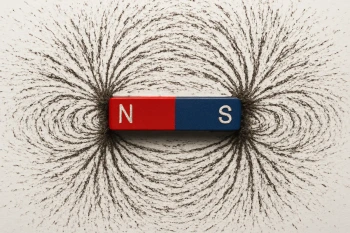
Magnets and Magnetic Fields
20 questions