Loading
by BlastRoom
Students explain how discrete digital signals resist noise during communication.
#us_grade_7_science
20 questions
One question set, multiple game modes. Tap any game to see it in action. Not sure which to pick?
Answer to place stones and capture territory.
Outrun the snow together.
Earn blasts, then hunt the other team.
Answer to earn energy, then climb.

The class blasts through walls together.
Bid on mystery lots. Most money wins.
Sell tours. Nice, standard, or a total scam.

Answer, restock, and serve the rush.
More correct answers pulls the rope your way.
Answer, then shoot down the alien wave.
Answer, then tap to leap the frozen ridge.
A sensor sends 1 for door open and 0 for closed. Cable noise shifts pulses slightly. The receiver reads whichever value a pulse is closer to. Why does the message usually survive?

A game controller sends button presses as high and low pulses. Static adds a small extra voltage. What makes the receiver identify the pressed/not-pressed pattern reliably?

A fiber line sends a light pulse for 1 and no pulse for 0. Dust weakens the light a little. Why can the receiver still read the bits?
A scanner records black stripes as 1 and white spaces as 0. A small smudge darkens one white space slightly. Why may the code still read correctly?

A thermostat sends heat on as 1 and heat off as 0. A long wire adds weak noise. Why is rounding each pulse to 0 or 1 helpful?
An analog music signal and a digital music signal both pick up small random noise during transmission. Why can the digital copy match the original more closely?
A temperature probe sends a continuously varying analog voltage or digital number bits over the same cable. A motor nearby adds electrical noise. What advantage do the digital bits have?

During a storm, a weak analog radio voice sounds scratchy, but a digital text message may arrive exactly. What explains the difference?
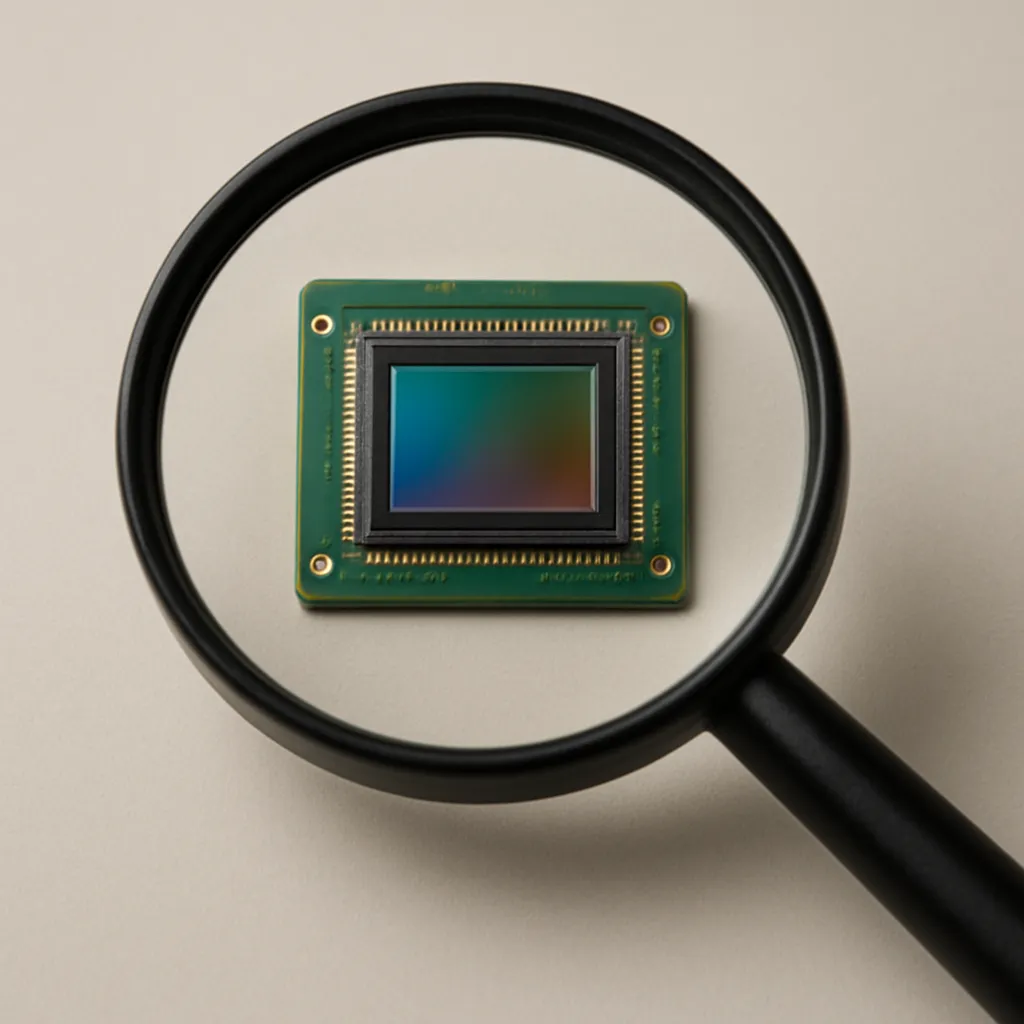
A camera sends pixel brightness as exact numbers instead of a continuously changing voltage. Transmission adds tiny voltage wiggles. How does the number format help protect the picture?
A digital sensor line uses square pulses, while an analog line uses every voltage level to mean a value. If weak noise rides on both, what problem is reduced by the digital line?
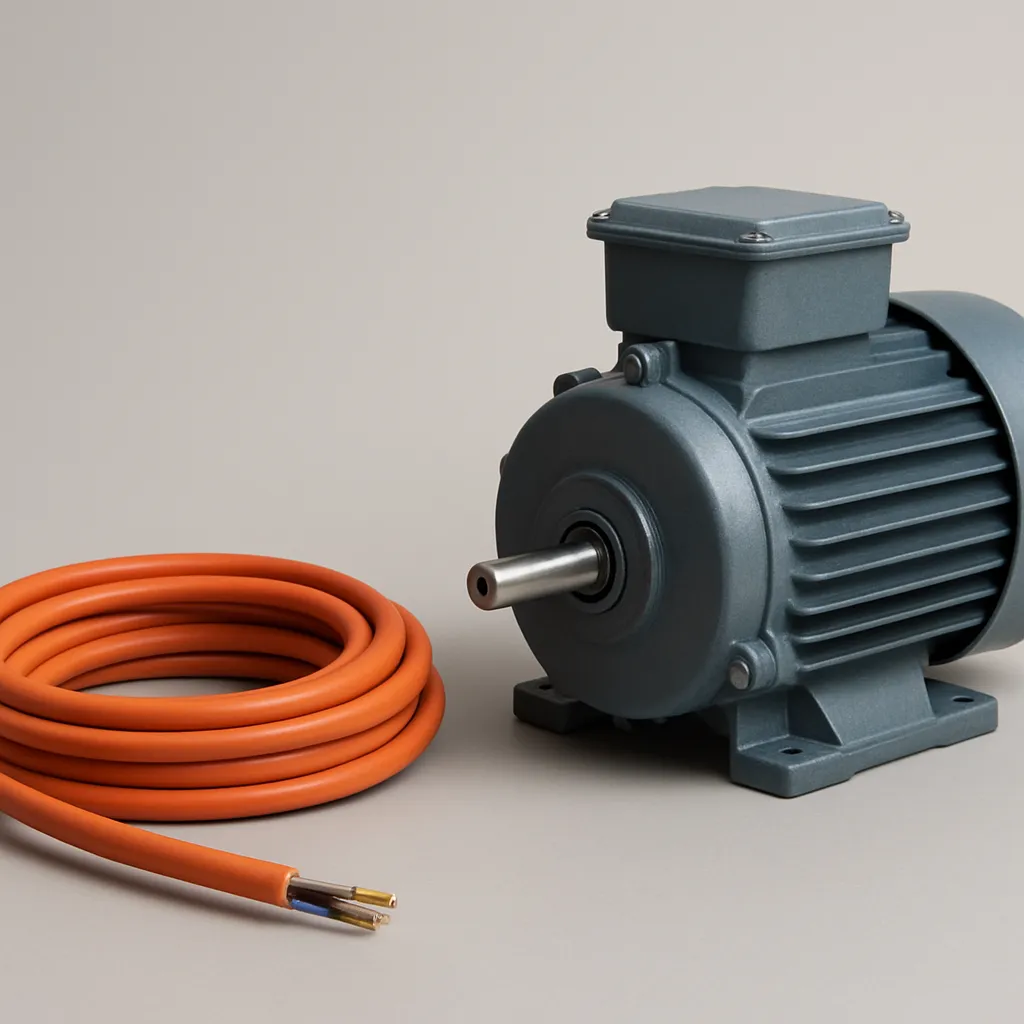
A cable near a motor carries a changing analog signal in one trial and 0-or-1 pulses in another. Why is the analog reading more likely to drift?
A temperature logger records digitally every 10 minutes. A 2-minute temperature spike happens between readings. What limit does this show?

A sound recorder samples at 44,100 times per second instead of 8,000 times per second. Why can the higher rate reproduce fast changes better?
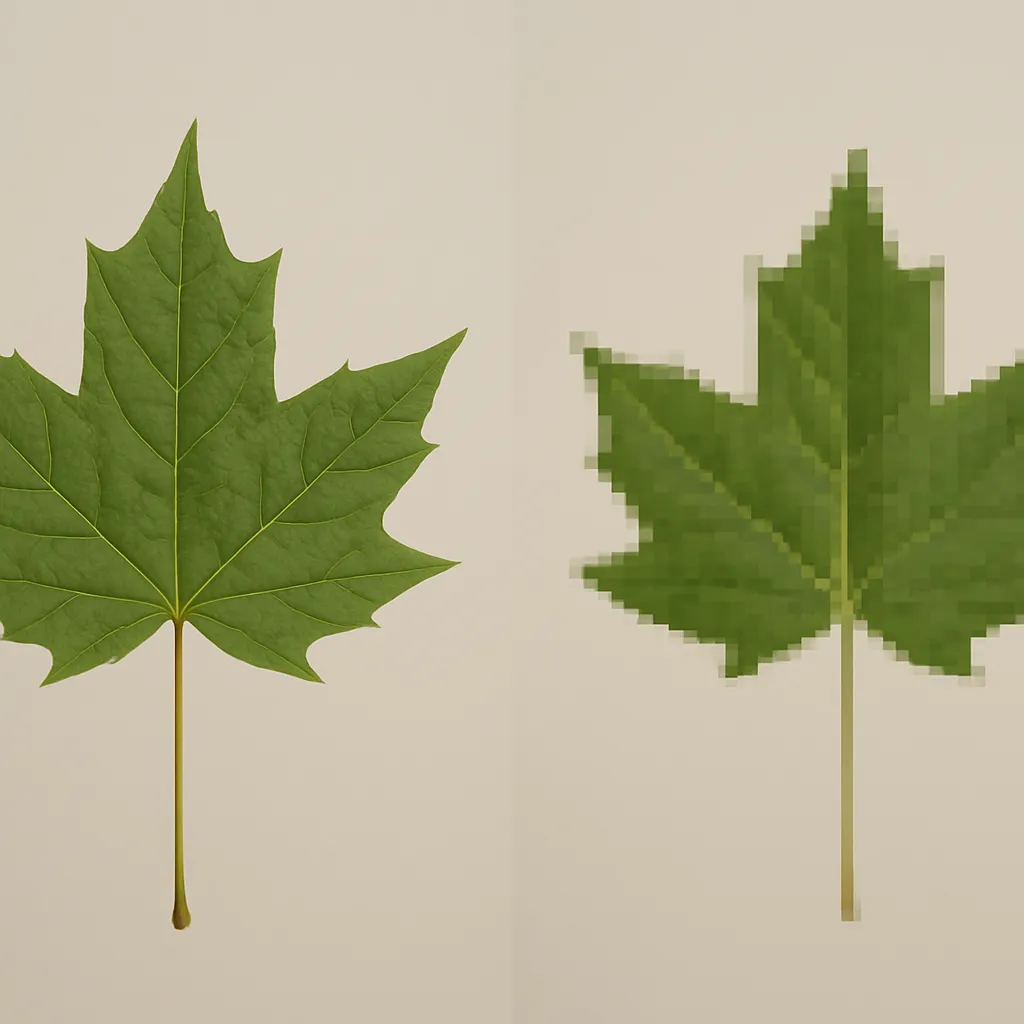
Two digital cameras photograph the same leaf. One sensor samples the image with many small pixels. The other uses fewer large pixels. Why are leaf edges sharper with more pixels?
A light sensor stores brightness using 256 levels instead of 4 levels. Why can 256 levels show a smoother shadow?

A receiver gets the same 3-bit message three times: 101, 100, 101. The system uses majority agreement before acting. Why can it accept 101?
On a long fiber link, repeaters read dim noisy pulses and send fresh bright 0-or-1 pulses onward. Why do repeaters keep the message readable?
A file is copied through several devices. Each device checks a checksum and requests a resend when the bits do not match. Why does this prevent many copy errors?
A spacecraft sends a photo as numbers for tiny image parts while radio noise crosses space. Why is this digital method useful for communication?
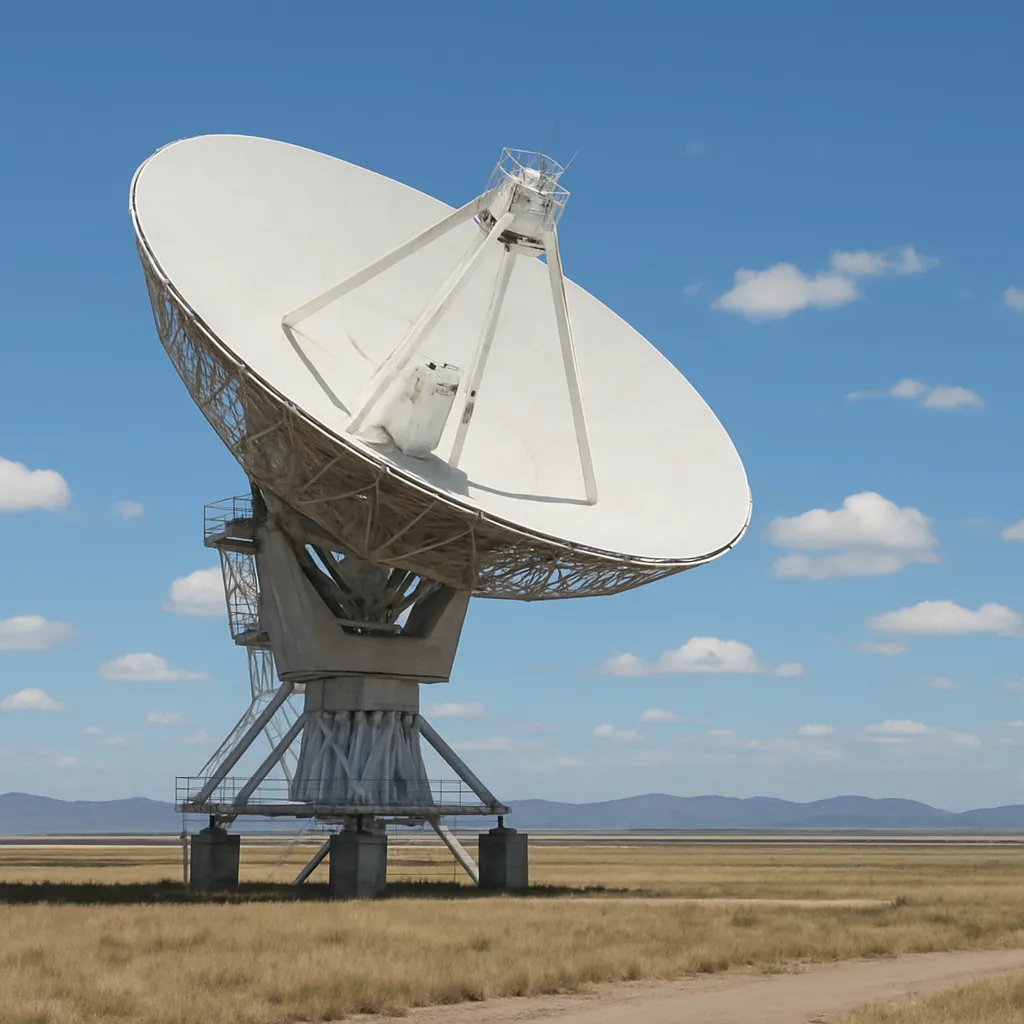
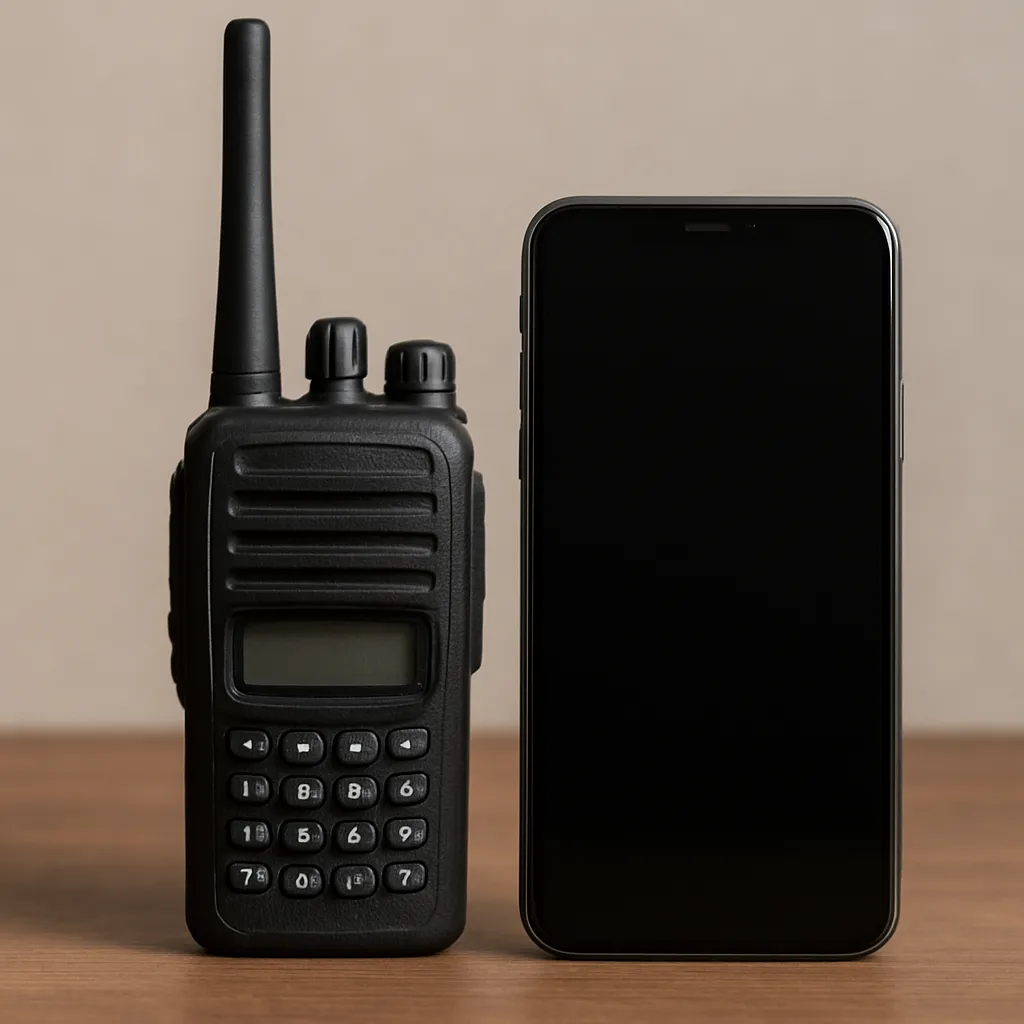
A phone converts voice into packets of bits before sending them by radio. What technology reason explains this design?
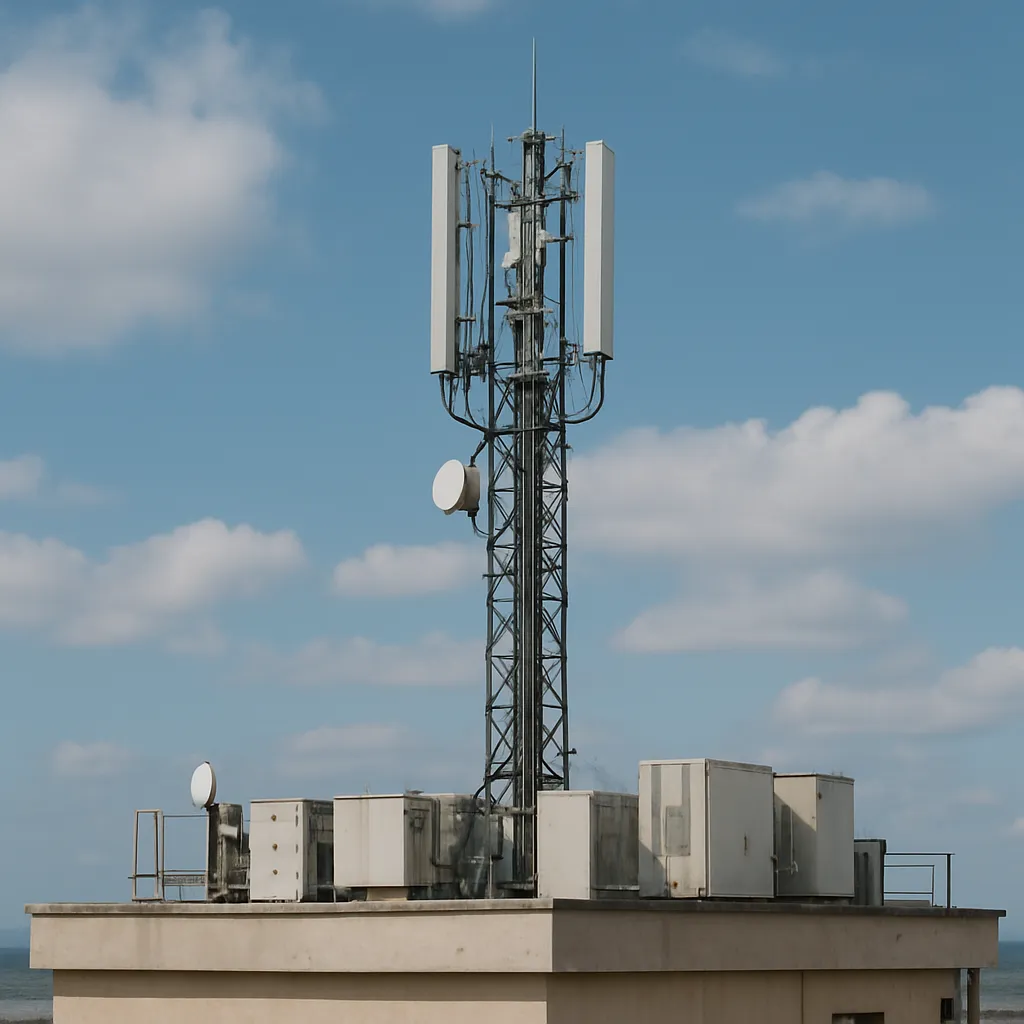
Crack the passcode before the zombies get in.
Answer, then swat bugs for bonus points.
Race through questions at your own speed.
Same question on every screen. Fastest wins.

Pick a tile, answer, hit bonuses and steals.
Independent, Dependent and Controlled Variables
40 questions