Loading
by BlastRoom
Students identify regional natural hazards and ways communities prepare and respond.
#geography#us_grade_4_social_studies
40 questions
One question set, multiple game modes. Tap any game to see it in action. Not sure which to pick?
Answer to place stones and capture territory.
Outrun the snow together.
Earn blasts, then hunt the other team.
Answer to earn energy, then climb.

The class blasts through walls together.
Bid on mystery lots. Most money wins.
Sell tours. Nice, standard, or a total scam.

Answer, restock, and serve the rush.
More correct answers pulls the rope your way.
Answer, then shoot down the alien wave.
Answer, then tap to leap the frozen ridge.
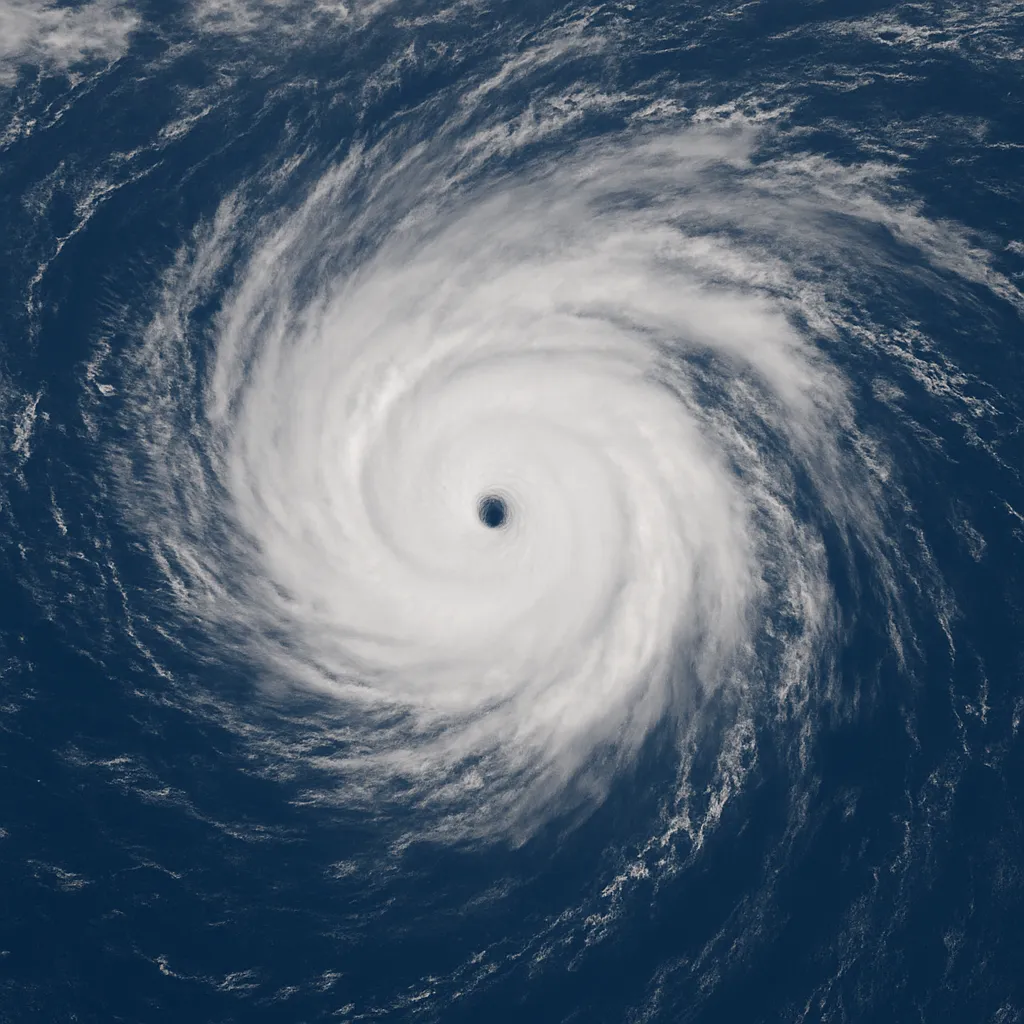
Warm ocean water near Florida and the Gulf Coast can strengthen tropical storms. What U.S. region is most likely preparing for hurricanes?
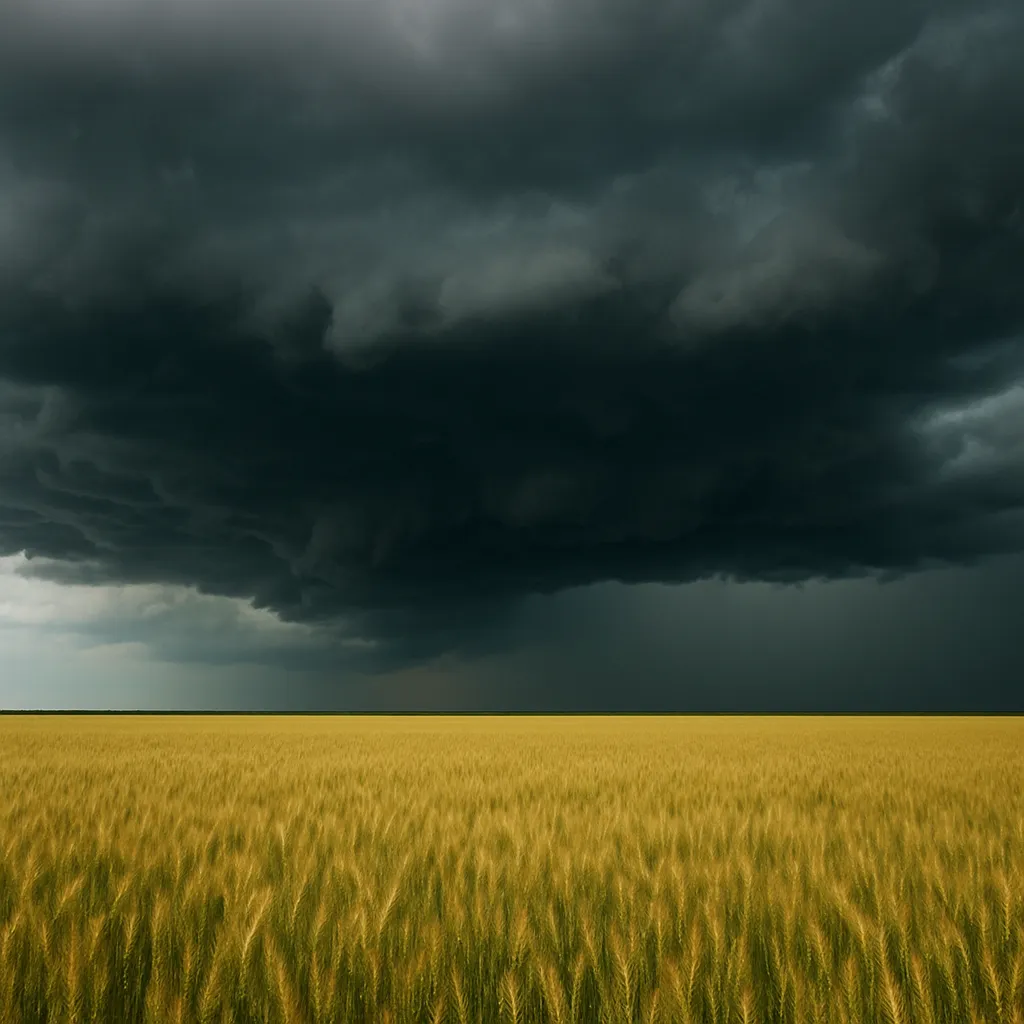
In the central plains, warm moist air can meet cooler dry air during spring storms. What hazard is common in this region?
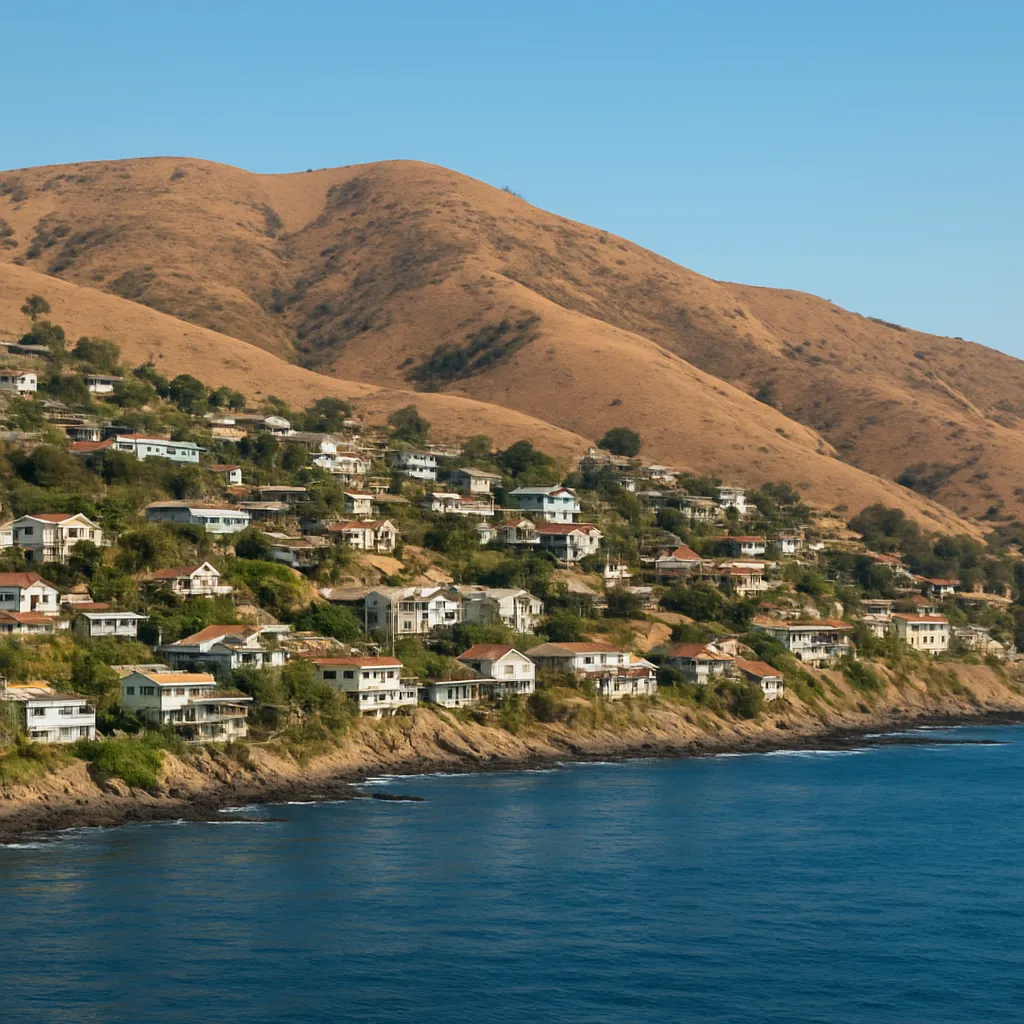
Many West Coast communities practice drills because the land lies near active faults. What hazard are they preparing for?
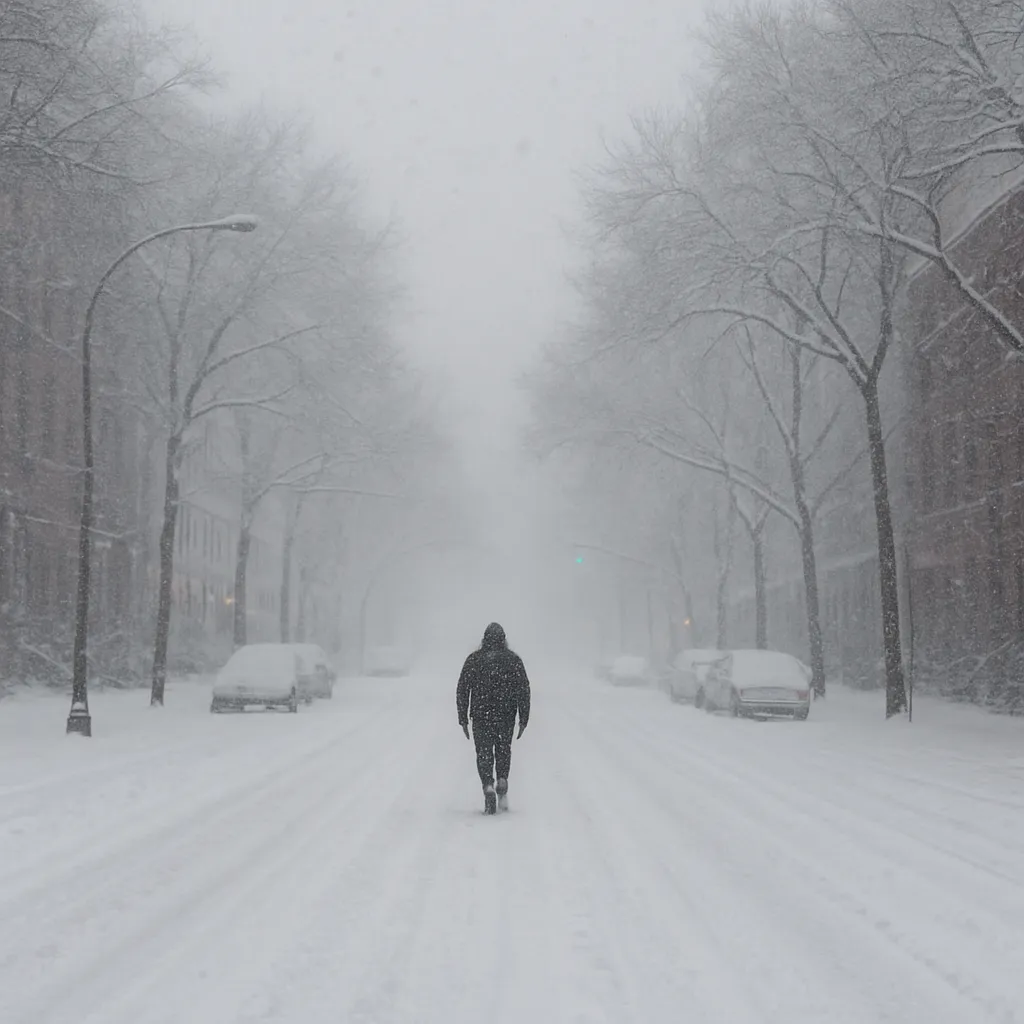
A winter storm brings strong winds, heavy snow and whiteouts that last for hours. In which part of the United States are storms like this most common?
After days of rain, water rises where many rivers flow into the Mississippi River. What natural hazard threatens low land there?
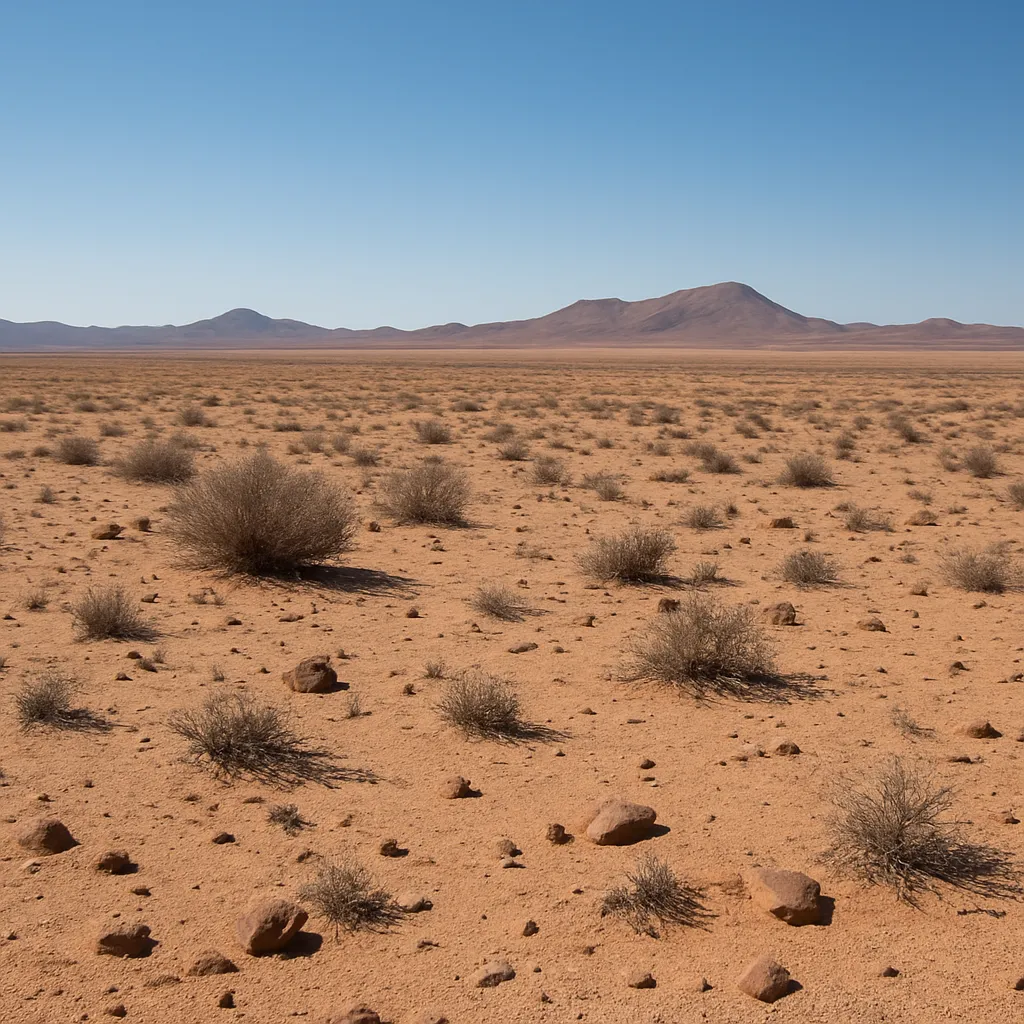
A town in the Southwest has little rainfall for many months, and farms use irrigation carefully. What hazard is common there?
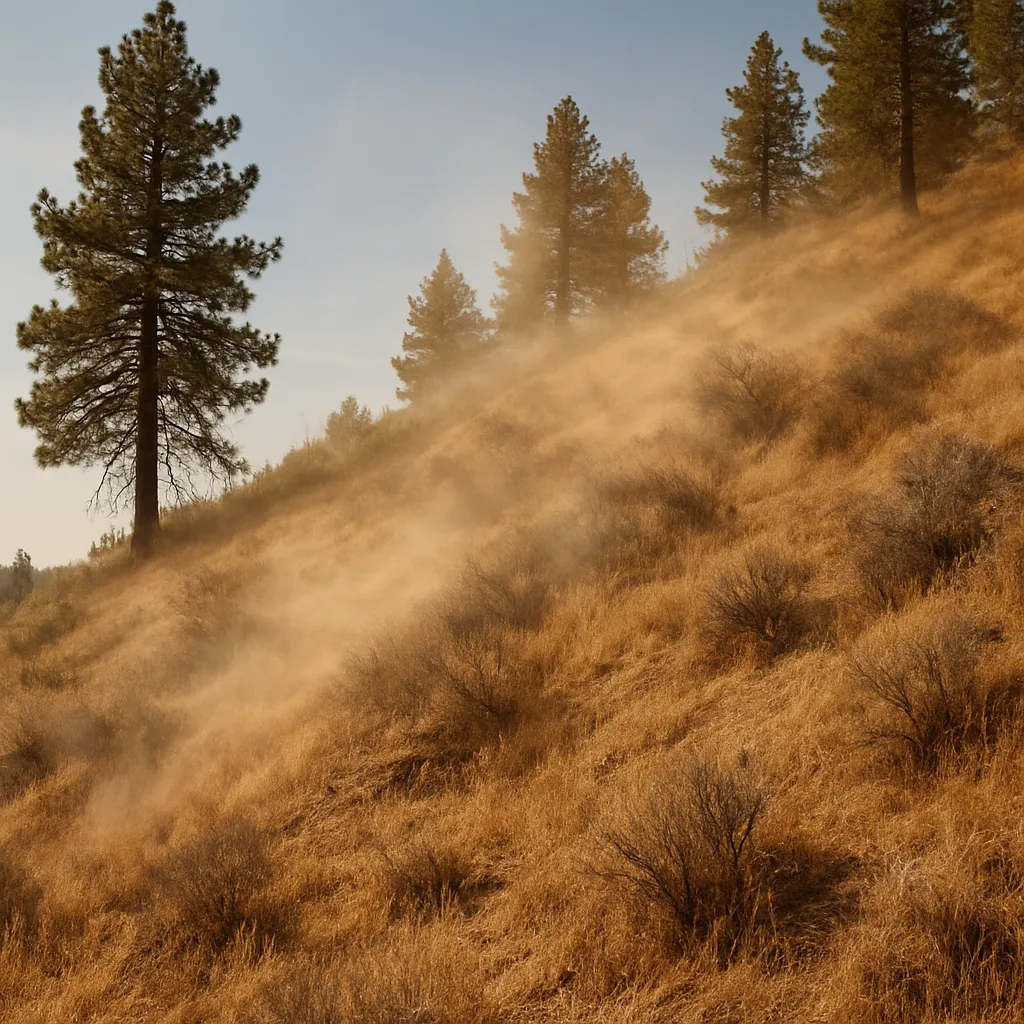
In parts of the West, hot weather, dry vegetation, and strong winds can make forests dangerous. What hazard is common there?
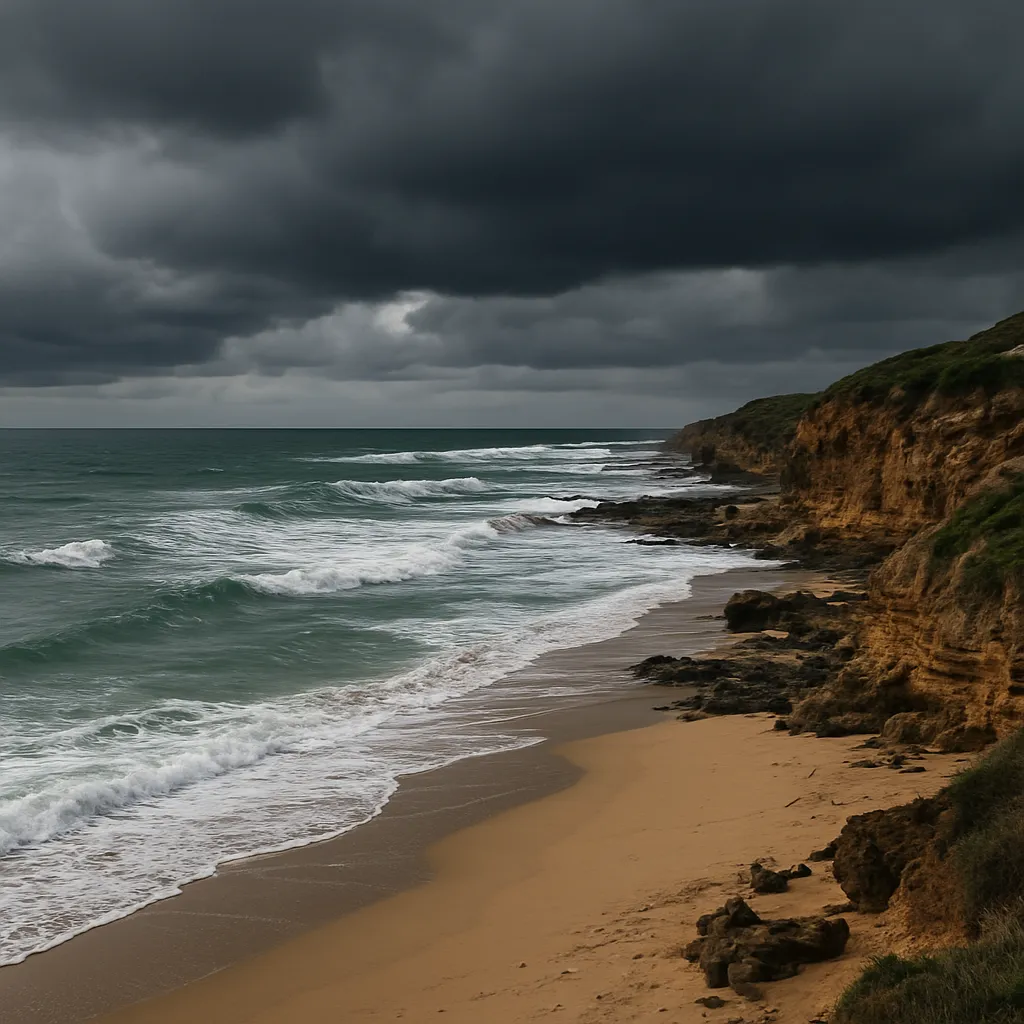
An Atlantic coastal city watches a tropical storm moving across warm ocean water. What hazard is the city tracking?
The weather service says storms over Kansas could form tornadoes later today, but no tornado has been seen yet. What alert is this?
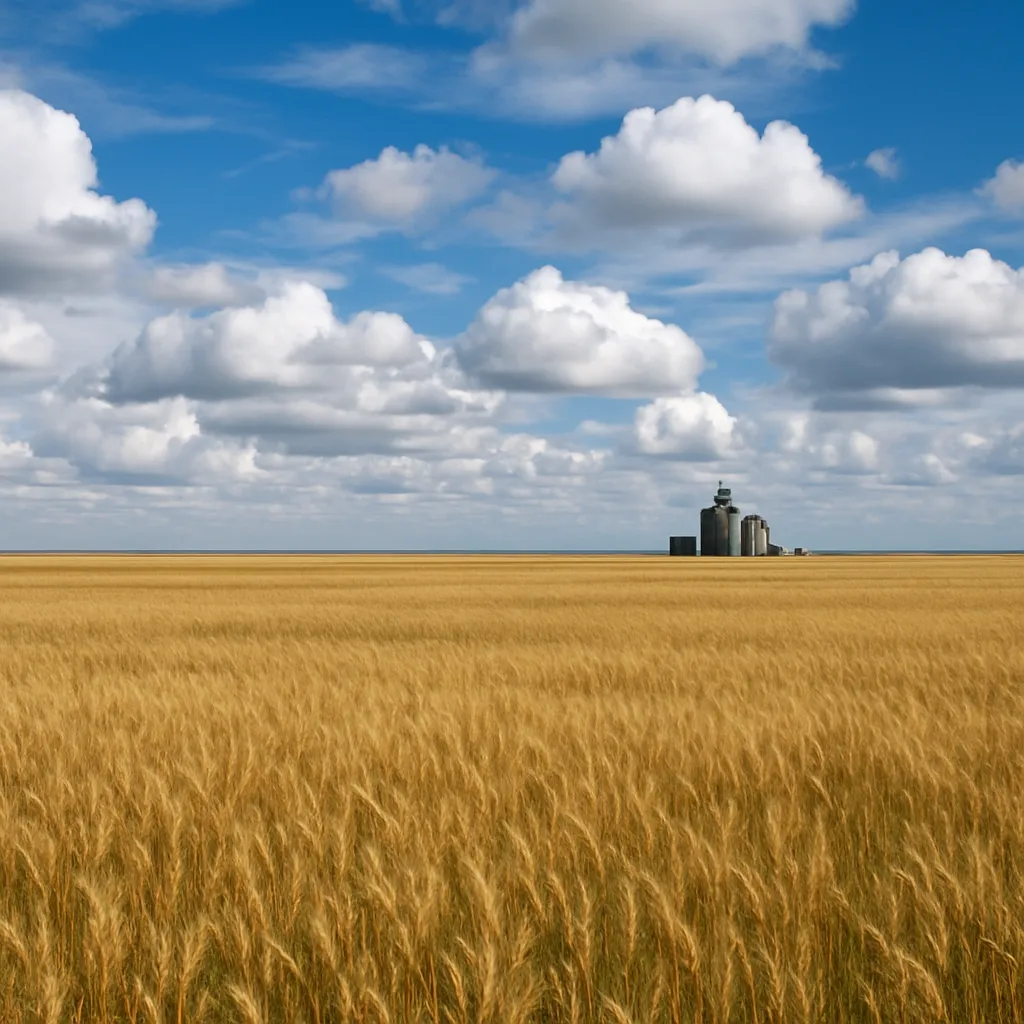
Earthquake drills are common in many schools near California, Oregon, Washington, and Alaska. What U.S. region most often prepares for this hazard?
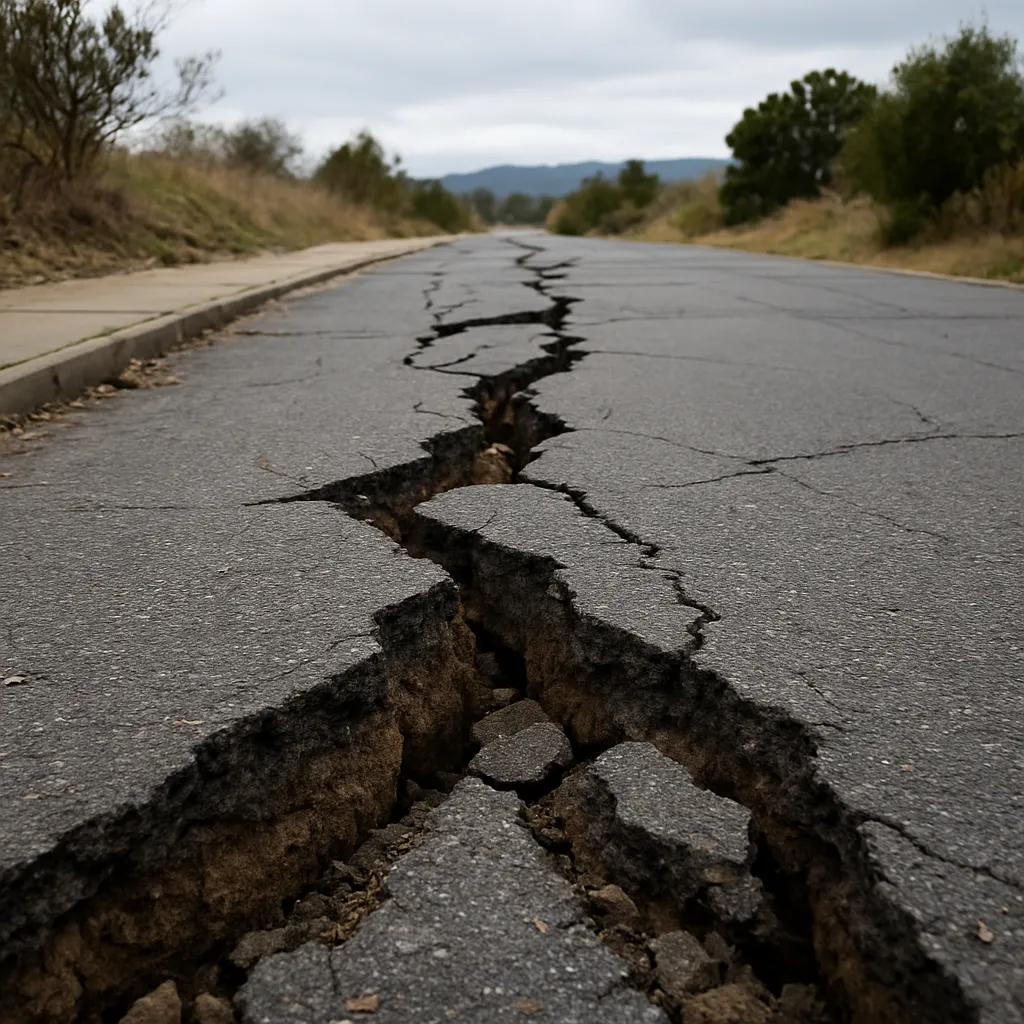
A northern town expects heavy snow, strong winds, and very low visibility. What hazard fits this winter warning?
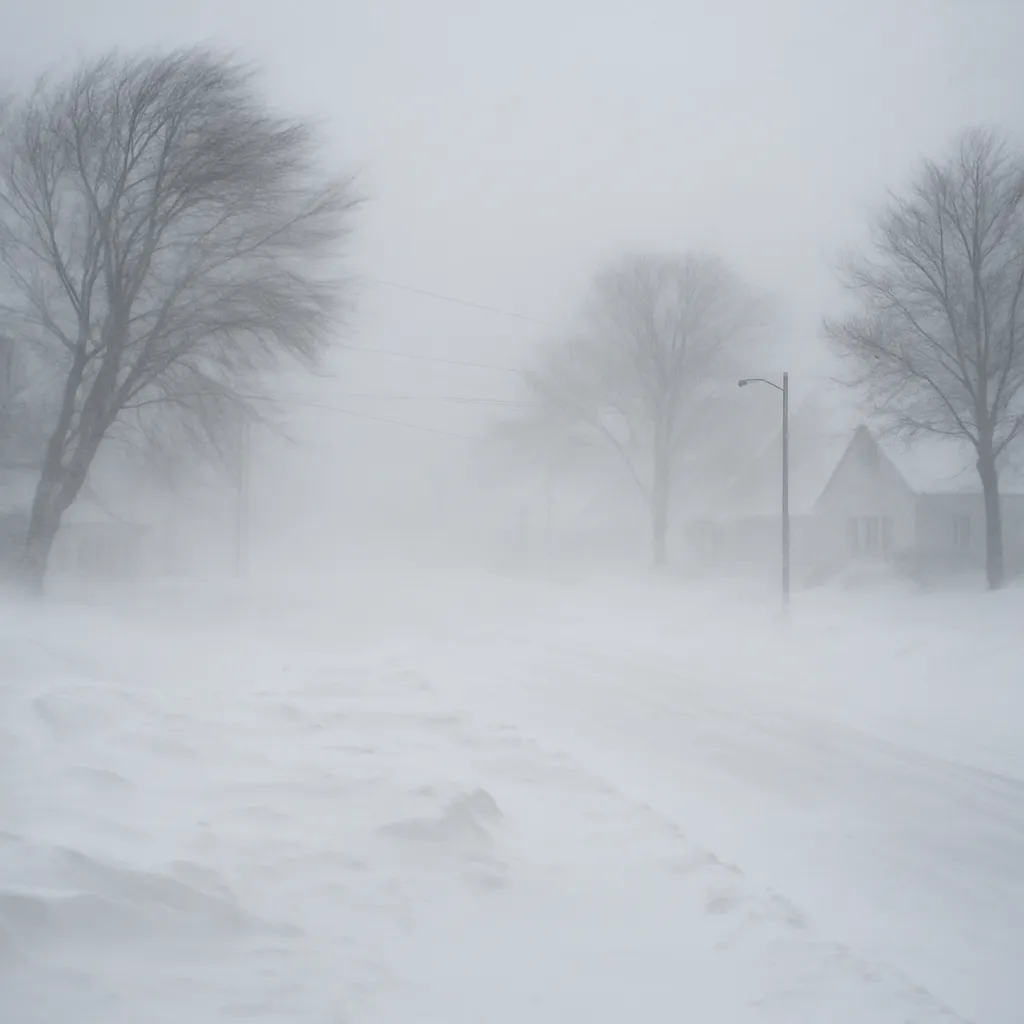
Low towns along a giant river that collects water from the Missouri and Ohio Rivers build on higher ground when possible. What region is most affected by river flooding?
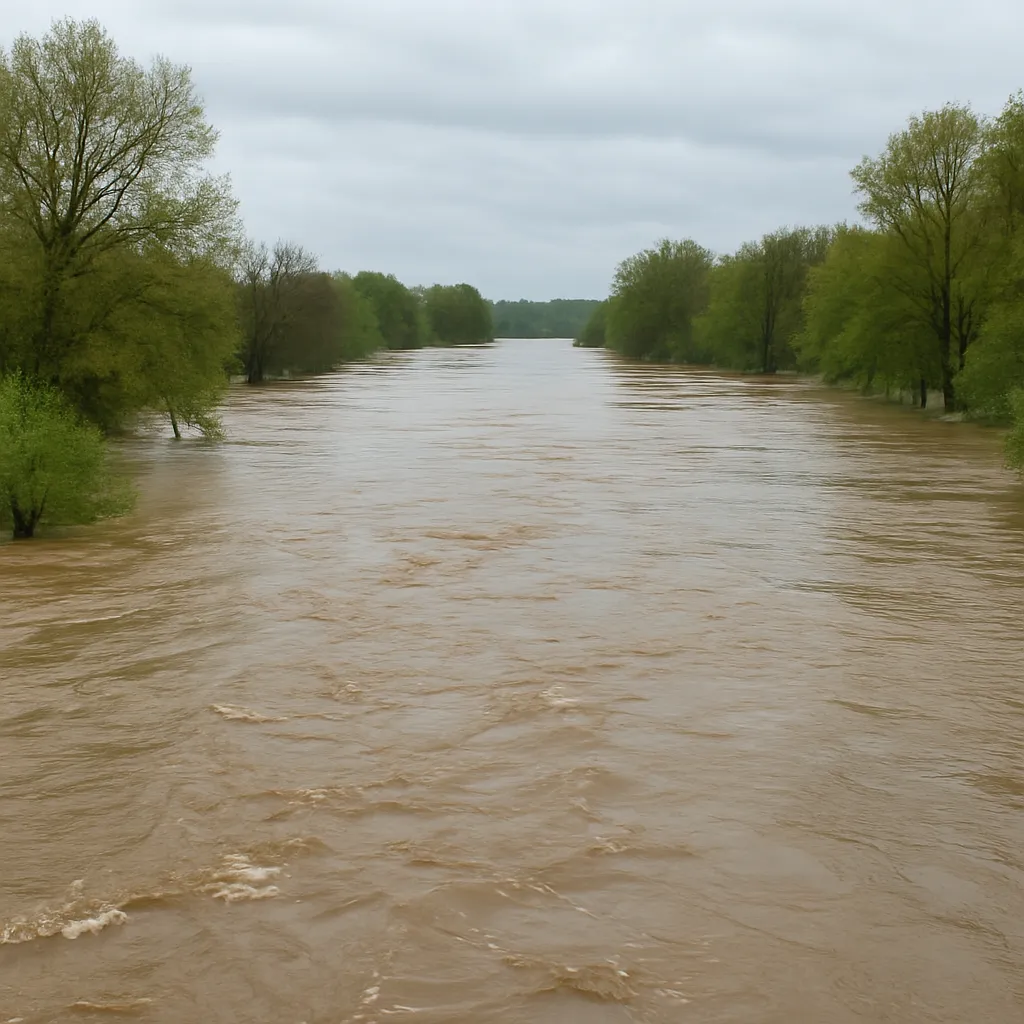
During a long drought in Arizona, a city lets people water their lawns only on certain days. What response is this?
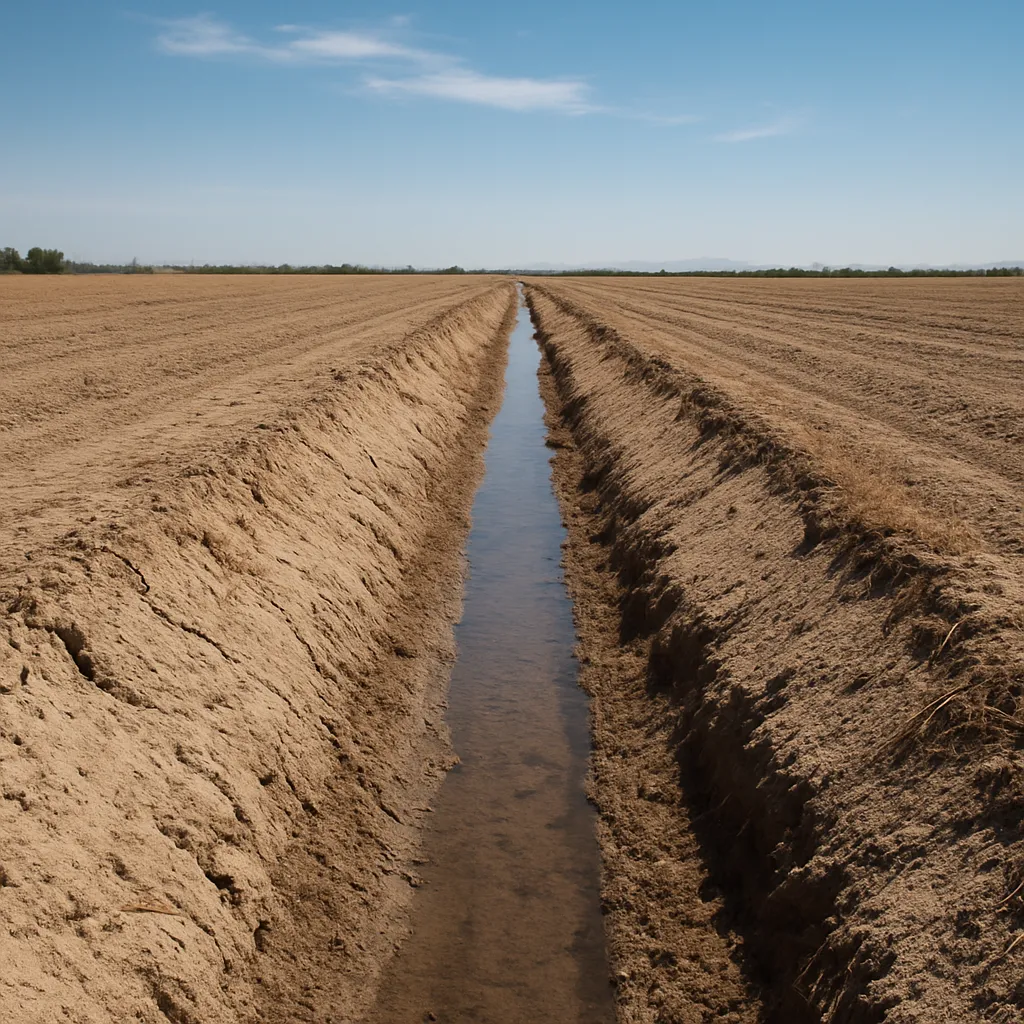
California and Oregon often have dry hillsides in late summer, so officials tell people not to light campfires or yard-waste piles. What rule is this?
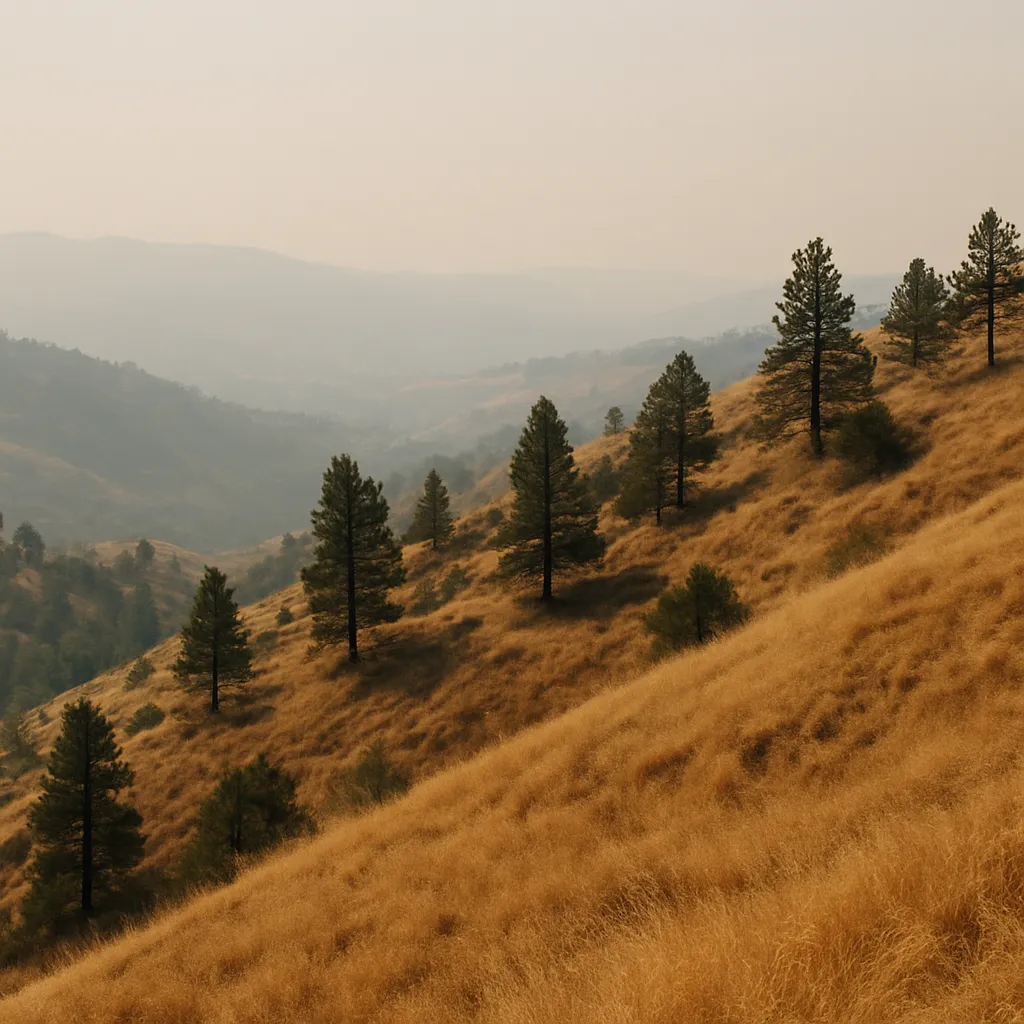
Barrier islands and low beaches on the Atlantic and Gulf coasts watch for storm surge. What hazard usually brings this danger?
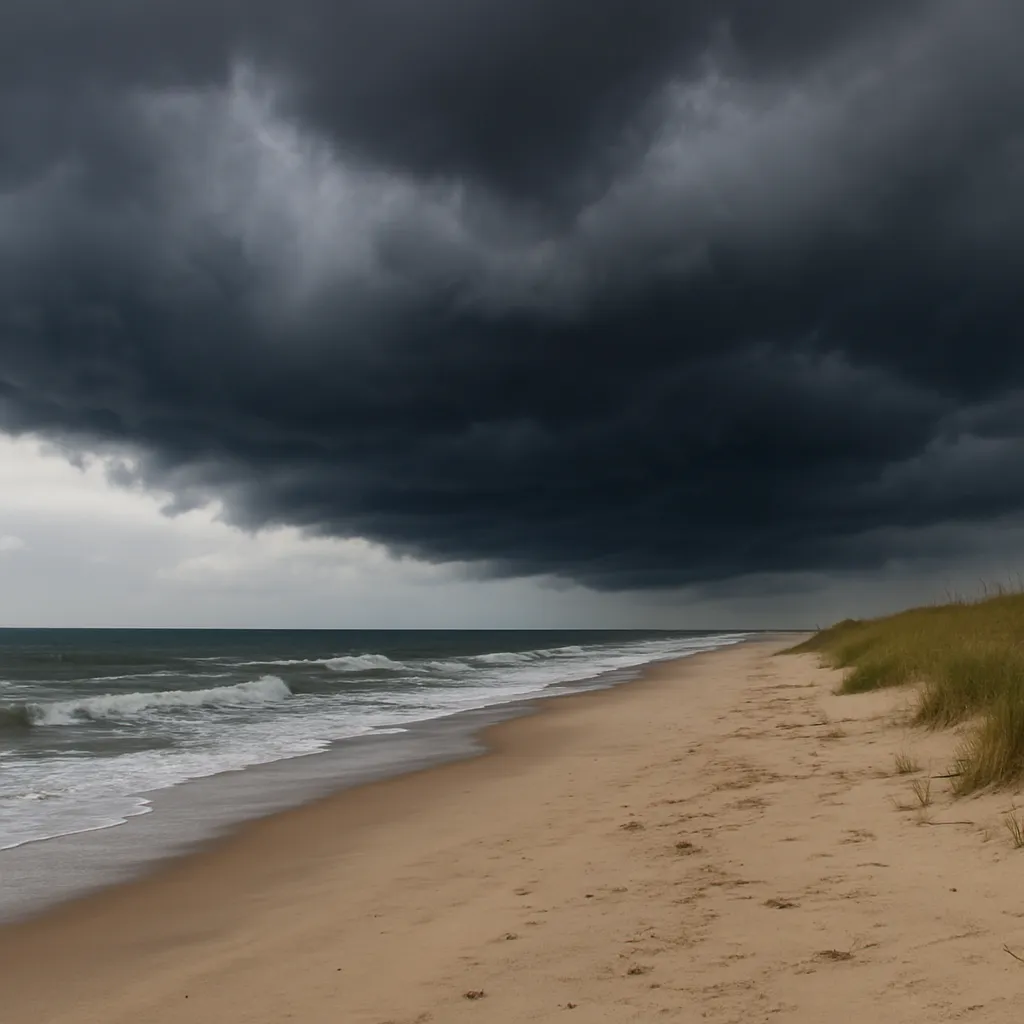
Which part of the United States has more tornadoes each year than any other?
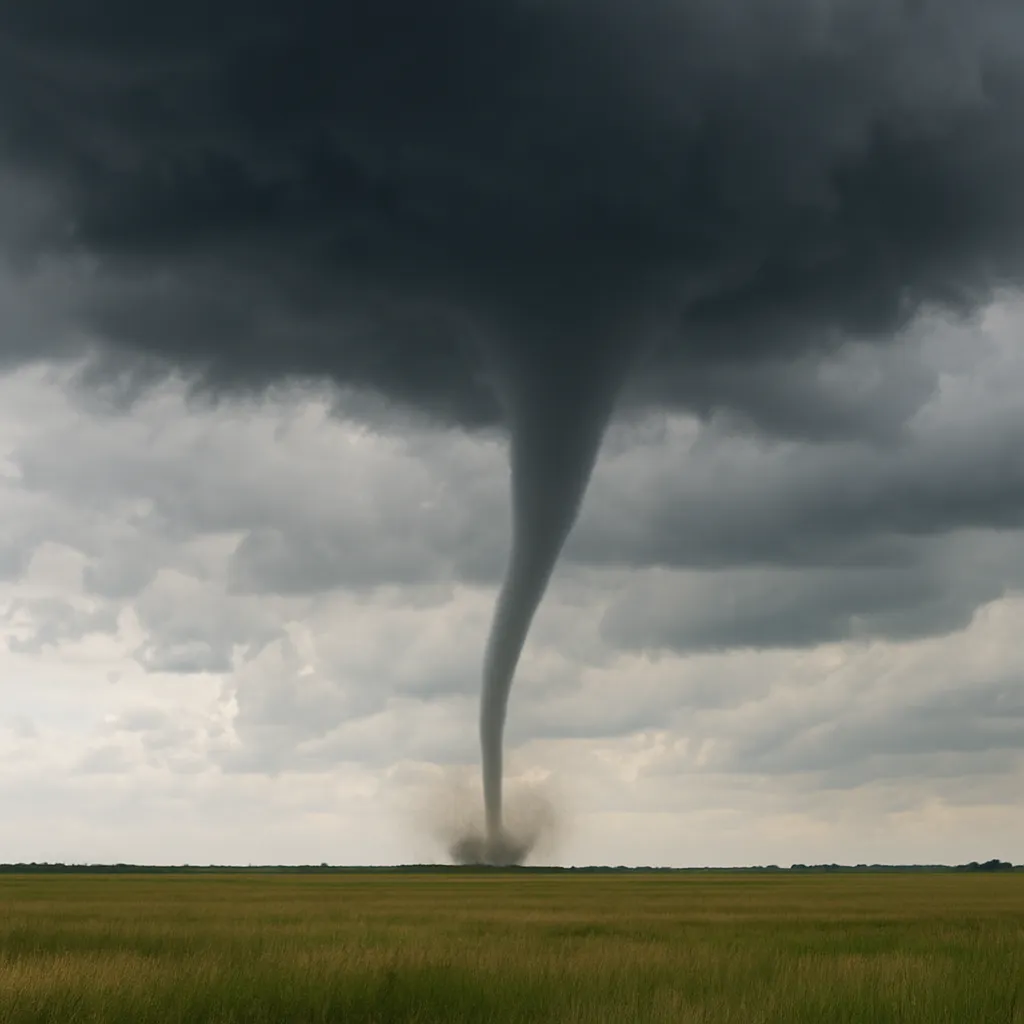
A county sets sirens and phone alerts to warn people before a tornado reaches town. What preparation is this?
A coastal city marks roads that lead inland and away from low beaches before a hurricane. What preparation is this?
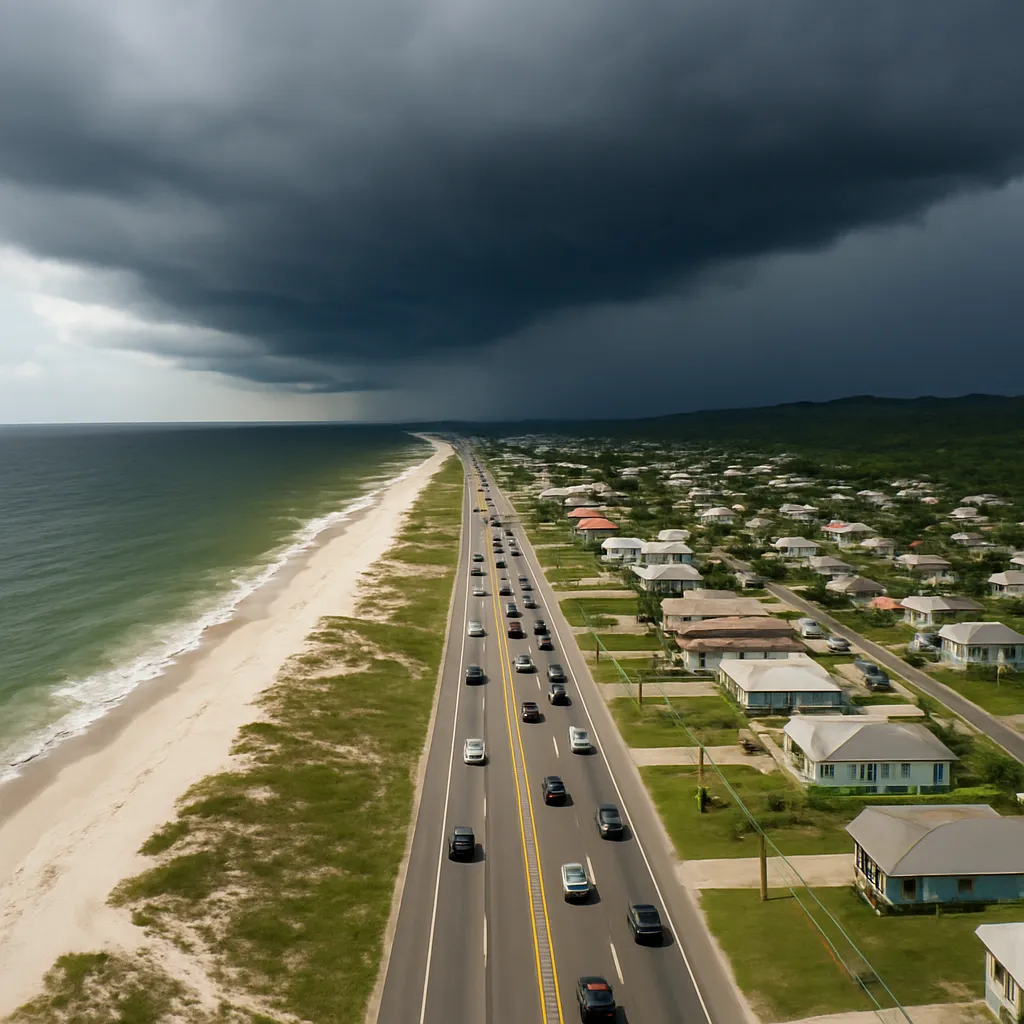
A river town builds a long raised wall beside the water to hold back high river levels. What structure is this?
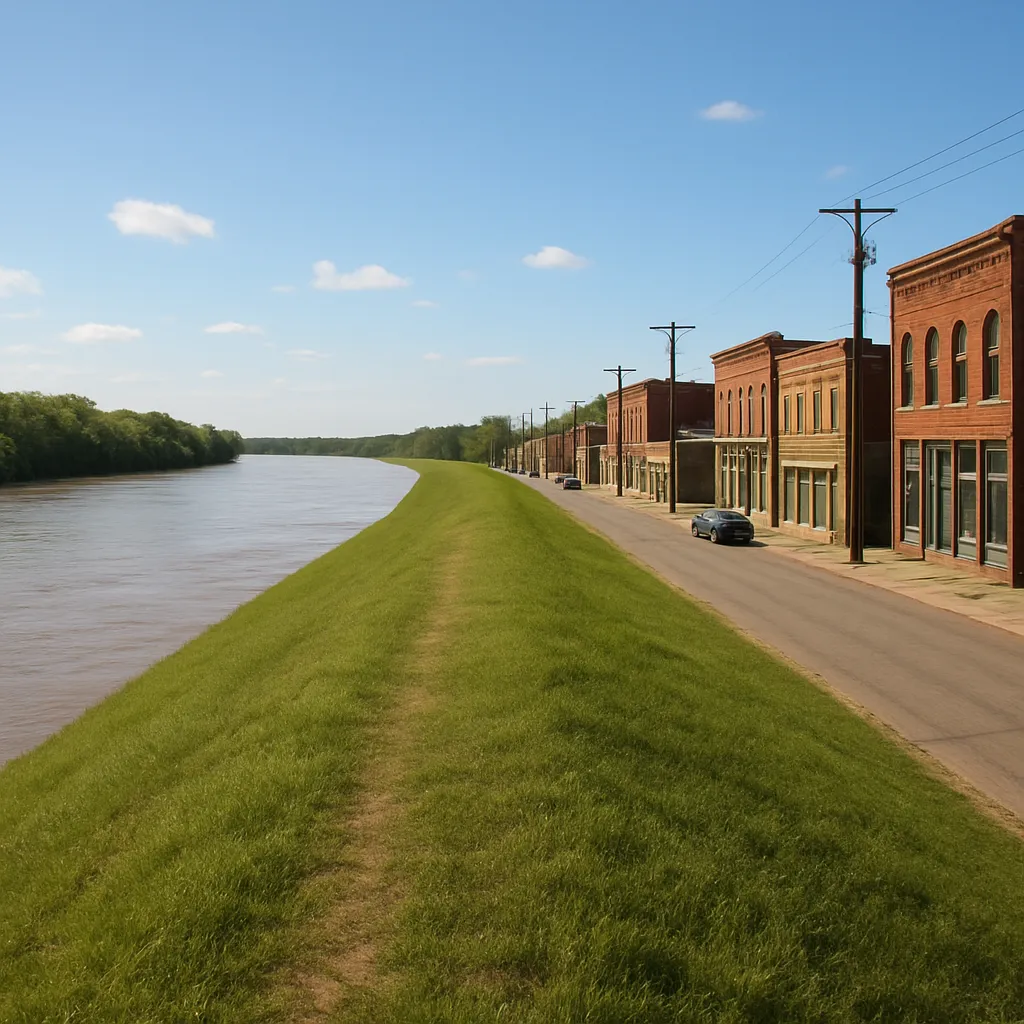
In an earthquake area, a city requires stronger wall connections and safer foundations in new buildings. What preparation is this?
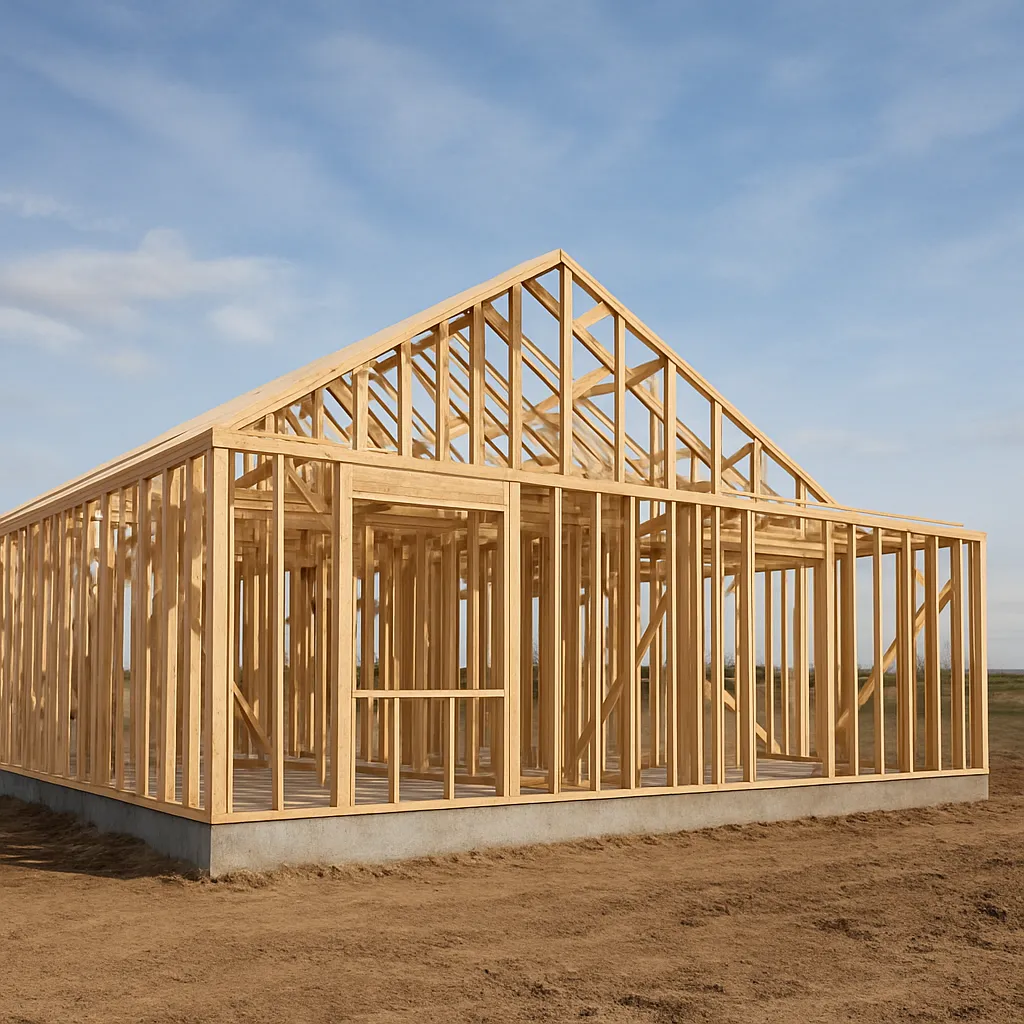
Firefighters clear a strip of brush between homes and a forest. What preparation helps slow a wildfire?
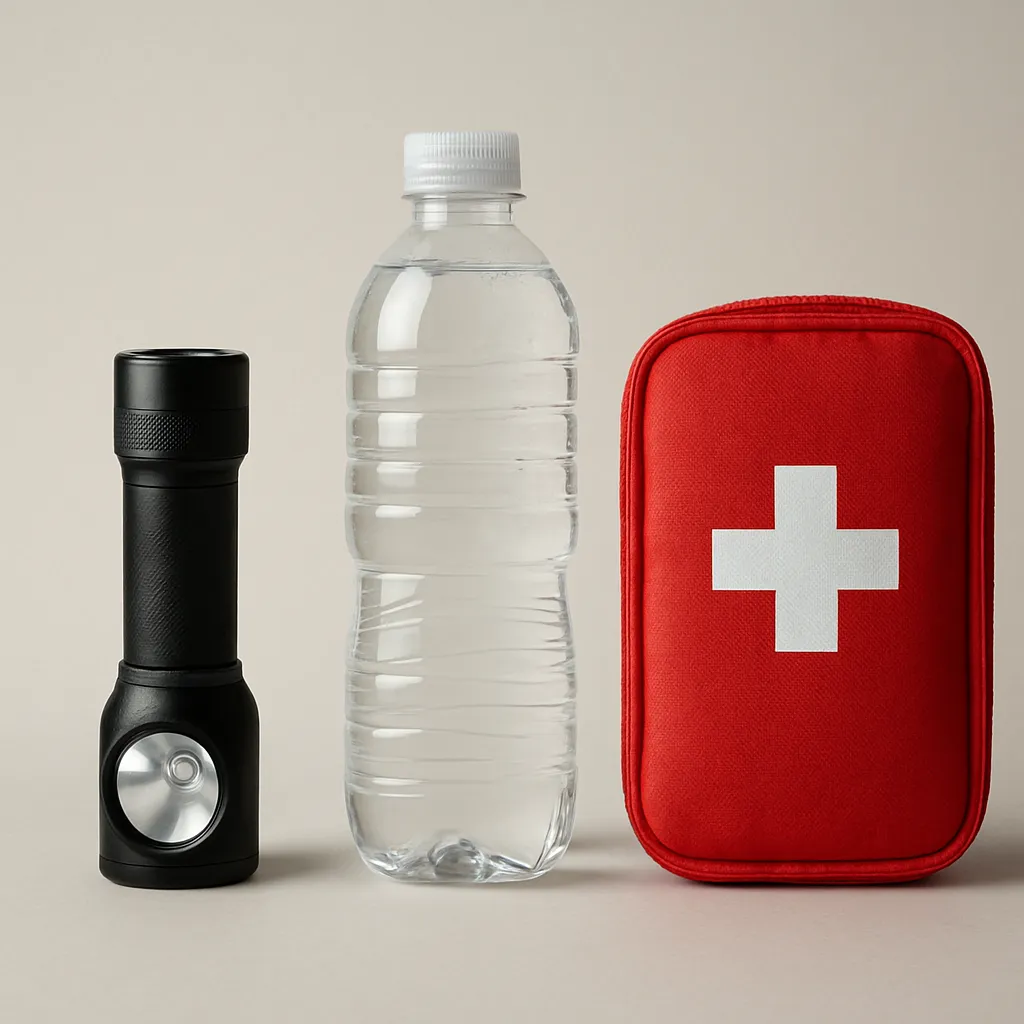
A family stores water, flashlights, batteries, and a first aid kit before storm season. What preparation are they making?
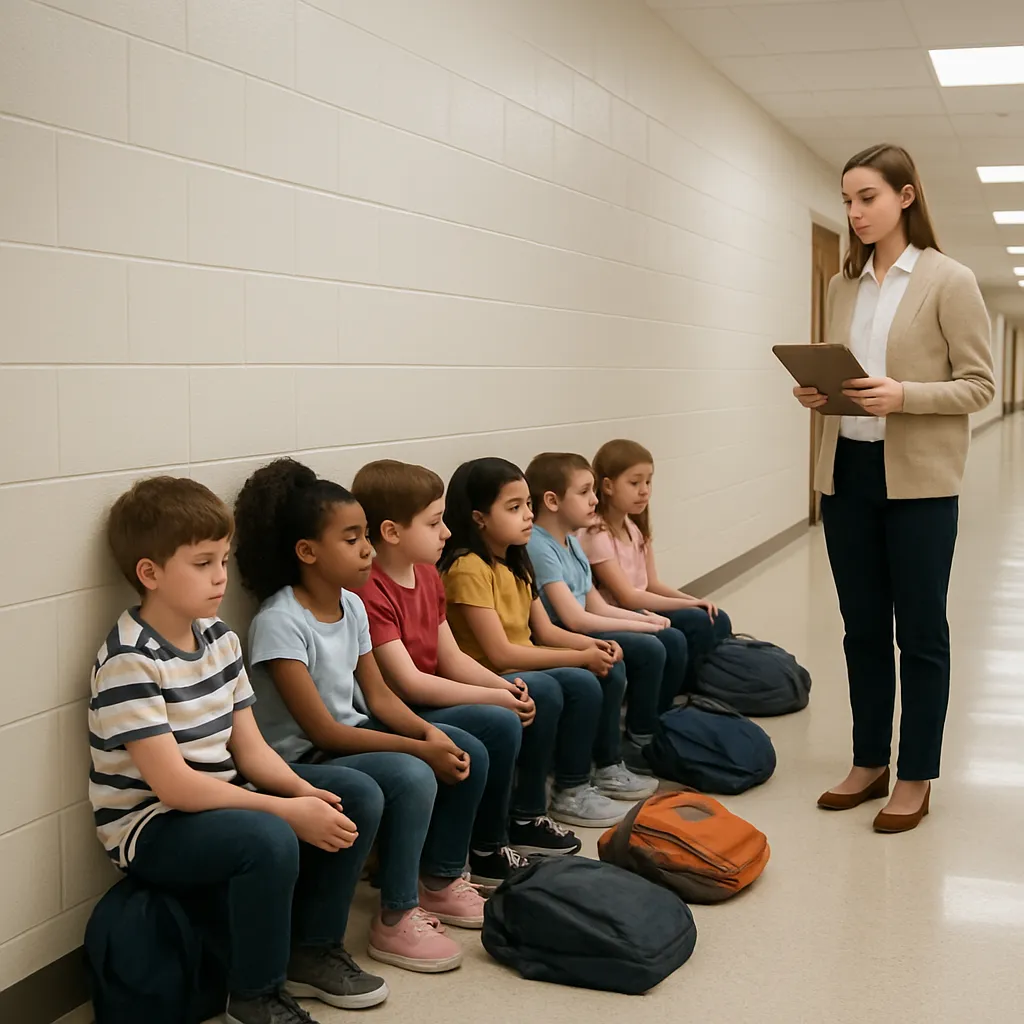
Students practice moving to an interior hallway when a tornado warning is announced. What preparation is this?
A town limits new houses on the lowest land beside a river. What preparation reduces damage when the river rises?
Officials tell residents to leave a coastal neighborhood before a hurricane reaches land. What response are officials using?
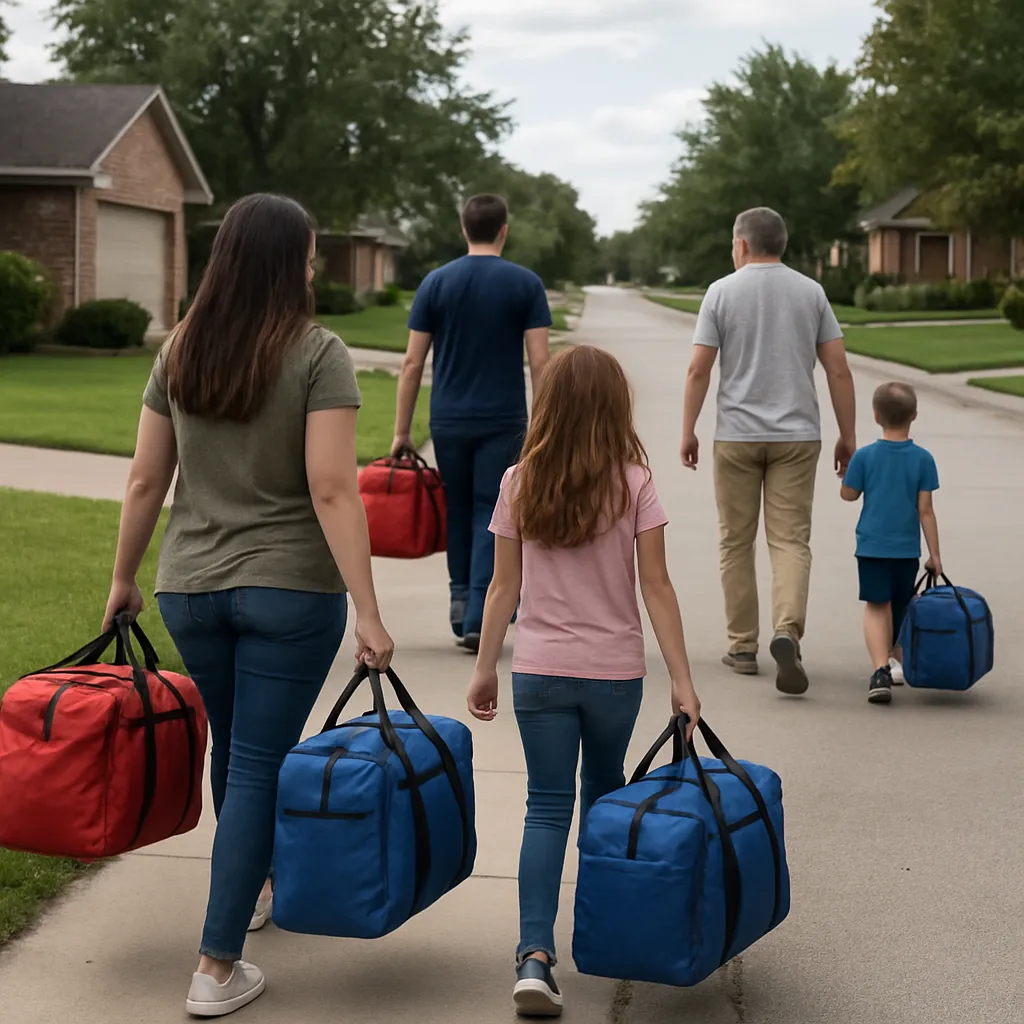
A school names the safest interior rooms to use during severe weather. What preparation does the school have?
Before a hurricane, people cover windows to help keep flying debris from breaking glass. What tool are they using?
Before a blizzard, a city gets trucks with large front blades and salt spreaders ready for the roads. What response helps keep travel routes open?
After heavy rain, workers check a measuring post in the water to learn if the water is rising toward homes. What tool are they checking?
During a hazard, police, firefighters, and shelter workers share information from one main place. What preparation supports this teamwork?

Warm ocean water along the Gulf and Atlantic coasts gives storms energy, and the water is warmest in late summer. When is the Atlantic hurricane season?
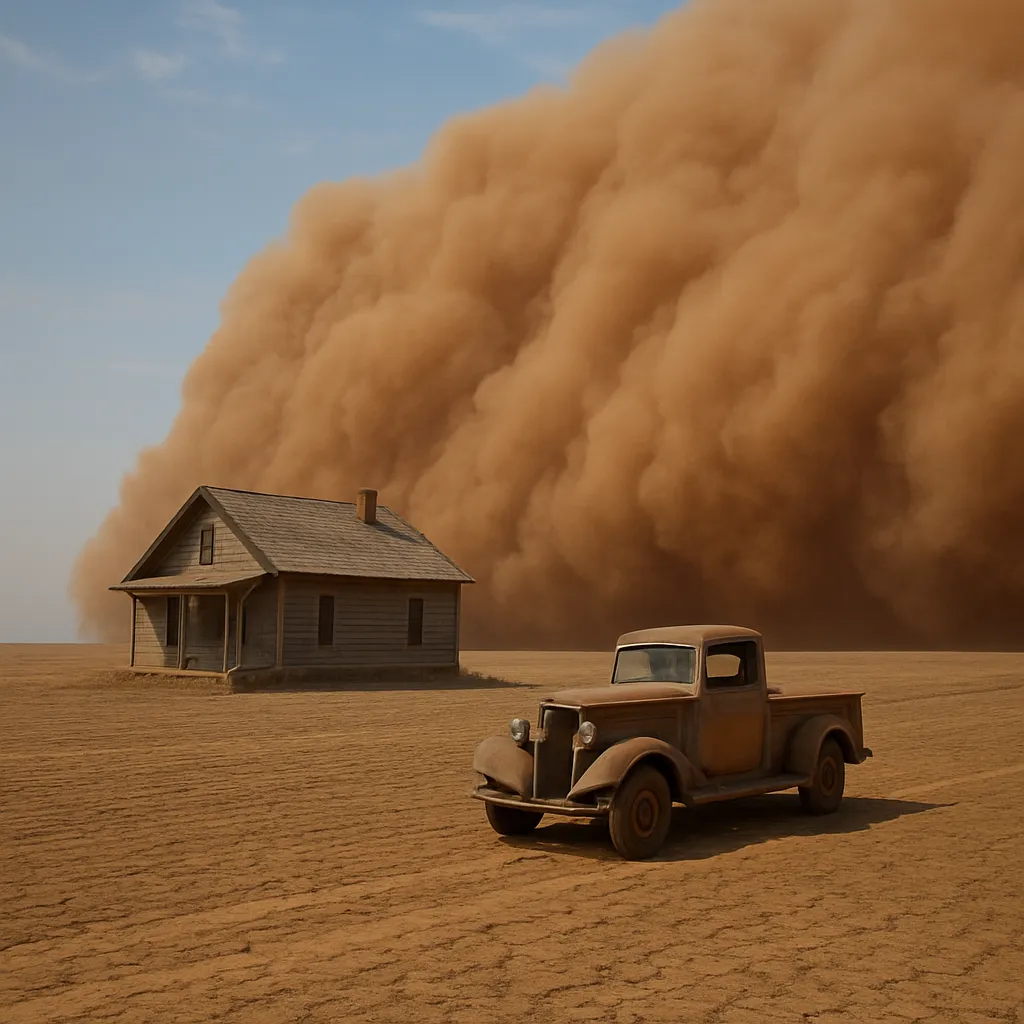
In the 1930s, long dry spells and strong winds on the central plains lifted loose farm soil into the air. What hazard did this create?
When Earth plates slip along a fault under the Pacific Ocean, they can push giant waves toward Alaska, Hawaii, and the West Coast. What hazard is this?
After a wildfire burns away the plants, heavy winter rain soaks steep western hillsides. What hazard becomes more likely?
On clear, calm winter days, Arctic air can drop northern plains temperatures far below zero, so bare skin can freeze in minutes. What hazard is this?
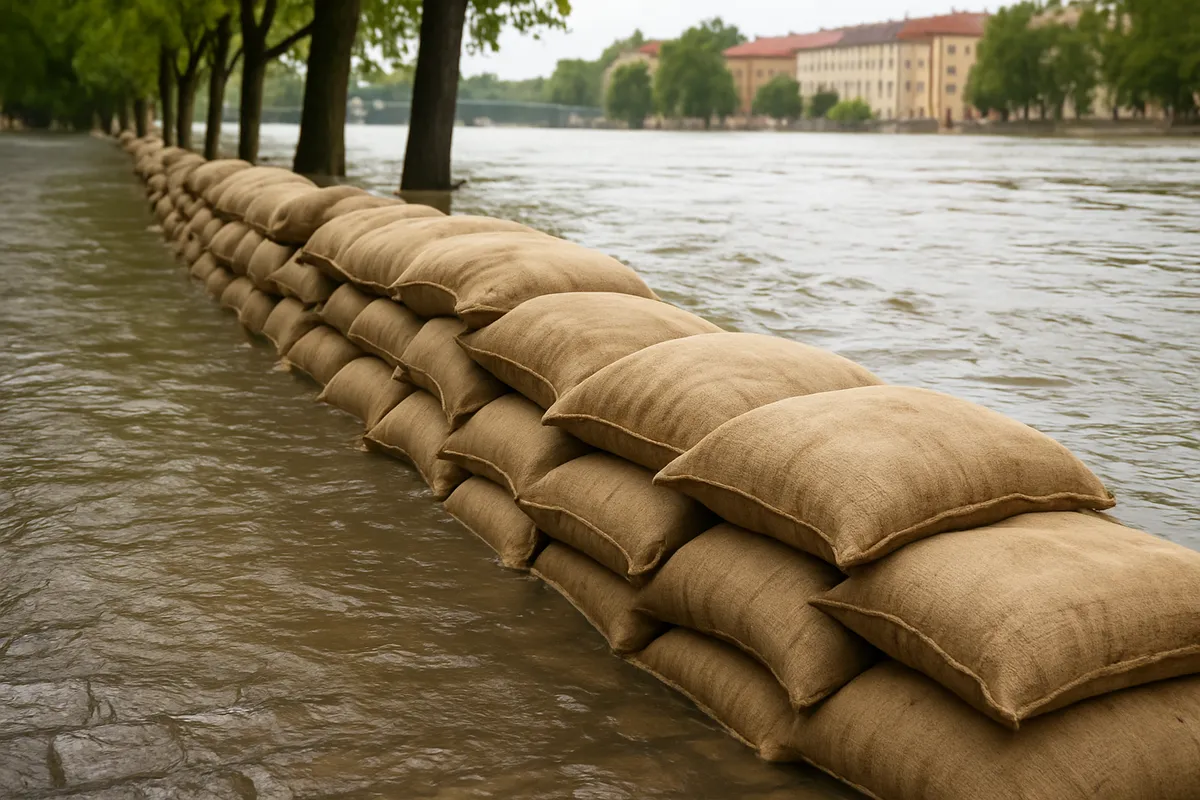
After a week of melting snow and heavy rain upstream, a town hands out sandbags for families to stack by their doors. What hazard is the town preparing for?
During a long heat wave in Phoenix, the city opens cooling centers in libraries and community buildings. Why does it do this?
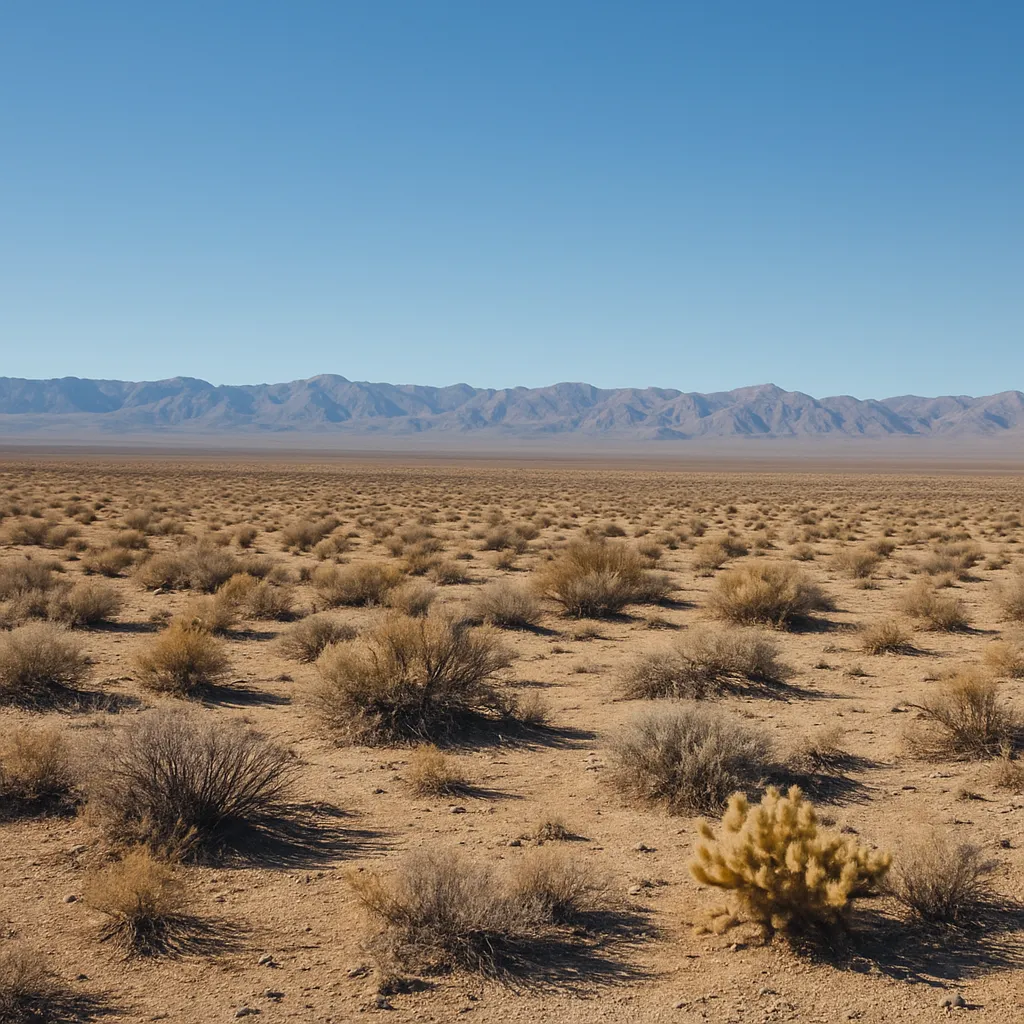
Hurricanes are given names, such as Katrina or Sandy. Why do weather experts name them?
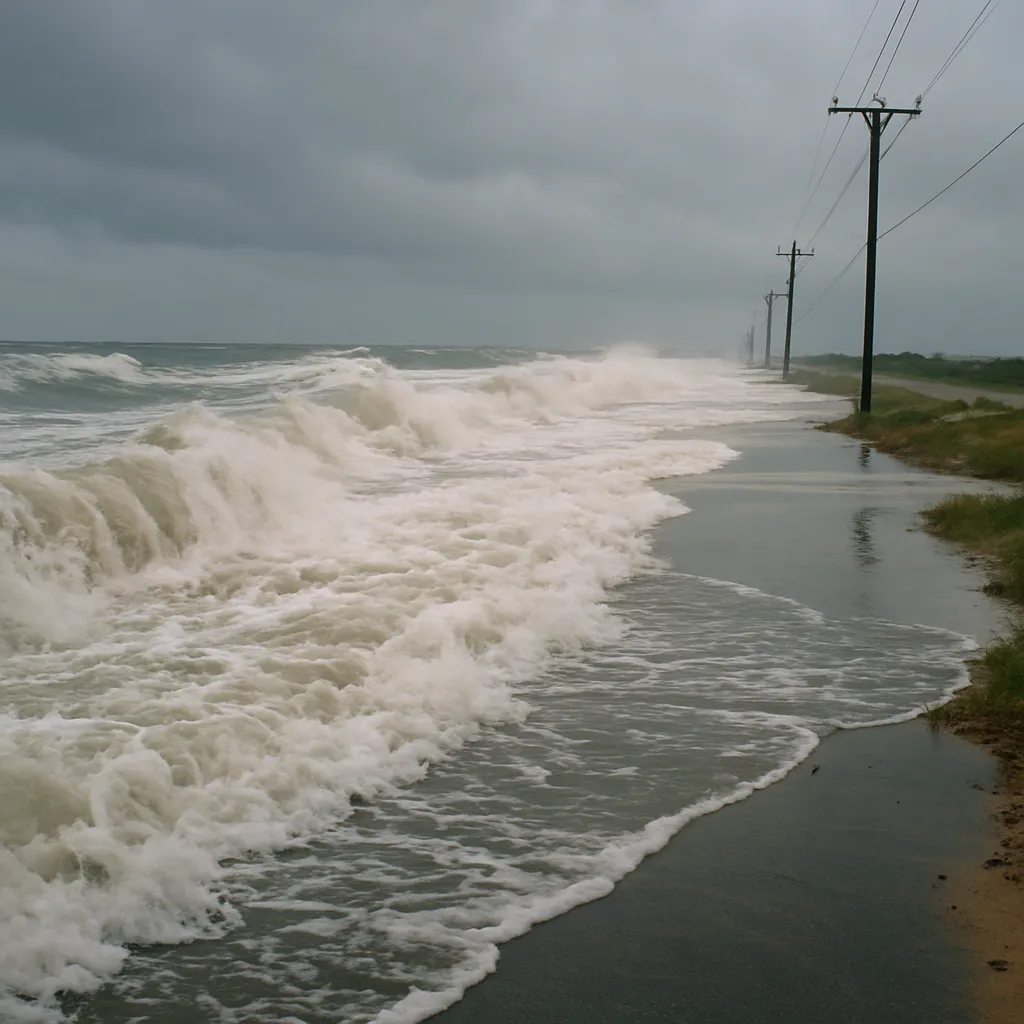
Cold winds blow across the Great Lakes, pick up moisture, and drop heavy snow on towns just downwind, such as Buffalo. What is this kind of snow called?
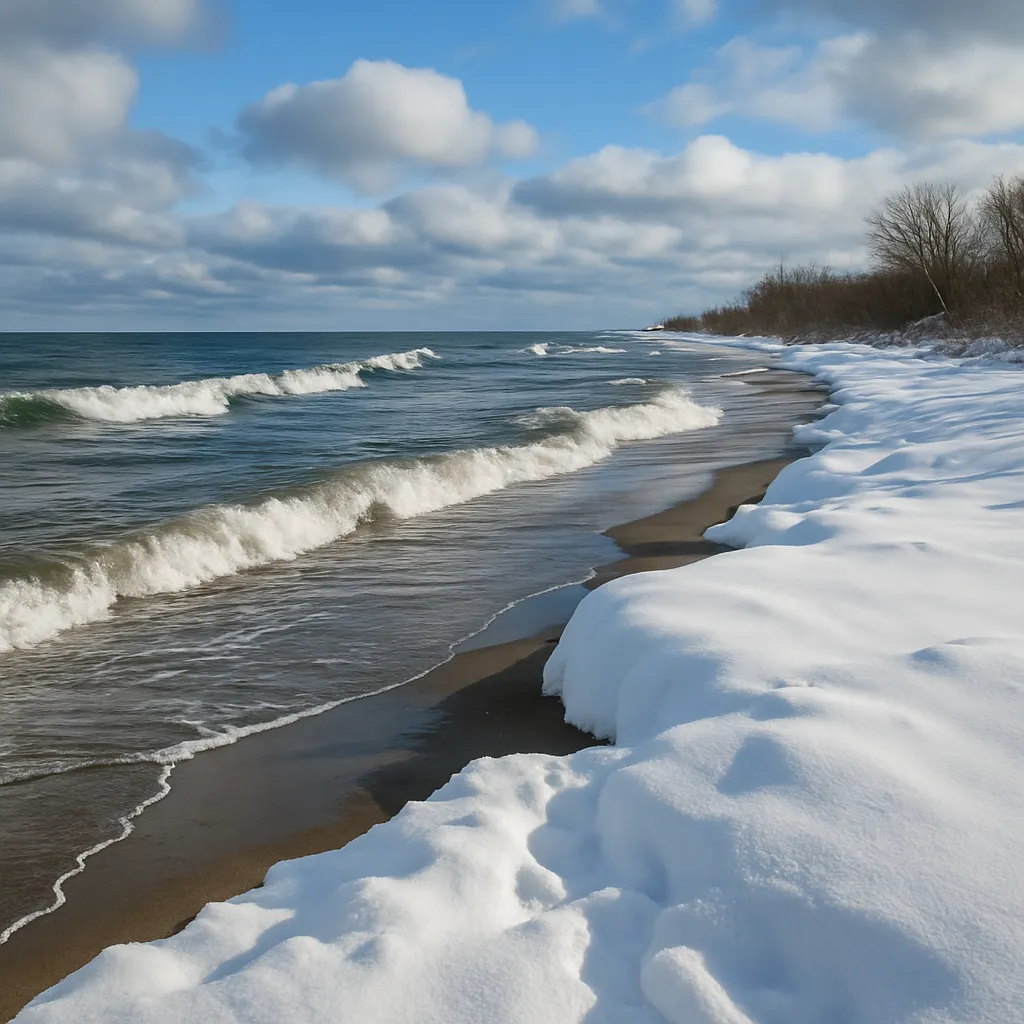
After a strong earthquake, smaller shakes can keep happening for days or weeks. What are these smaller shakes called?
Crack the passcode before the zombies get in.
Answer, then swat bugs for bonus points.
Race through questions at your own speed.
Same question on every screen. Fastest wins.

Pick a tile, answer, hit bonuses and steals.
The Thirteen Colonies
40 questions