Loading
by BlastRoom
Students explain forced removals, routes west, resistance, and the human cost of the Trail of Tears.
#history#us_grade_4_social_studies
40 questions
One question set, multiple game modes. Tap any game to see it in action. Not sure which to pick?
Answer to place stones and capture territory.
Outrun the snow together.
Earn blasts, then hunt the other team.
Answer to earn energy, then climb.

The class blasts through walls together.
Bid on mystery lots. Most money wins.
Sell tours. Nice, standard, or a total scam.

Answer, restock, and serve the rush.
More correct answers pulls the rope your way.
Answer, then shoot down the alien wave.
Answer, then tap to leap the frozen ridge.
In the 1830s, the U.S. government pressed many Indigenous nations in the Southeast to leave homelands. What happened when nations refused to go voluntarily?
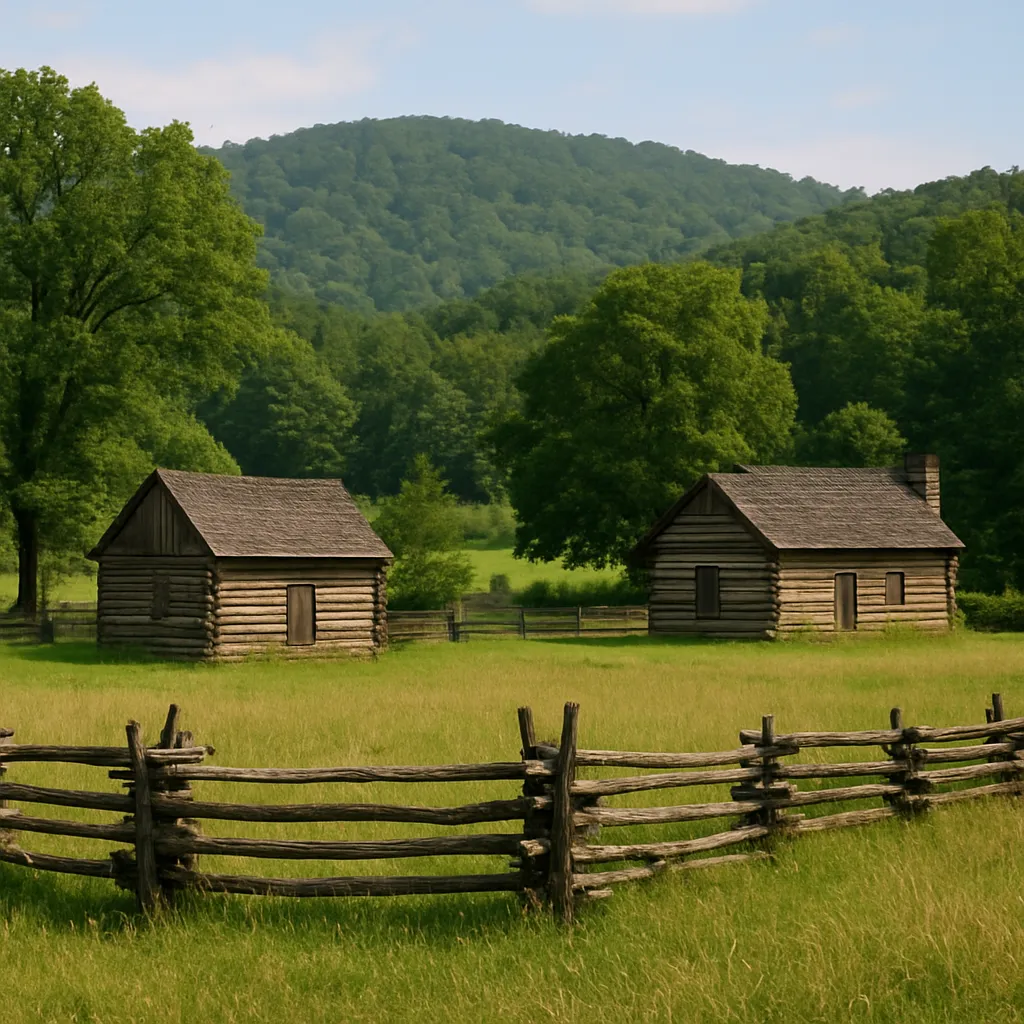
On removal routes, families often traveled long distances by foot, wagon, and boat. What area were many moved toward?
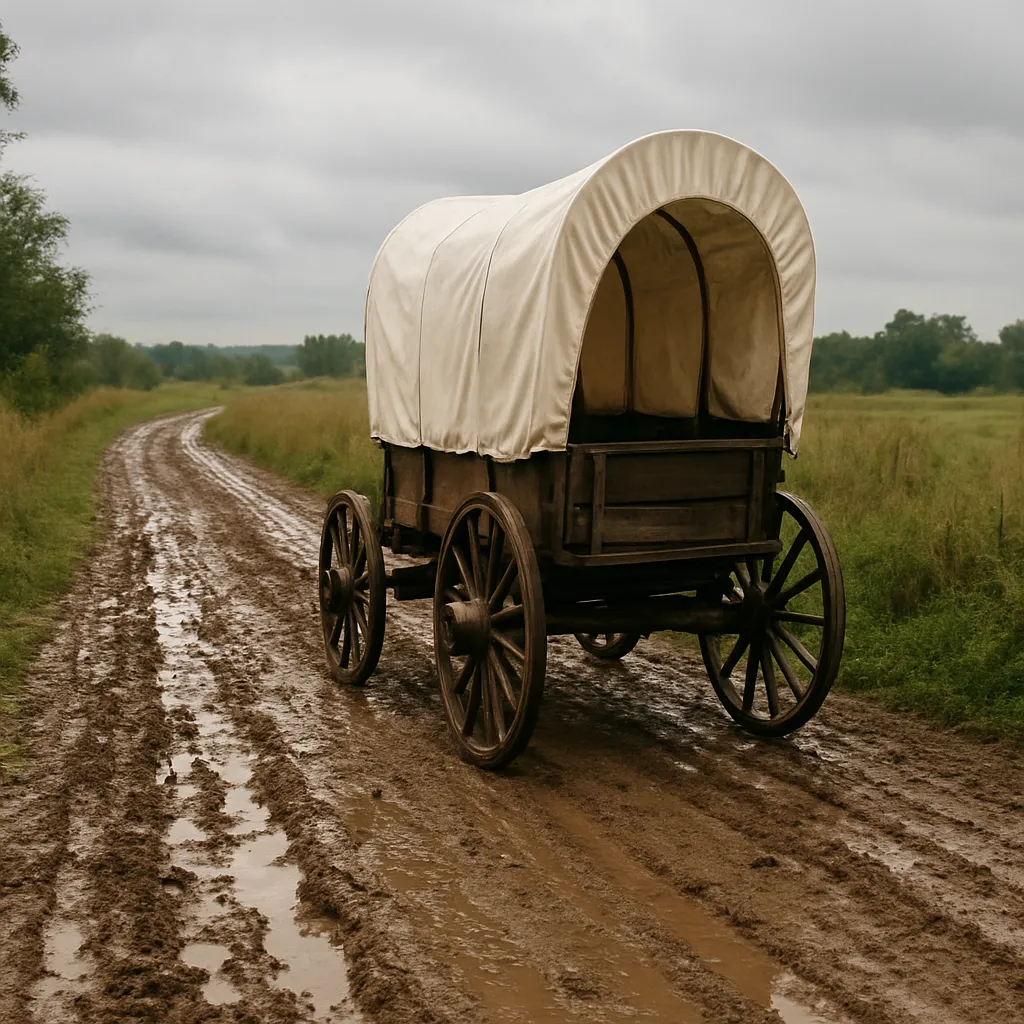
A Cherokee account describes people leaving homes in winter and walking guarded roads. What was the Trail of Tears?
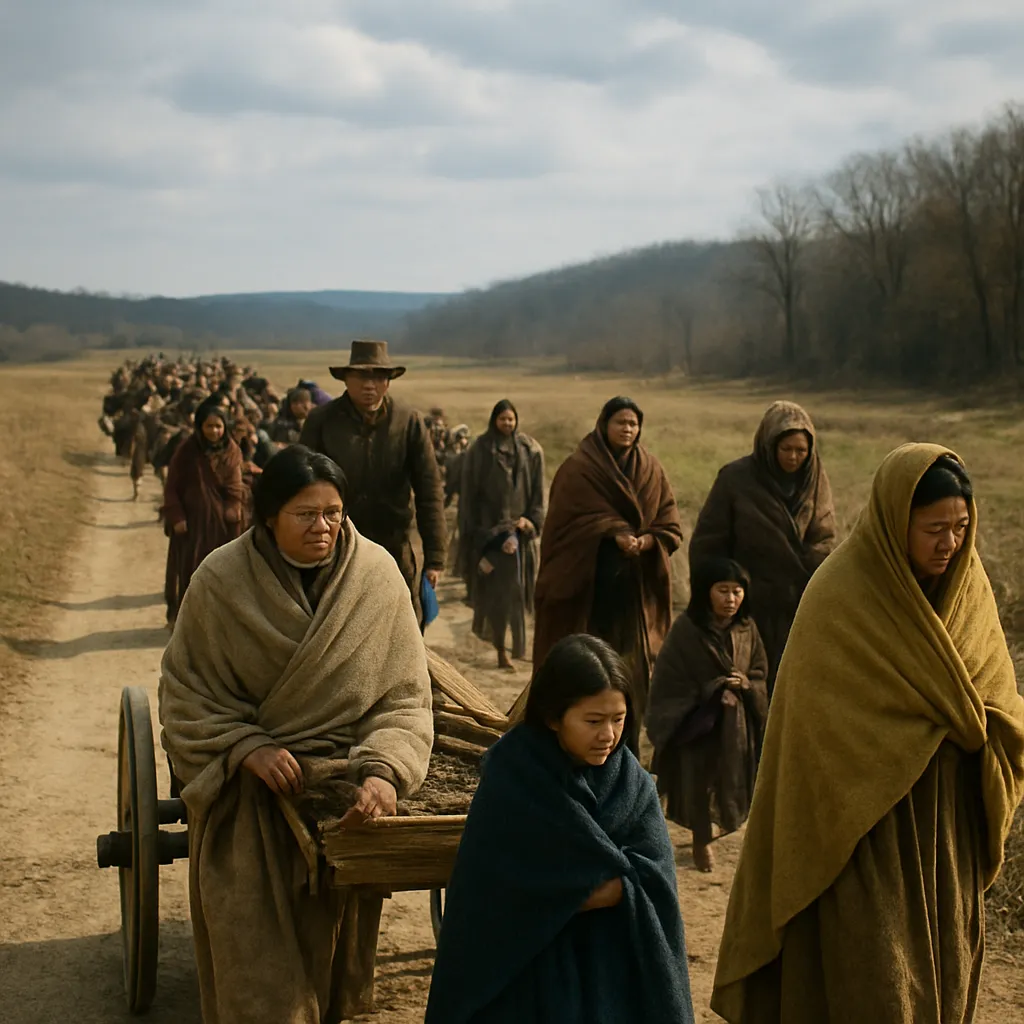
What effect did removal have on many Indigenous communities in the Southeast?
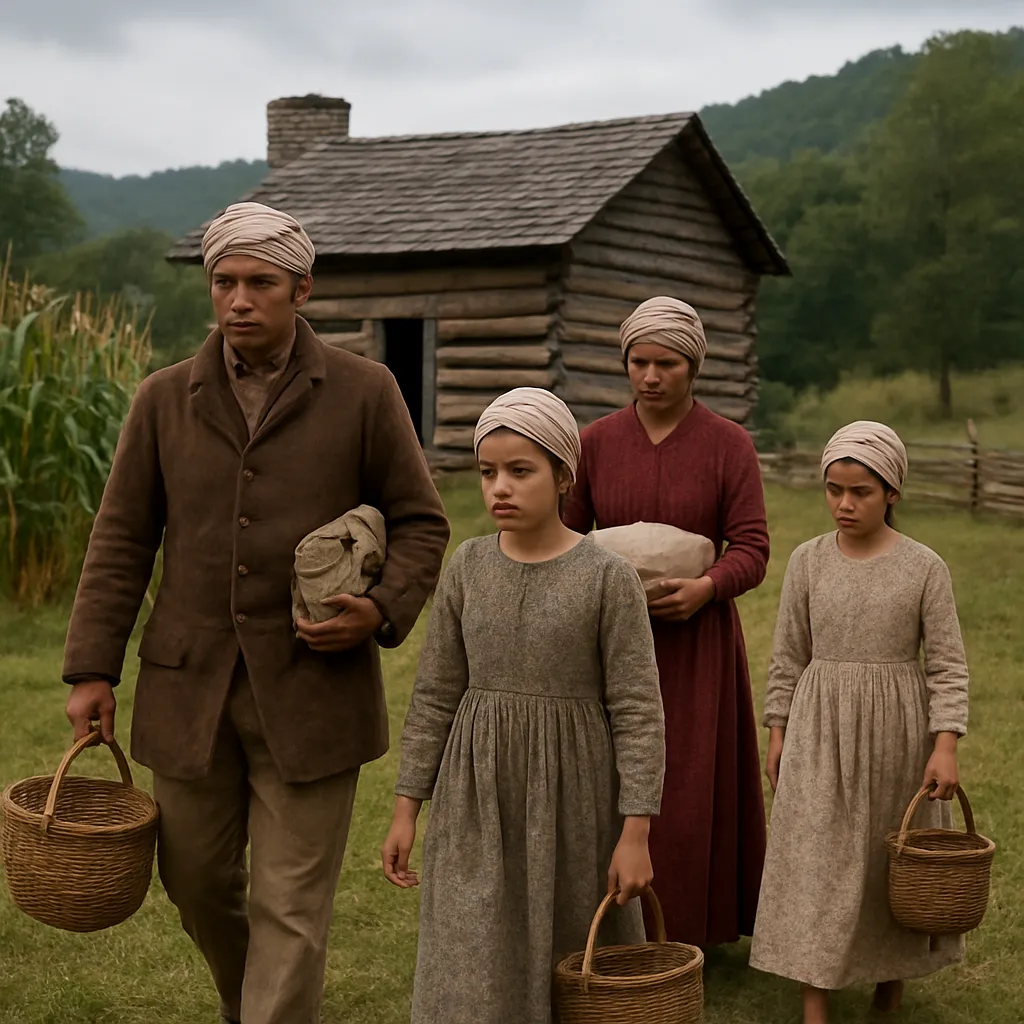
What made the forced removal journeys deadly for many people?
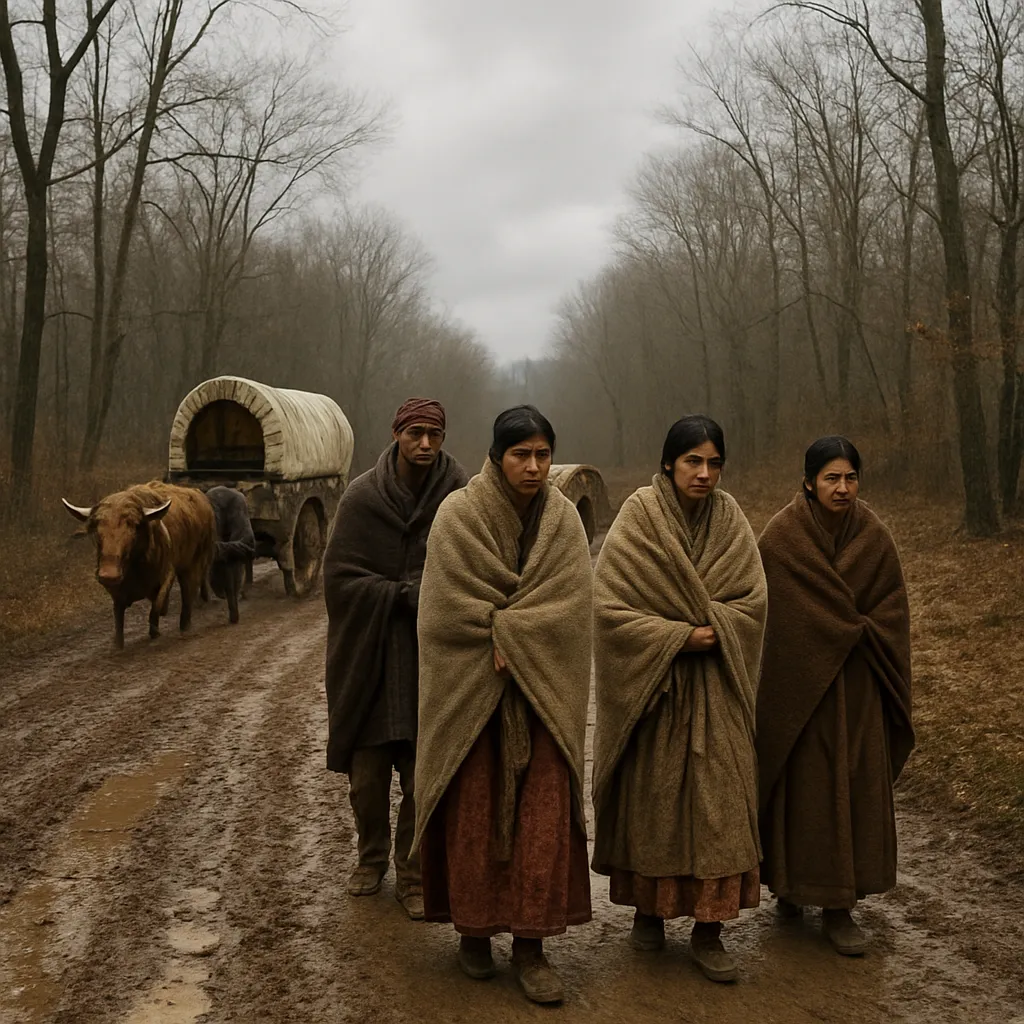
Soldiers and government agents supervised some removals. What does that show about removal?
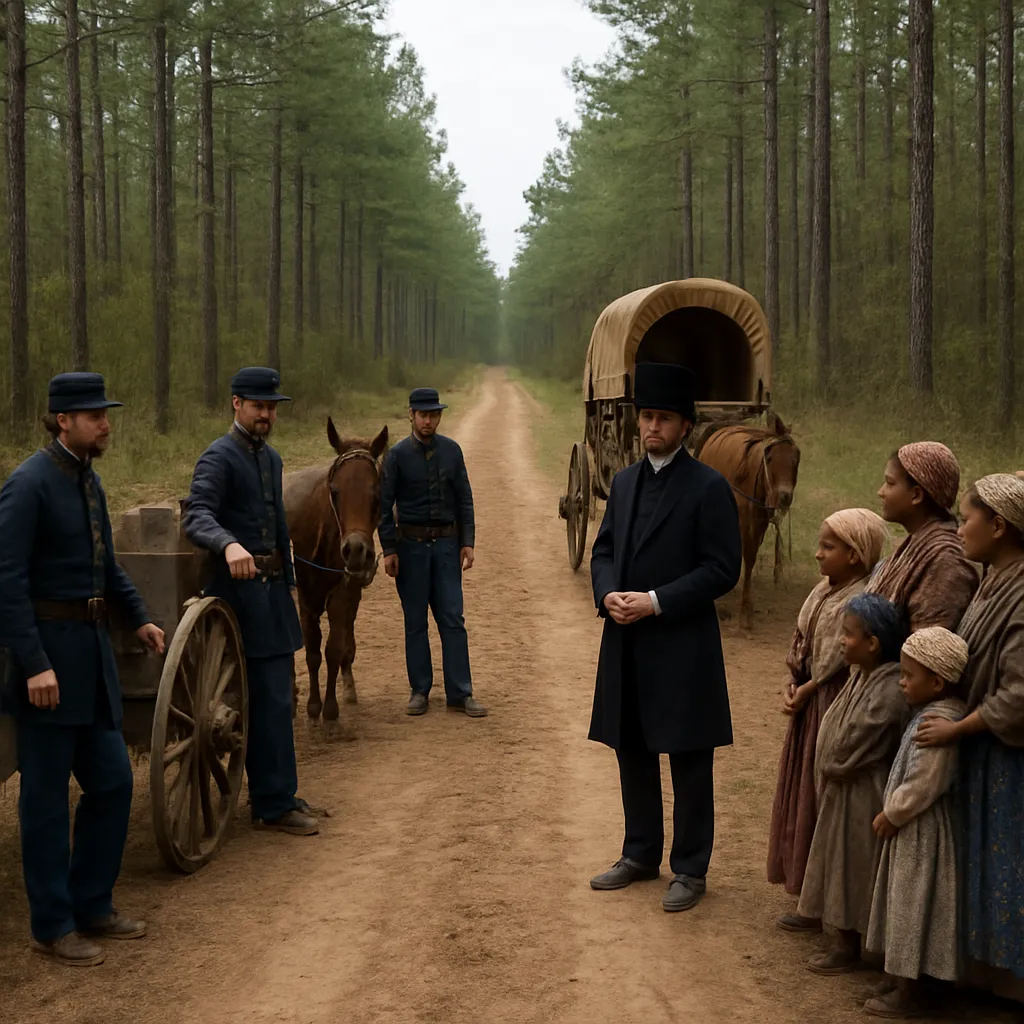
A family forced west might leave a house, garden, and burial places behind. What kind of loss did removal cause?
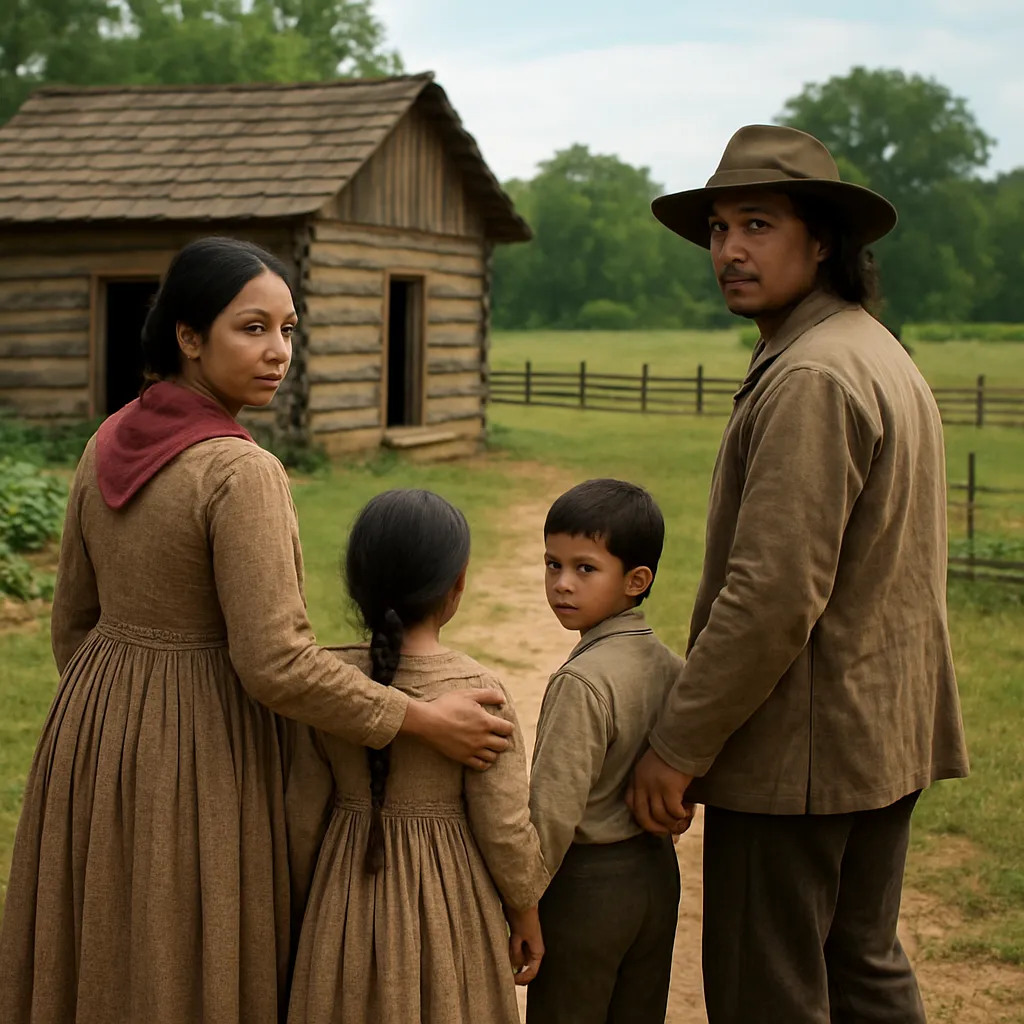
The Creek were forced west in 1836, and the Cherokee in 1838. What does this show about the removal process?
Many removal parties traveled in large groups for months. What happened to thousands of Indigenous people during removal?
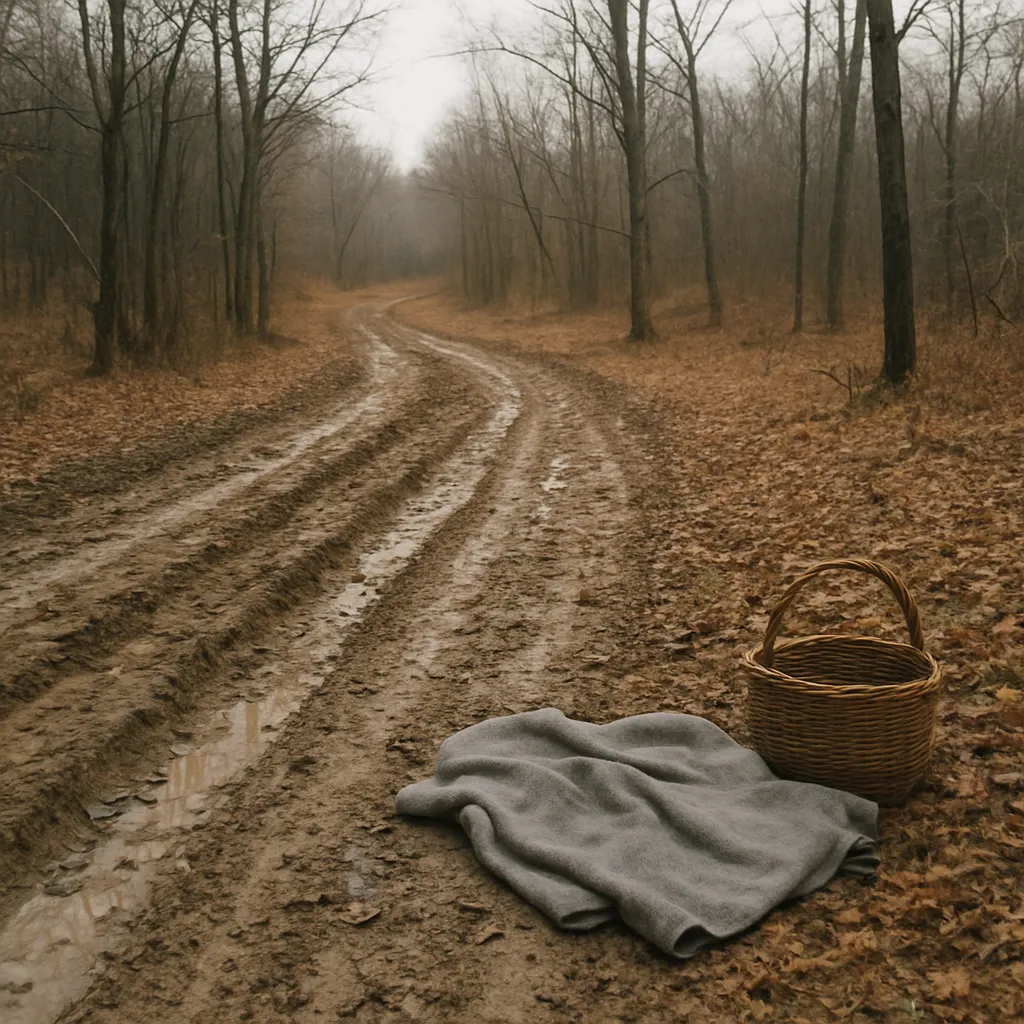
The phrase “Trail of Tears” is often used for the Cherokee removal of 1838–1839. Why does the name include “Tears”?
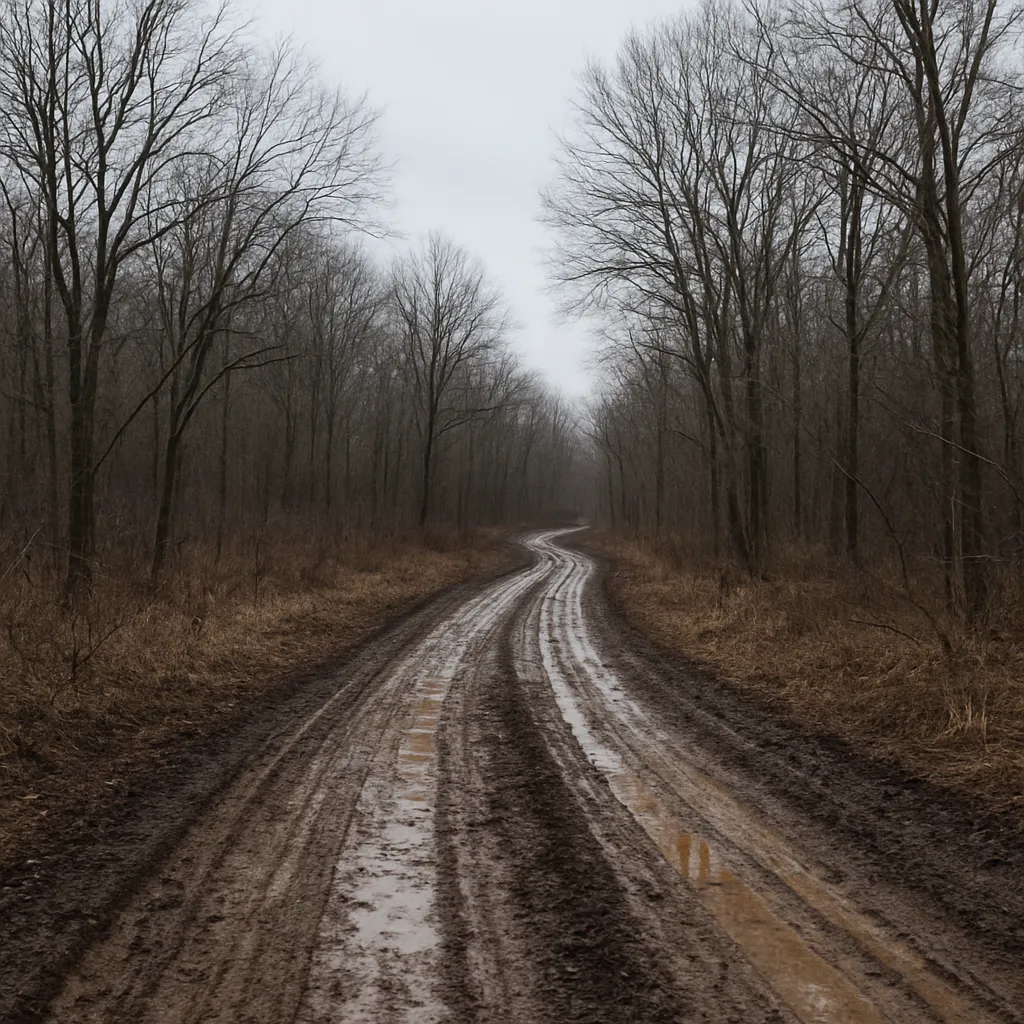
The U.S. government called the western destination Indian Territory. What present-day state includes much of that area?
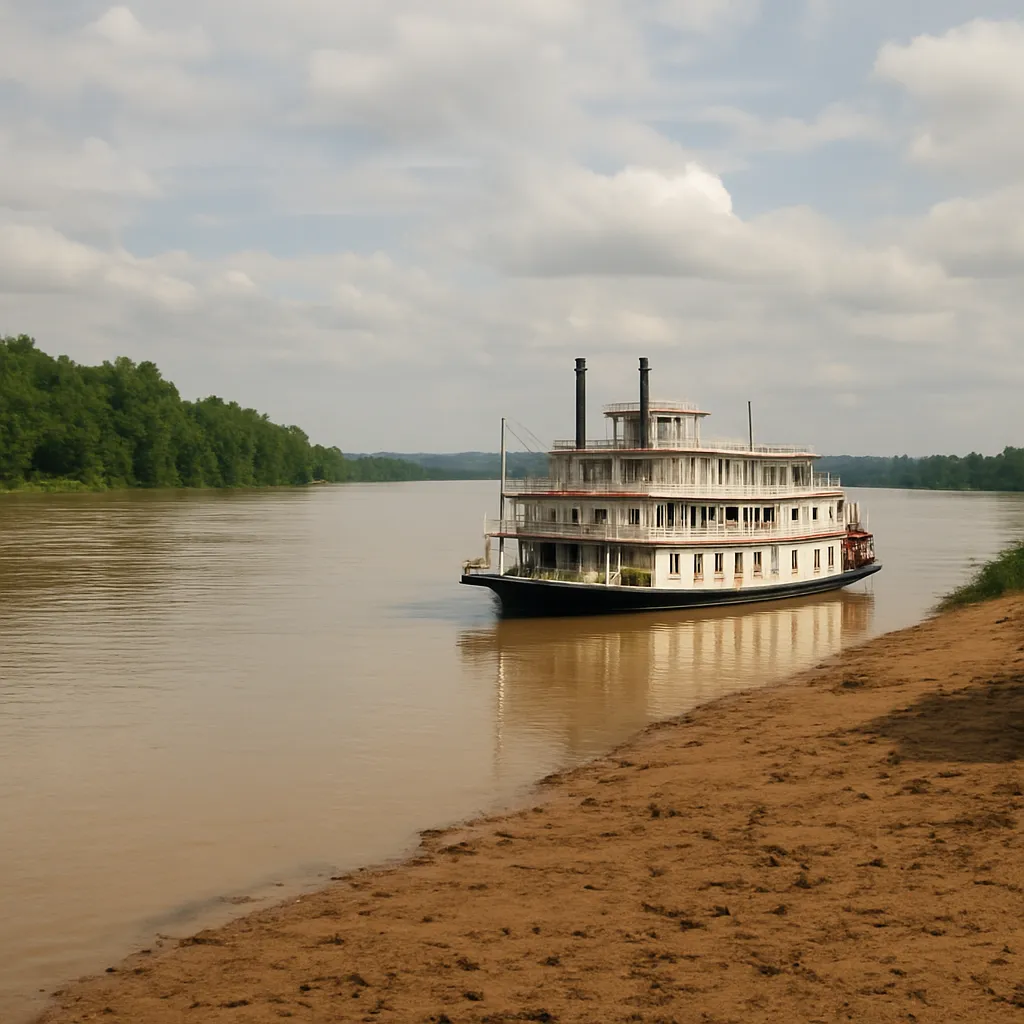
Removal groups had to travel hundreds of miles west to Indian Territory. How did many groups make the trip?
When people were forced from their farms before the harvest, what hardship did this create on the journey?
In 1827, the Cherokee Nation wrote a constitution. What did it set up?
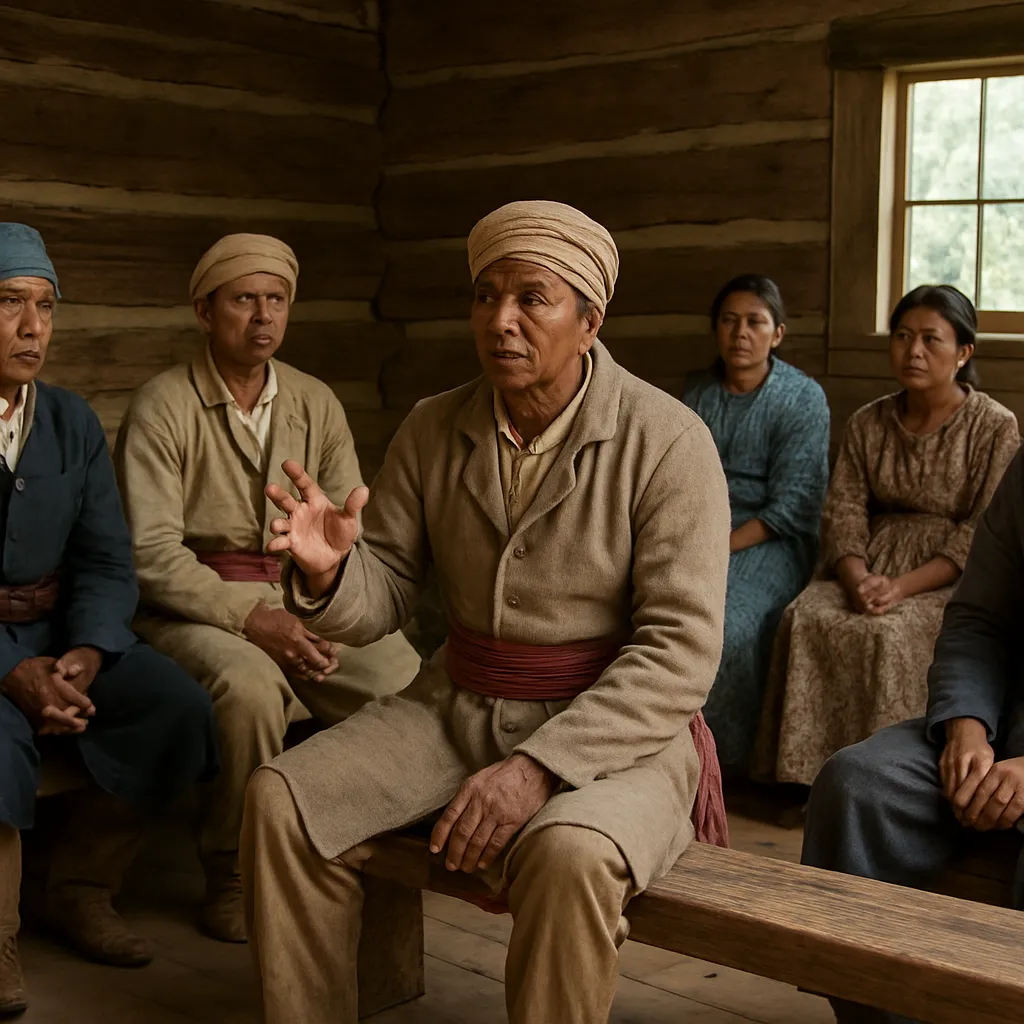
Some Indigenous nations signed removal agreements under heavy pressure, while many members opposed leaving. What was the key problem with those moves?

After removal, what was one long-term effect for the removed nations?
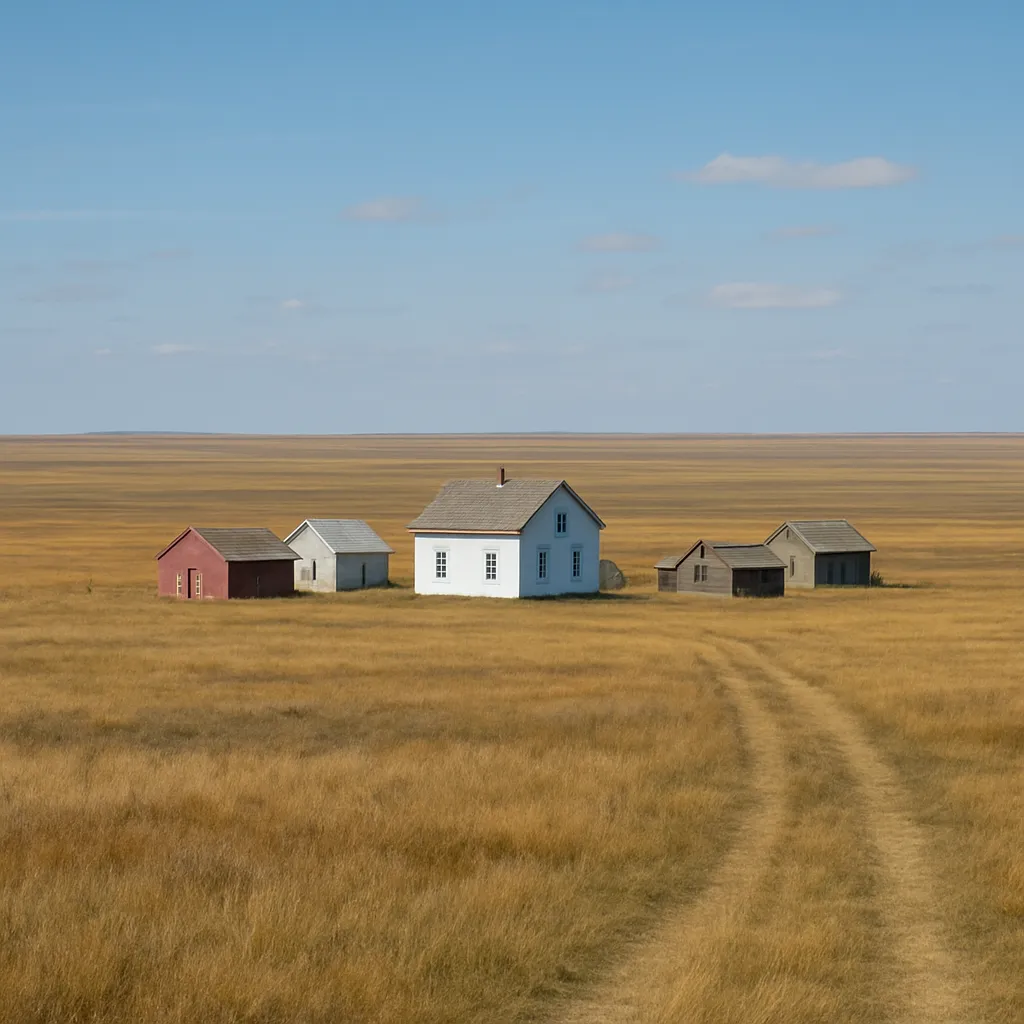
Some Cherokee avoided removal by staying in the mountains. Their descendants, the Eastern Band of Cherokee Indians, still live in which state today?
The Cherokee Nation had towns in the southern Appalachian region before removal. What region were Cherokee homelands part of?
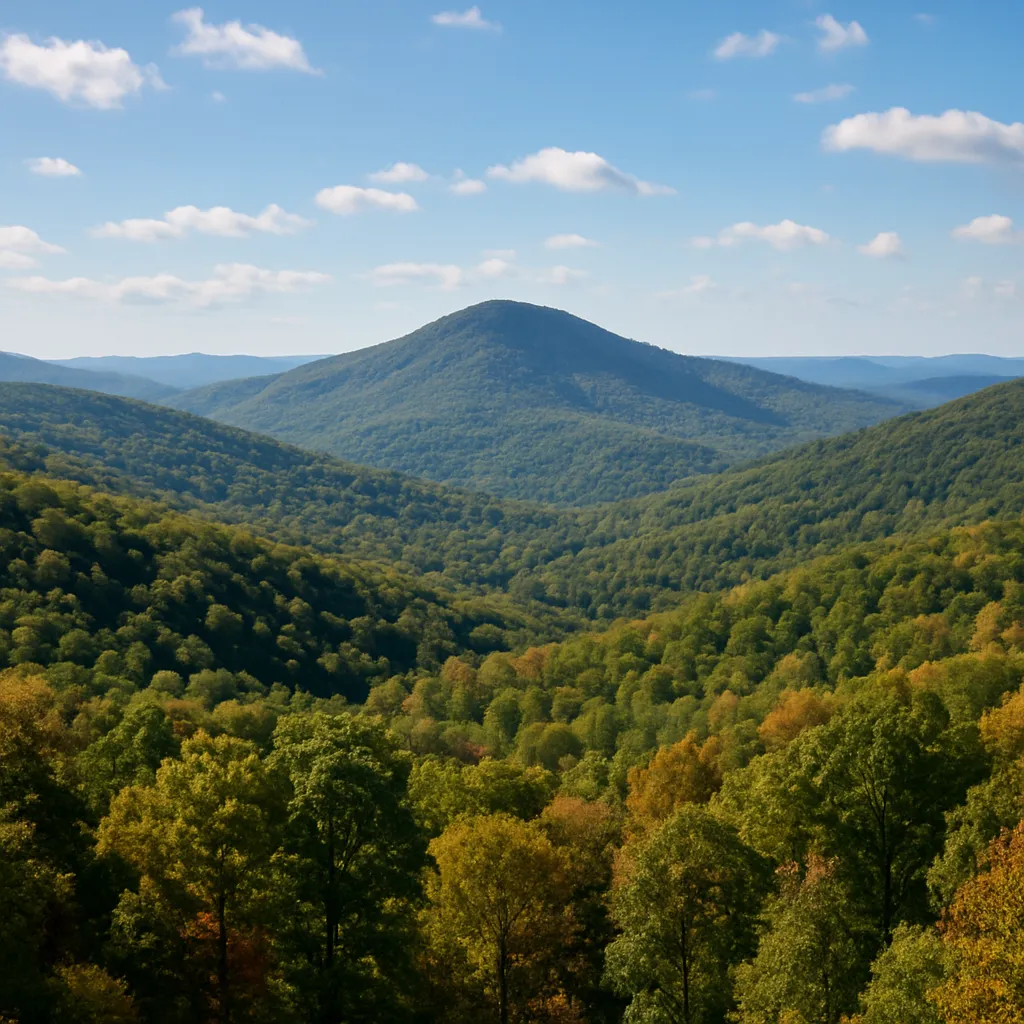
The Choctaw Nation was one of the first southeastern nations forced west. From what present-day state were many Choctaw removed?
After Choctaw families left southeastern homelands, where were many forced to resettle?
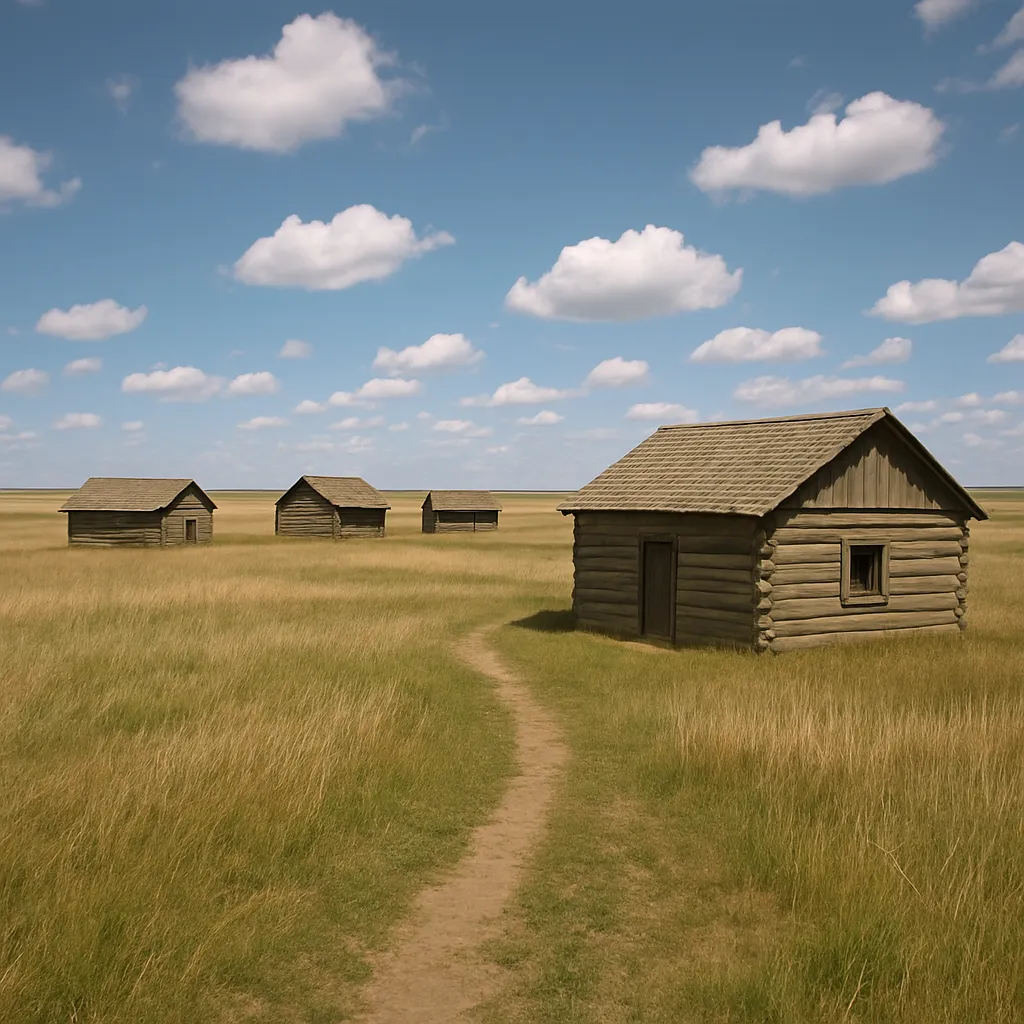
The Chickasaw Nation had homelands in northern Mississippi and nearby Tennessee. During removal, where were many Chickasaw moved?
Before removal, the Chickasaw Nation's homelands were mainly in what U.S. region?
Creek (Muscogee) towns stood in the Southeast before removal. To what area were many Creek people forced to go?
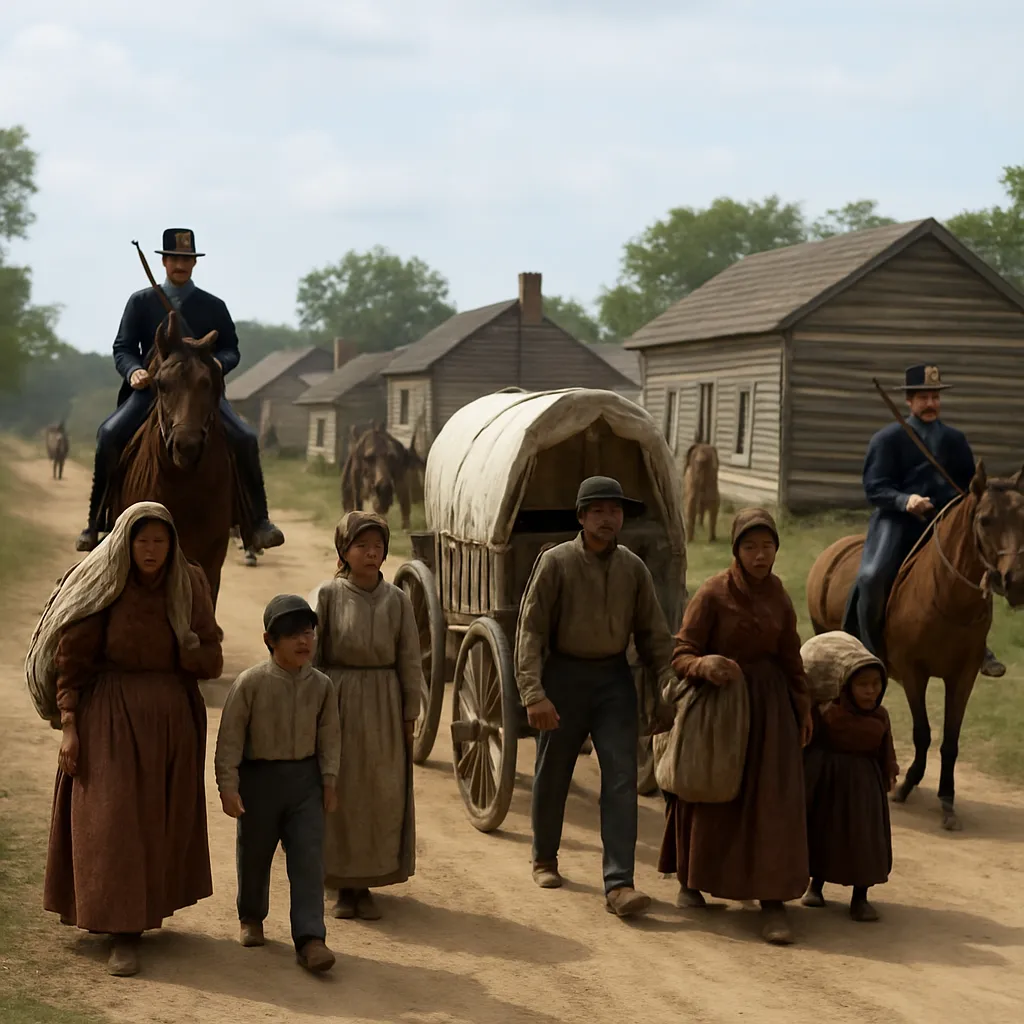
The Creek (Muscogee) Nation was removed from homelands mostly in which present-day states?
The Seminole resisted removal from a homeland with wetlands, forests, and towns in the Southeast. What present-day state was that homeland in?
Some Seminole people were forced west after years of war, while others stayed in their homeland. Where were many forced to move?
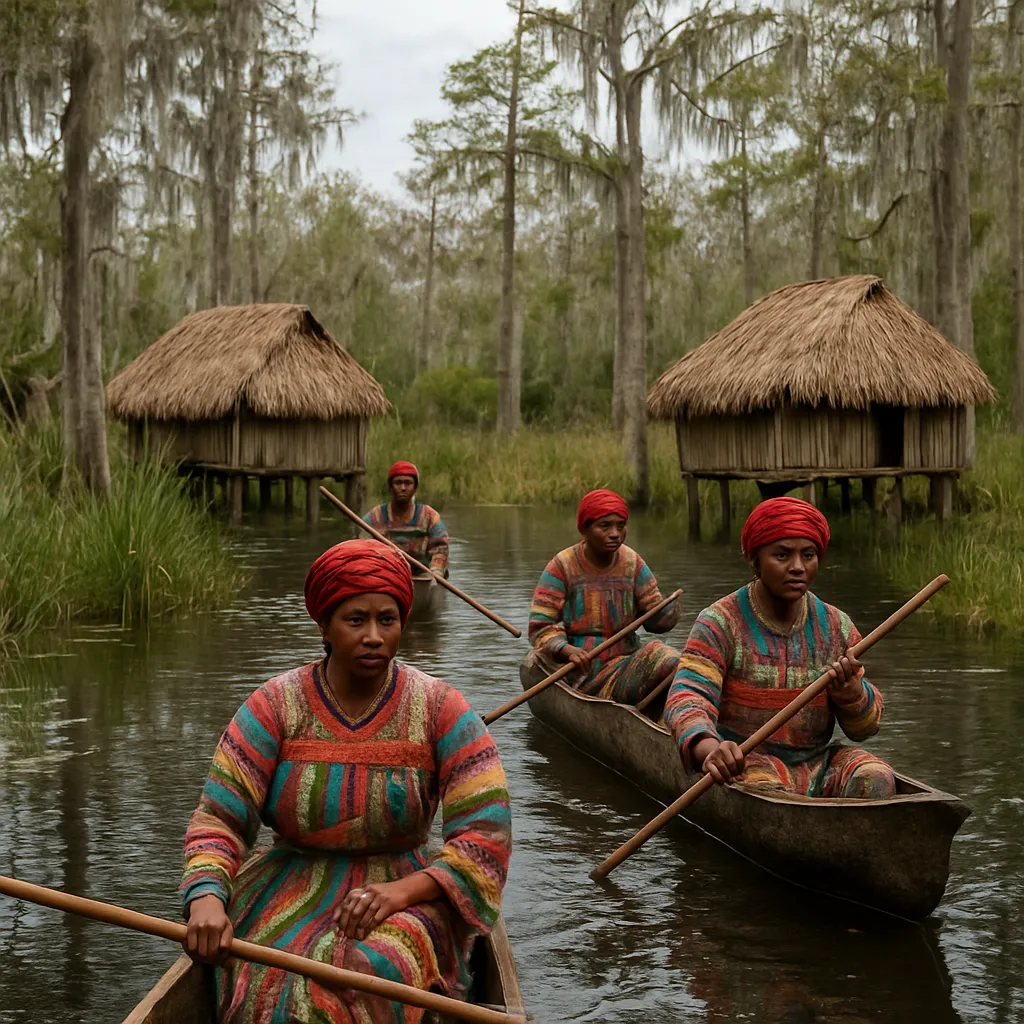
In Worcester v. Georgia (1832), the Supreme Court ruled on a dispute between Georgia and the Cherokee Nation. What did the Court decide?
John Ross had led the Cherokee Nation before removal. What did he continue to do after the Cherokee reached Indian Territory?
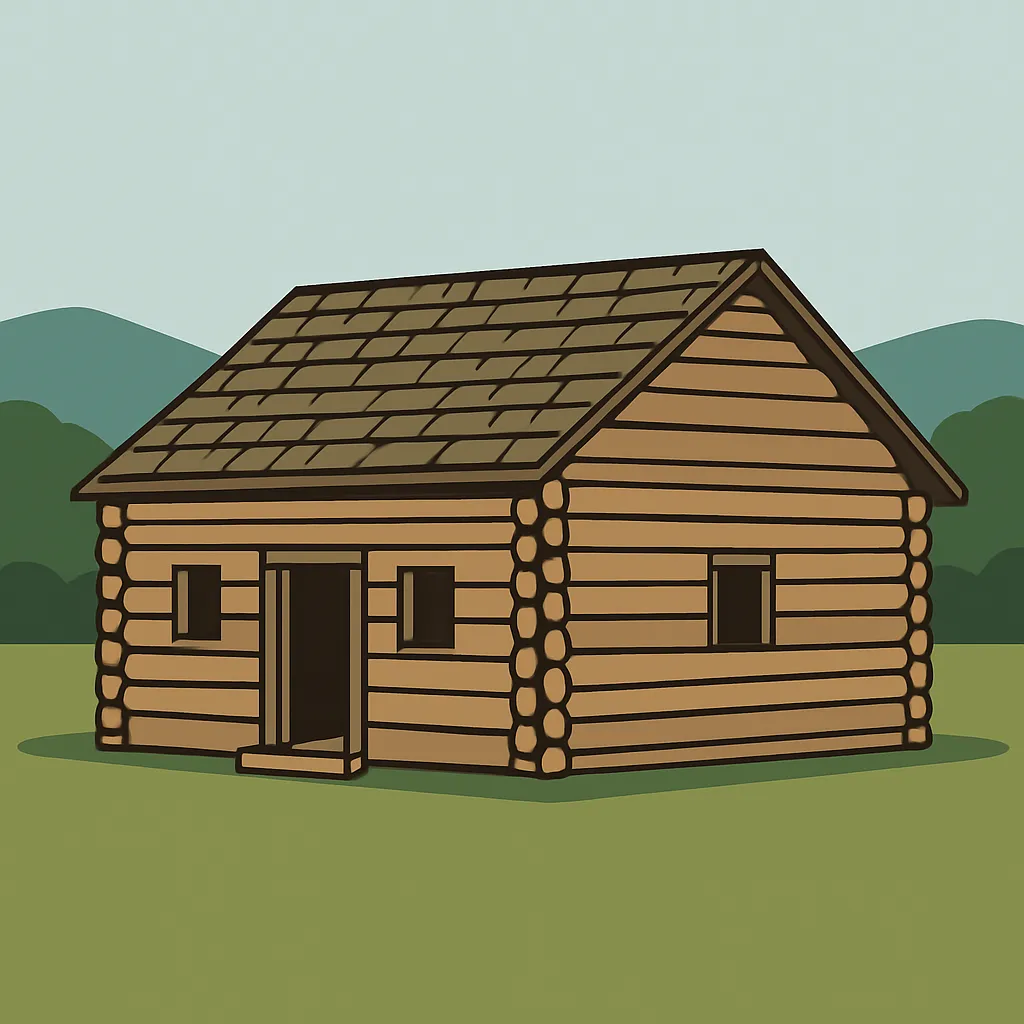
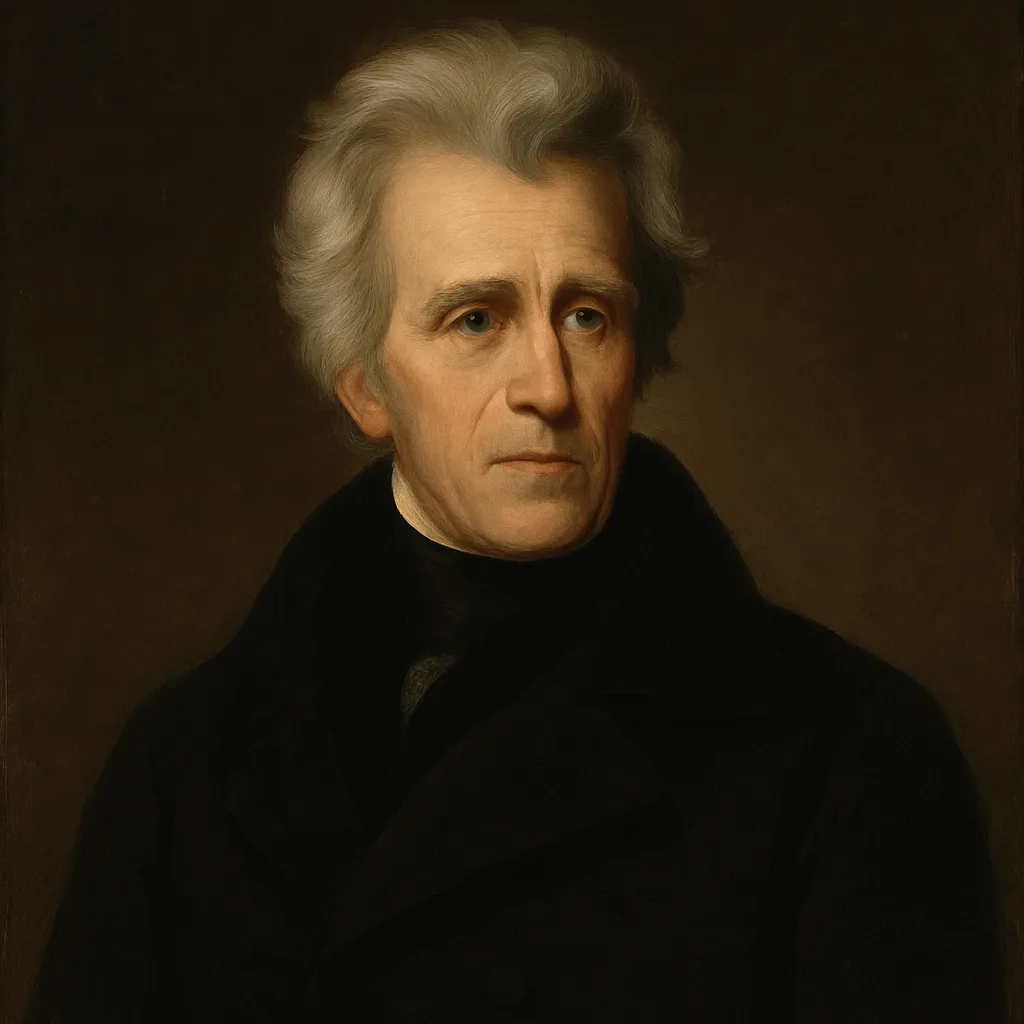
Andrew Jackson pushed for removal, but a different president was in office when U.S. soldiers forced the Cherokee west in 1838. Who was that president?
In 1832, Georgia began giving away Cherokee land to white settlers, even though Cherokee families still lived there. How did Georgia hand out the land?
What was one main reason settlers and state leaders in the Southeast pushed for removal?
Gold was found on Cherokee land in Georgia in the late 1820s. How did this affect pressure on Cherokee land?

The Cherokee Nation tried to resist removal without going to war. What action did Cherokee leaders take?
The Supreme Court sided with the Cherokee in Worcester v. Georgia, but removal still happened. What does this show?

Andrew Jackson was president when the federal government pushed Indian removal. What action is he known for in this topic?
Sequoyah created a writing system for the Cherokee language. How did that help Cherokee resistance and community life?
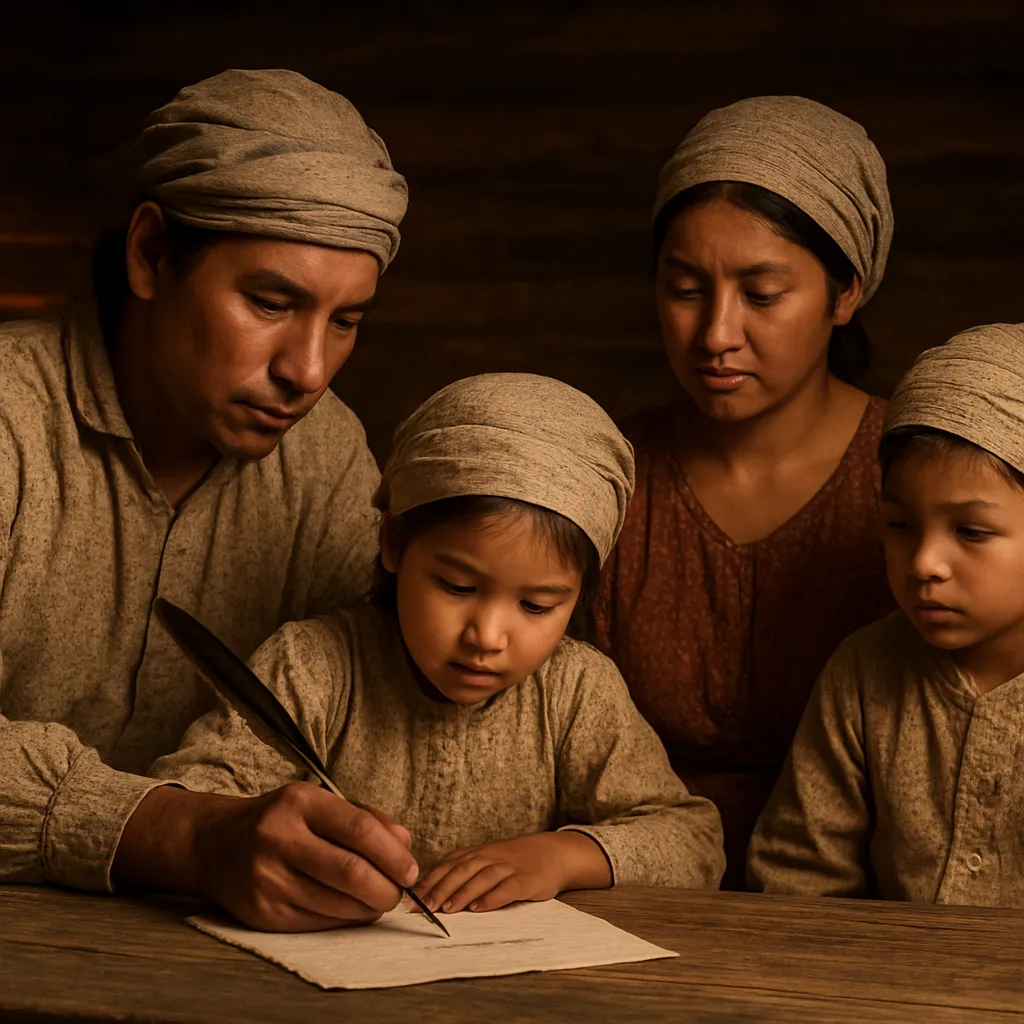
John Ross opposed removal as a Cherokee leader. What action fits his role?
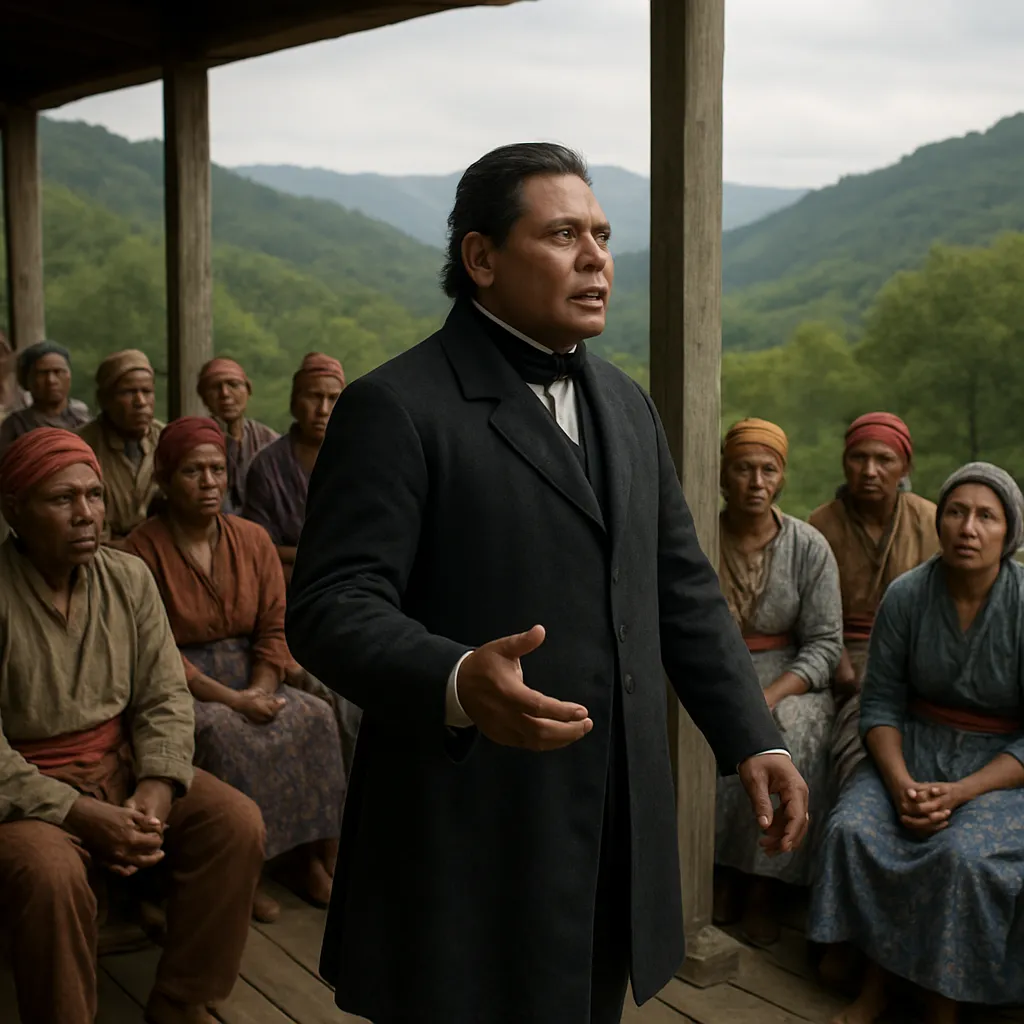
Seminole people resisted removal for years in Florida. What form did much of that resistance take?
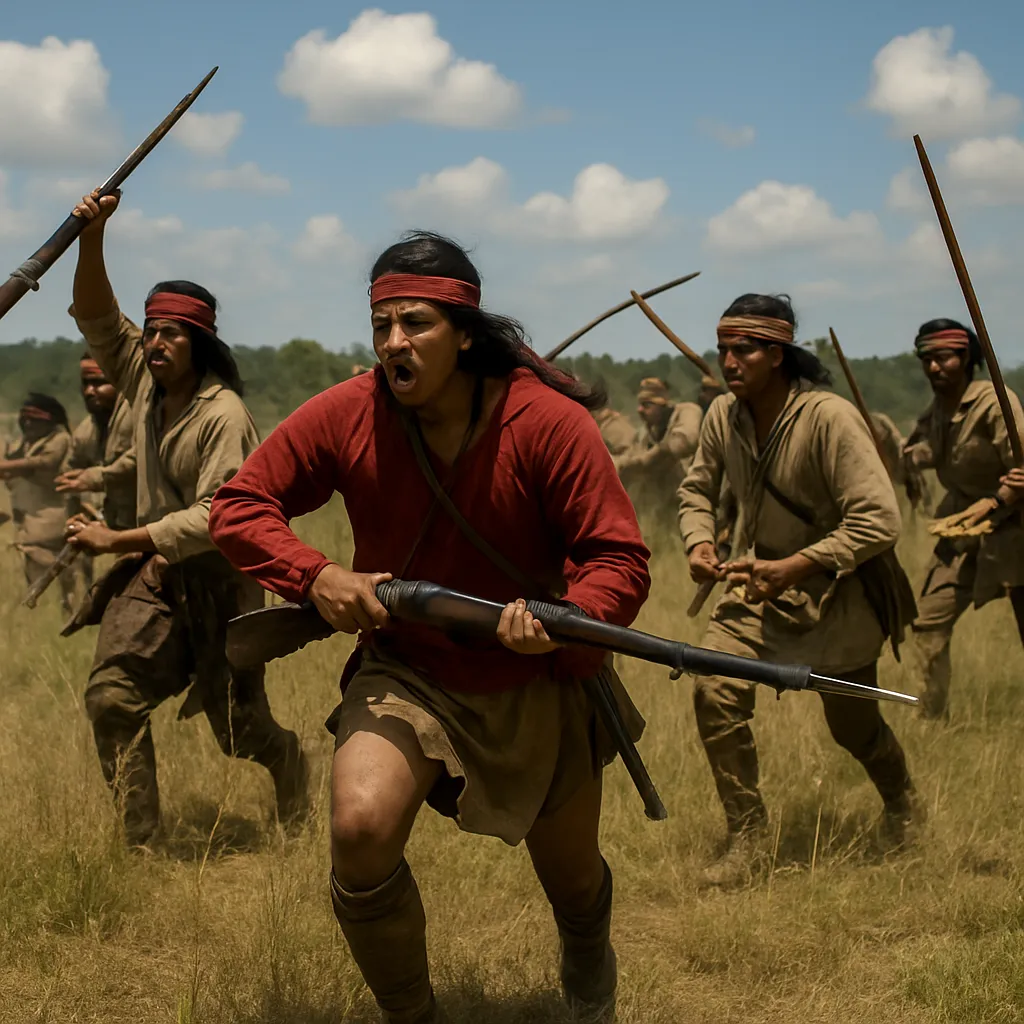
Some Cherokee leaders signed a removal treaty, but many Cherokee, including John Ross, opposed it. What conflict did this create?

U.S. leaders claimed western land could replace southeastern homelands. Why was this claim wrong?
Crack the passcode before the zombies get in.
Answer, then swat bugs for bonus points.
Race through questions at your own speed.
Same question on every screen. Fastest wins.

Pick a tile, answer, hit bonuses and steals.

Primary and Secondary Sources
40 questions