Loading
by BlastRoom
Covers how the Black Death spread and changed medieval European society.
#world_history#us_grade_7_social_studies
20 questions
One question set, multiple game modes. Tap any game to see it in action. Not sure which to pick?
Answer to place stones and capture territory.
Outrun the snow together.
Earn blasts, then hunt the other team.
Answer to earn energy, then climb.

The class blasts through walls together.
Bid on mystery lots. Most money wins.
Sell tours. Nice, standard, or a total scam.

Answer, restock, and serve the rush.
More correct answers pulls the rope your way.
Answer, then shoot down the alien wave.
Answer, then tap to leap the frozen ridge.
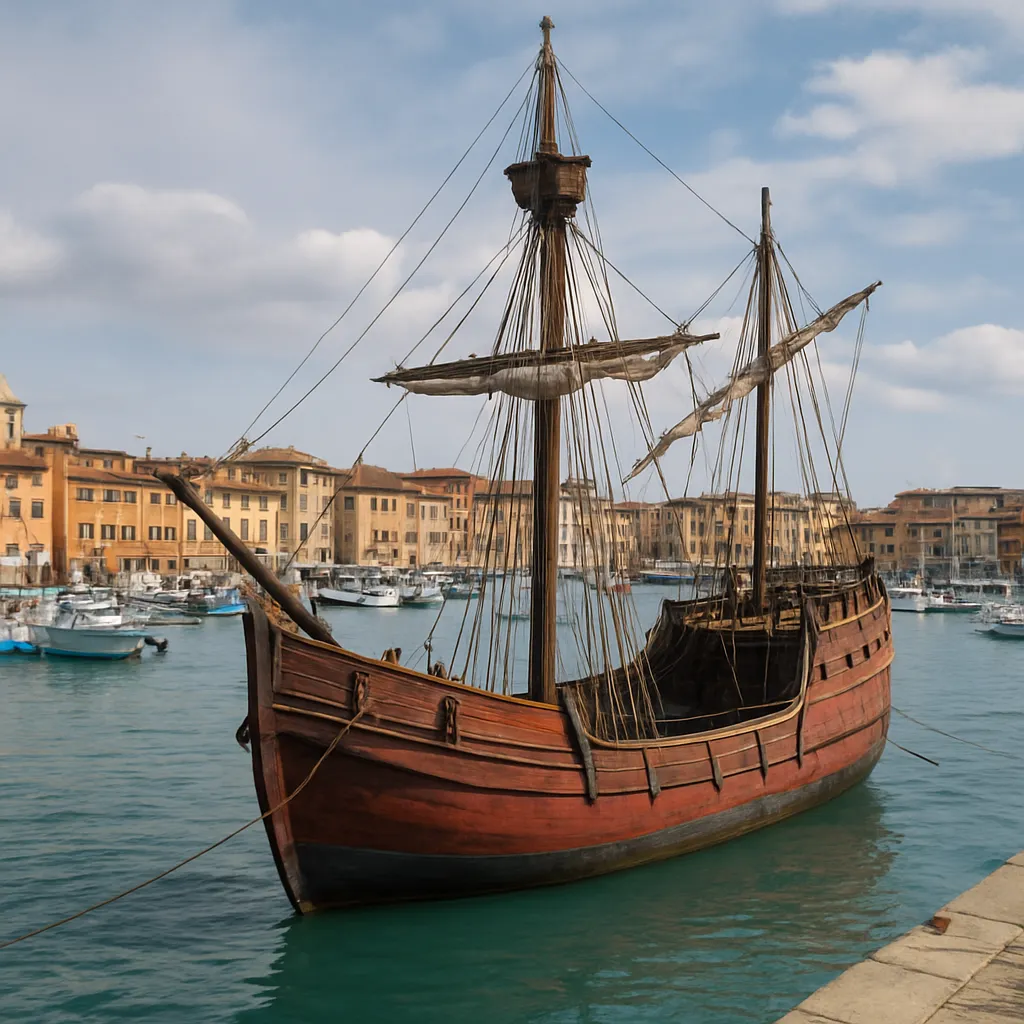
In 1347, the Black Death reached Sicily and soon spread to other European ports. What pathway carried it there?
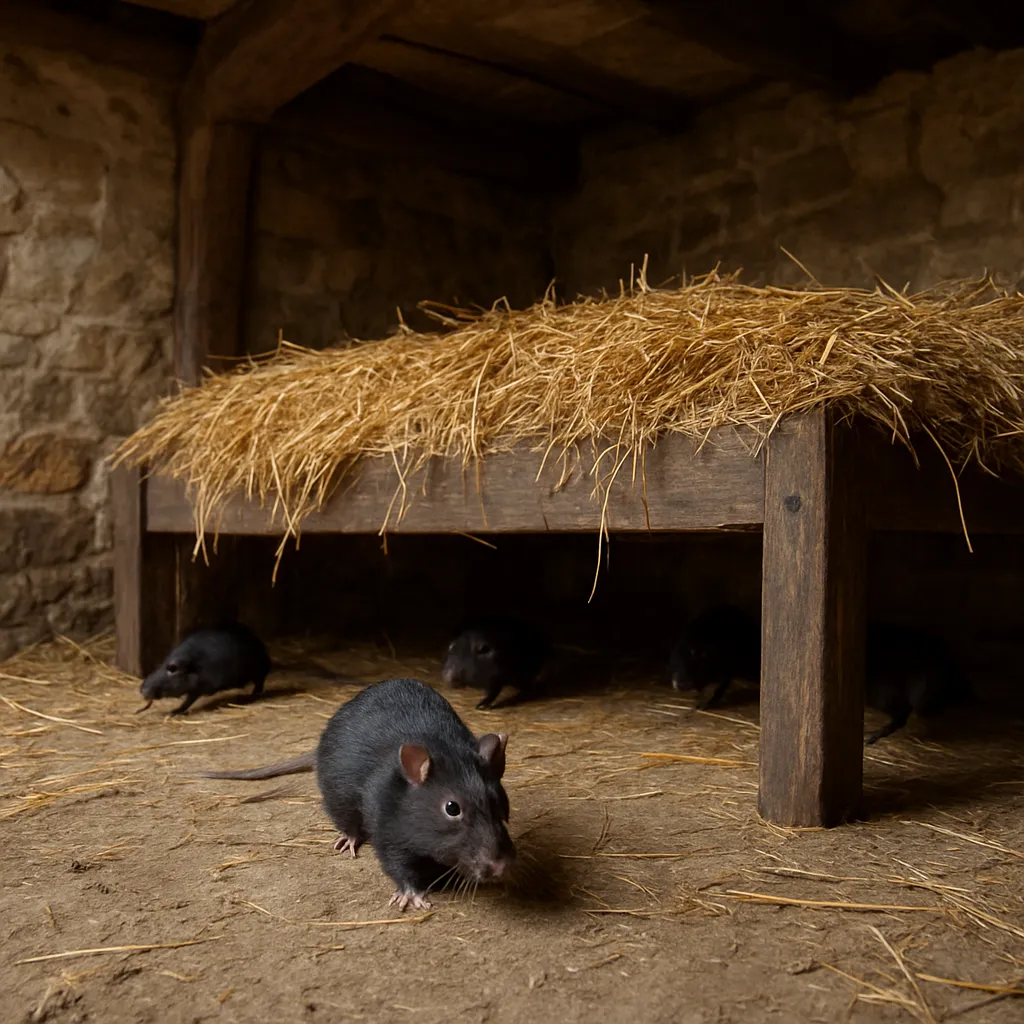
In medieval towns, plague bacteria usually passed from sick rats to people through bites. What did the biting?
Merchants traveled between Asia, the Middle East, and Europe during the 1300s. What network helped the plague spread long distances?
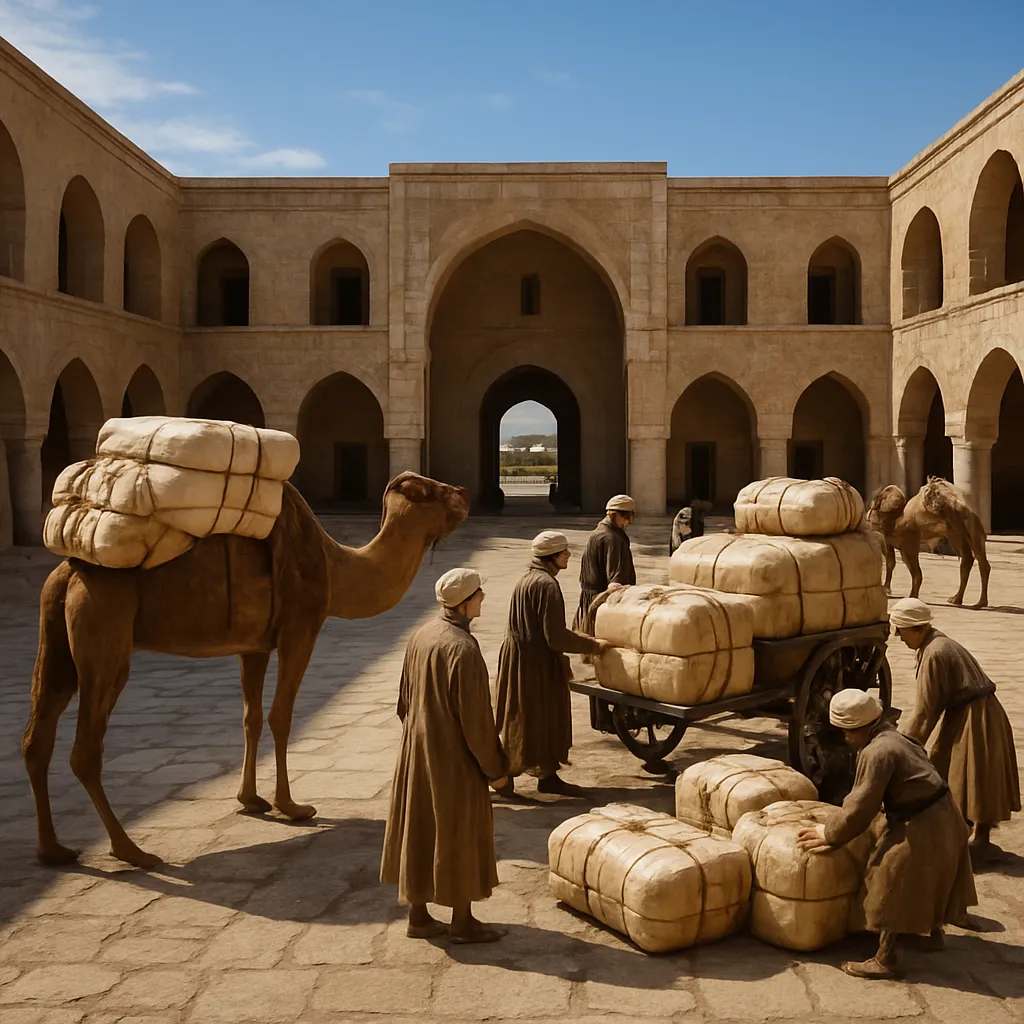
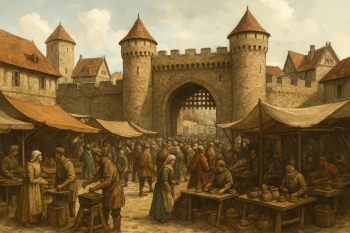
Plague spread especially fast in medieval towns. Which town condition helped it spread?
In 1347 and 1348, trade ships carried plague from port to port. The ports on which sea were among the first in Europe to be hit?
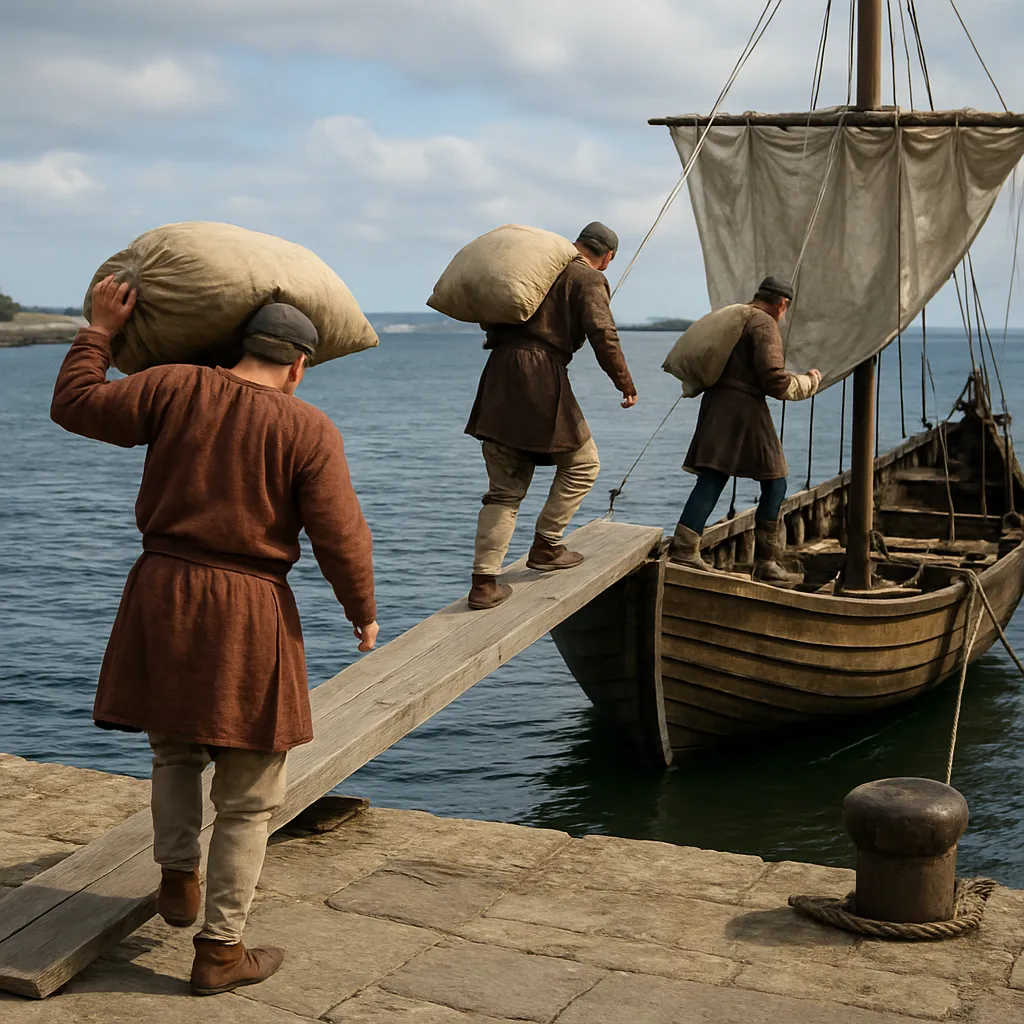
Grain stores and ship holds sheltered animals that carried plague from port to port. What animal pathway helped plague move with trade?
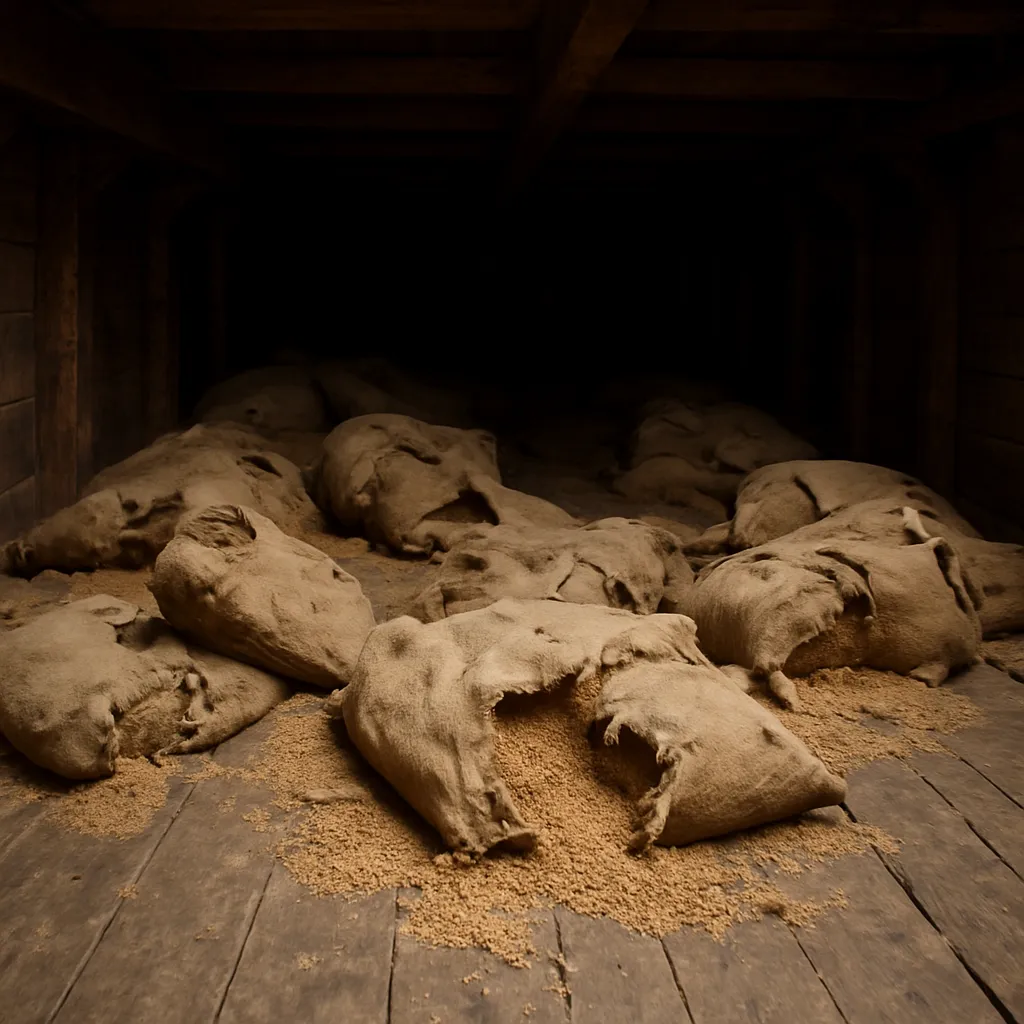
Some towns were hit by plague even though no ship or rat had arrived from an infected place. Which pathway could explain this?
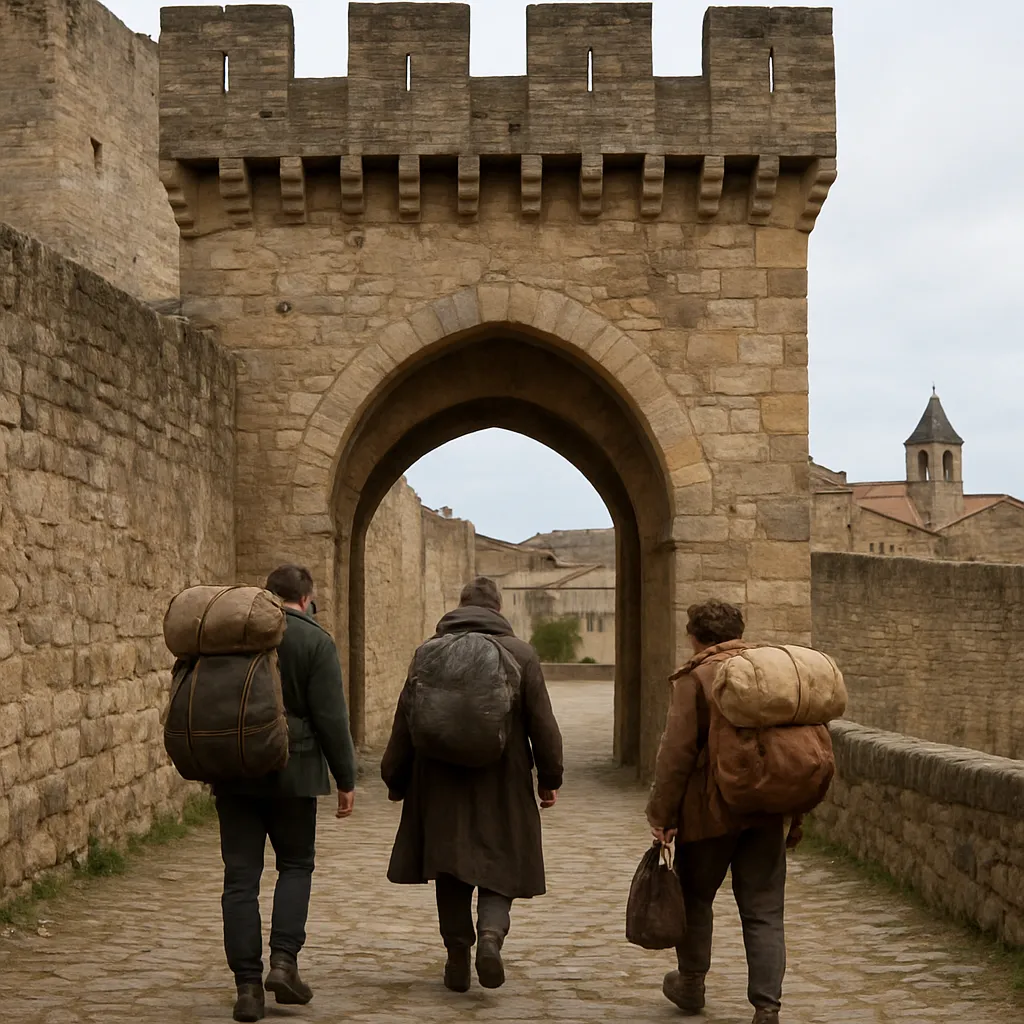
The Black Death killed at least a third of Europe's people. What economic problem did farms and workshops face afterward?
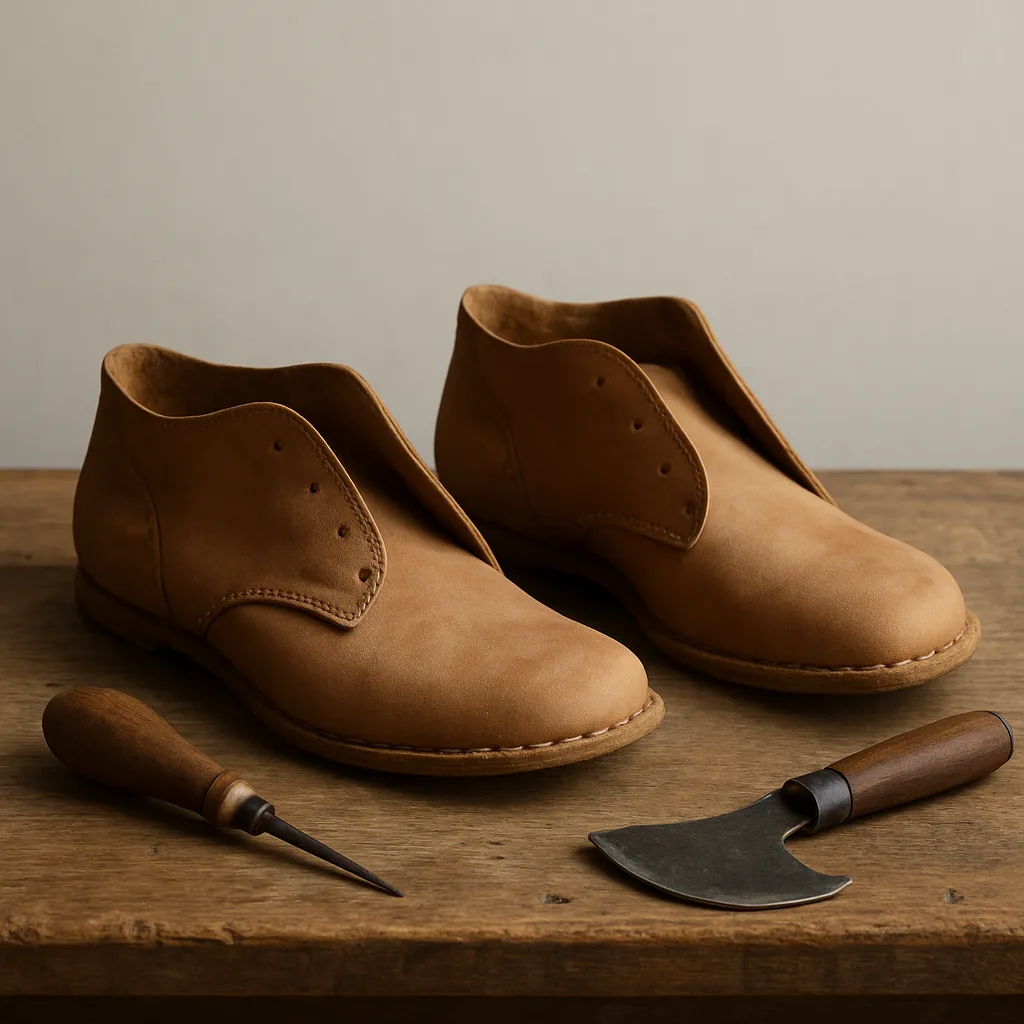
Fewer laborers remained after the plague, but crops still needed harvesting. What change in surviving workers' requests followed?
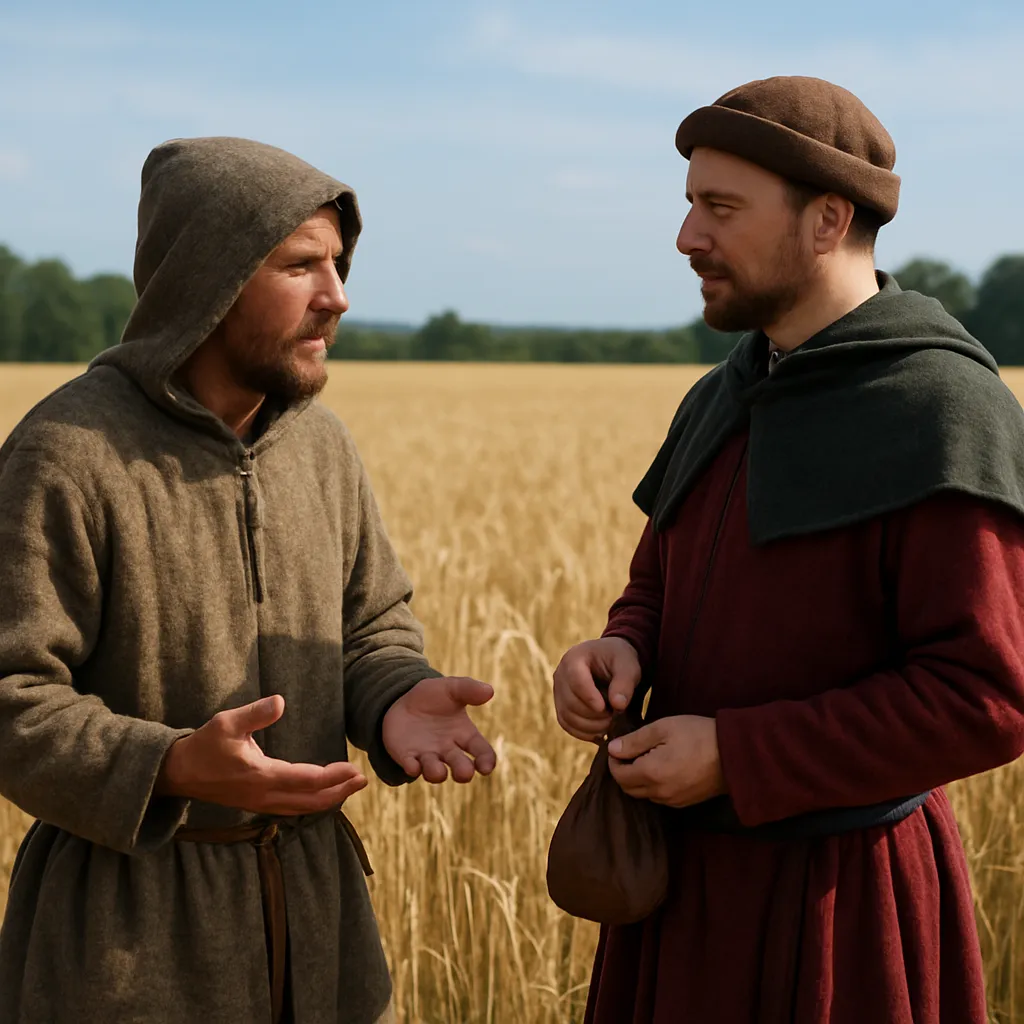
What happened to Jewish communities in many European towns during the Black Death?
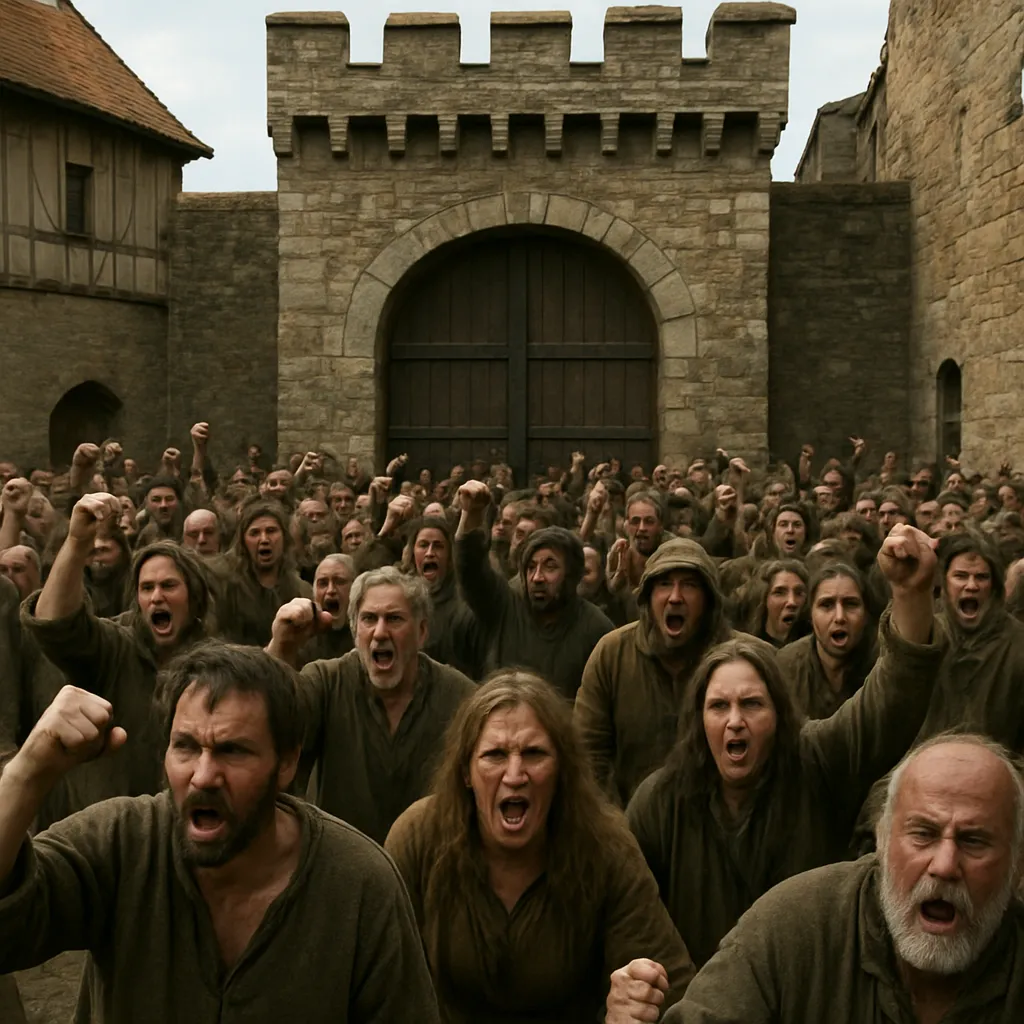
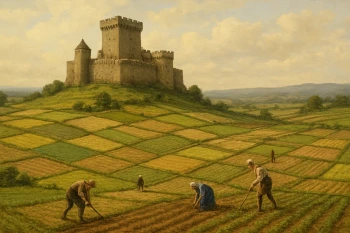
In some villages, so many people died that rents fell. What happened to much of the farmland?
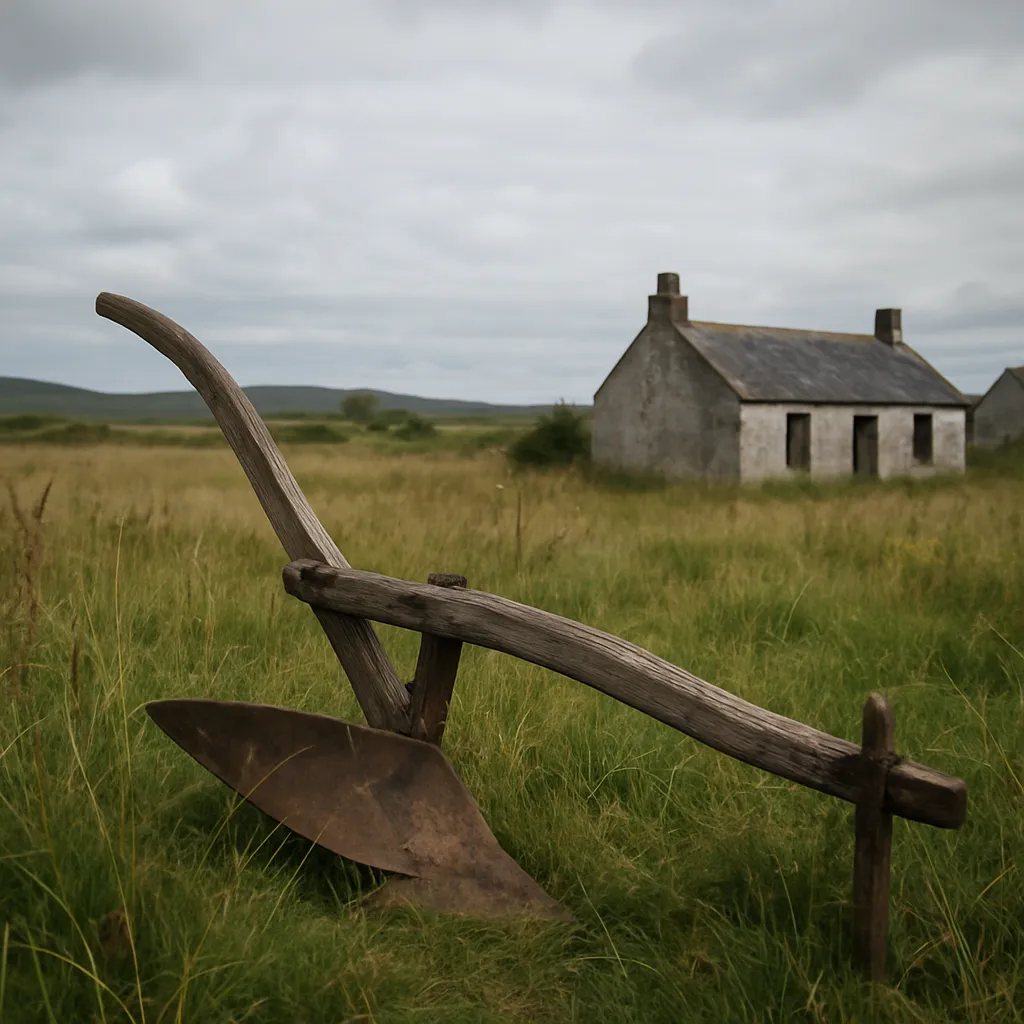
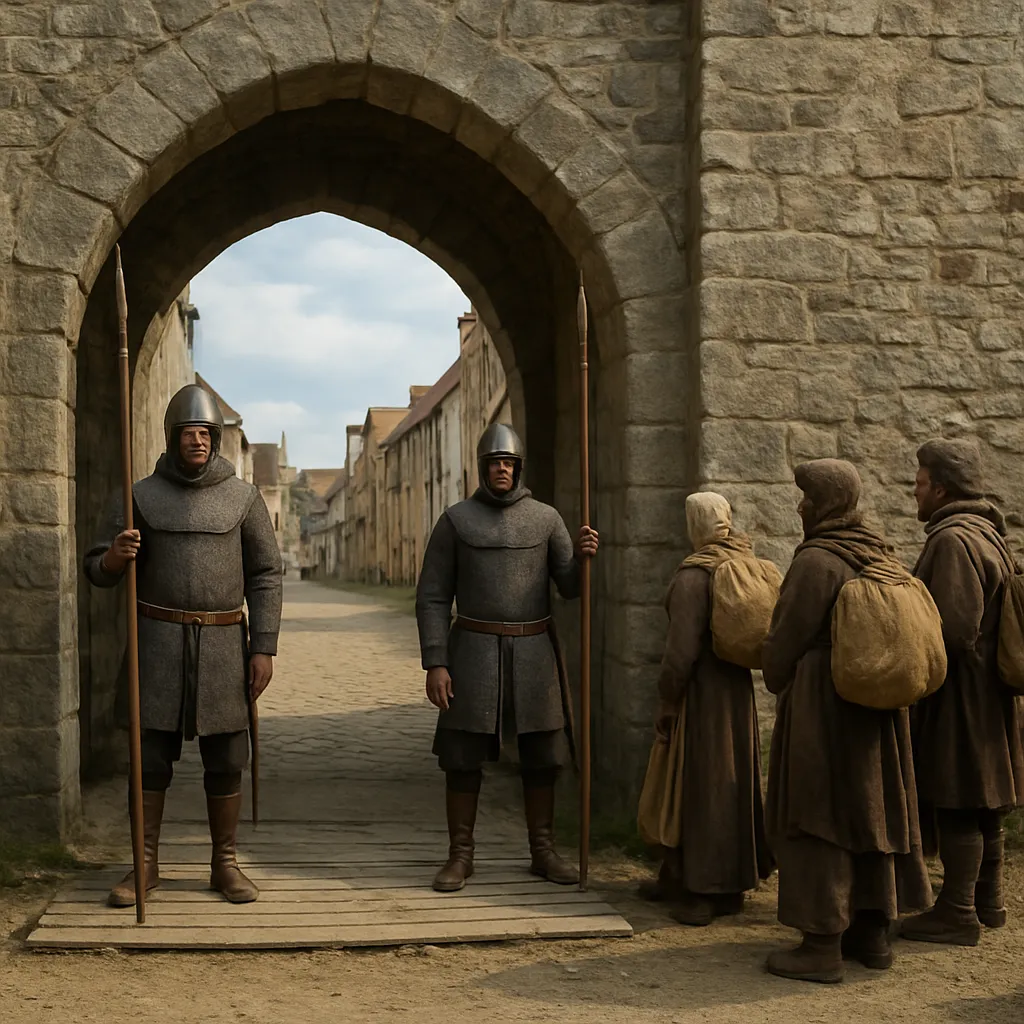
In 1377, the city of Ragusa made travelers from plague areas wait 30 days before entering. What kind of response was this?
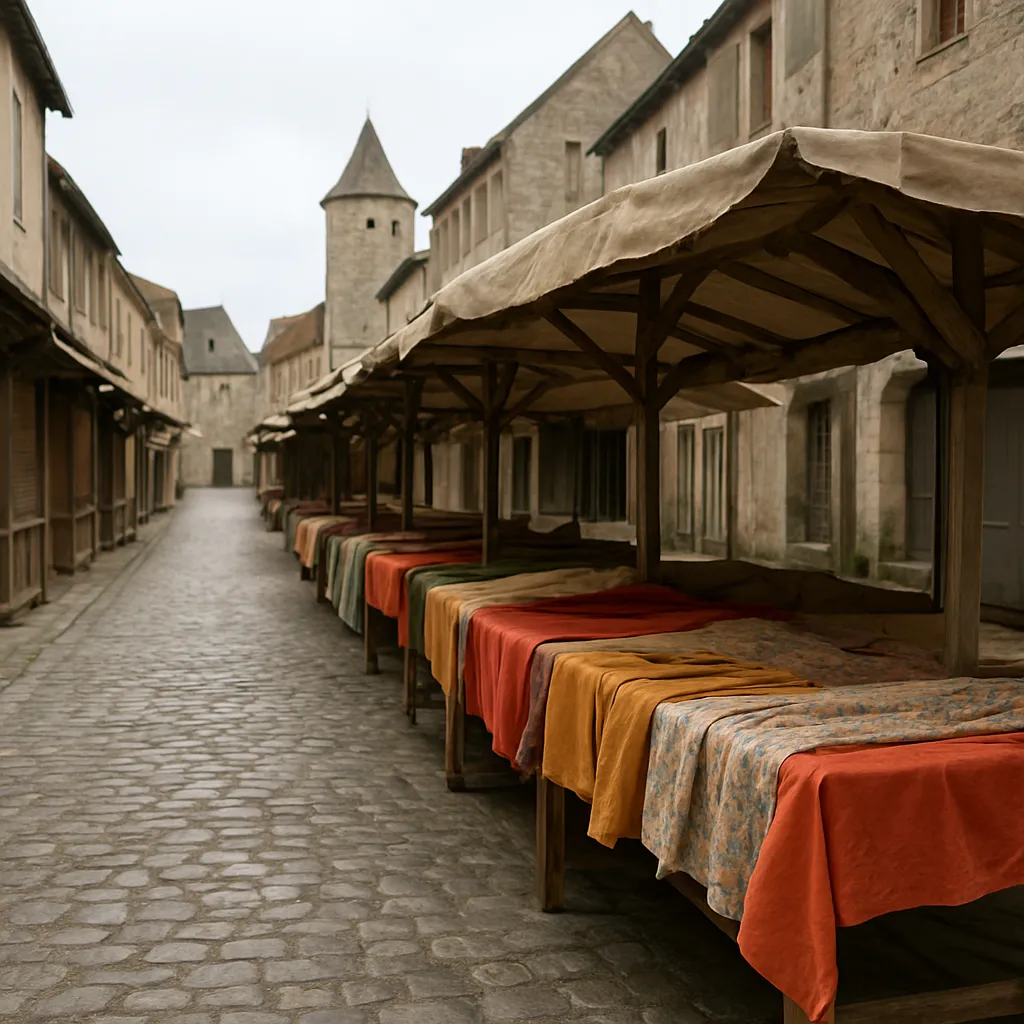
During outbreaks, towns banned fairs and many merchants stopped traveling. What short-term economic effect followed?
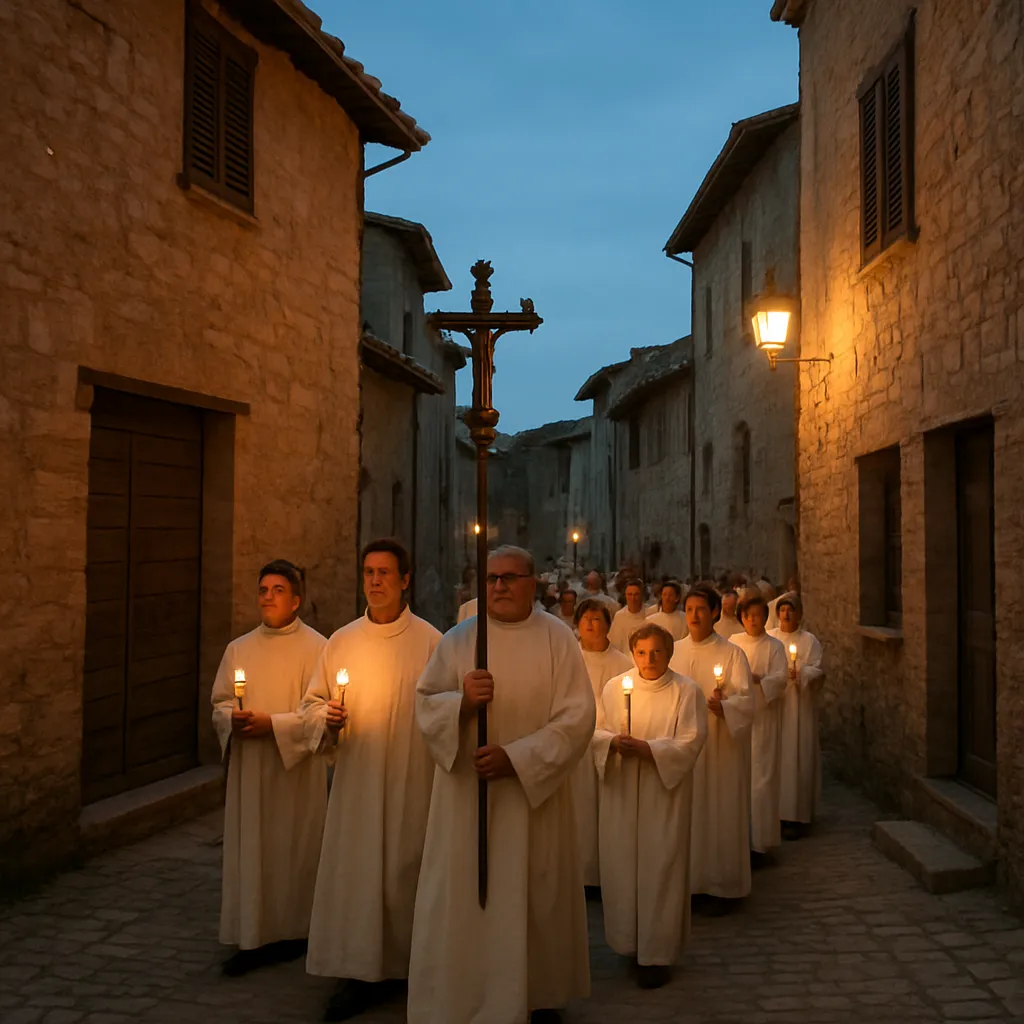
Groups called flagellants marched from town to town, whipping themselves in public in hopes of ending the plague. What kind of response was this?
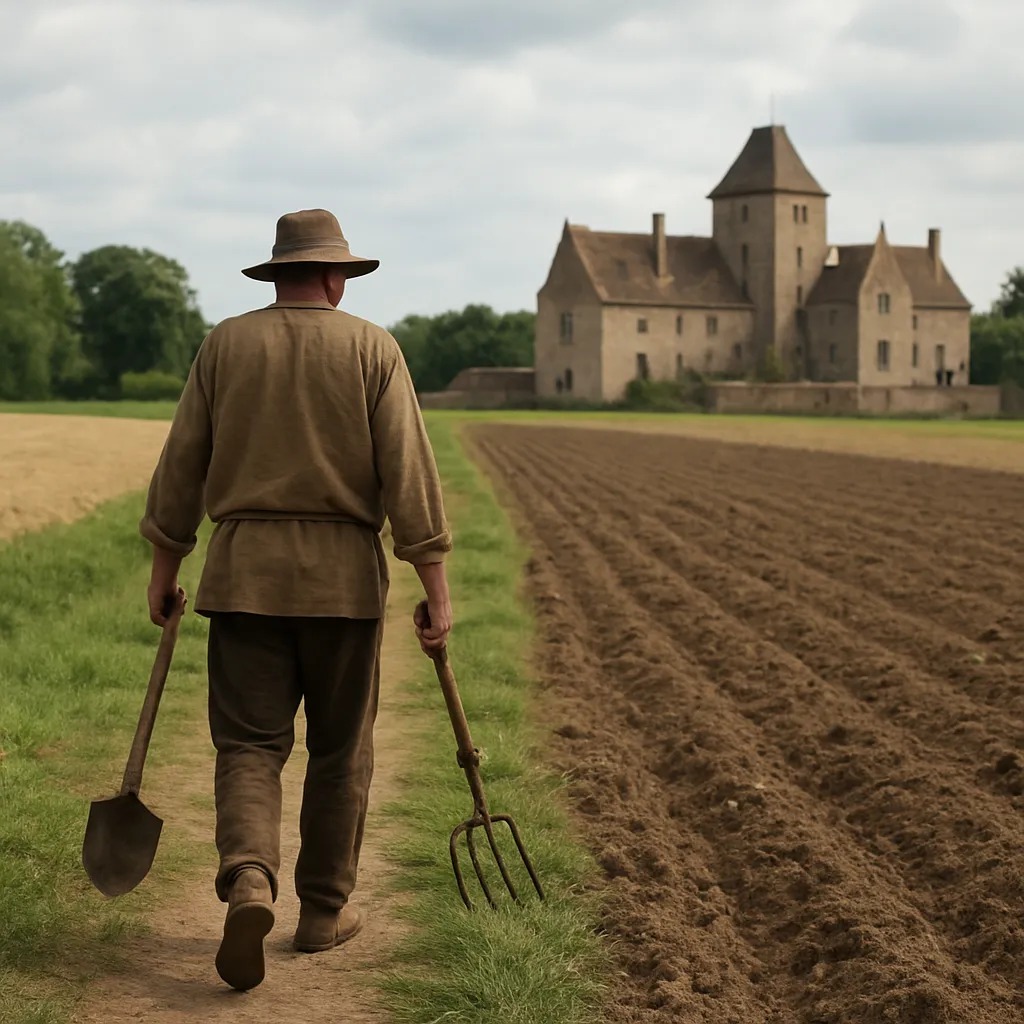
Before the plague, many serfs were bound to work on their lord's manor. Afterward, scarce workers could often leave for better pay elsewhere. What change did this encourage?
In 1381, English peasants rose up against a new poll tax and limits on their wages and freedom. What was this uprising called?
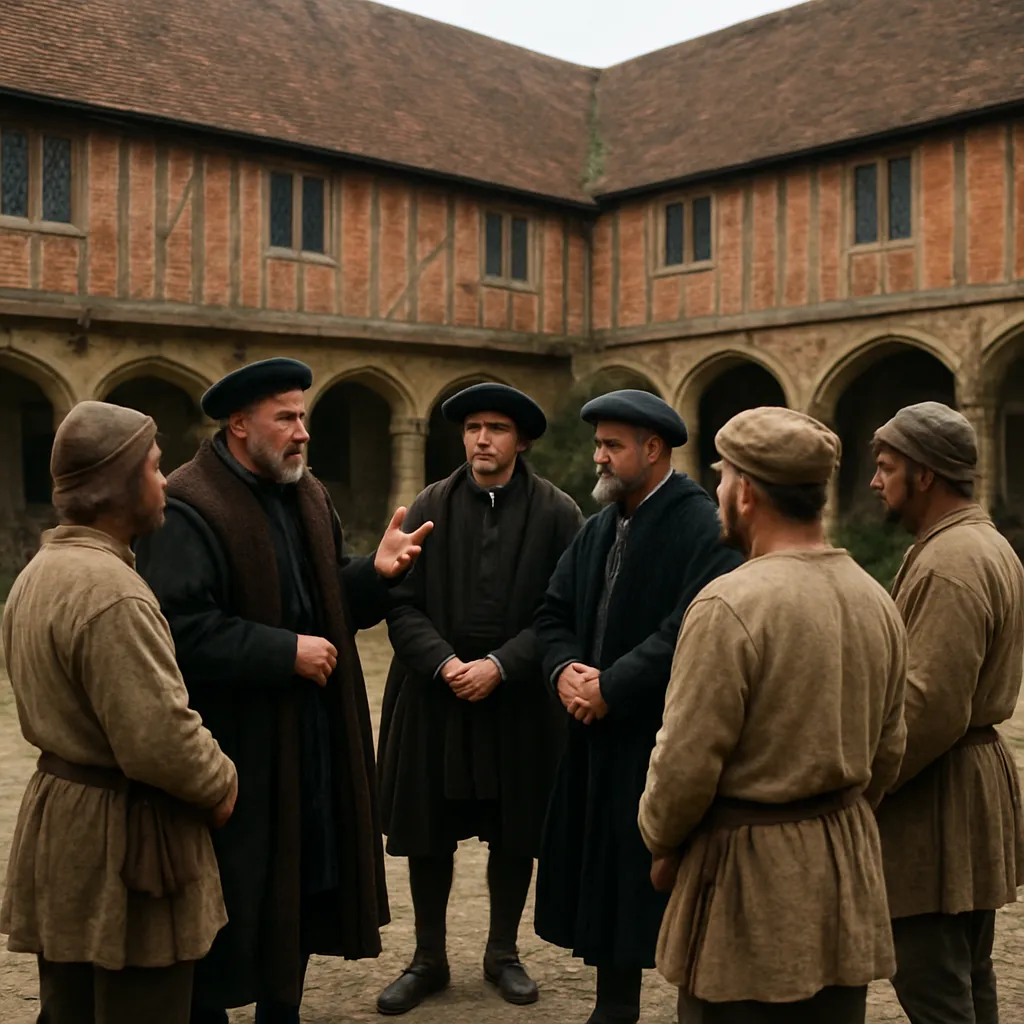
After the plague, some landowners chose activities needing fewer workers than grain farming. What land-use change became more attractive?
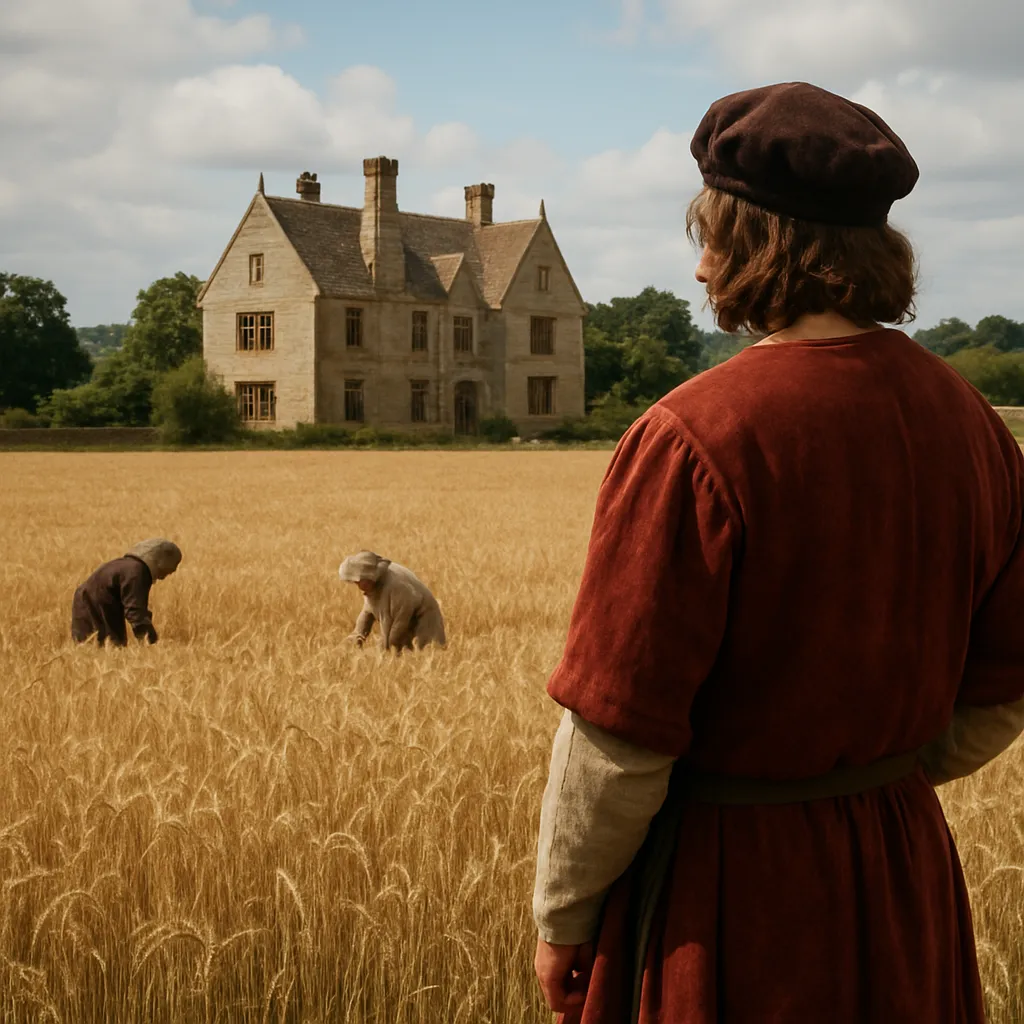
After the plague, many peasants left manors for towns, where employers badly needed hands. What broader change followed?
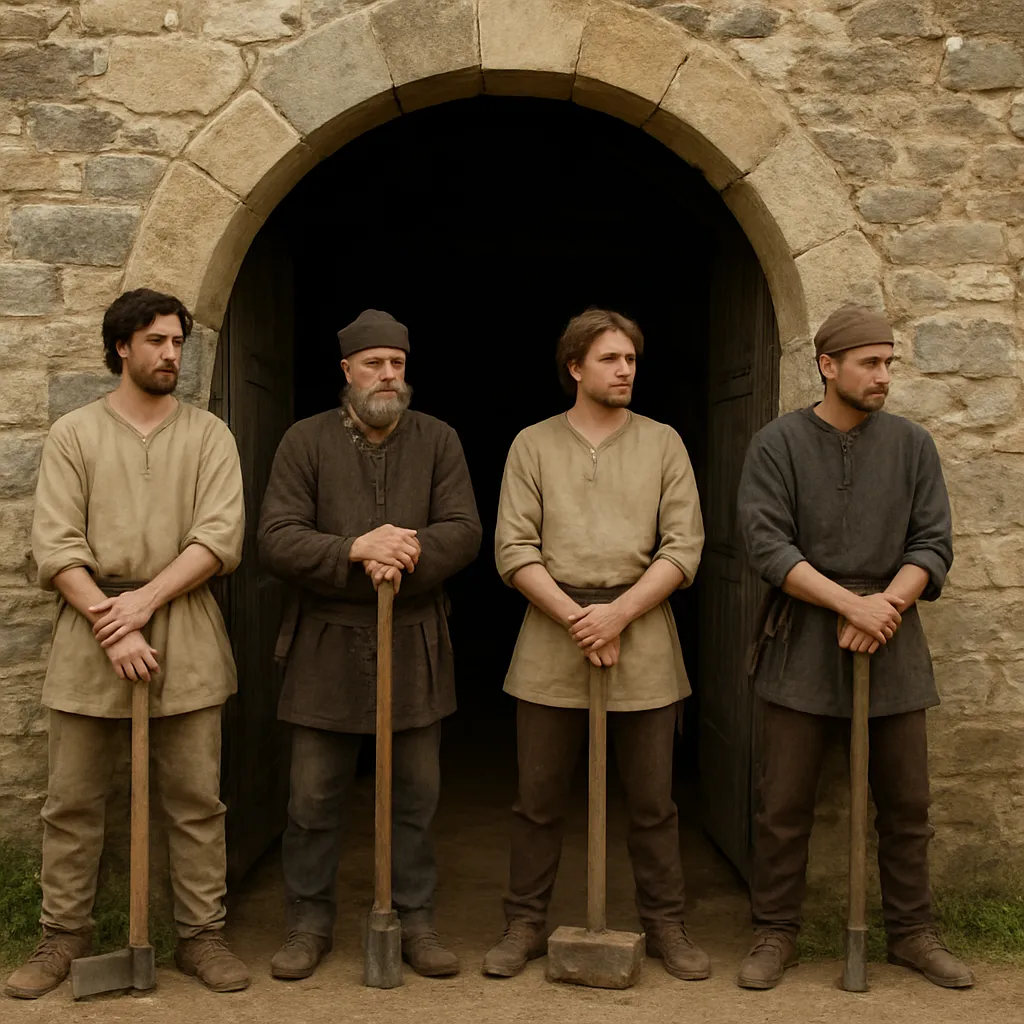
After the plague, many English lords stopped requiring peasants to work in the lord's fields. What did lords often accept instead?
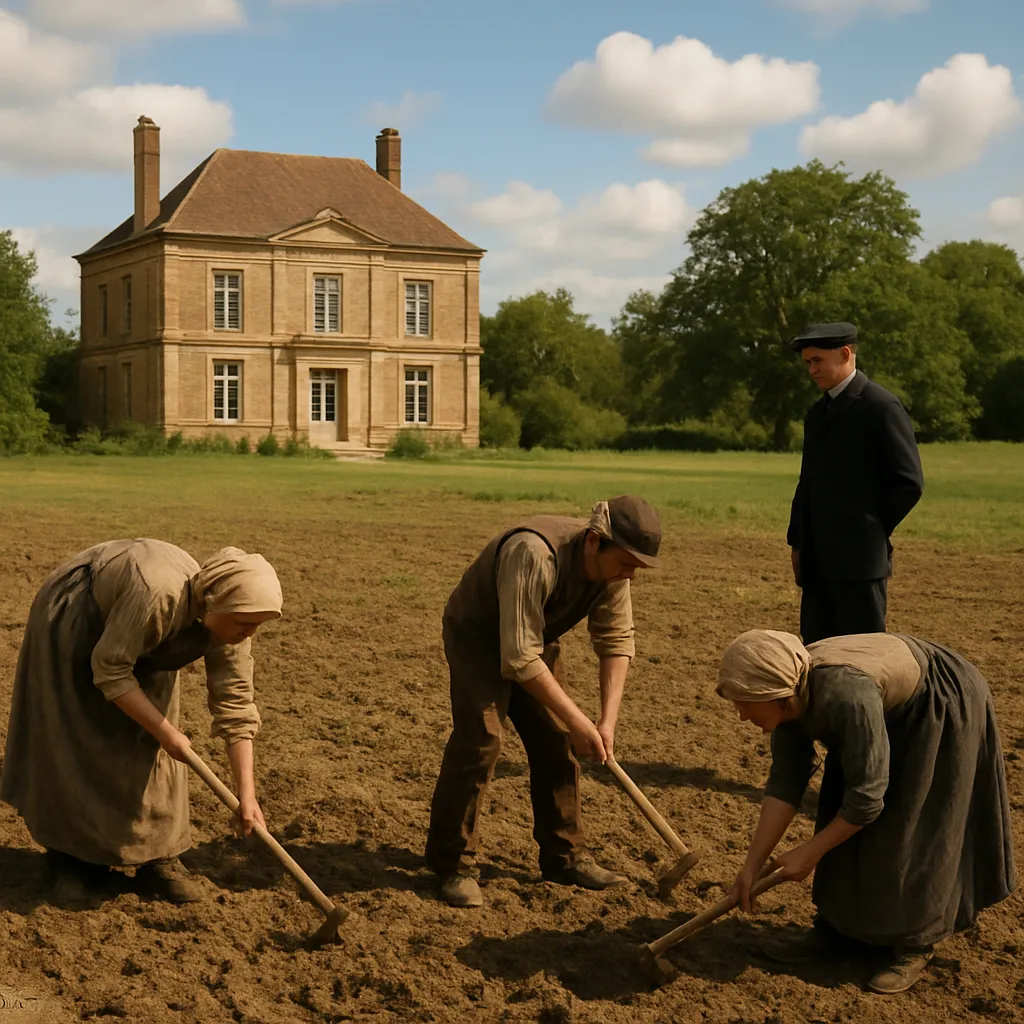
In 1351, England's Statute of Labourers tried to hold wages at pre-plague levels. Workers kept demanding more because so few were left. What change over time is shown?
Crack the passcode before the zombies get in.
Answer, then swat bugs for bonus points.
Race through questions at your own speed.
Same question on every screen. Fastest wins.

Pick a tile, answer, hit bonuses and steals.
The Aztec Empire
20 questions