Loading
by BlastRoom
Northern Renaissance artists used oil, symbolism, prints, and changing patronage in distinctive ways.
#us_hs_art_history
35 questions
One question set, multiple game modes. Tap any game to see it in action. Not sure which to pick?
Answer to place stones and capture territory.
Outrun the snow together.
Earn blasts, then hunt the other team.
Answer to earn energy, then climb.

The class blasts through walls together.
Bid on mystery lots. Most money wins.
Sell tours. Nice, standard, or a total scam.

Answer, restock, and serve the rush.
More correct answers pulls the rope your way.
Answer, then shoot down the alien wave.
Answer, then tap to leap the frozen ridge.
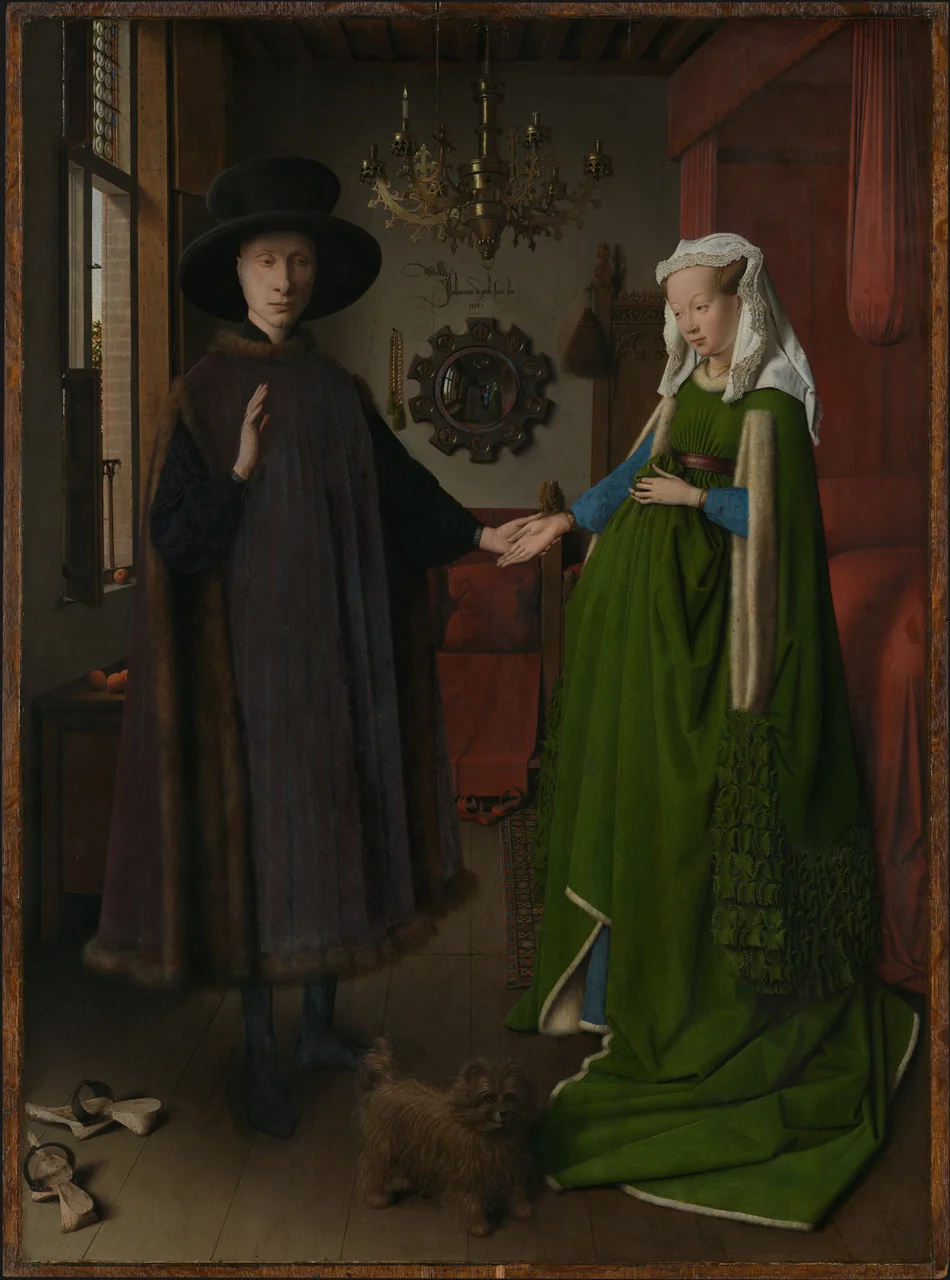
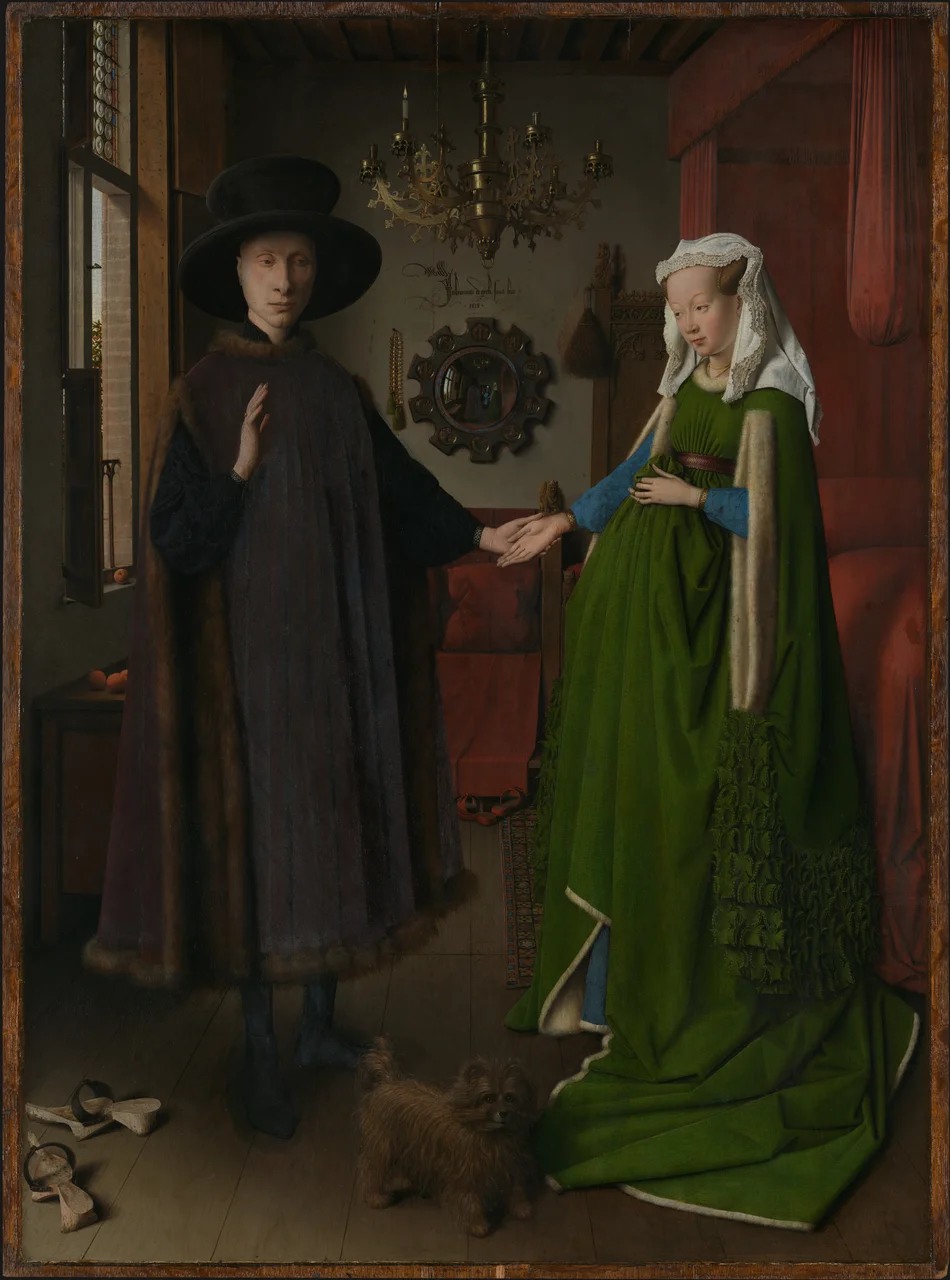
Look at the gleam on the brass chandelier, convex mirror, and fur in Jan van Eyck's Arnolfini Portrait. Which paint practice best explains these luminous surfaces?
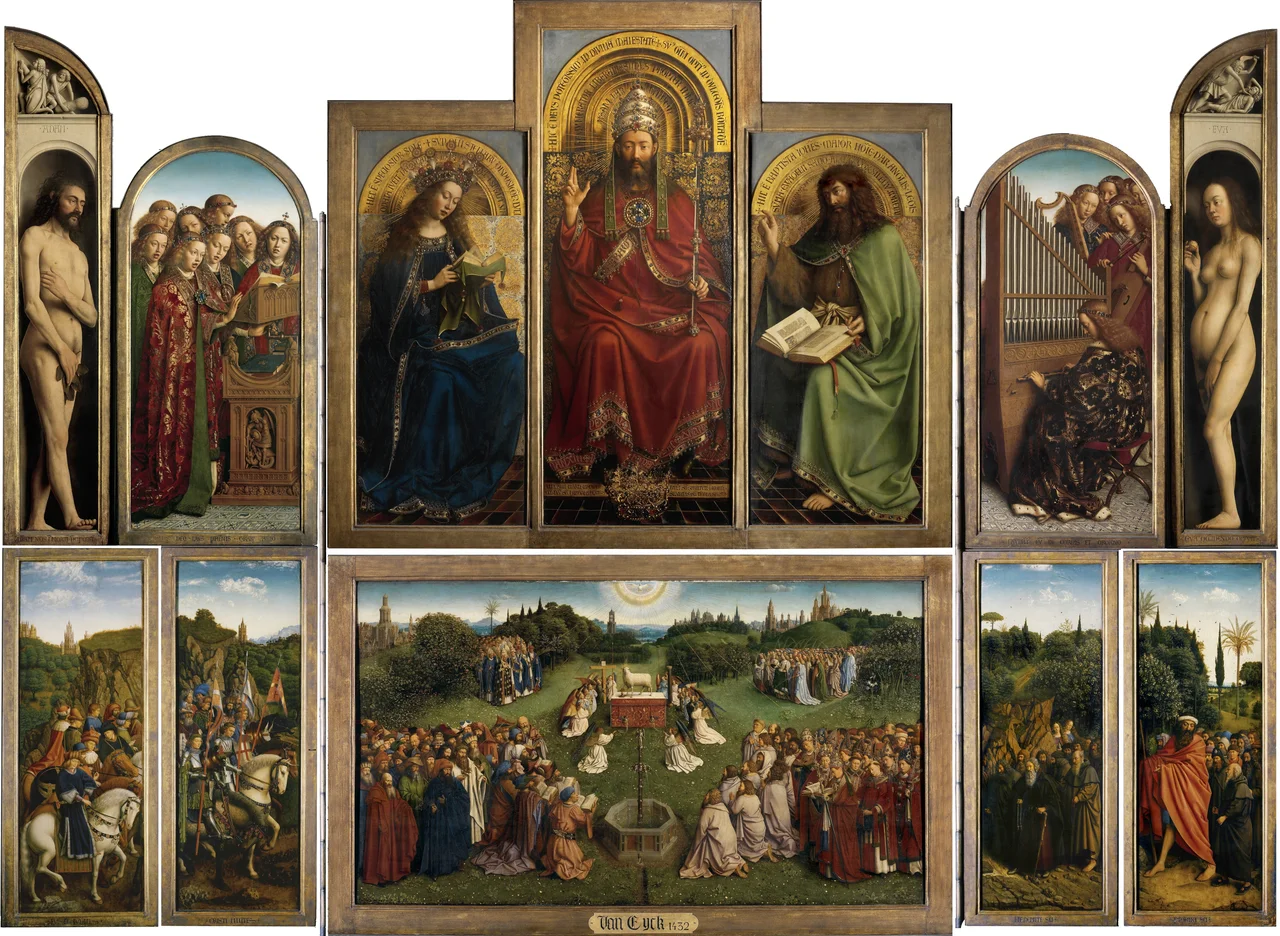
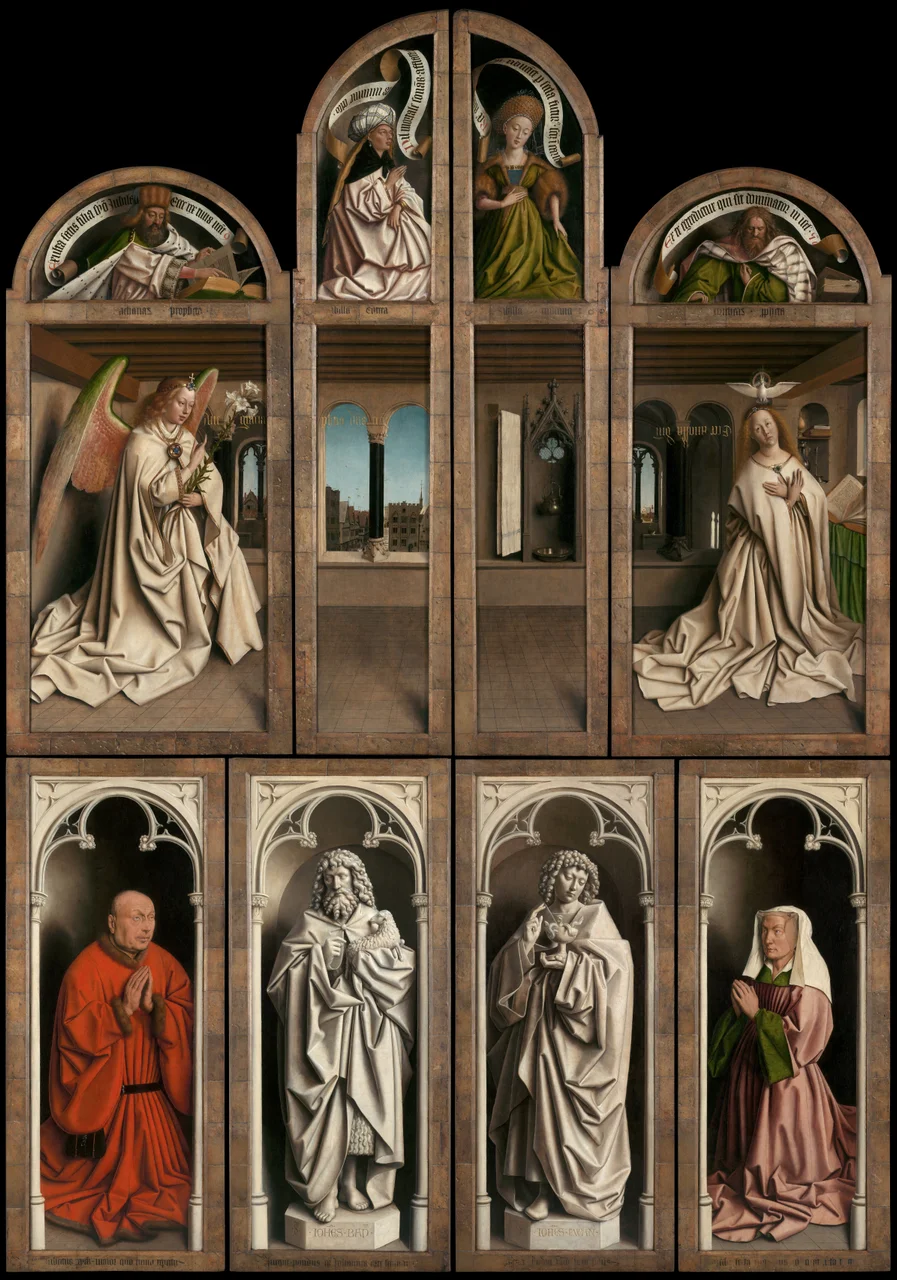
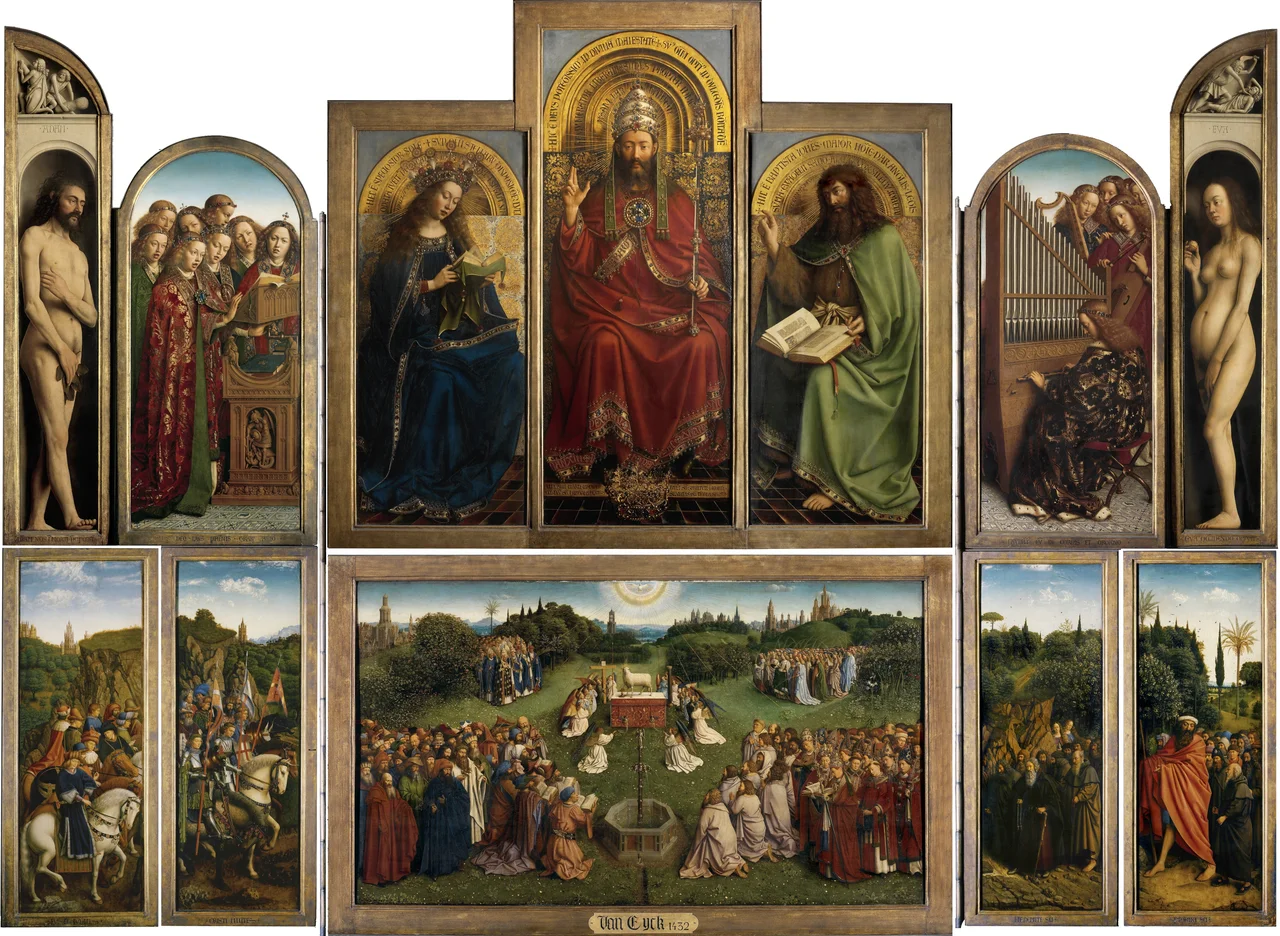
In the open Ghent Altarpiece, robes, jewels, plants, and distant space appear exceptionally detailed. What Northern Renaissance goal does this close observation serve?
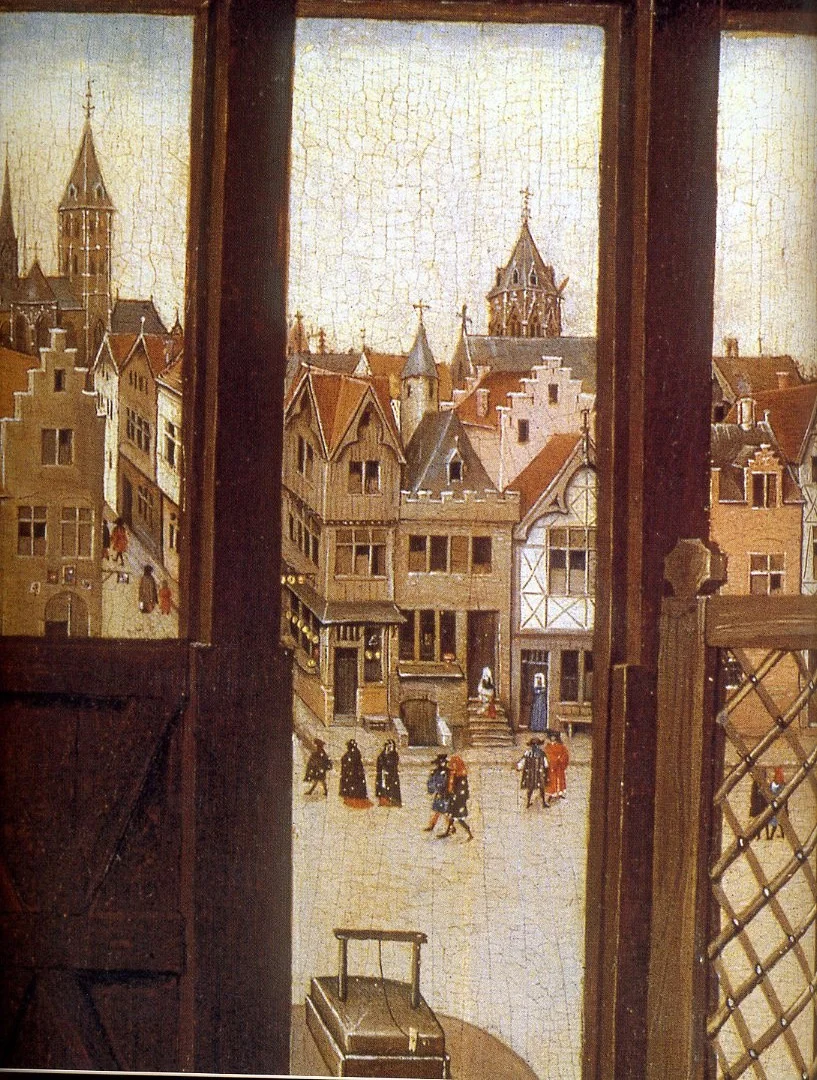
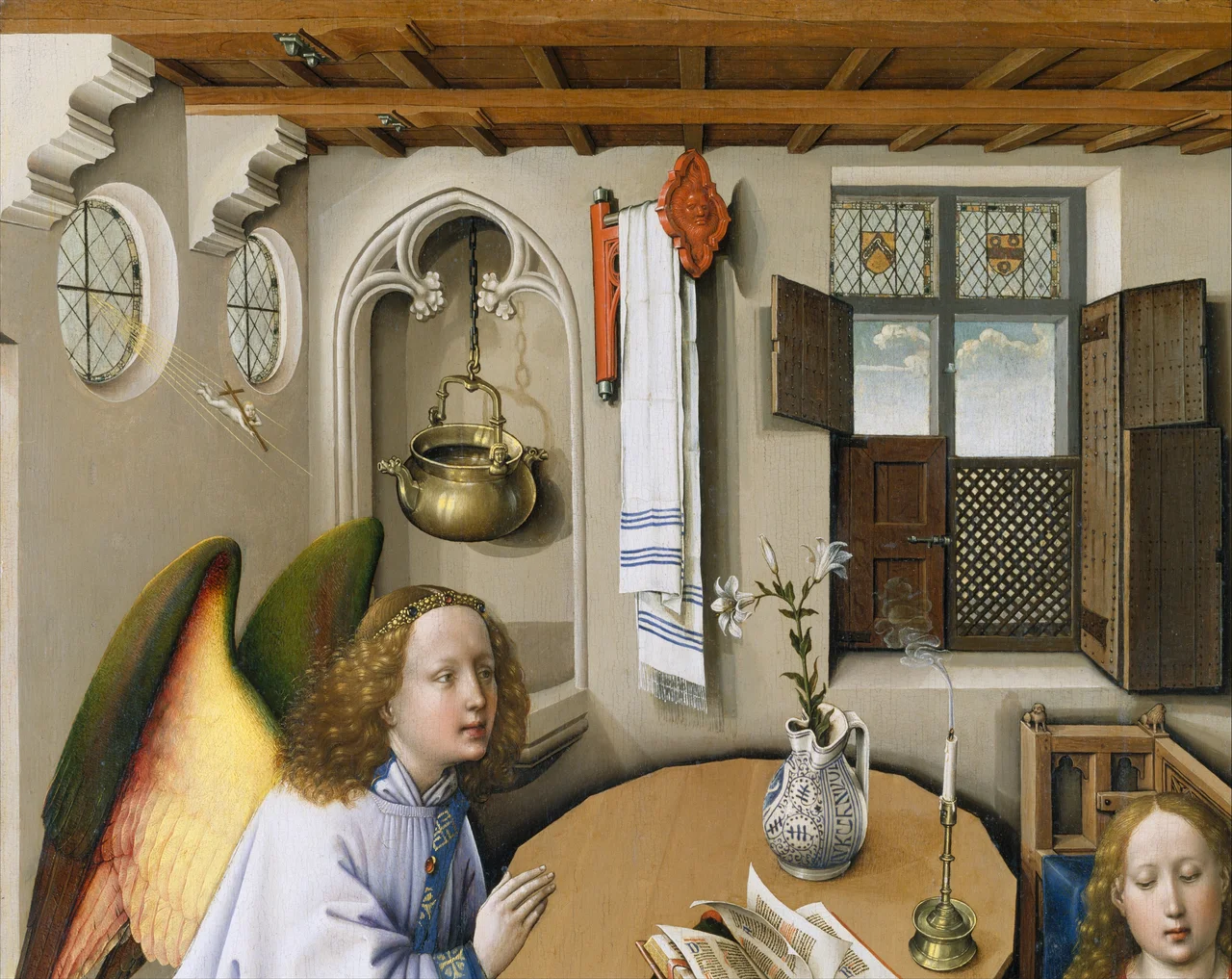
In the Merode Altarpiece, the window glass, the brass candlestick, and the glazed jug respond differently to light. What quality of oil paint helps distinguish these materials?
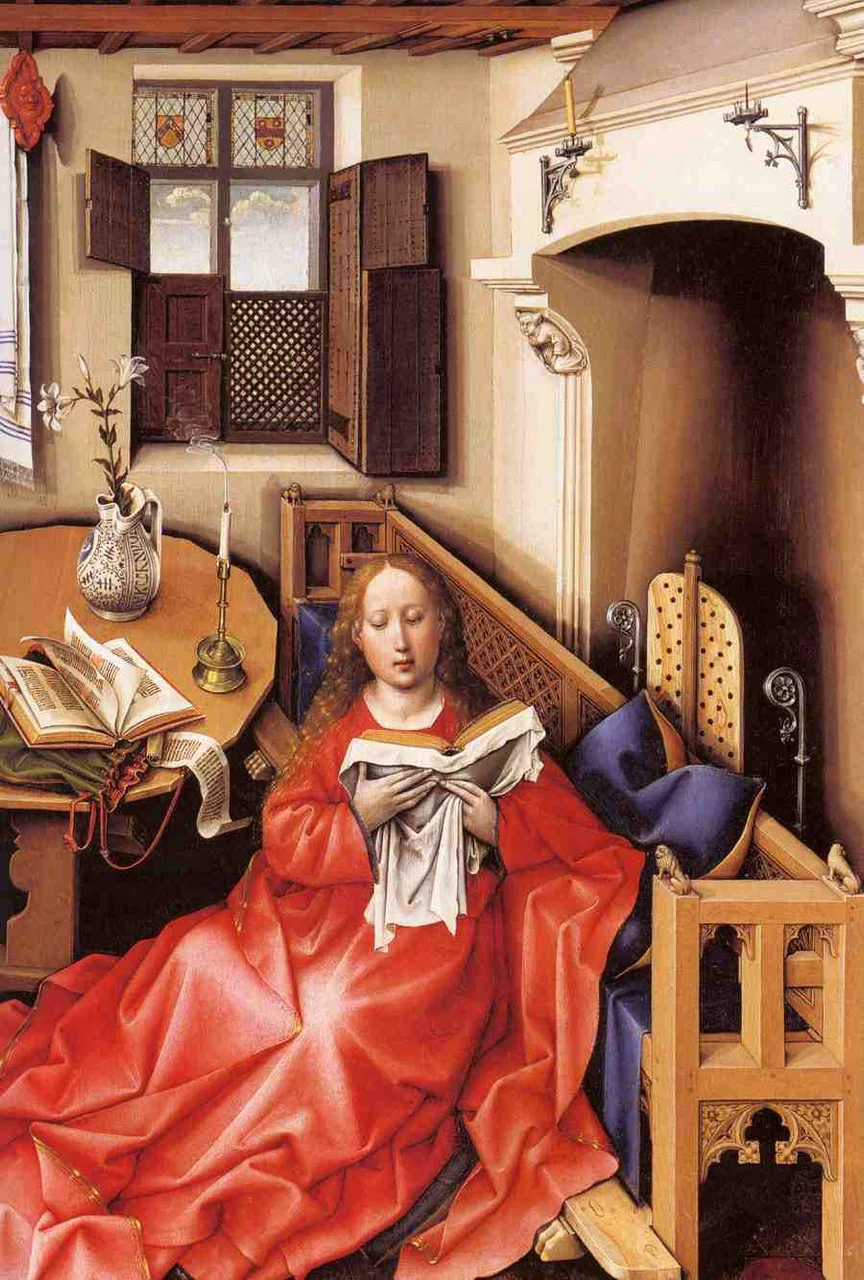
A textbook says Jan van Eyck refined oil painting but did not invent it. Which statement supports that correction?
Study Albrecht Dürer's self-portrait: the hair, fur, and flesh are modeled with minute tonal changes. Which medium most supports this effect?
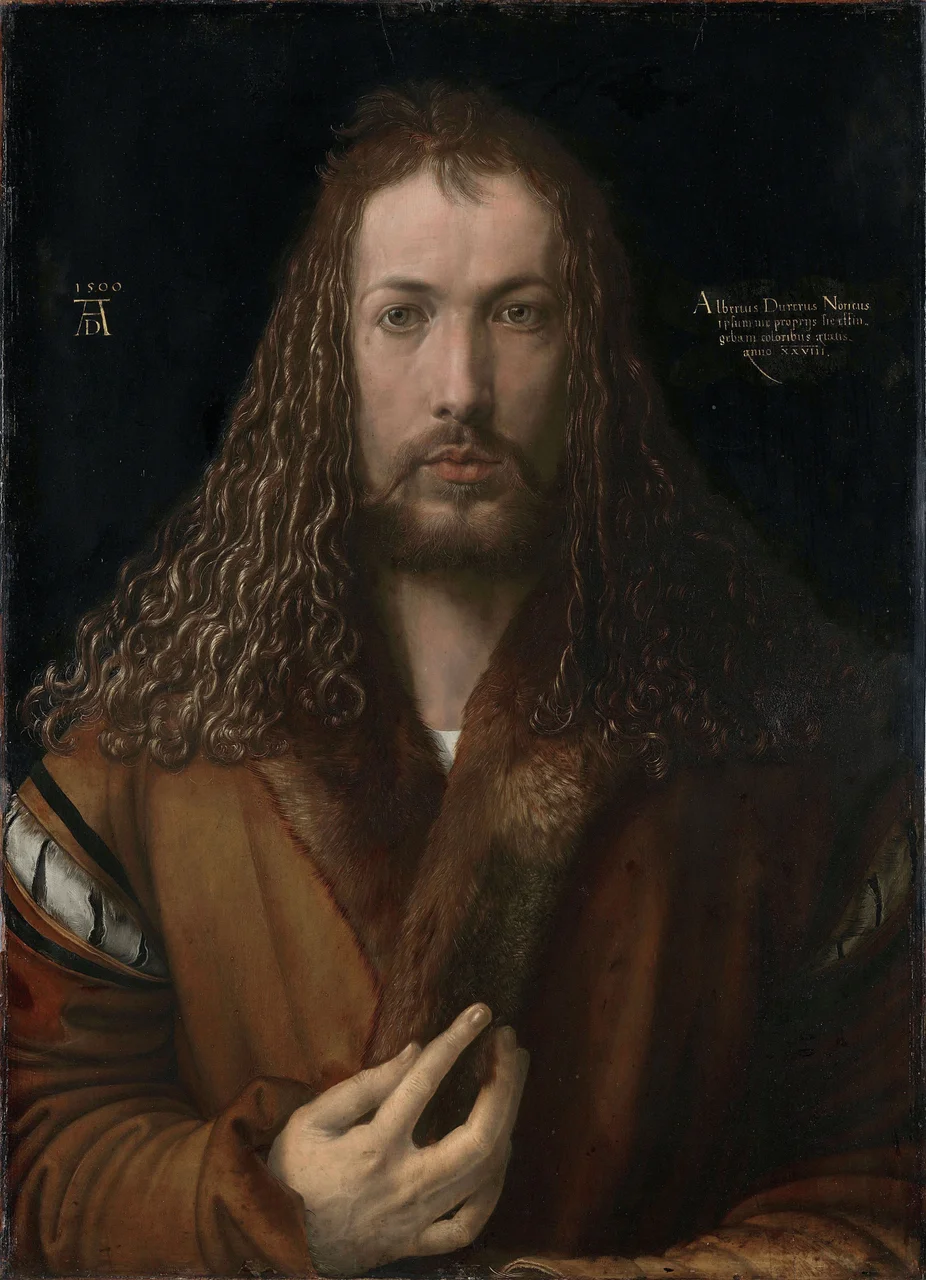
Northern Renaissance painters usually worked on oak panels. What did they apply to the panel first to give a smooth, bright white surface for paint?
In the Arnolfini Portrait, a dog, a single lit candle, and shoes left on the floor appear in an ordinary room. What kind of visual work are these details doing?
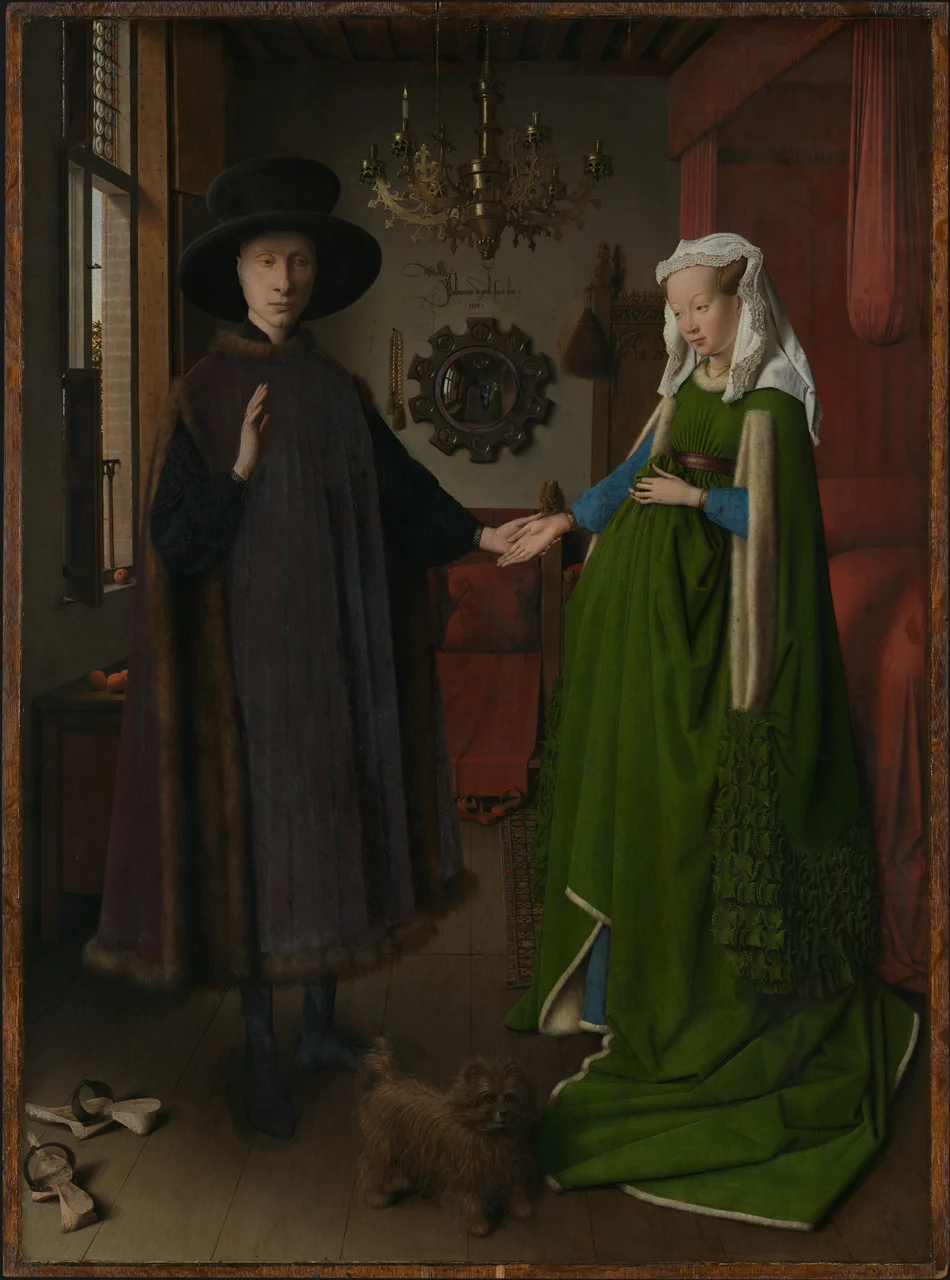
A convex mirror in the Arnolfini Portrait reflects the room and two additional figures. What does this tiny detail chiefly demonstrate about van Eyck's painting?
On the right wing of the Merode Altarpiece, Joseph works beside mousetraps. According to a common interpretation, what Christian idea do the traps evoke?
The Merode Altarpiece places a lily and brass laver in Mary's room. Why are such ordinary-looking objects important to the Annunciation scene?
On the closed Ghent Altarpiece, Joos Vijd and Elisabeth Borluut kneel in prayer. Why did patrons include donor portraits on an altarpiece?
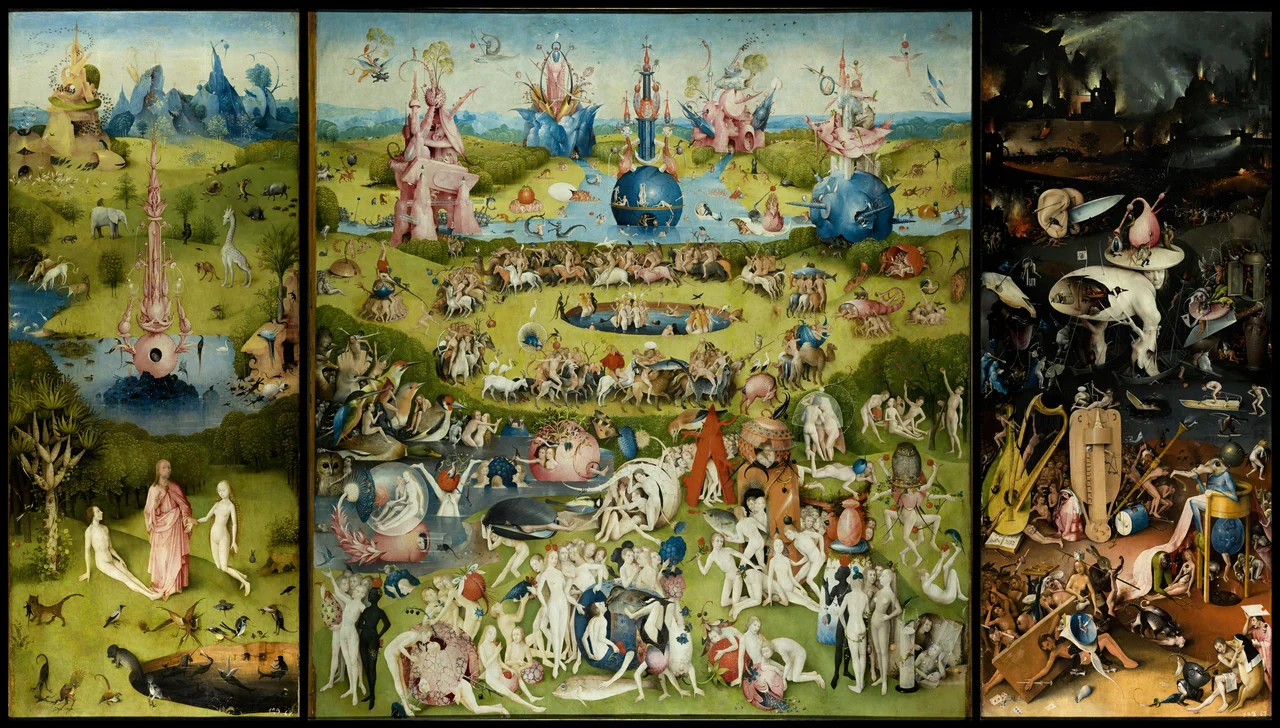
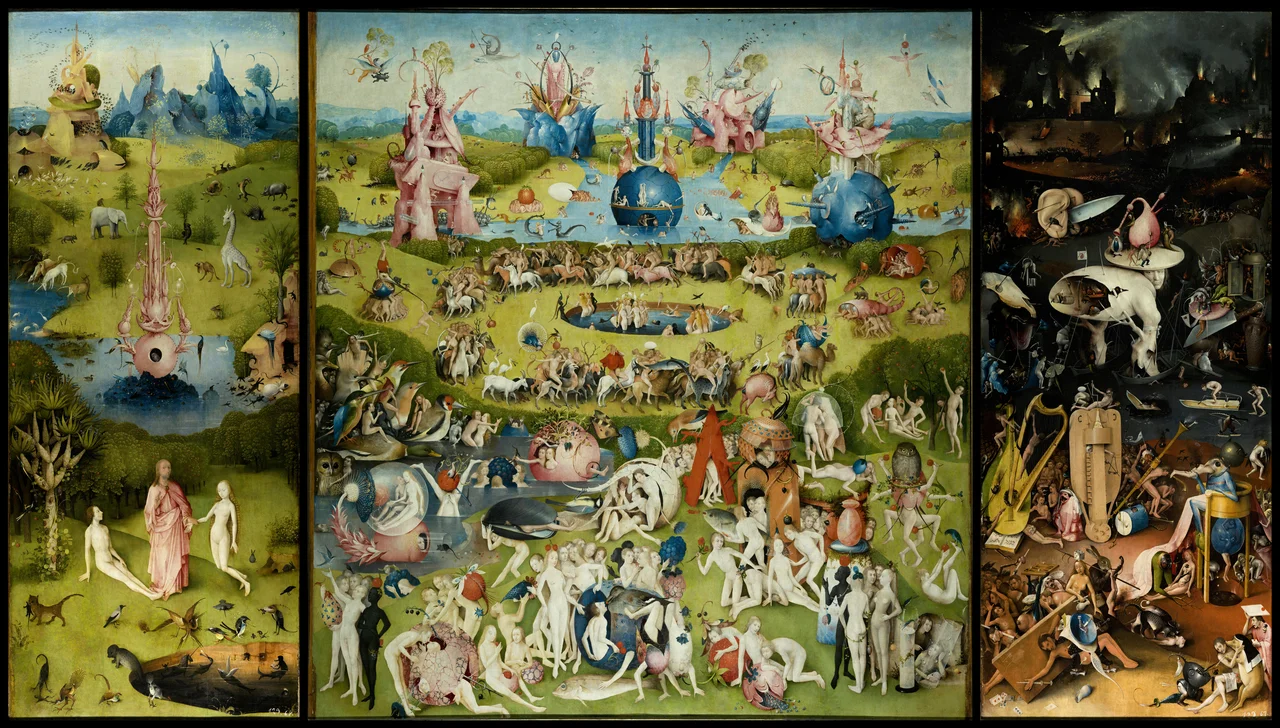
The Garden of Earthly Delights contains crowded hybrid creatures, oversized fruit, and unsettling scenes. Which approach is most useful for analyzing these details?
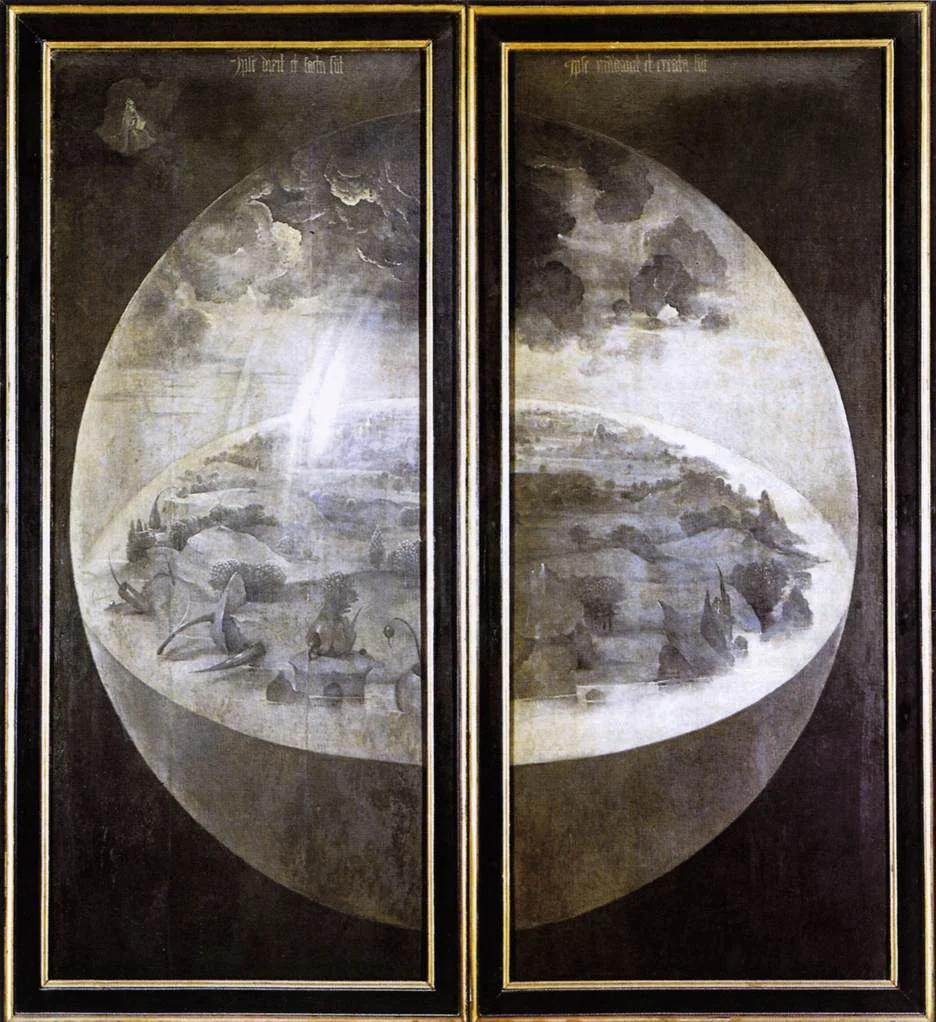
When the Garden of Earthly Delights is closed, its outer wings show a muted view of creation rather than the colorful interior scenes. What does this change reveal about a triptych?
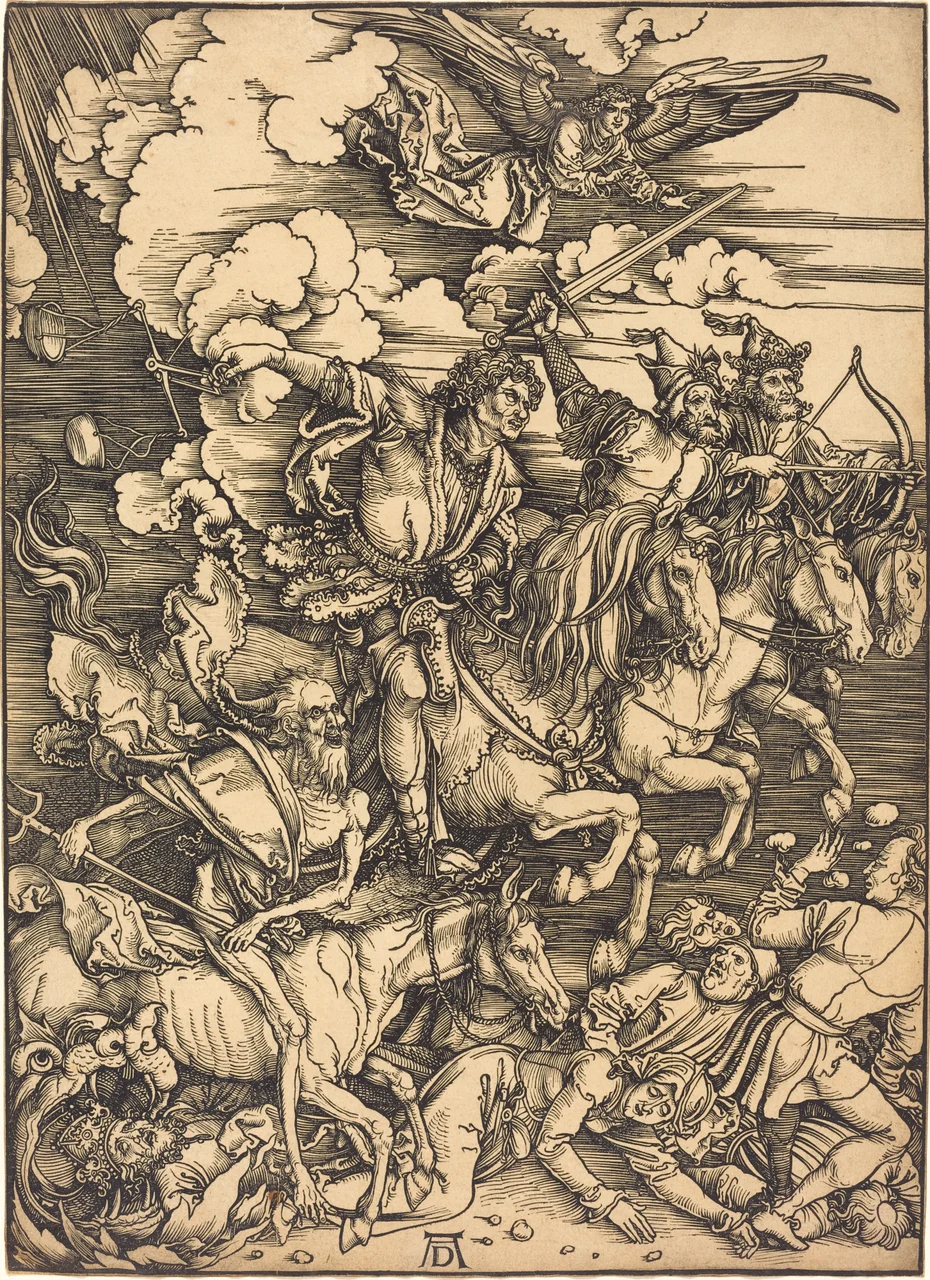
Dürer's Four Horsemen of the Apocalypse was made as a woodcut. What does that mean the artist prepared for printing?
Dürer's Adam and Eve of 1504 is an engraving. Which tool-and-surface pairing identifies that process?
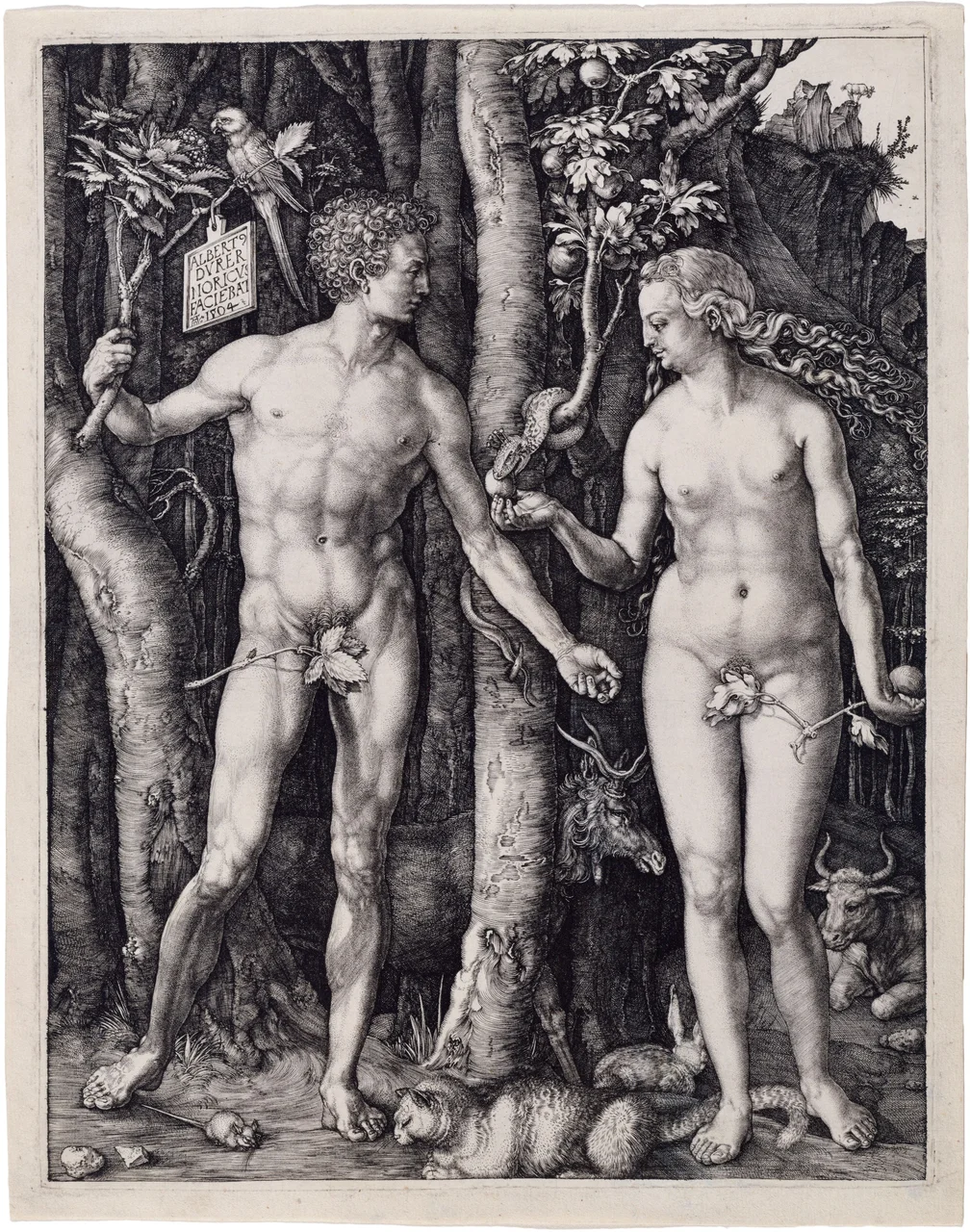
A printmaker wants very fine lines and dense crosshatching to build tone. Which process is the better choice?
Dürer's Four Horsemen could be printed repeatedly from its block and sold as separate sheets. What change did this bring to images?
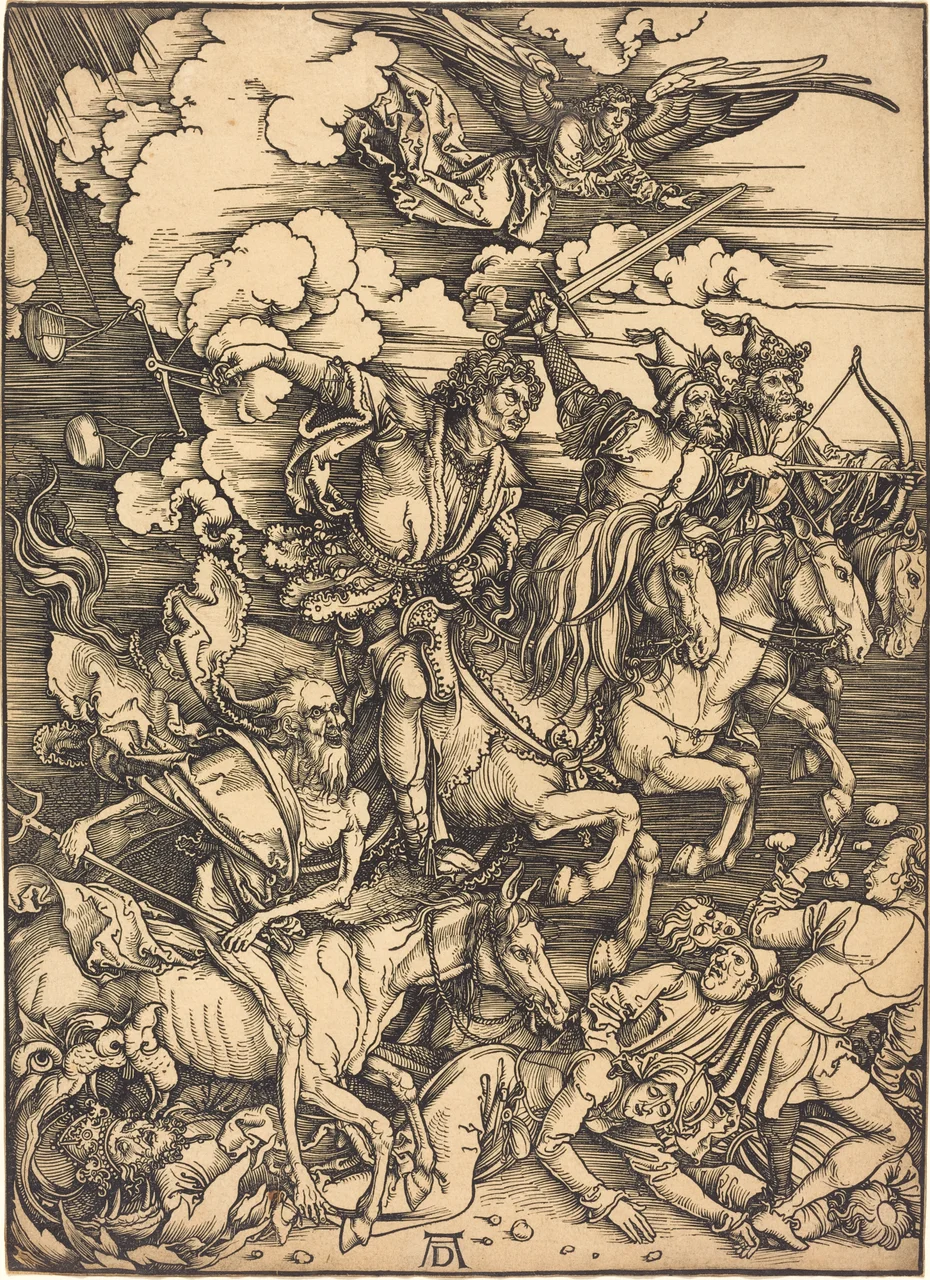
Why could a woodcut be printed many times after its design was carved?
A merchant buys a printed religious image rather than commissioning an altarpiece. What feature of printmaking most likely made this possible?
The Ghent Altarpiece has multiple hinged panels that reveal different scenes when opened. Which term best describes this structure?
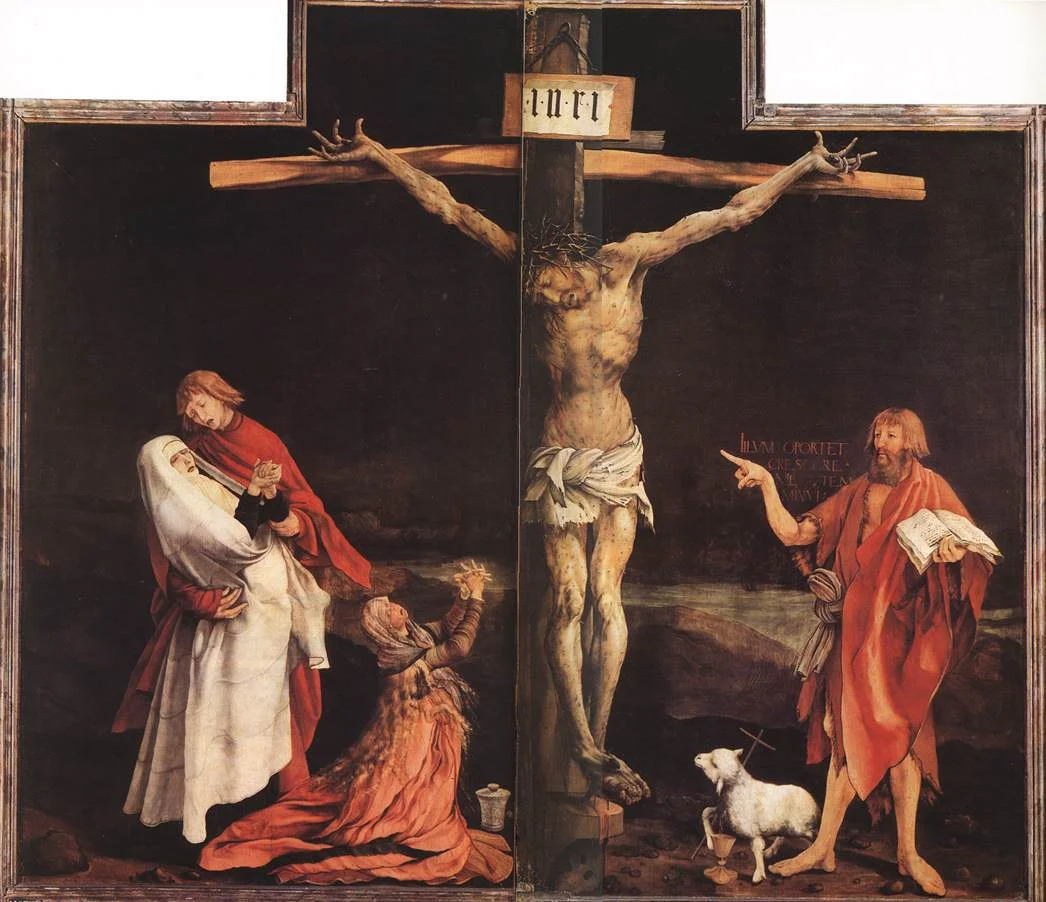
The Isenheim Altarpiece stood at a monastic hospital where many patients suffered from ergotism. Why would its wounded Crucifixion have mattered there?
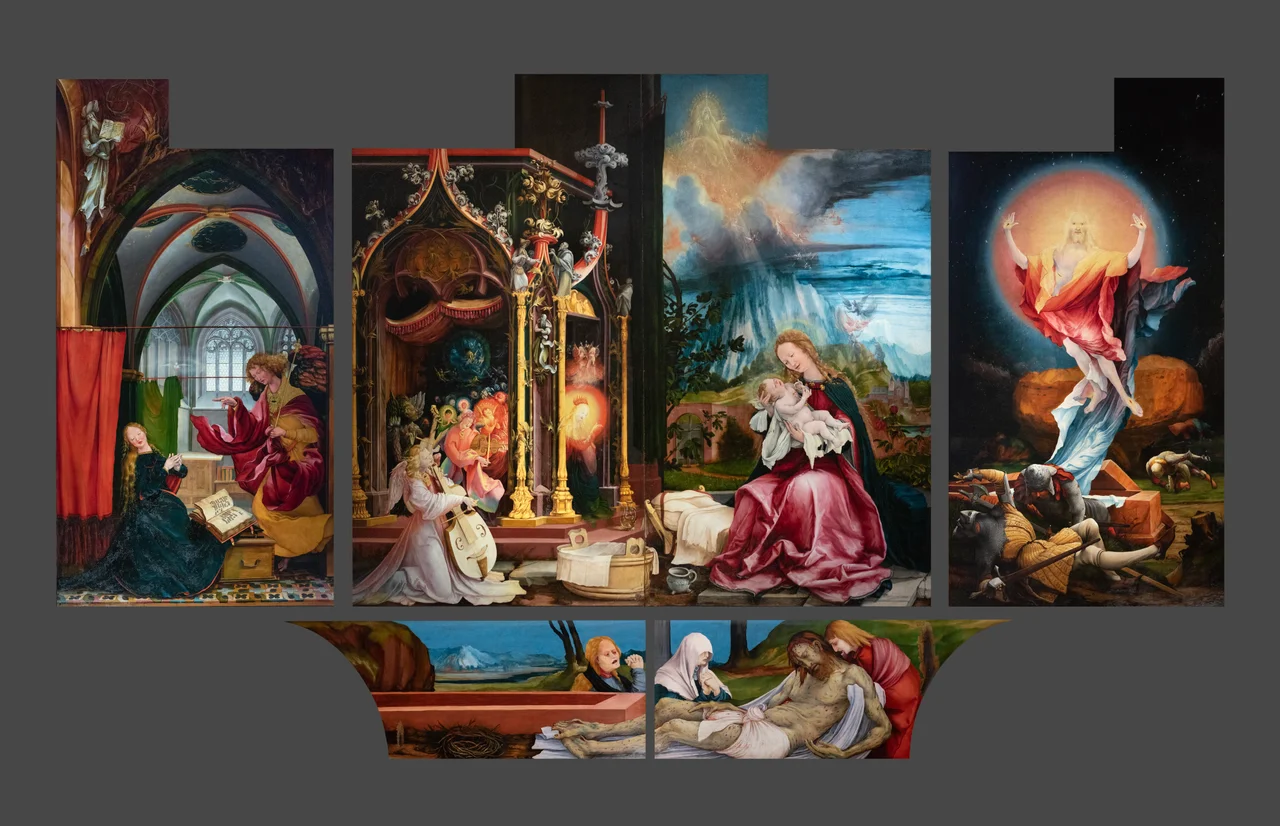
The wings of the Isenheim Altarpiece were opened on special feast days. How did this arrangement shape worship?
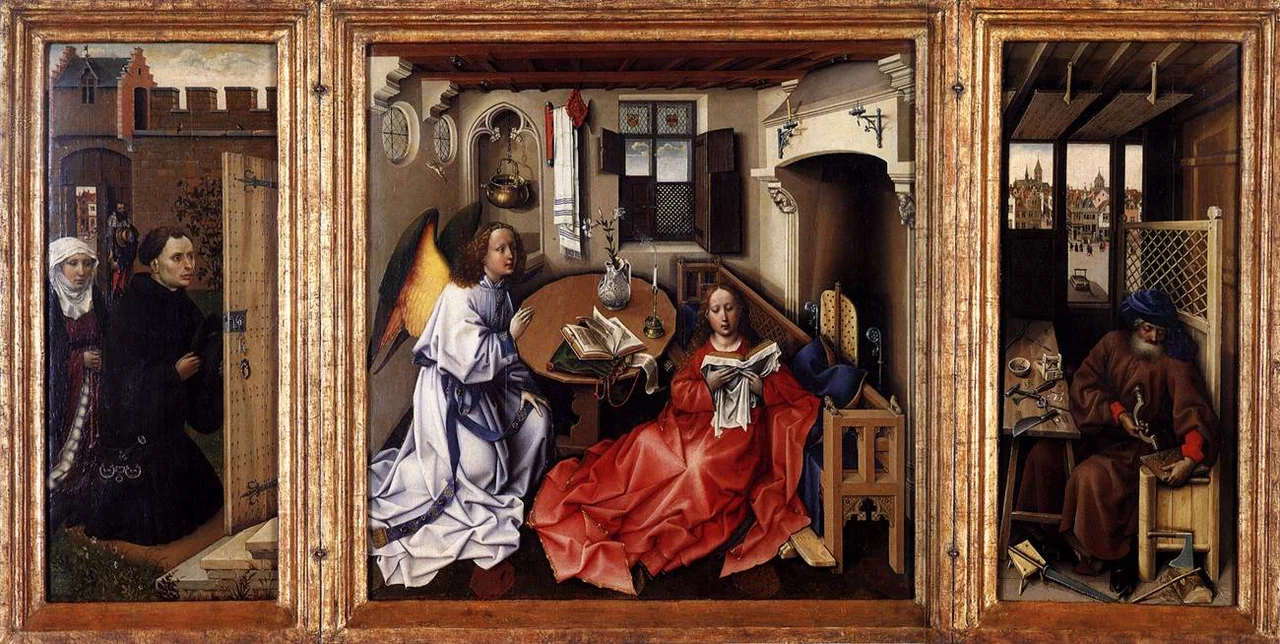
The Merode Altarpiece is small enough for a domestic setting and includes a kneeling donor. What was its likely function?
An altarpiece has a narrow lower zone beneath its main panel, sometimes filled with small narrative scenes or sculpture. What is that section called?
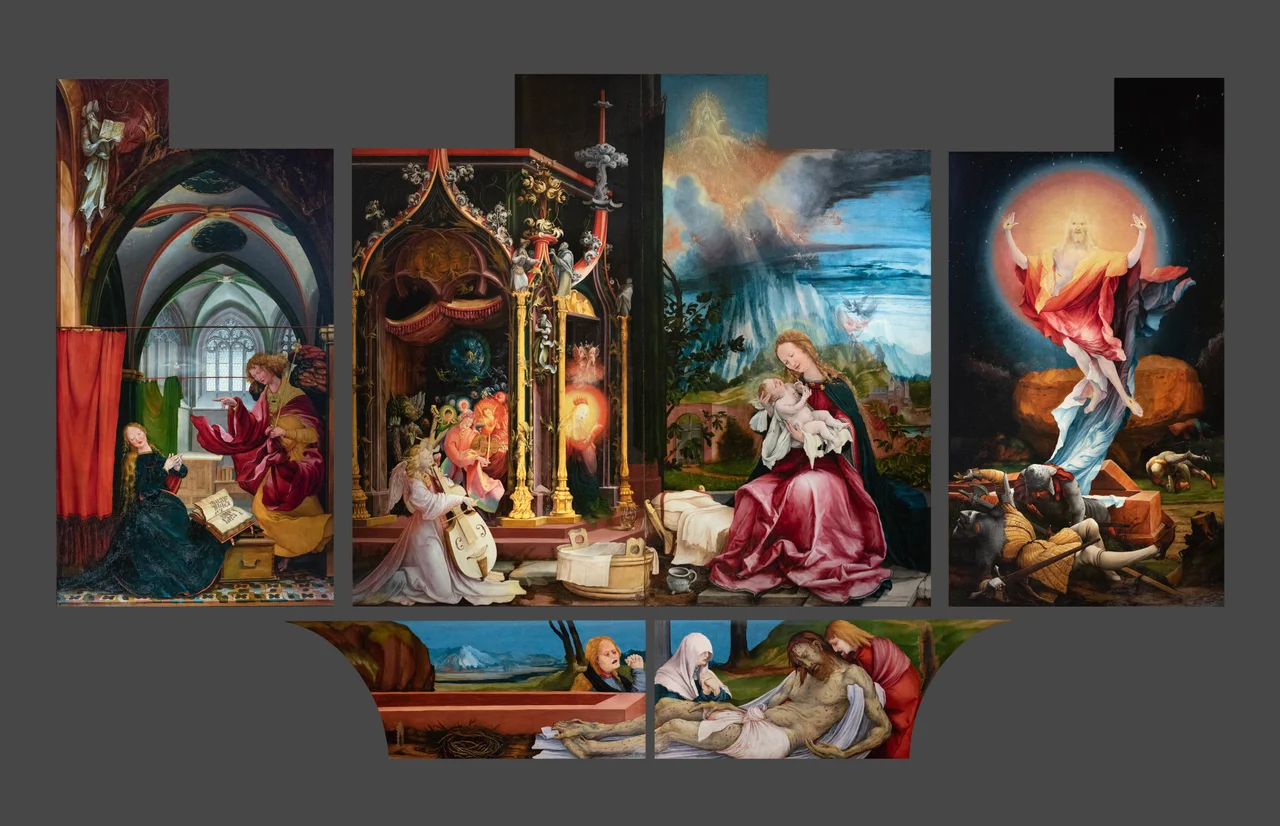
Bosch's Garden of Earthly Delights uses three connected panels. How does that format help the artist organize an extended religious narrative?
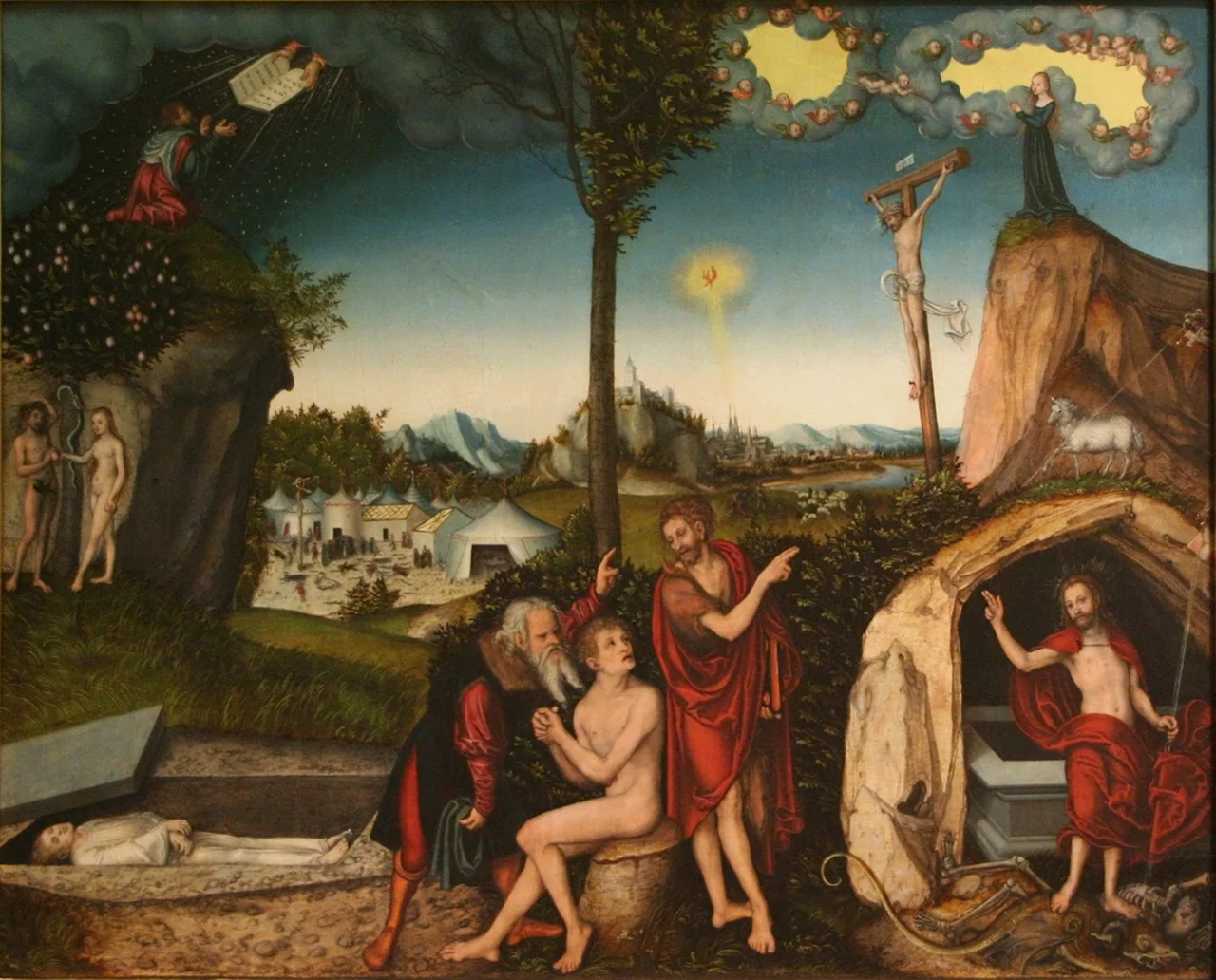
Cranach's Law and Gospel contrasts sin, judgment, faith, and salvation. Why is this painting closely connected to the Lutheran Reformation?
When iconoclasts destroyed religious images in some Northern European churches, what happened to many painters' sources of work?
In Protestant regions where church images were contested, Cranach's workshop made many copies of one kind of picture to spread the new faith. What was it?
A painter uses a split composition to explain a Lutheran idea about law, grace, and redemption. What is the main purpose of this visual strategy?
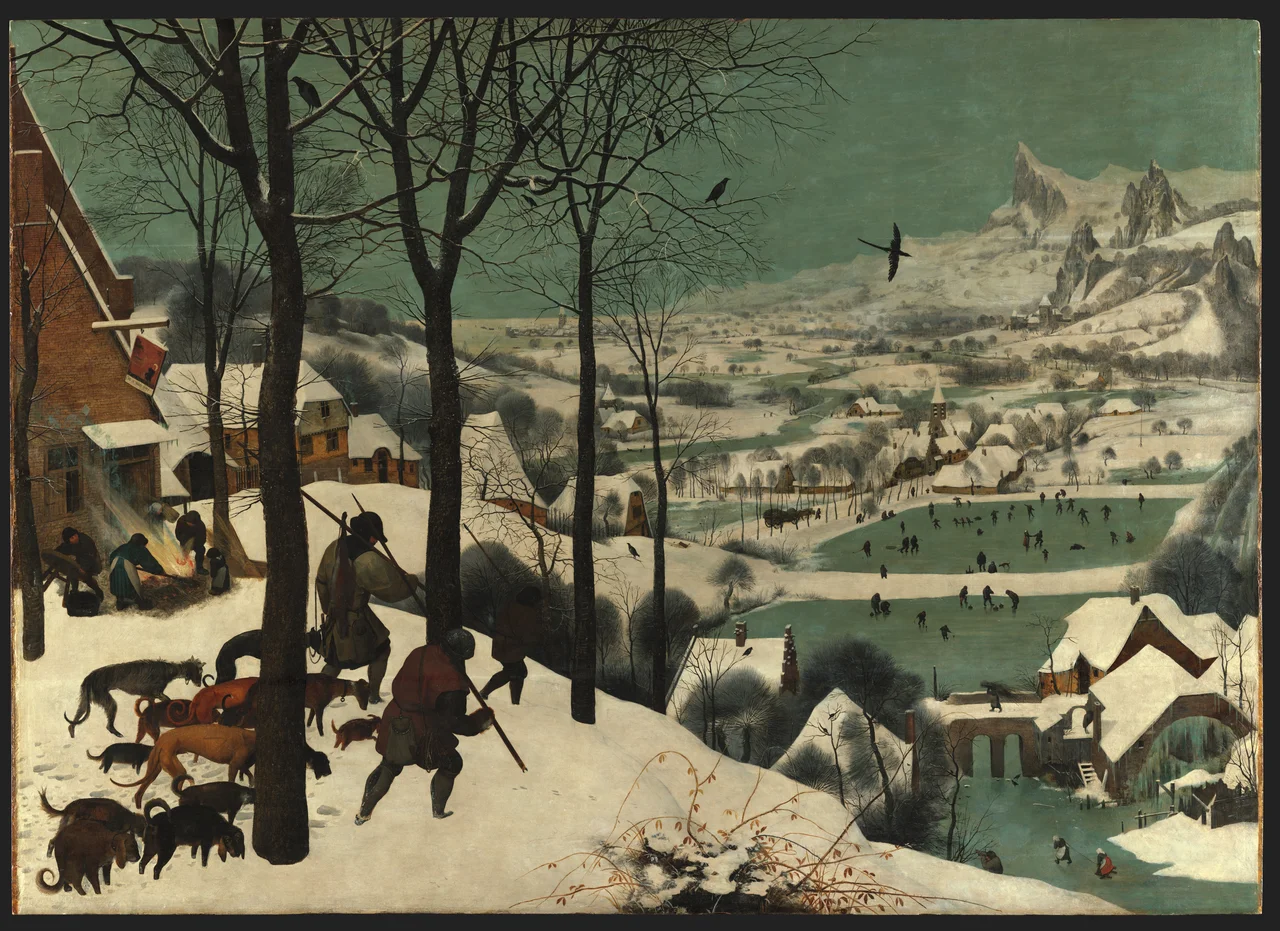
Bruegel's Hunters in the Snow emphasizes villagers, hunters, ice skaters, and a wide winter landscape. What growing market does this subject suggest?
In Holbein's The Ambassadors, globes, books, measuring instruments, and a lute surround the two sitters. What do these objects primarily establish?
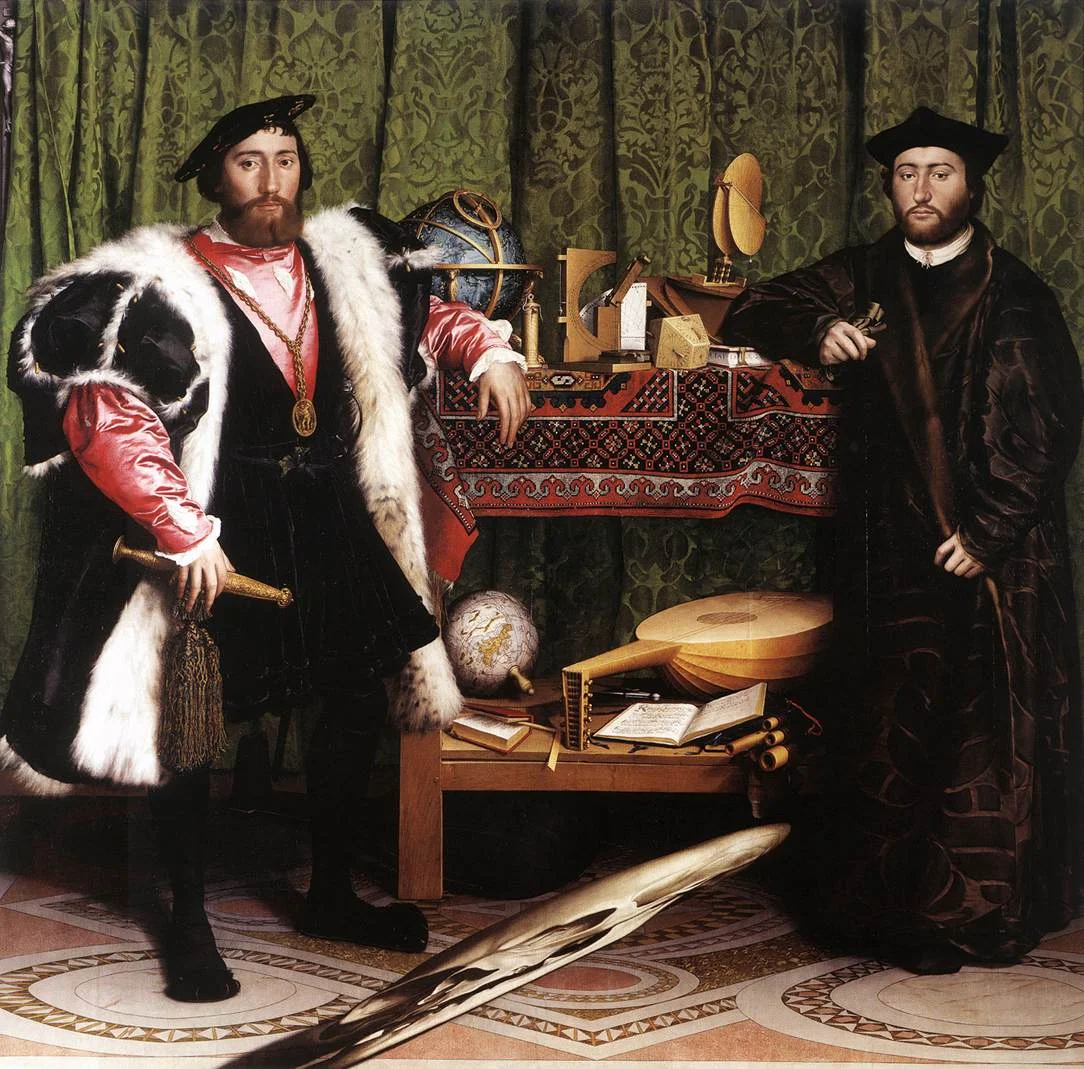
A distorted skull stretches across the foreground of Holbein's The Ambassadors. What theme does this visual interruption introduce?
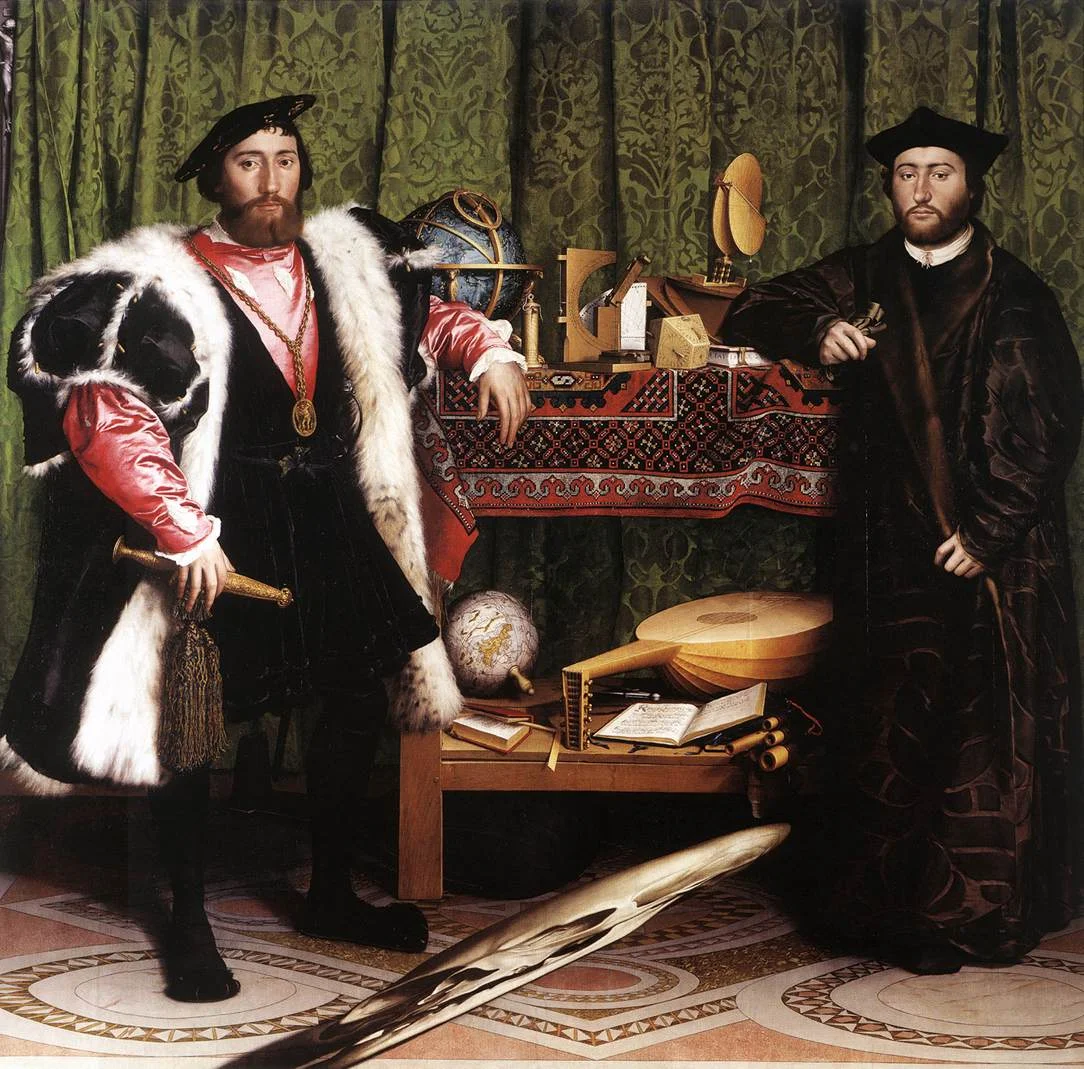
A Northern portrait includes a merchant beside a ledger, imported fabric, and a coat with carefully painted fur. Why include these objects?
In Dürer's frontal self-portrait, the artist's direct gaze, symmetry, and rich fur emphasize his presence. What claim about artists does this presentation support?
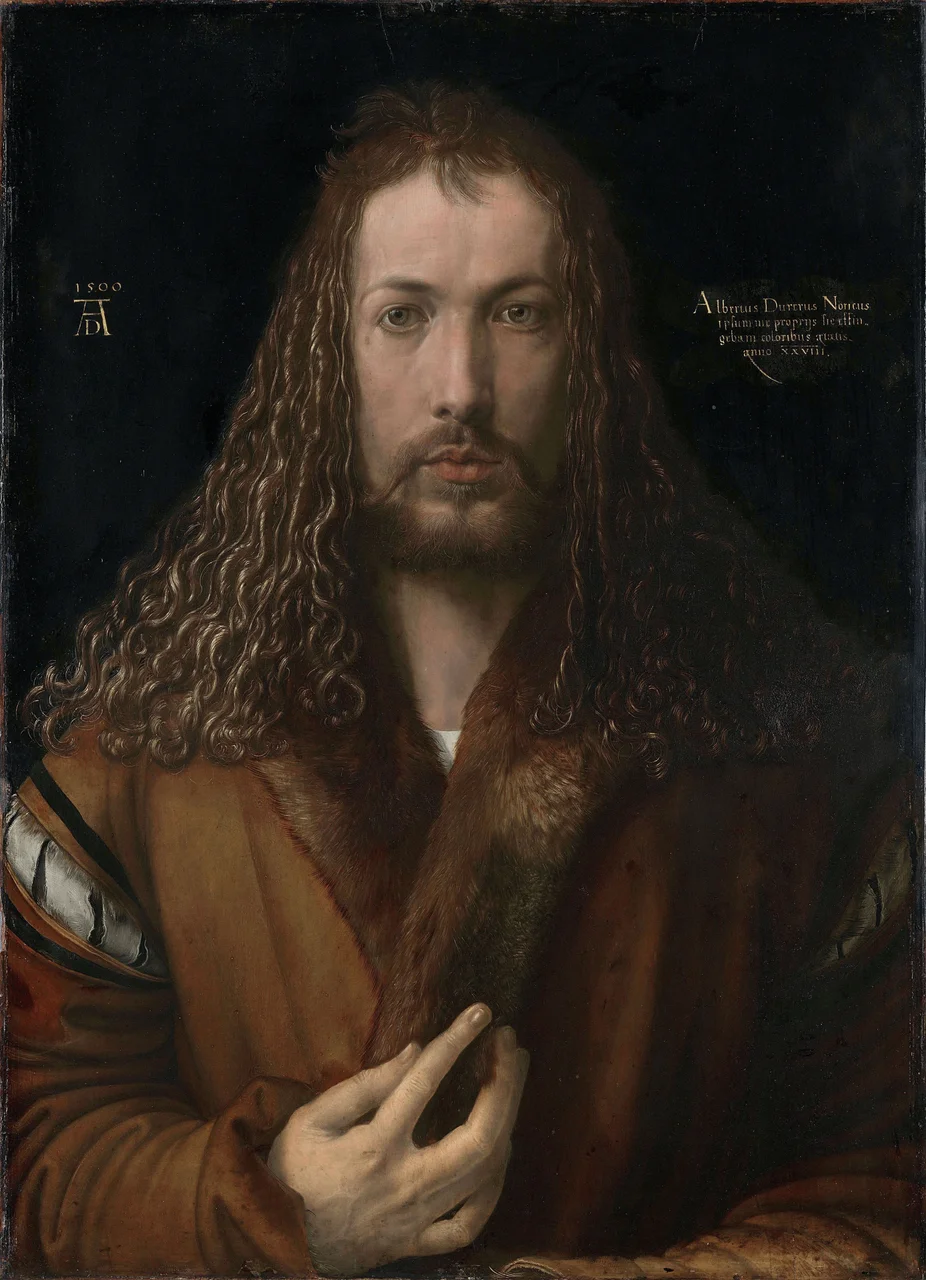
A Flemish portrait carefully records a sitter's face, clothing, and possessions rather than idealizing the body like a classical statue. Which Northern Renaissance value does this reflect?
Crack the passcode before the zombies get in.
Answer, then swat bugs for bonus points.
Race through questions at your own speed.
Same question on every screen. Fastest wins.

Pick a tile, answer, hit bonuses and steals.
Italian Baroque
30 questions