Loading
by BlastRoom
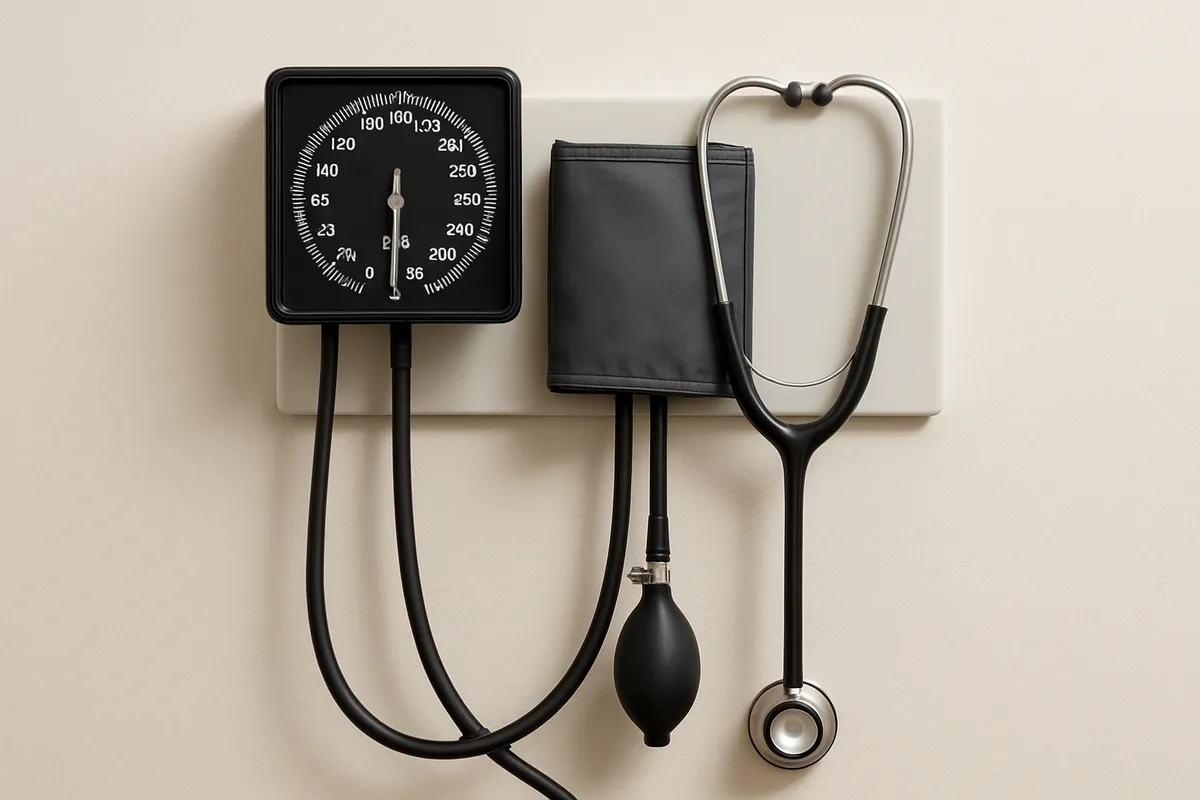
Taking a pulse, a respiration rate, a temperature and a blood pressure, and knowing the normal ranges.
#us_hs_anatomy_physiology
25 questions
One question set, multiple game modes. Tap any game to see it in action. Not sure which to pick?
Answer to place stones and capture territory.
Outrun the snow together.
Earn blasts, then hunt the other team.
Answer to earn energy, then climb.

The class blasts through walls together.
Bid on mystery lots. Most money wins.
Sell tours. Nice, standard, or a total scam.

Answer, restock, and serve the rush.
More correct answers pulls the rope your way.
Answer, then shoot down the alien wave.
Answer, then tap to leap the frozen ridge.
The normal adult resting pulse is 60 to 100 beats per minute. A resting adult is recorded at 54 beats per minute. How does that pulse compare with the normal range?
The normal adult resting respiration rate is 12 to 20 breaths per minute. A resting adult is recorded at 18 breaths per minute. How does that rate compare with the normal range?
Normal adult oral temperature is about 97.0 °F to 99.0 °F. A patient's oral temperature is 101.4 °F. How does that value compare with the normal range?
Normal adult resting blood pressure is below 120/80 mmHg. A reading is 116/74 mmHg. How does that blood pressure compare with the normal range?
The normal adult resting pulse is 60 to 100 beats per minute. A resting adult is recorded at 112 beats per minute. How does that pulse compare with the normal range?
The normal adult resting respiration rate is 12 to 20 breaths per minute. A resting adult is recorded at 9 breaths per minute. How does that rate compare with the normal range?
Normal adult oral temperature is about 97.0 °F to 99.0 °F. A patient's oral temperature is 98.2 °F. How does that value compare with the normal range?
Normal adult resting blood pressure is below 120/80 mmHg. A reading is 142/90 mmHg. How does that blood pressure compare with the normal range?
A clinician places two fingers on the thumb side of the wrist to count a resting pulse. Which artery is being palpated?
A rescuer checks circulation at the side of an unconscious adult's neck. Which pulse site is being used?
A blood pressure cuff is wrapped around the upper arm and inflated while sounds are heard at the elbow. What instrument is the cuff part of?
A clinician measures respiration rate without any instrument. Which method is being used?
A small electronic probe is clipped to a patient's fingertip and shines light through the skin to estimate blood oxygen saturation. Which method is being used?
A clinician places a thermometer probe under the tongue and asks the patient to close the mouth. Which temperature site is being used?
During manual blood pressure measurement, the first tapping sound is heard at 126 mmHg. What does this first number represent?
During manual blood pressure measurement, tapping sounds disappear at 78 mmHg. What does this second number represent?
A chart lists blood pressure as 118/76 mmHg. What cardiac event is represented by the 118?
A chart lists blood pressure as 118/76 mmHg. What cardiac phase is represented by the 76?
A pulse is counted as 72 beats per minute at rest. What repeating event is being counted?
A clinician records 16 respirations per minute. What event is counted once for this vital sign?
Normal adult ranges are pulse 60-100, respirations 12-20, temperature 97.0-99.0 °F, and blood pressure below 120/80 mmHg. A chart reads pulse 88, respirations 16, temperature 98.4 °F, blood pressure 146/92 mmHg. Which reading is outside its range?
Normal adult ranges are pulse 60-100, respirations 12-20, temperature 97.0-99.0 °F, and blood pressure below 120/80 mmHg. A chart reads pulse 48, respirations 14, temperature 98.6 °F, blood pressure 110/70 mmHg. Which reading is outside its range?
Normal adult ranges are pulse 60-100, respirations 12-20, temperature 97.0-99.0 °F, and blood pressure below 120/80 mmHg. A chart reads pulse 76, respirations 28, temperature 98.1 °F, blood pressure 116/74 mmHg. Which reading is outside its range?
Normal adult ranges are pulse 60-100, respirations 12-20, temperature 97.0-99.0 °F, and blood pressure below 120/80 mmHg. A chart reads pulse 92, respirations 18, temperature 100.8 °F, blood pressure 112/72 mmHg. Which reading is outside its range?
Normal adult ranges are pulse 60-100, respirations 12-20, temperature 97.0-99.0 °F, and blood pressure below 120/80 mmHg. A chart reads pulse 84, respirations 10, temperature 98.0 °F, blood pressure 118/76 mmHg. Which reading is outside its range?
Crack the passcode before the zombies get in.
Answer, then swat bugs for bonus points.
Race through questions at your own speed.
Same question on every screen. Fastest wins.

Pick a tile, answer, hit bonuses and steals.

Body Organization and the Language of Anatomy Review
40 questions