Loading
by BlastRoom
Analyze the conflicts the ruler's decree creates and the general truth the Japanese folk tale advances.
#maxims#matatag_english_8
20 questions
One question set, multiple game modes. Tap any game to see it in action. Not sure which to pick?
In the Japanese folk tale "The Story of the Aged Mother," a ruler orders all aged people put to death, and the farmer must obey. Which conflict does this decree create?
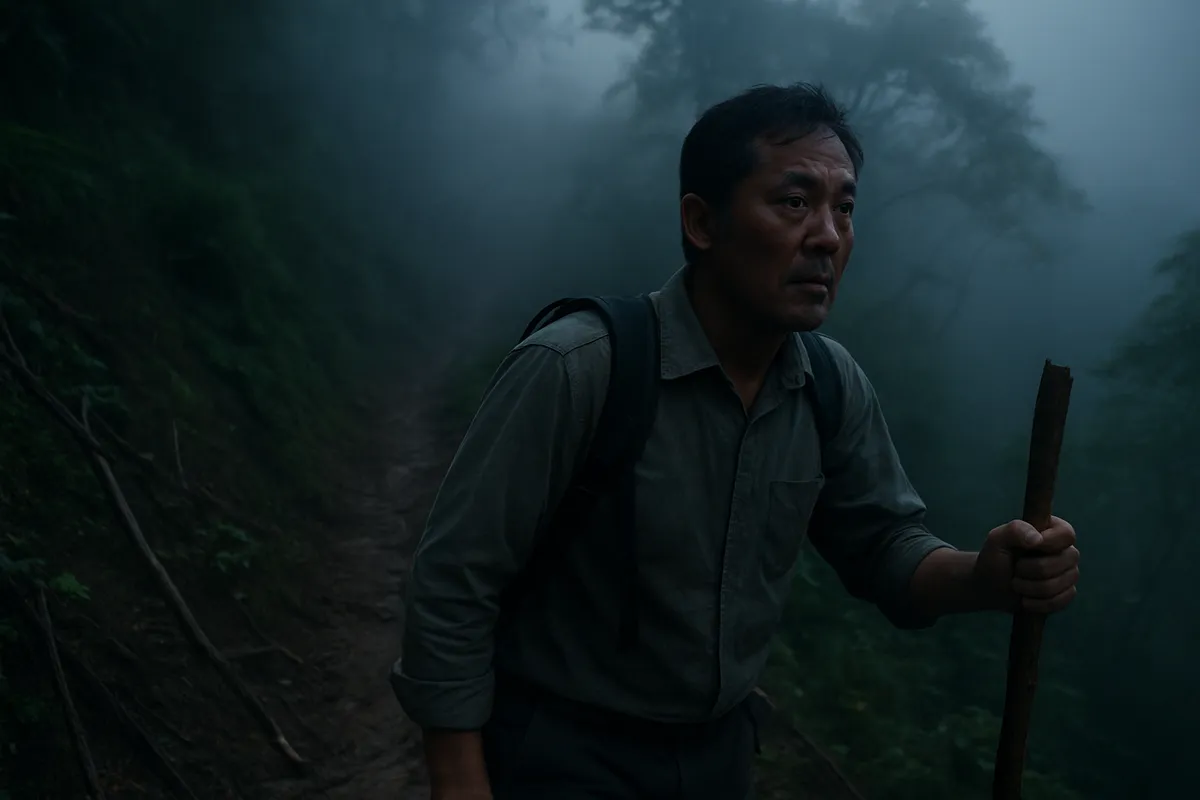
In the tale, the son reaches the summit, has carried out the law, and still cannot bring himself to leave his mother there. Which conflict does this moment show?
The tale ends when the ruler admits his mistake. Which quoted line states the general truth the tale advances?
Which general truth about life does the Japanese folk tale "The Story of the Aged Mother" advance?
Early in the tale: "But no one ever thought a second time about obeying the mandate of a daimio." Which idea stated here does the tale later undercut?
A town council votes to bar everyone over sixty from serving on it. Which line from the tale most directly challenges that rule?
"The road was long and steep. The narrow road was crossed and recrossed by many paths made by hunters and wood-cutters." Which conflict does the son's climb show?
After the rope of ashes is made, the ruler questions the farmer directly, and the farmer must answer the one man who made the law. Which conflict is this exchange?
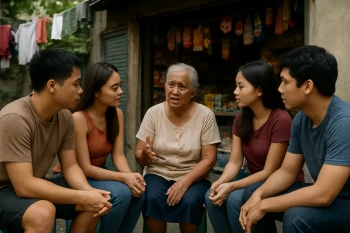
In the Japanese folk tale "The Story of the Aged Mother," the cruel law is abolished after the ruler learns that the hidden aged mother supplied the answer.
Which event finally makes the ruler admit that his province needs its elders?
As they climb, the mother snaps twigs from the bushes and quietly drops a handful every few steps. What general truth about a parent does this detail carry?
"Let not thine eyes be blind, my son. The mountain road is full of danger." What does the mother's last instruction reveal about her concern?
"Once more he shouldered his burden (how light it seemed now!) and hastened down the path." What change in the son does this line mark?
A factory dismisses every worker who turns sixty, then finds no one left who can repair its oldest machine. Which claim from the tale does this repeat?
Which statement is a general truth the tale advances, rather than a report of one event in it?
"I will not leave thee. Together we will follow the path of twigs, and together we will die!" How does the son settle his inner conflict here?
The tale describes "a despotic ruler who, though a brave warrior, had a great and cowardly shrinking from anything suggestive of fading health and strength." What does this line explain?
"With the crown of snow, there cometh wisdom!" Which situation applies this saying correctly?
The son hides his mother in the walled closet, supplying her needs and "continually watching and fearing." Which conflict keeps him in danger?
The ruler cancels the law only after the rope of ashes is laid before him. What does this ending suggest about changing an unjust rule?
Crack the passcode before the zombies get in.

Pick a tile, answer, hit bonuses and steals.
The Arabian Nights: The Frame Narrative
20 questions