Loading
by BlastRoom
Read the Vietnamese folktale of the star apple tree (vú sữa) for what a village's values about family, memory and land make each detail mean.
#sociocultural_context#matatag_english_8
20 questions
One question set, multiple game modes. Tap any game to see it in action. Not sure which to pick?
In the Vietnamese folktale of the star apple tree, a spoiled boy runs away when his mother scolds him, then returns hungry. What does his return show about kinship?
In the star apple folktale, the boy is indulged by his mother yet is scolded when he misbehaves. Read for sociocultural context, what does the scolding show about a parent's role?
At the end of the Vietnamese star apple folktale, villagers take the tree home to grow in their own yards. What does this show about how the village holds memory?
The folktale ends with the fruit being named vú sữa, mother's milk, for a mother's love. What does naming a fruit this way show about the community's values?
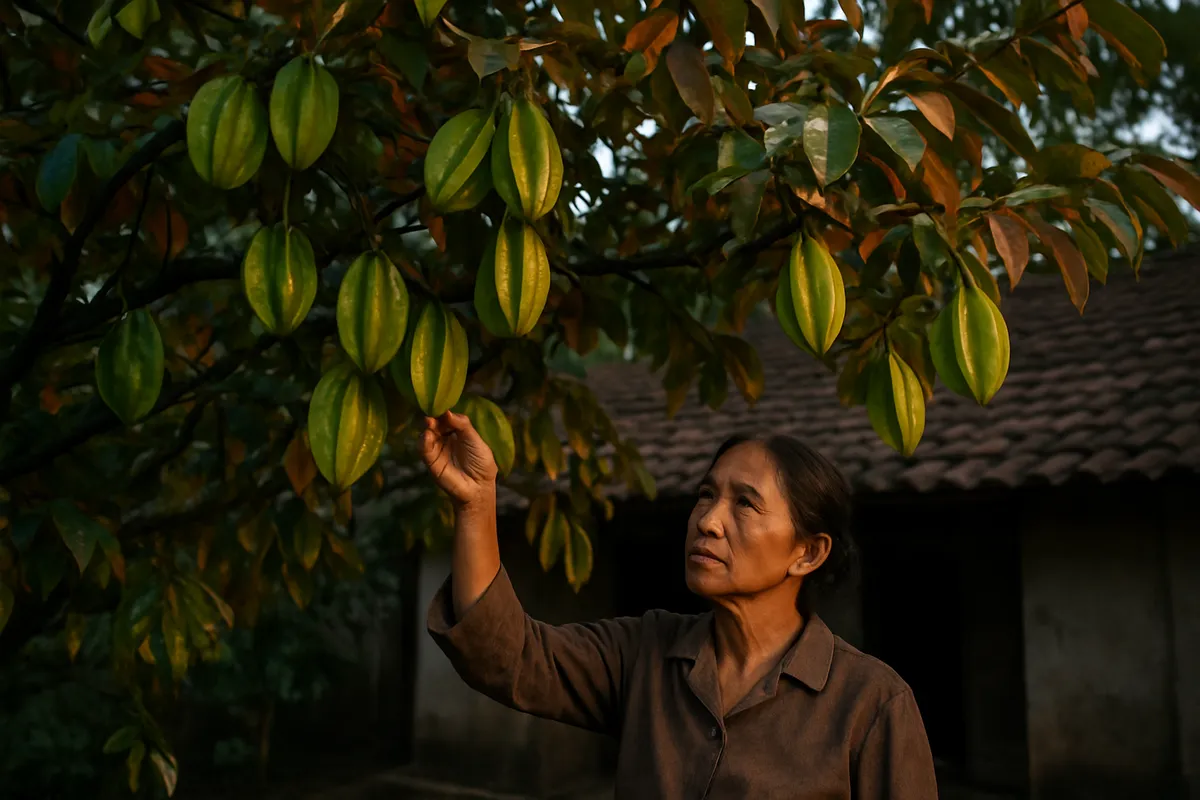
In the folktale, the star apple leaves are green on one face and red-copper on the other, likened to a mother's weeping eyes. What does this comparison honor?
In the tale the boy returns to the same house and yard he left, and there he embraces the tree. Read for sociocultural context, what does the family yard stand for?
The Legend of the Star Apple Tree is a Vietnamese folktale passed on by many tellers, with no single named author. What does that tell a reader about the values inside it?
The boy in the folktale is playful and mischievous because his mother indulges him. In sociocultural terms, what does his running away after one scolding reveal?
No king, official or village head appears anywhere in the star apple folktale; the events involve a mother, her son and the neighbors. What does this absence suggest?
Villagers in the tale grow fruit trees in their own yards and pass plants to one another. Given those conditions, what does the spreading of the star apple tree do?
A class reads the star apple folktale for sociocultural context. Which detail carries the social meaning most directly?
The star apple folktale ends by praising the fruit rather than punishing the runaway boy. What does that ending say about what this village holds precious?
Finding his mother gone, the boy embraces a tree in the yard and weeps. Read for sociocultural context, what does this act stand in for?
The star apple folktale teaches children to value and respect their parents while the parents are still alive.
The boy leaves home as a runaway son and comes back to a house without his mother. What does the tale suggest about who he is once the tree bears fruit?
The boy shares the fruit with the people around him, and they carry the tree home. In a village where households depend on one another, what does this sharing show?
Away from home the boy is cold and hungry, and only then does he understand what his mother gave him. What does the tale treat as her contribution to the household?
In the tale's village a child who leaves the family home has no other household to feed him. How does this condition shape the meaning of the boy's flight?
In the folktale, the tree's branches hold the weeping boy like his mother's arms. Read for sociocultural context, what does this detail show?
Many cultures tell of a child who leaves home and returns too late. Which part of the star apple tale makes it an origin story and not only a lesson?
Crack the passcode before the zombies get in.

Pick a tile, answer, hit bonuses and steals.
Ali Baba and the Forty Thieves: Plot Structure
20 questions