Loading
by BlastRoom
Students judge helpful and harmful human effects on ecosystems.
#us_grade_5_science
20 questions
One question set, multiple game modes. Tap any game to see it in action. Not sure which to pick?
Answer to place stones and capture territory.
Outrun the snow together.
Earn blasts, then hunt the other team.
Answer to earn energy, then climb.

The class blasts through walls together.
Bid on mystery lots. Most money wins.
Sell tours. Nice, standard, or a total scam.

Answer, restock, and serve the rush.
More correct answers pulls the rope your way.
Answer, then shoot down the alien wave.
Answer, then tap to leap the frozen ridge.
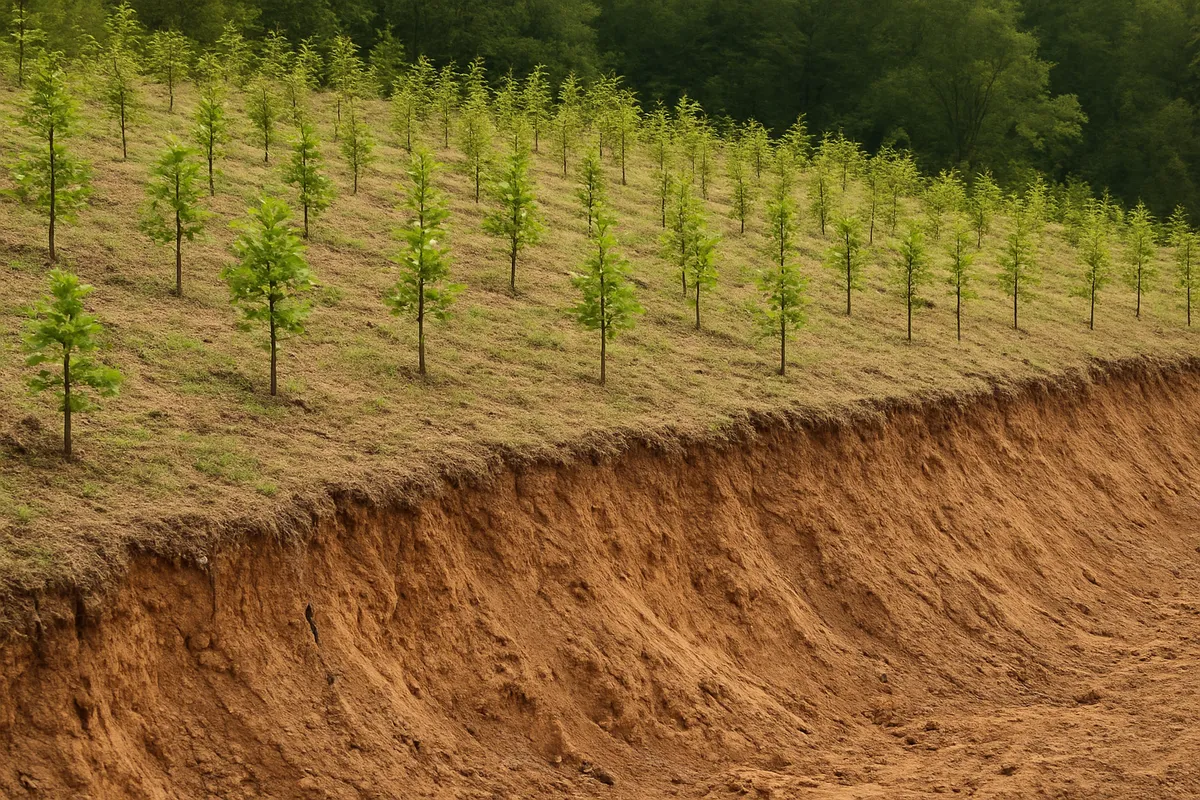
A class plants native trees along a bare stream bank. Does this human activity help or harm the stream ecosystem, and why?
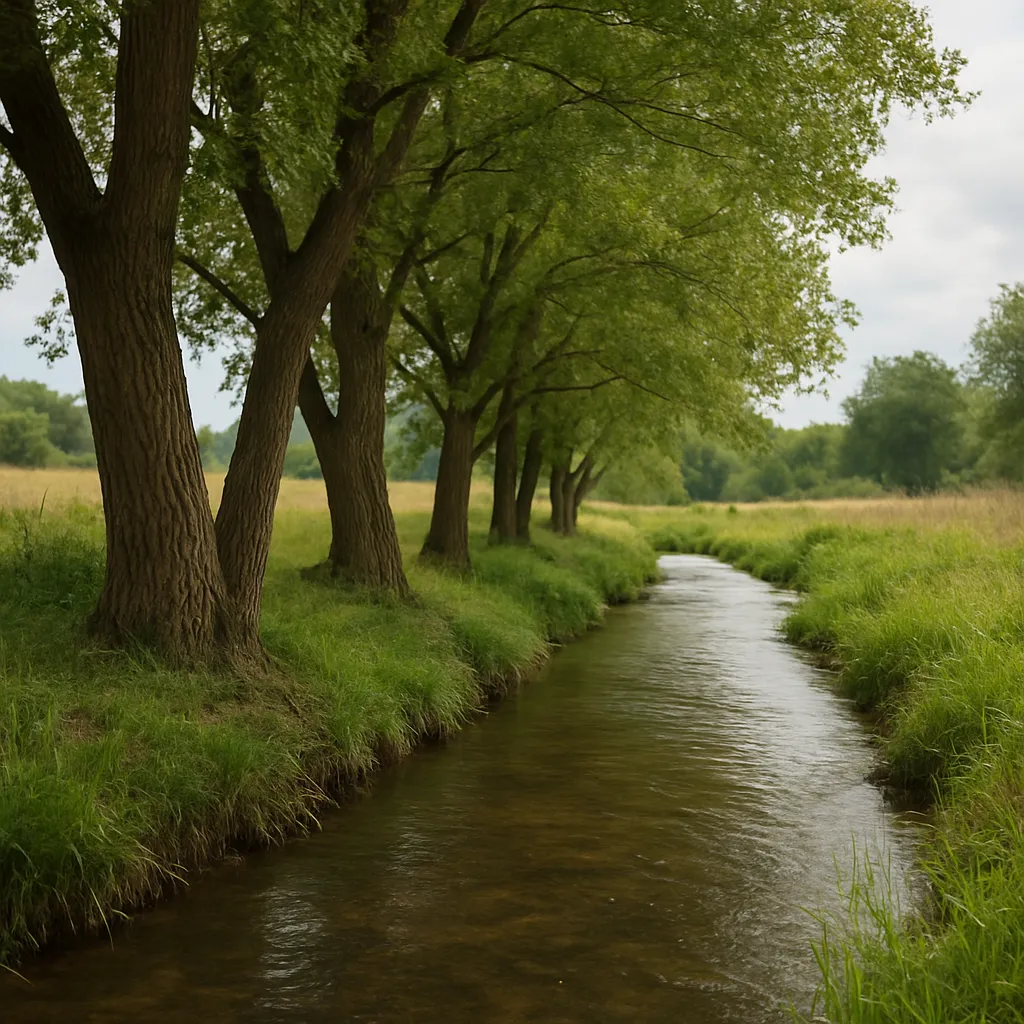
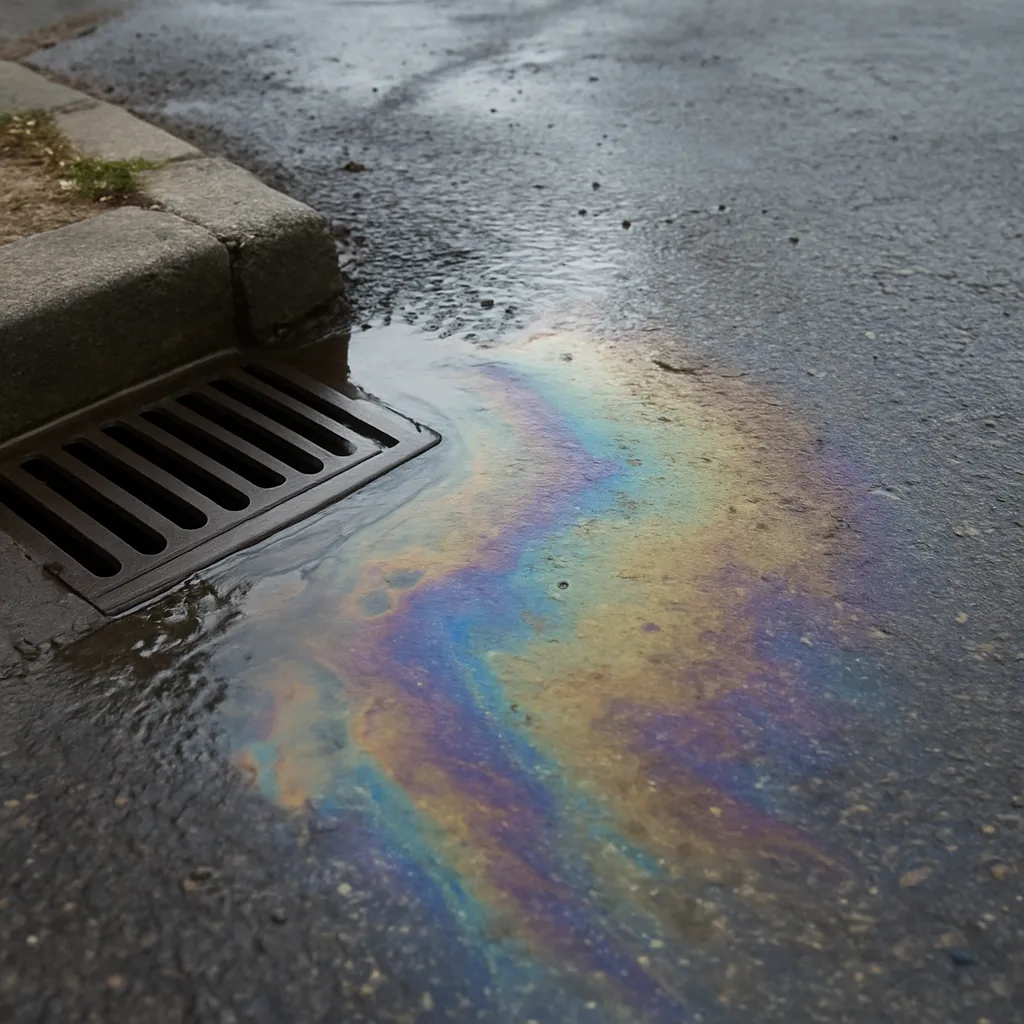
A driver pours used motor oil into a storm drain that empties into a creek. Does this human activity help or harm the creek ecosystem, and why?
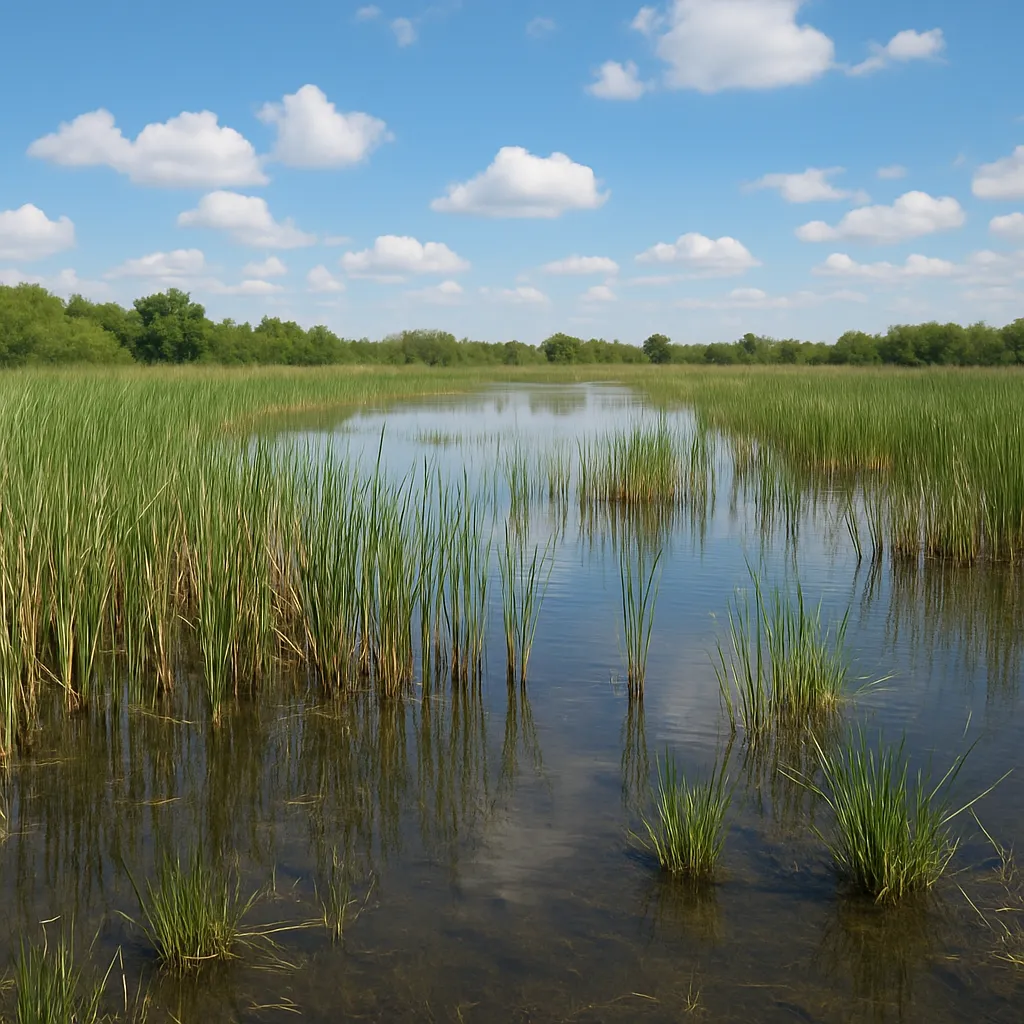
Workers refill old drainage ditches so a wetland stays wet again. Does this human activity help or harm the wetland ecosystem, and why?
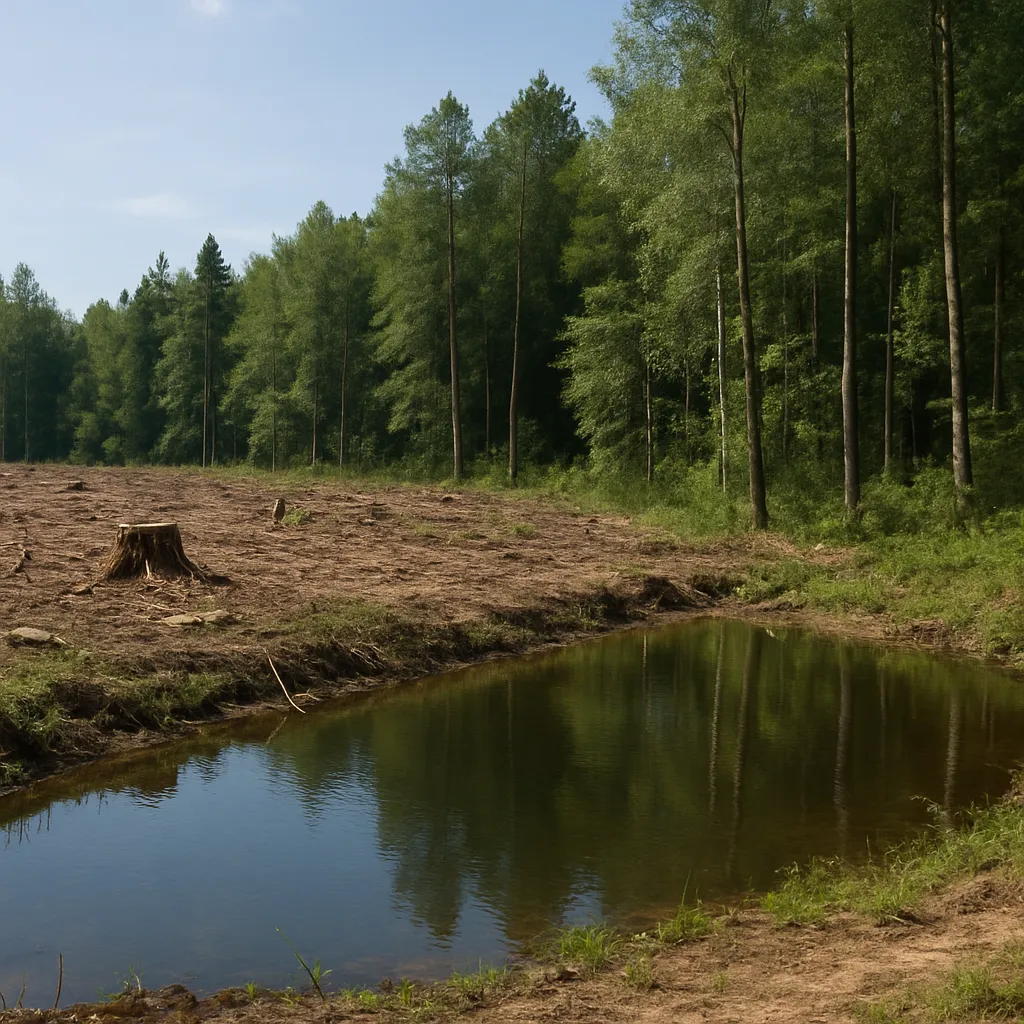
A company clears a forest patch near a pond for a parking lot. Does this human activity help or harm the pond ecosystem, and why?
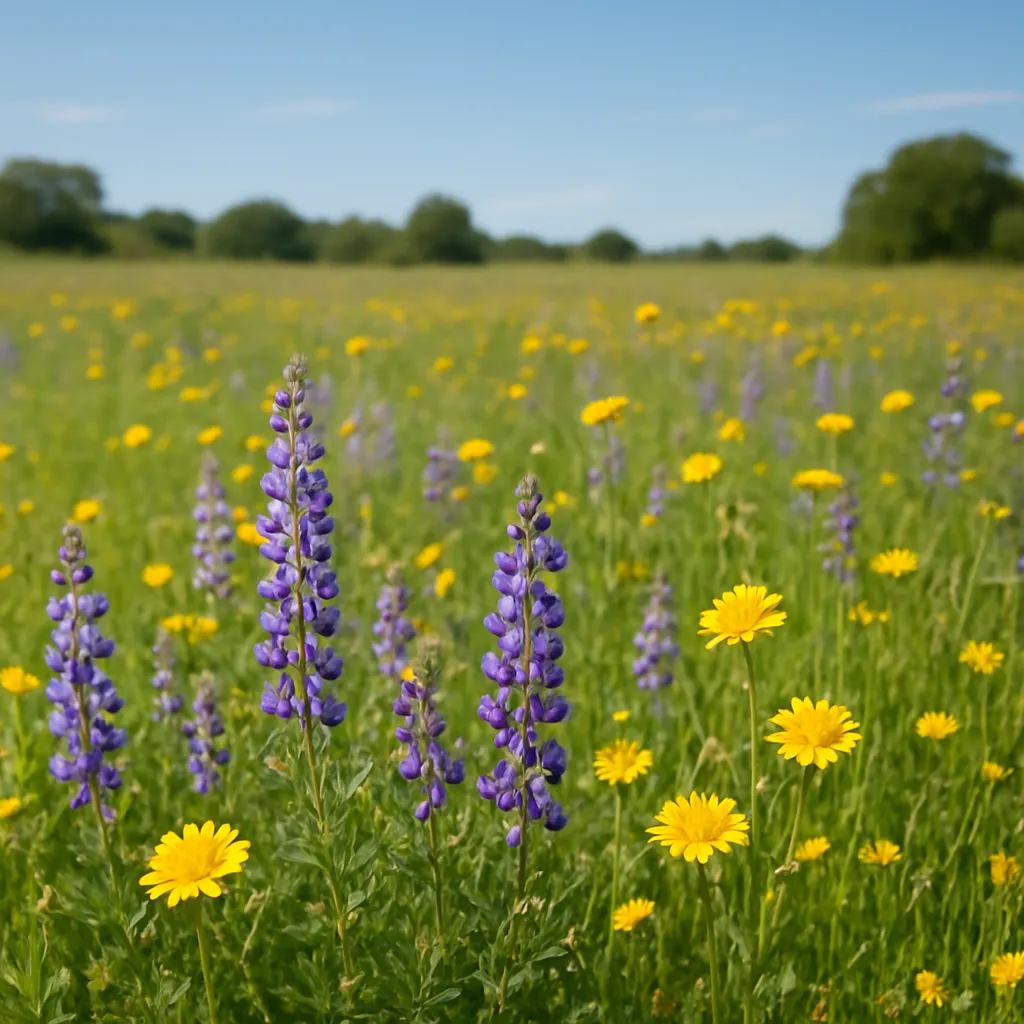
A park crew removes fast-spreading invasive vines and plants native wildflowers. Does this human activity help or harm the meadow ecosystem, and why?
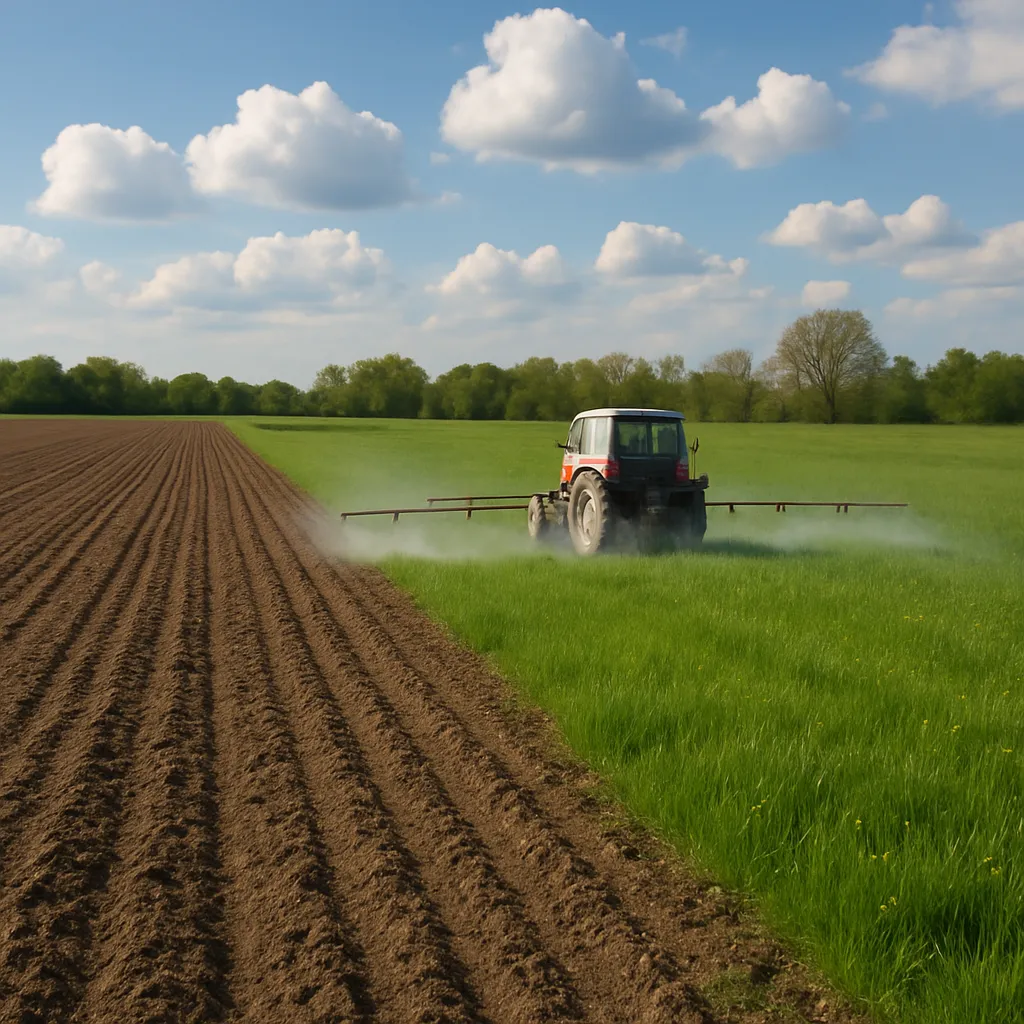
A farmer sprays a broad pesticide over a meadow next to a field. Does this human activity help or harm the meadow ecosystem, and why?
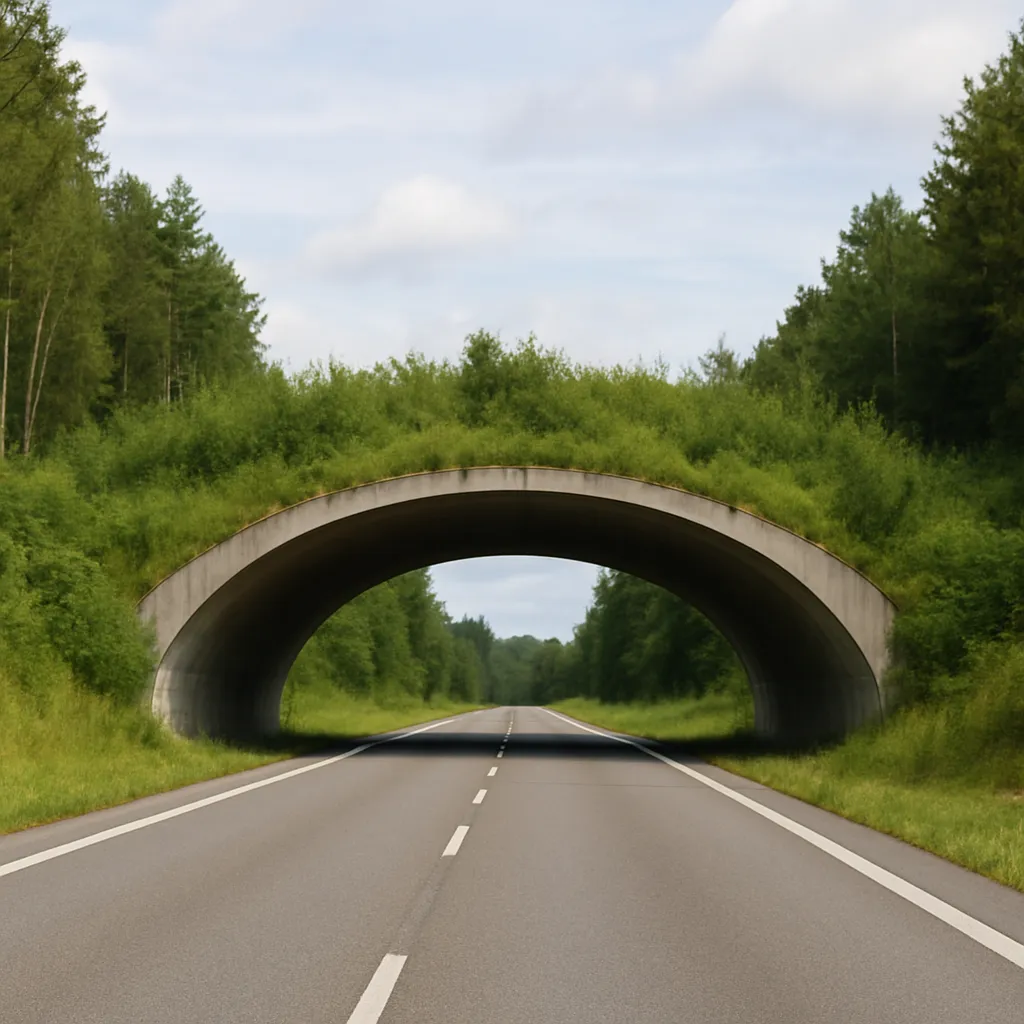
Builders add a vegetated wildlife bridge over a busy road between two woods. Does this human activity help or harm the forest ecosystem, and why?
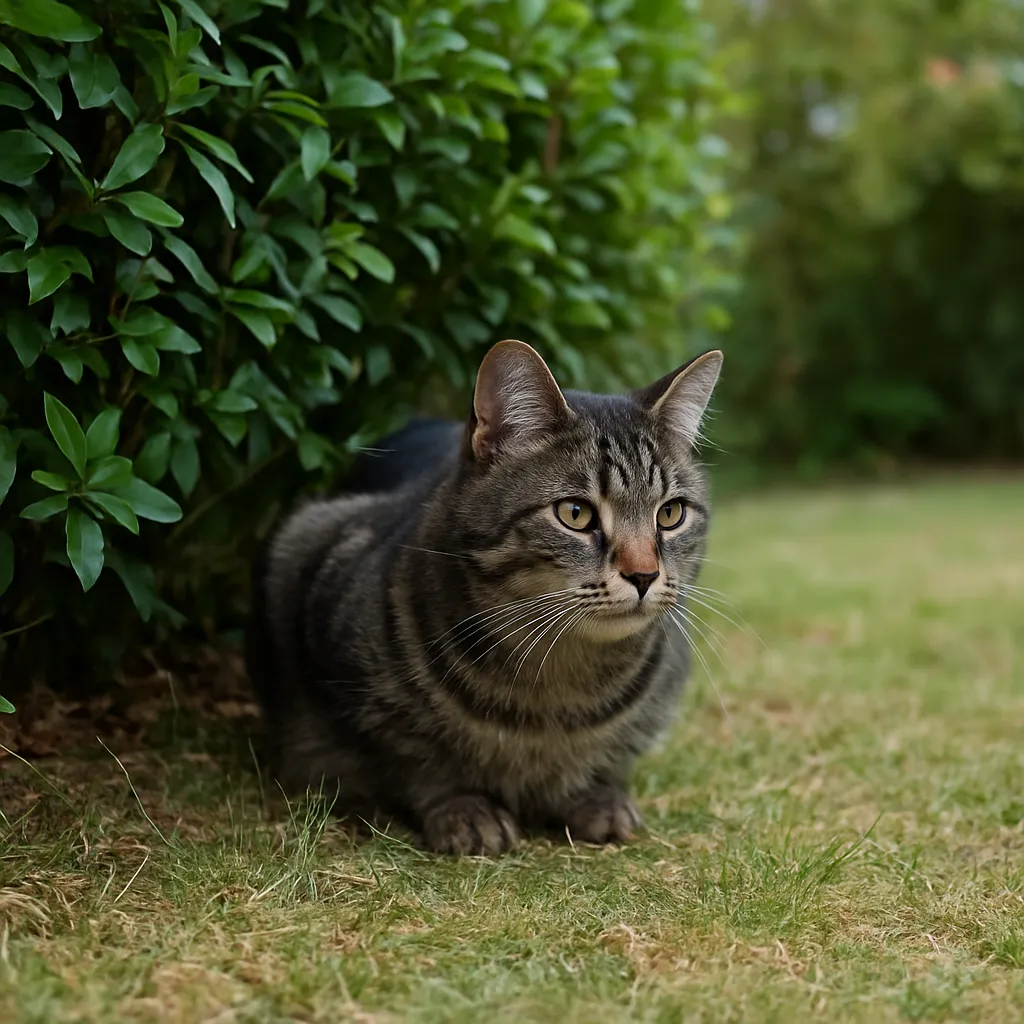
A neighborhood lets pet cats roam freely near nesting shrubs. Does this human activity help or harm the local ecosystem, and why?
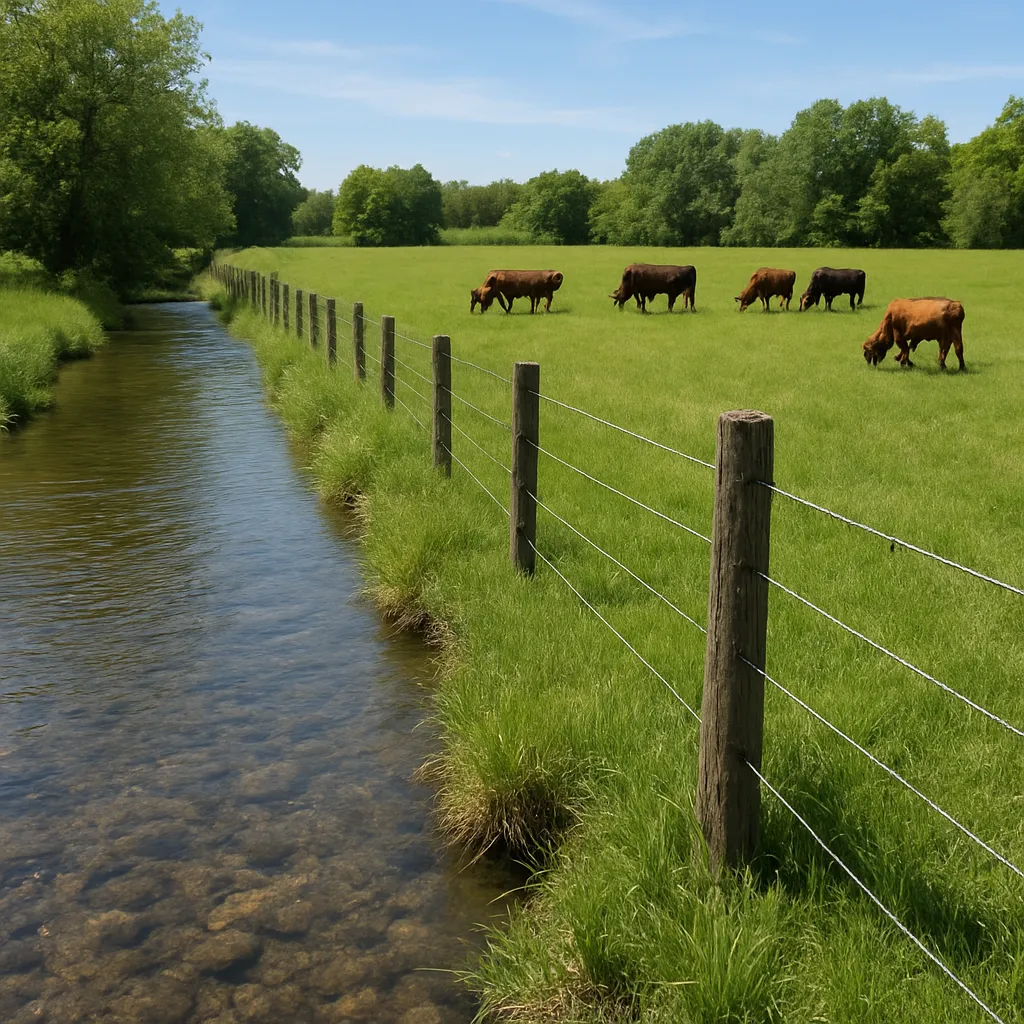
A farm fences cattle away from a stream bank so hooves no longer break the soil. What is the likely result for the stream water?
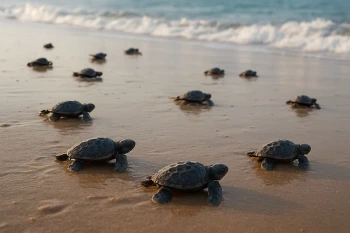
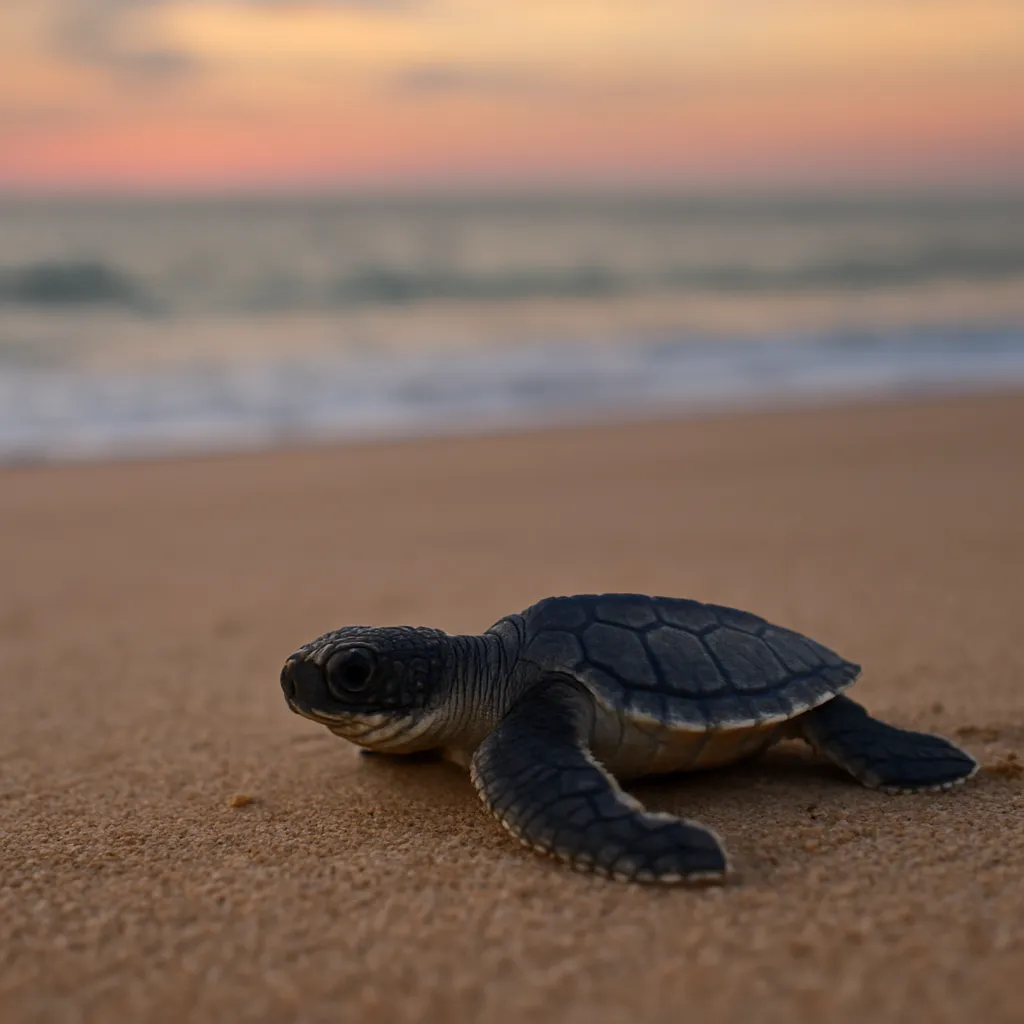
Beach homes turn off bright outdoor lights during sea turtle hatching season. Hatchlings move toward the brightest open horizon by instinct. What happens to many hatchlings?
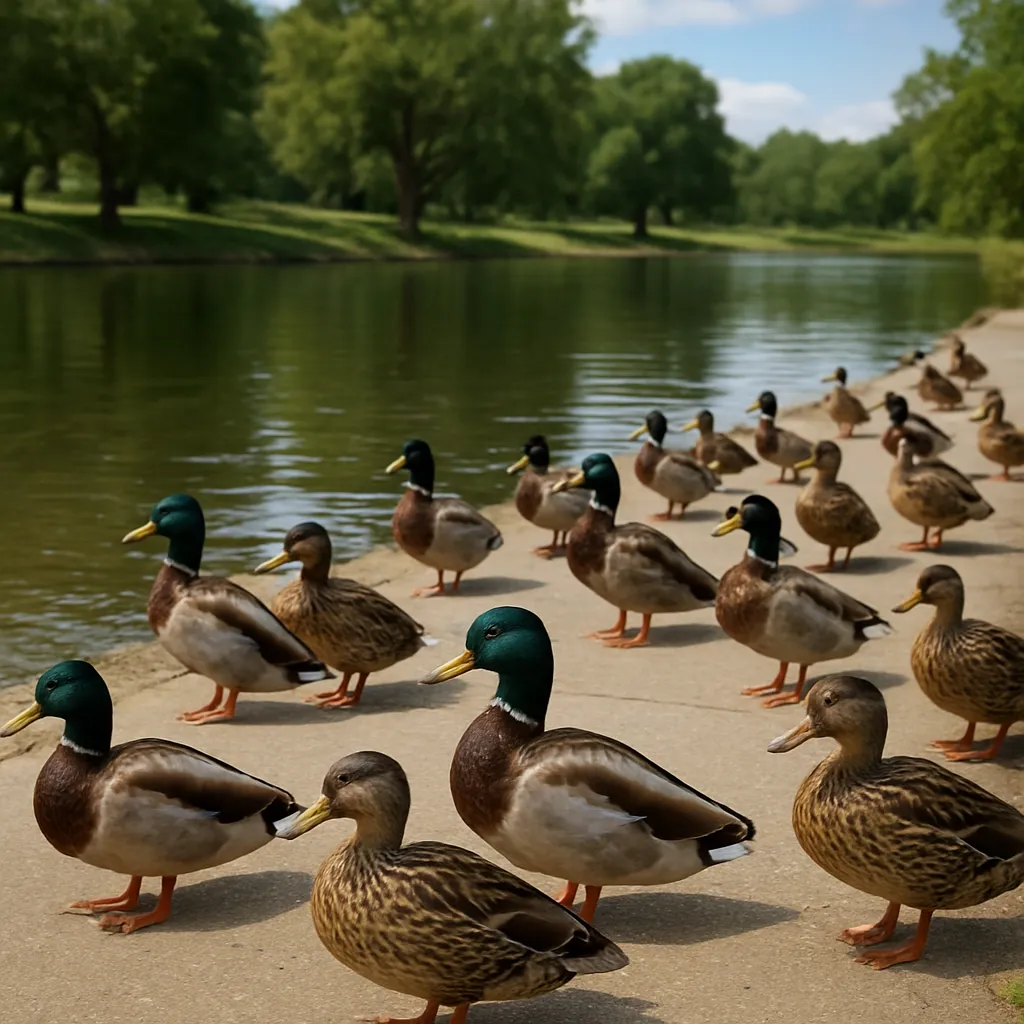
Visitors feed ducks at a pond each afternoon. Ducks learn to gather near the walkway instead of foraging widely. What is this behavior and a likely ecosystem effect?
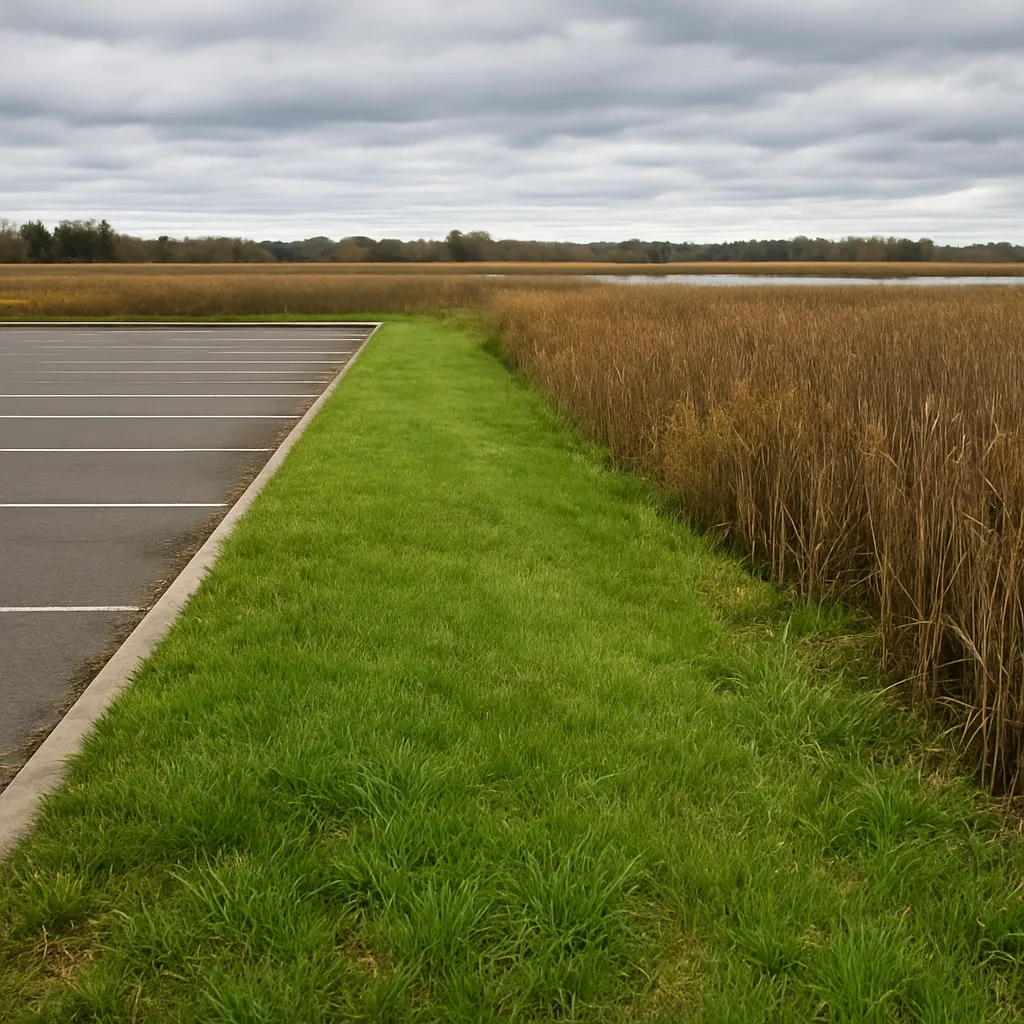
Volunteers plant grasses between a parking lot and a marsh. Rainwater runs through the grass before reaching the marsh. What happens to the water entering the marsh?
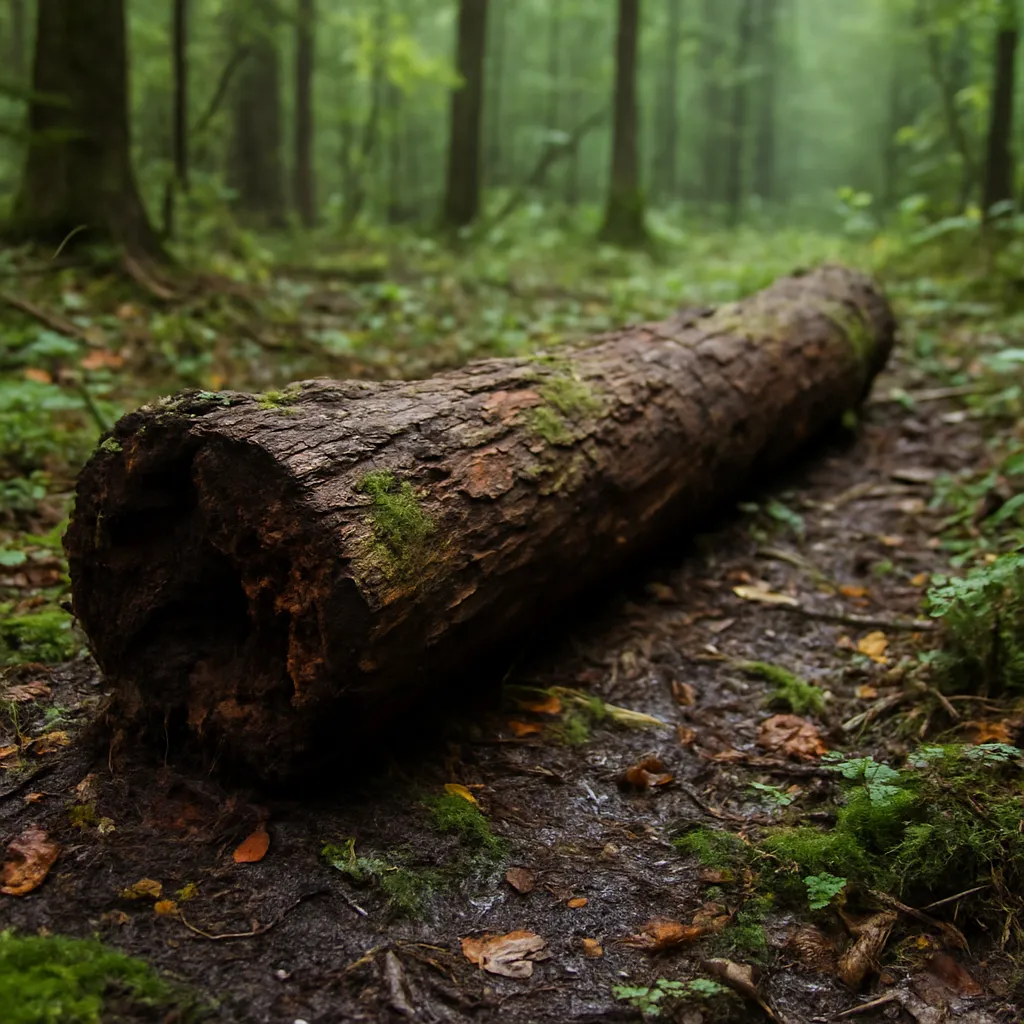
Campers remove most fallen logs from a forest floor for firewood. What happens to decomposers such as fungi and worms in that area?
Construction crews place a solid wall across a shallow stream. Small fish used the stream to reach gravel beds where they lay eggs. What happens to that fish population?
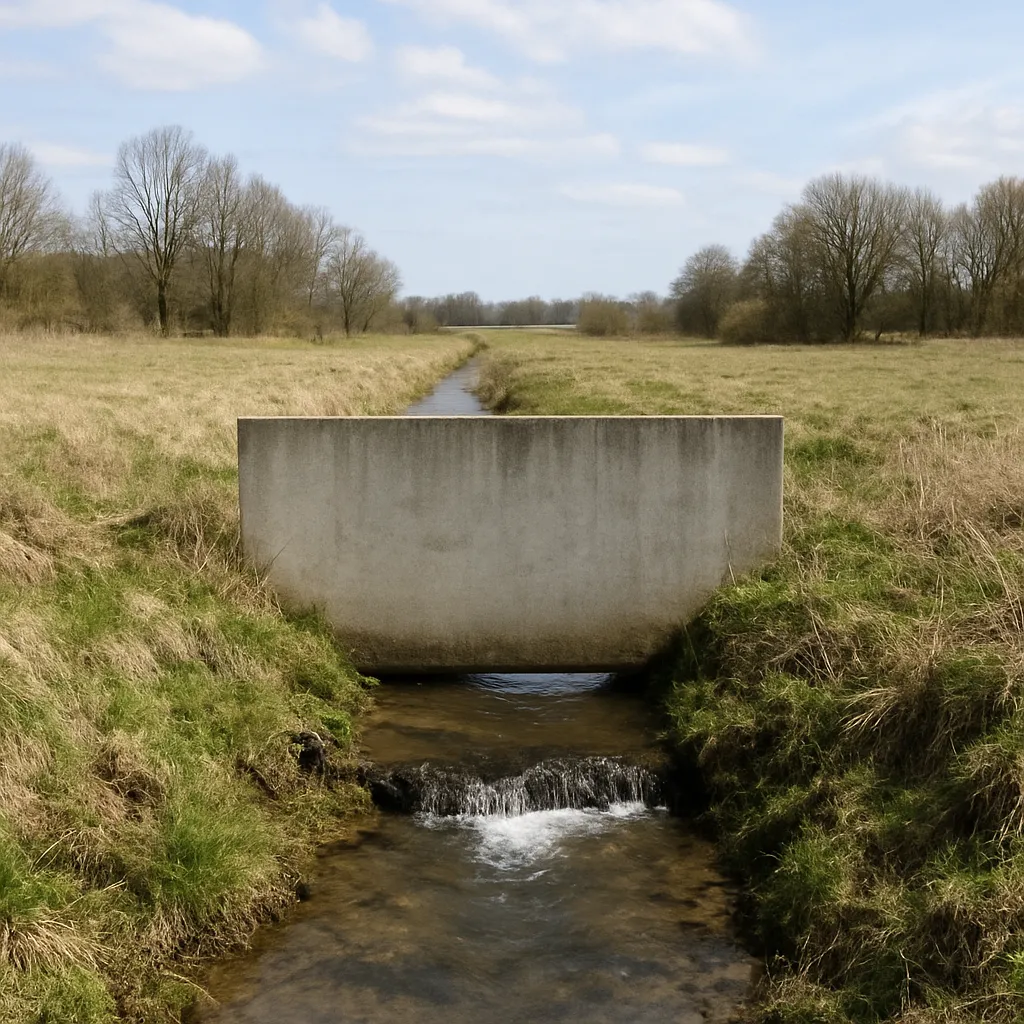
A city leaves a strip of wild shrubs beside a pond instead of mowing to the edge. What happens to rabbits, insects, and birds that use shrubs?
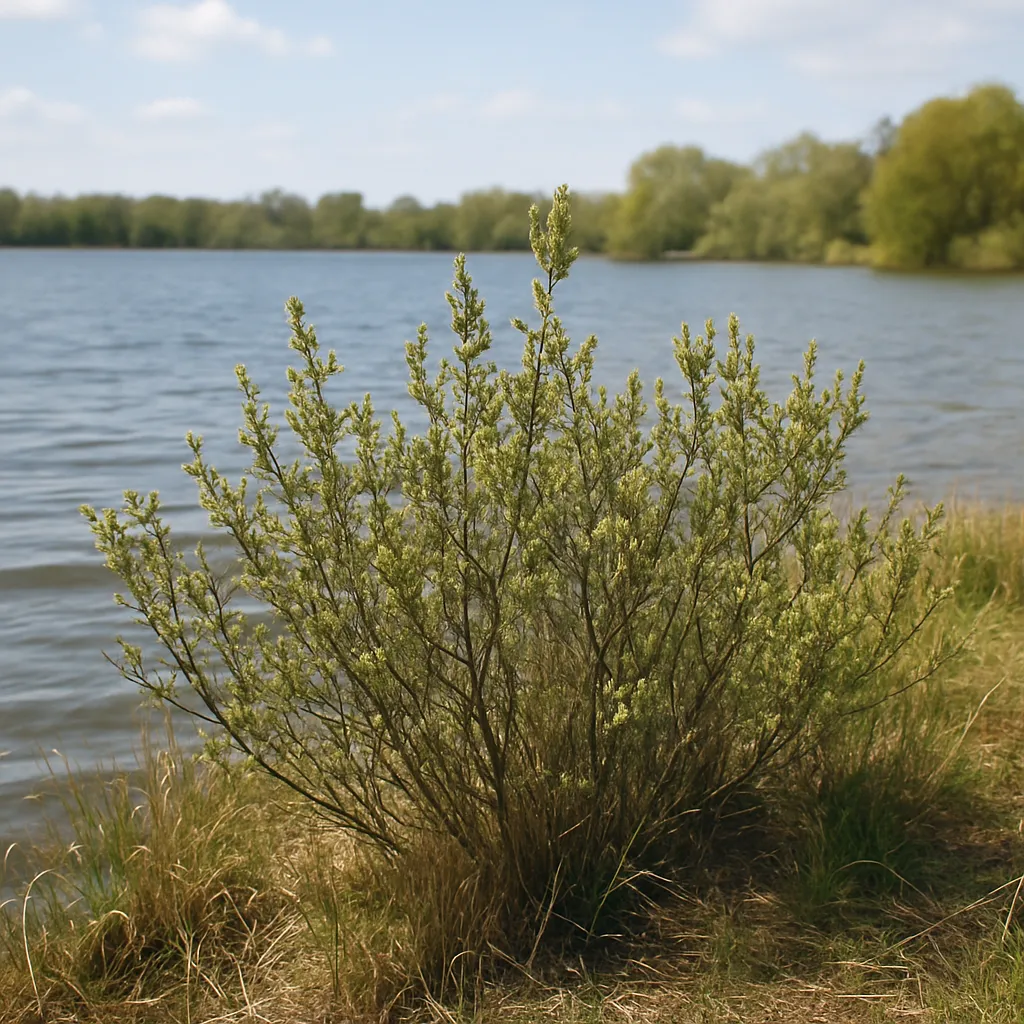
A hiking trail sends muddy runoff into a creek. The town can plant native grasses beside the trail or pave the bank to the water's edge. What action does more for the creek ecosystem?
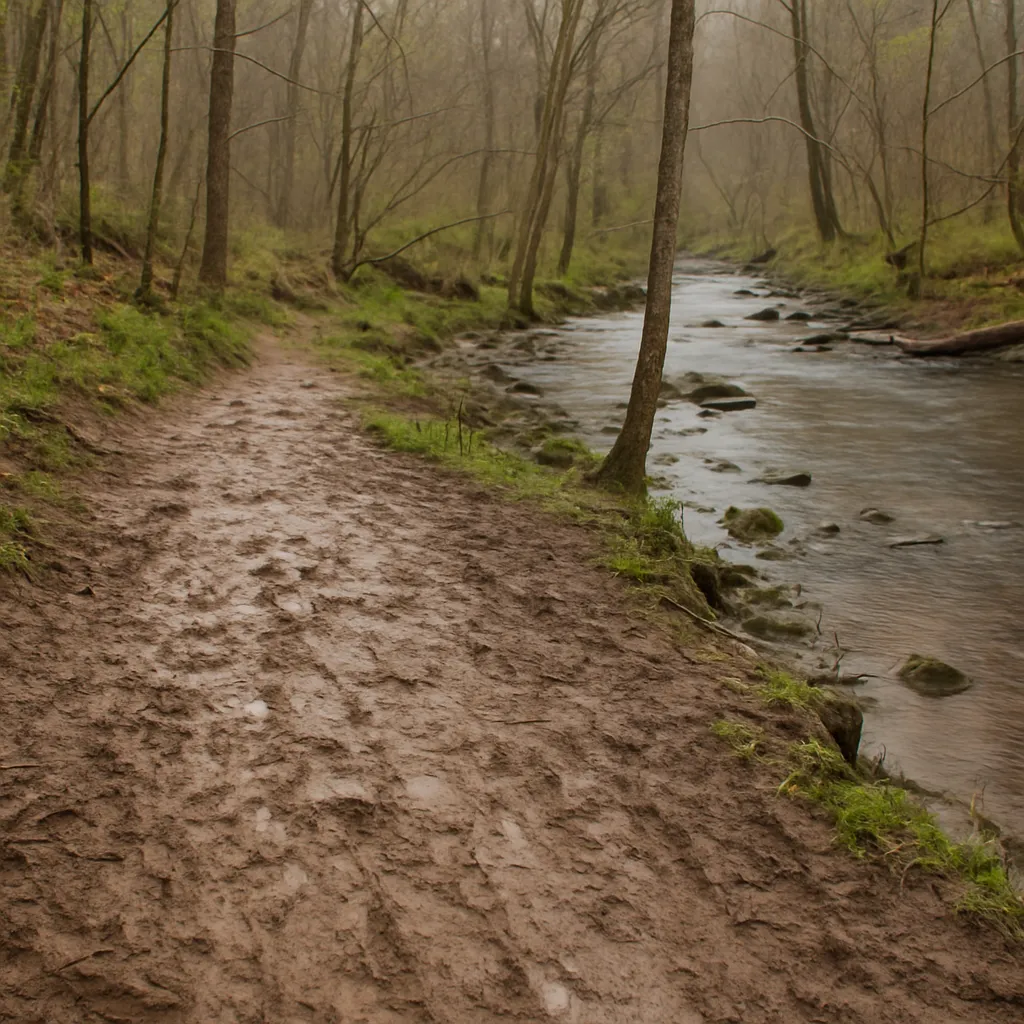
Frogs lay eggs in a pond with little cover along the edge. People can add native pond plants or remove all plants for a clear view. What action does more for the ecosystem?
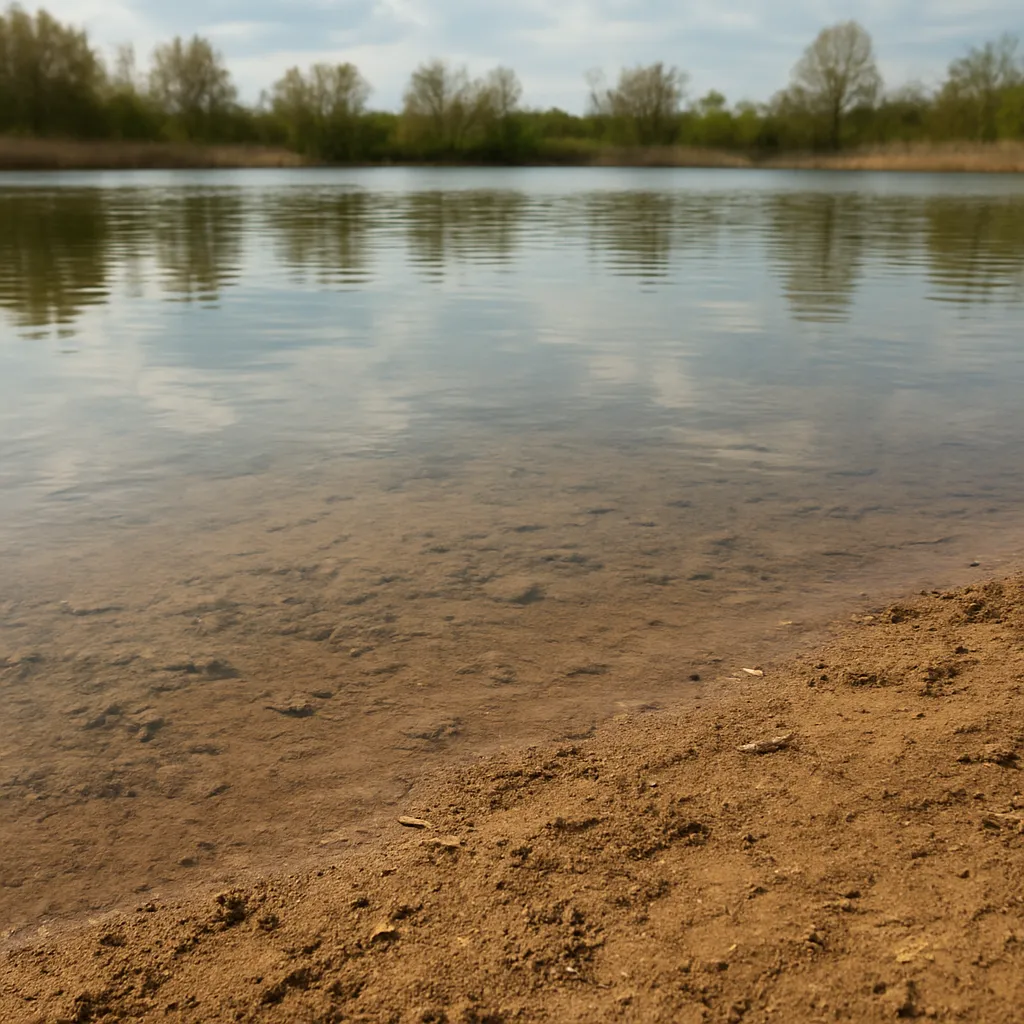
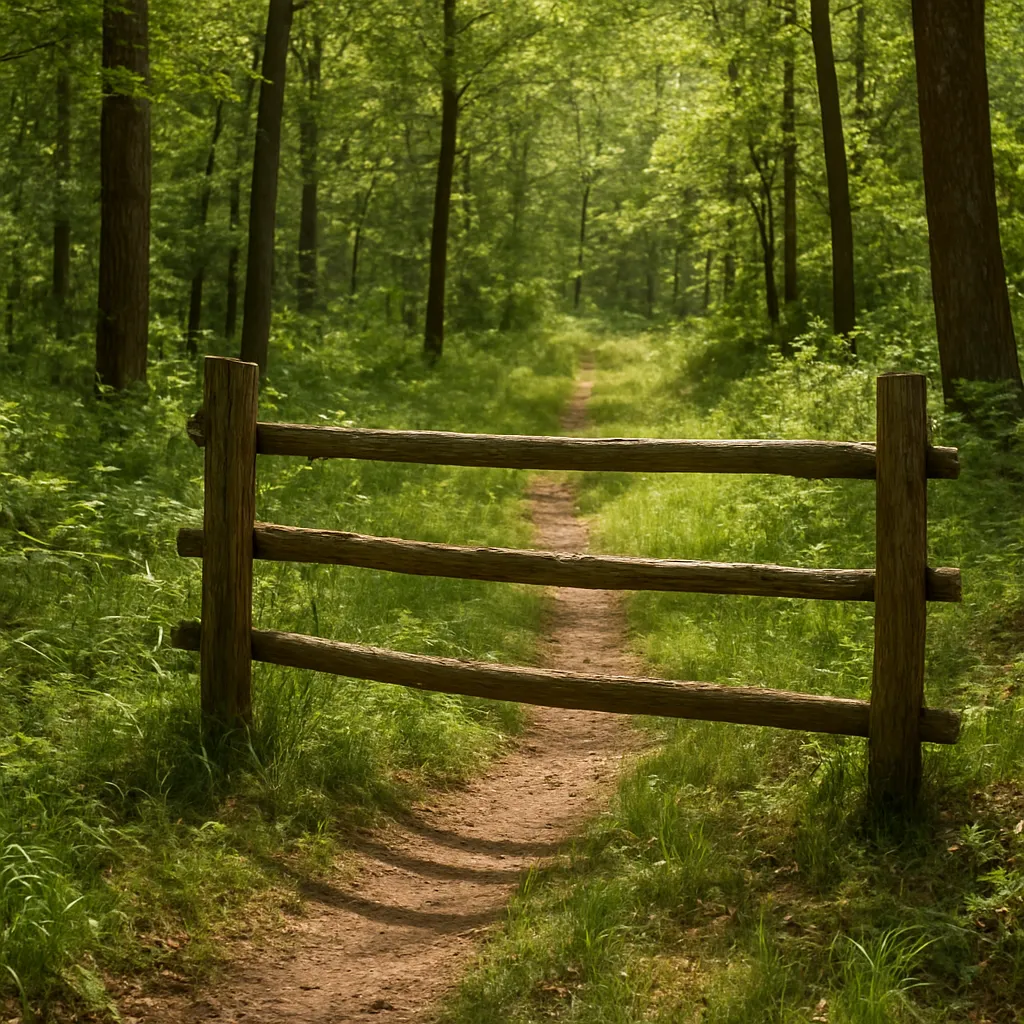
Deer in a woodland learn a safe path to a stream from the herd. A new fence can include wildlife gaps or make a solid wall. What action does more for the ecosystem?
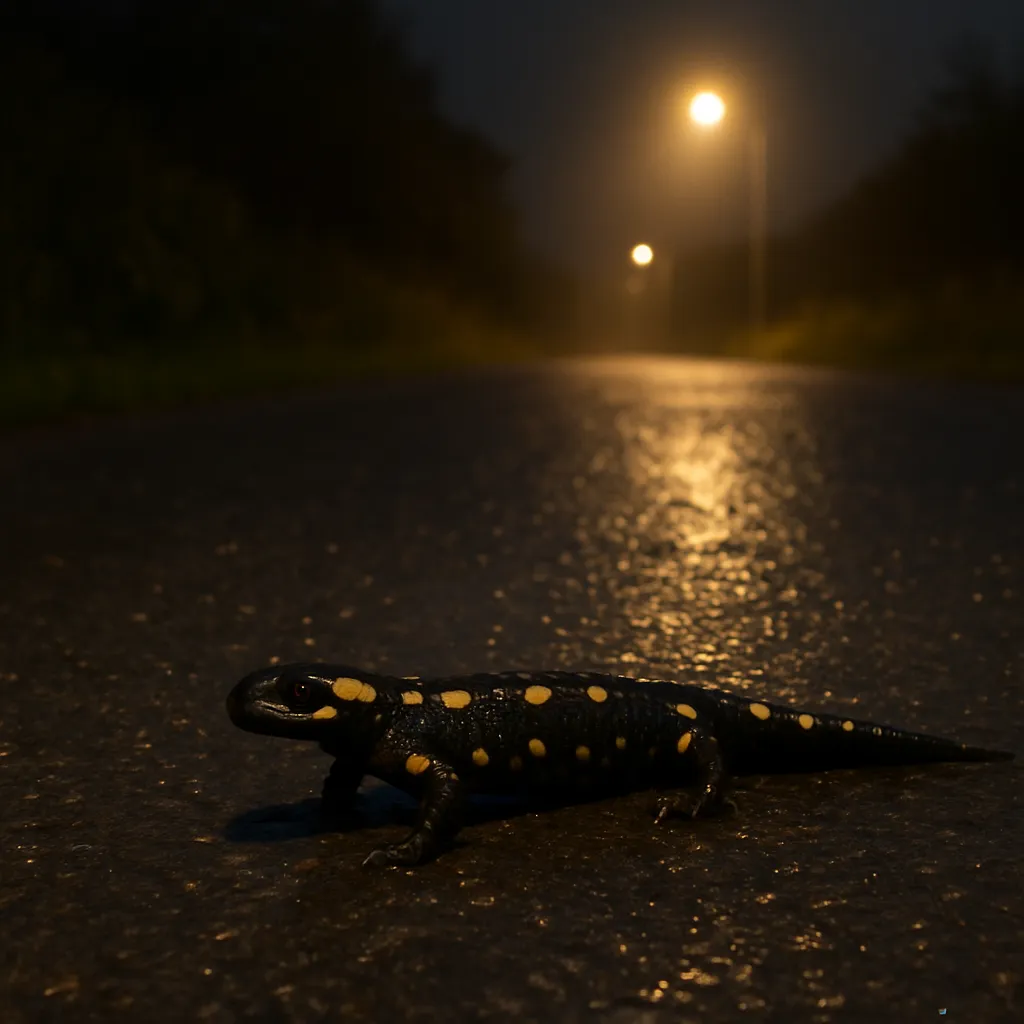
Salamanders instinctively move to a spring pond to lay eggs, but a road crosses their route. Crews can build a moist underpass or widen the road. What action better supports them?
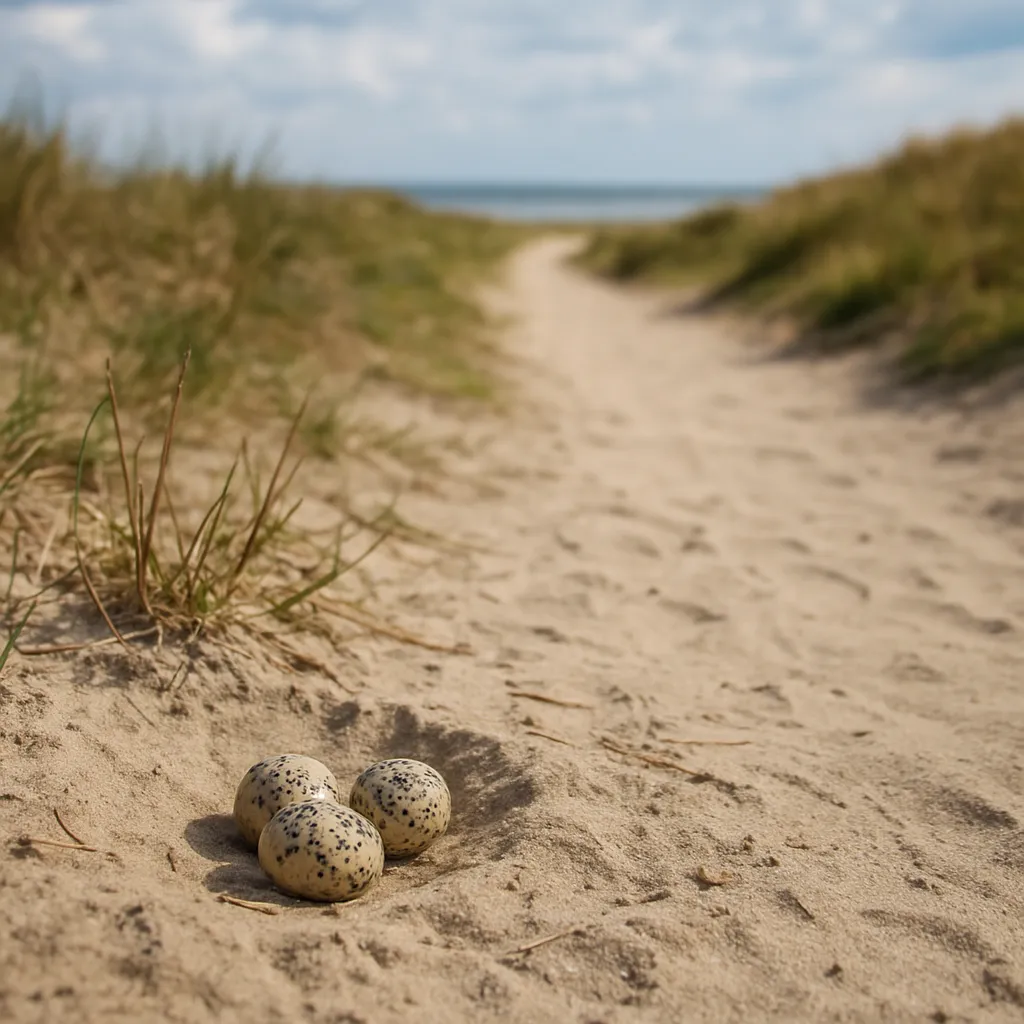
Shorebirds nest on sand beside a busy beach path. People can mark a path around nests or keep the shortcut open. What action does more for the ecosystem?
Crack the passcode before the zombies get in.
Answer, then swat bugs for bonus points.
Race through questions at your own speed.
Same question on every screen. Fastest wins.

Pick a tile, answer, hit bonuses and steals.
Classifying Organisms
20 questions