Loading
by BlastRoom
Classify materials by electrical conductivity and use circuit tests as evidence.
#us_grade_5_science
20 questions
One question set, multiple game modes. Tap any game to see it in action. Not sure which to pick?
Answer to place stones and capture territory.
Outrun the snow together.
Earn blasts, then hunt the other team.
Answer to earn energy, then climb.

The class blasts through walls together.
Bid on mystery lots. Most money wins.
Sell tours. Nice, standard, or a total scam.

Answer, restock, and serve the rush.
More correct answers pulls the rope your way.
Answer, then shoot down the alien wave.
Answer, then tap to leap the frozen ridge.
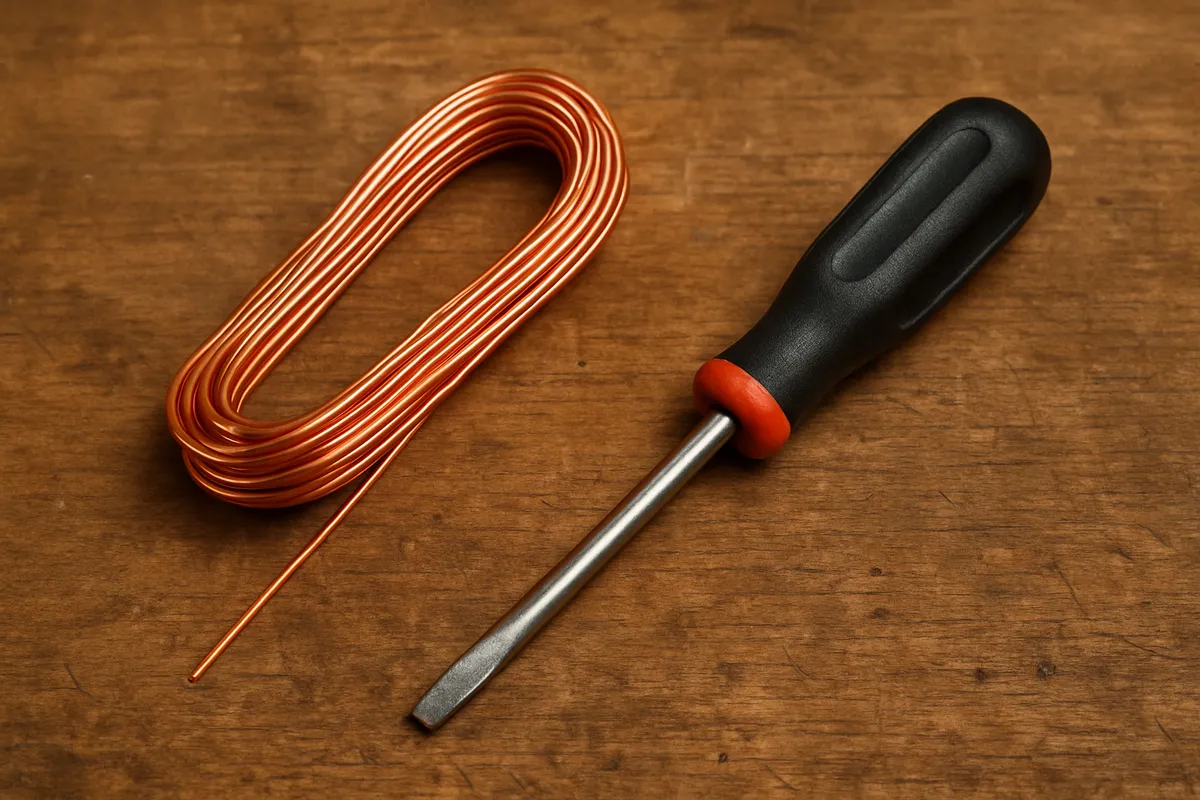
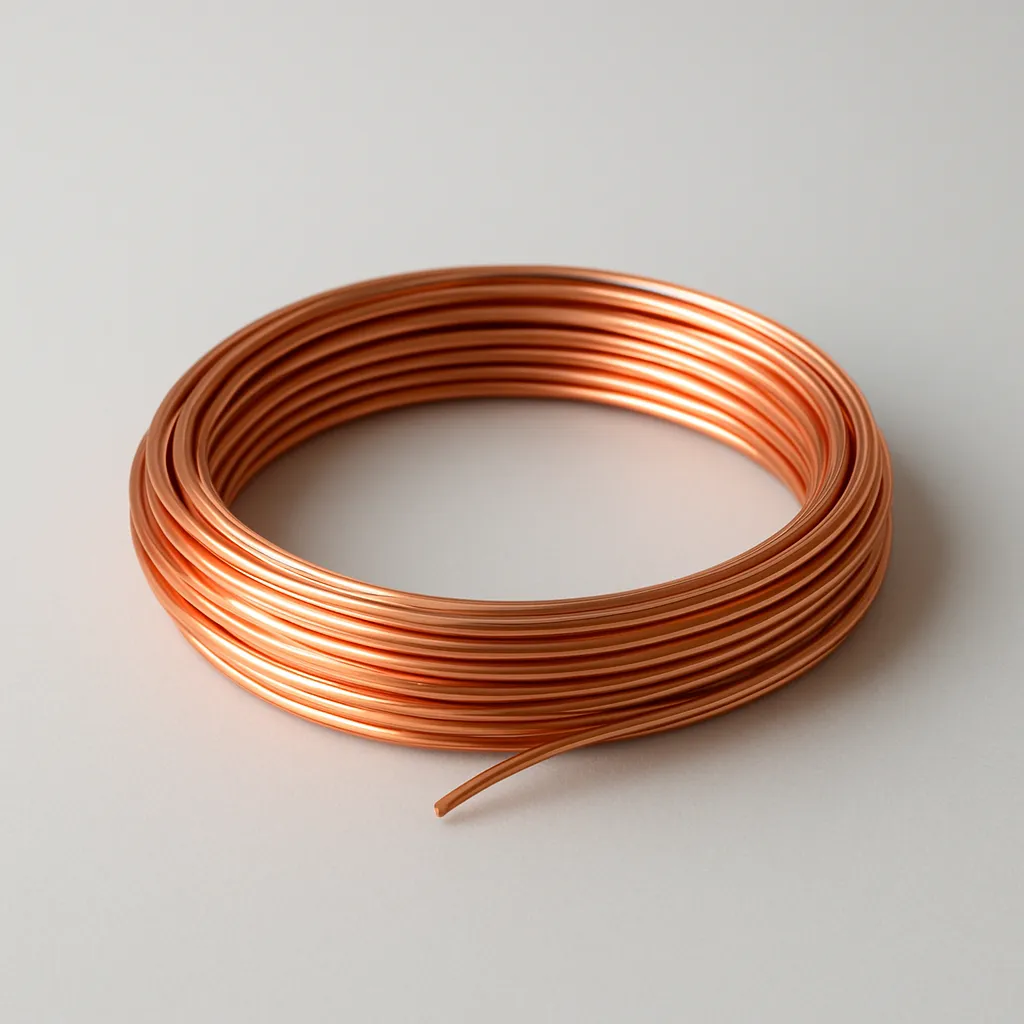
A student touches two clips from a circuit tester to a clean copper wire. Should copper be classified as a conductor or an insulator?
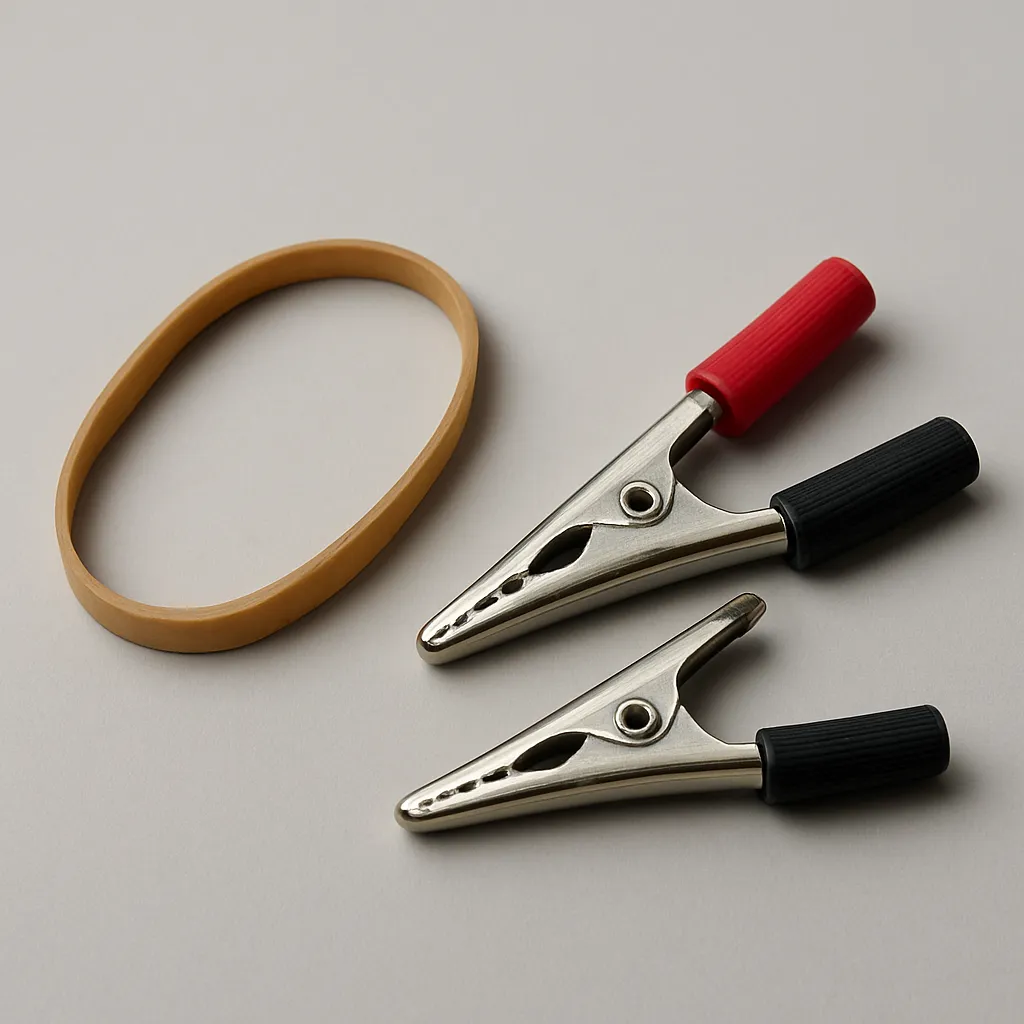
Mia tests a rubber band by placing it between two clips in a classroom circuit tester. How should she classify rubber for electricity?
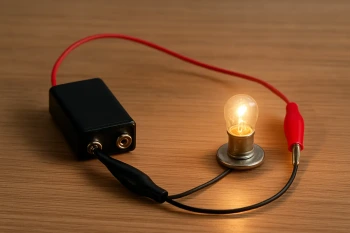
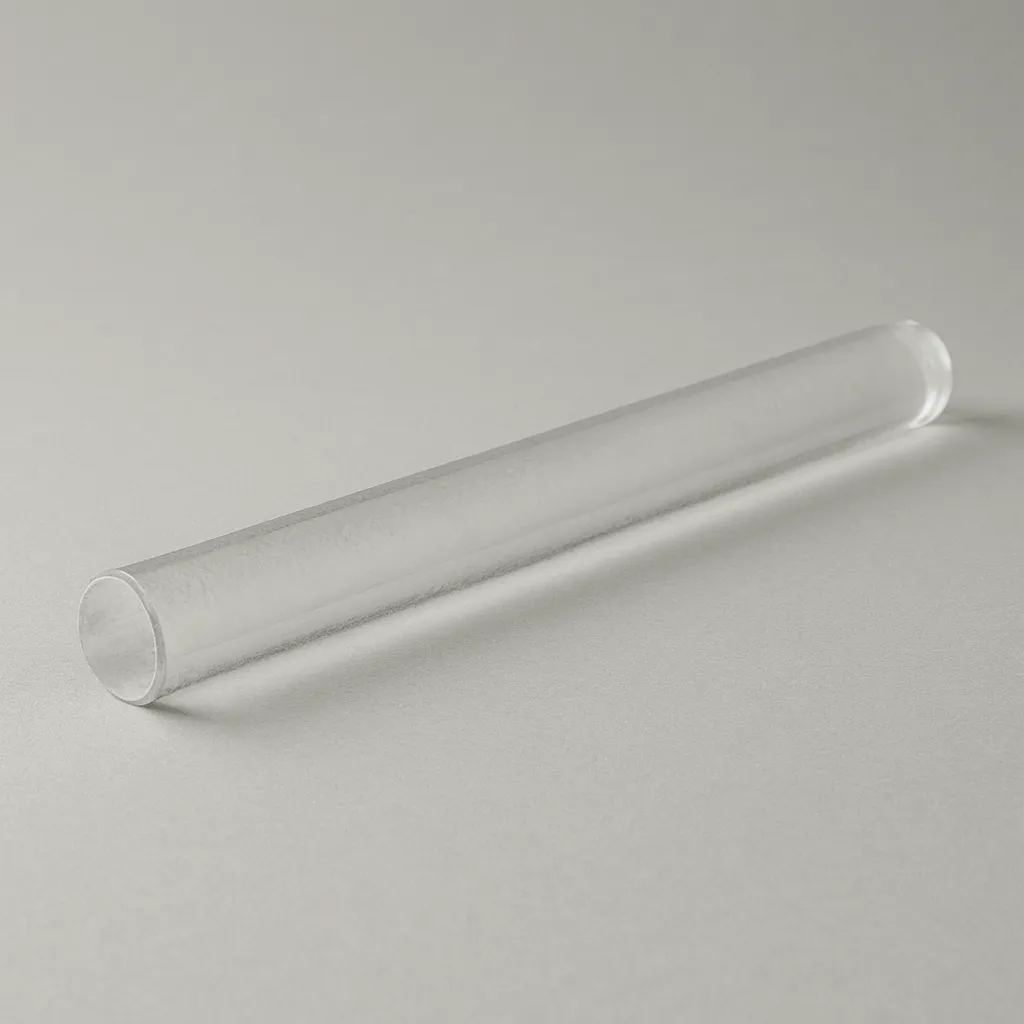
A dry glass rod is tested with a battery, wires, and a small bulb. What property best describes glass in this electrical test?
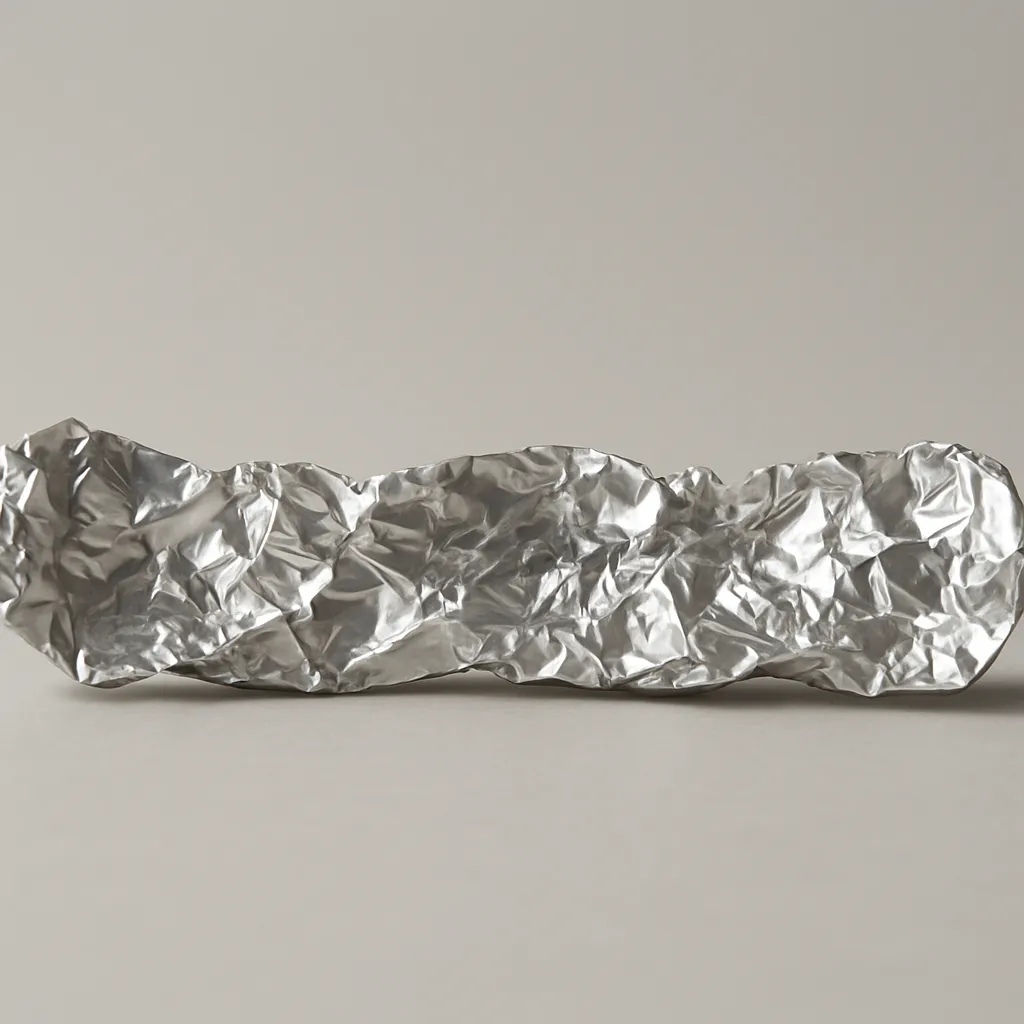
A group uses aluminum foil to bridge the test gap in a simple circuit. Should aluminum foil be listed as conducting electricity?
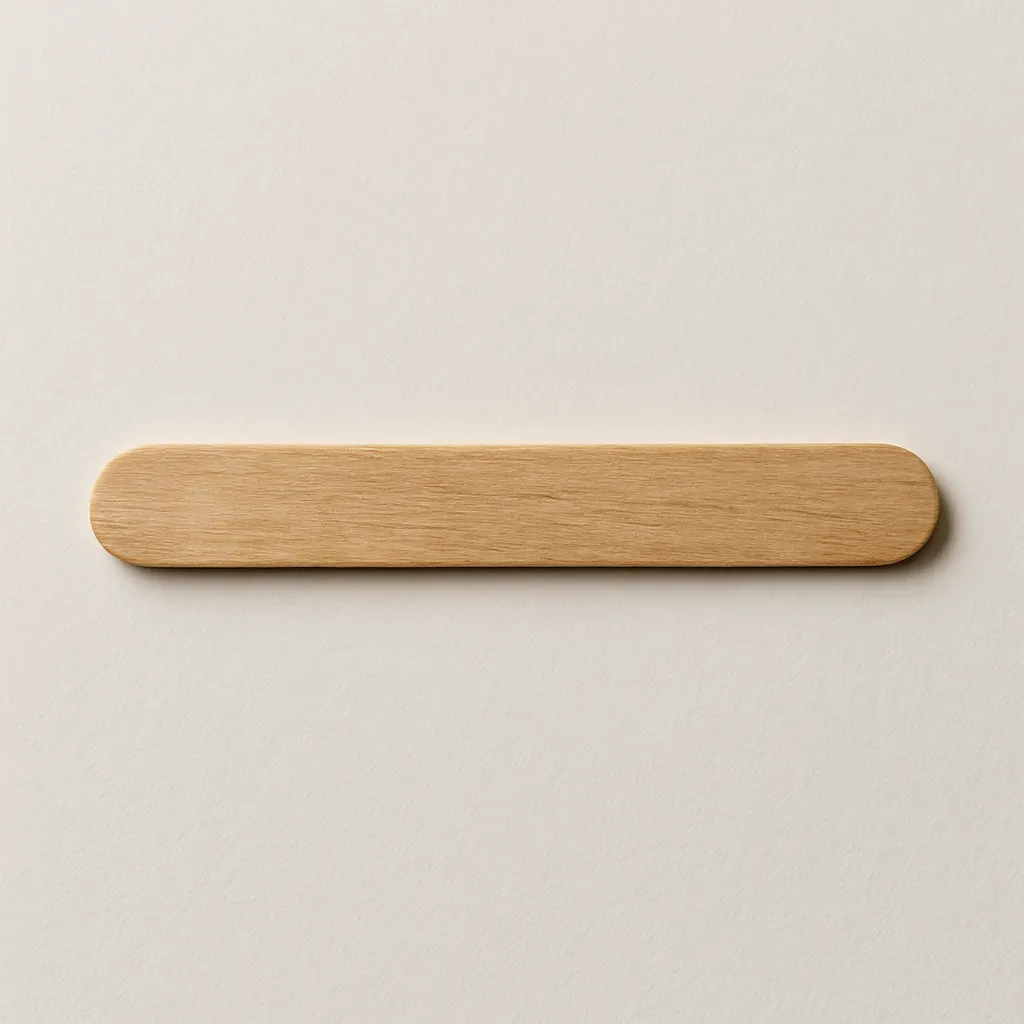
A craft stick is made of dry wood. If students classify it by electrical conductivity, what should they record?
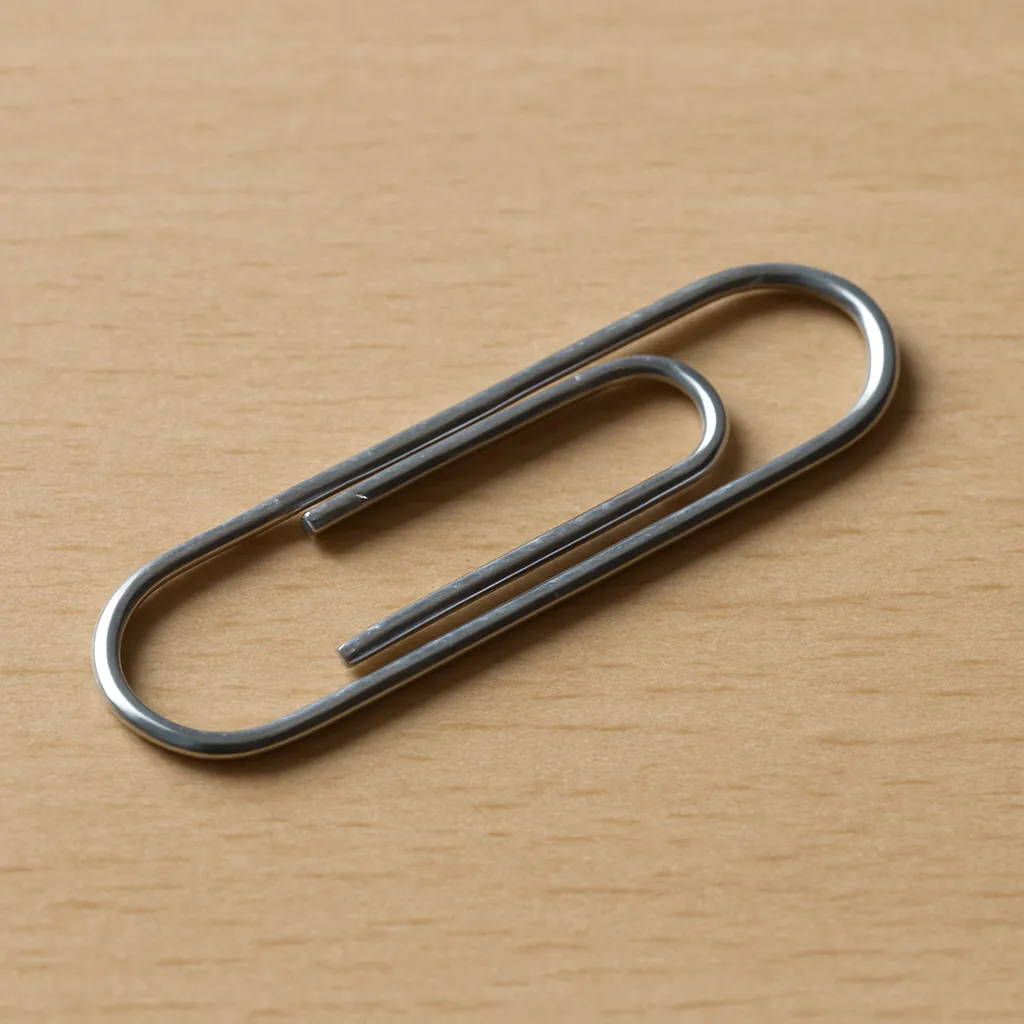
A steel paperclip is placed in a set of objects to sort by electrical conductivity. What is the best classification for the paperclip?
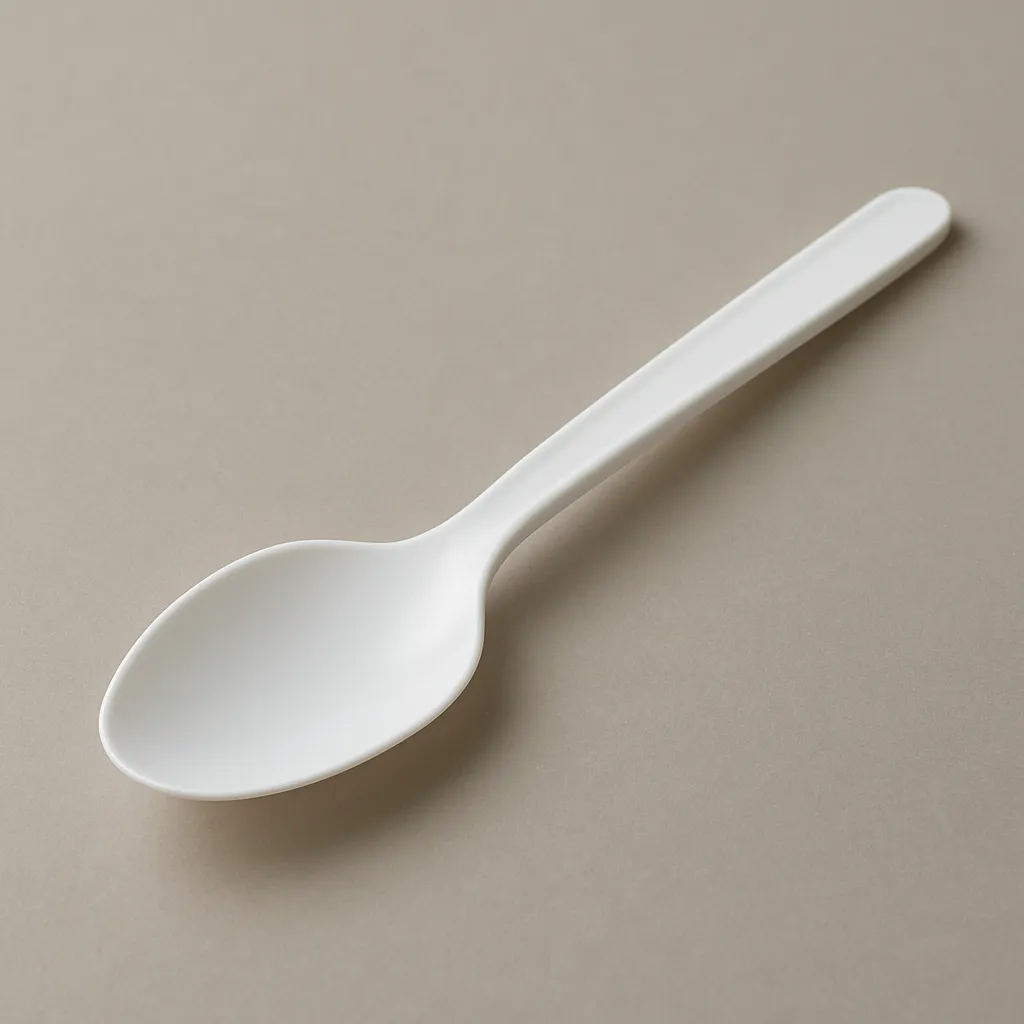
A plastic spoon is dry and clean before a circuit test. What should students predict about the spoon's electrical conductivity?
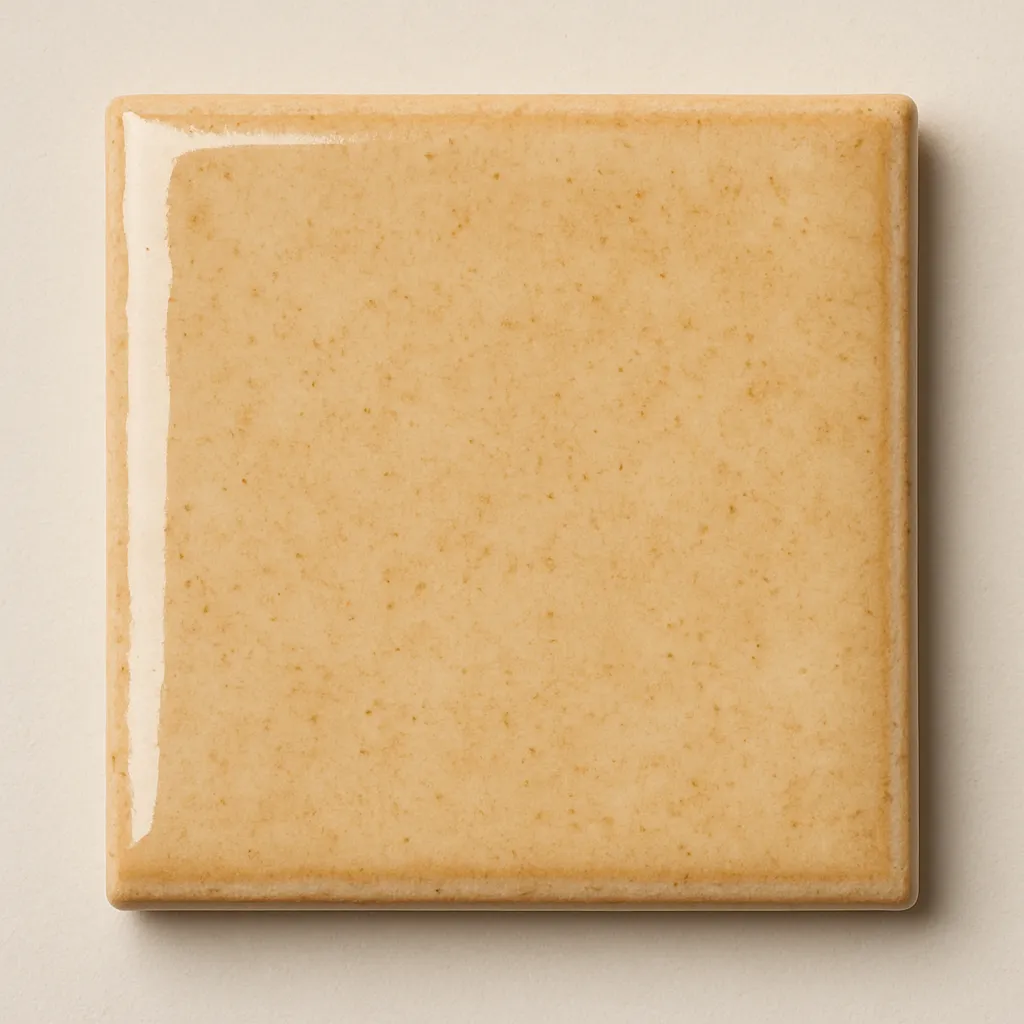
A shiny glazed ceramic tile looks bright under the classroom lights. Does the shine mean the tile conducts electricity?
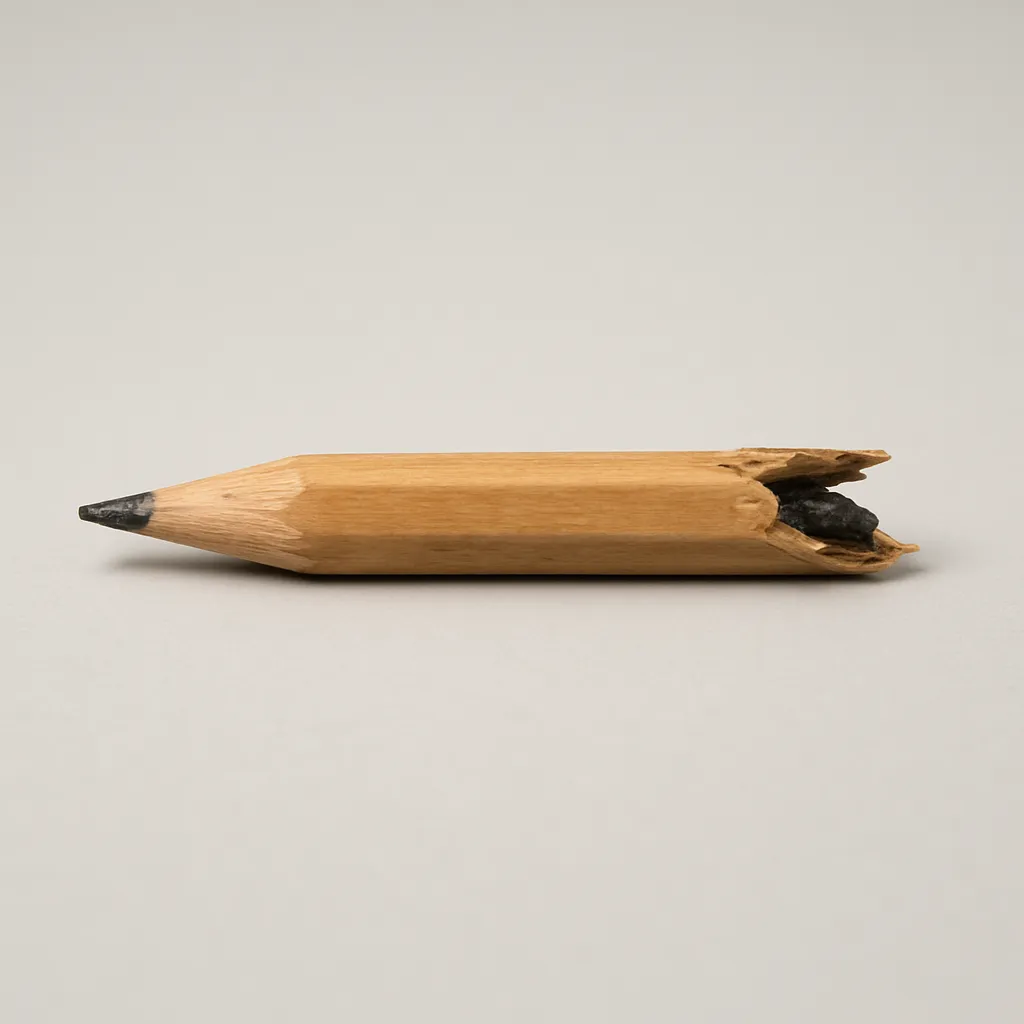
A pencil has a dark graphite core inside the wood. If a strip of graphite is tested, how can it be classified?
A student puts a plastic ruler into the gap of a working circuit. The bulb does not light. What does this test show?
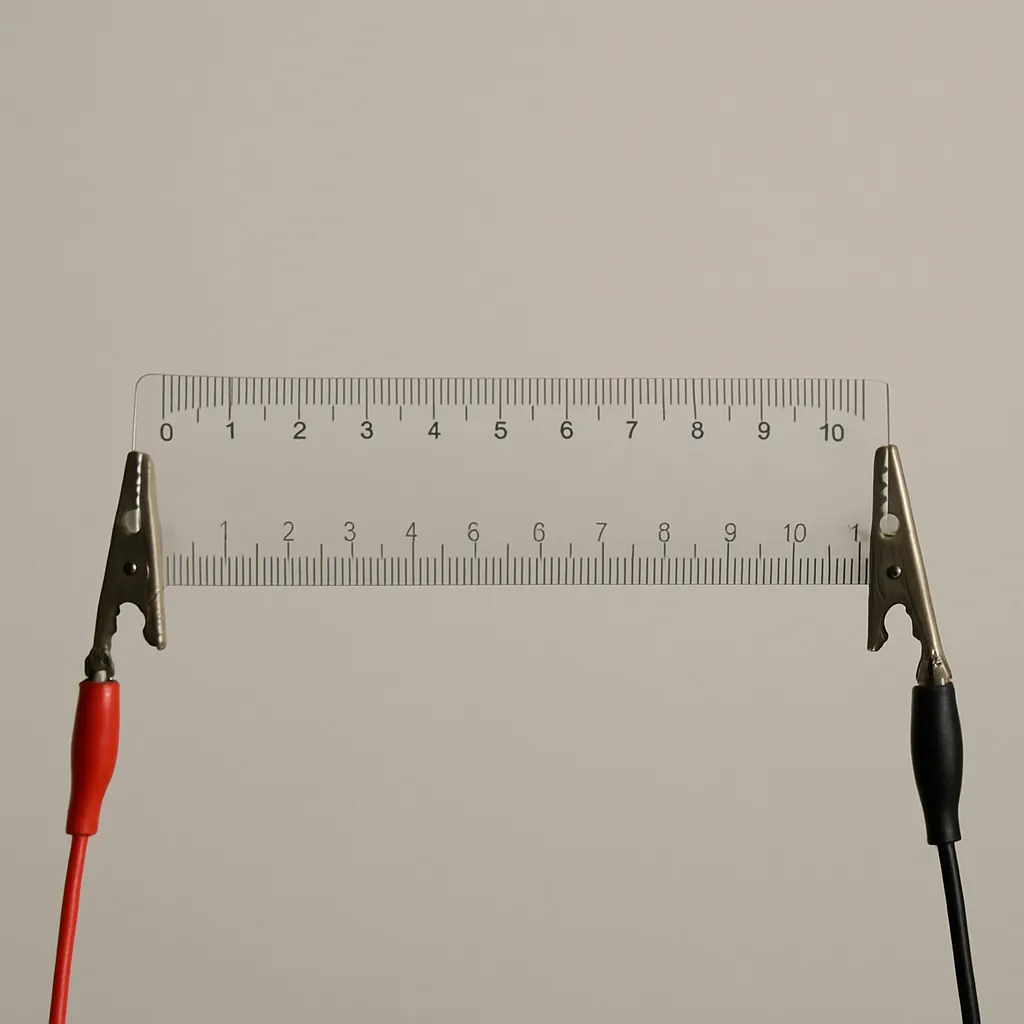
A copper strip is placed between the two clips of a circuit tester. The bulb lights. What does that result show about copper?
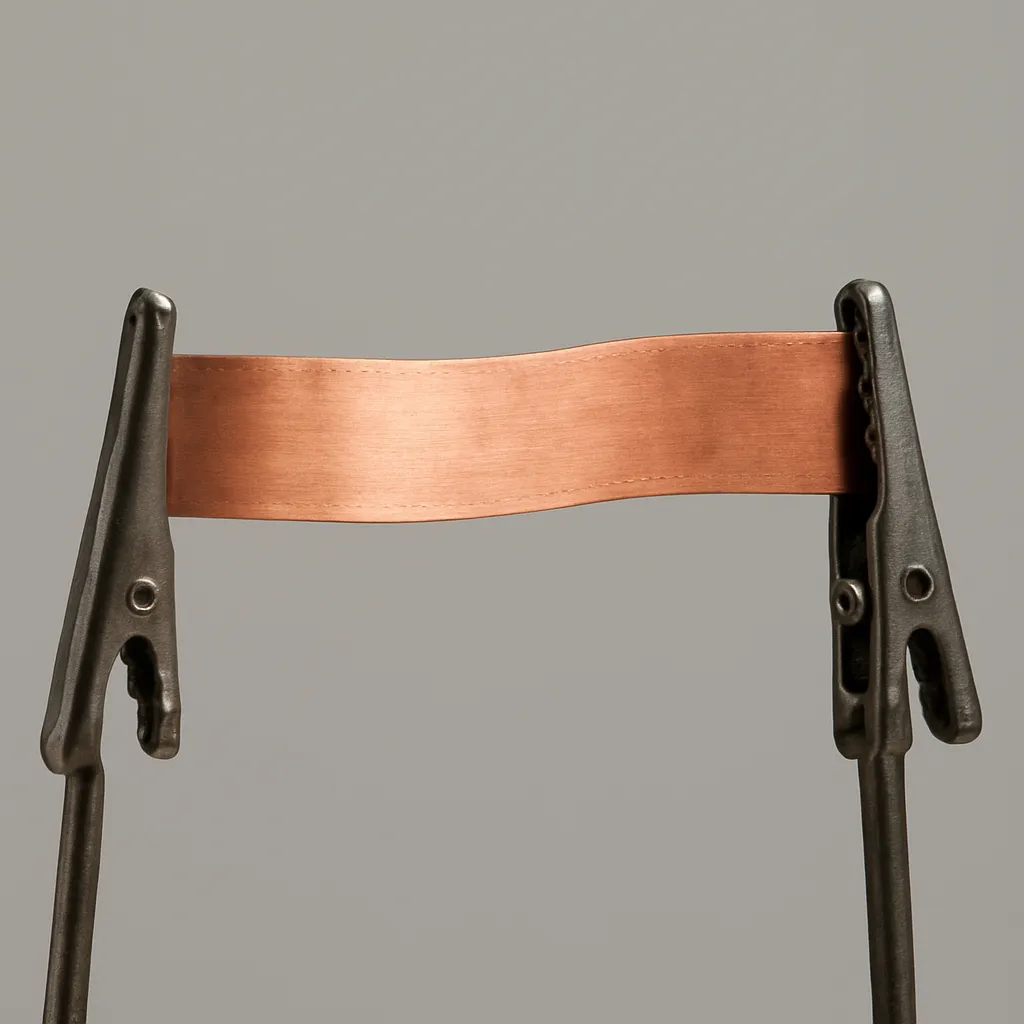
A shiny glazed tile chip is placed in the gap of a working circuit. The bulb stays dark. What is the best conclusion?
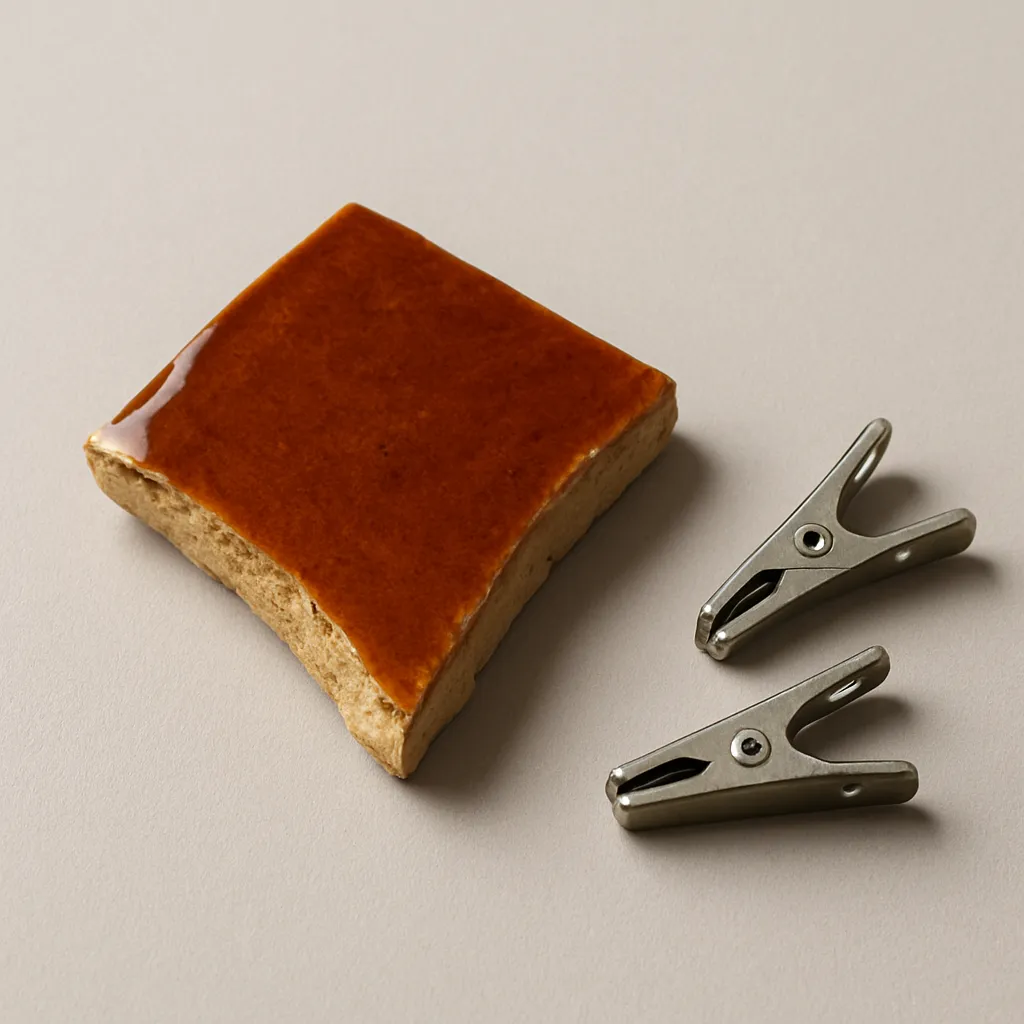
A teacher places a saltwater-soaked paper strip in the gap of a tester. The bulb lights. What does the test show about the wet strip?
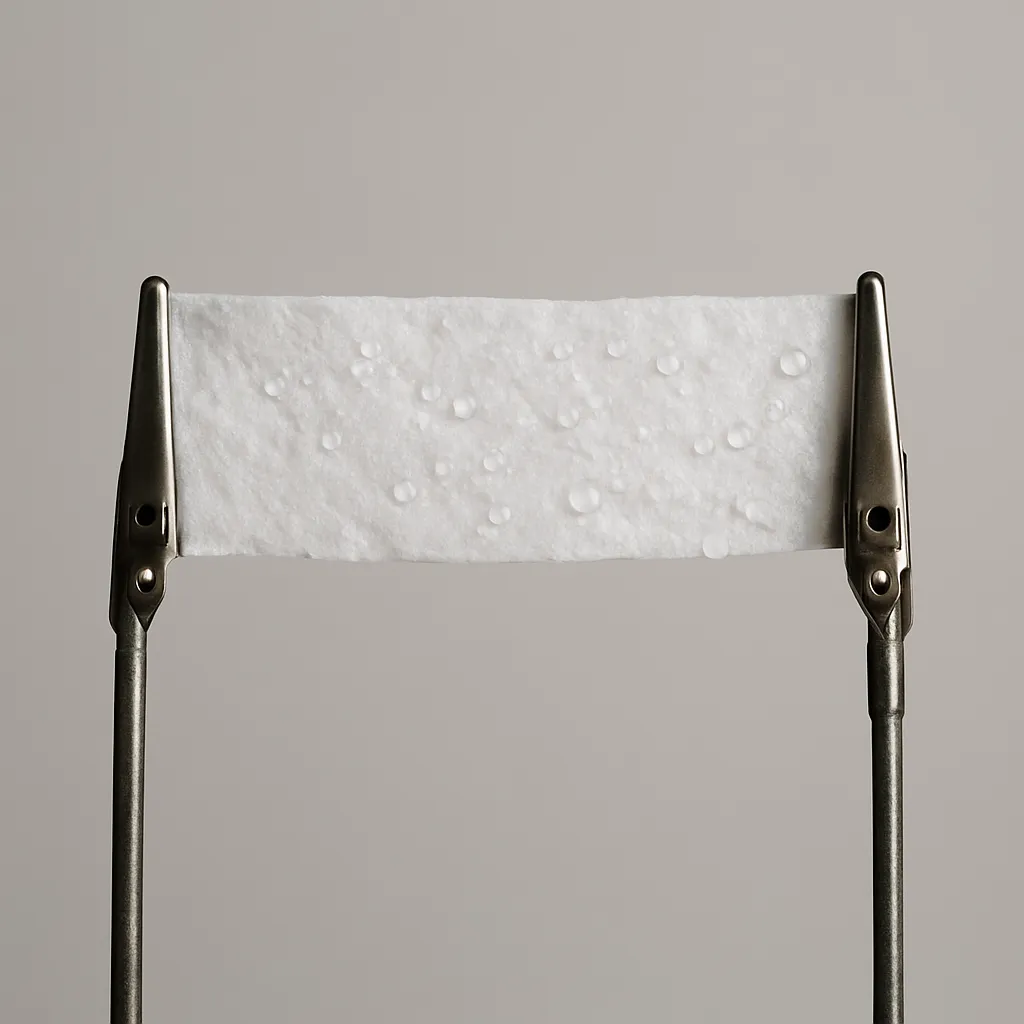
A shiny plastic gift ribbon is clipped into the gap of a working circuit. The bulb does not light. What can students conclude?
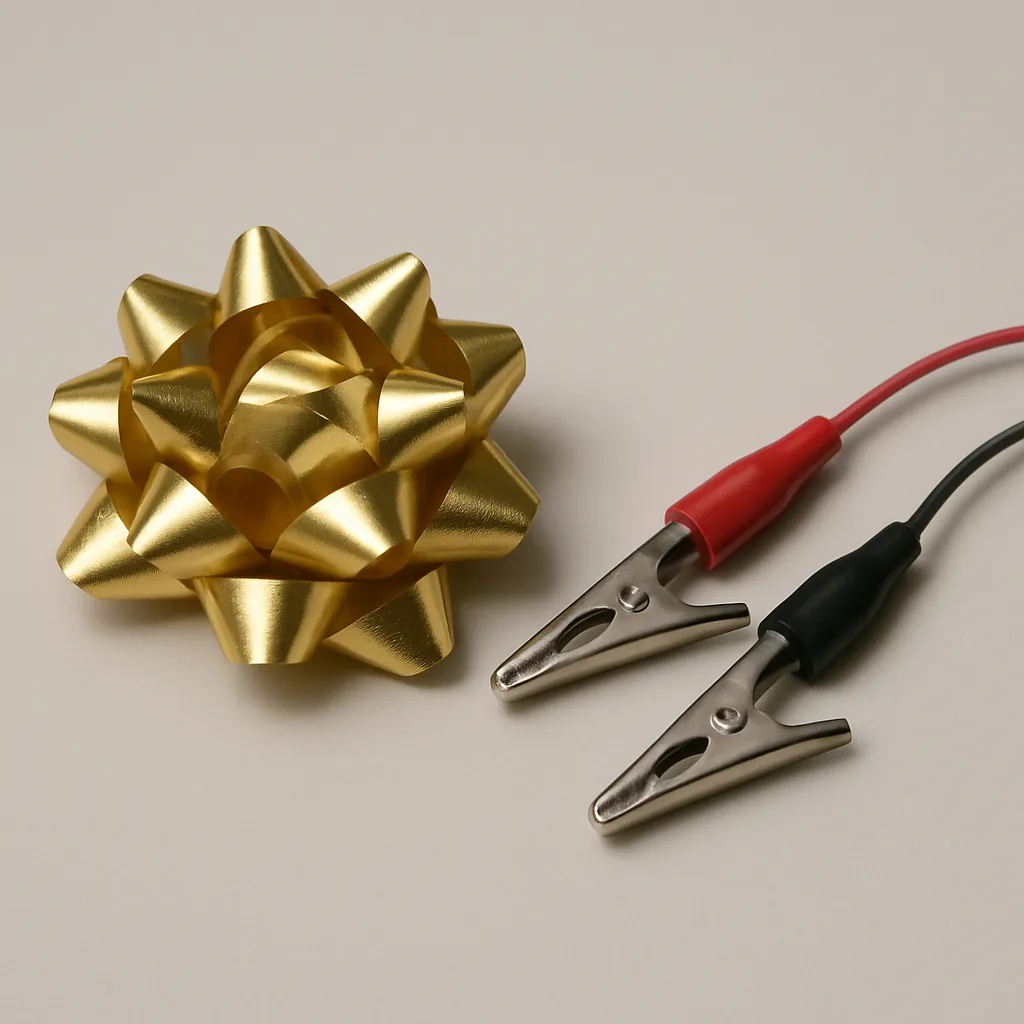
A graphite pencil line connects the two metal clips in a circuit tester. The bulb glows dimly. What does the test result show?
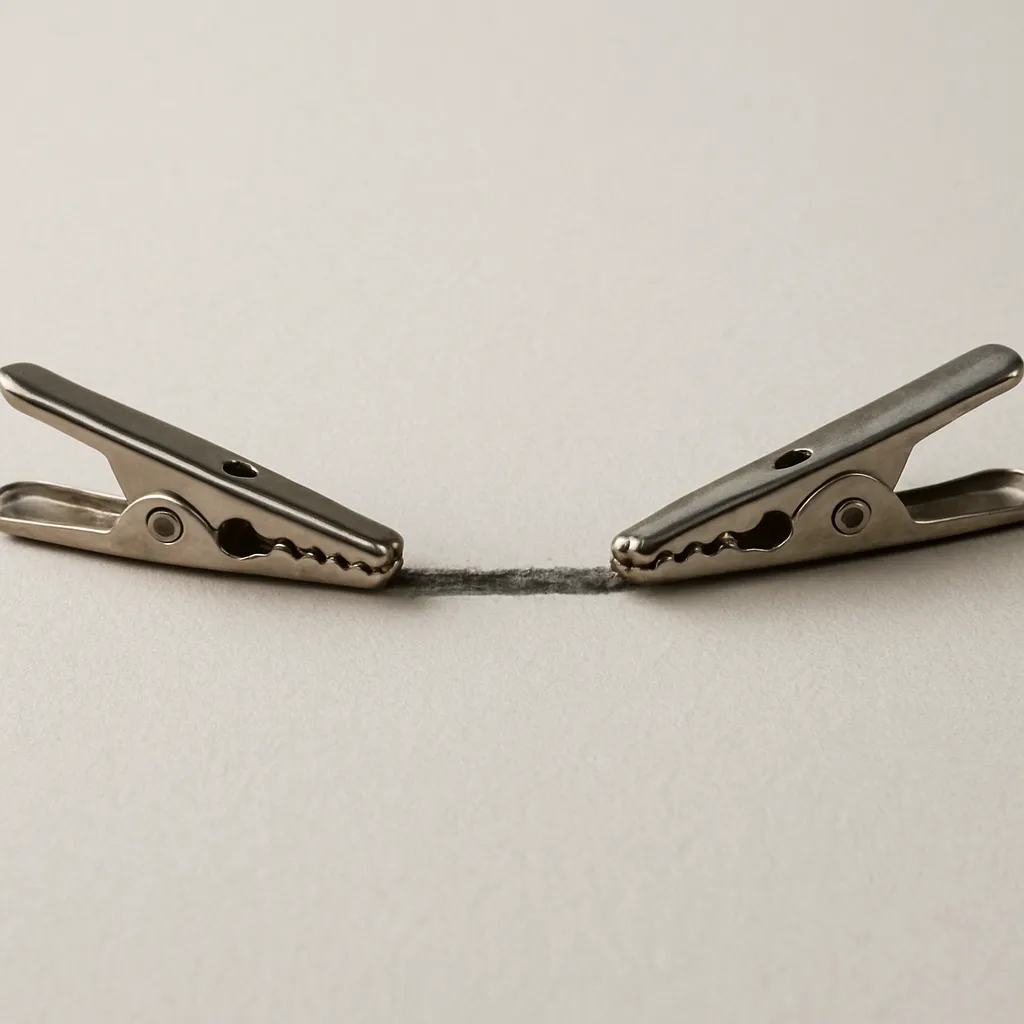
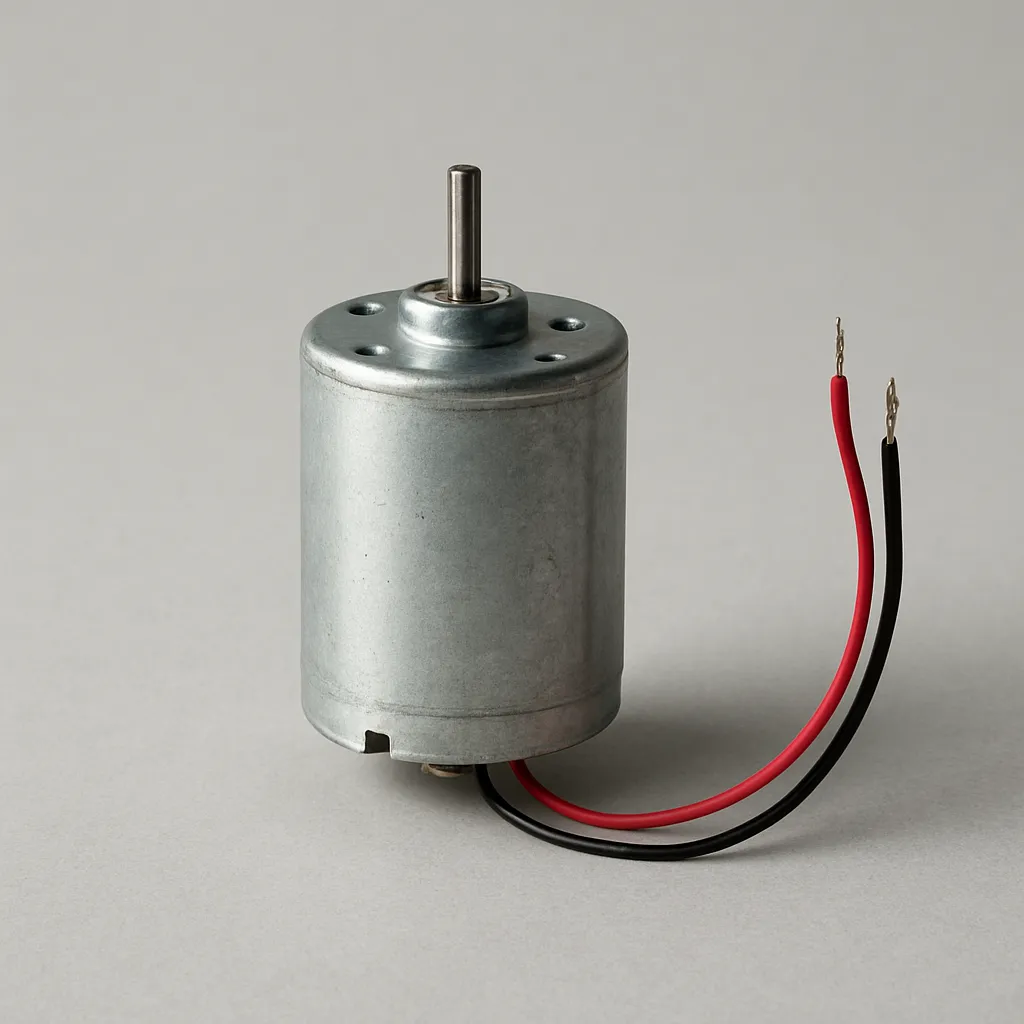
A team needs a material for a wire that carries current from a battery to a small motor. What should they choose, and why?
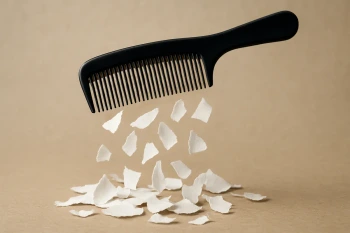
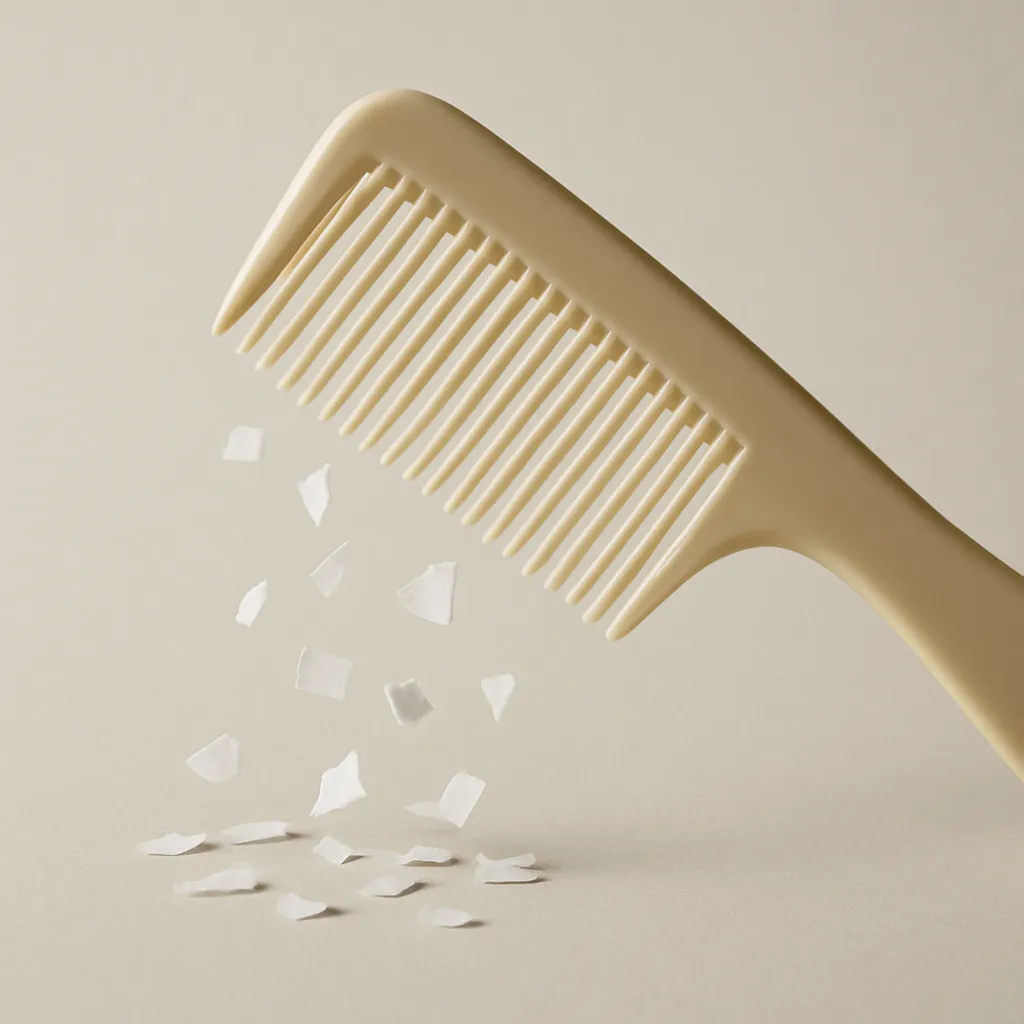
A charged plastic comb attracts tiny paper bits without touching them. Students need a safe handle for a metal charge tester. What covering should they use?
A model car has bare metal wires that may touch each other. What material should cover the wires to help keep current in the intended path?
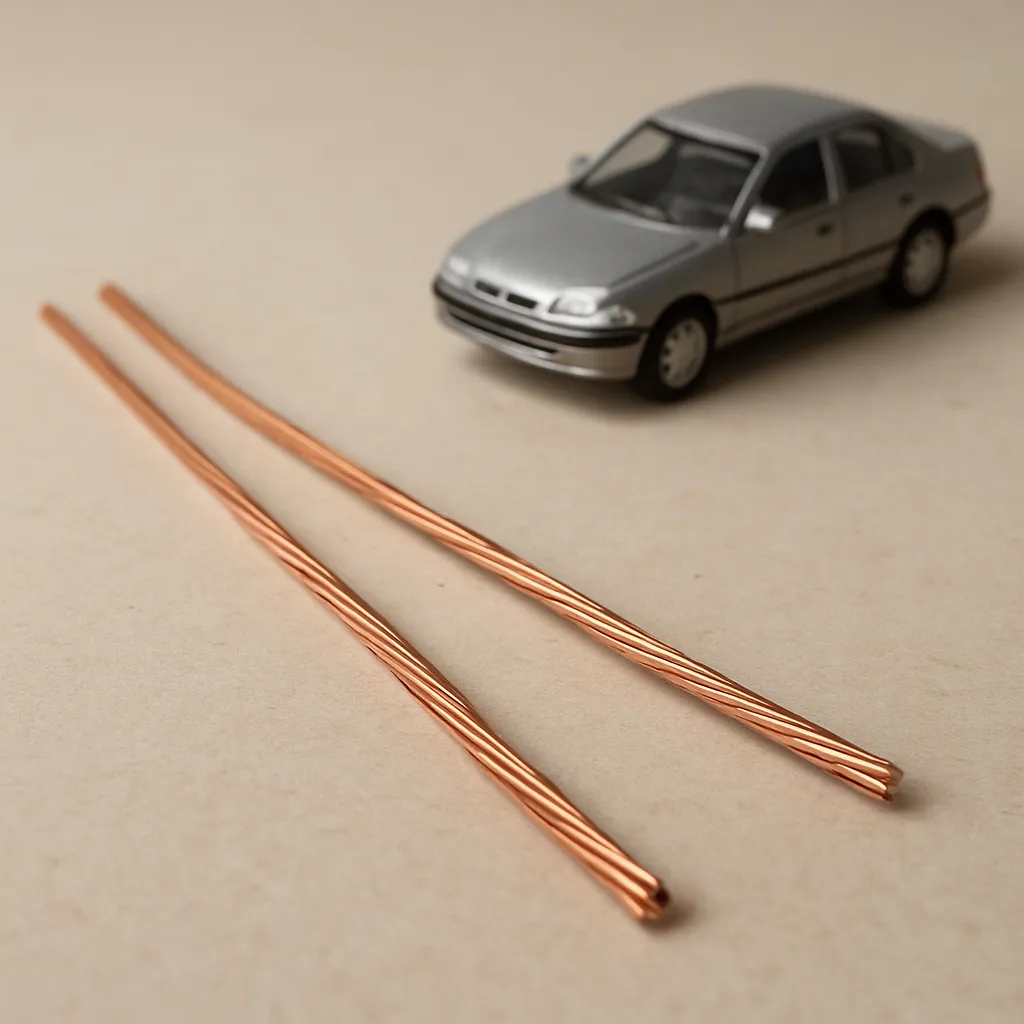
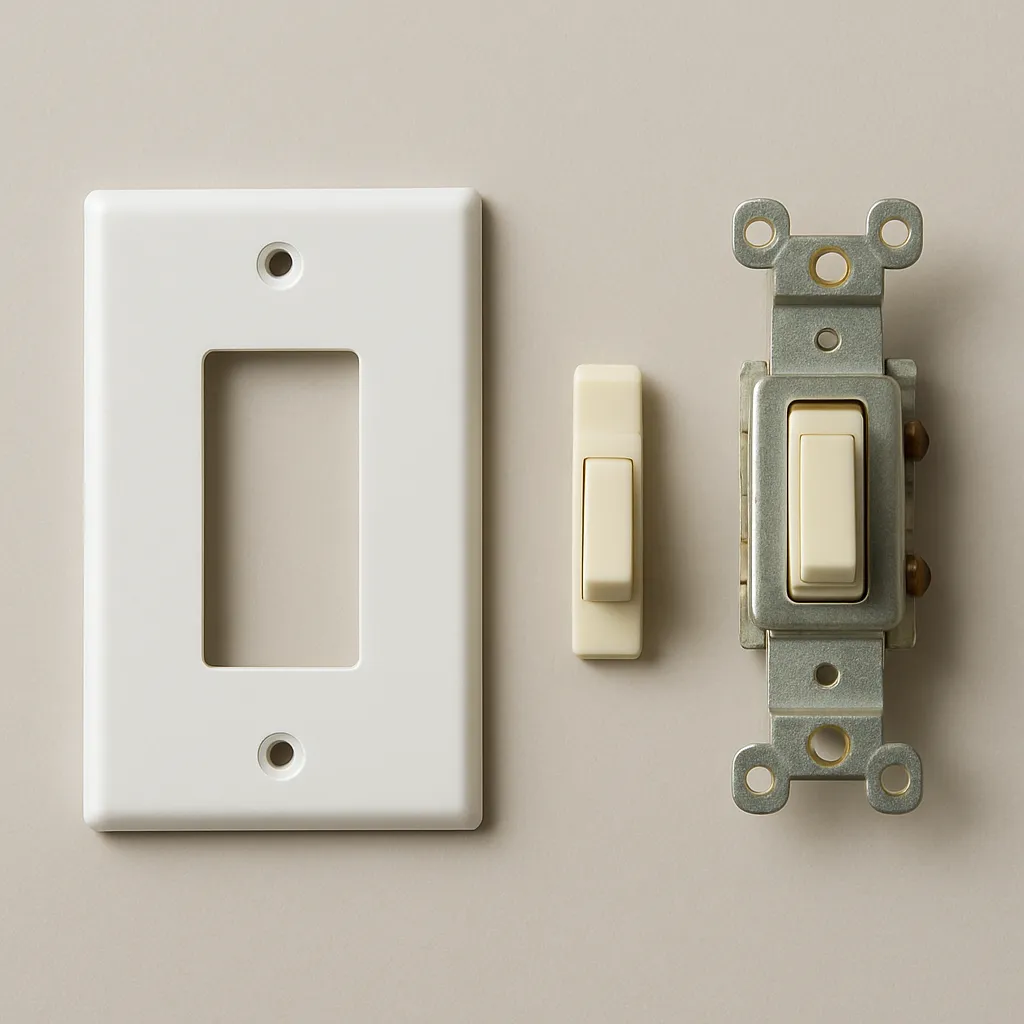
Students are building a switch contact that must let current pass when pressed. What material should touch the circuit, and why?
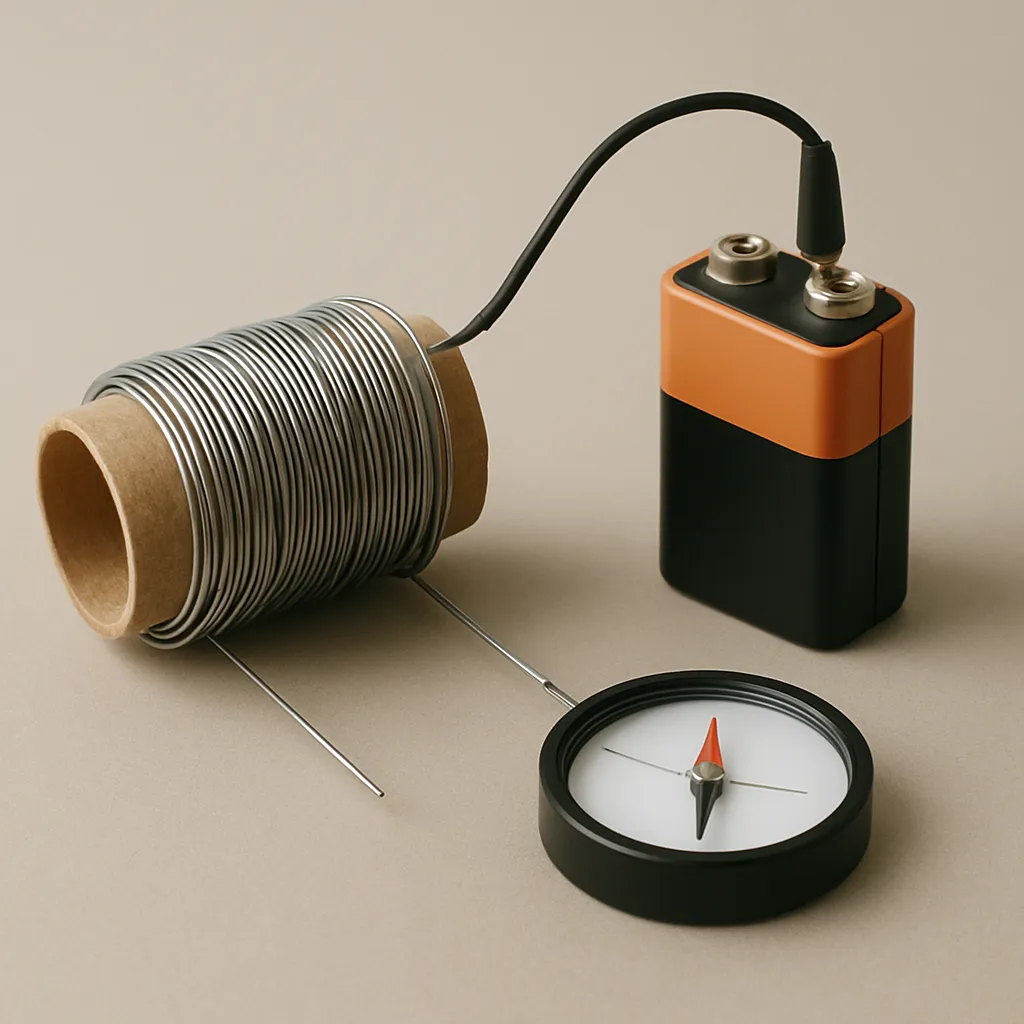
A team wraps a coil near a compass so current can make a magnetic field. What should the coil wire be made of, and why?
Crack the passcode before the zombies get in.
Answer, then swat bugs for bonus points.
Race through questions at your own speed.
Same question on every screen. Fastest wins.

Pick a tile, answer, hit bonuses and steals.
How Light Travels: Straight Lines, Bending and Color
20 questions