Loading
by BlastRoom
Sort adaptations into body parts and actions, and name the life need each one meets.
#adaptations#us_grade_3_science
20 questions
One question set, multiple game modes. Tap any game to see it in action. Not sure which to pick?
Answer to place stones and capture territory.
Outrun the snow together.
Earn blasts, then hunt the other team.
Answer to earn energy, then climb.

The class blasts through walls together.
Bid on mystery lots. Most money wins.
Sell tours. Nice, standard, or a total scam.

Answer, restock, and serve the rush.
More correct answers pulls the rope your way.
Answer, then shoot down the alien wave.
Answer, then tap to leap the frozen ridge.
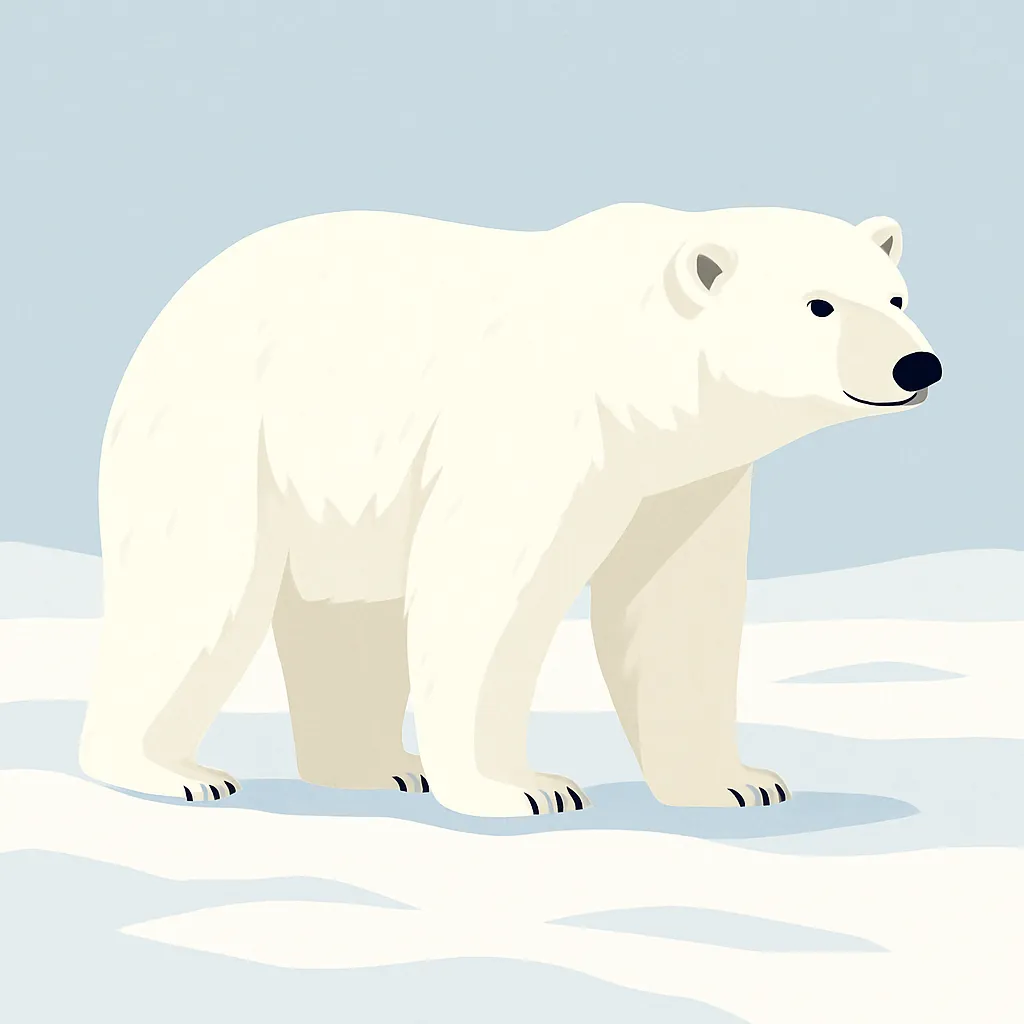
A polar bear has a thick layer of fat under its skin. What kind of adaptation is that layer of fat?
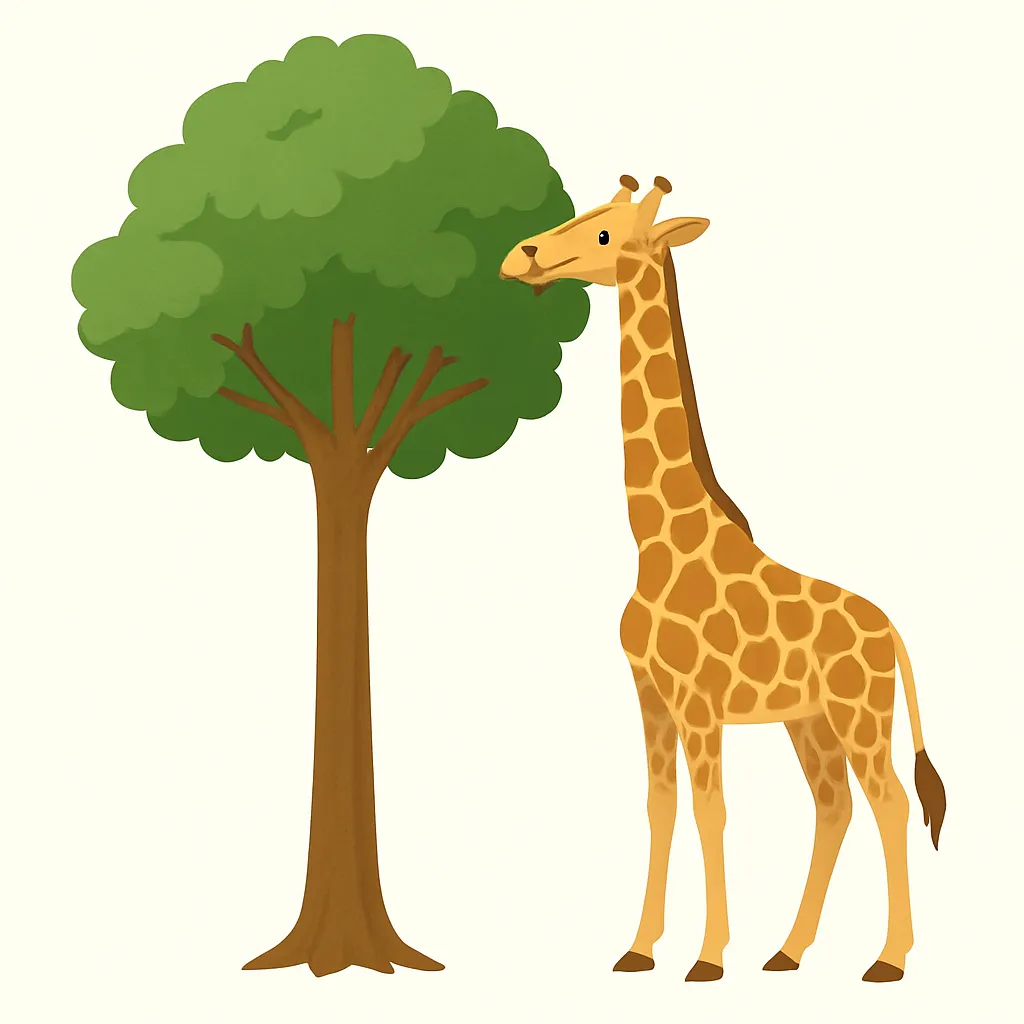
A giraffe has a neck about as long as a grown person is tall. What kind of adaptation is the long neck?
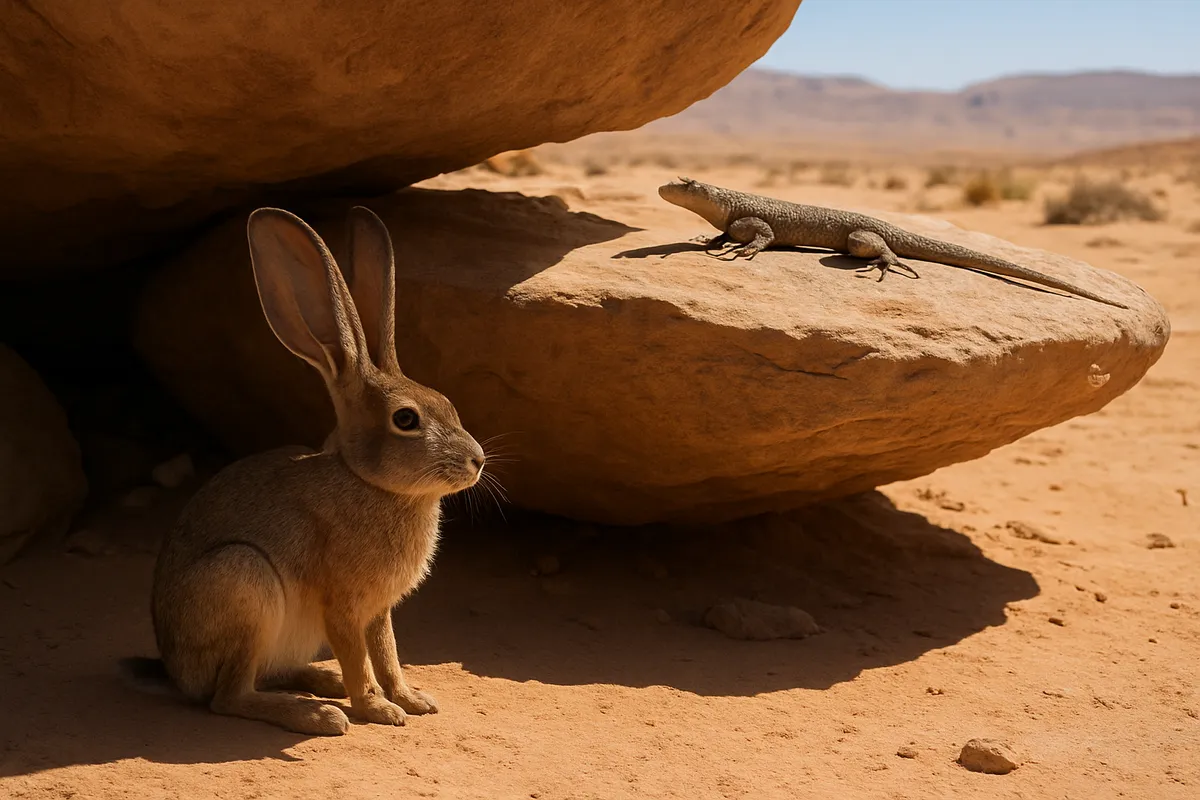
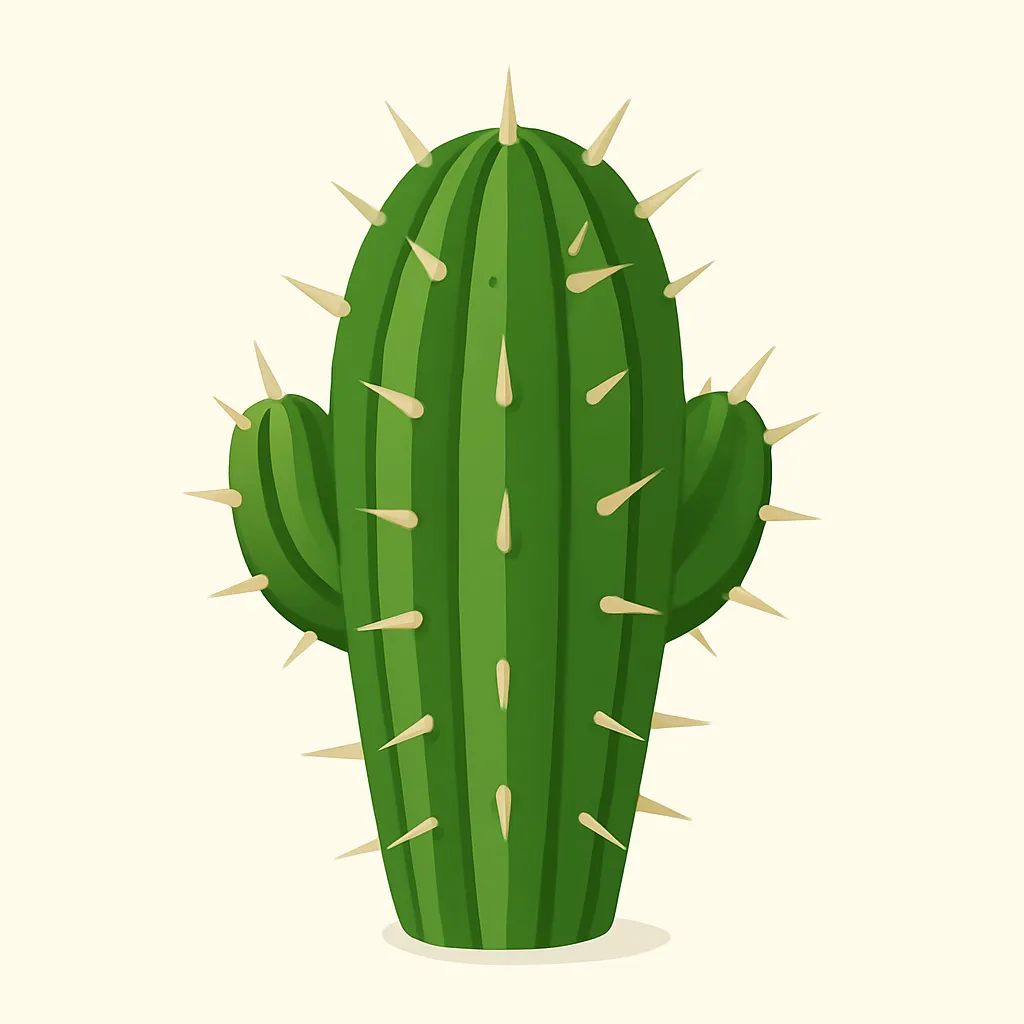
A cactus in the desert has sharp spines instead of wide flat leaves. What kind of adaptation are the spines?
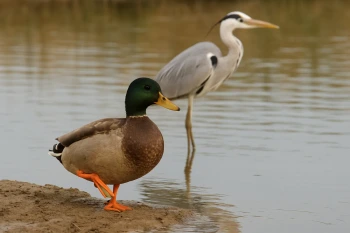
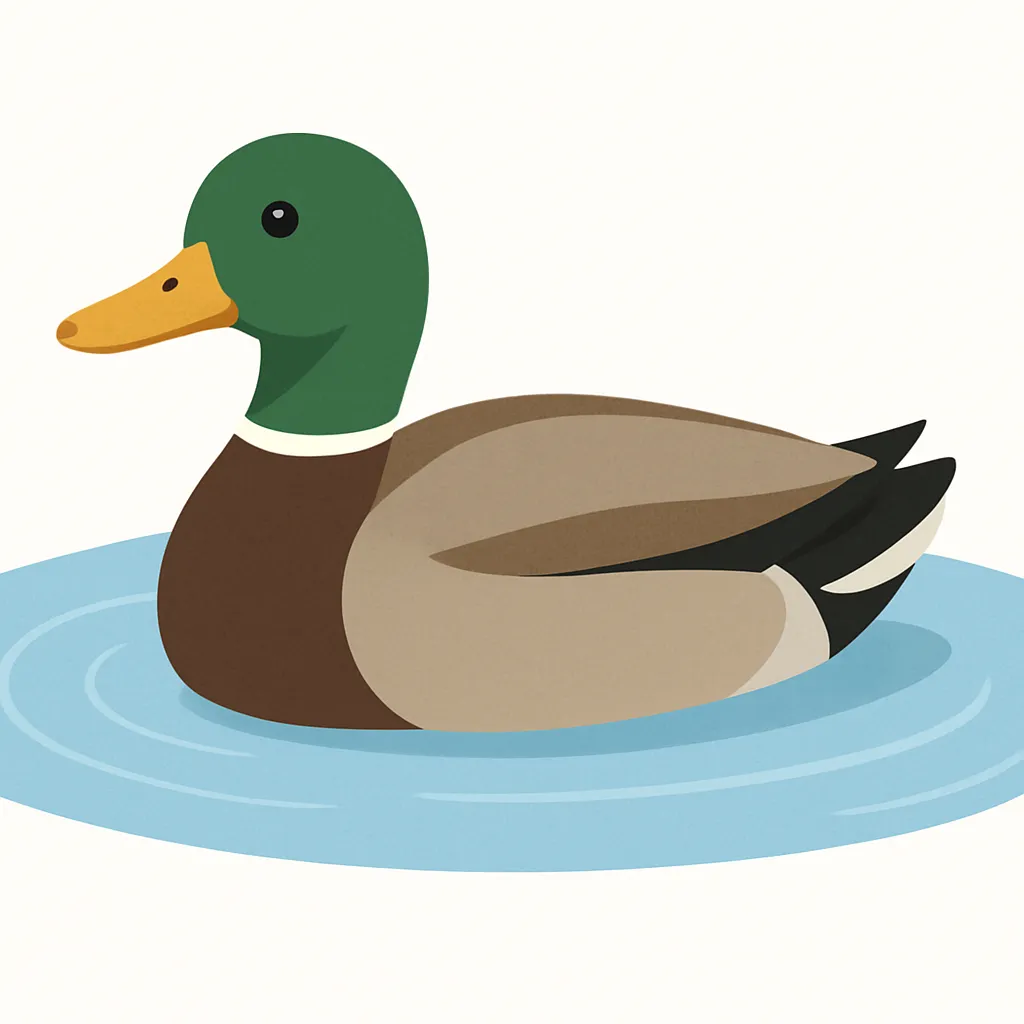
A duck has feathers coated with oil, so water does not soak through to its skin. What kind of adaptation are the oily feathers?
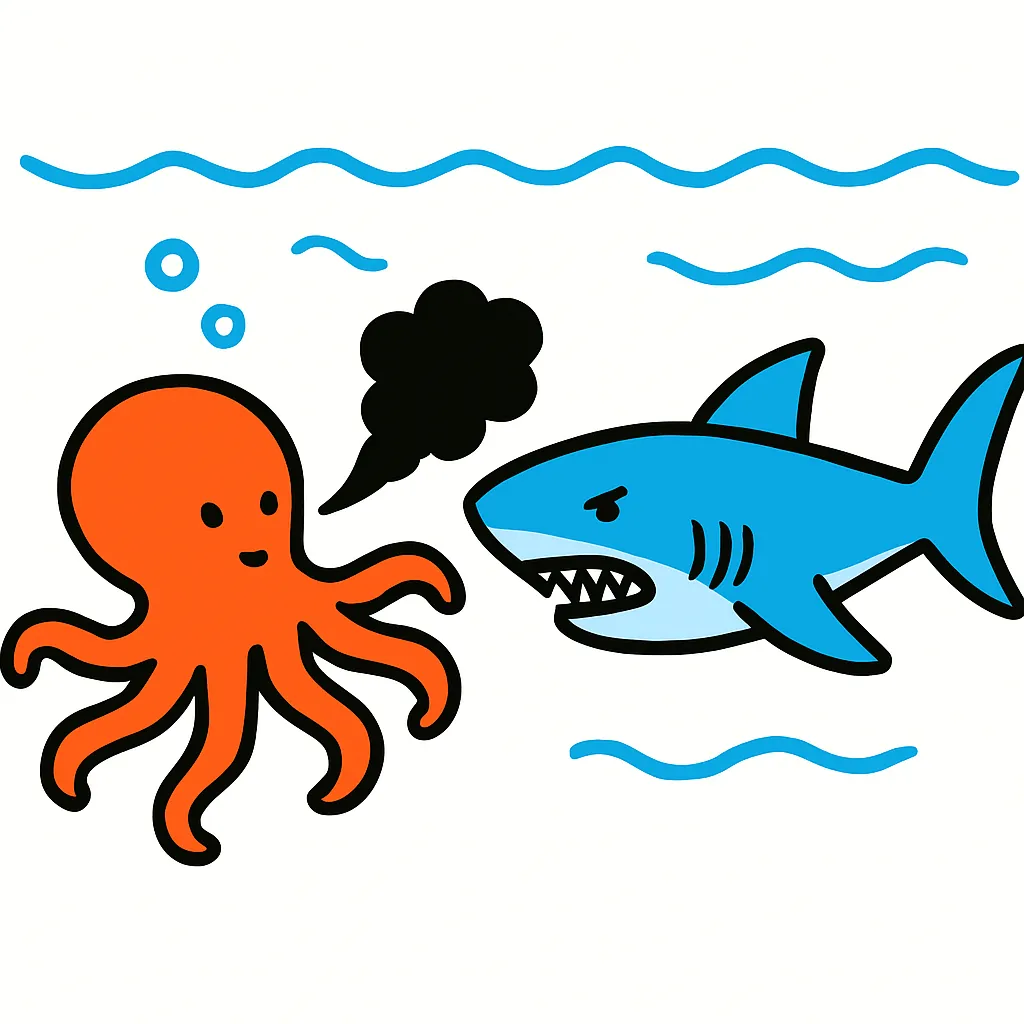
An octopus squirts a dark cloud of ink and swims away when a shark comes near. What kind of adaptation is squirting the ink?
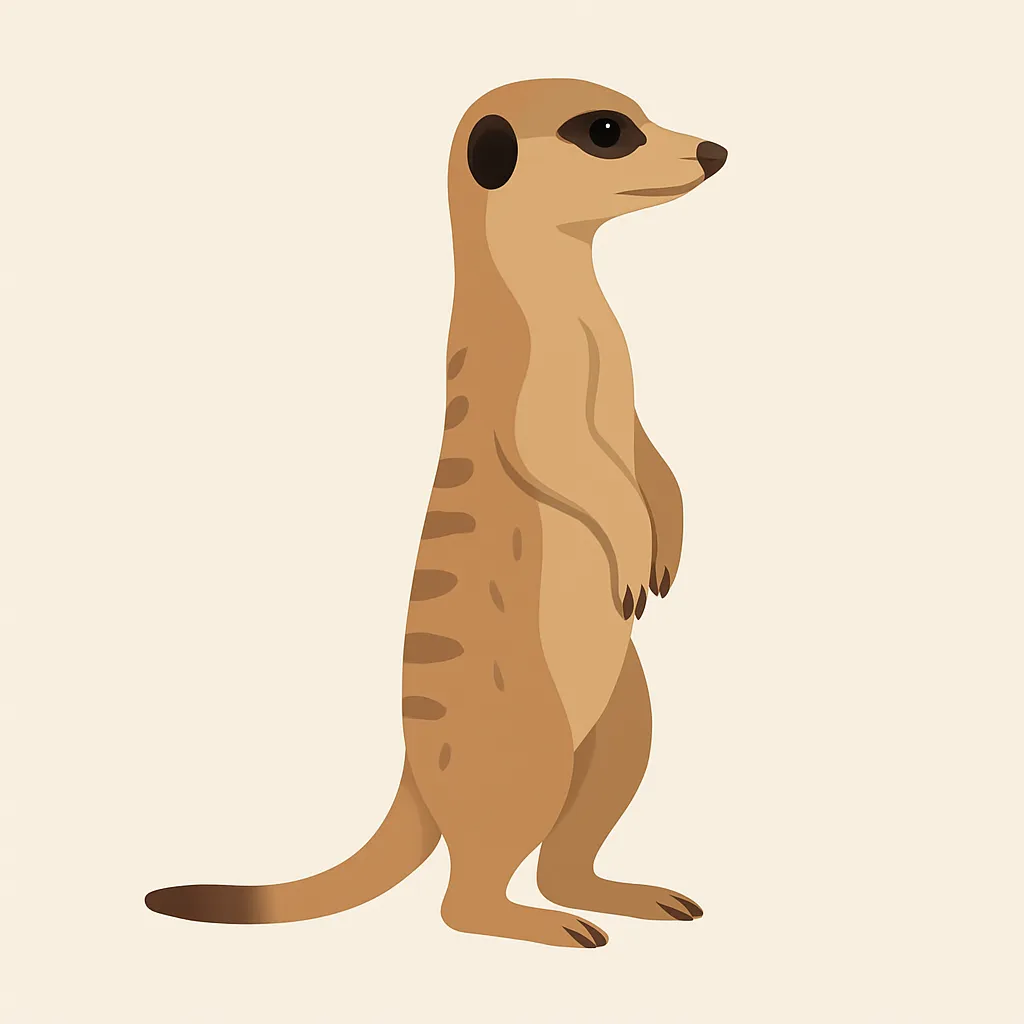
A meerkat stands up on its back legs and watches the sky while the others in the group feed. What kind of adaptation is standing watch?
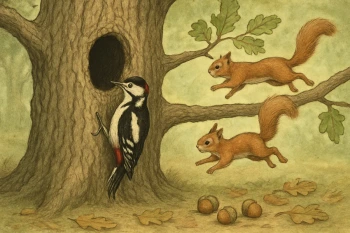
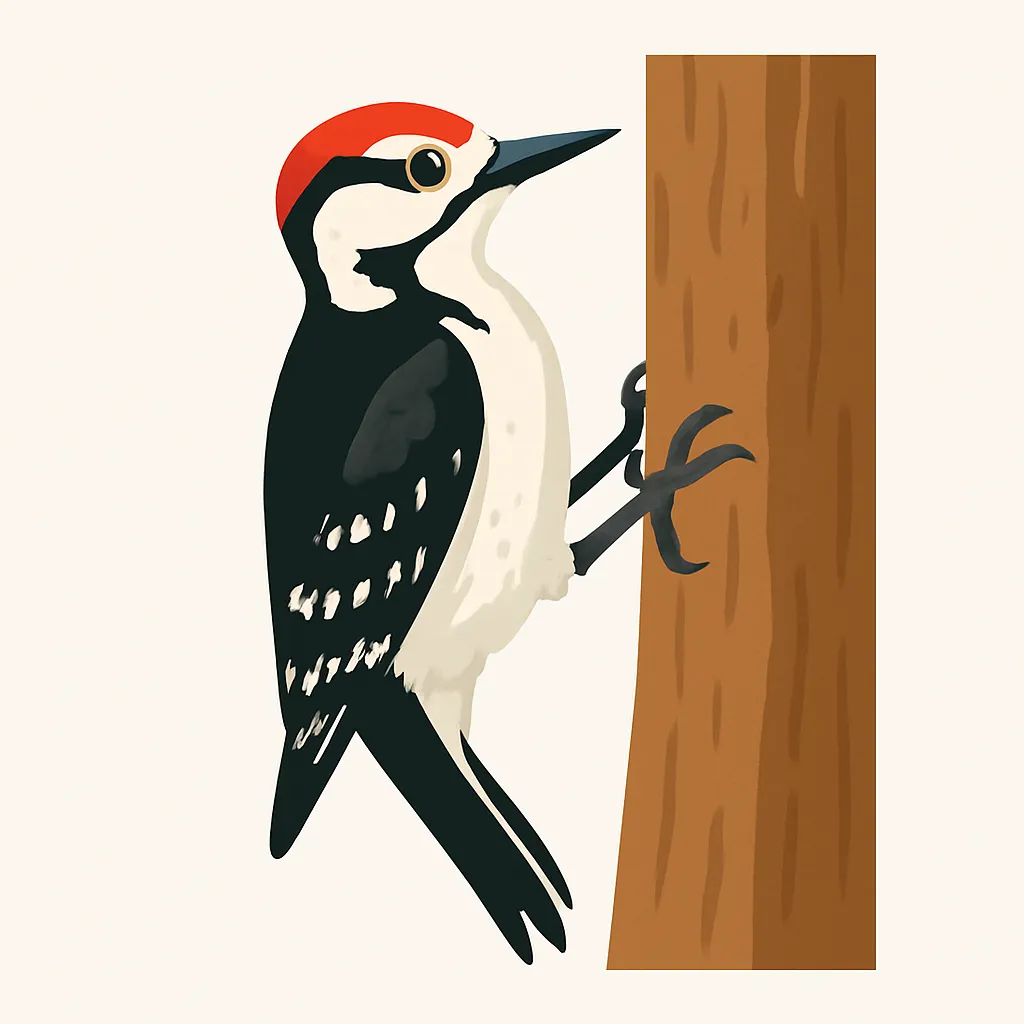
A woodpecker hammers its beak into tree bark to reach the insects hiding underneath. What kind of adaptation is the hammering?
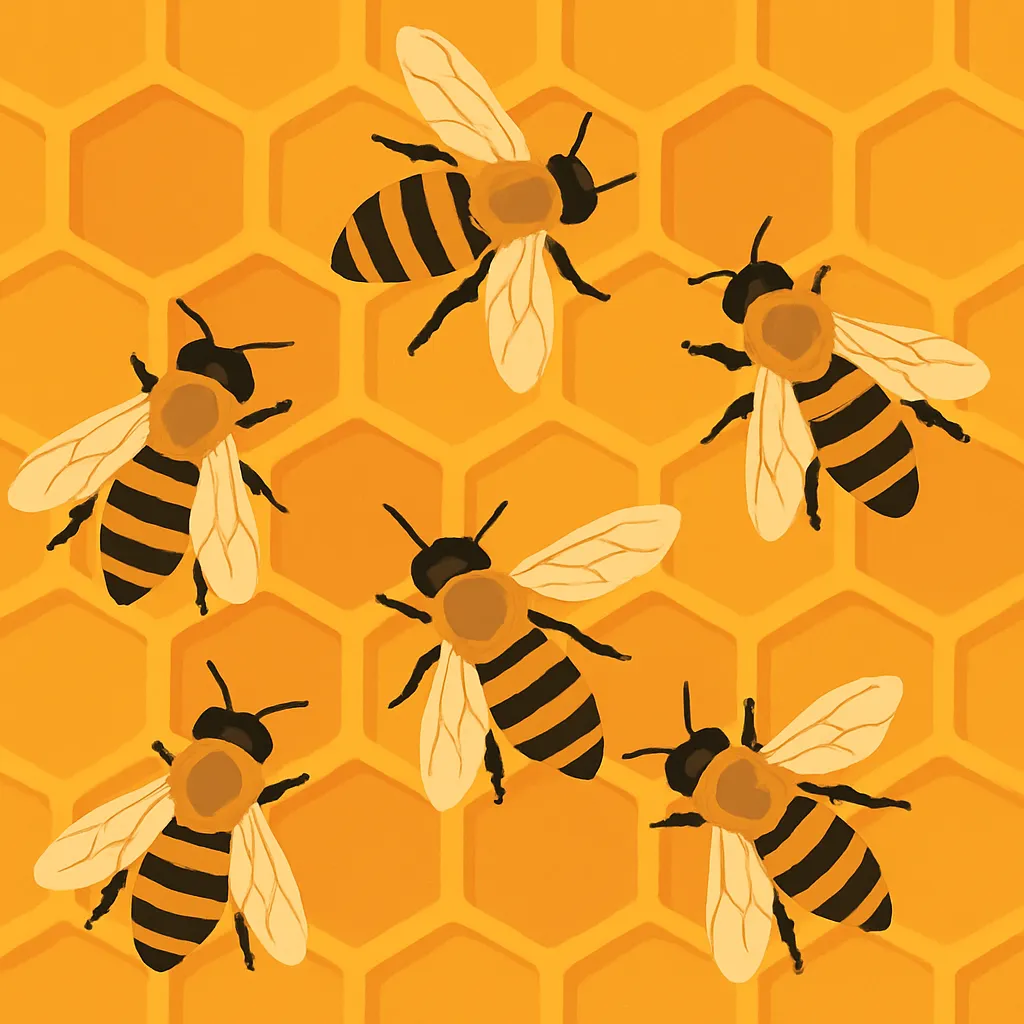
A honeybee dances in a pattern inside the hive to show the other bees where flowers are. What kind of adaptation is the dance?
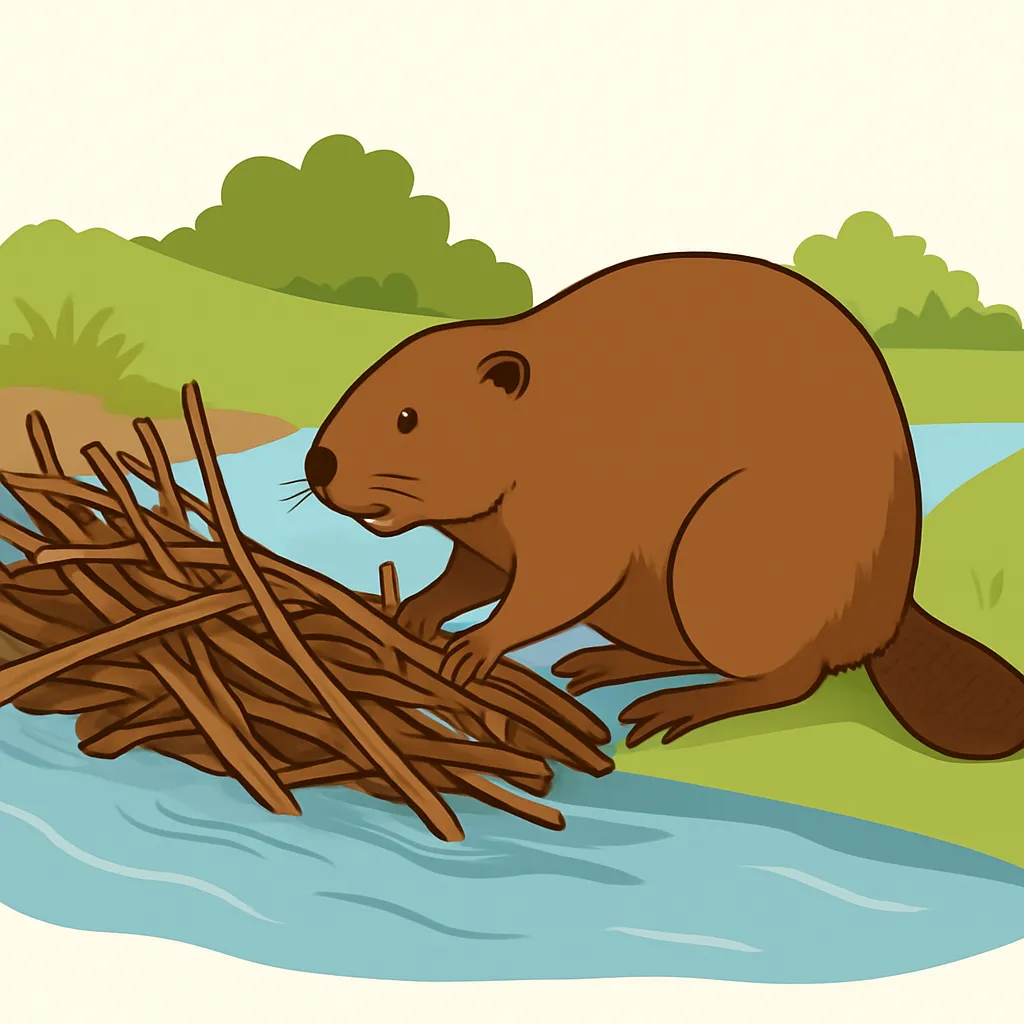
A beaver cuts down small trees with its front teeth and stacks them into a dam across a stream. What kind of adaptation is building the dam?
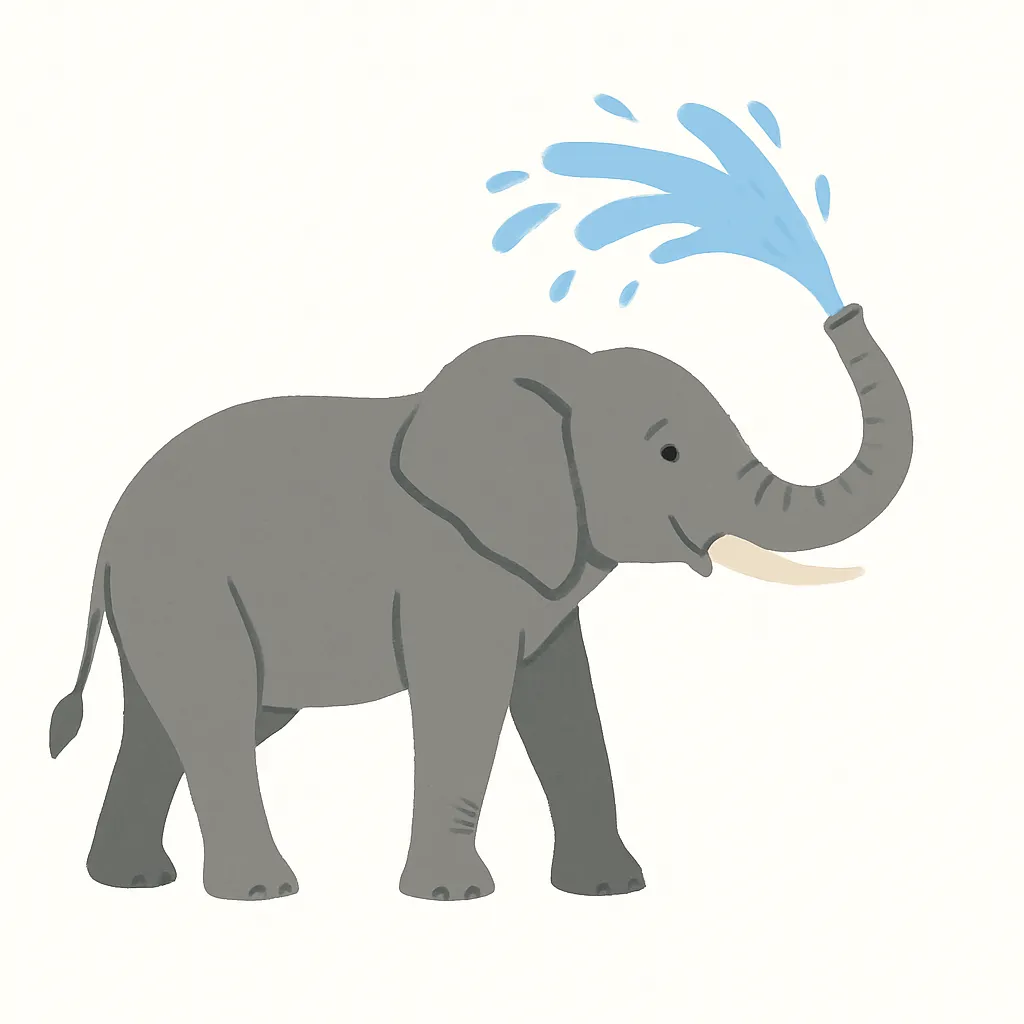
An elephant fills its trunk with water and sprays it over its back on a hot day. What kind of adaptation is the spraying?
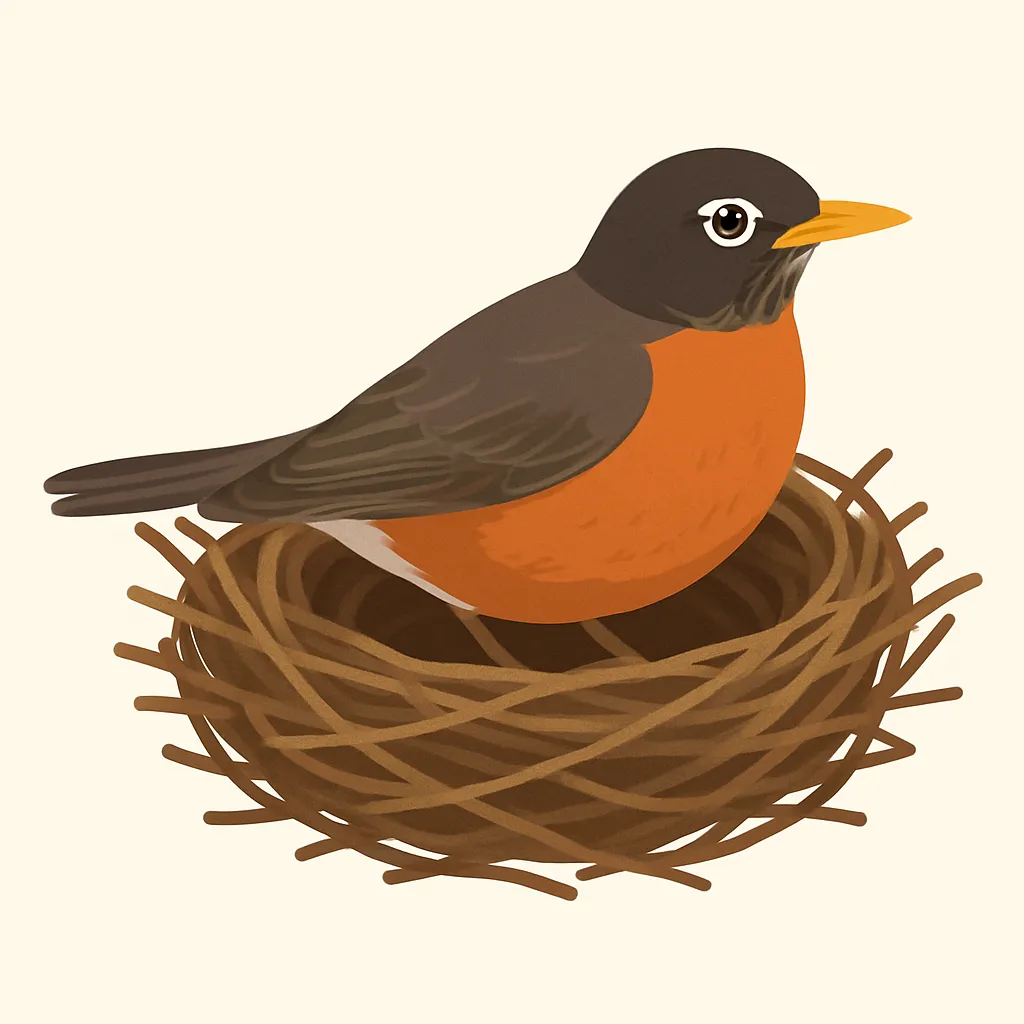
A robin gathers twigs, grass, and mud and shapes them into a nest, so building the nest is a behavioral adaptation.
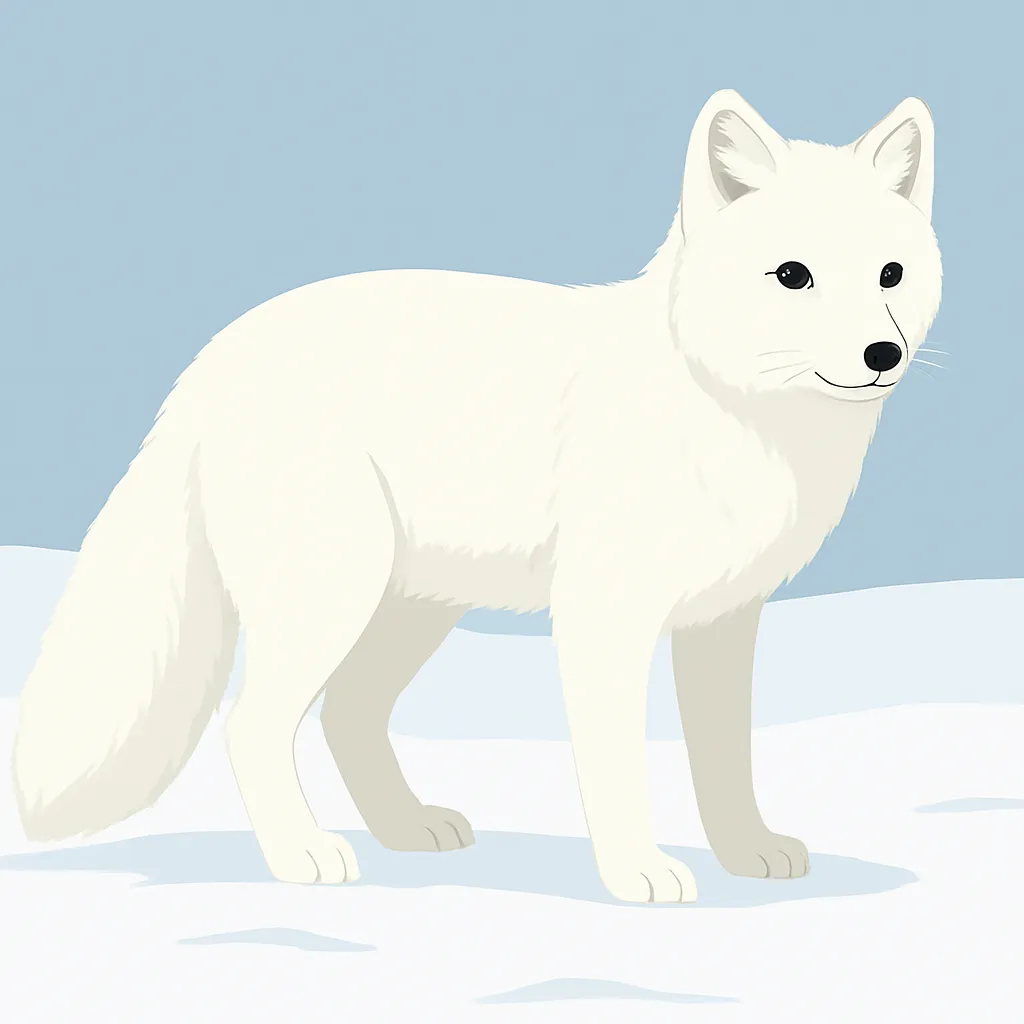
An arctic fox grows a thick white coat of fur for the snowy winter, so the fur is a behavioral adaptation.
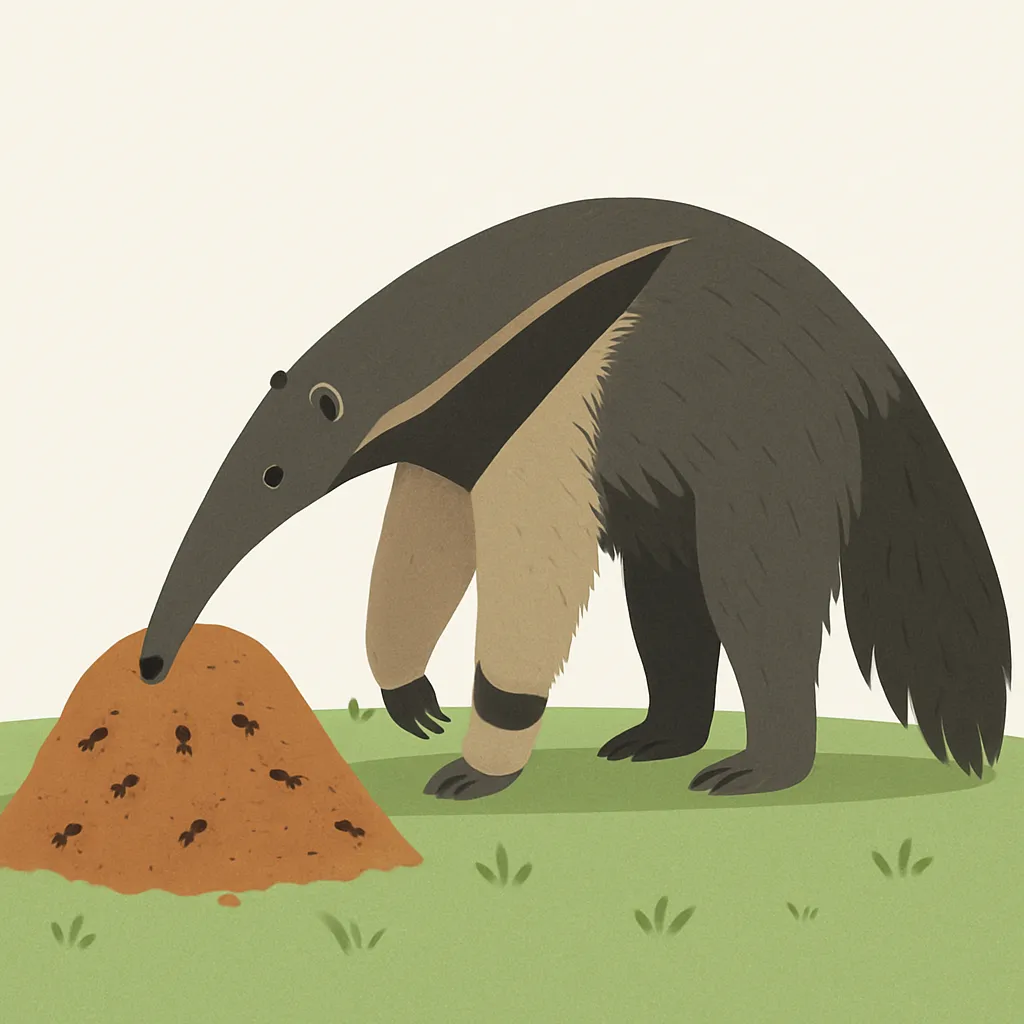
A giant anteater uses its long sticky tongue to pull ants out of their nest. Which life need does this adaptation meet?
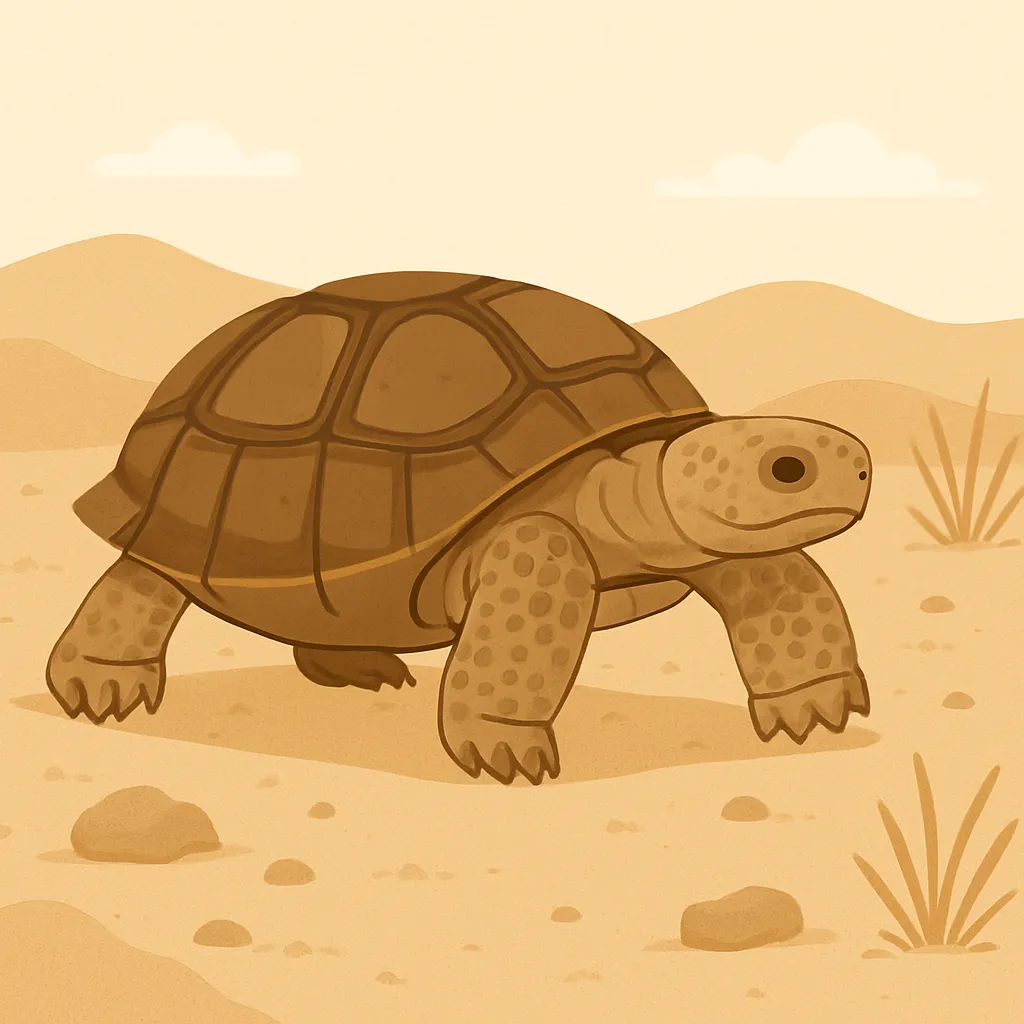
A desert tortoise stores water inside its body and uses it slowly through the long dry months. Which life need does this adaptation meet?
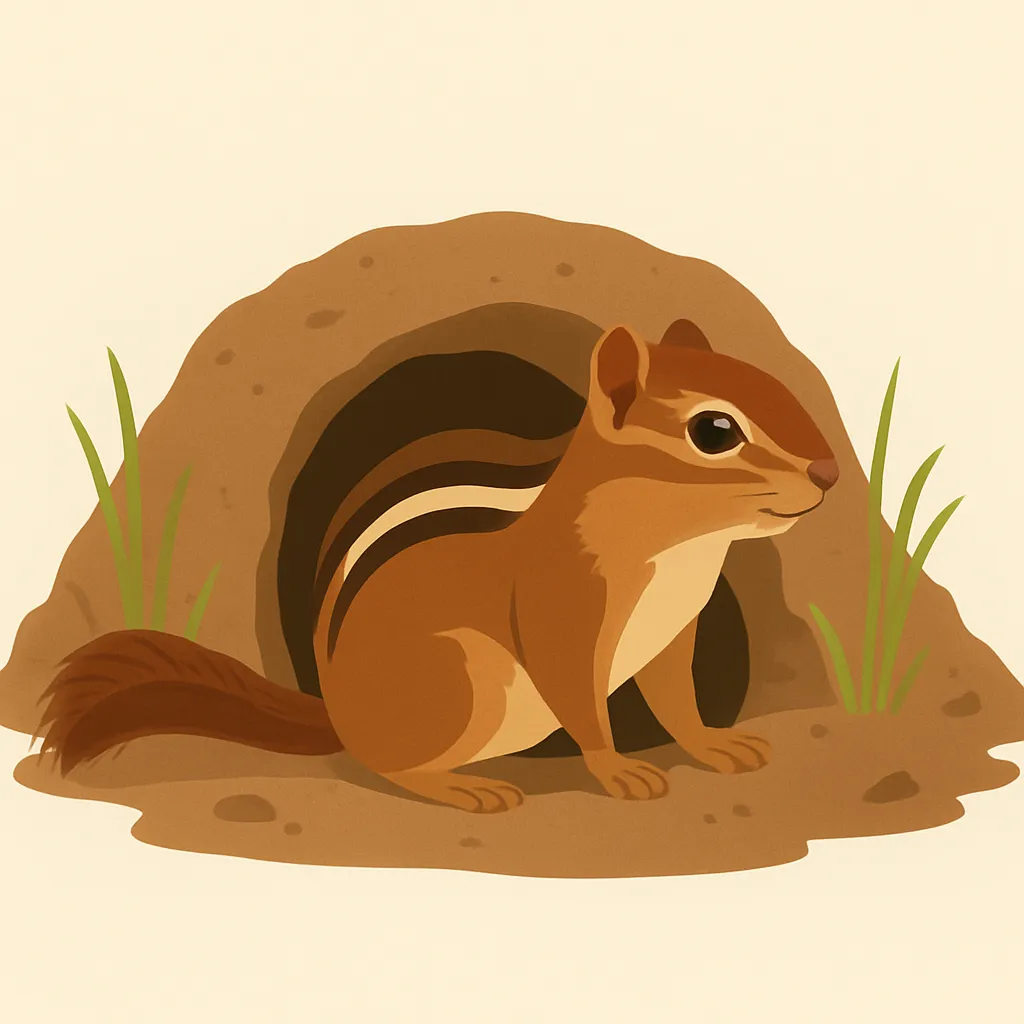
A chipmunk lines its underground nest with dry leaves and grass and sleeps there on cold nights. Which life need does this adaptation meet?
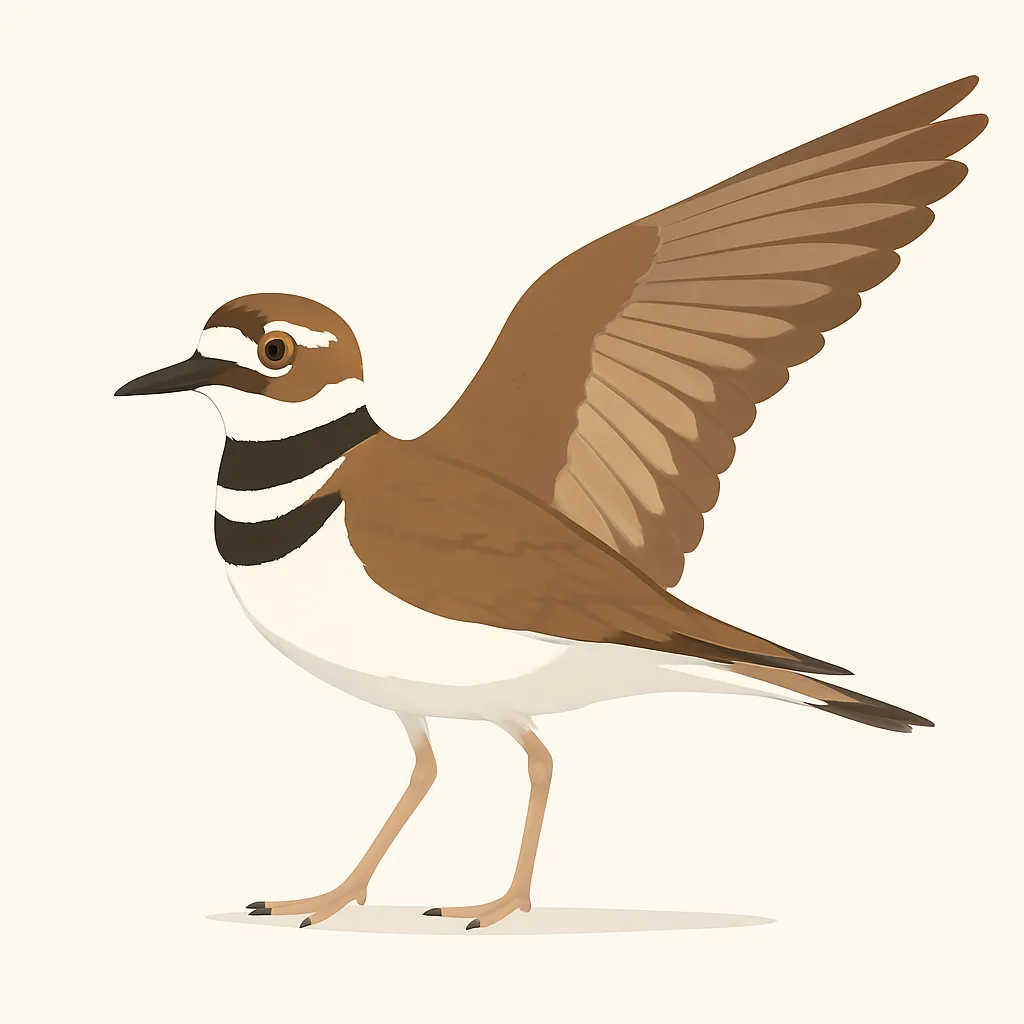
A killdeer drags one wing along the ground to lead a fox away from its nest. Which life need does this behavior meet?
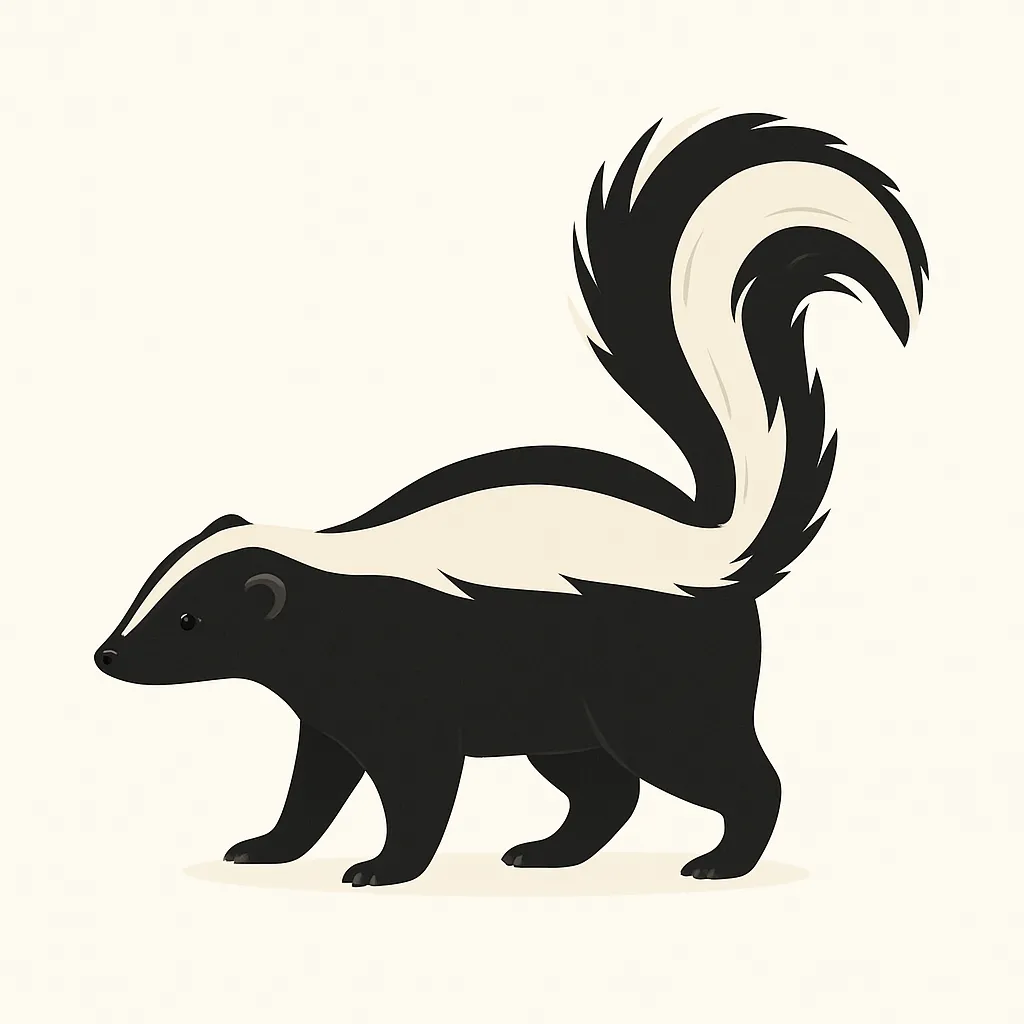
A skunk sprays a bad-smelling liquid at an animal that comes too close. Which life need does this adaptation meet?
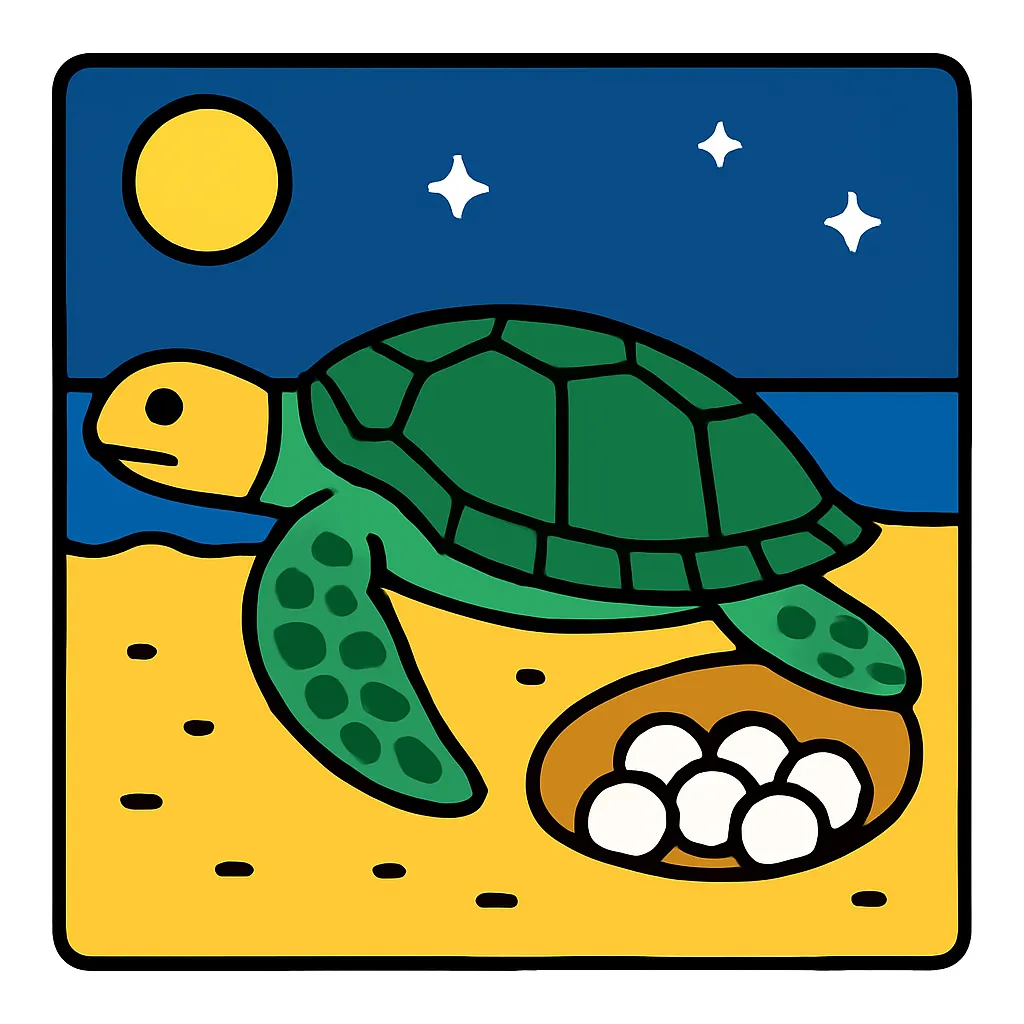
A sea turtle digs a deep hole in the sand with its back flippers and buries her eggs in it. What kind of adaptation is burying the eggs?
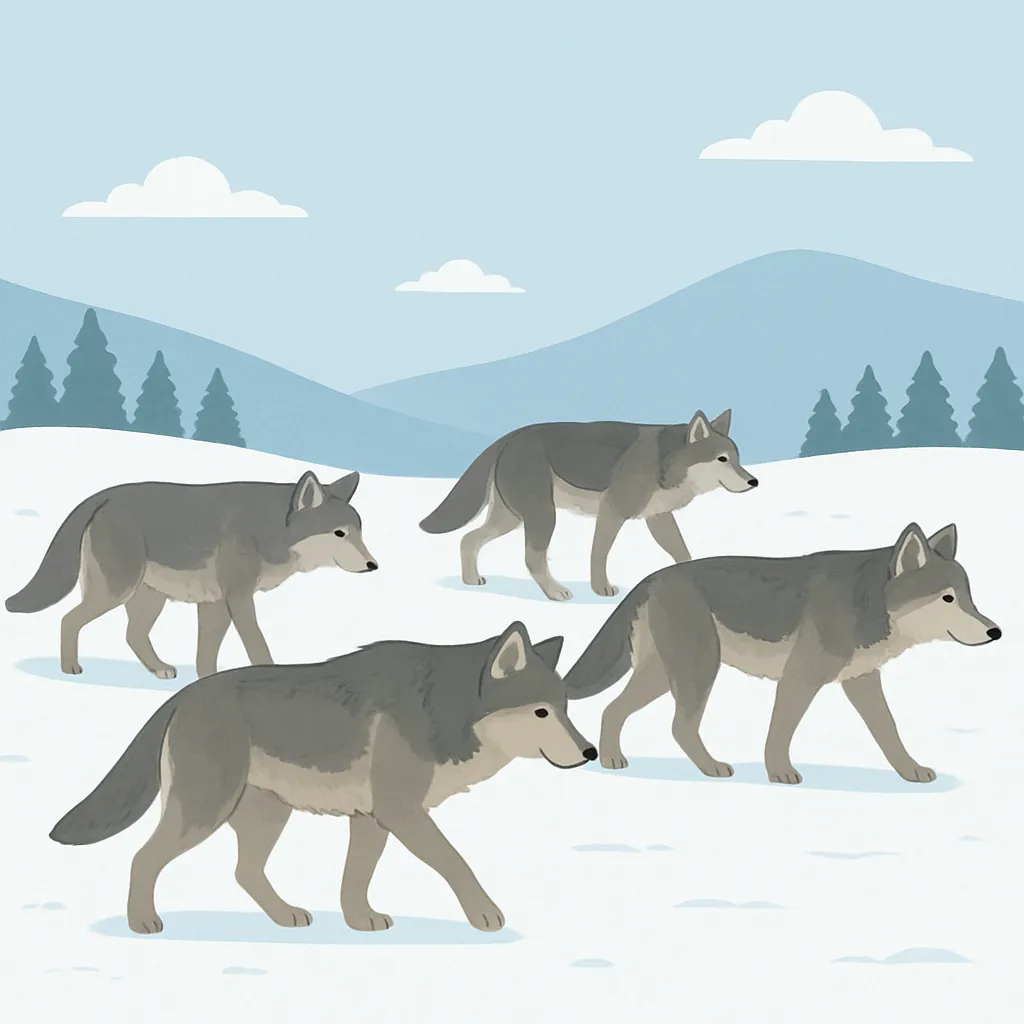
A wolf has sharp teeth, thick fur, and a strong sense of smell, and it hunts together with its pack. Which one of these is a behavioral adaptation?
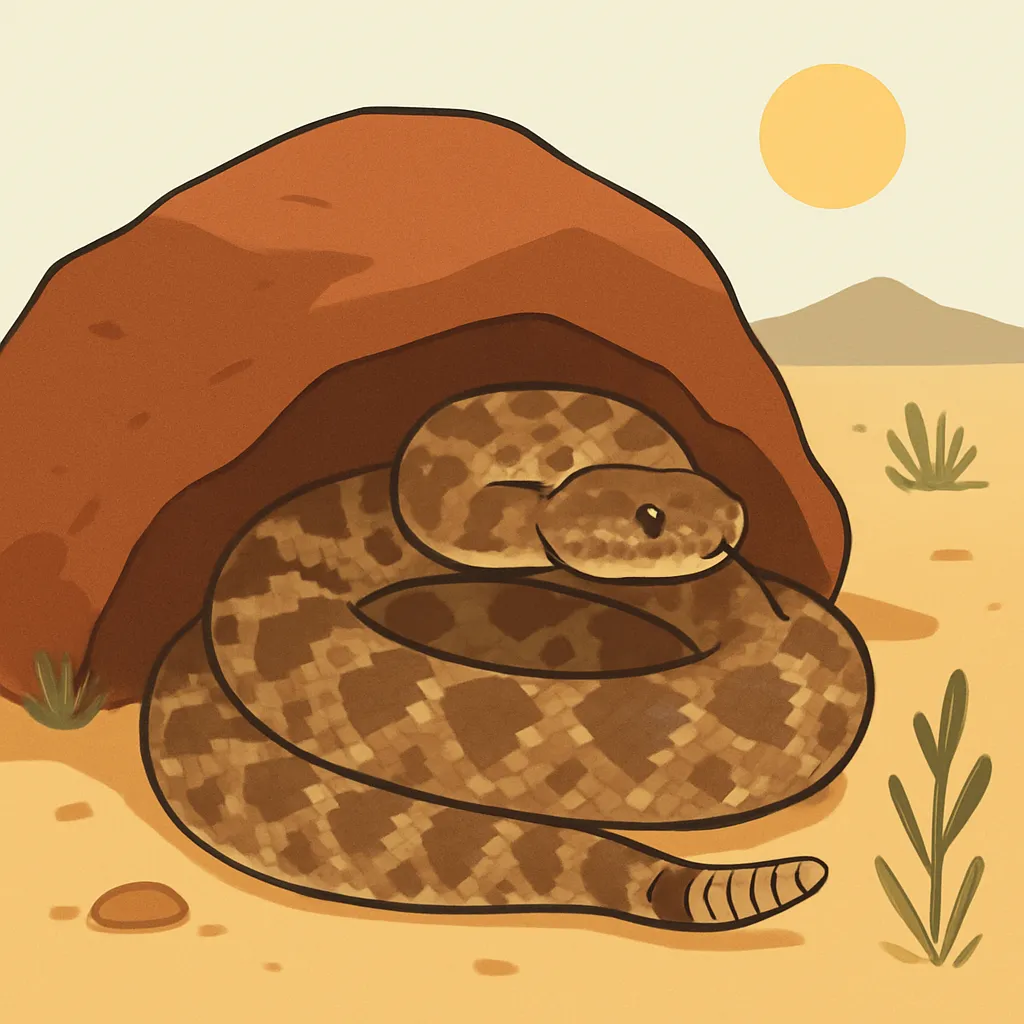
A rattlesnake has fangs that carry venom, and it rests in the shade under a rock through the hottest part of the day. What is true about this snake?
Crack the passcode before the zombies get in.
Answer, then swat bugs for bonus points.
Race through questions at your own speed.
Same question on every screen. Fastest wins.

Pick a tile, answer, hit bonuses and steals.
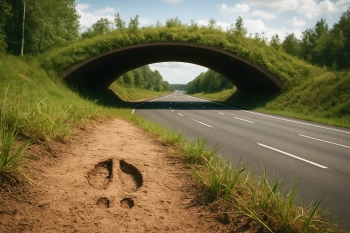
Solving a Habitat Problem
20 questions