Loading
by BlastRoom
Name and predict how animals and plants respond when the temperature or the rain in their habitat changes with the season.
#animal_responses#us_grade_3_science
20 questions
One question set, multiple game modes. Tap any game to see it in action. Not sure which to pick?
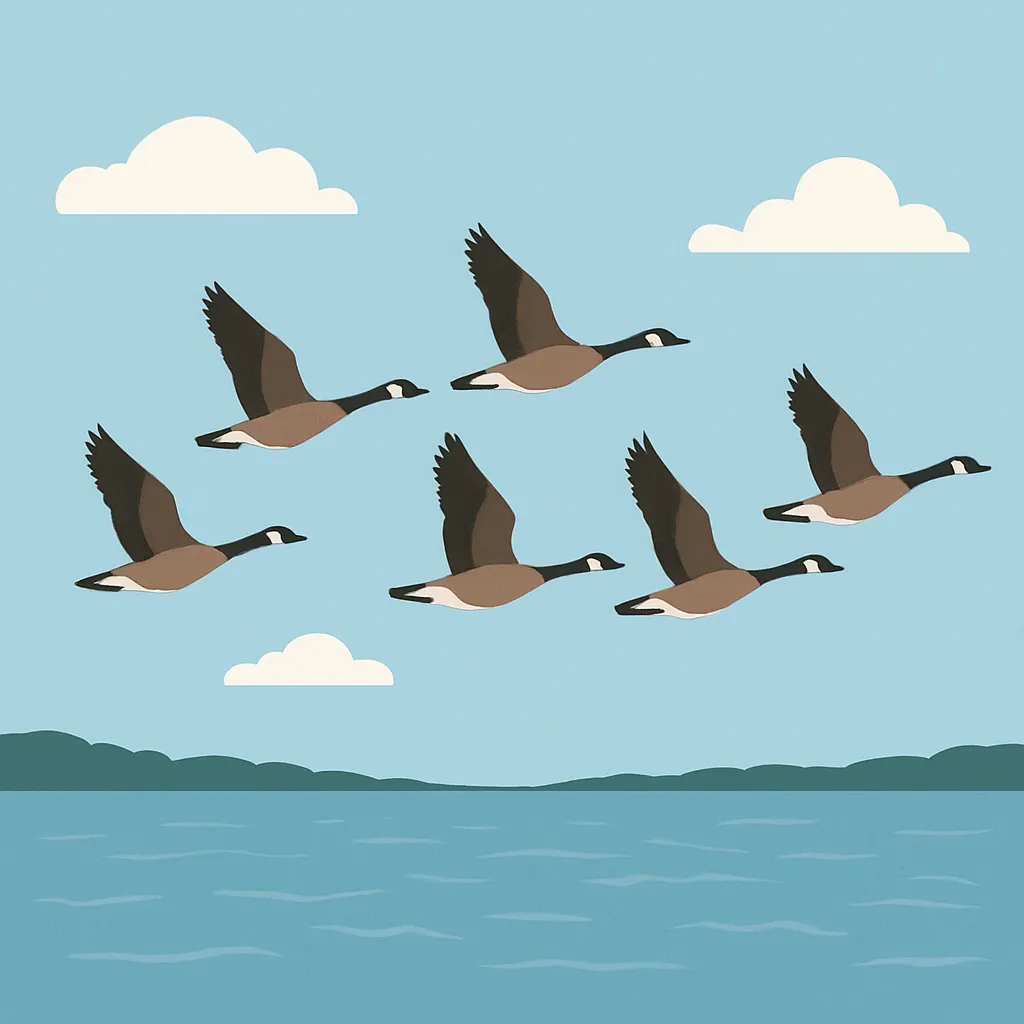
Every fall, Canada geese leave a cold northern lake and fly south together. What is that response called?
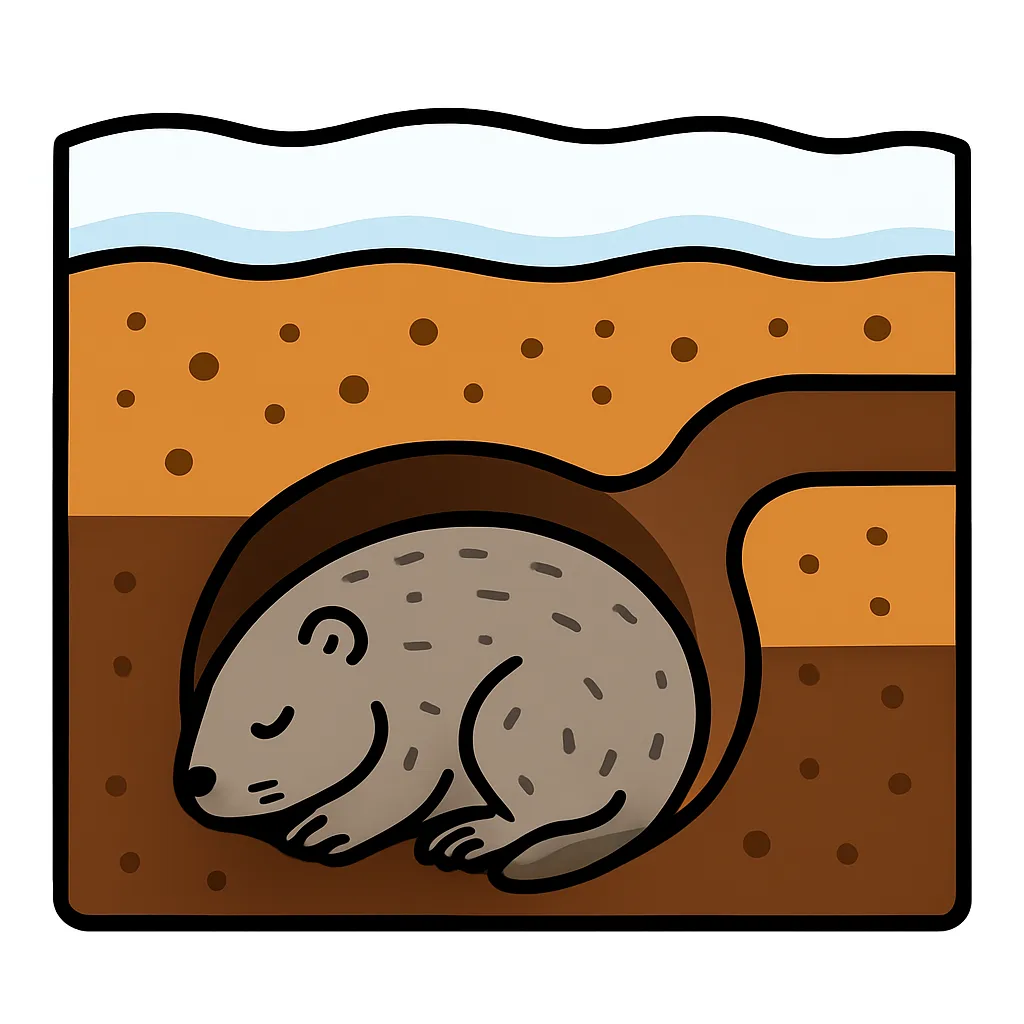
A woodchuck curls up deep in its burrow in November and does not come out or eat until spring. What is that response called?
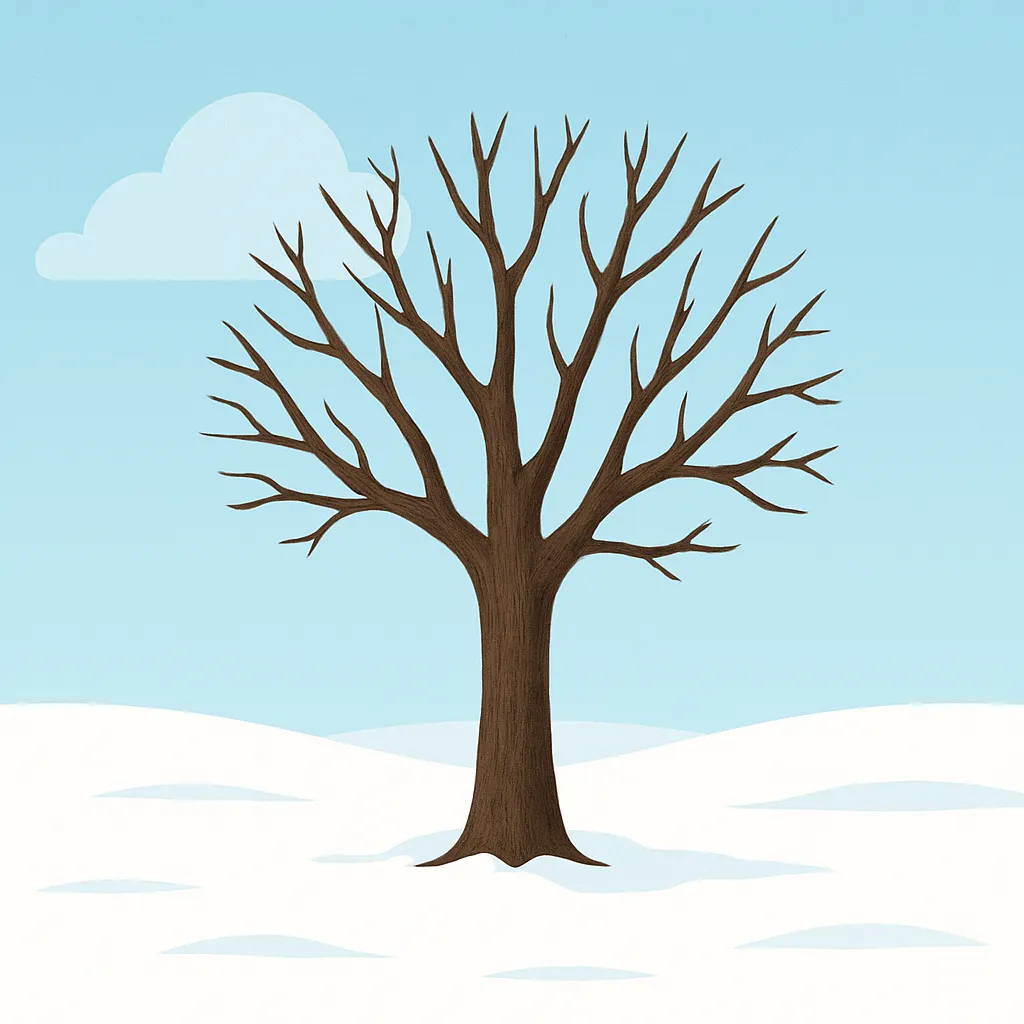
An oak tree drops every leaf as fall gets colder and grows no new ones until spring. What is the tree doing?
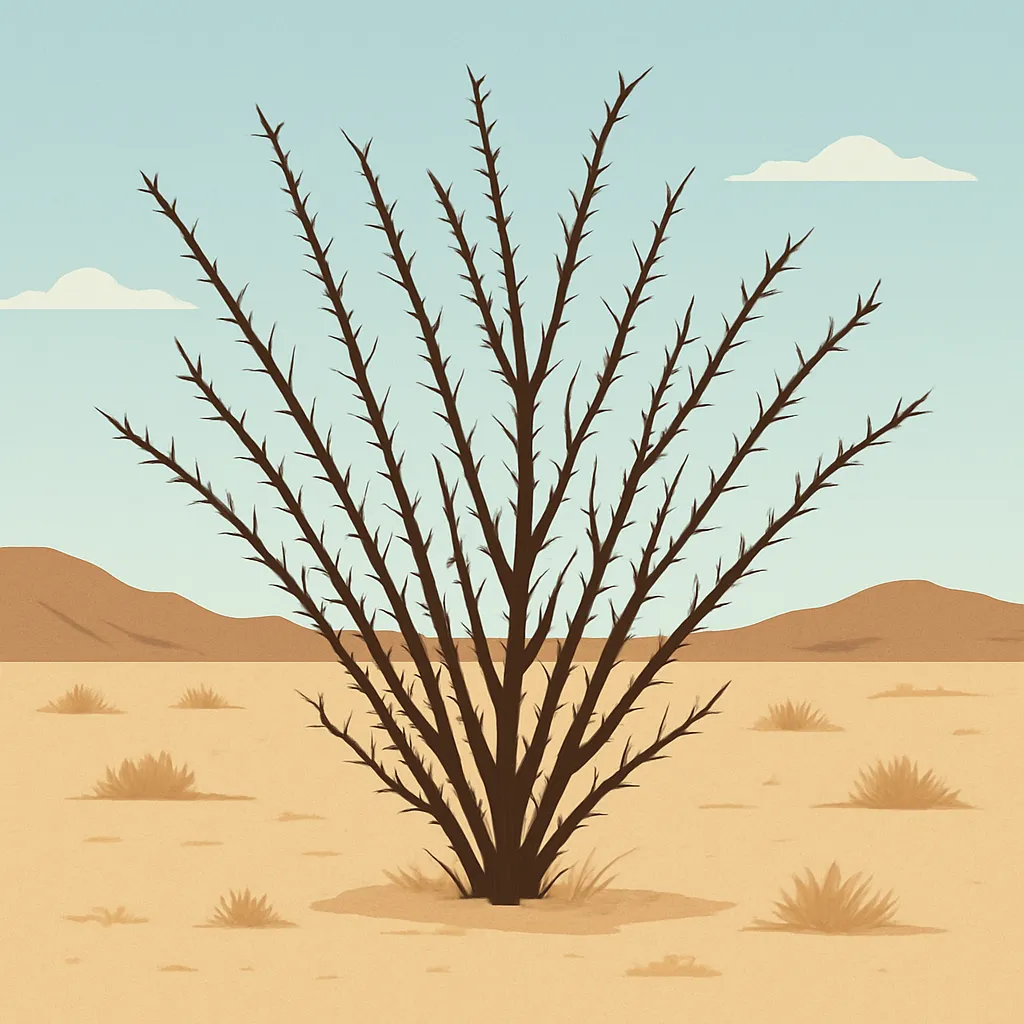
A desert ocotillo shrub drops its leaves during dry months and grows new ones days after a rainstorm. What response is that?
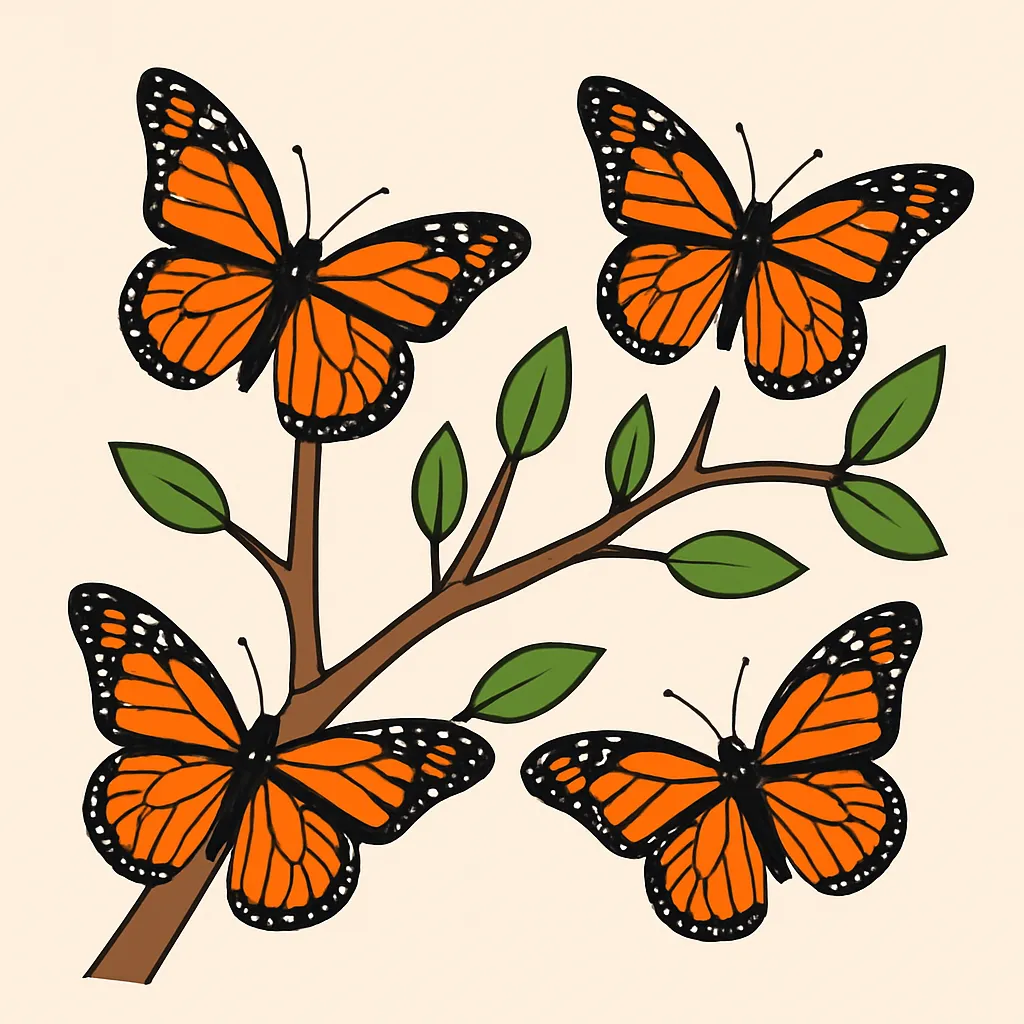
Monarch butterflies leave cold northern fields each fall and gather in warm Mexican forests. How does that trip help them?
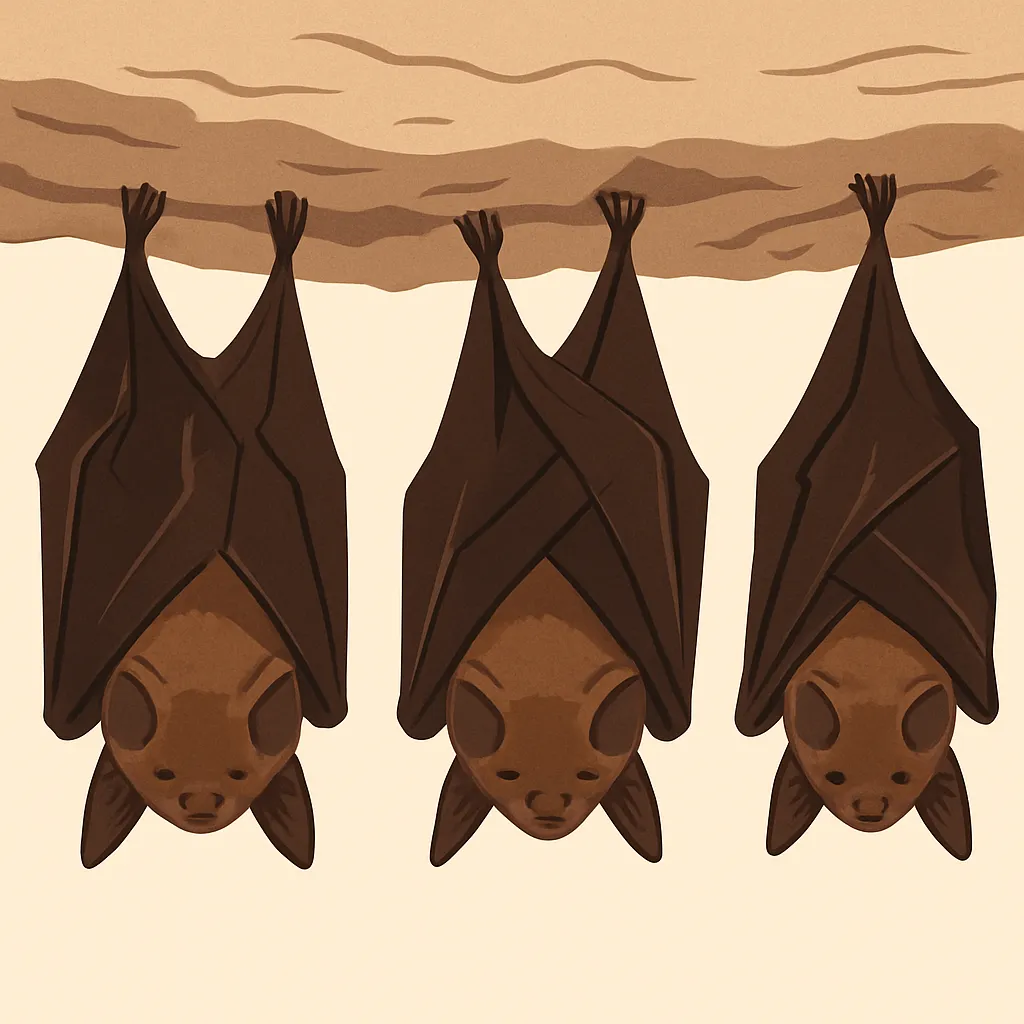
Little brown bats sleep in a cool cave from late fall until spring. What does hibernating do for them?
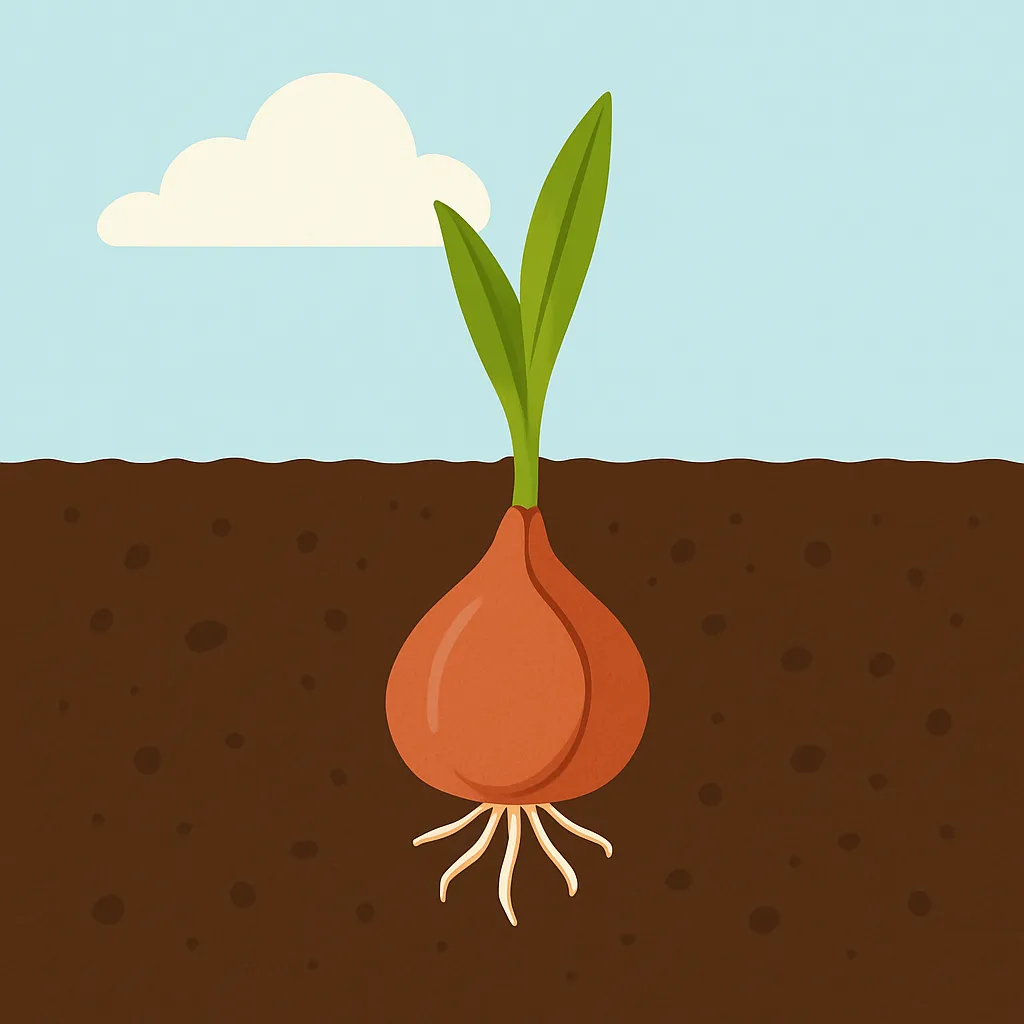
A tulip bulb sits under cold garden soil all winter and sends up a shoot in spring. What is the bulb doing in winter?
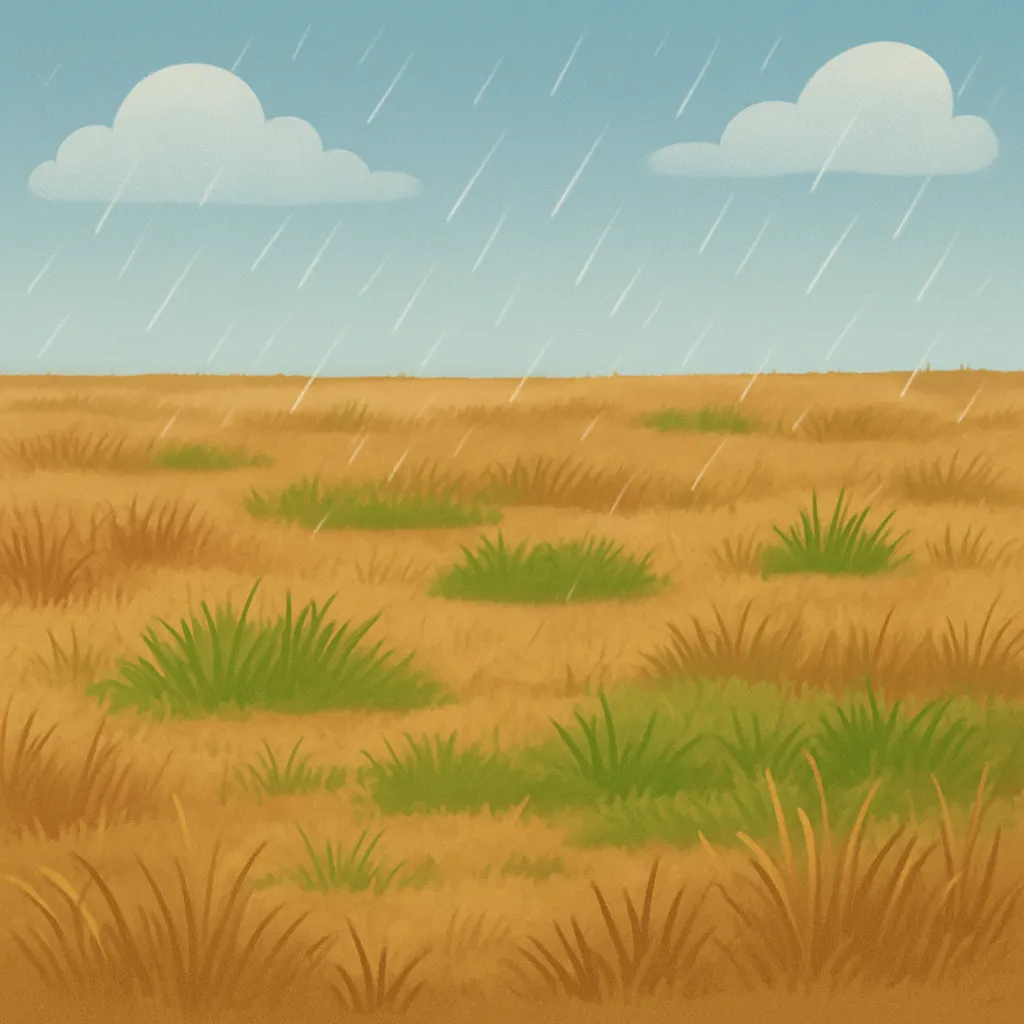
A long summer drought turns prairie grass brown, and the same grass turns green again after heavy rain. What was the brown grass doing?
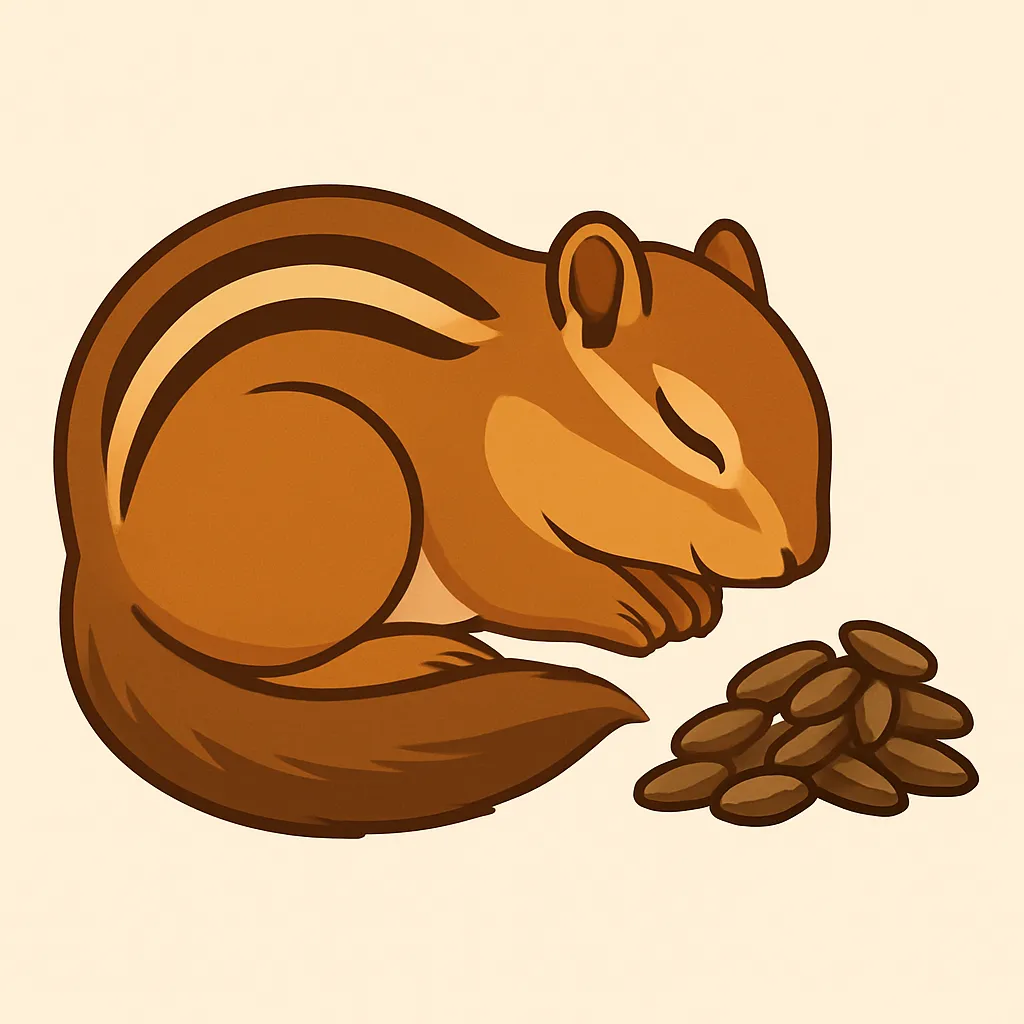
A chipmunk lies still and cold in its winter burrow and does not stir when it is touched. What is happening inside its body?
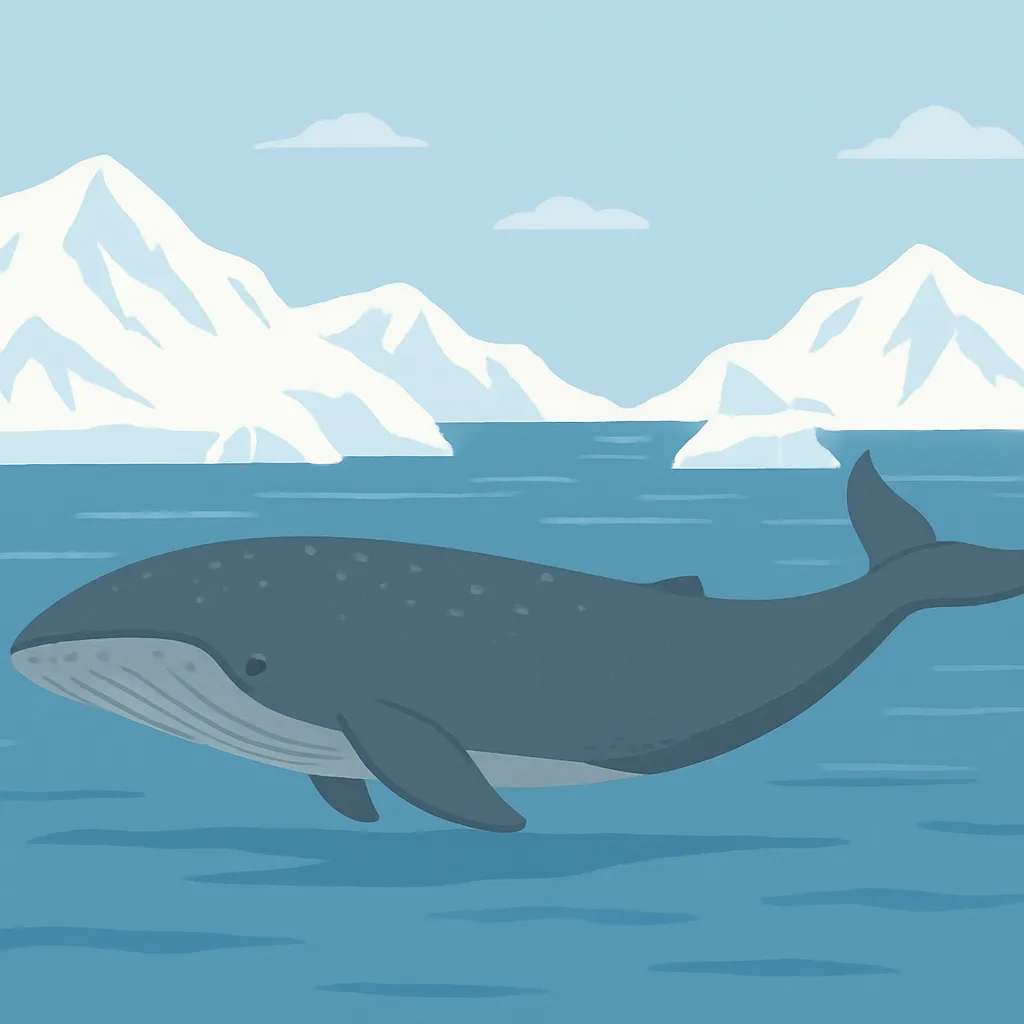
Gray whales leave the cold Arctic every fall and swim to warm lagoons in Mexico. What change starts this trip?
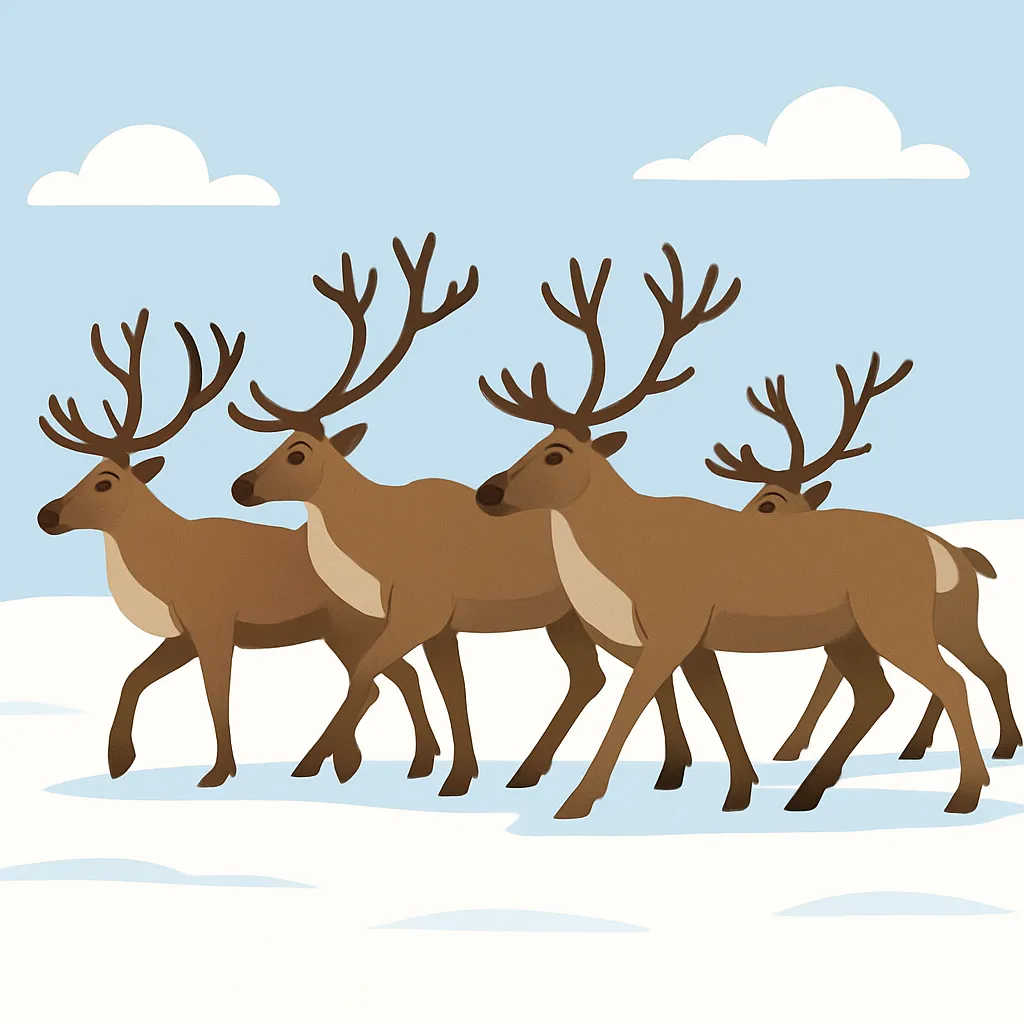
Deep snow buries the low plants a caribou herd feeds on, and the herd walks a long way south. Why does the herd move?
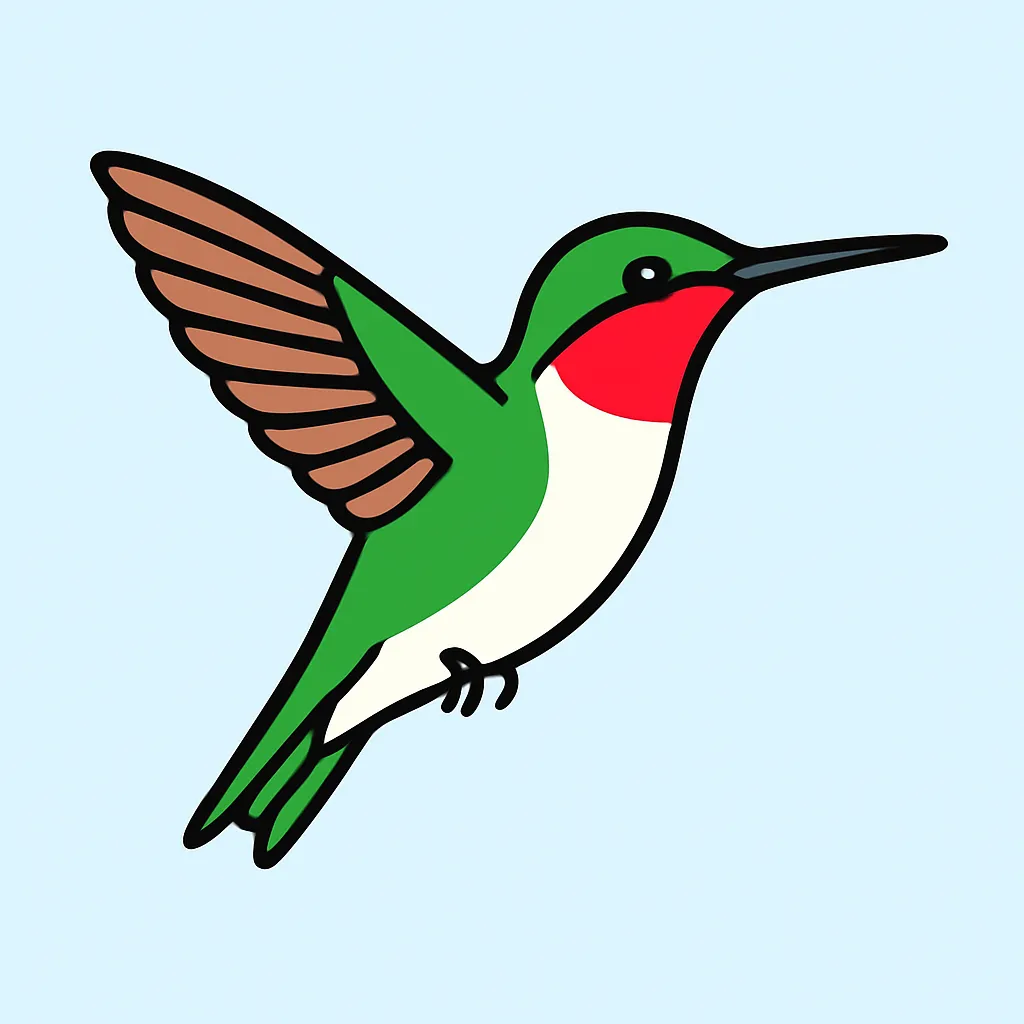
Ruby-throated hummingbirds leave the eastern United States each fall and fly to Central America. What runs short and starts the trip?
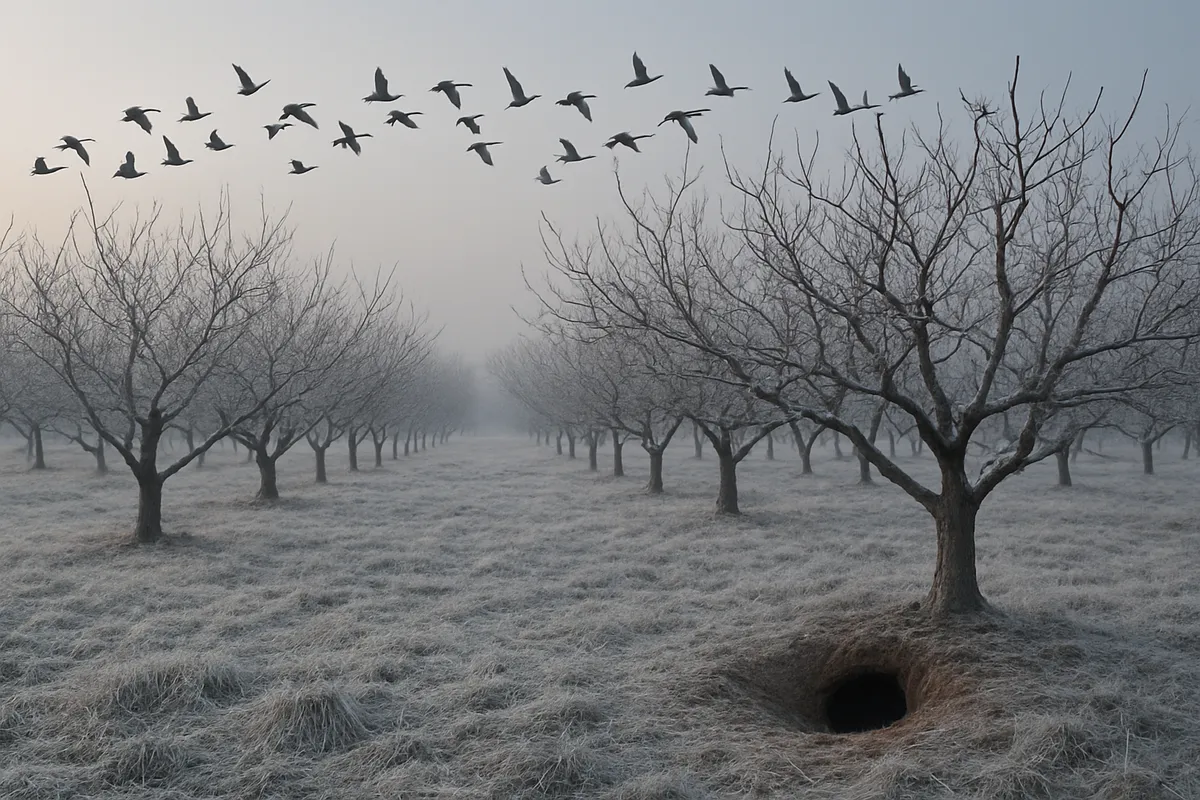
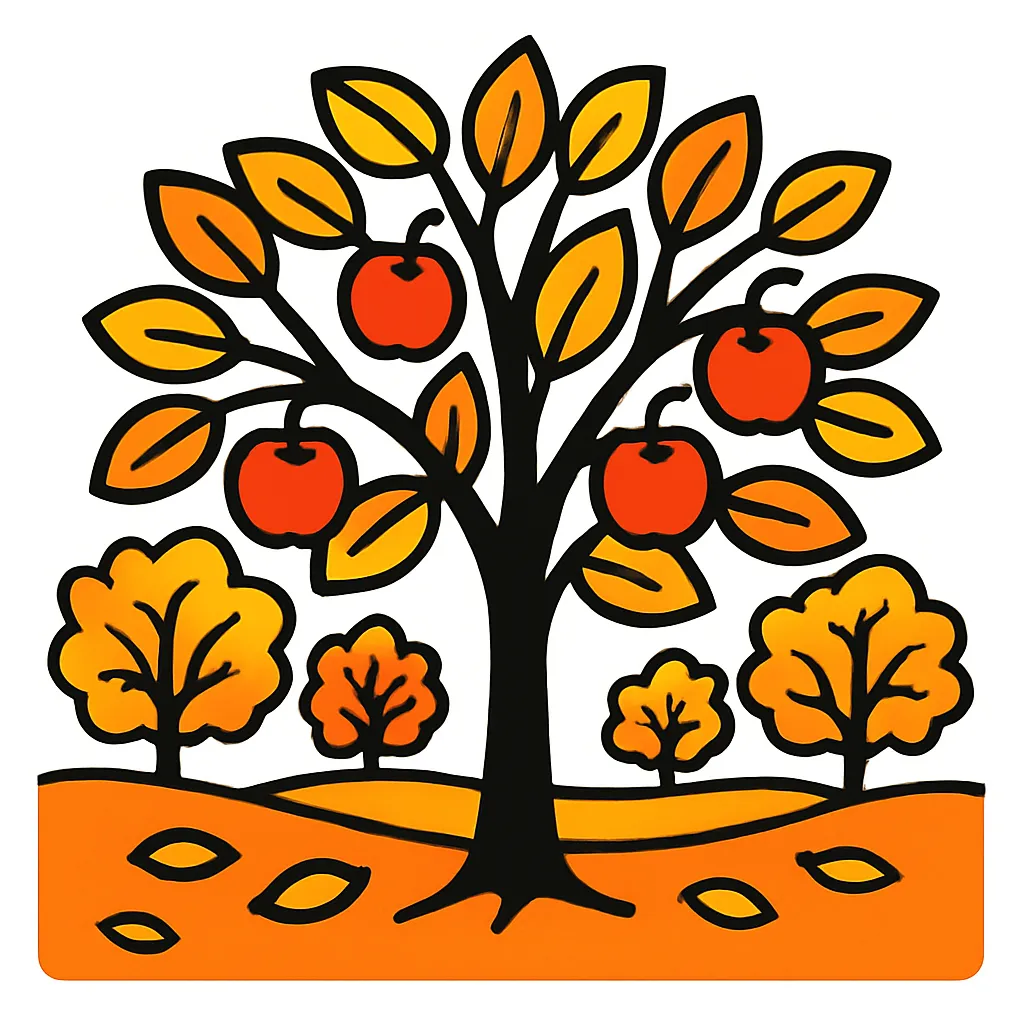
The days in an orchard get short and cold in late October. What will an apple tree there do next?
A wood frog digs under the leaf litter of a forest floor as the first hard frost arrives. What will it do until spring?
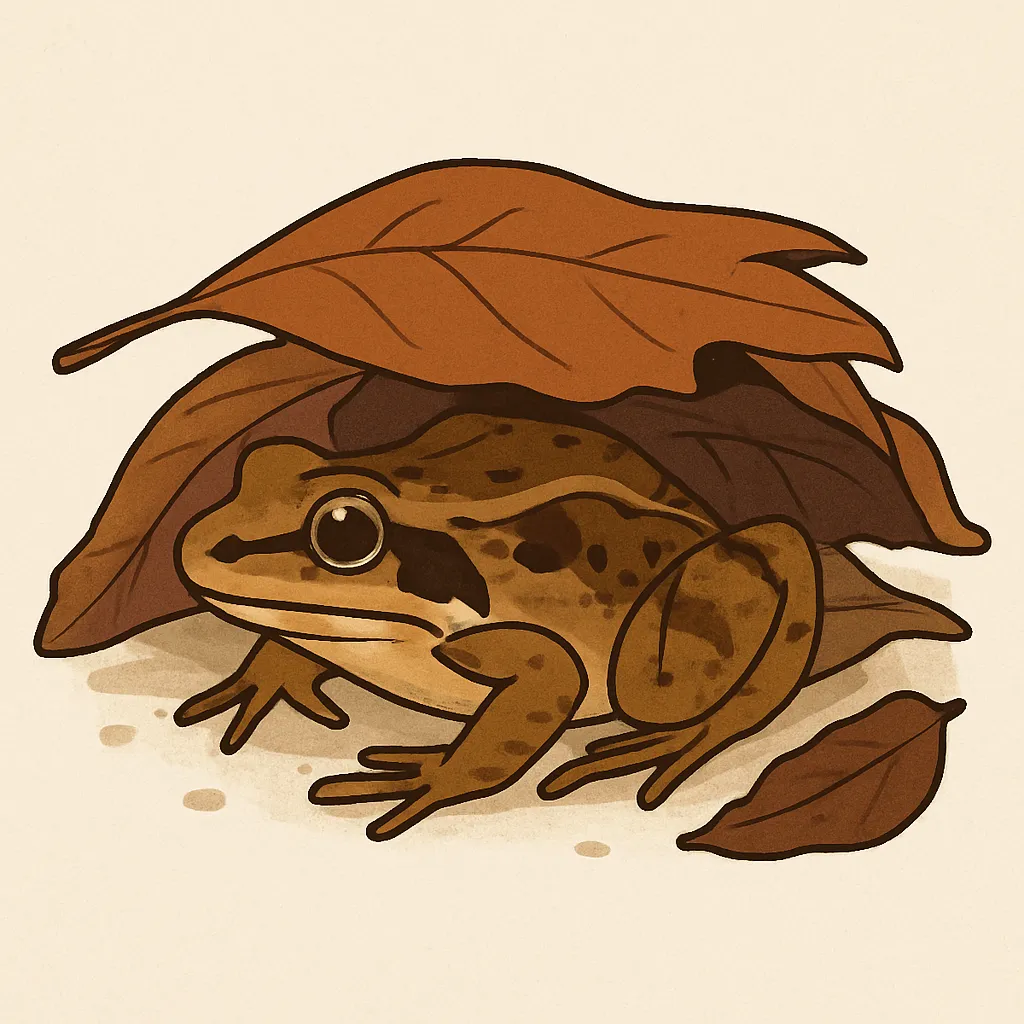
Wildflower seeds fall into cold October soil and none of them sprout until May. Why do they wait?
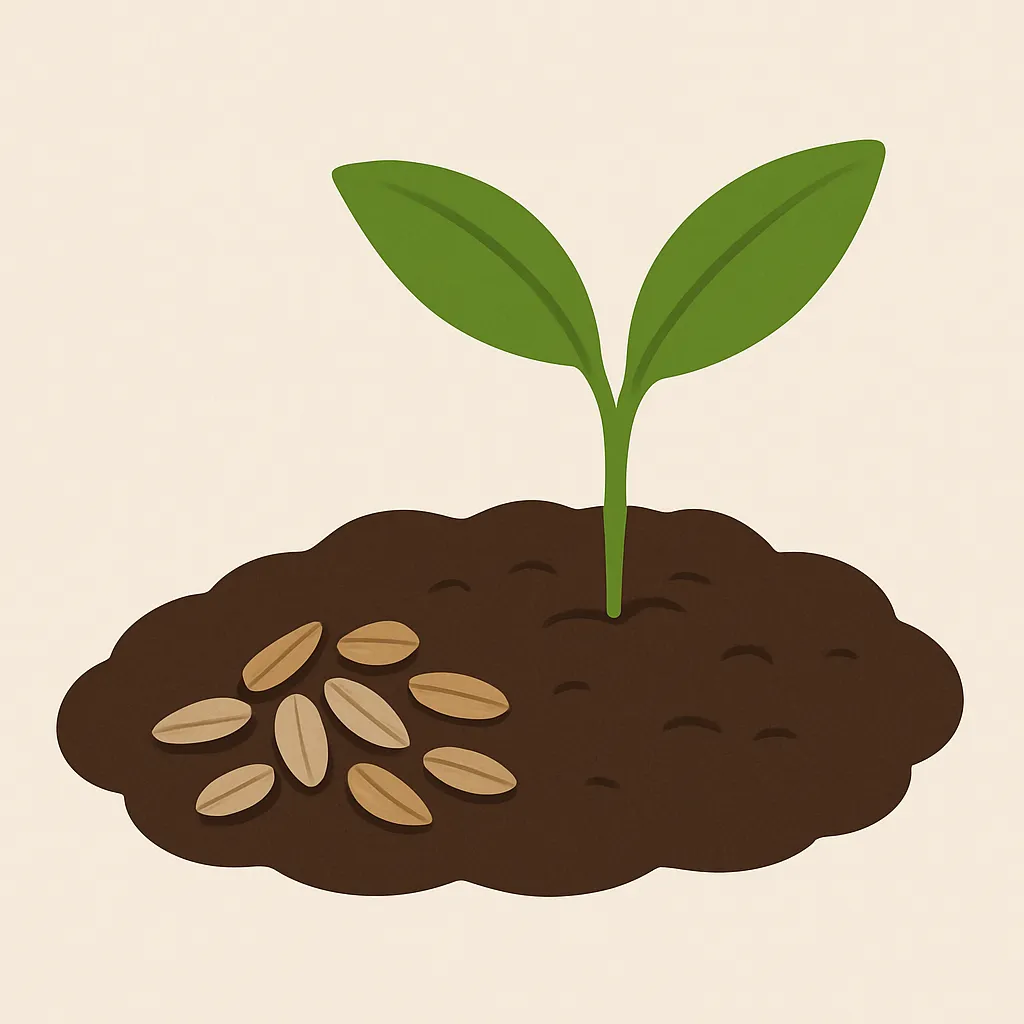
Winter freezes the ground around a maple tree so its roots cannot take up water. How does going dormant help the tree?
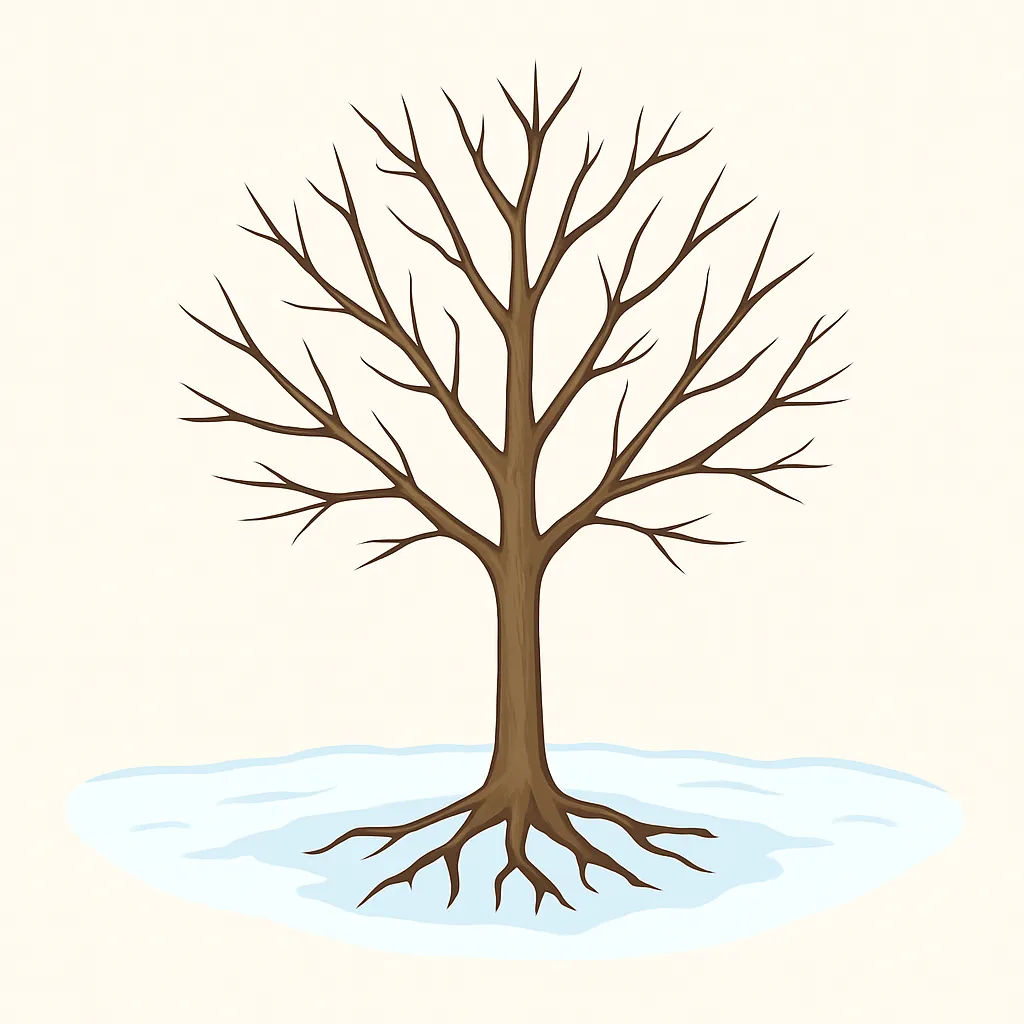
A bare oak tree standing in January snow is dormant, not dead.
A hibernating ground squirrel eats a meal every single day through the winter.
Warm spring rain can turn a brown, dormant lawn green again.
A robin flying south in fall and a woodchuck sleeping in its burrow all winter are making the same response.
Crack the passcode before the zombies get in.

Pick a tile, answer, hit bonuses and steals.
Body Parts That Help Animals Survive
20 questions