Loading
by BlastRoom
Practice subtracting electronegativities and using ΔEN cutoffs to classify bonds.
#chemistry

20 questions
One question set, multiple game modes. Tap any game to see it in action. Not sure which to pick?
Answer to place stones and capture territory.
Outrun the snow together.
Earn blasts, then hunt the other team.
Answer to earn energy, then climb.

The class blasts through walls together.
Bid on mystery lots. Most money wins.
Sell tours. Nice, standard, or a total scam.

Answer, restock, and serve the rush.
More correct answers pulls the rope your way.
Answer, then shoot down the alien wave.
Answer, then tap to leap the frozen ridge.
Use the ΔEN number line. With 0.0–0.4 nonpolar covalent, 0.5–1.7 polar covalent, and above 1.7 ionic, what type is the plotted bond?
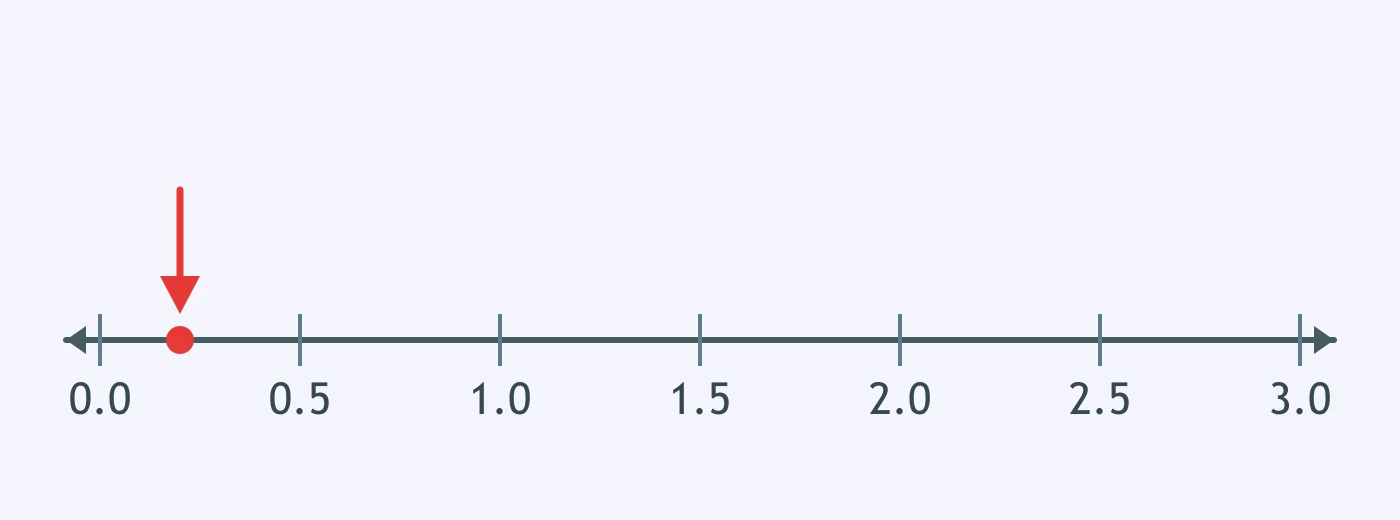
The plotted point shows a bond's electronegativity difference. Using the usual cutoffs, which bond type matches the point?
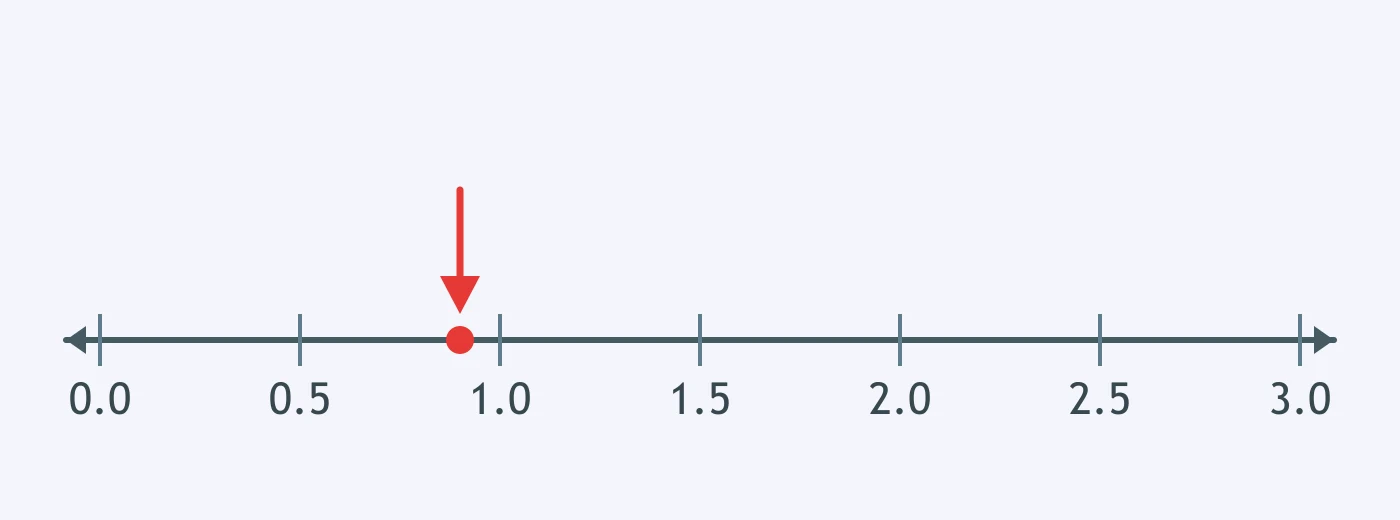
Read the ΔEN value from the number line. If 0.0–0.4 is nonpolar covalent, 0.5–1.7 is polar covalent, and >1.7 is ionic, what is the bond?
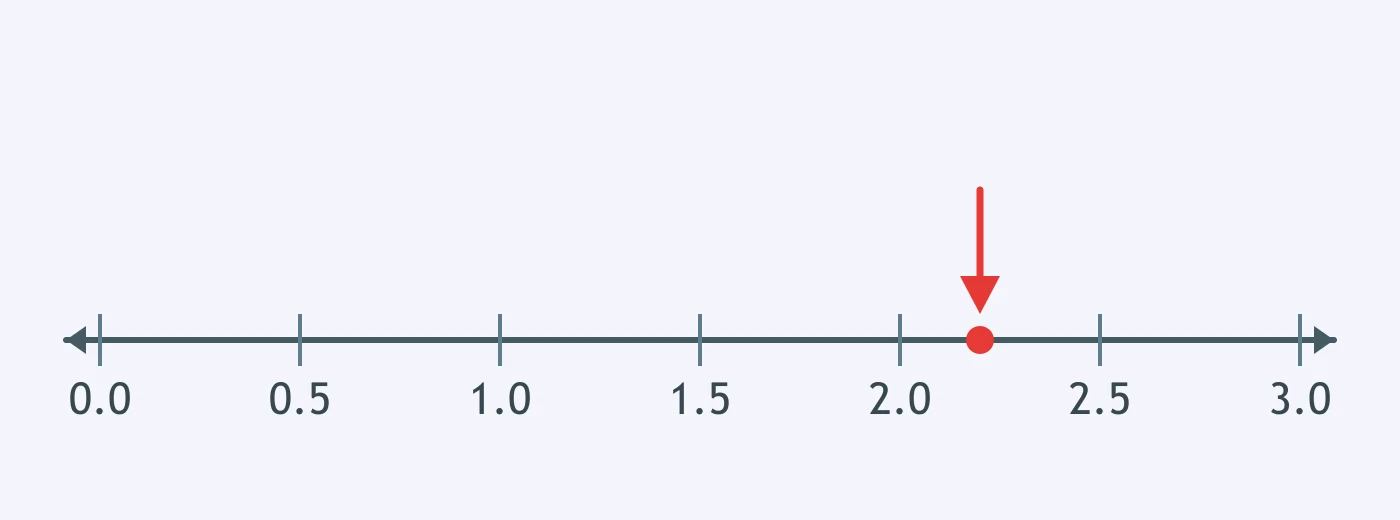
Bond B is plotted on the ΔEN number line. Which classification fits it using 0.0–0.4, 0.5–1.7, and above 1.7 as the three ranges?
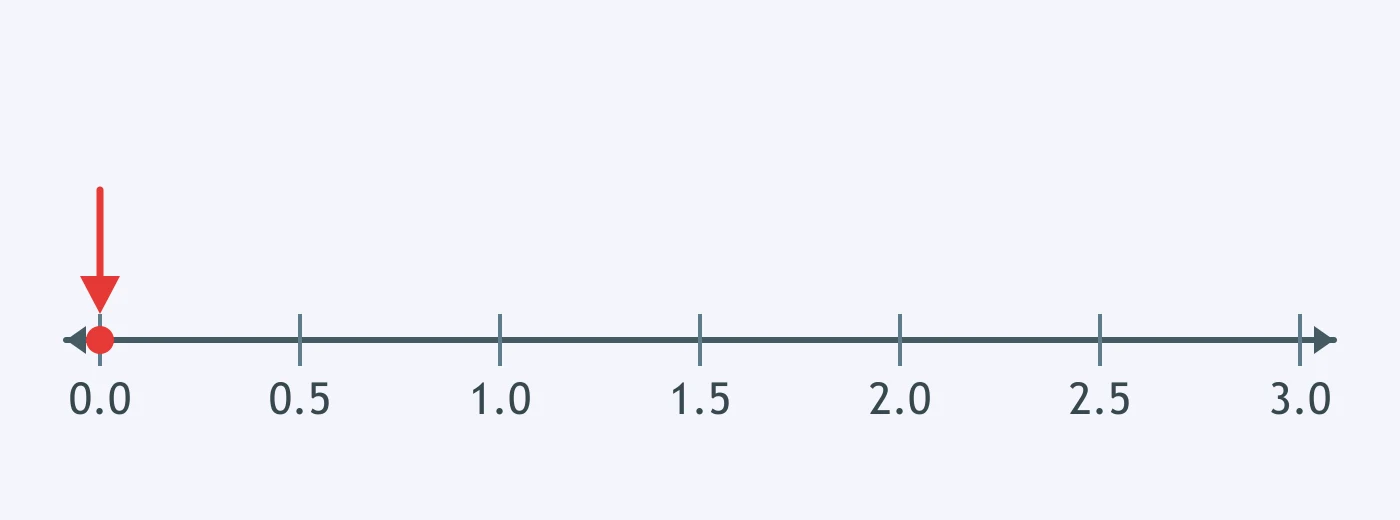
A bond is marked on the electronegativity-difference line. What type of bond is shown by that marked ΔEN?
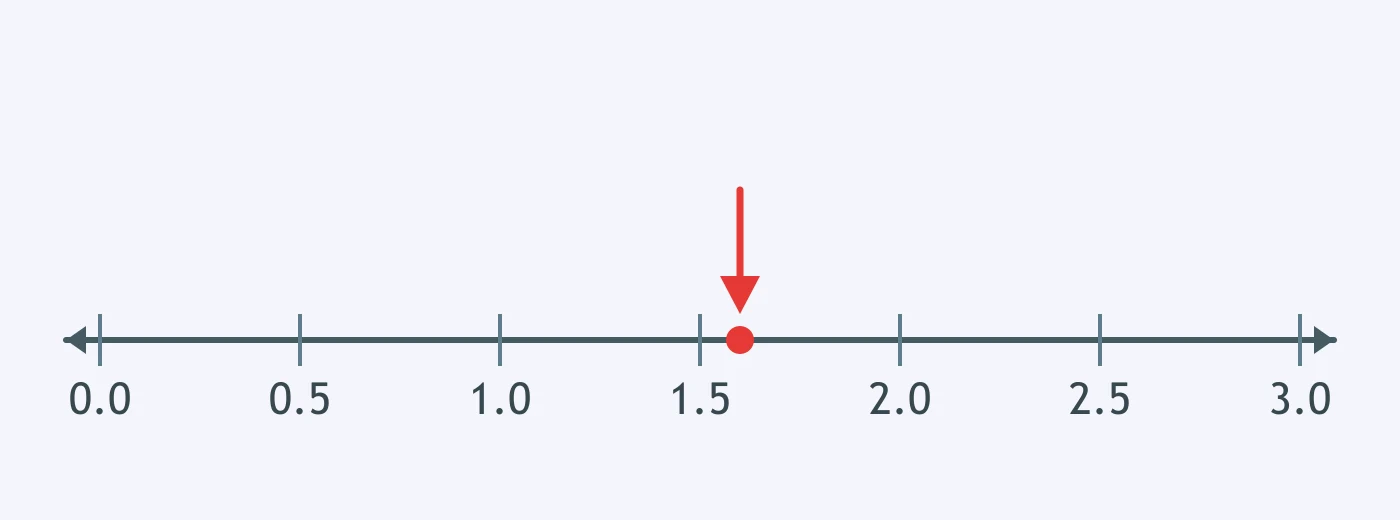
Use the plotted ΔEN value and the cutoffs: 0.0–0.4 nonpolar covalent, 0.5–1.7 polar covalent, above 1.7 ionic. Which answer fits?
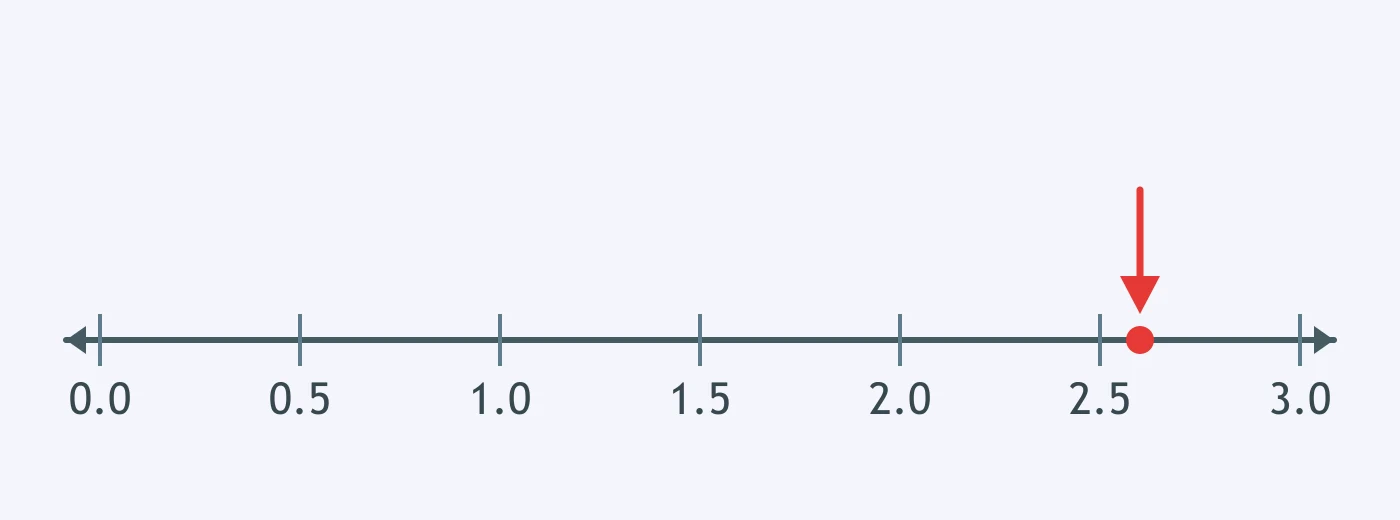
The number line marks a bond's electronegativity difference. Which bond type should be assigned to that point?
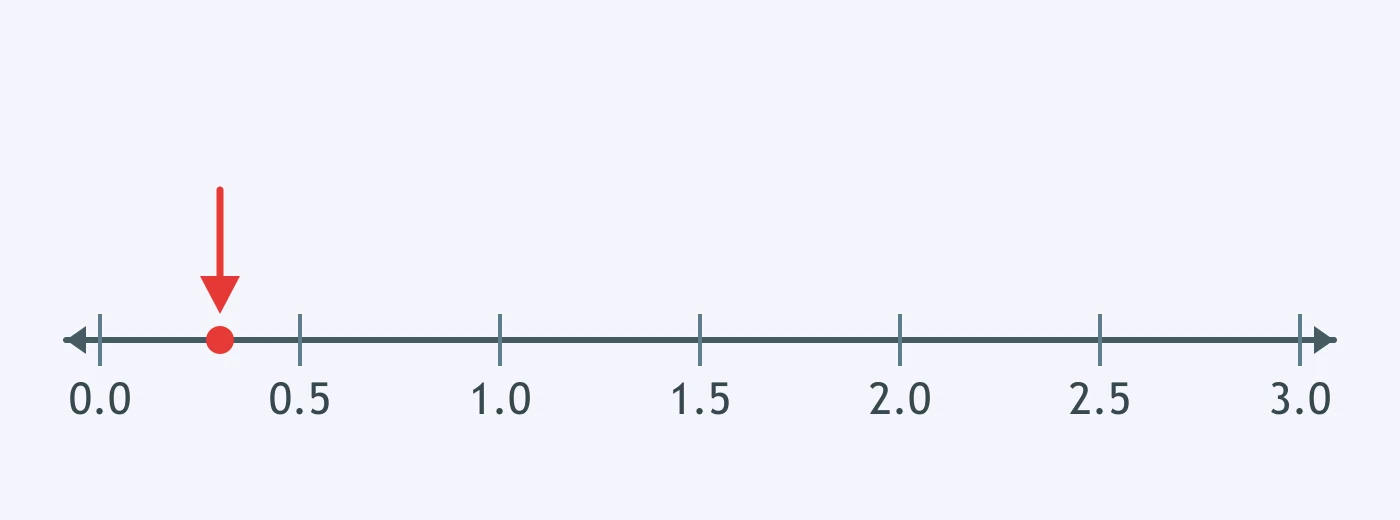
Look at the point on the ΔEN line. Using the classroom cutoffs for bond type, how should the bond be classified?
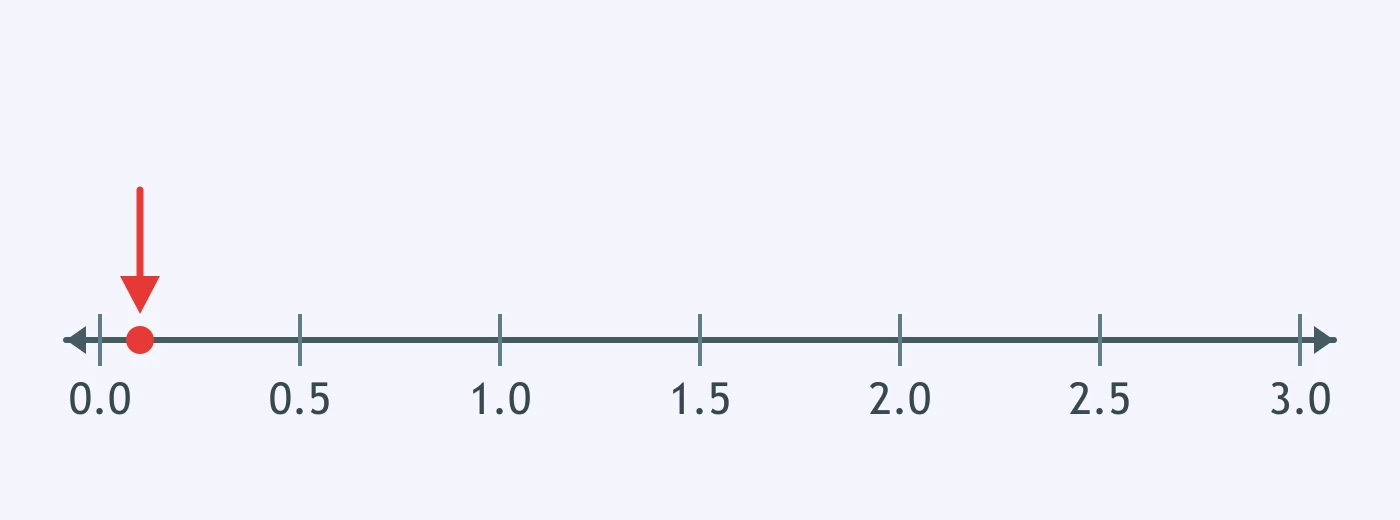
Hydrogen has electronegativity 2.1 and chlorine has 3.0. Using the cutoffs 0.0–0.4, 0.5–1.7, and >1.7, what type is an H-Cl bond?
Sodium has electronegativity 0.9 and chlorine has 3.0. What bond type is predicted for Na-Cl from the ΔEN cutoffs?
Carbon's electronegativity is 2.5 and oxygen's is 3.5. After subtracting, which type of bond is C-O?
Potassium has electronegativity 0.8 and bromine has 2.8. Using ΔEN, which classification fits a K-Br bond?
Nitrogen has electronegativity 3.0 and hydrogen has 2.1. Which bond type is predicted for N-H?
Carbon and sulfur are both listed with electronegativity 2.5 in this table. What type of bond is C-S by ΔEN?
Lithium has electronegativity 1.0 and oxygen has 3.5. What bond type is predicted after subtracting the values?
Phosphorus and hydrogen are both given as electronegativity 2.1. Which bond type does their ΔEN predict?
A bond has atoms with electronegativities 2.1 and 2.5, so ΔEN = 0.4. Using 0.0–0.4 nonpolar covalent, 0.5–1.7 polar covalent, and above 1.7 ionic, how is the bond classified?
A bond's atoms have electronegativities 3.0 and 3.5, so ΔEN = 0.5. Using 0.0–0.4 nonpolar covalent, 0.5–1.7 polar covalent, and above 1.7 ionic, which type of bond is this?
Two atoms have electronegativities 2.0 and 3.7, giving ΔEN = 1.7. Using 0.0–0.4 nonpolar covalent, 0.5–1.7 polar covalent, and above 1.7 ionic, what type of bond is predicted?
Magnesium has electronegativity 1.2 and chlorine has 3.0, so ΔEN = 1.8. Using 0.0–0.4 nonpolar covalent, 0.5–1.7 polar covalent, and above 1.7 ionic, what type is the Mg-Cl bond?
Crack the passcode before the zombies get in.
Answer, then swat bugs for bonus points.
Race through questions at your own speed.
Same question on every screen. Fastest wins.

Pick a tile, answer, hit bonuses and steals.
Lewis Structures for Molecules
24 questions